January: shrine visits, sumo and the Boroichi
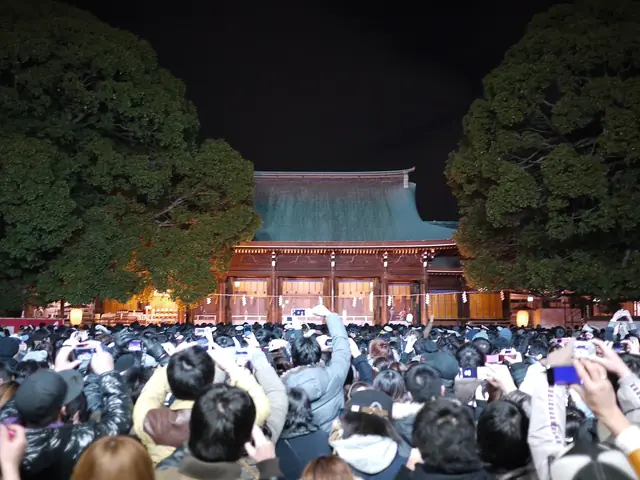
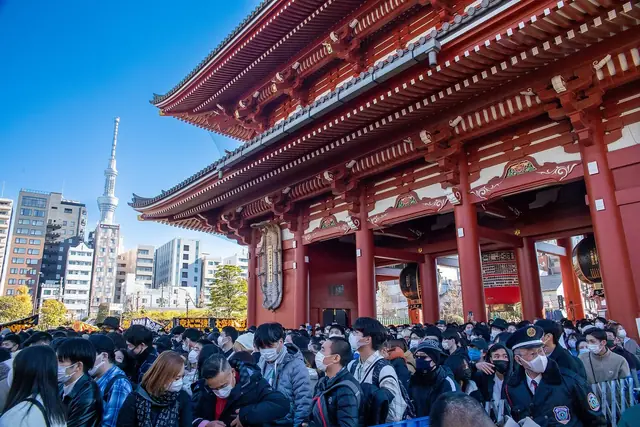
The year starts quietly. Many shops and small restaurants close from January 1 to 3, while millions of people go to Meiji Jingu, Sensoji and Kanda Myojin for hatsumode, the first shrine visit of the year. On January 2 the imperial family greets the public from a palace balcony, and in early January the fire department shows off ladder acrobatics at its New Year review. The second Monday is Coming of Age Day, when young adults in kimono and suits gather at ward halls and shrines.
In the middle of the month the first sumo tournament of the year fills Ryogoku Kokugikan, and the Setagaya Boroichi, a flea market with more than 400 years of history, returns on January 15 and 16 after its December round. Winter illuminations stay on through most of the month. It is cold and dry, with clear skies and, from high places, a good chance of seeing Mount Fuji.
February: Setsubun beans and plum blossoms
Setsubun, usually on February 3, marks the eve of spring in the old calendar. People throw roasted soybeans to chase out bad luck, and big temples and shrines such as Sensoji, Zojoji, Ikegami Honmonji and Kanda Myojin hold bean-throwing ceremonies where guests, sometimes sumo wrestlers and TV personalities, toss beans and small lucky packets into the crowd. Supermarkets sell ehomaki, thick sushi rolls you eat in silence facing the lucky direction of the year.
Plum blossoms open while it is still cold. Yushima Tenjin, the shrine where students pray before exams, holds a plum festival, and Hanegi Park in Setagaya has hundreds of trees. February also brings department-store chocolate fairs before Valentine's Day and the last weeks of the illuminations. It is one of the two coldest months, with January, which makes it a good time for museums and indoor shows.
March: the marathon, hina dolls and the first cherry blossoms
In recent years the Tokyo Marathon has been run on a Sunday in early March, on a course that passes Asakusa, Ginza and Tokyo Station, with plenty of free spots along the route to cheer. On March 3 homes and department stores display hina dolls for the Girls' Festival. Toward the end of the month AnimeJapan, one of the largest anime fairs in the world, has long filled Tokyo Big Sight with studio booths, stage events and exclusive goods, but for 2027 and 2028 it moves to Intex Osaka.
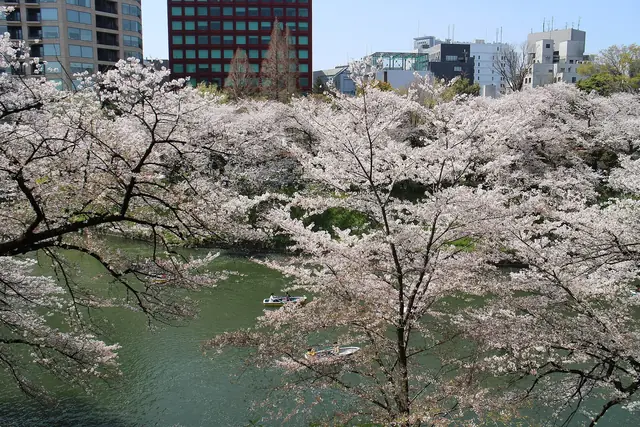
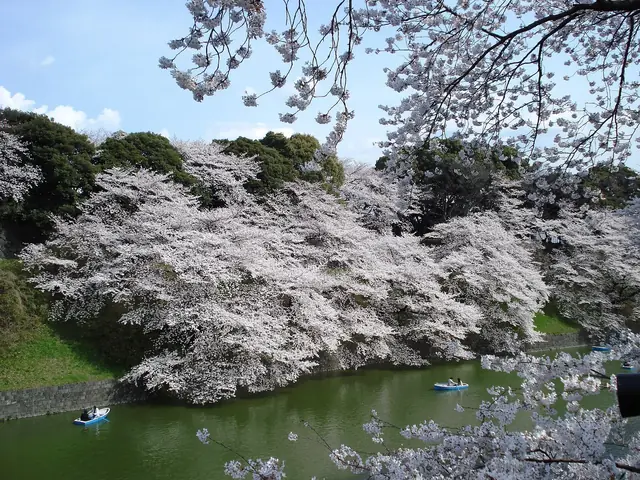
Cherry blossoms usually open in the second half of March, when the Japan Meteorological Agency declares the season by checking its sample tree at Yasukuni Shrine, and reach full bloom about a week later. Parks fill with hanami picnics and lanterns go up along the Meguro River. School spring holidays start too, so expect crowds and book hotels early.
- Blossom forecasts are published from early in the year and updated weekly. Plan a few flexible days rather than one fixed date.
- For hanami, popular lawns are claimed in the morning. A weekday picnic is far calmer than a Saturday one.
April: late blossoms, azaleas and the start of Golden Week
In most years the cherry blossoms peak around the turn of March and April and fall within a week or two, although later double-flowered varieties last into mid-April. The new school and business year starts on April 1, so the first weeks are full of welcome parties under the trees. After the sakura come the azaleas: Nezu Shrine in Bunkyo holds an azalea festival with about 3,000 bushes on the slope behind its halls.
From mid-April, wisteria hangs over the ponds at Kameido Tenjin in Koto ward, with Tokyo Skytree rising behind the trellises. The weather is mild and fairly dry, ideal for outdoor markets and the weekend festivals at Yoyogi Park. Golden Week, a run of national holidays, begins on April 29, and from then trains, resorts and popular sights fill up quickly.
May: Kanda and Sanja matsuri and the summer sumo
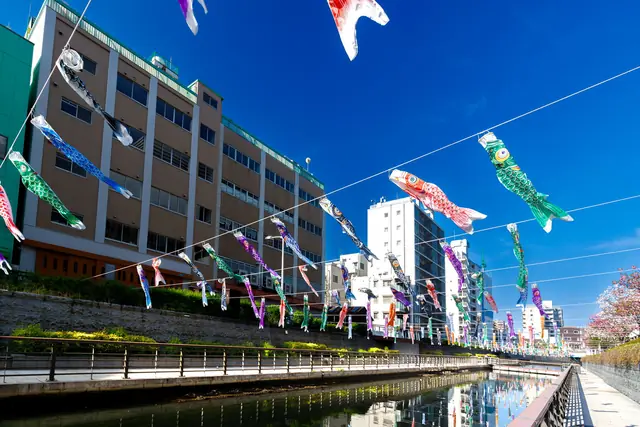
Golden Week runs until May 5, Children's Day, when carp streamers fly over rivers and balconies. Mid-May is the heart of the festival year in old Tokyo. Kanda Matsuri, one of the three great festivals of Edo, centres on Kanda Myojin near Akihabara, and its full procession is held in odd-numbered years. On the third weekend of May, Sanja Matsuri takes over Asakusa: around a hundred neighbourhood mikoshi are carried through the streets, and the crowds are enormous.
The May sumo tournament returns to Ryogoku in the middle of the month. Wisteria finishes in early May, and roses come out later in the month at Kyu-Furukawa Gardens and other western-style gardens. May is warm without the summer humidity, which makes it one of the best months for walking around and for outdoor food festivals.
June: rainy season, hydrangeas, Sanno Matsuri and Pride
The rainy season (tsuyu) usually sets in around early June and lasts until mid or late July. It does not rain every day, but every outdoor plan needs a backup. The reward is hydrangeas: Hakusan Shrine in Bunkyo holds a hydrangea festival, and Meigetsuin in Kamakura is famous enough to need a queue. Irises bloom at Horikiri Shobuen in Katsushika and in the inner garden of Meiji Jingu.
Sanno Matsuri at Hie Shrine in Akasaka takes place in mid-June, and in even-numbered years its procession, with people in Heian-period court dress and portable shrines, winds through central Tokyo. Tokyo Pride, organised by the nonprofit Tokyo Rainbow Pride, moved from April to June in 2025 to line up with Pride Month, with a festival in Yoyogi Park and a parade through Shibuya and Harajuku.
- Keep a folding umbrella in your bag all month. Convenience stores sell cheap ones if you forget.
- Hydrangeas look their best in light rain, so a grey day is a good day for a garden.
July: Tanabata, lanterns and the Sumida River fireworks
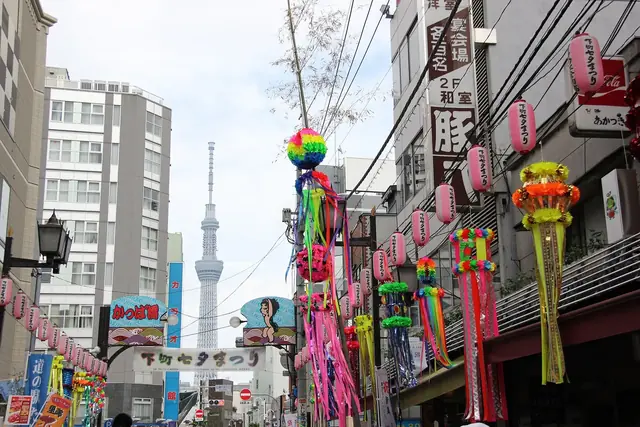
July 7 is Tanabata, the star festival, when people write wishes on paper strips and tie them to bamboo. Decorations go up in shopping streets and stations, and the Shitamachi Tanabata festival fills the Kappabashi area near Asakusa. Early July also brings two plant markets to Taito ward: the morning-glory market at Iriya and the hozuki (Chinese lantern plant) market at Sensoji on July 9 and 10.
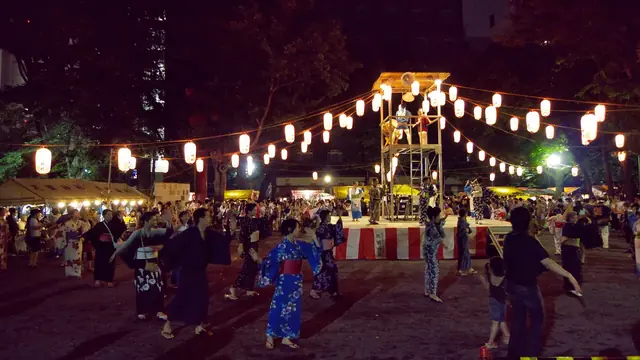
In mid-July, Yasukuni Shrine holds the Mitama Matsuri, lit by tens of thousands of lanterns. The rainy season ends, the real heat arrives, and rooftop beer gardens open. On the last Saturday of July the Sumida River fireworks, the best-known display in the city, draw close to a million people to Asakusa and the riverbanks. Bon odori dances start in parks and temple grounds toward the end of the month.
August: fireworks, Awa Odori and Comiket
August is the peak of the summer festival season. On the first Saturday of the month, big riverside fireworks in Edogawa and Itabashi light up the edges of the city, and many neighbourhoods hold bon odori around Obon in mid-August, when a lot of people go back to their hometowns. Fukagawa Hachiman Matsuri in Koto ward is the festival where spectators throw water over the mikoshi, with a much larger version every three years.
Comiket, the giant market for self-published manga and fan works, takes over Tokyo Big Sight in mid-August, and the Summer Sonic rock festival is held around the same time at Makuhari in Chiba. The month ends loudly: the Koenji Awa Odori brings thousands of dancers to Koenji on the last weekend of August, and in recent years the Asakusa Samba Carnival and Super Yosakoi in Harajuku have also fallen on late-August weekends.
- Heat is the main risk. Carry water, plan outdoor time for the evening and take breaks in air-conditioned shops.
- At street festivals, stalls mostly take cash and there are few bins, so carry coins and a bag for your trash.
September: sumo, autumn festivals and Tokyo Game Show
The heat lingers through most of September, and it is the main typhoon month, so outdoor events sometimes change at short notice. The autumn sumo tournament fills Ryogoku Kokugikan in the middle of the month. Shrines hold their autumn festivals on weekends, and Shiba Daijingu near Tokyo Tower runs the Daradara Matsuri, known as the longest festival in Japan, for eleven days from September 11.
Tokyo Game Show, one of the biggest video game fairs in the world, is held in the second half of September at Makuhari Messe in Chiba, with business days first and public days at the weekend. The holidays around Respect for the Aged Day and the autumn equinox sometimes join into a long weekend people call Silver Week. Around the harvest moon, gardens hold moon-viewing (tsukimi) evenings and sweet shops sell tsukimi dango.
October: Halloween, cosplay, ramen and old books
October is comfortable again and full of weekend festivals in parks. Halloween has two faces in Tokyo. Shibuya, where crowds once packed the Scramble Crossing, now asks people not to come for Halloween, and in recent years the ward has banned drinking on the street around the station every night from 6pm to 5am. The organised alternative is the Ikebukuro Halloween Cosplay Festival around Sunshine City, usually on the last weekend of the month and one of the largest cosplay events in Japan.
Food lovers have long headed to Tokyo Ramen Festa at Komazawa Olympic Park in late October and early November, with shops from all over Japan; check its official site for where and when it runs next. Around the same time Jimbocho, the old book district, holds the Kanda Used Book Festival with shelves along Yasukuni-dori, and the Tokyo International Film Festival screens in central Tokyo. For a day trip, the Kawagoe Matsuri in Saitama pulls tall festival floats through a preserved merchant town on the third weekend of October.
November: autumn leaves, rooster markets and the first lights
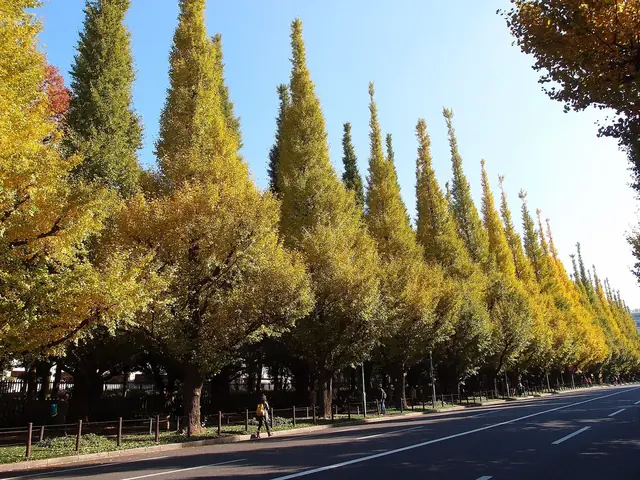
November is clear and cool, one of the best months to be outside. The leaves turn on Mount Takao from around mid-November and in the city gardens from late November into early December, with the ginkgo avenue at Jingu Gaien and Rikugien among the classic spots. Chrysanthemum shows are held at Shinjuku Gyoen, Meiji Jingu and Yushima Tenjin, and around November 15 families bring small children in kimono to shrines for Shichi-Go-San.
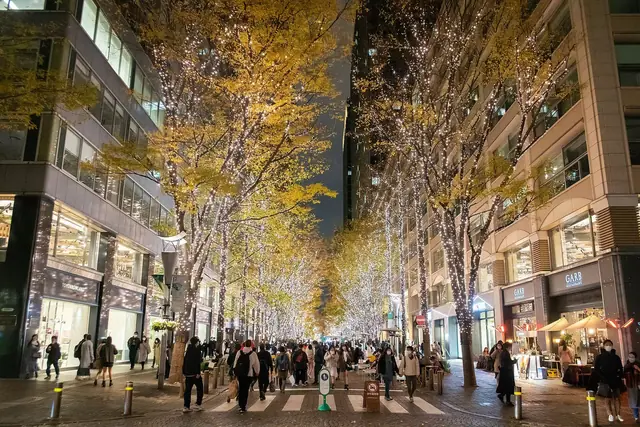
On the days of the rooster in the old calendar, usually two and sometimes three in November, Otori Shrine in Asakusa and Hanazono Shrine in Shinjuku hold Tori-no-ichi, night markets selling decorated bamboo rakes for business luck, with rhythmic clapping every time someone buys one. Winter illuminations switch on through early and mid-November in Roppongi, Marunouchi and Shiodome, and the first Christmas markets open toward the end of the month.
December: lights, markets, Comiket and New Year's Eve
December is the month of illuminations and Christmas markets, with Meiji Jingu Gaien, Roppongi Hills and the Red Brick Warehouse in Yokohama among the best known. In Japan, Christmas Eve is more of an evening for couples than a family day, and year-end parties (bonenkai) fill izakaya and late trains. Old Tokyo keeps its own calendar alongside: the Setagaya Boroichi on December 15 and 16, and the Hagoita-ichi at Sensoji from December 17 to 19, where stalls sell decorated wooden paddles as lucky charms.
In the second half of the month Makuhari Messe hosts Jump Festa and the COUNTDOWN JAPAN rock festival, and winter Comiket returns to Tokyo Big Sight just before the New Year. Offices close for the holidays, and on December 31 temples ring their bells 108 times around midnight. Then the cycle starts again with the first shrine visit of January.