Weather: late heat, autumn rain and typhoons
Summer does not end on September 1. In the first half of the month daytime highs are often still around 30°C, with warm, humid nights. By the end of the month highs usually settle in the mid-20s and nights drop to around 18 to 20°C, and the first evenings with a light jacket arrive. On average September is one of the wettest months in Tokyo: the autumn rain front (akisame) brings spells of grey, drizzly days.
It is also the month when typhoons most often come near the Kanto region, according to the Japan Meteorological Agency. A typhoon usually means a day of heavy rain and wind, followed by clear and often hot weather. Trains can be suspended, and rail companies such as JR East now often announce planned suspensions (計画運休) the day before. Outdoor events write 荒天中止 (cancelled in stormy weather) or 順延 (postponed to a backup day) on their pages, and the decision is usually posted on the day.
- Pack for both seasons: summer clothes for the first half, a thin long-sleeved layer for late-September evenings.
- Keep a folding umbrella in your bag. Autumn rain is often light but long.
- On a typhoon day, check your rail operator's site before you head out, and keep plans indoors.
The September sumo tournament and Tokyo Game Show
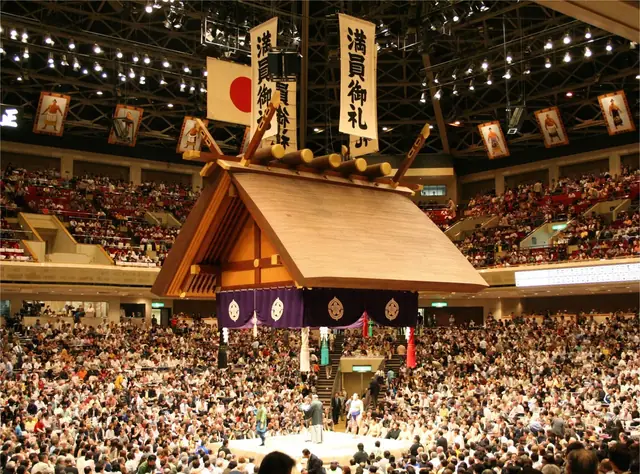
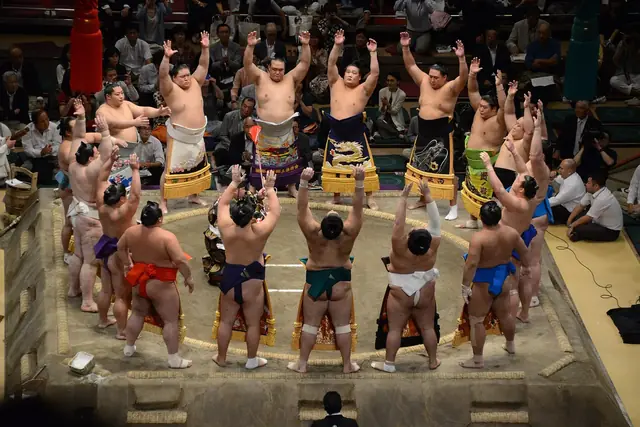
The September grand sumo tournament (Aki Basho) runs for 15 days at Ryogoku Kokugikan, usually starting on the second Sunday of the month. Tickets go on sale about five weeks before through the official Ticket Oosumo site, which has an English version, and in recent years Tokyo tournaments have sold out, weekends and the final days first. One ticket covers the whole day, from the junior divisions in the morning to the top division just before 6pm. If you miss out, NHK shows the top bouts live every afternoon.
Tokyo Game Show, one of the largest video game fairs in the world, is held at Makuhari Messe in Chiba in the second half of September. The first days are business days for the industry, and the public days fall on the weekend (since 2026 three days, with the holiday Monday), with publishers showing upcoming games, playable demos, a big cosplay area and a lot of merchandise. Buy public-day tickets in advance from the official site, and expect long queues for the most popular demos.
- Weekdays in the first week of the tournament are the easiest sumo days to get.
- Makuhari Messe is a short walk from Kaihin-Makuhari Station on the JR Keiyo Line, about 30 minutes from Tokyo Station.
- At Tokyo Game Show, head first to the demo you care about most. Queues for big titles can close early in the day.
Moon viewing, shrine festivals and art at night
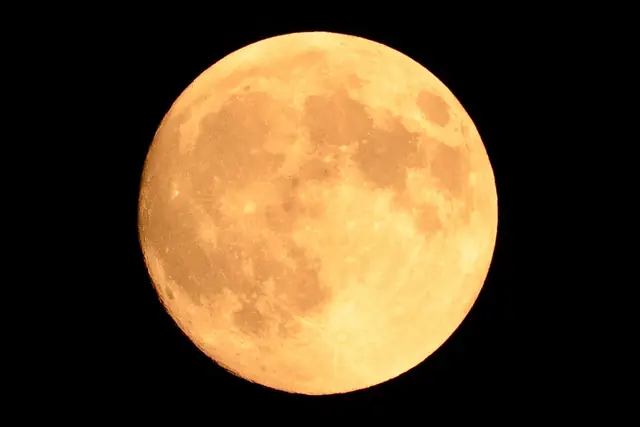
Tsukimi, moon viewing, centres on jugoya, the harvest moon of the old lunar calendar, which falls between mid-September and early October. Mukojima-Hyakkaen, a small Edo-period garden in Sumida, holds a long-running moon-viewing evening with paper lanterns and offerings. That week, sweet shops and convenience stores sell white tsukimi dango, and fast-food chains bring out tsukimi burgers with a fried egg standing in for the moon.
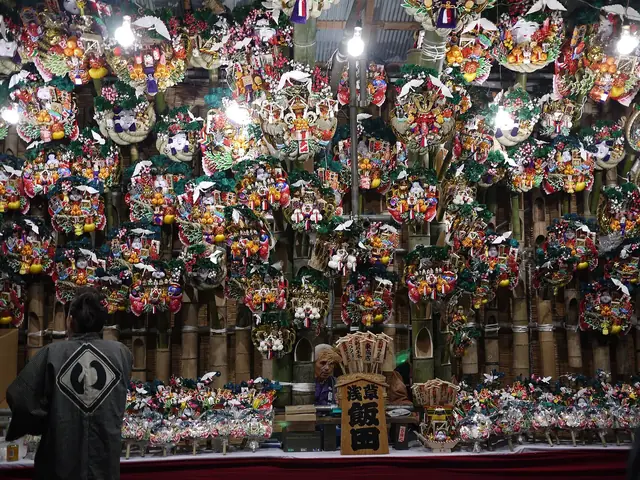
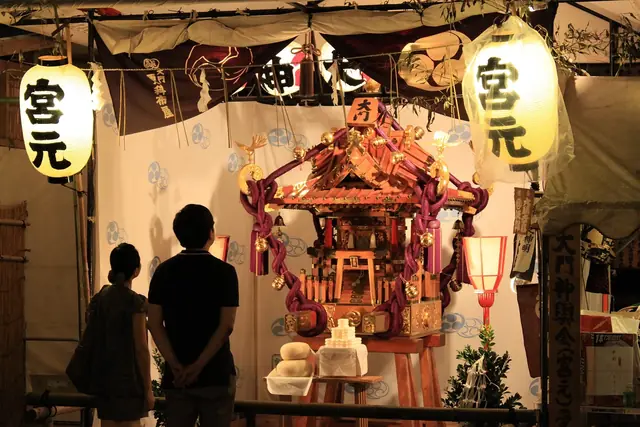
Neighbourhood shrines hold their annual festivals on September weekends, with mikoshi and drums in the streets. Shiba Daijingu near Tokyo Tower runs the Daradara Matsuri, known as the longest festival in Japan, for eleven days from September 11, and the festival of Akasaka Hikawa Shrine in mid-September is known for its Edo-style floats. The autumn Oktoberfest sets up in Shiba Park, and Meguro marks the season with grilled saury festivals. Roppongi Art Night, a free night-time art festival around Roppongi Hills, Tokyo Midtown and the National Art Center, has moved around the calendar, from spring to late September and in some years later in autumn, so check its site for the current timing.
- The moon rises in the east around sunset. In the city it clears the rooftops about an hour or two later.
- Garden evenings have mosquitoes in September. Bring insect repellent.
Holidays, Silver Week and crowds
September has two national holidays: Respect for the Aged Day on the third Monday, and Autumnal Equinox Day, which falls on September 22 or 23 and is set each year from the astronomical equinox. In most years this gives one or two long weekends. Every several years the calendar lines up so that the single day between the two holidays also becomes a holiday, and Japan gets a five-day break called Silver Week, with Golden Week-style crowds at resorts and on the Shinkansen.
The equinox week is also Ohigan, when families visit graves, and it is when red spider lilies (higanbana) bloom. The best-known field near Tokyo is Kinchakuda in Hidaka, Saitama, where around five million flowers usually peak between mid-September and early October; it is about 15 minutes on foot from Koma Station on the Seibu Ikebukuro Line, and there is an entry fee during the flowering season. After the August rush, tourist crowds in Tokyo are lighter, except on the long weekends.
- If your trip overlaps a long weekend, book Shinkansen seats and day trips ahead.
- Higanbana timing shifts with the weather. Check the bloom report on the official site the week you go.
What to wear and how to plan the month
Think of September as two months in one. The first half is summer: light clothes, a hat, water and the same heat precautions as August, including the heatstroke alerts (熱中症警戒アラート), which are still issued on hot days. The second half is the start of autumn, when afternoons are pleasant for walking and evenings need long sleeves.
Keep the outdoor days flexible because of typhoons and rain, and put the fixed plans, such as sumo, Tokyo Game Show or a museum, on days you cannot easily move. Many shrine festivals and outdoor events go ahead in light rain, and the ones that stop say so on the day. September is also when the big autumn exhibitions and theatre seasons begin, so a rainy afternoon has plenty of good options.
- Shrine festival stalls mostly take cash. Bring coins and 1,000-yen notes.
- Rooftop beer gardens usually close at the end of September. Go early in the month if you want one last summer evening.