What November feels like
November is when the rain eases off. By the Japan Meteorological Agency's long-term averages, it gets well under half the rainfall of October, the air turns dry and clear days are the rule. Daytime highs fall from around 19°C at the start of the month to about 14°C at the end, and nights cool from about 12°C to 6°C. Days get short fast: by late November the sun sets at around 4:30pm.
Early in the month a sweater or light jacket is enough. In the second half, bring a proper coat for the evenings, especially if you plan to stand in a light-up queue or walk around a night market. Trains, shops and museums are heated, so layers you can take off work better than one heavy coat.
- Plan outdoor sightseeing for the morning and early afternoon. It is dark well before 5pm by the end of the month.
- Mount Takao and the hills to the west are several degrees colder than central Tokyo. Bring an extra layer.
Two holidays: Culture Day and Labor Thanksgiving Day
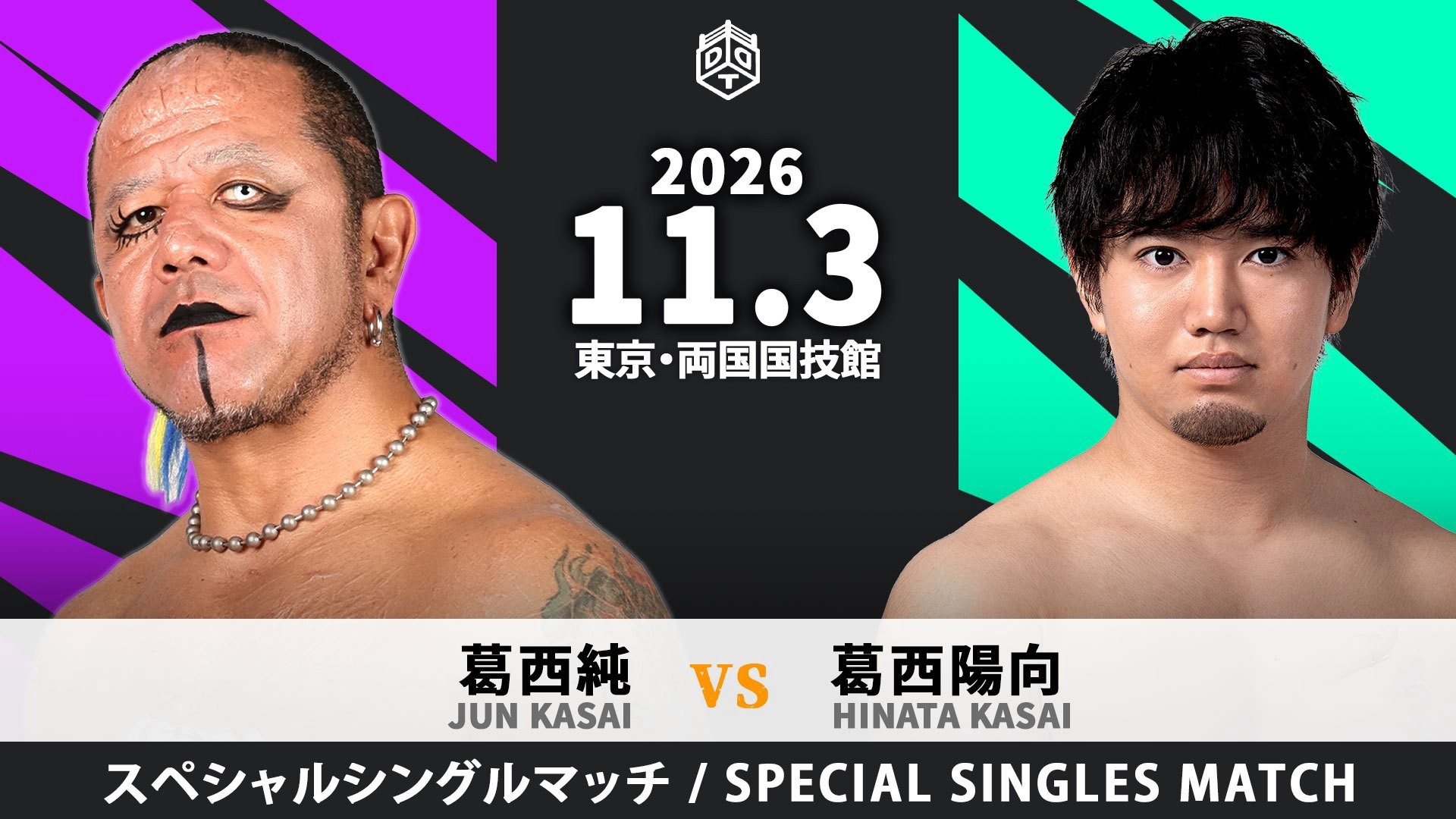
November has two national holidays, both on fixed dates: Culture Day on November 3 and Labor Thanksgiving Day on November 23. When either falls next to a weekend you get a long weekend, and leaf-viewing spots, gardens and day-trip trains fill up accordingly. Culture Day is a good day for museums: in recent years the Tokyo National Museum, the National Museum of Western Art and the National Museum of Modern Art have opened their permanent collections for free. Around the same date Meiji Jingu holds its autumn grand festival, with traditional performances in the grounds.
Labor Thanksgiving Day grew out of the old harvest festival, and shrines still hold the Niiname-sai thanksgiving rite for the new rice on November 23. November is also the high season for university festivals (gakuensai). Waseda's festival in early November is one of the largest in Japan, Sophia's is held around Culture Day, Keio's Mita Festival around Labor Thanksgiving Day and the University of Tokyo's Komaba Festival in late November. Most are free, with cheap student food stalls and stage shows.
- Free museum days get crowded by late morning. Go at opening time or after 3pm.
- Each university sets its own dates. Check the festival's official site a few weeks ahead.
Autumn leaves and chrysanthemums
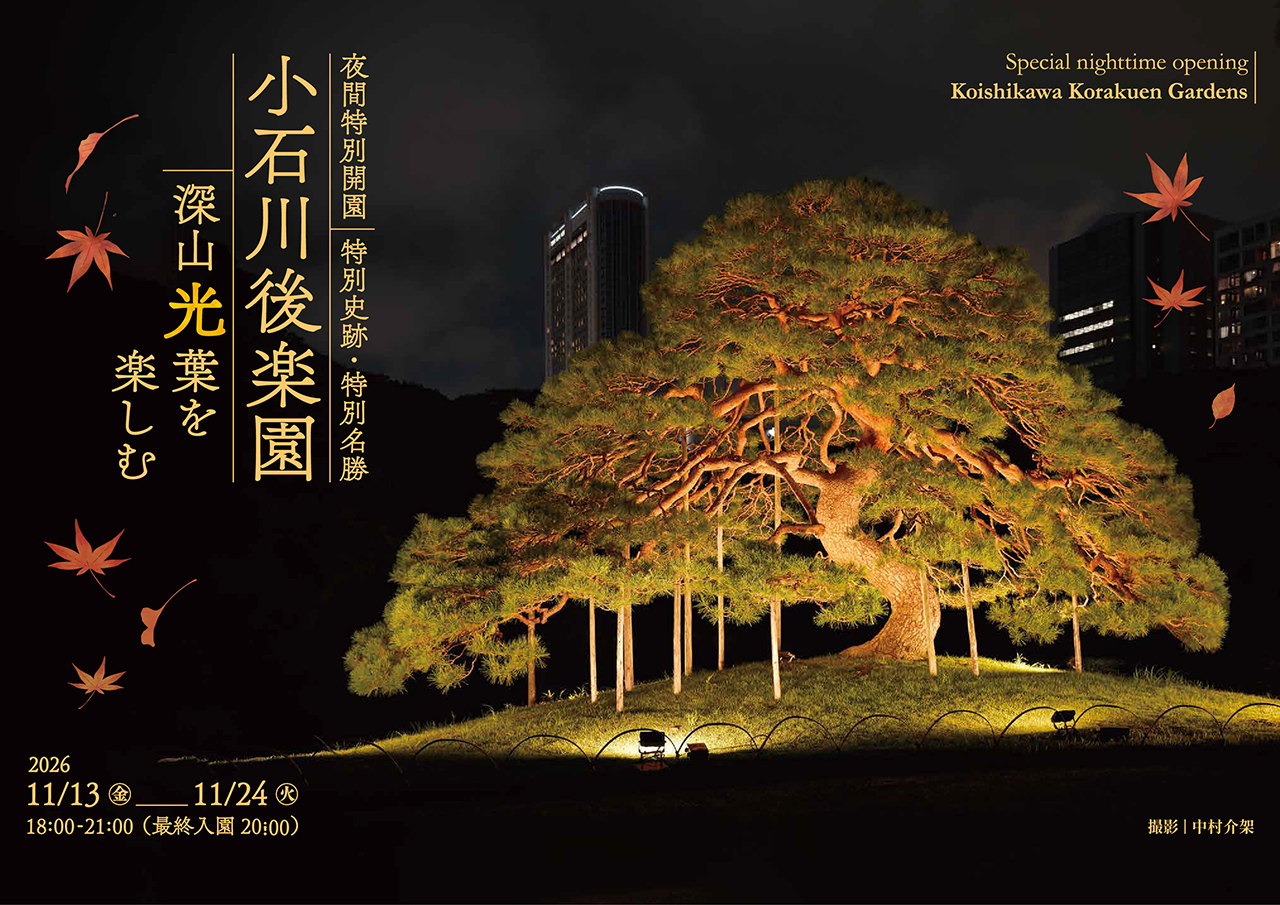
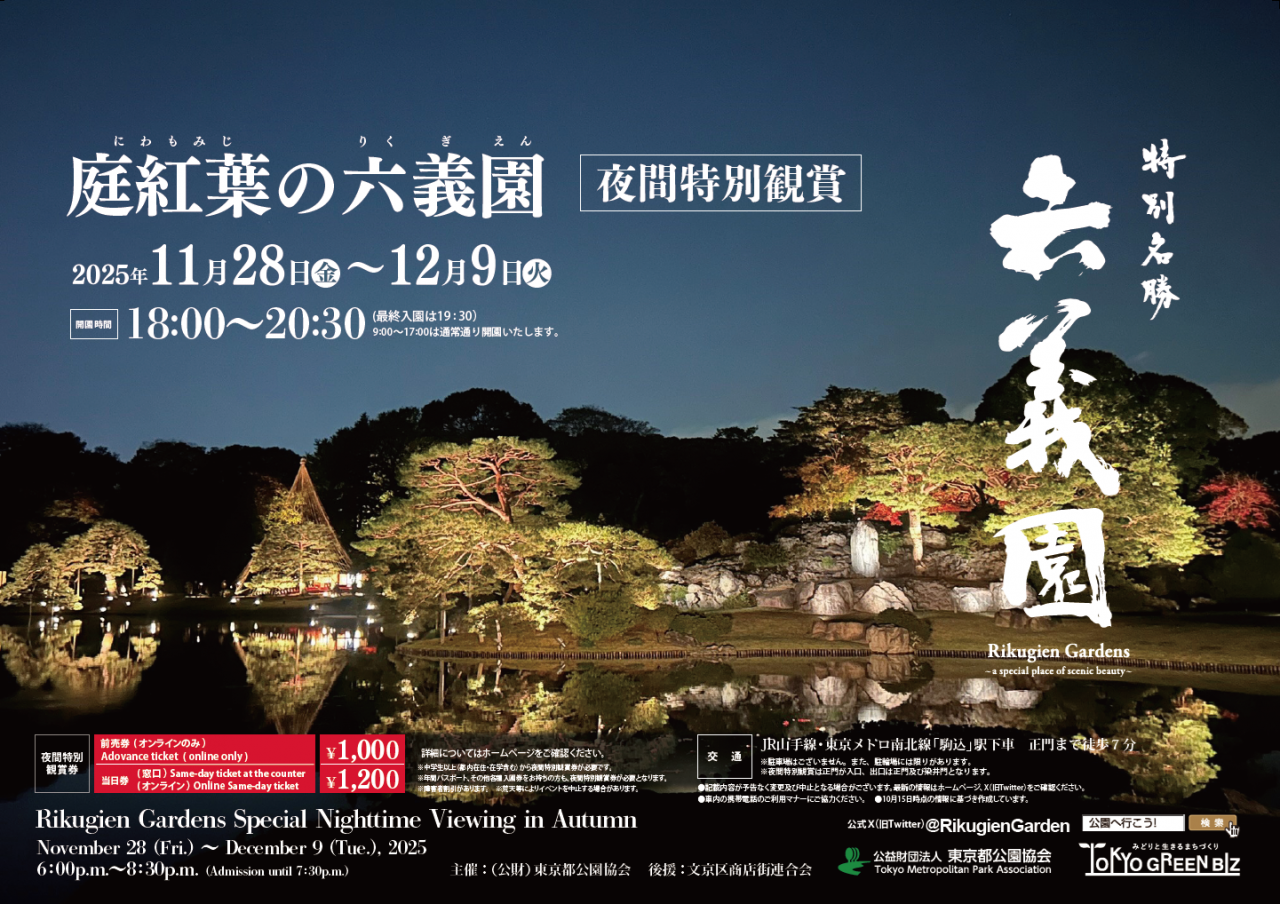
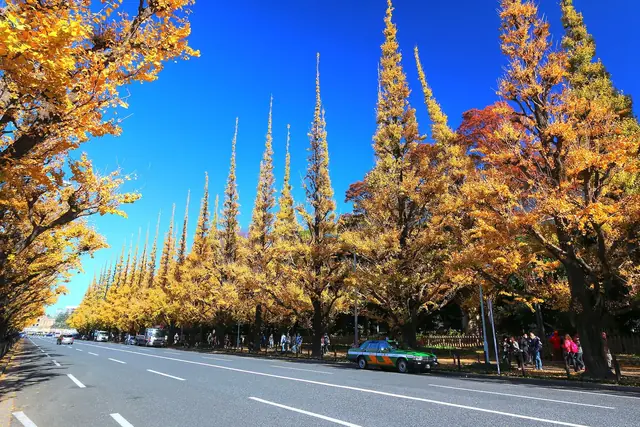
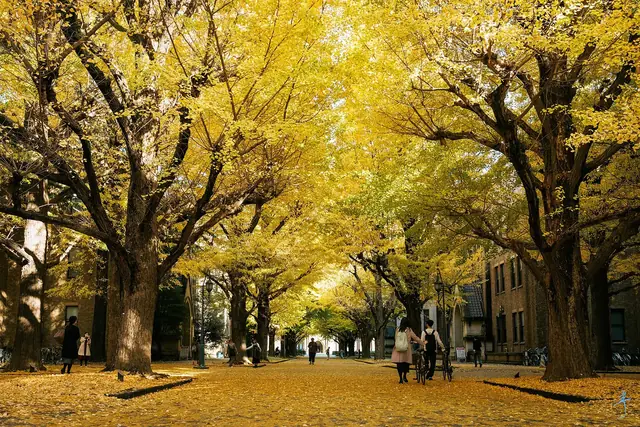
Central Tokyo turns late. The ginkgo trees usually go gold from mid to late November, and the maples follow, at their best from late November into early December, while Mount Takao tends to run about a week ahead. The ginkgo avenue at Meiji Jingu Gaien is the classic picture, and in recent years the Tokyo Christmas Market has opened beside it, in front of the Meiji Memorial Picture Gallery, from late November. For maples, go to the old gardens: Rikugien near Komagome and Koishikawa Korakuen near Iidabashi, both of which have held evening light-ups in recent years.
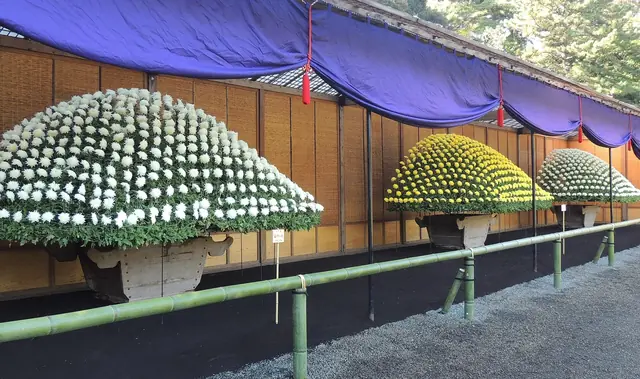
November is also chrysanthemum season. Shinjuku Gyoen holds its chrysanthemum exhibition in the Japanese garden in the first half of the month, and it usually stays open on Mondays while the show is on. Meiji Jingu lines its approach with prize chrysanthemums around Culture Day, and Yushima Tenjin near Ueno holds a chrysanthemum festival in the shrine grounds.
- Foliage reports use 色づき始め (starting to turn), 見頃 (at peak) and 落葉 (falling). Check them the day before.
- Jingu Gaien is packed on sunny weekend afternoons at peak. Early morning is calmer and better for photos.
Tori-no-ichi and Shichi-Go-San
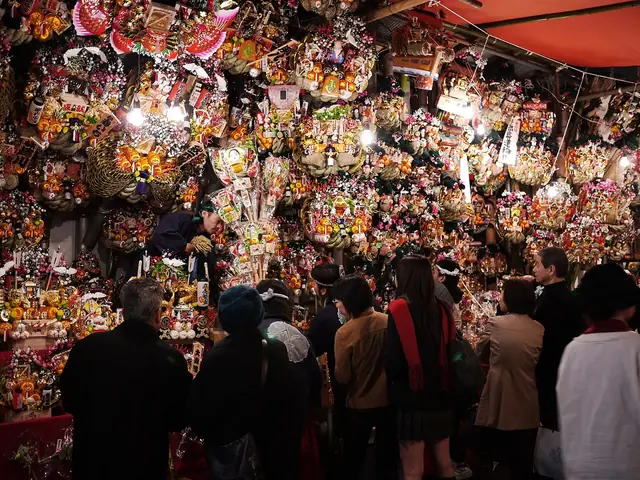
On the days of the rooster in the old calendar, which come around two or three times each November, shrines hold Tori-no-ichi, markets selling kumade: bamboo rakes decorated with masks, coins and good-luck charms, meant to rake in business luck for the coming year. Otori Shrine in Asakusa, said to be where the custom began, starts with a drum at midnight and runs around the clock, and Hanazono Shrine in Shinjuku holds a large market with an eve night and a main day. When someone buys a rake, the sellers and buyer clap in a quick rhythm together. Folk wisdom says a year with three rooster days brings more fires.
Shichi-Go-San falls on November 15, but since it is rarely a day off, families go on weekends from mid-October to late November. Girls of three and seven and boys of five, and in Tokyo often boys of three as well, visit shrines in kimono or small suits and receive long red and white chitose ame candy. Meiji Jingu, Kanda Myojin and Hie Shrine are the busiest. It is a private family day, so give families space for their photos and never photograph children without asking the parents.
- Tori-no-ichi is most atmospheric after dark. Stalls sell street food too, and most take cash only.
- You don't have to buy a big rake. Small kumade charms make an affordable souvenir.
The lights come on and the year-end begins
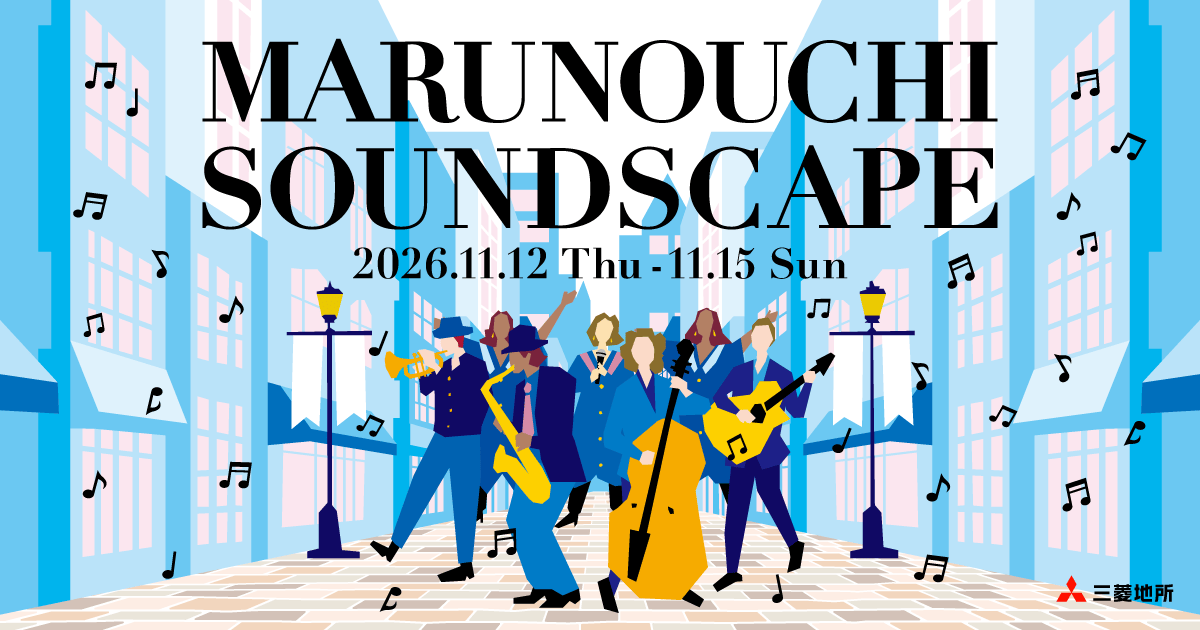
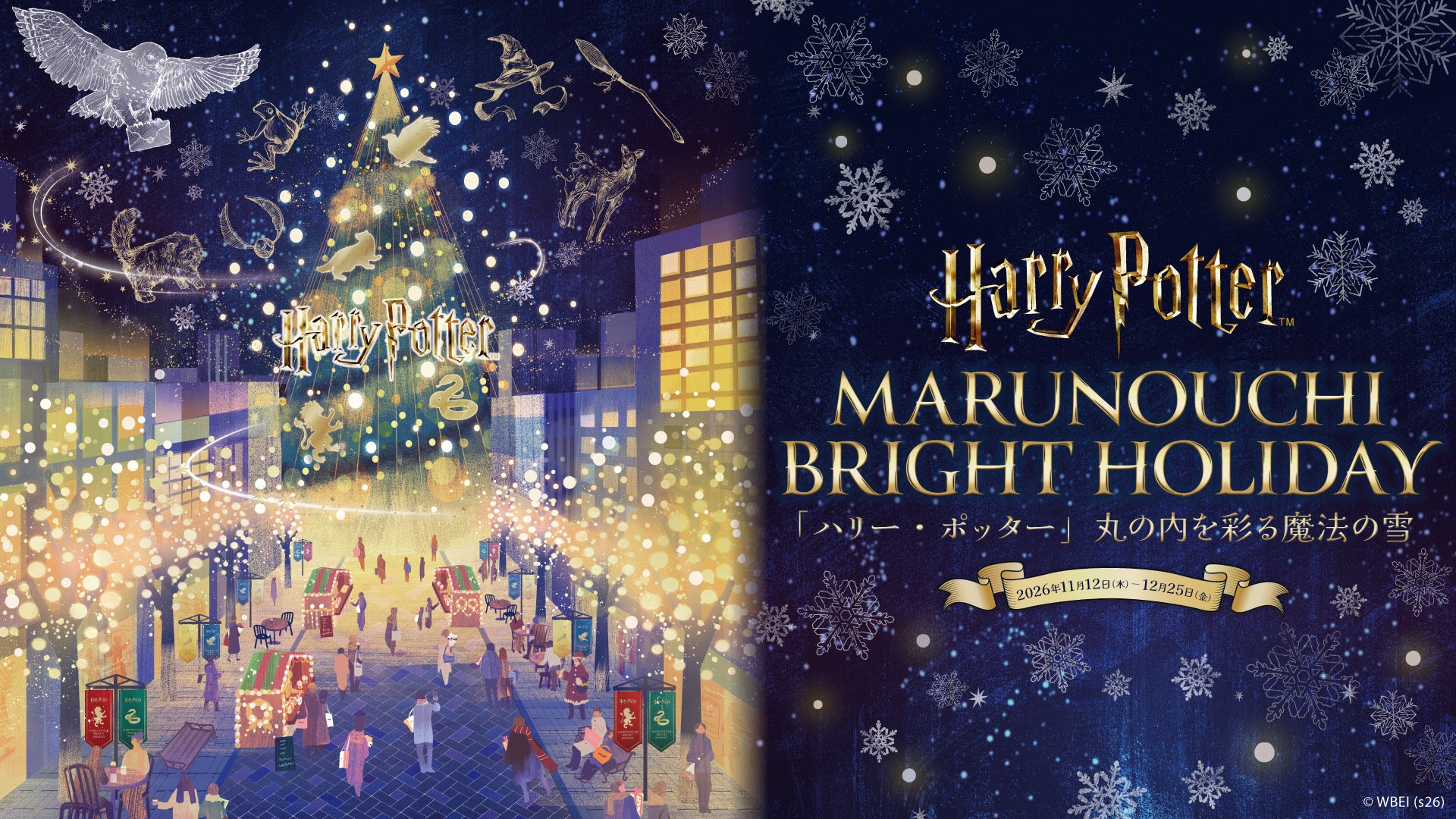
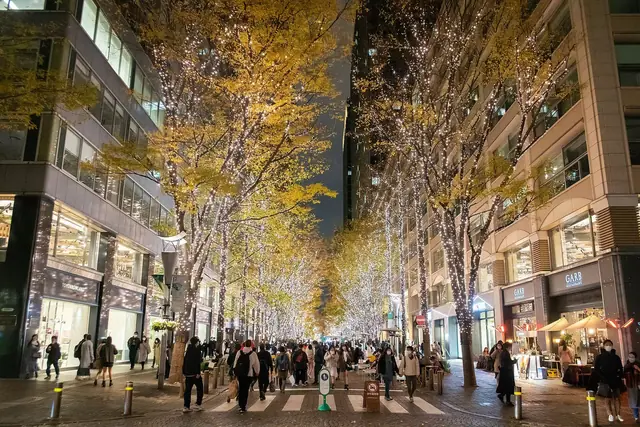
Winter illuminations switch on from early or mid-November in places like Marunouchi, Roppongi and Shiodome, and the first evenings are noticeably calmer than December. The first Christmas markets usually open toward the end of the month, and in recent years Tokyo Midtown has opened its seasonal outdoor ice rink around the same time. Design Festa, a huge art and craft fair where thousands of independent creators rent booths, usually holds its autumn edition at Tokyo Big Sight in November.
Toward the end of the month offices start booking their year-end parties (bonenkai), and izakaya get busier on Friday nights. If you want a particular restaurant on a late November or December weekend, reserve early. Hotels are in demand through the leaf season too, so book as soon as your dates are fixed.