What May feels like
May is warm, sunny and usually dry enough for long days outdoors. By the Japan Meteorological Agency's averages, daytime highs sit around 21°C to 25°C and nights around 13°C to 17°C, and some late-May afternoons already feel like summer. Humidity starts to creep up toward the end of the month, ahead of the rainy season in June.
This is the season Japanese call shinryoku, fresh green. The forest around Meiji Jingu, the zelkova trees along Omotesando and the big lawns of Shinjuku Gyoen and Yoyogi Park are at their brightest. Pack for warm days and cooler evenings: T-shirts or light shirts, plus a thin jacket or cardigan for the evening and for air-conditioned trains. The sun is stronger than the temperature suggests, so a hat and sunscreen matter at festivals and in long outdoor queues.
- Festival days mean hours standing in the open. Bring sunscreen, a hat and water even when it does not feel hot.
- Evenings stay pleasant for eating outside, but take a light layer for riverside and rooftop spots.
Golden Week and Children's Day
Golden Week ends in May. Constitution Memorial Day on May 3, Greenery Day on May 4 and Children's Day on May 5 follow Showa Day on April 29, and when one of them falls on a Sunday, the next weekday, often May 6, becomes a substitute holiday. Shops, restaurants, attractions and most museums stay open, but banks, post office counters and ward offices close on the holidays. Sightseeing areas, theme parks and long-distance trains are at their busiest of the spring, and hotel prices go up.
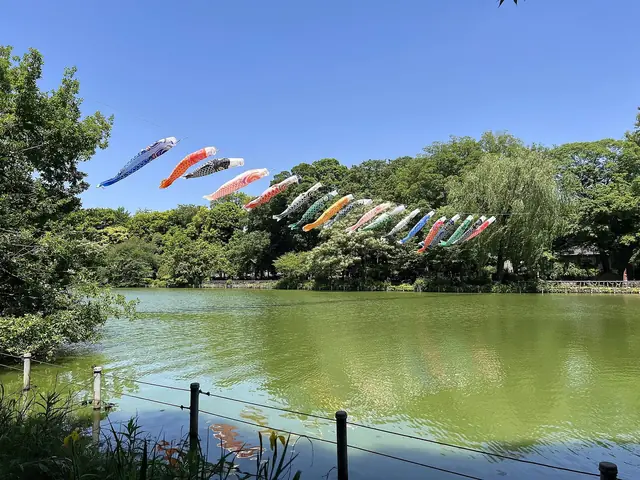
Children's Day is when carp streamers (koinobori) fly over rivers, balconies and parks. At the foot of Tokyo Tower, 333 of them, one for each metre of the tower's height, have been hung every spring since 2009. Sweet shops sell kashiwa-mochi, rice cakes wrapped in oak leaves, and some public bathhouses float iris leaves in the bath (shobuyu). In Fuchu, in west Tokyo, the Kurayami Matsuri at Okunitama Shrine runs until May 6, with eight portable shrines carried through the night behind huge drums on May 5.
- The weekdays inside Golden Week are often calmer than the holidays themselves.
- The week right after the holidays is one of the quietest of the spring for sightseeing, and hotel prices drop back.
Sanja Matsuri and Kanda Matsuri
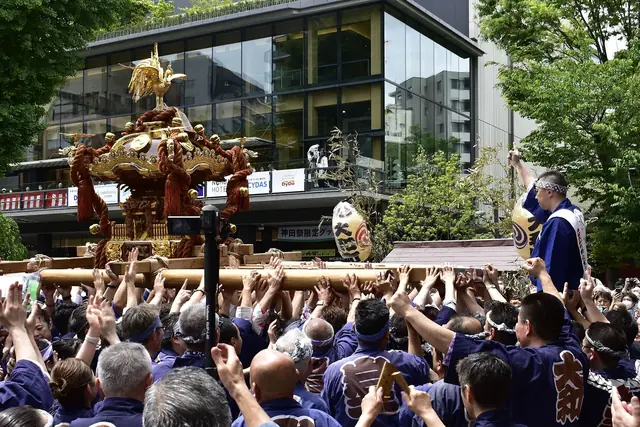
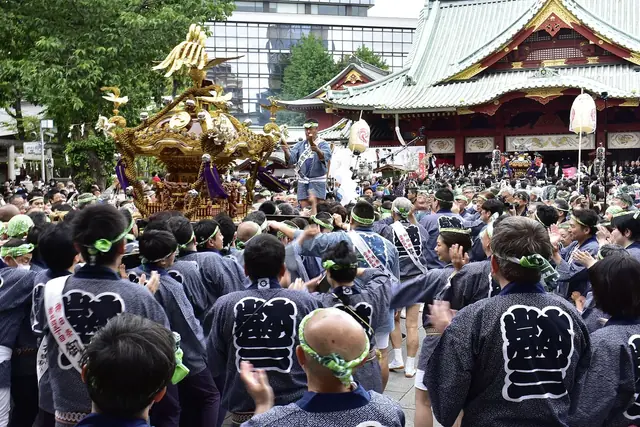
Mid-May is the high point of the festival year in old Tokyo. Kanda Matsuri belongs to Kanda Myojin, the shrine between Akihabara and Ochanomizu, and is counted among the three great festivals of Edo. Its full version is held in odd-numbered years: a long procession in historical costume through central Tokyo on the Saturday, then a weekend of neighbourhood mikoshi carried into the shrine one after another. In even-numbered years there is a smaller programme of rites around the same time.
On the third weekend of May, Sanja Matsuri takes over Asakusa. It is the festival of Asakusa Shrine, right next to Sensoji, and runs from Friday to Sunday. On Saturday around a hundred neighbourhood mikoshi parade through the streets, and on Sunday the shrine's three main mikoshi leave early in the morning and come back after dark. It is one of the most crowded weekends of the year in Tokyo, so pick a side street and let the procession come to you.
- Stand at the edge of the route. A moving mikoshi swings hard and the crowd surges with it.
- Stalls are mostly cash only and bins are rare. Bring coins and a bag for your trash.
- Toilets are scarce along festival streets. Use the station or a convenience store before you go in.
The May sumo tournament
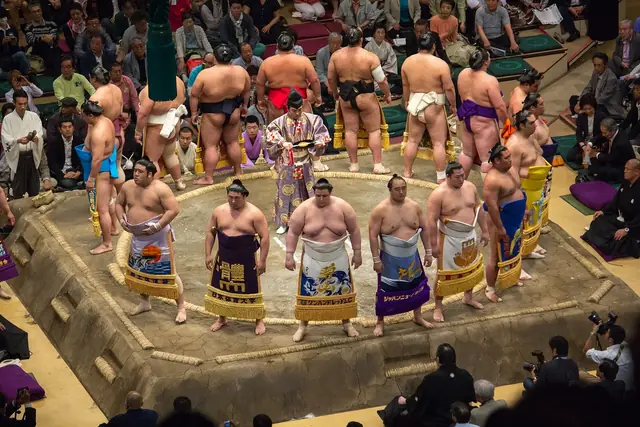
The May tournament (Natsu Basho) is the second of Tokyo's three grand tournaments a year. It runs for 15 days at Ryogoku Kokugikan, in most years starting on the second Sunday of May. Tickets go on sale about five weeks before through the official Ticket Oosumo site, which has an English version, and in recent years Tokyo tournaments have sold out, with weekends and the final days going first.
A ticket covers the whole day. The lower divisions fight in a half-empty hall in the morning, and most people arrive in the early afternoon for the ring-entering ceremonies and the top-division bouts, which end just before 6pm. If you cannot get a seat, NHK shows the top divisions live every afternoon, and the chanko hot-pot restaurants around Ryogoku, many opened by retired wrestlers, are worth the trip anyway.
Roses, beer gardens and festivals in the parks
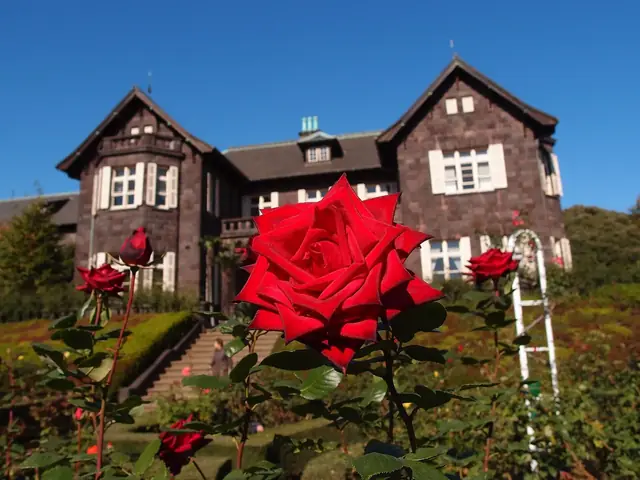
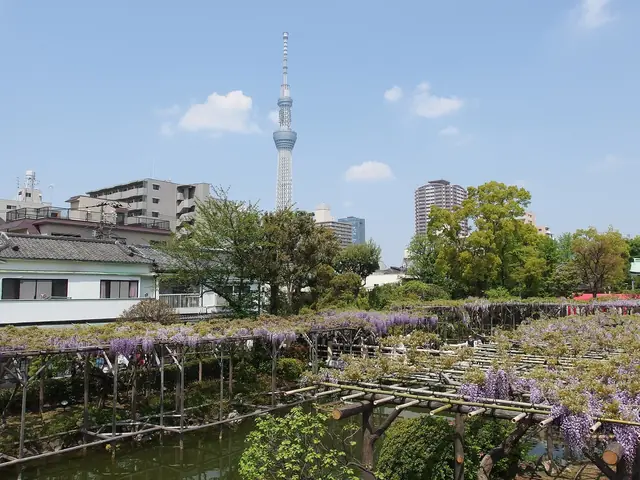
Roses take over from the wisteria in May. Kyu-Furukawa Gardens in Kita ward has a terraced rose garden of around 100 varieties in front of a stone Western-style mansion, with a Japanese garden below, and holds a spring rose festival. In Toshima ward, the Otsuka Rose Road lines the tracks of the Toden Arakawa tram with more than a thousand rose bushes.
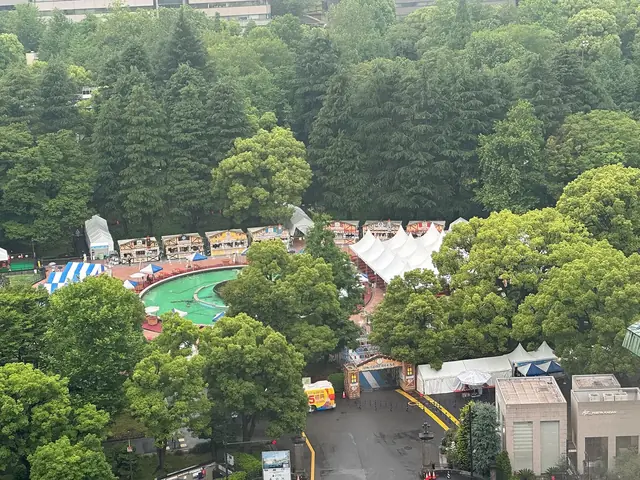
Park weekends keep going. In recent years the Thai Festival has filled Yoyogi Park on the second weekend of May, and other international and food festivals follow through the season, most with free entry and food paid per dish. From late May the first rooftop beer gardens open on department stores around Shinjuku, Ikebukuro and other big stations, and they run until the end of September. Rooftops usually close in rain, so check on the day.
- Rose gardens are usually at their best in the first half to middle of May. Go in the morning, before the sun gets strong.
- Most beer gardens sell fixed-price nomihodai plans of 90 or 120 minutes. Book ahead for Friday nights.