What December feels like
December is one of the driest and sunniest months of the year in Tokyo. By the Japan Meteorological Agency's long-term averages, daytime highs fall from around 14°C at the start of the month to about 11°C at the end, and nights drop from about 6°C to 2°C. Rain is infrequent and snow in December is rare. The flip side of the dry air is a clear horizon: on crisp mornings you can often see Mount Fuji from high places in the city, such as the free observatories of the Tokyo Metropolitan Government Building.
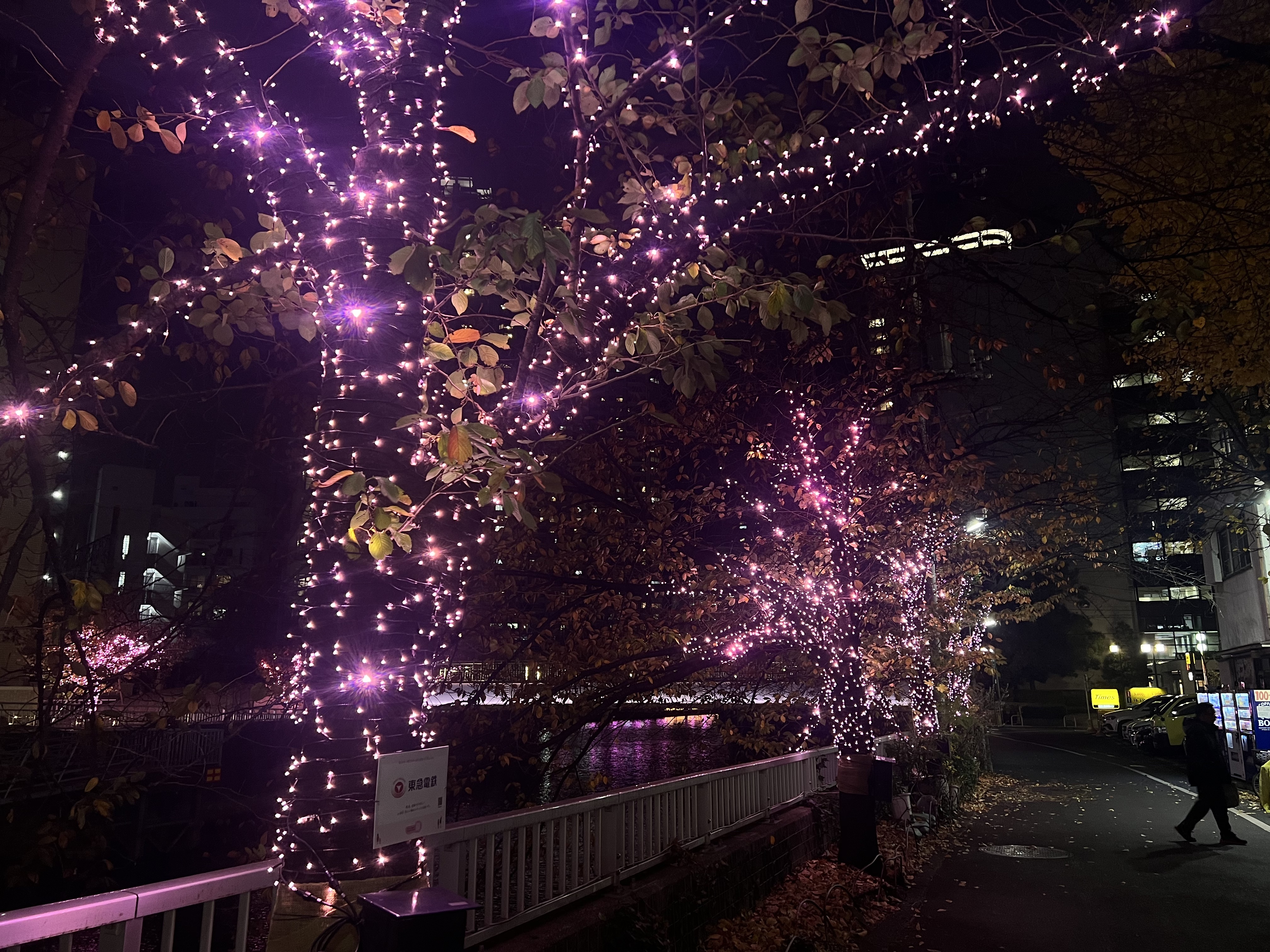
Bring a warm coat, a scarf and gloves for the evenings, which is when you will be outside looking at the lights. Indoors everything is heated, so wear layers underneath. The sun sets at around 4:30pm, which is early for sightseeing but perfect for illuminations. The air is very dry, so lip balm and hand cream earn their place in your bag.
- The best half hour for illuminations is right after sunset, when the sky is still deep blue.
- There is no national holiday in December. The Emperor's Birthday moved to February 23 in 2020.
Illuminations, Christmas markets and December 24
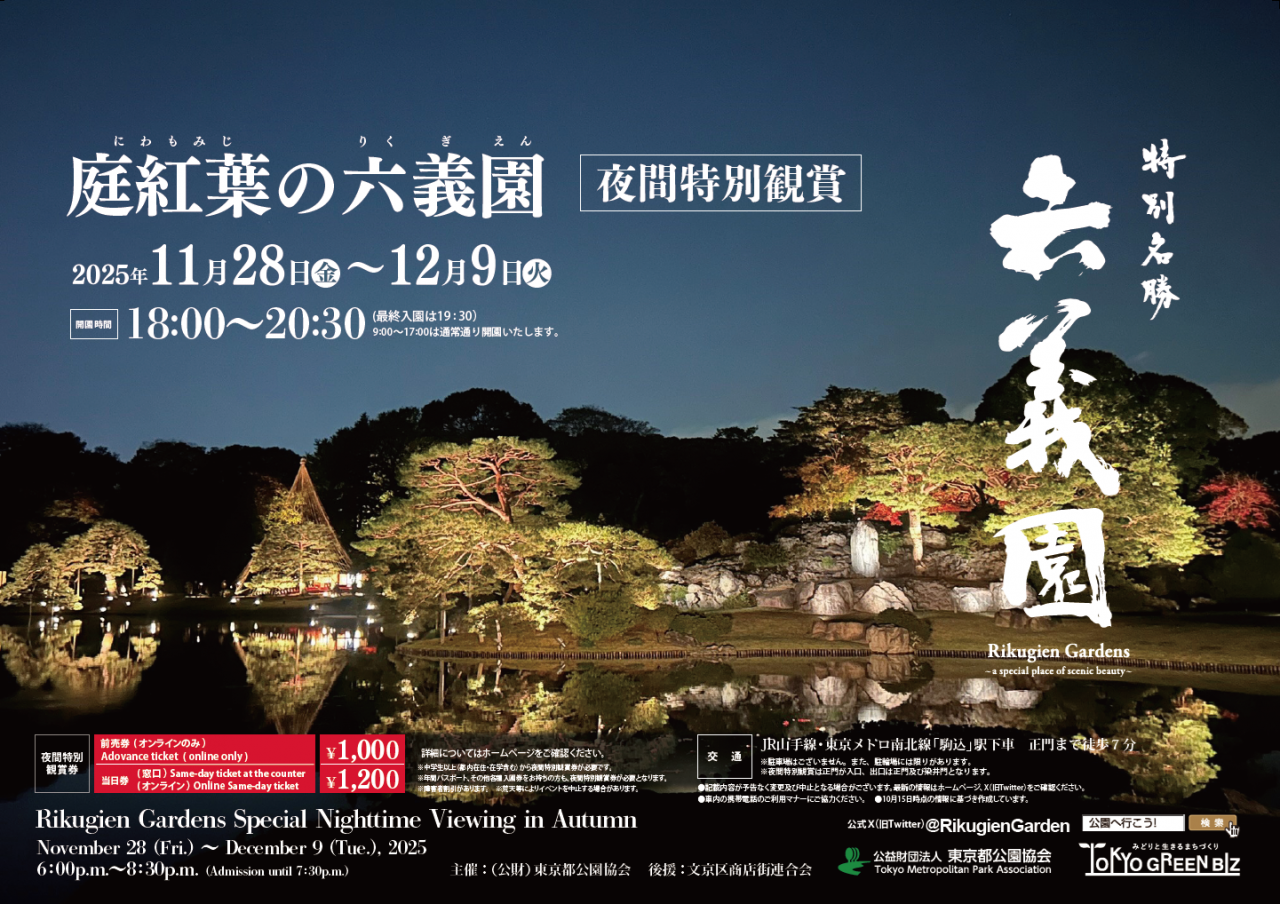
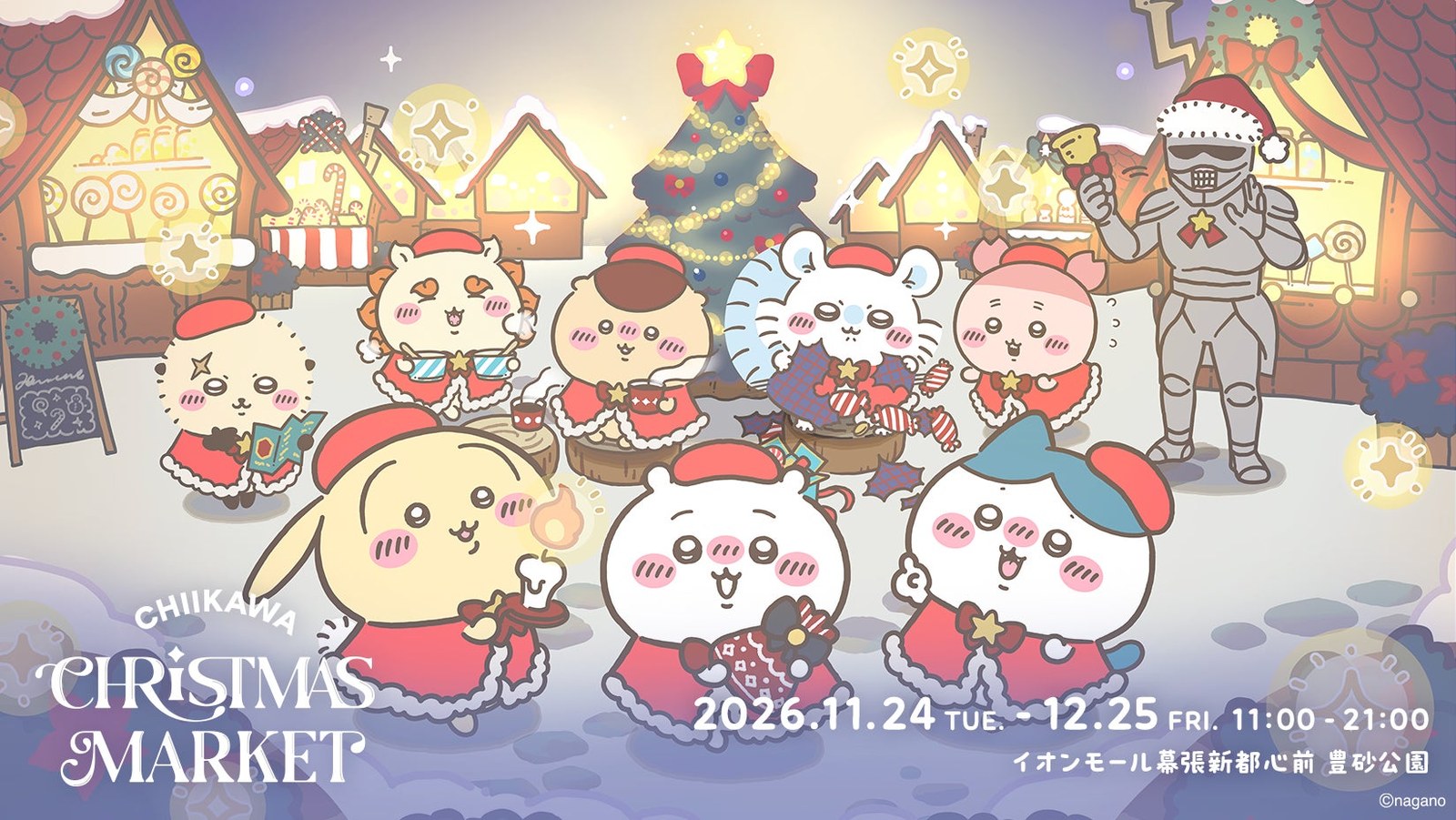
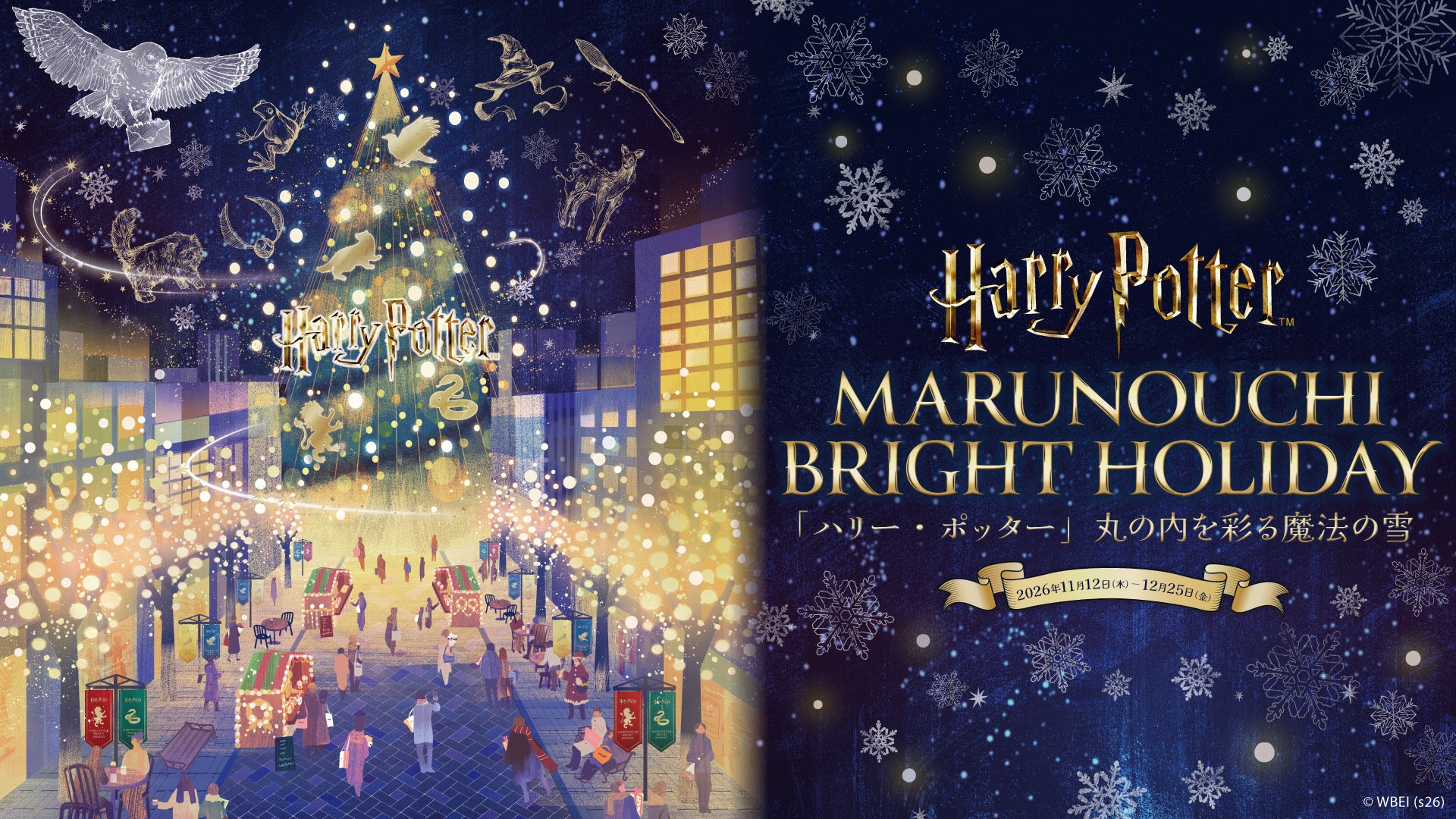
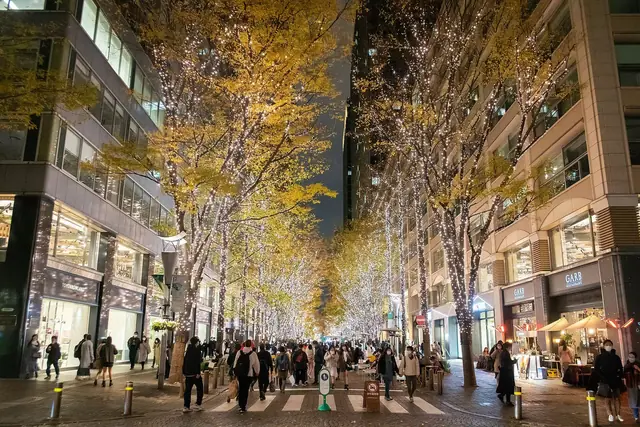
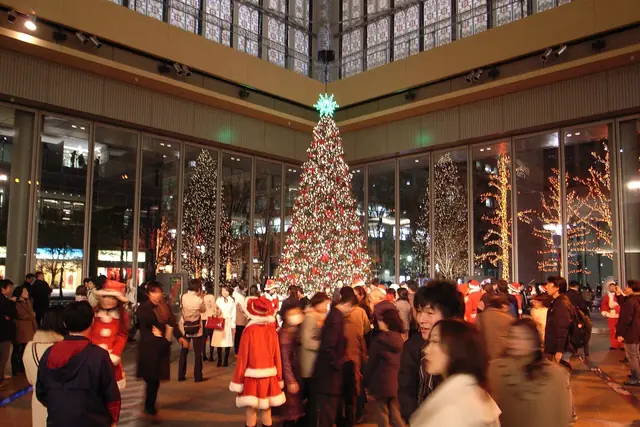
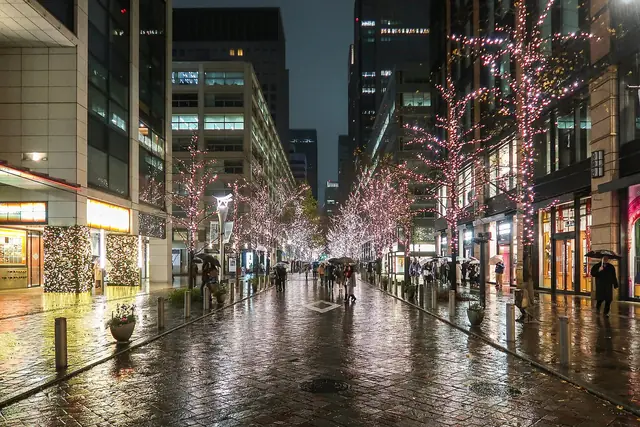
Most of the big illuminations are already on by December. Marunouchi's Naka-dori is wrapped in champagne-gold lights, Keyakizaka in Roppongi Hills frames Tokyo Tower at the end of the lit trees, and Yebisu Garden Place hangs its huge Baccarat chandelier in the central square. German-style Christmas markets with wooden huts, mulled wine and sausages run in Roppongi Hills and at the Red Brick Warehouse in Yokohama, and the large Tokyo Christmas Market has moved venues several times, with Meiji Jingu Gaien and Shiba Park among its recent homes. Most street displays are free; some markets now charge entry.
In Japan, Christmas is a seasonal celebration rather than a family holiday. Christmas Eve is a night for couples: restaurants book out weeks ahead, many switch to pricier set courses, and Roppongi, Omotesando and Marunouchi are packed that evening. Families order Christmas cake and, famously, fried chicken. December 25 is an ordinary working day, and on the 26th the shop windows switch straight to New Year decorations.
- Weekday evenings early in December are far calmer than the weekend before Christmas.
- Carry a small bag for cups and wrappers. Street bins are rare even next to busy markets.
Bonenkai season, concerts and late trains
December is year-end party season. Offices and groups of friends hold bonenkai, literally forget-the-year parties, from late November to the last working days, and izakaya are full on weeknights as well as weekends. Fridays are the peak. If you want dinner at a popular place, book ahead, and expect some restaurants to offer only party courses for groups.
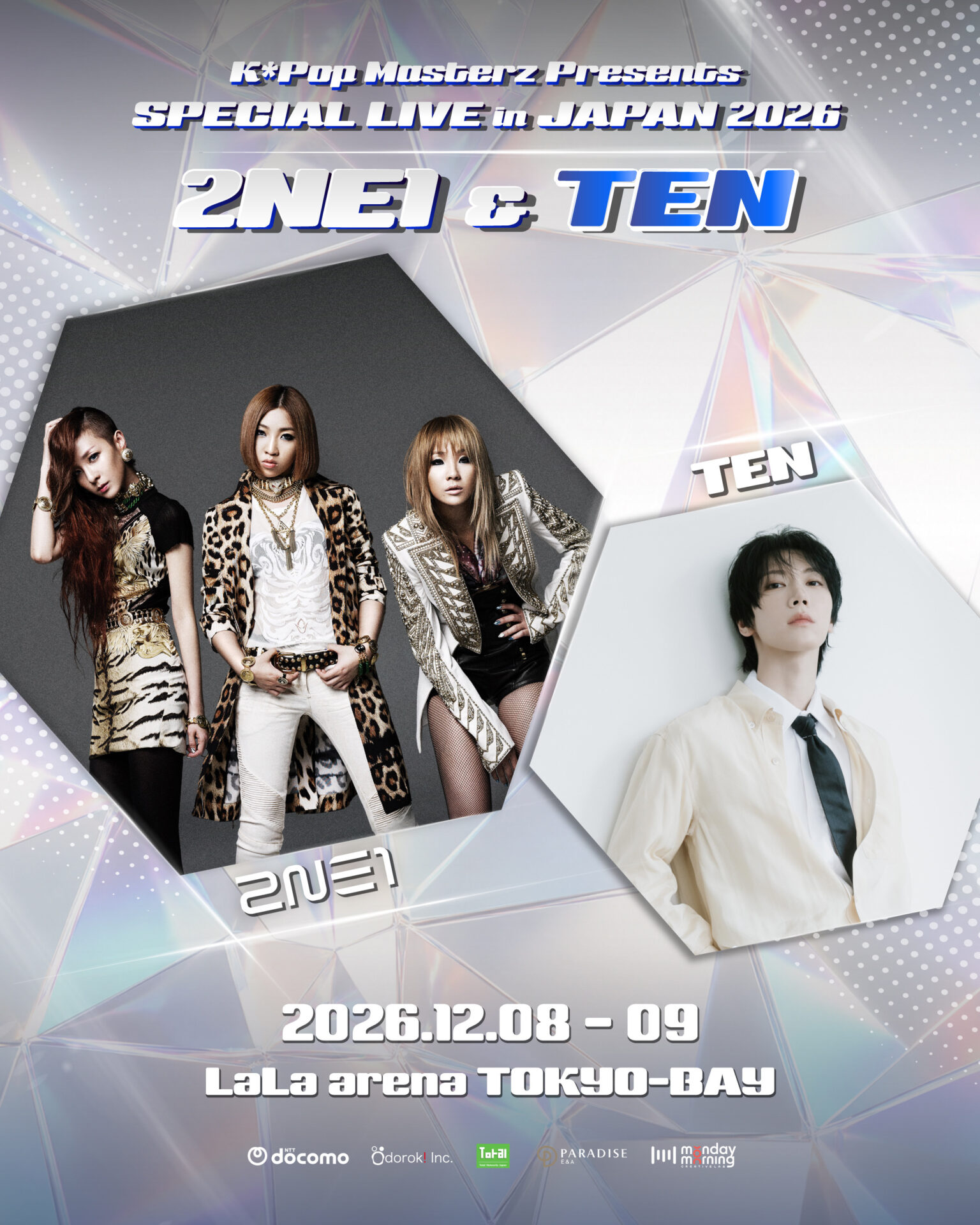
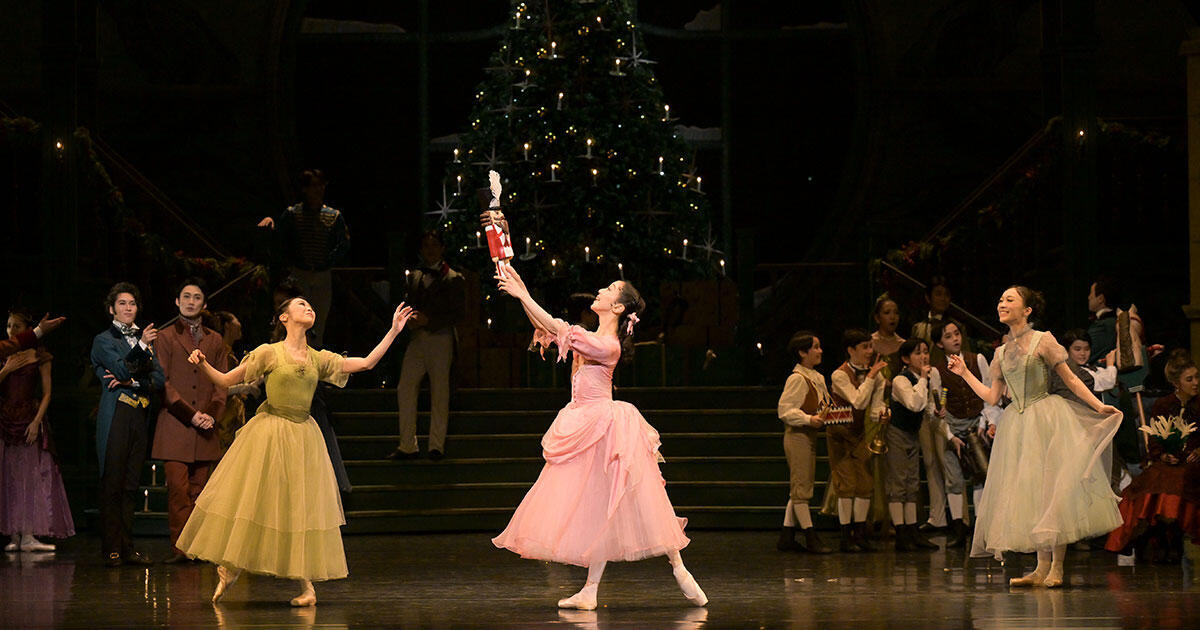
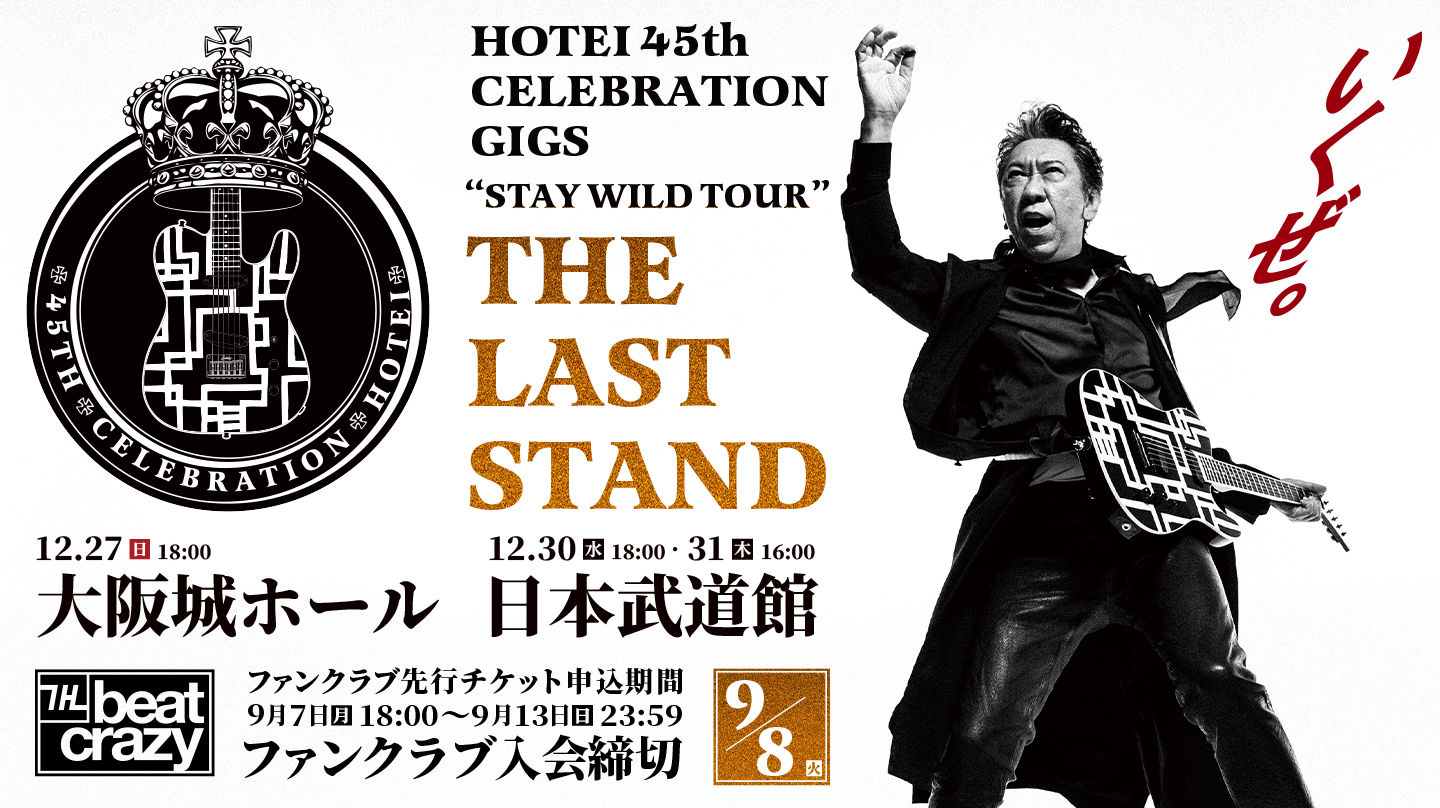
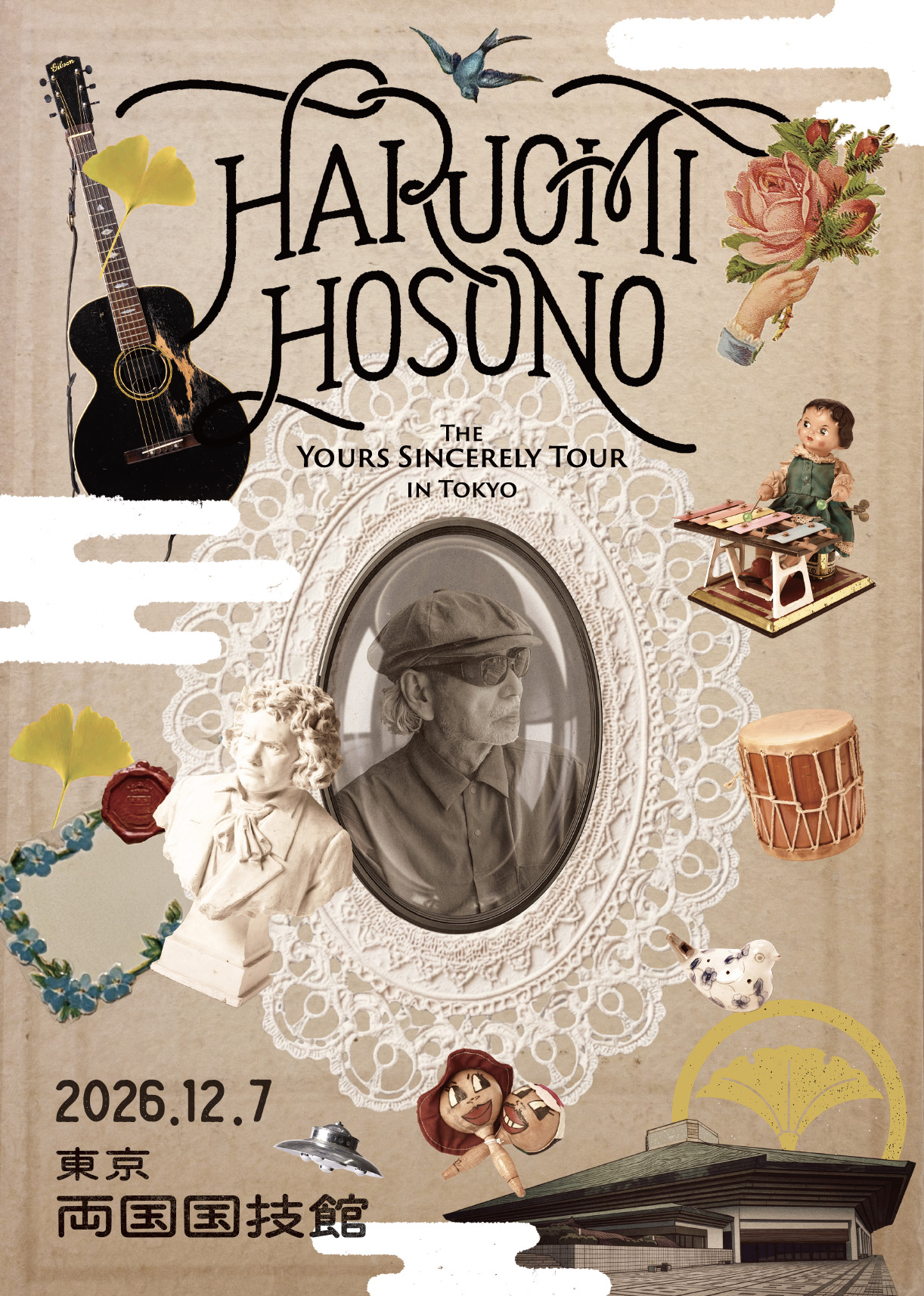
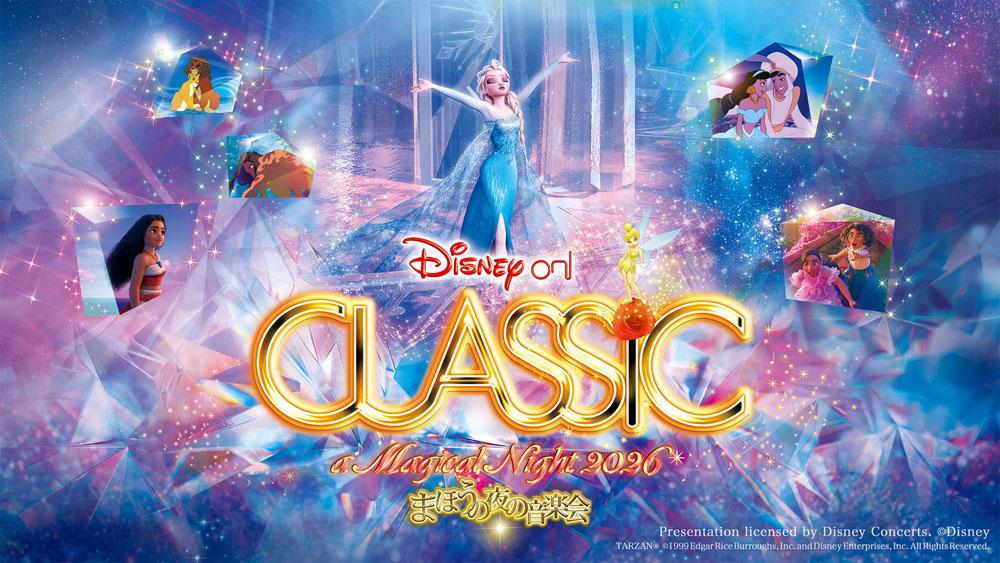
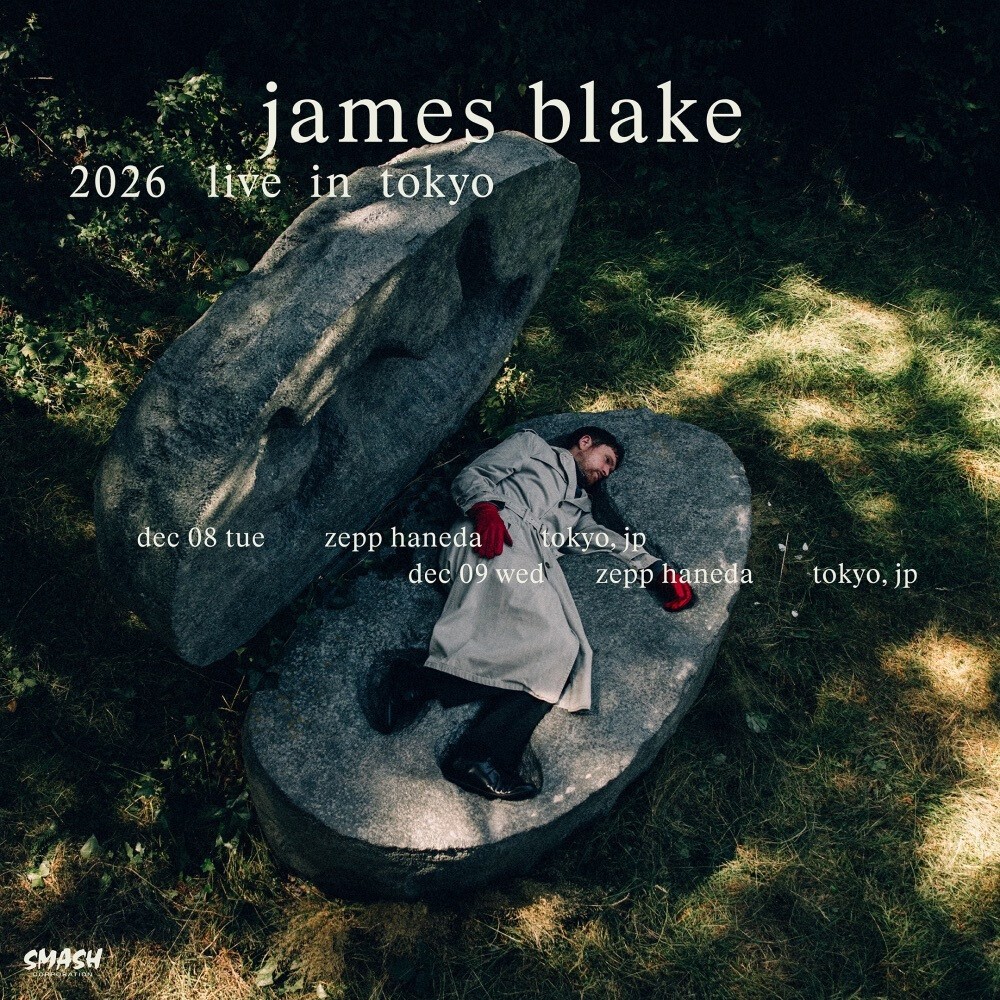
It is also concert season. Orchestras across the city play Beethoven's Ninth, a Japanese year-end tradition known as daiku, along with Messiah and Christmas programmes, and popular dates sell out. After a party or a concert, plan your way home: last trains leave around midnight, and in December they are crowded and often full of cheerful office workers. Taxis are hard to find on Friday nights, so leave a little earlier or check your last train (shuden) before ordering another round.
- Search 終電 plus your station in a route app to see the last train for the night.
- Station platforms get busy after 10pm on Fridays. Stand back from the edge and give people room.
Markets and fan events
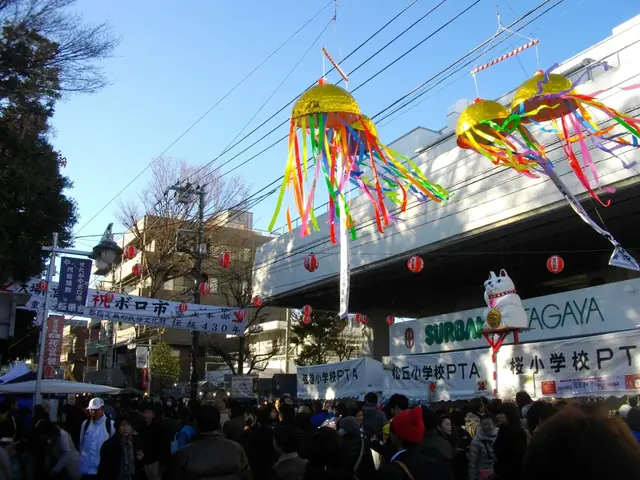
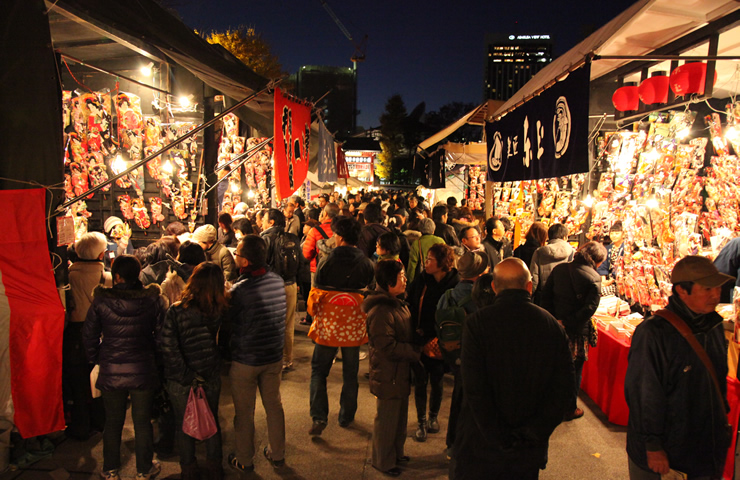
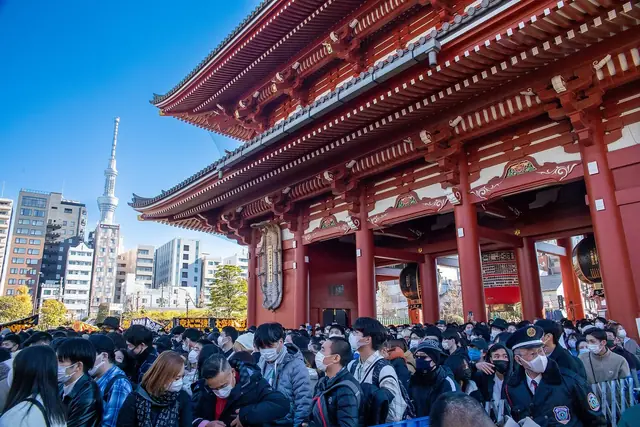
Old Tokyo keeps its own December calendar. On December 15 and 16 every year, the Setagaya Boroichi, a street market dating back to 1578, fills a long street near Kamimachi and Setagaya stations on the Tokyu Setagaya Line with hundreds of stalls selling antiques, old tools, kimono and food. From December 17 to 19, the Hagoita-ichi at Sensoji in Asakusa sells decorated wooden battledores as New Year charms. In the last days of the year, Ameyoko in Ueno is packed with people buying seafood and other food for the New Year table.
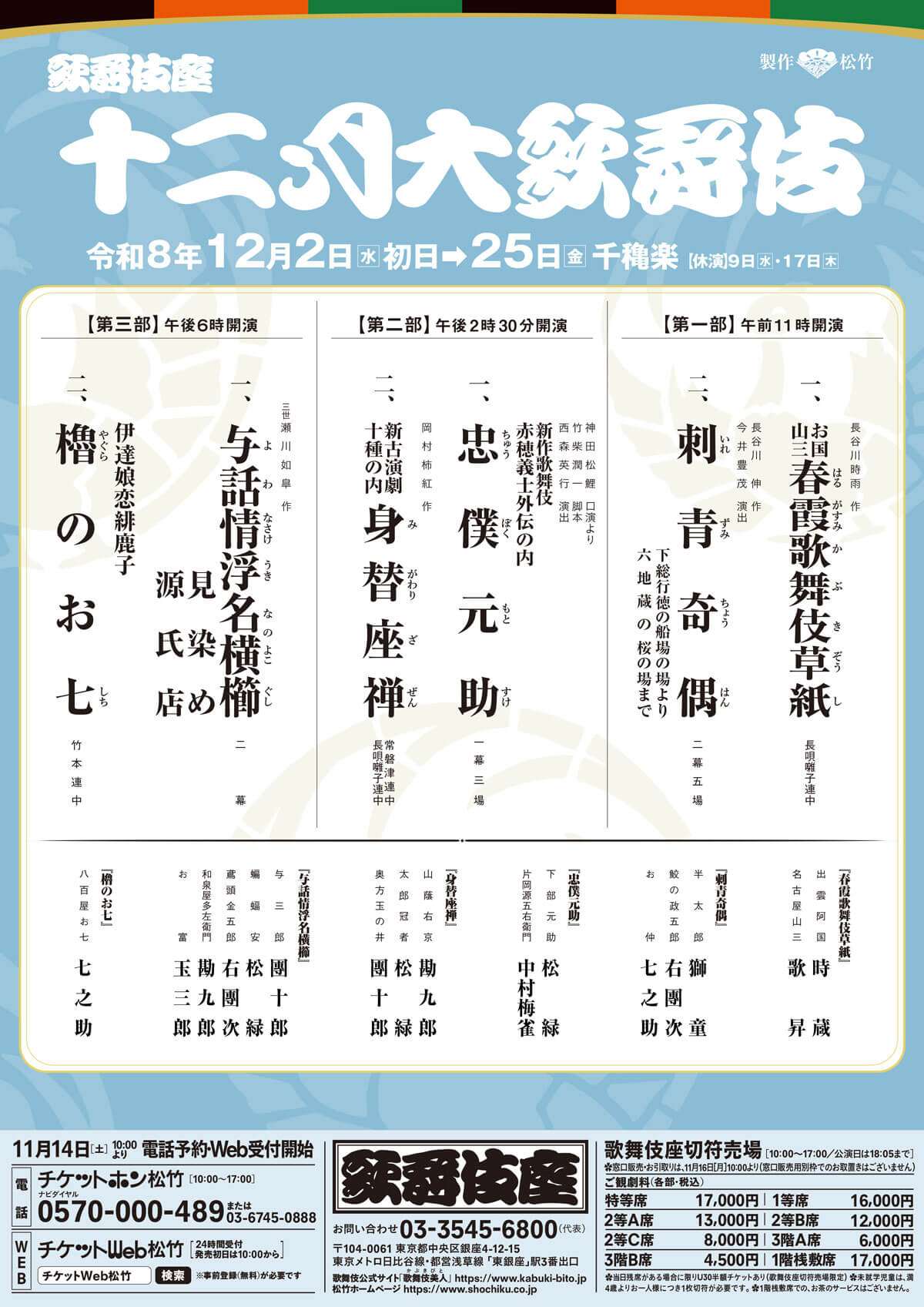
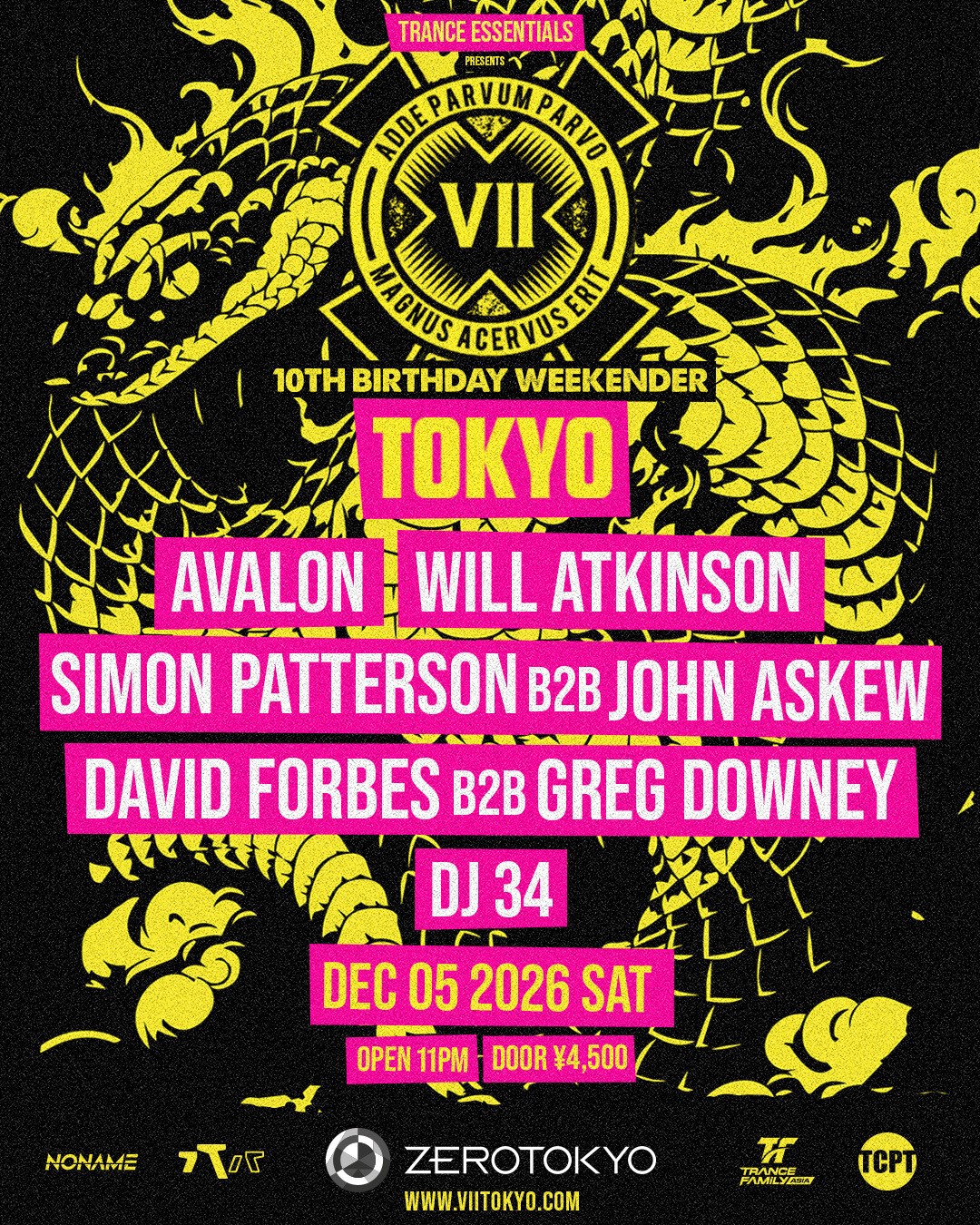
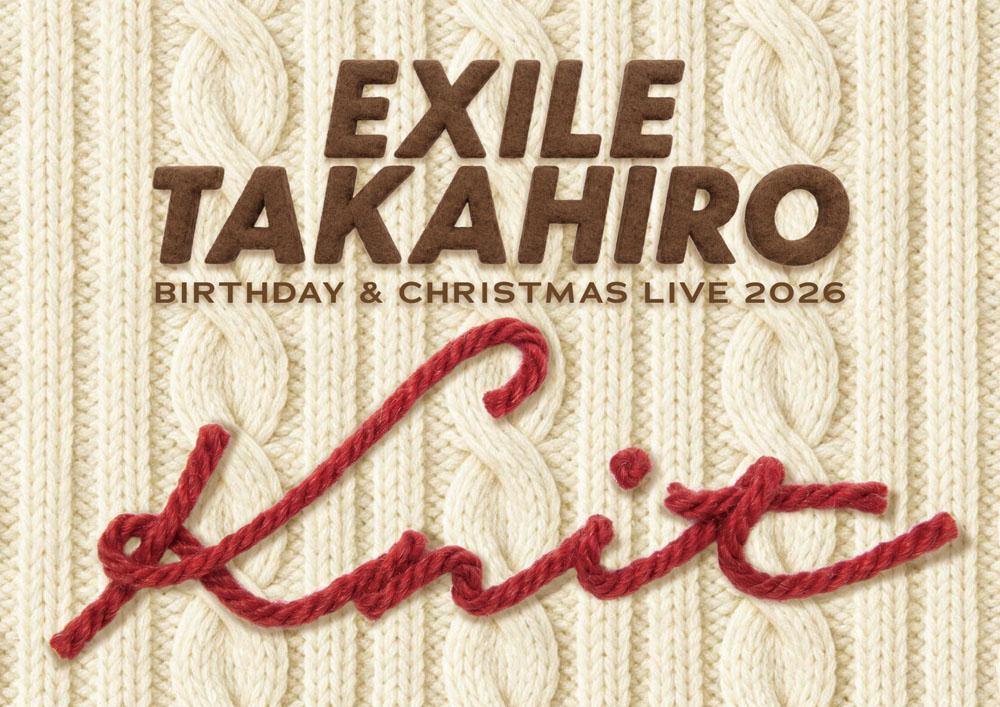
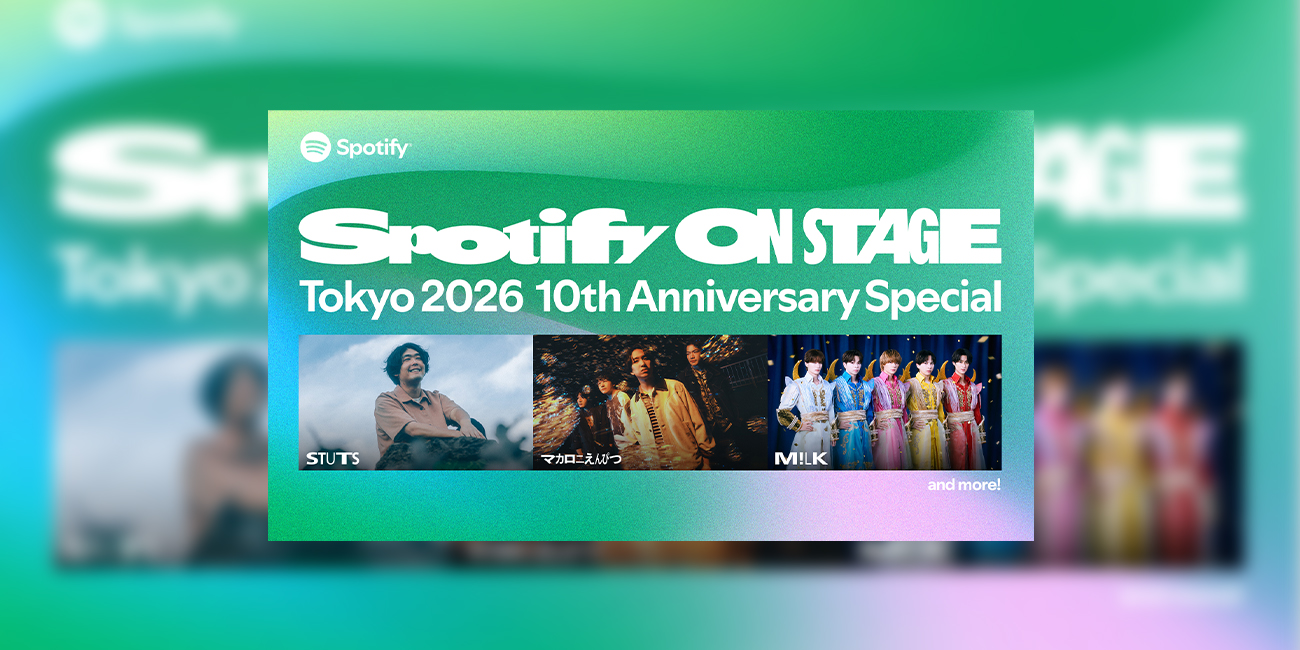
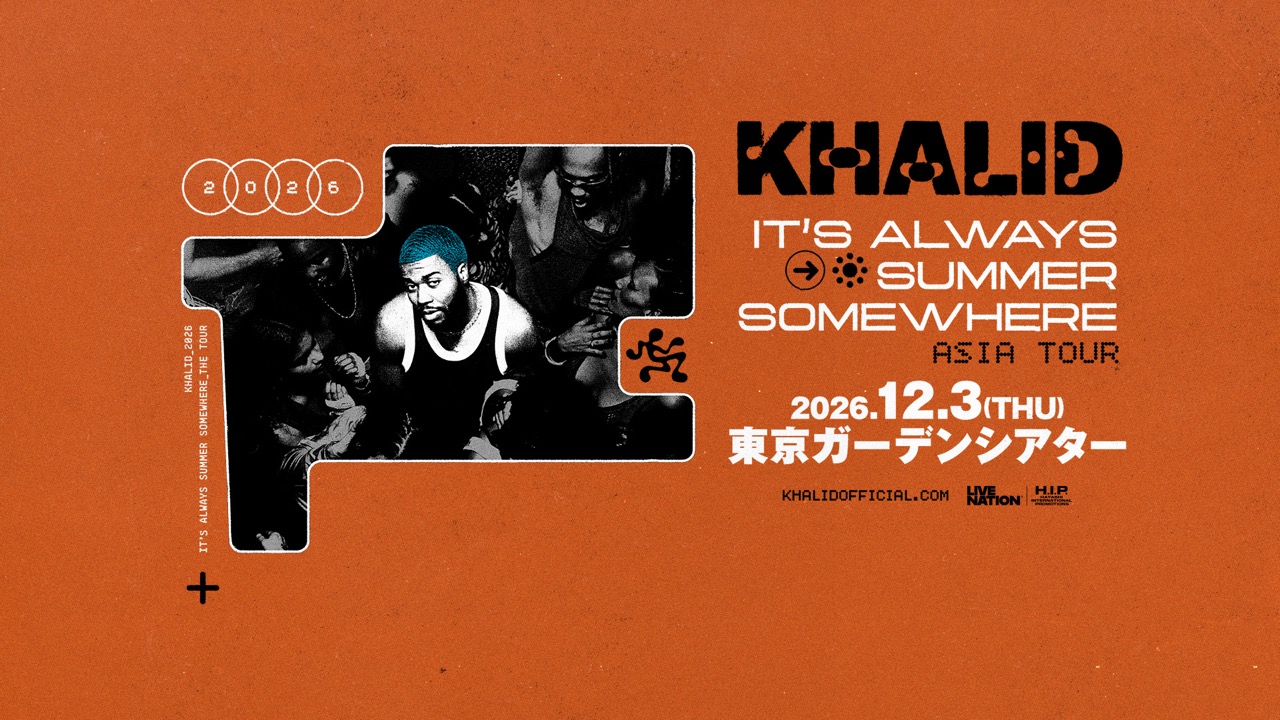
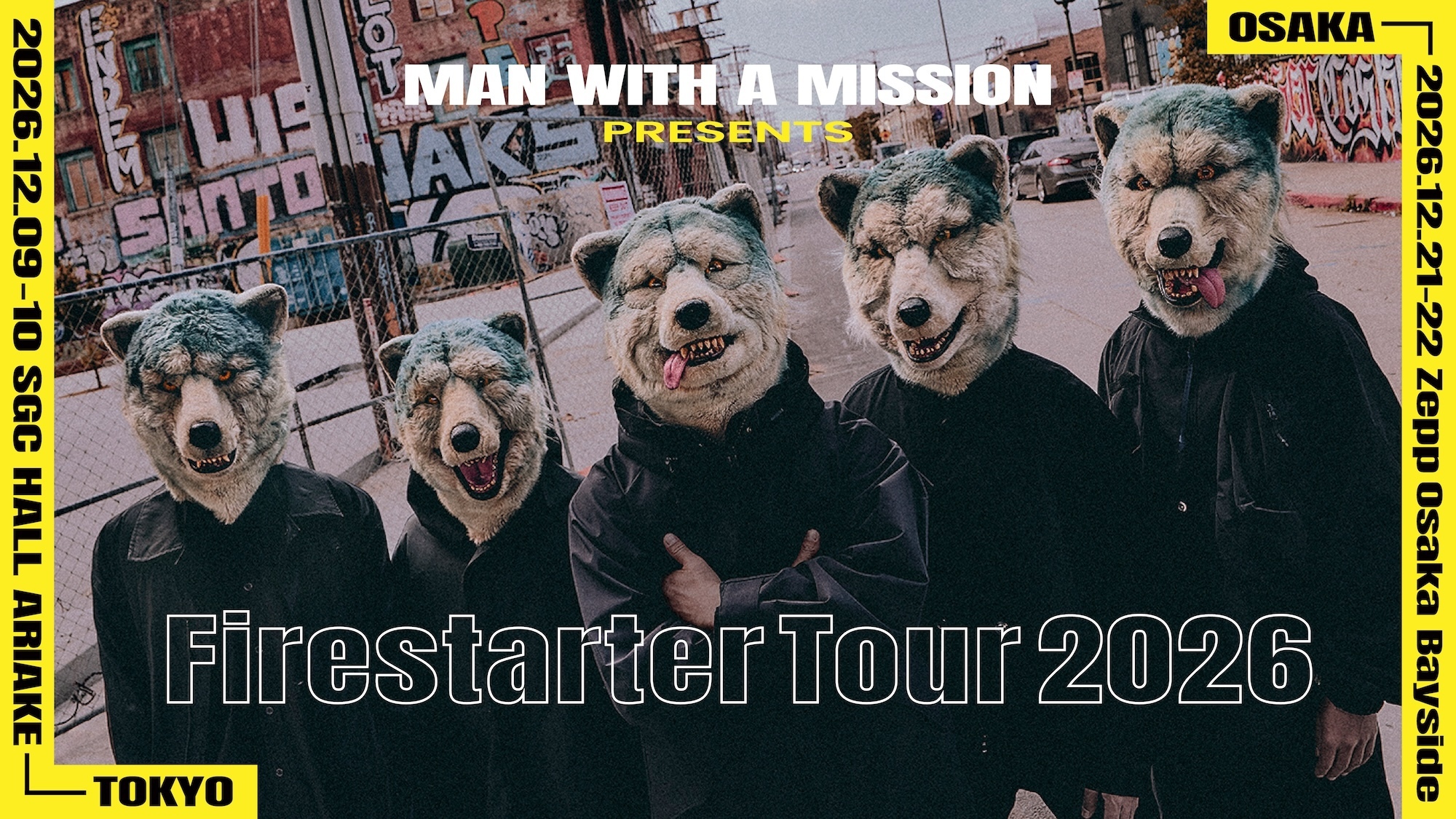
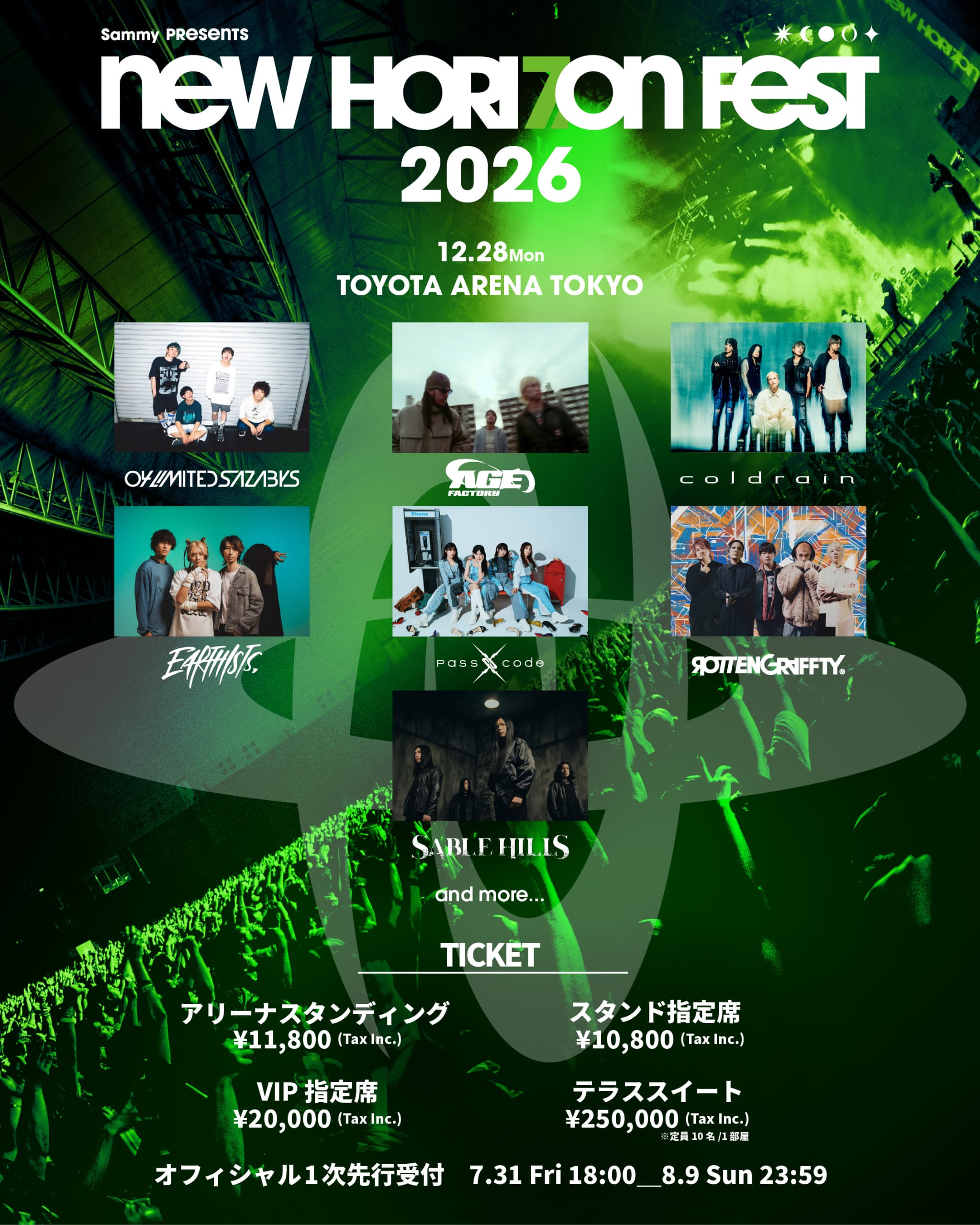
December is also big for fans. Jump Festa, the event of Shueisha's manga magazines, fills Makuhari Messe in Chiba in the second half of the month, and the COUNTDOWN JAPAN rock festival takes over the same venue at the very end of the year. Winter Comiket, the giant market for self-published manga and fan works, returns to Tokyo Big Sight just before New Year, and it needs a ticket or wristband for each day.
- Boroichi and Hagoita-ichi stalls mostly take cash. Bring coins and small notes.
- Winter queues at Big Sight face cold wind off the bay. Wear layers and something warm for your feet.
Year-end closures and New Year's Eve
The city winds down in the last week. Government offices close from December 29 to January 3, many museums shut from around December 28 until the first days of January, and lots of small restaurants and family-run shops close from about December 29 or 30. Convenience stores, chain restaurants and shops in big stations stay open, and a few museums, such as the Mori Art Museum in recent years, keep going. Trains, flights and highways out of Tokyo are at their busiest around December 28 to 30, as people head to their hometowns, so book any domestic travel early.
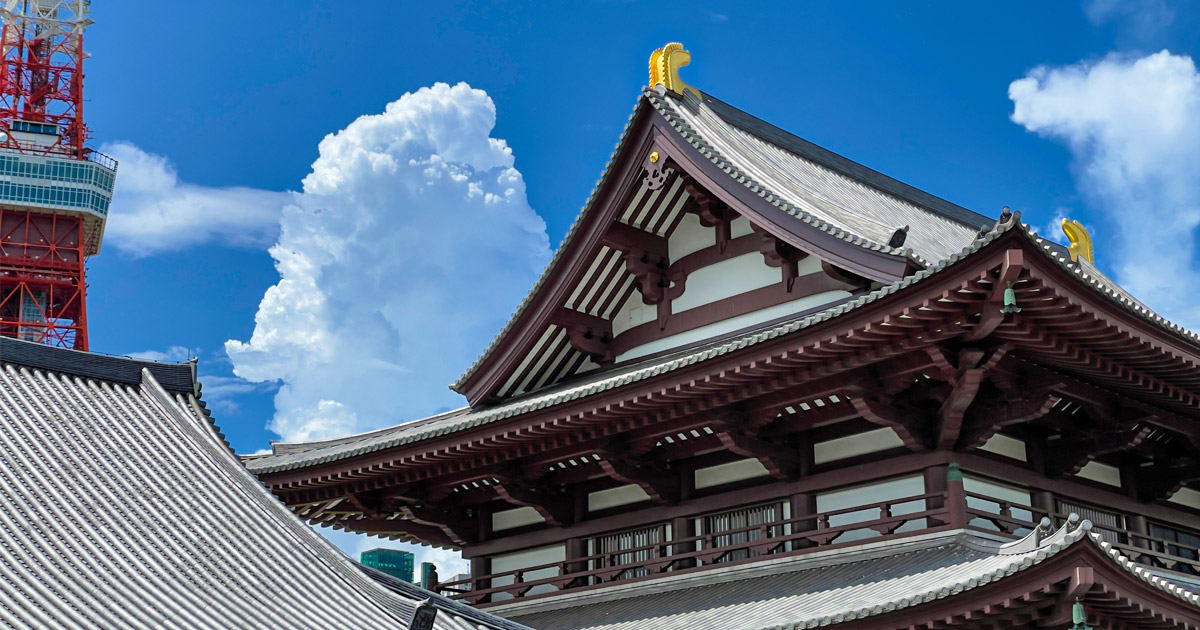
New Year's Eve (omisoka) is a quiet family night rather than a street party. People eat toshikoshi soba, watch the Kohaku song contest, then walk to a temple for joya no kane, the bell rung 108 times around midnight. Zojoji in Shiba Park rings it with Tokyo Tower lit up behind the gate, and Ikegami Honmonji in Ota ward has handed out numbered tickets so visitors can strike the bell. Shibuya Crossing has had no official countdown for several years, and drinking on the street there is banned at night. Some lines add late trains on New Year's Eve, but not all of them run through the night, so check your rail operator's plan before counting on a ride home at 3am.
- Check opening days before you go anywhere between December 28 and January 3. Many places post 年末年始休業 (year-end closure).
- Popular temples get crowded from about 10pm on New Year's Eve, and you stand still in the cold for a long time. Dress warmly.