Pro baseball: Tokyo's big night out
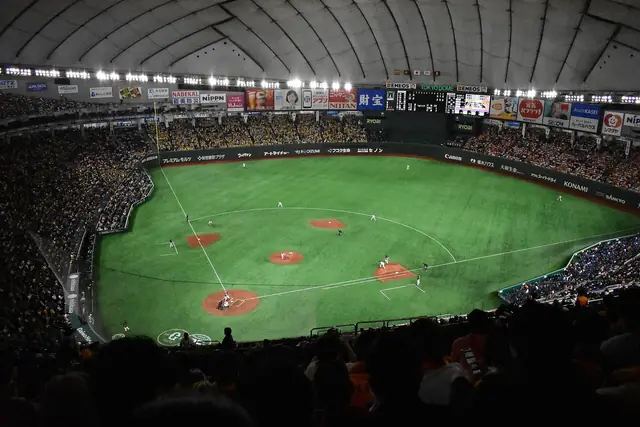
Baseball (yakyu) is Japan's most popular spectator sport, and the Tokyo area has five of the twelve NPB teams. The Yomiuri Giants, the most famous club in the country, play at Tokyo Dome. The Tokyo Yakult Swallows play outdoors at Meiji Jingu Stadium near Gaienmae. Close by are the Yokohama DeNA BayStars at Yokohama Stadium, the Saitama Seibu Lions at Belluna Dome in Tokorozawa, and the Chiba Lotte Marines at ZOZO Marine Stadium on the Makuhari waterfront.
The regular season runs from late March to late September or early October, with the playoffs (Climax Series) and the Japan Series in October. Most games start in the evening on weekdays and in the afternoon at weekends. Jingu also hosts university baseball, the Tokyo Big6 league, in spring and autumn, a cheap and lively way to see the game.
How a game feels, and how to get in
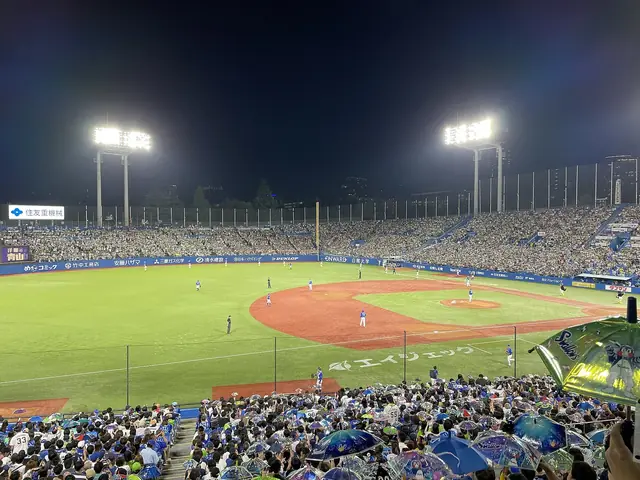
Each team's organised cheering section (oendan) sits in the outfield, home on one side and visitors on the other, and they cheer only while their team bats: trumpets, drums and a song for every player. Beer vendors walk the aisles with kegs on their backs and pour at your seat. At Jingu, Swallows fans wave small umbrellas and sing when their team scores. The atmosphere is loud but friendly, and families are everywhere.
Buy from the team's official site or through Ticket Pia, e+ or Lawson Ticket, which also sell at convenience stores. Seats are usually split into home side and visitor side (ホーム / ビジター), so pick the side of the team you want to sit with; the outfield seats are where the cheering happens. Weekday games are the easiest to get, while BayStars games and big weekend games often sell out.
- Cans and bottles are generally not allowed in. Rules differ by stadium, so check before you bring drinks.
- Jingu, Yokohama and ZOZO Marine are open-air. A game called off for rain is announced as 雨天中止.
- Belluna Dome has a roof but open sides, so it gets hot in summer and chilly in spring.
- Cheering gear sells at stadium shops, but a cheap towel in team colours does the job.
J.League football
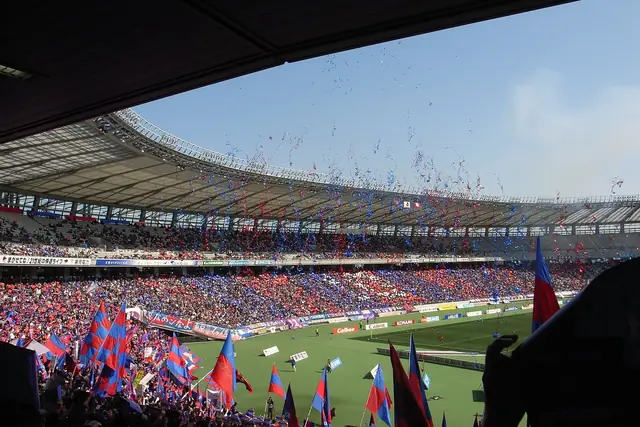
The J.League is the other big league. In Tokyo, FC Tokyo and Tokyo Verdy share Ajinomoto Stadium in Chofu, near Tobitakyu Station on the Keio Line, and FC Machida Zelvia play in Machida. Just outside the city are Kawasaki Frontale at Todoroki, Yokohama F. Marinos at Nissan Stadium, and Urawa Reds at Saitama Stadium 2002, where the home end is one of the loudest in Asia.
The calendar has just changed. From the 2026/27 season the J.League has moved to a European-style year: kick-off in August, a winter break from about mid-December to mid-February, and the season running into late spring. Until 2025 it ran from February to December. Check the fixture list for the current season before you plan a trip around a game.
The core supporters stand and sing for the full 90 minutes in the seats behind one goal. Away fans have their own section, and many clubs ask visitors not to wear away colours in home areas. Tickets are sold on club sites, the J.League's own ticket site and the usual ticket agencies, and except for derbies and title deciders you can usually buy a few days before.
- The seats behind the goal are for standing and singing. For a calmer view, pick the main or back stand.
- Food stalls outside the stadium are part of the day, and many take cash only.
Marathons, tennis and race days
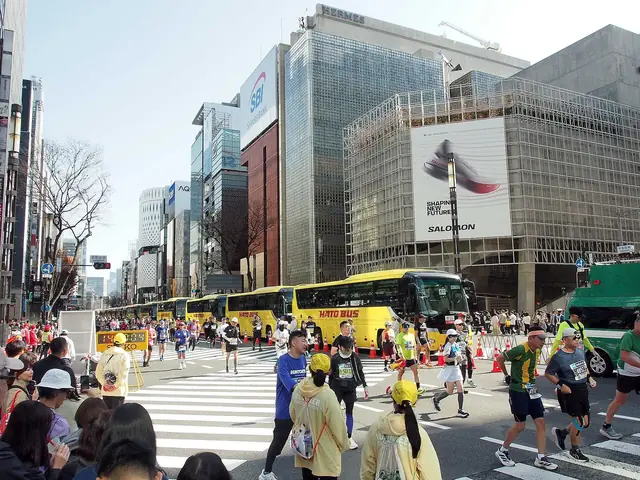
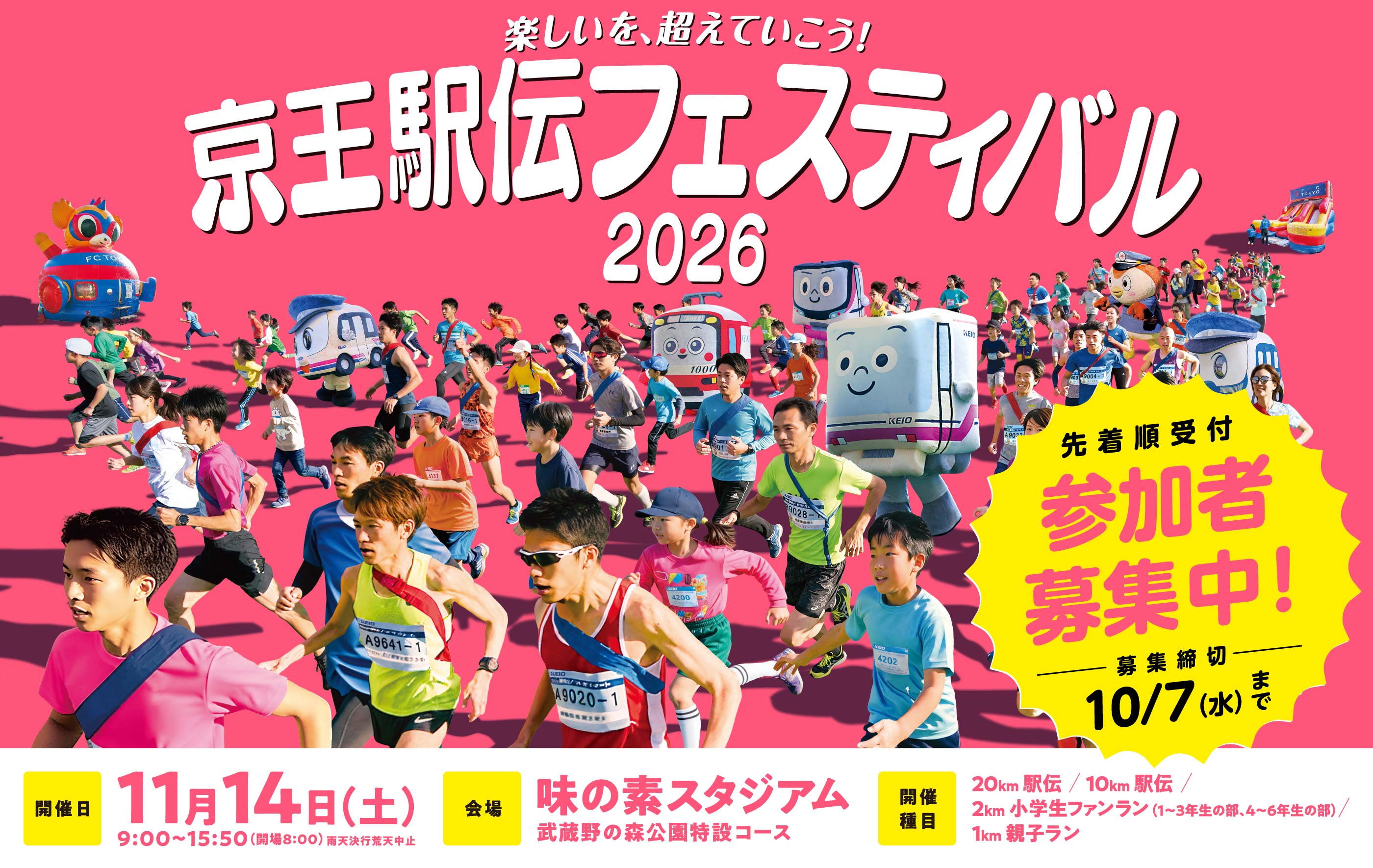
The Tokyo Marathon, usually on a Sunday in early March, starts at the Tokyo Metropolitan Government Building in Shinjuku and finishes near Tokyo Station, passing Asakusa and Ginza on the way. Entry is by a heavily oversubscribed ballot, but watching is free and the whole route is lined with people. On January 2 and 3 the Hakone Ekiden, a university relay from Otemachi to Hakone and back, draws huge crowds along the roads and on TV.
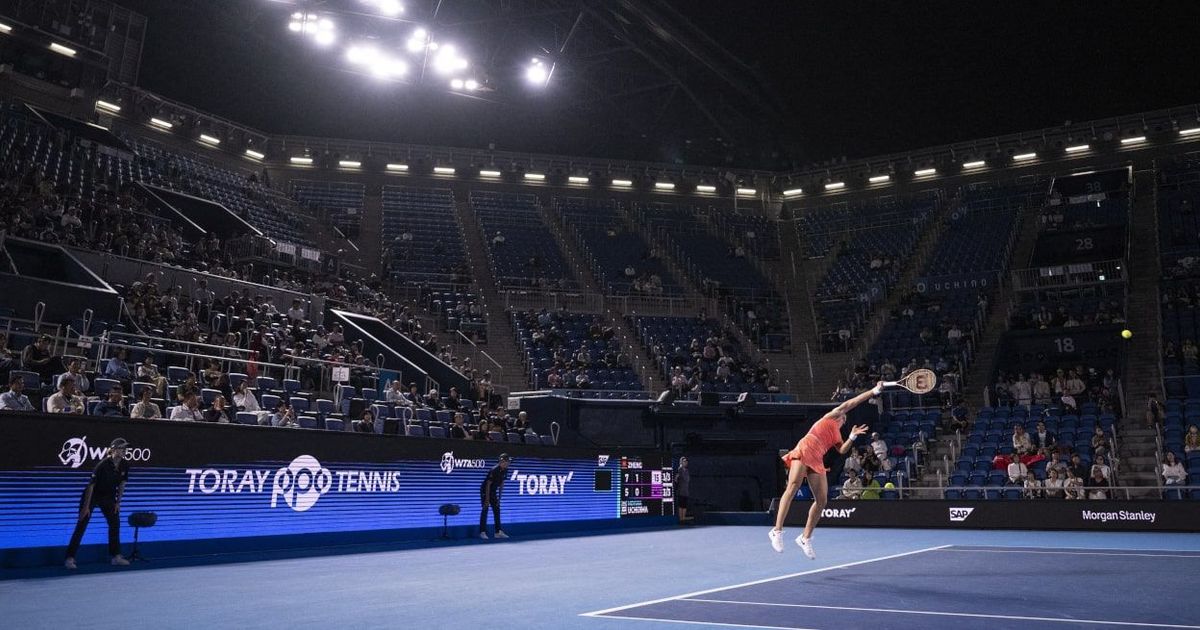
Tennis comes in autumn, when the Toray Pan Pacific Open (women's tour) and the Japan Open (men's tour) are played at Ariake Coliseum in Koto ward. For horse racing, Tokyo Racecourse in Fuchu holds the Japan Cup in late November and the Japanese Derby in late spring, and Oi Racecourse runs night races by Tokyo Bay. You must be 20 or over to bet.
Basketball, rugby and pro wrestling
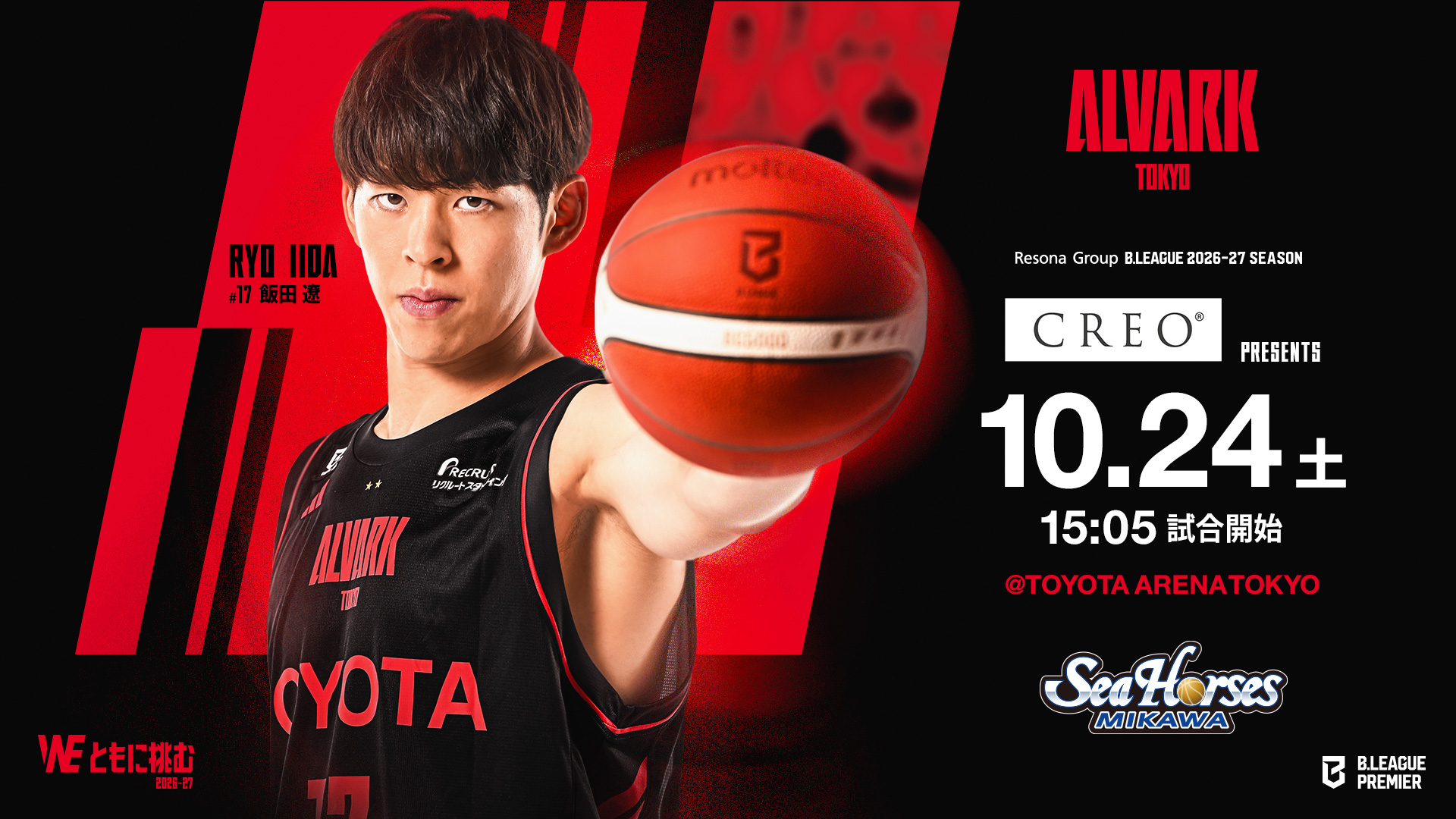
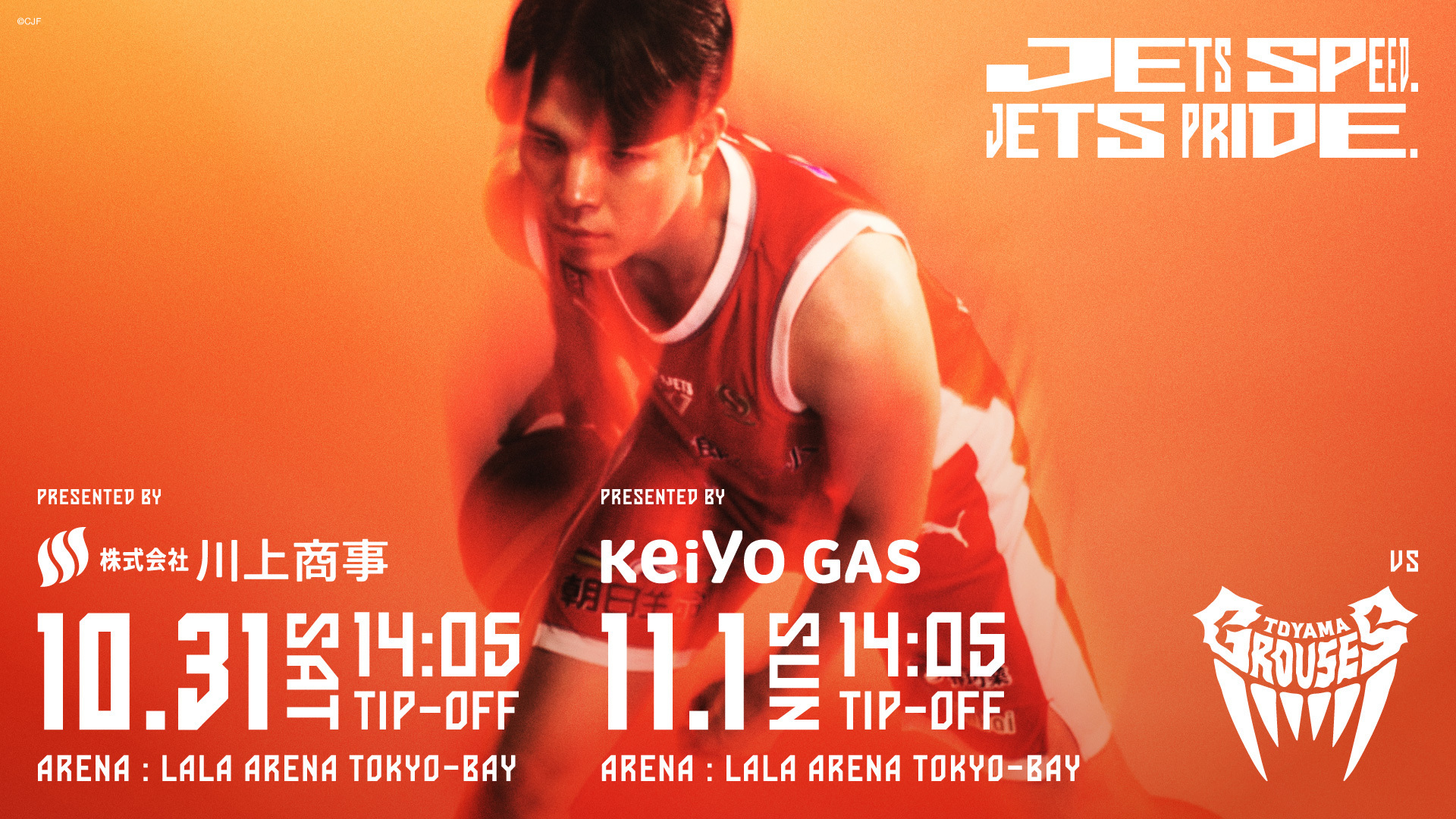
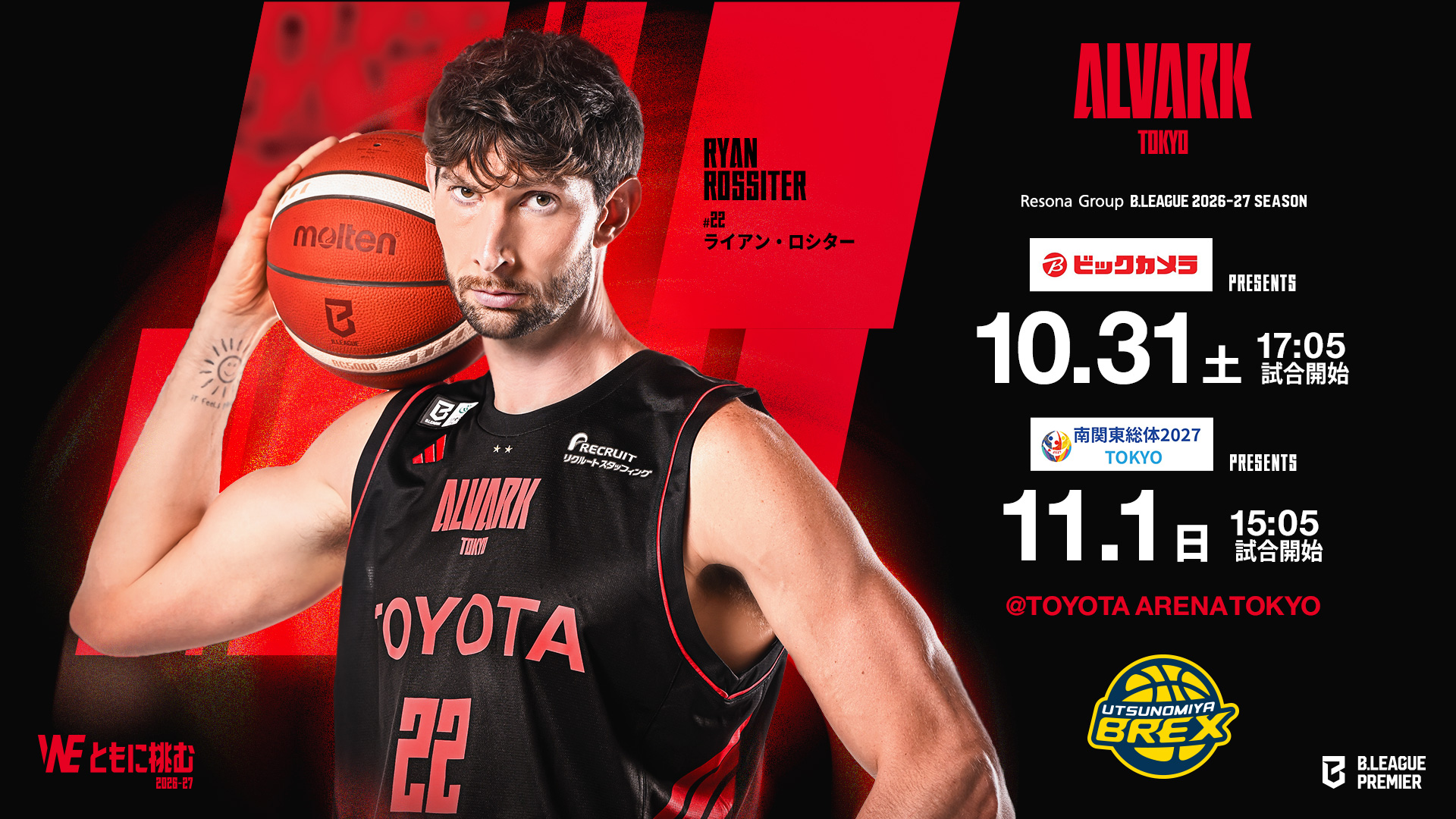
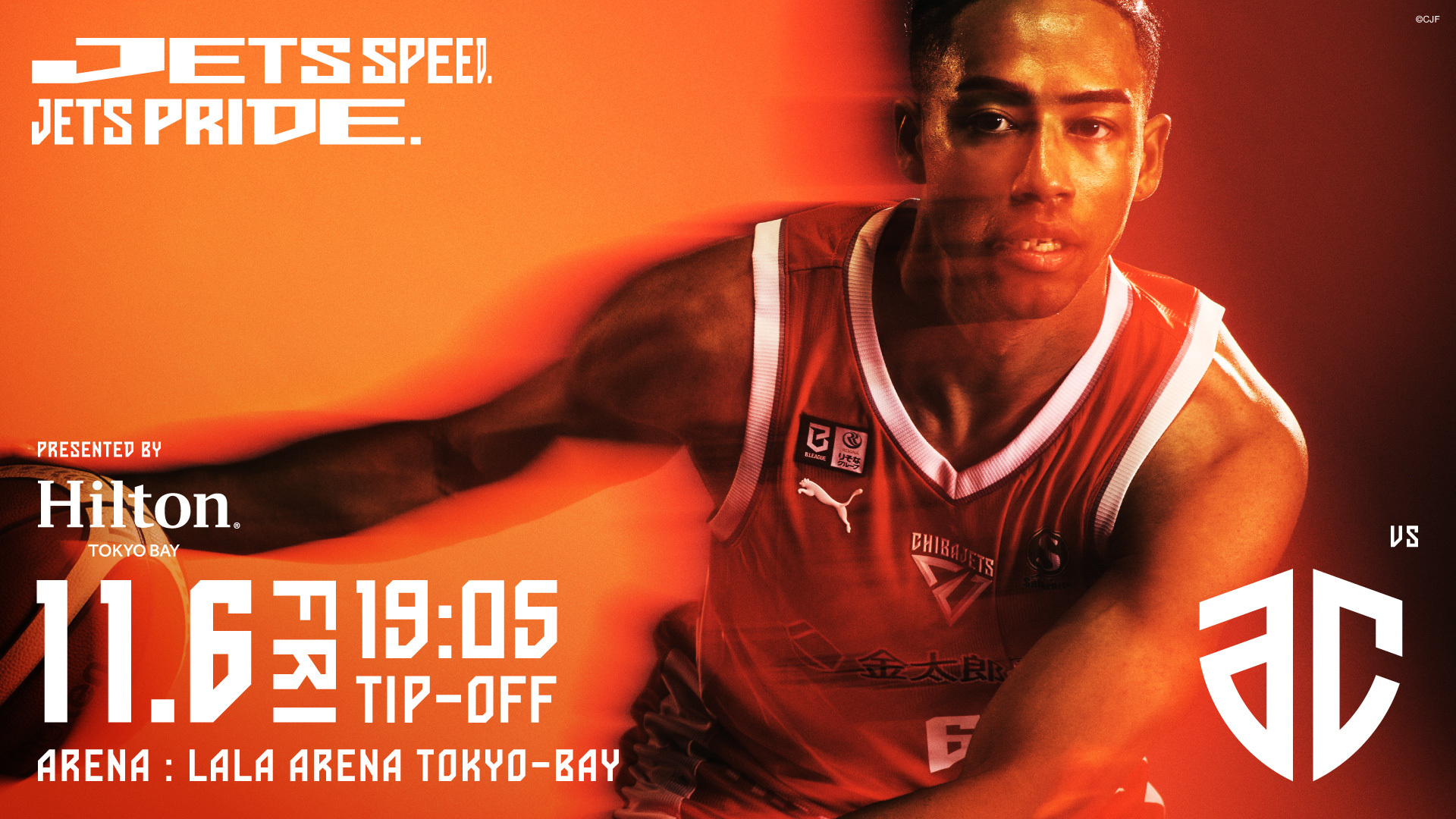
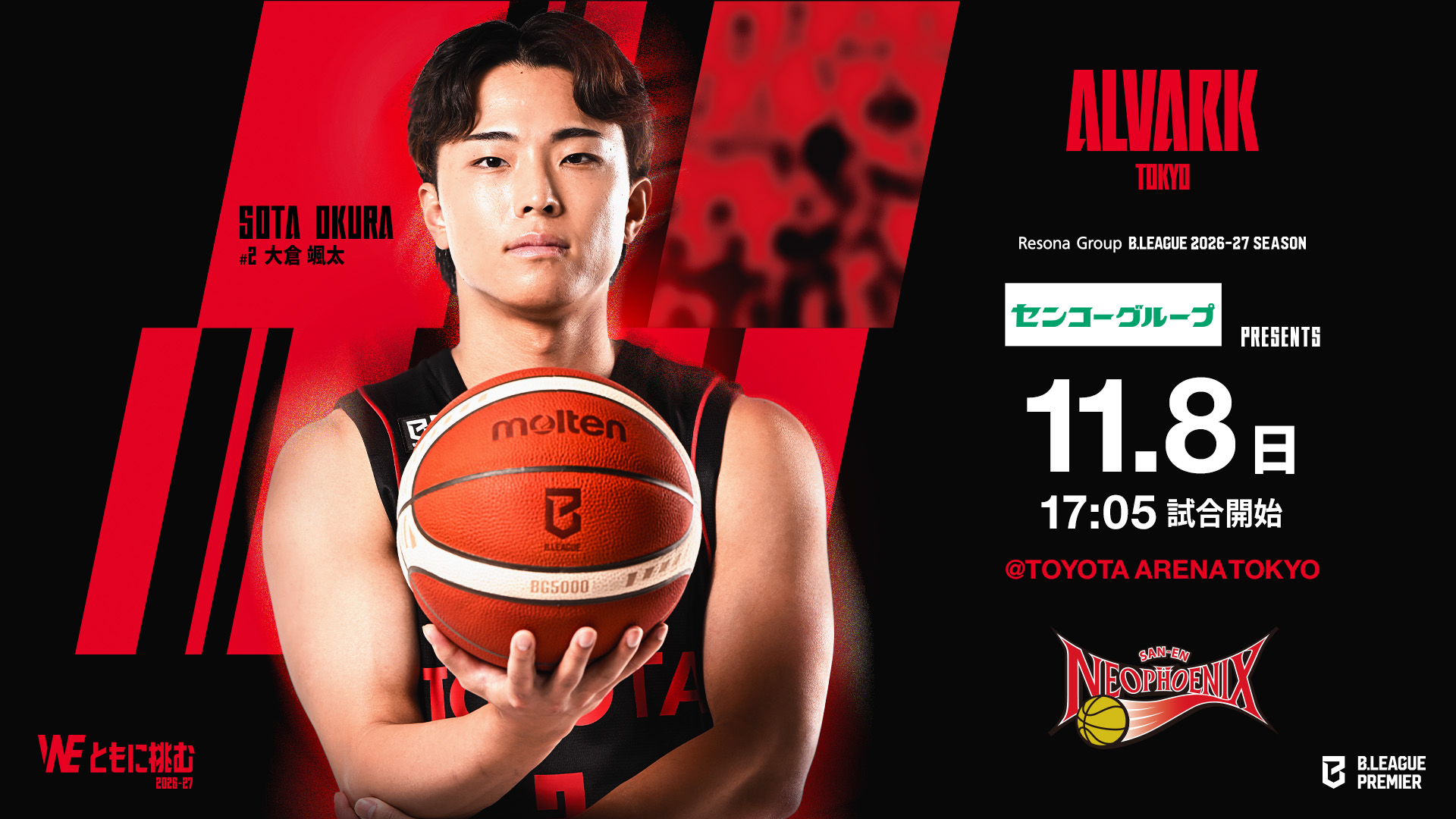
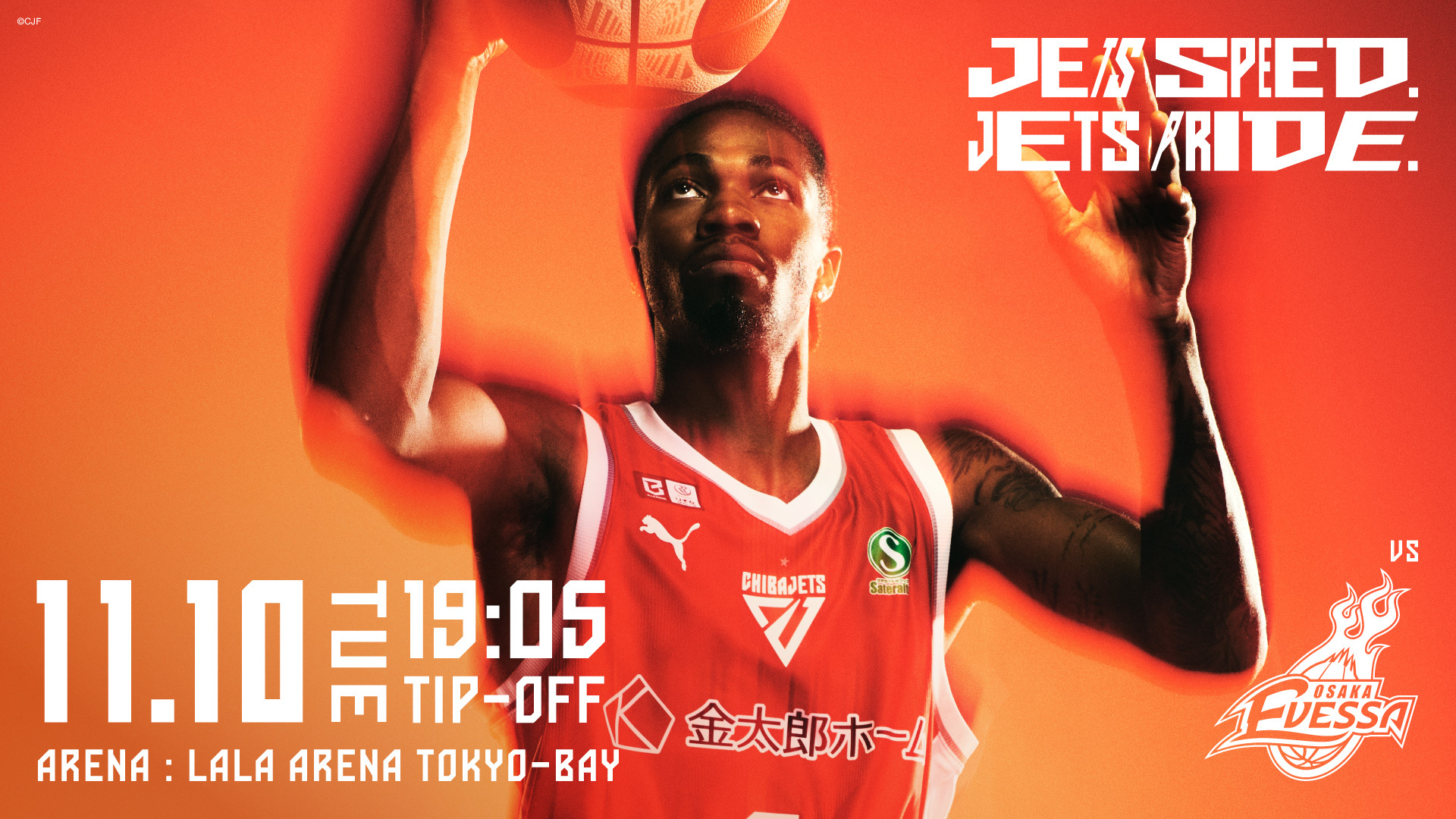
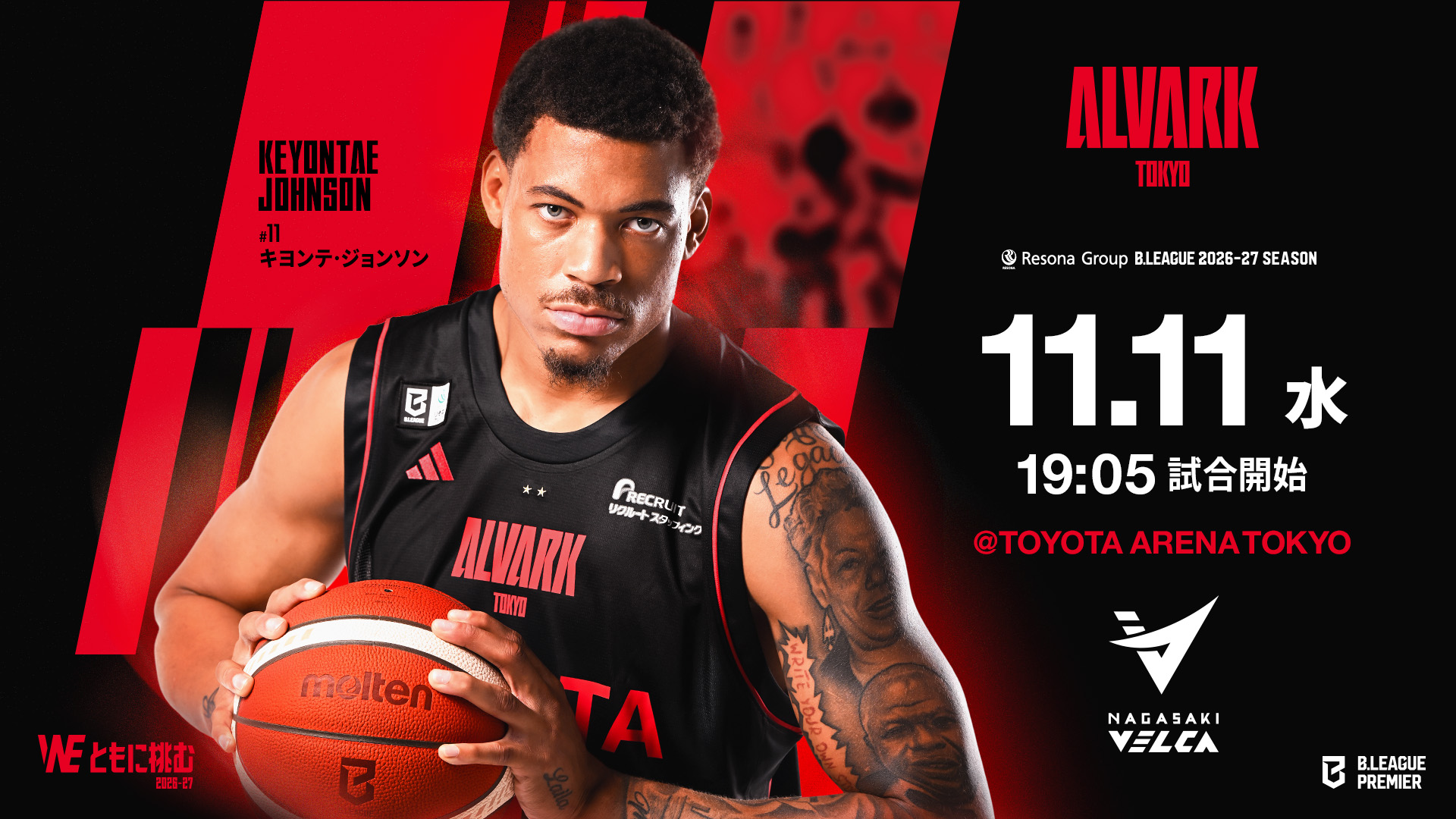
The B.League basketball season runs roughly from October to May. Alvark Tokyo moved into Toyota Arena Tokyo in Aomi, near Odaiba, in 2025, and the Chiba Jets and Kawasaki Brave Thunders are a short train ride away. Games are a show, with music, lights and a DJ between plays.
Rugby's Japan Rugby League One plays from about mid-December to May. Tokyo Sungoliath and Toshiba Brave Lupus Tokyo play at Chichibunomiya Rugby Stadium near Gaienmae and at Ajinomoto Stadium, with relaxed crowds and cheap seats.
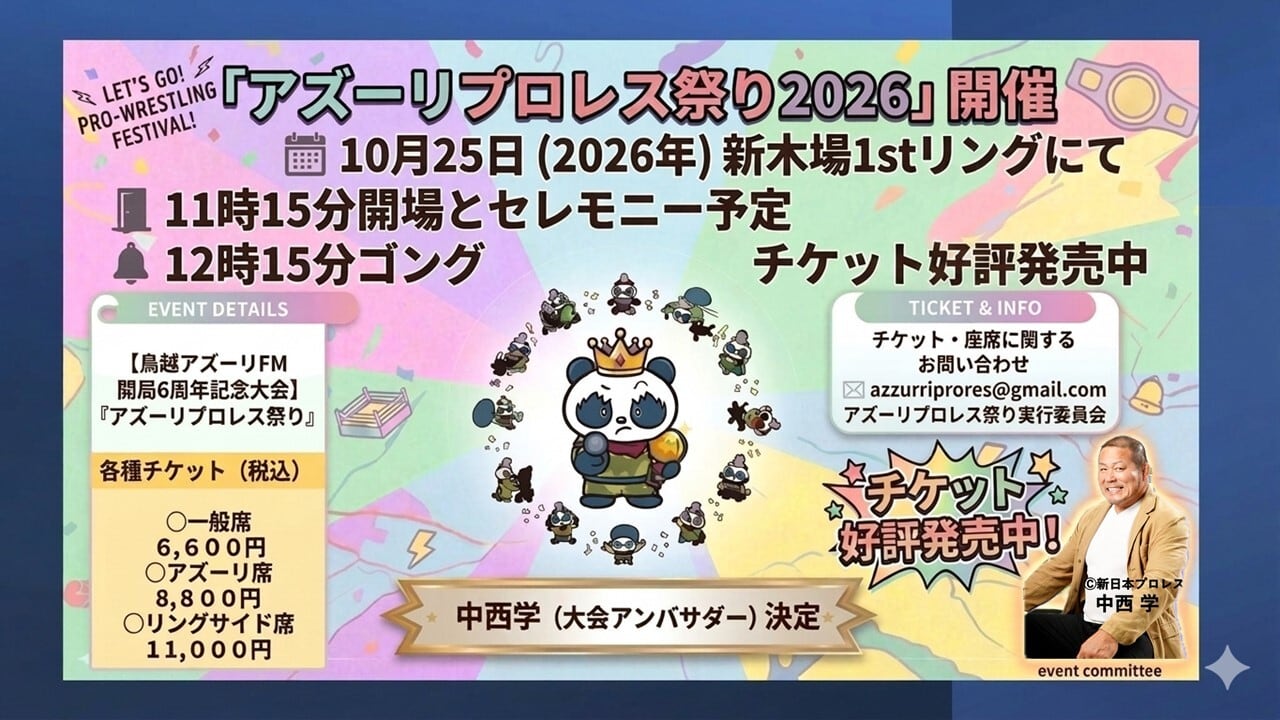
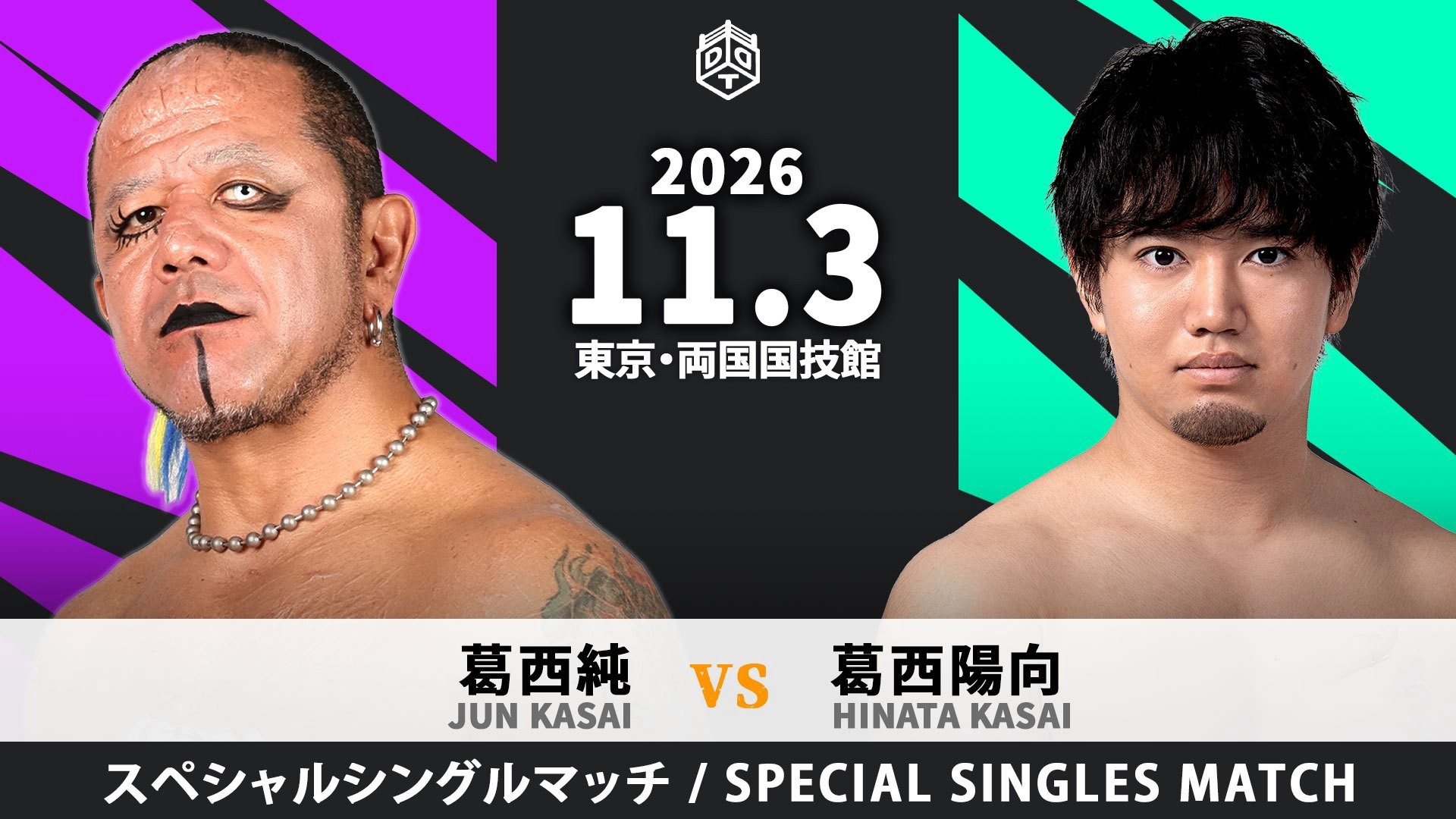
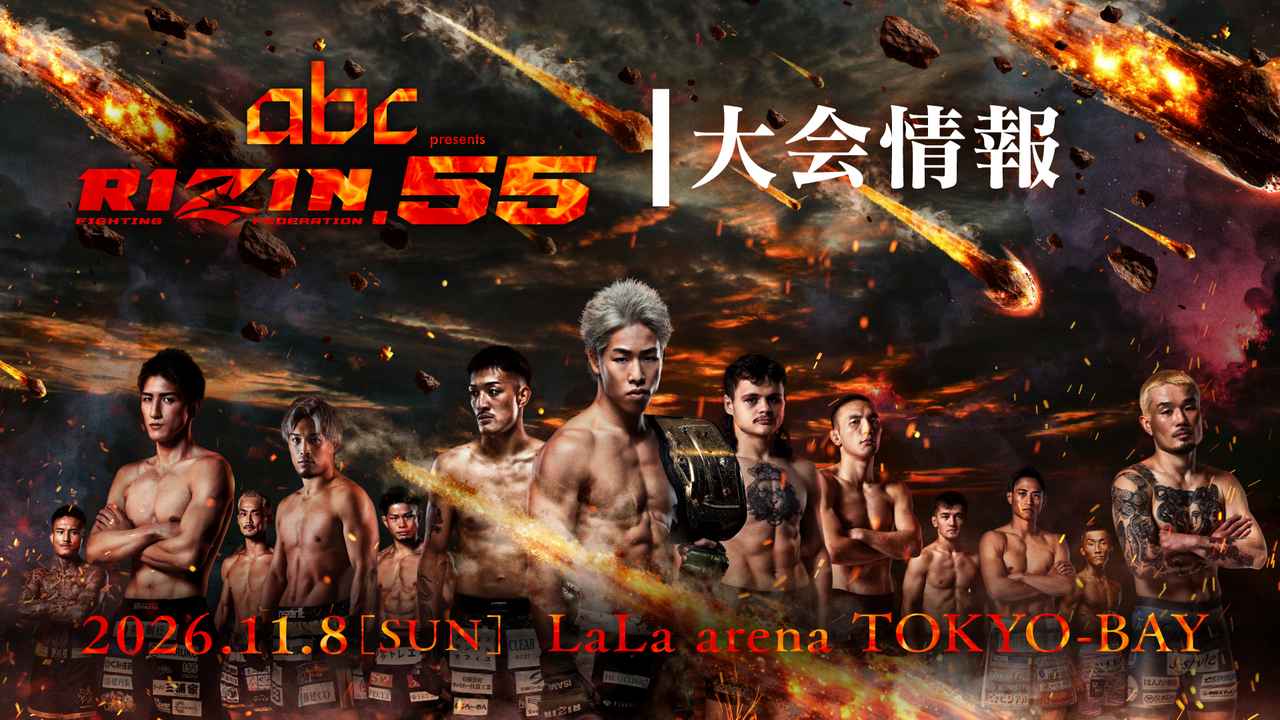
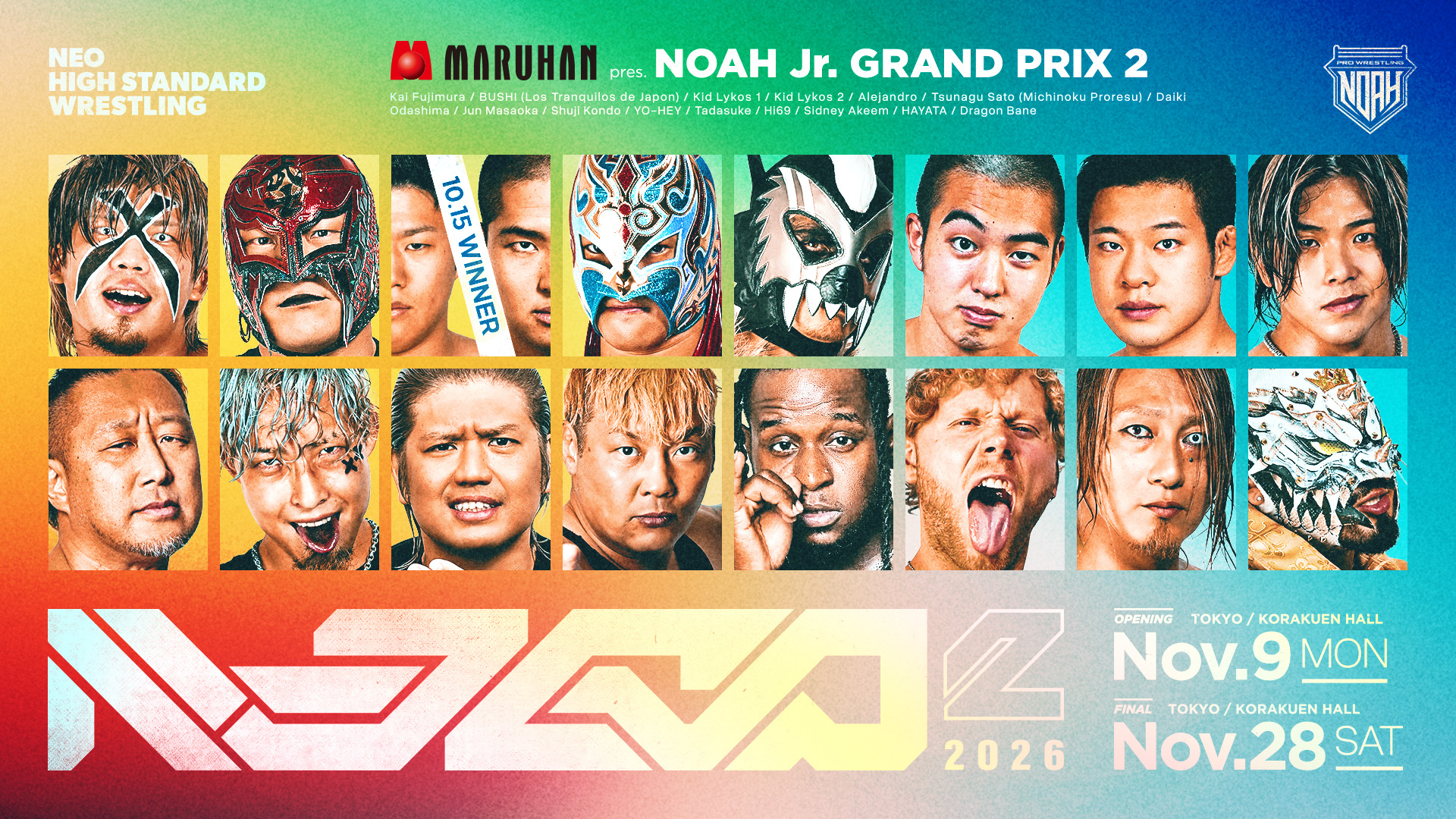
Pro wrestling has deep roots here. New Japan Pro-Wrestling's January 4 show at Tokyo Dome is its biggest night of the year, and Korakuen Hall in Tokyo Dome City hosts wrestling and boxing on many nights, close enough to the ring to hear every slap. For sumo, see our separate guide.