How New Year works in Tokyo
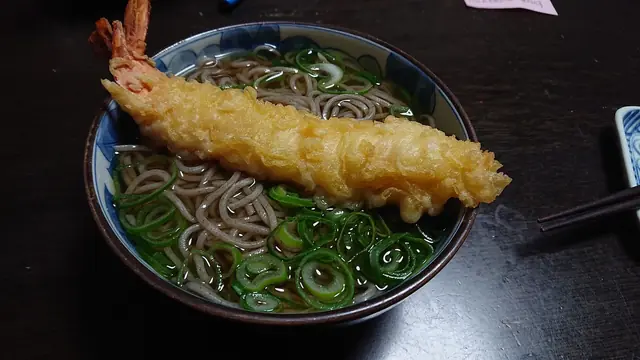
Most offices close from the last few days of December to about January 3. December 31 (omisoka) is a family evening: toshikoshi soba for a long life, the Kohaku song contest on TV, then a walk to a local temple or shrine around midnight. It is not a night of giant street parties. January 1 to 3 is the time for hatsumode, the first shrine or temple visit of the year. Daily life returns from around January 4, but shrines stay busy through the first week.
New Year's Eve: temple bells and countdowns
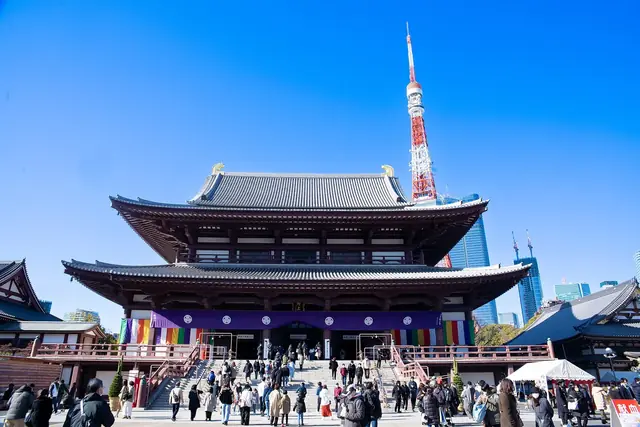
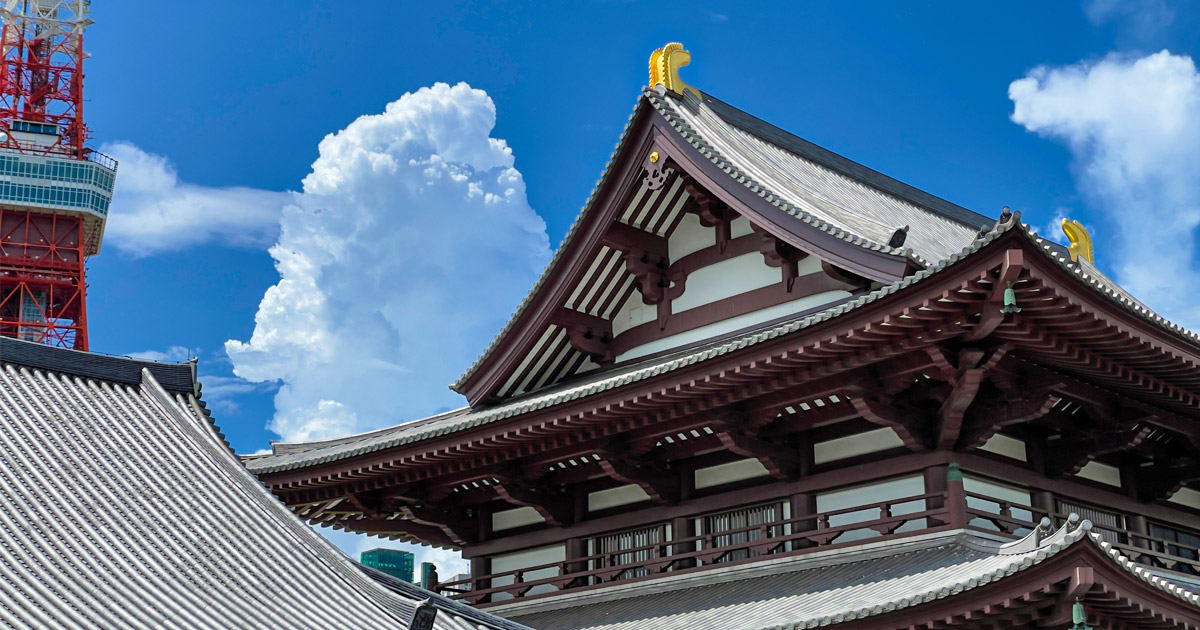
The classic way to see the year out is joya no kane, a temple bell struck 108 times around midnight, one for each worldly desire in Buddhist tradition. Zojoji in Shiba Park is the best known in central Tokyo: the bell rings with Tokyo Tower lit up right behind the gate, crowds build from around 10pm, and in some years balloons are released at midnight. At Sensoji in Asakusa the bell is rung by members of a temple association, so you listen rather than ring. A few temples, such as Ikegami Honmonji in Ota ward, hand out numbered tickets so visitors can strike the bell themselves.
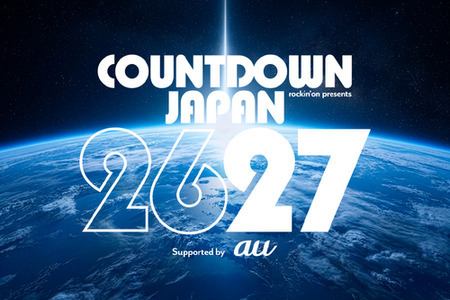
For a countdown, the Tokyo Metropolitan Government Building in Shinjuku has in recent years held one with projection mapping on the towers, with entry by advance lottery. Hotels and clubs in Roppongi and Shibuya run paid parties, and the COUNTDOWN JAPAN rock festival fills Makuhari Messe in neighbouring Chiba at the end of December. Shibuya Crossing is a different story: the ward has not held an official countdown for several years, and in recent years it has banned drinking in public around the station from 6pm on December 31 to 5am on January 1 and fenced off the Hachiko statue. People still gather, but there is no show and police manage the crowd.
- Where visitors can ring the bell, it is first come, first served. Arrive well before the stated time.
- Zojoji and Meiji Jingu get packed near midnight. Decide where you want to be by about 11pm.
- Hotel and club countdown parties often sell out in December.
Hatsumode: the first shrine visit
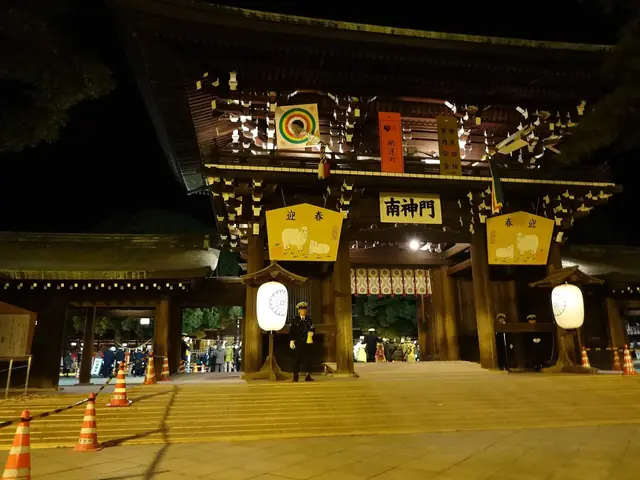
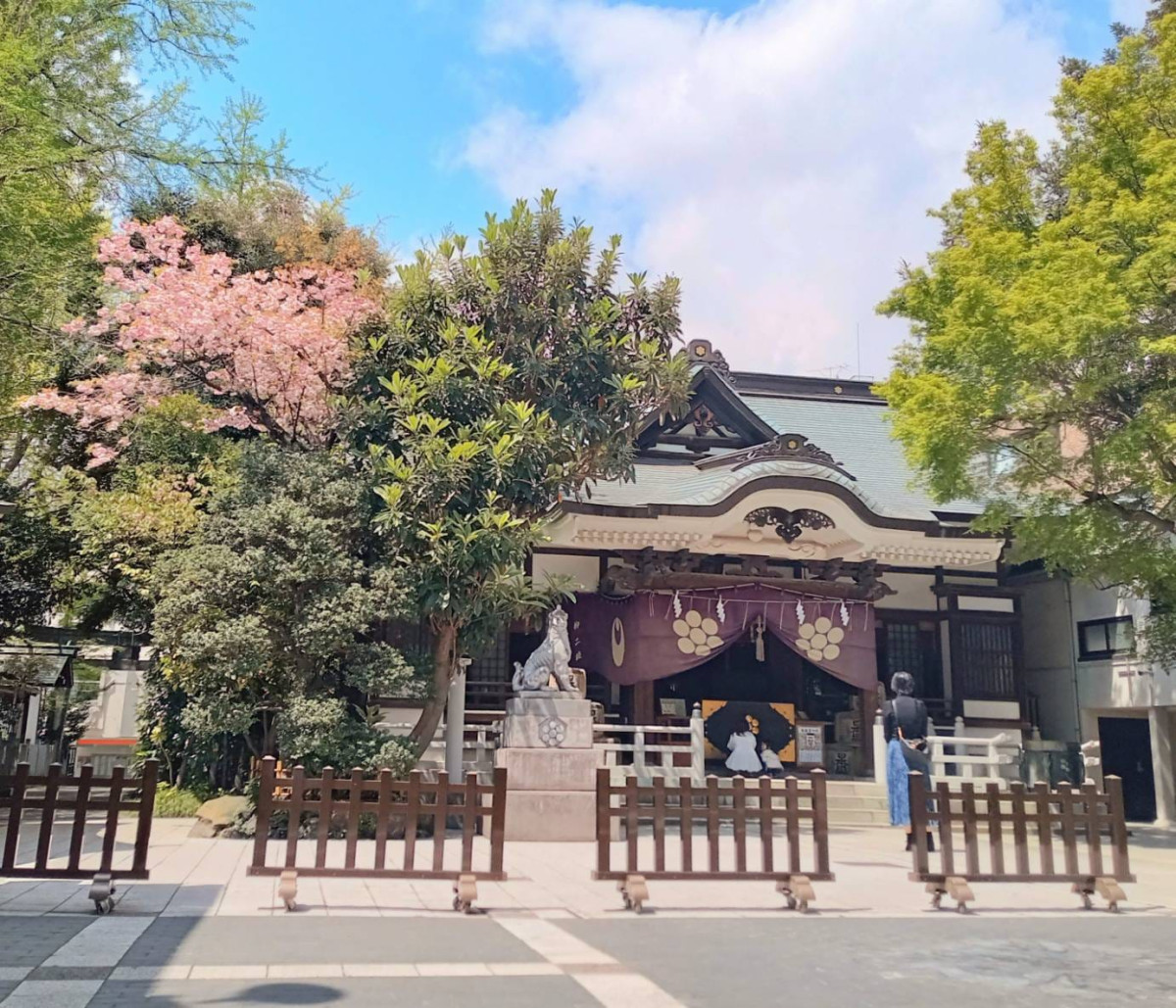
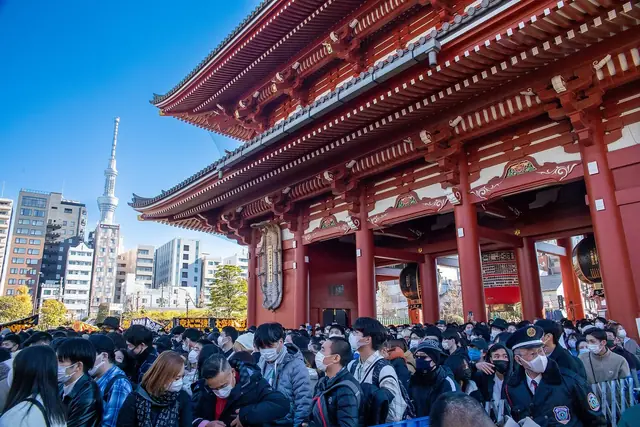
Meiji Jingu near Harajuku draws the biggest crowds in Japan, around three million people over the first three days. Its gates stay open through New Year's Eve night. Sensoji in Asakusa is the other giant: walk up Nakamise street, waft incense smoke over yourself at the big burner, then queue for the main hall. Kanda Myojin near Akihabara is the shrine for business luck, and office workers arrive in groups on the first working days. Hie Shrine in Akasaka is a calmer choice.
At the biggest places, police and staff let the crowd forward in sections, and many people toss their coin from a few rows back. At a shrine you bow twice, clap twice and bow once; at a temple you put your hands together without clapping. Afterwards, buy an omikuji fortune: tie a bad one to the rack and leave the bad luck behind, keep a good one. Omamori charms are meant to last about a year, so bring last year's back and leave it in the box for old charms that most shrines and temples have.
- Early morning on January 1, or any day from January 4, is much calmer than midnight.
- Carry coins for the offering and cash for food stalls on the approach. Many stalls do not take cards.
- Coin lockers at Harajuku and Asakusa stations fill fast in the first days of January. Travel light.
First sunrise, the Emperor's greeting and New Year shows
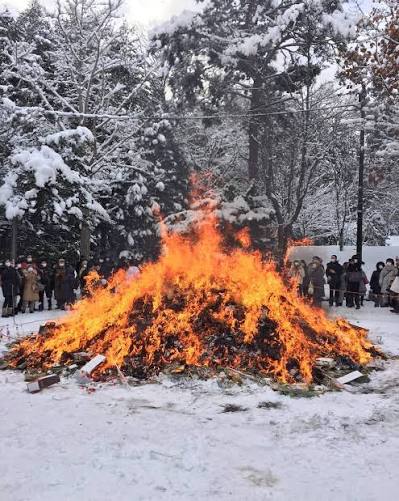
Many people go out to see hatsuhinode, the first sunrise of the year, which in Tokyo comes a little before 7am. Tokyo Skytree usually opens early on January 1 for a limited number of advance tickets, and in some years the Tokyo Metropolitan Government Building has opened its observatory to lottery winners. On Mount Takao, Yakuoin temple holds fire rituals from midnight and hikers wait for dawn at the summit.
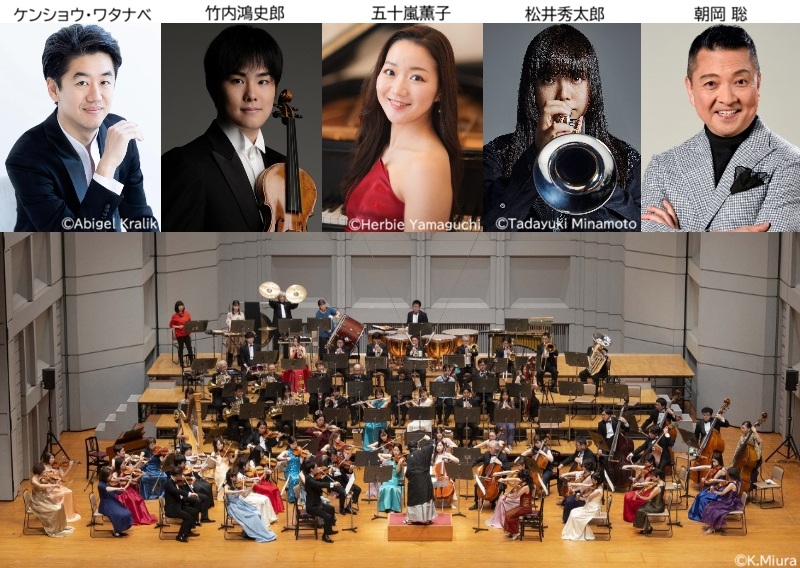
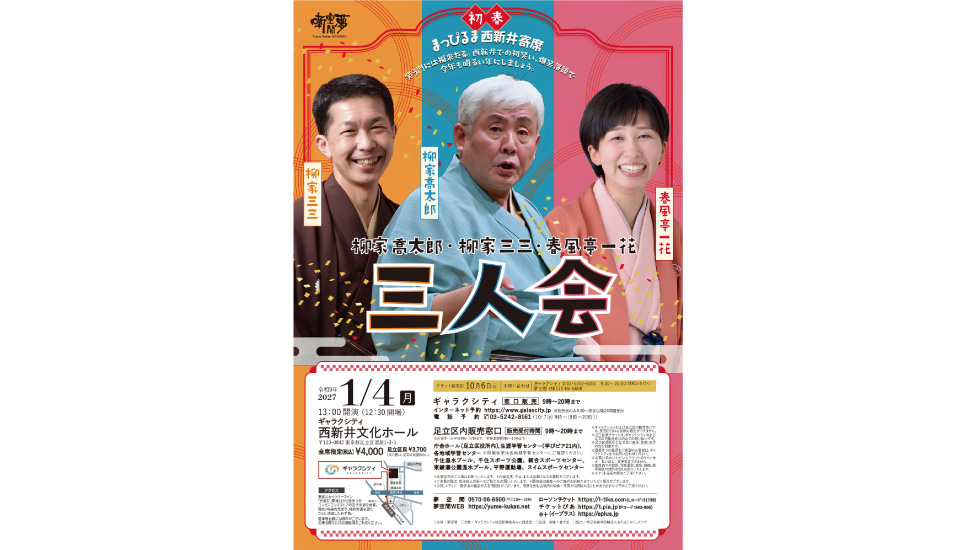
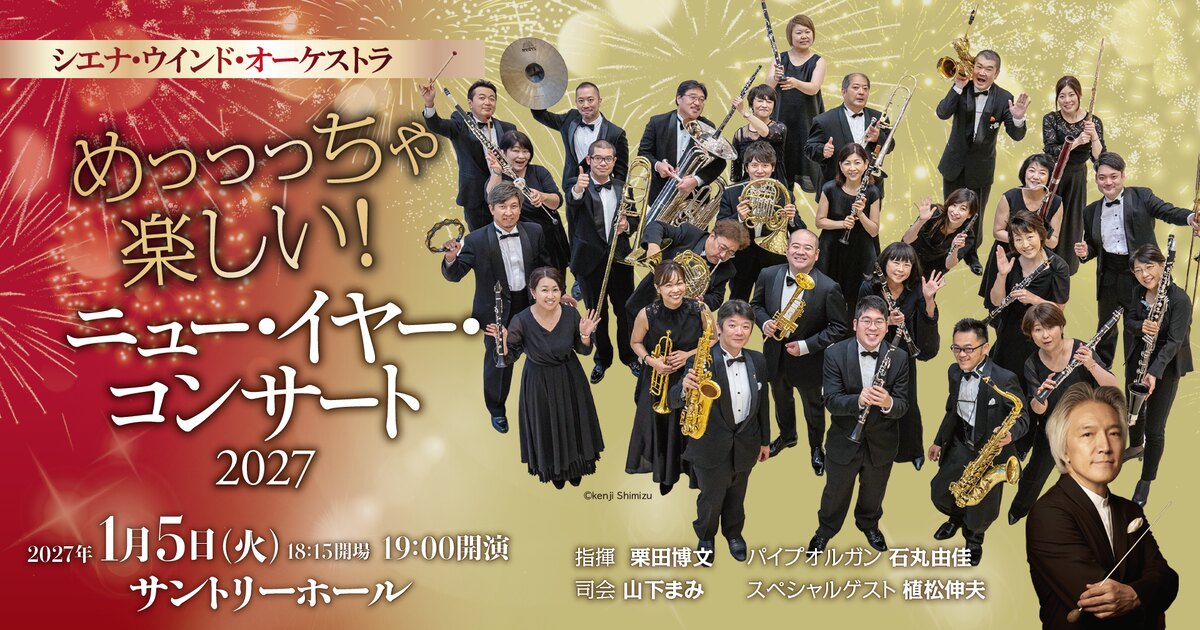
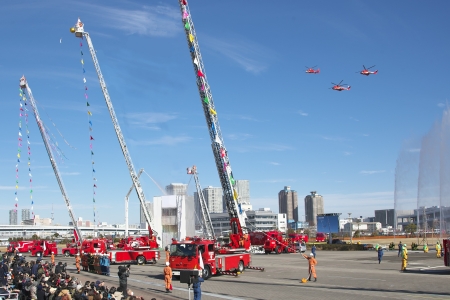
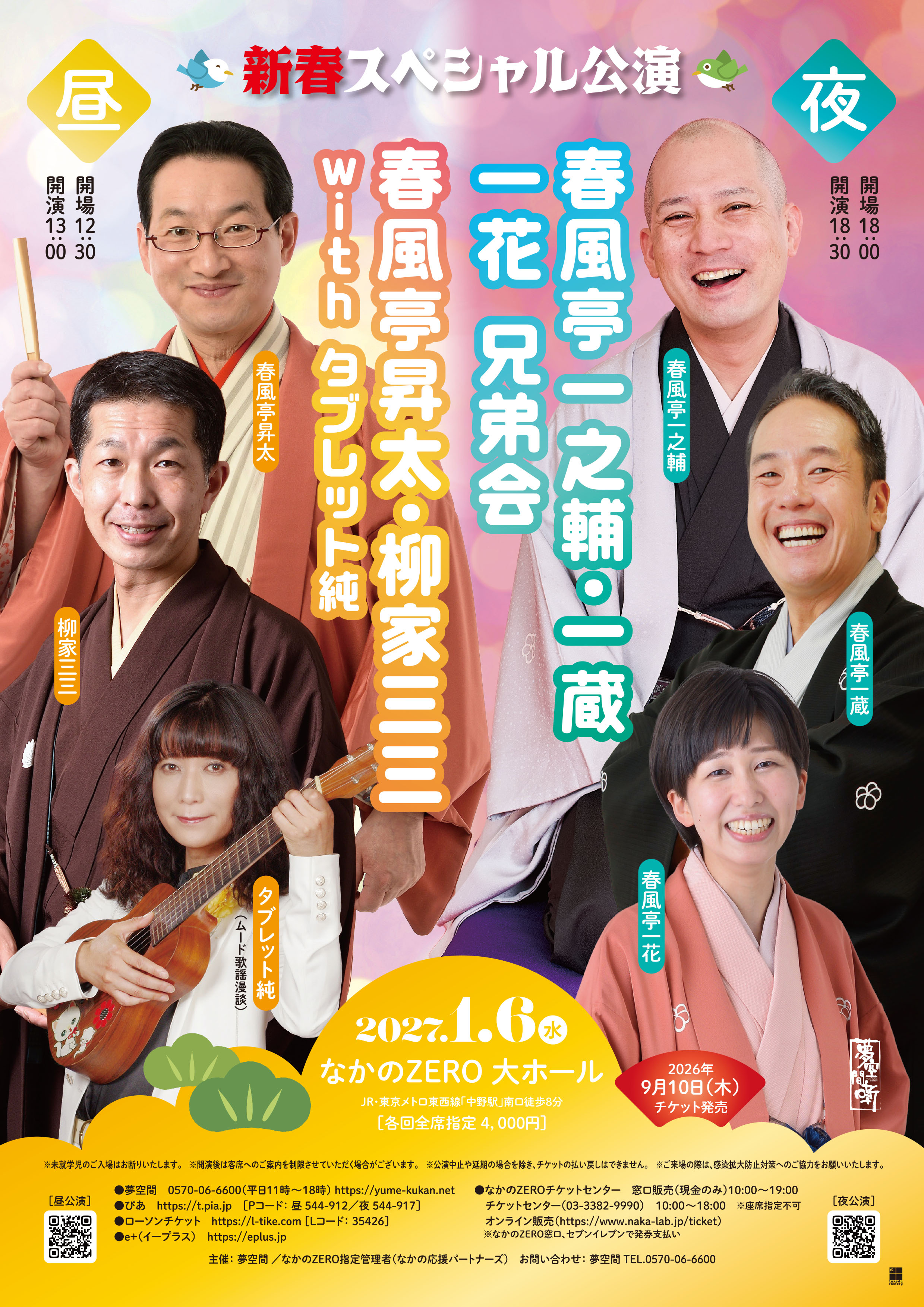
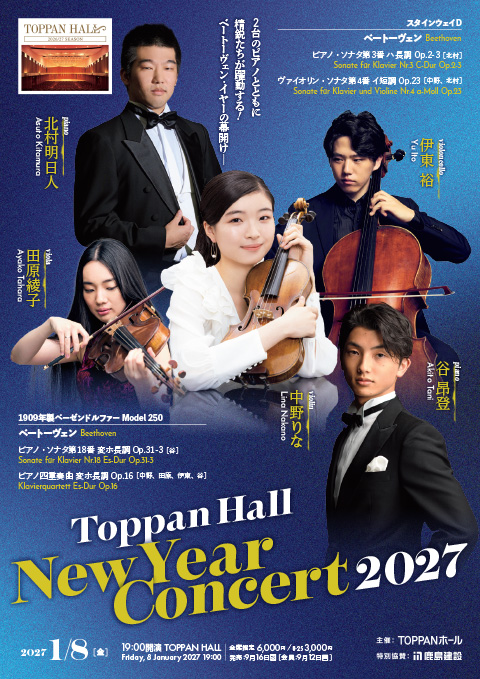
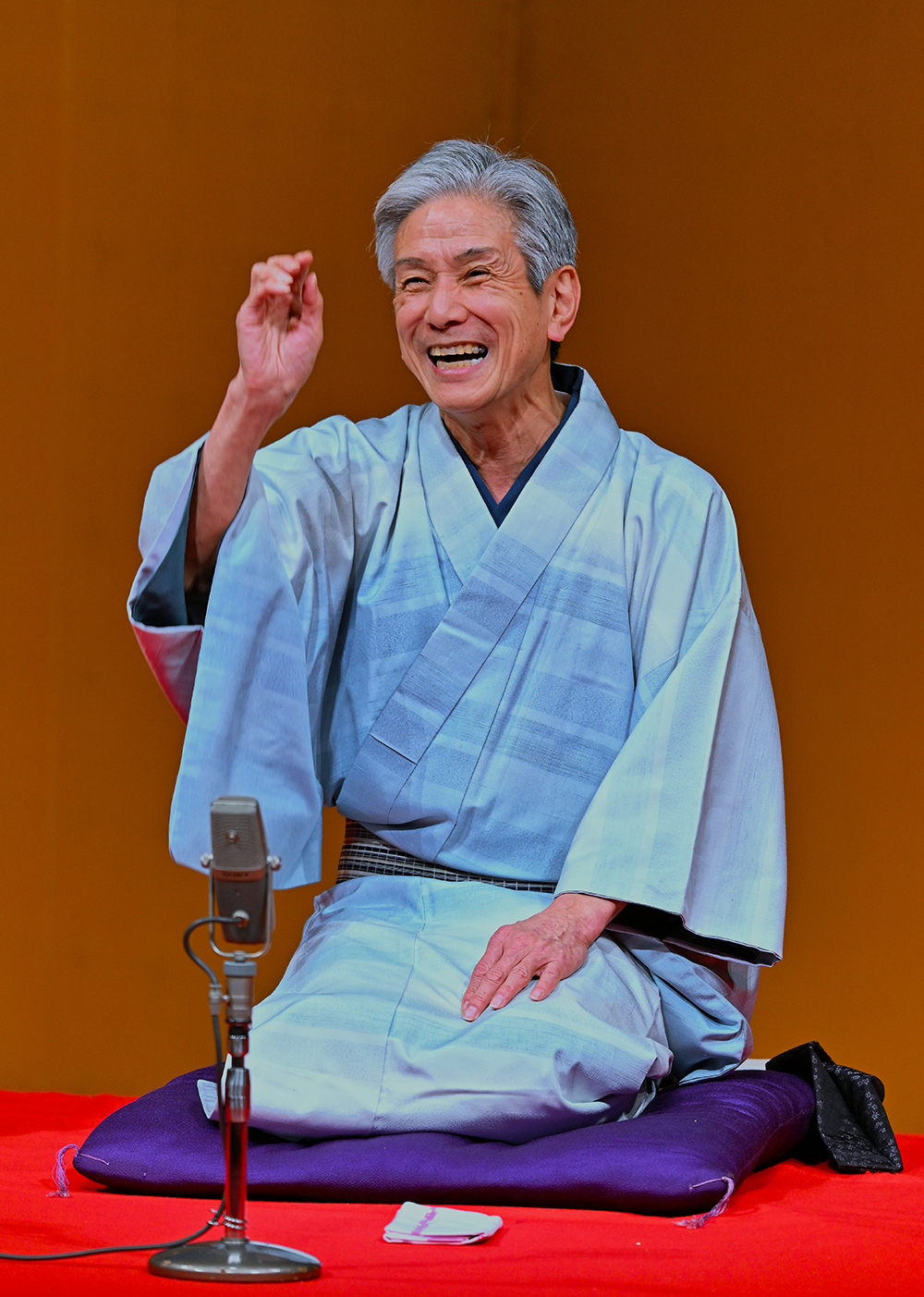
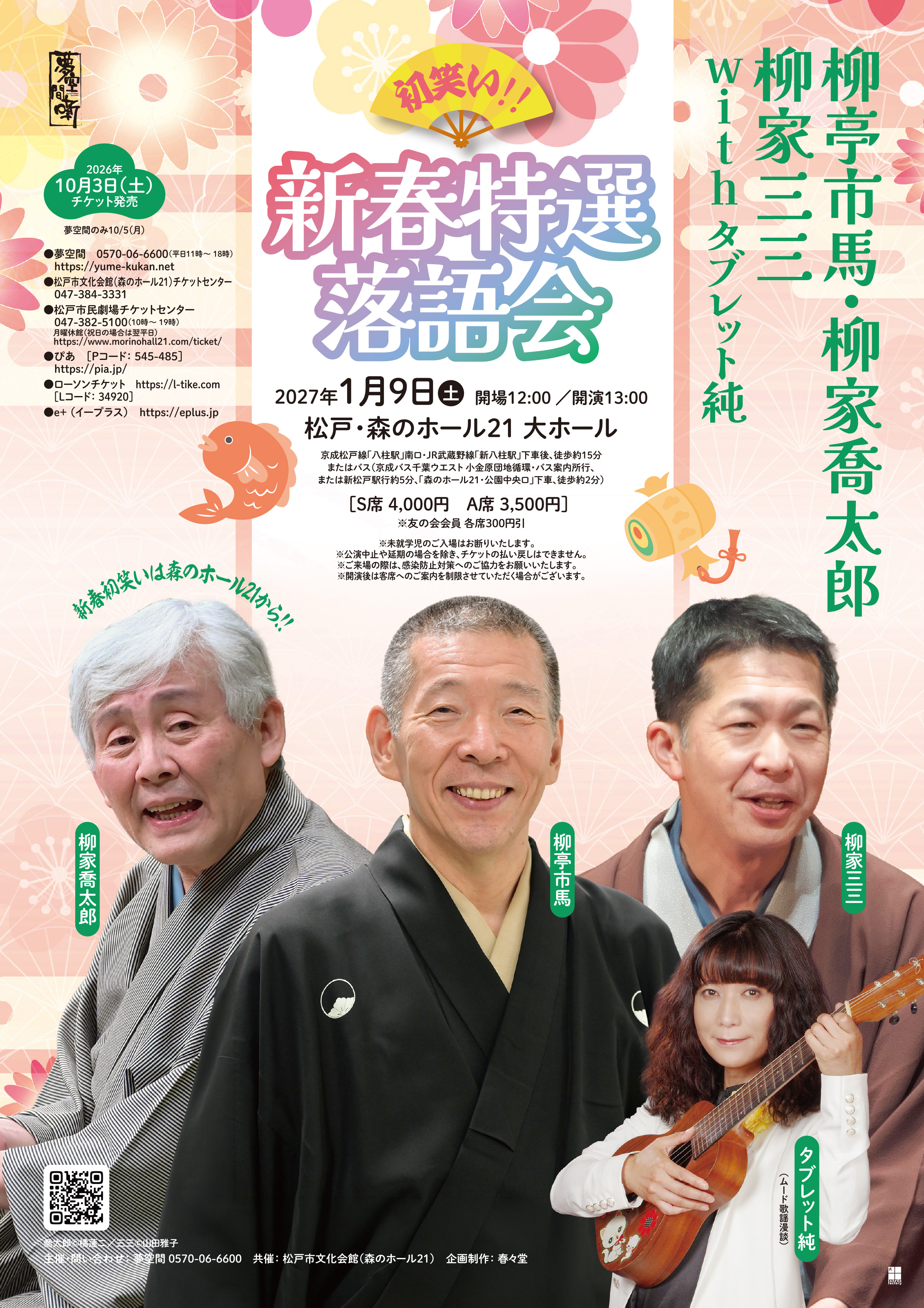
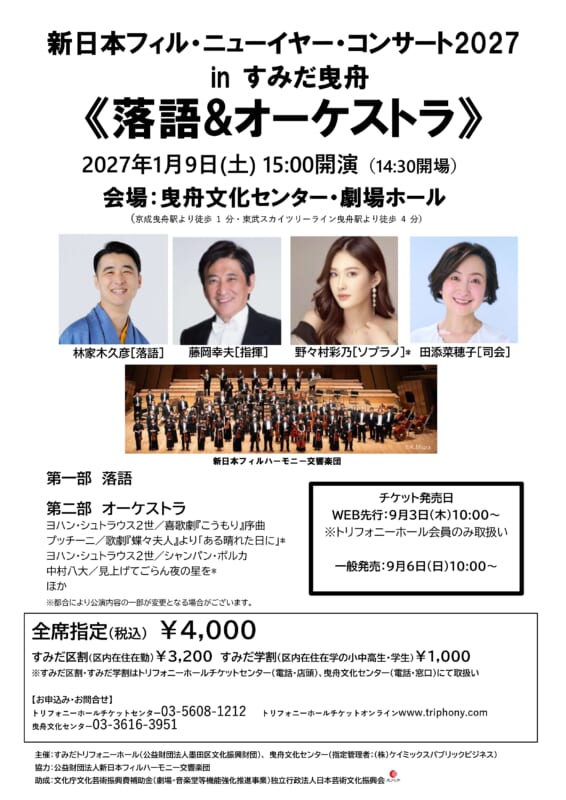
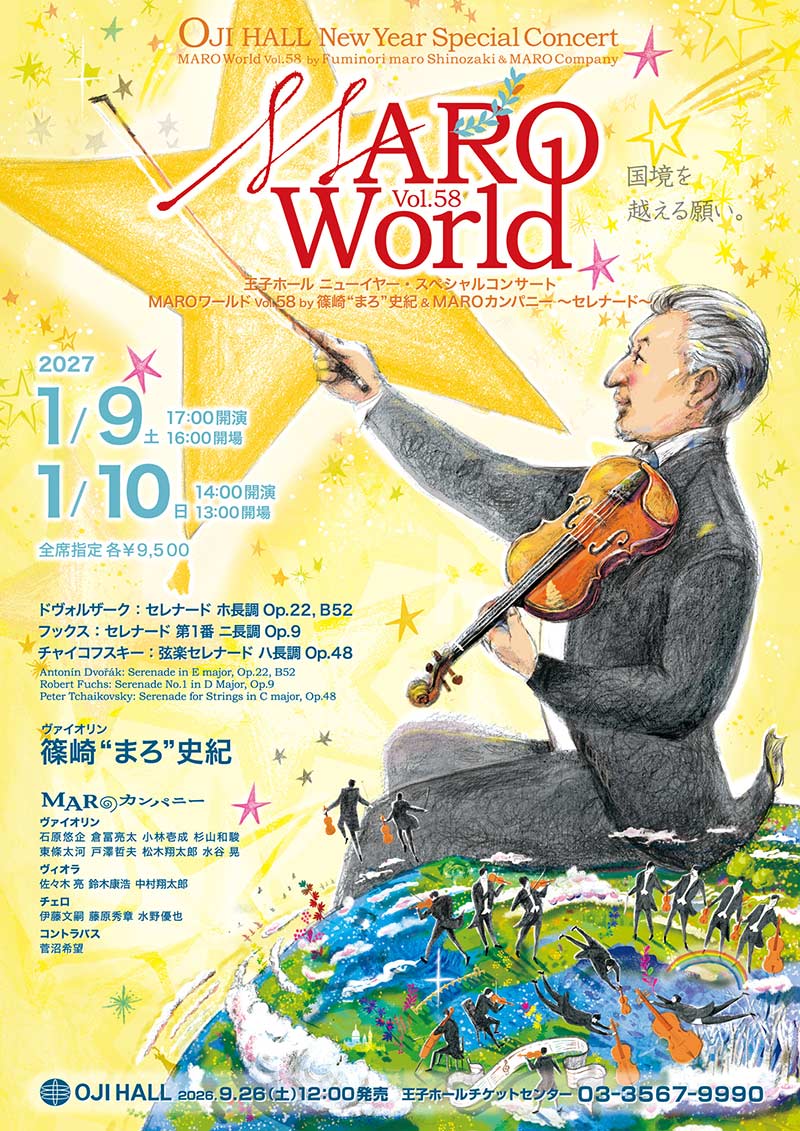
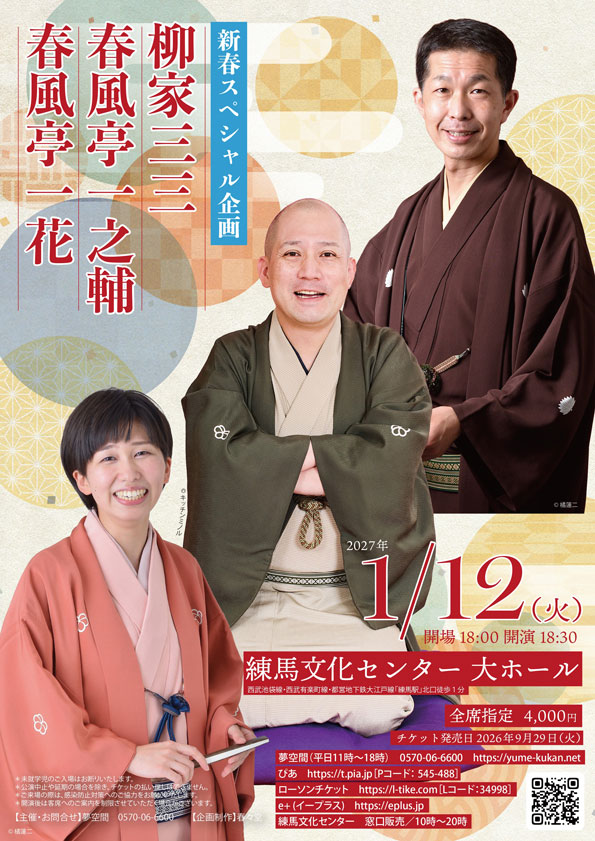
On January 2 the imperial family appears on a palace balcony several times through the day to greet the public. It is free, with a security check and long queues. In early January the Tokyo Fire Department holds its New Year review (dezomeshiki), with acrobatics on tall bamboo ladders. For an evening out, January brings New Year concerts (often Viennese waltzes), a festive programme at Kabukiza, and special first-of-the-year bills (hatsuseki) at the rakugo theatres. The January sumo tournament is held at Ryogoku Kokugikan around mid-month.
What's open, trains and what to bring
From January 1 to 3 many small restaurants, family-run shops and museums close. Convenience stores, chain restaurants and shops inside big stations stay open. Department stores usually close on January 1 and start their New Year sale on January 2, though some big names have recently moved it to January 3. That is when fukubukuro go on sale: sealed lucky bags at a fixed price with contents worth more. Popular ones sell out within minutes, and some are now sold online or by lottery.
In recent years JR East has run all-night trains on New Year's Eve on several major lines, including the Yamanote Line, while Tokyo Metro has not run all night since 2020. Plans are announced in December, so check before counting on a train home at 3am. Nights are cold, often near freezing, and you will stand still in queues for a long time: wear layers, a hat and gloves.
- Buy what you need before January 1. Supermarkets often run shorter hours over the holiday.
- Restaurants that open on January 1 to 3 sometimes add a holiday surcharge or serve a set menu only.
- Hotel prices rise over New Year. Book early if you are coming from abroad.