How Japan celebrates Christmas
Only a small share of people in Japan are Christian, so Christmas grew here as a seasonal and commercial holiday. Decorations go up in early November, right after Halloween, and come down fast on the 26th, when shops switch to New Year. New Year is the real family holiday. Christmas Eve is closer to a date night, and couples plan dinner and an evening walk under the lights weeks ahead.
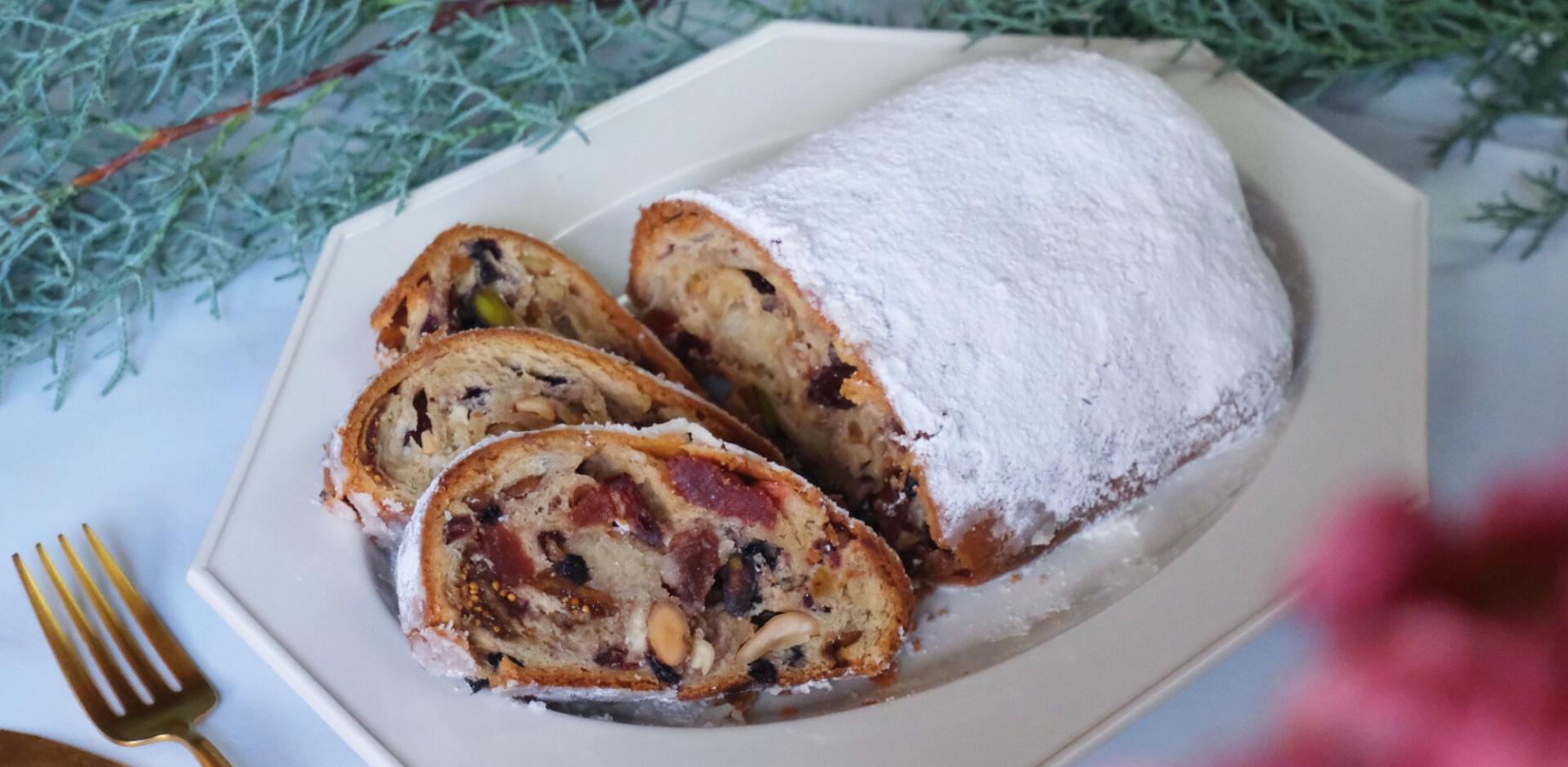
Two food traditions surprise visitors. The first is Christmas cake, usually a light sponge with whipped cream and strawberries, which bakeries, department stores and even convenience stores take orders for well in advance. The second is fried chicken: KFC Japan launched its Kentucky for Christmas campaign in 1974, and December 24 has become the chain's busiest day of the year, with many families pre-ordering.
December 25 is a normal working day. Offices, banks and shops are open, trains run on the usual timetable, and nothing shuts down the way it does in Europe.
Christmas markets
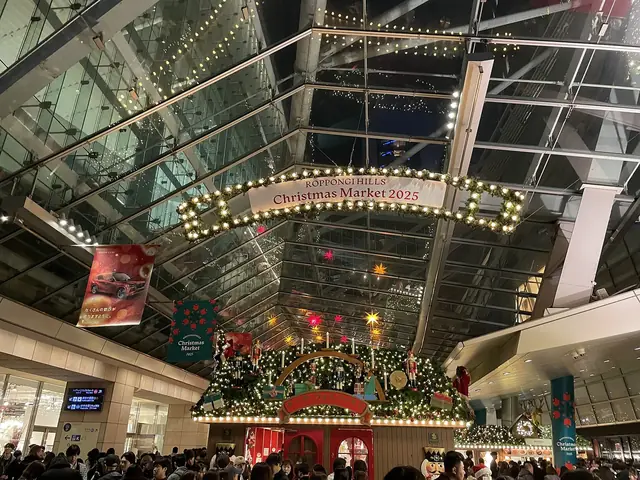
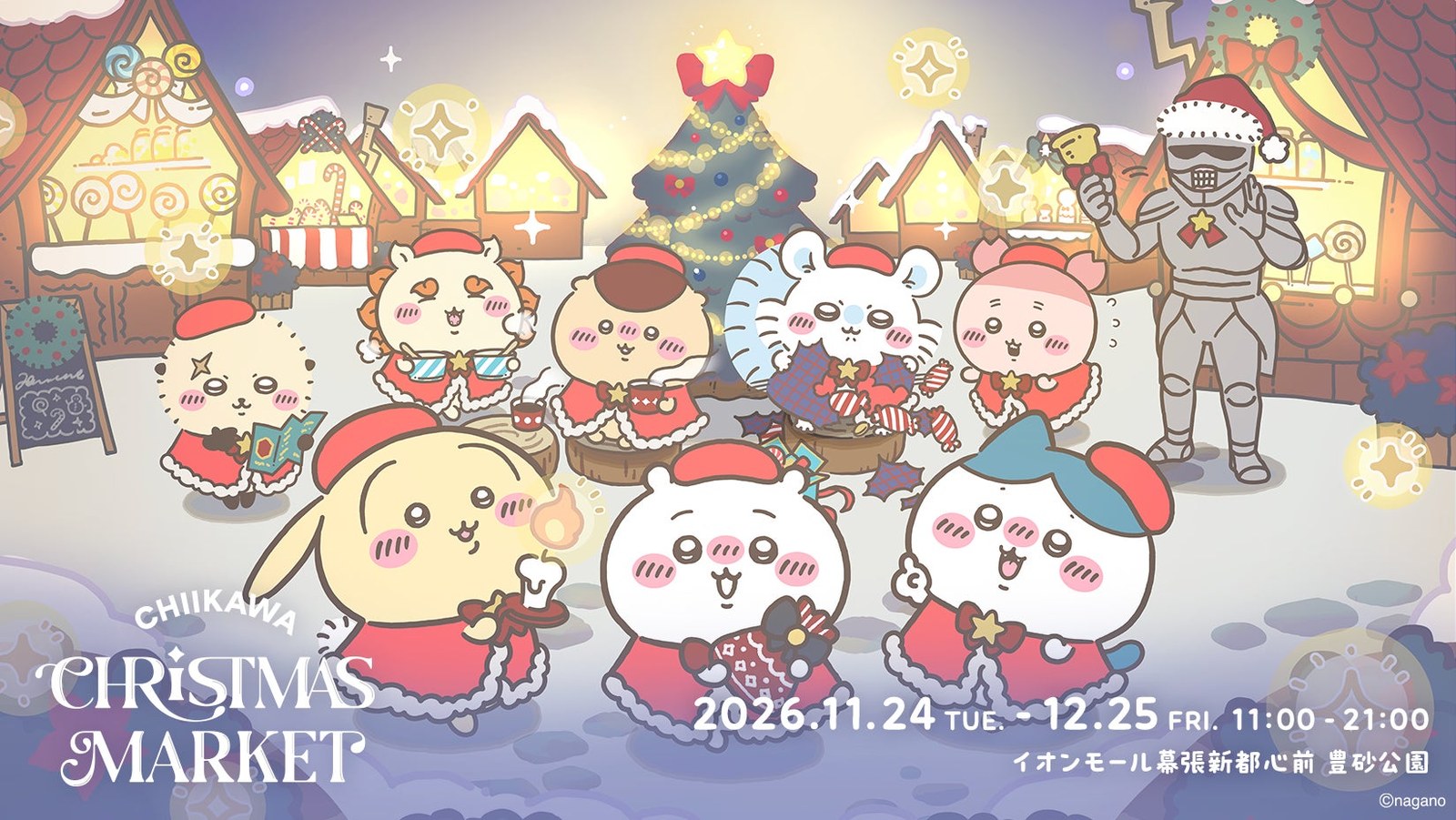
German-style Christmas markets are now a fixture in Tokyo, with wooden huts, mulled wine, sausages and ornaments. The largest, the Tokyo Christmas Market, started in Hibiya Park in 2015 and has moved venues several times since, with Meiji Jingu Gaien, Shiba Park and Shin-Toyosu among its recent homes, so check where it is this season. In recent years it has charged entry, and some tickets include a souvenir mug.
Roppongi Hills runs one of the longest-standing markets in the city, modelled on Stuttgart's, in O-Yane Plaza right by the Keyakizaka lights. Yebisu Garden Place and Marunouchi have also held markets next to their illuminations in recent years, and new ones keep appearing at places like Azabudai Hills.
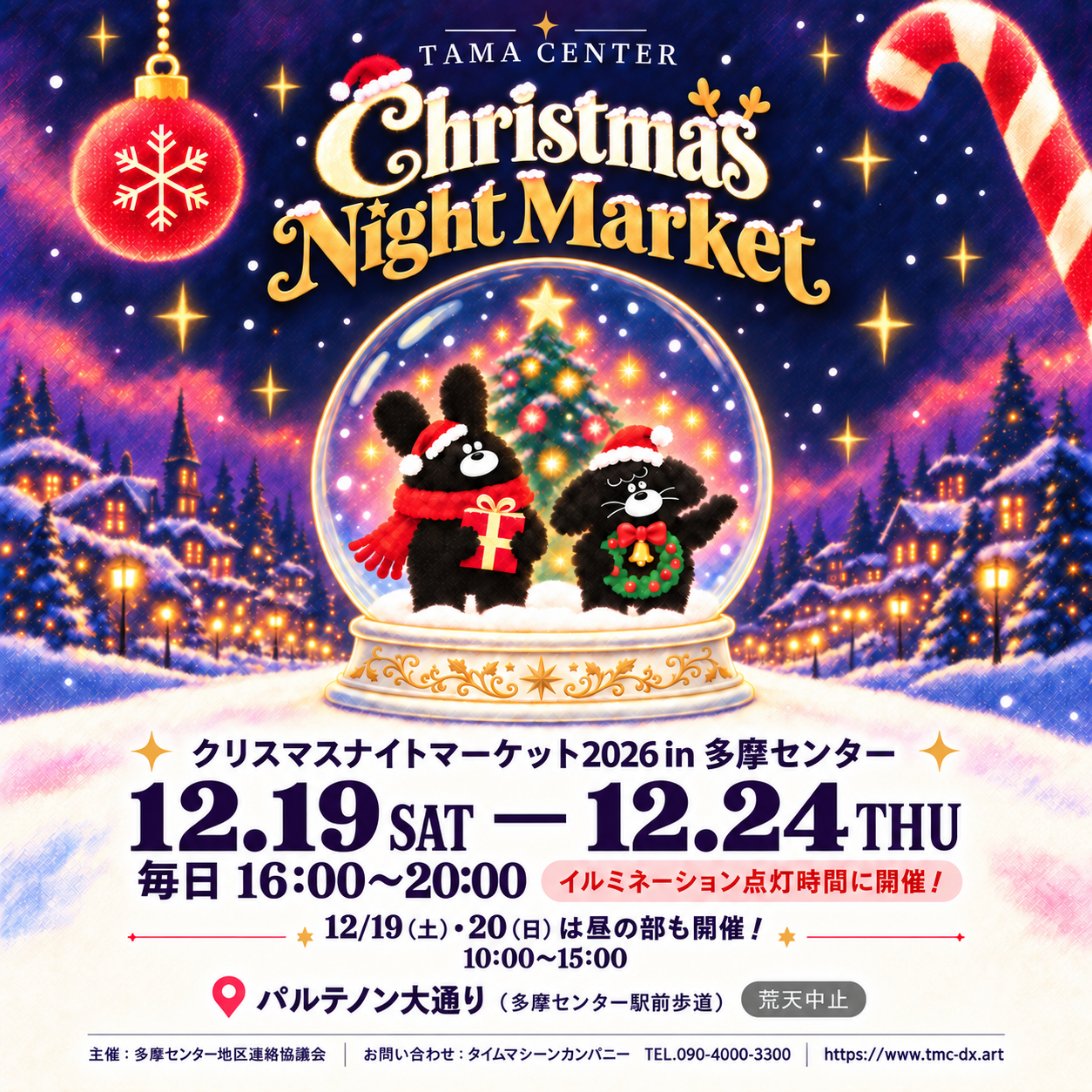
Markets are busiest on weekend evenings and in the last few days before the 25th. Weekday afternoons are calm, and the stalls look their best just after dark. Most close on December 25.
- Carry some cash in case a stall does not take cards.
- Food queues get long after 6 pm on weekends, so eat early or come on a weekday.
- Markets are outdoors: dress warmly, as standing with a hot drink cools you down fast.
Christmas lights
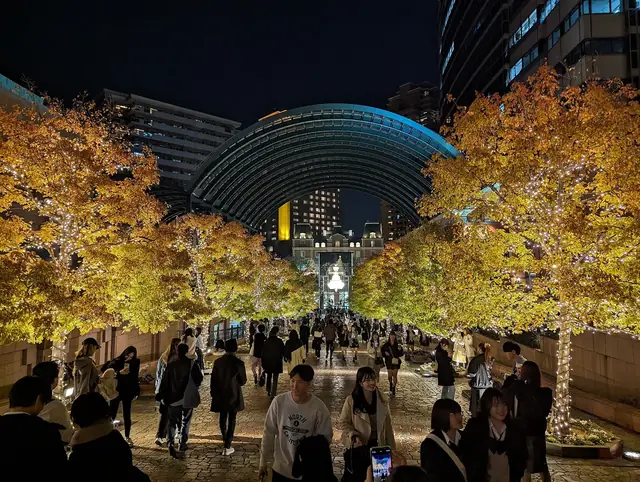
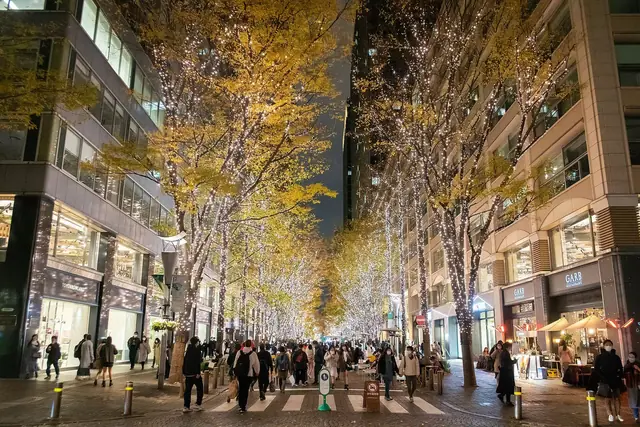
Most of Tokyo's winter illuminations are timed for Christmas, and some switch off on the night of December 25. Our winter illuminations guide covers the main spots and how to combine them. For a Christmas mood in one evening, pick an area that has both a market and lights, such as Roppongi Hills, Yebisu Garden Place or Marunouchi.
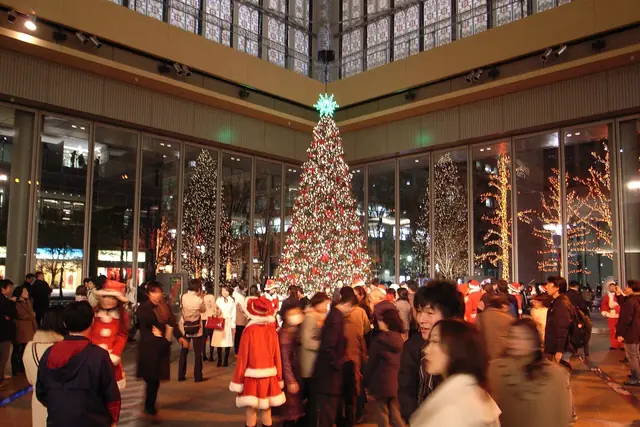
Large Christmas trees also go up in hotel lobbies, department stores and station concourses. Hotel lobbies are free to walk into and are usually calmer than the street displays.
Concerts, shows and church services
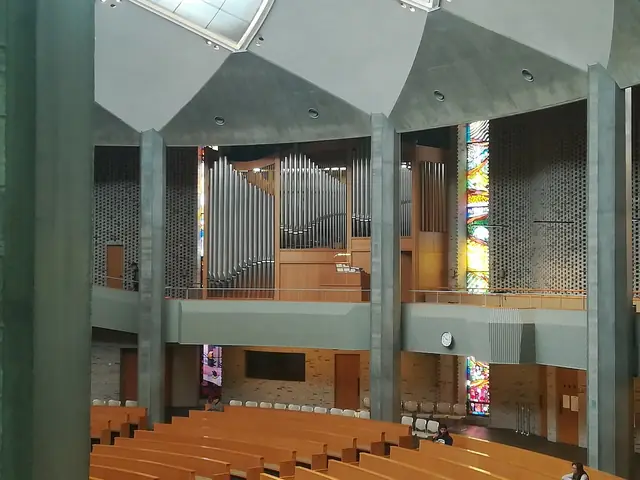
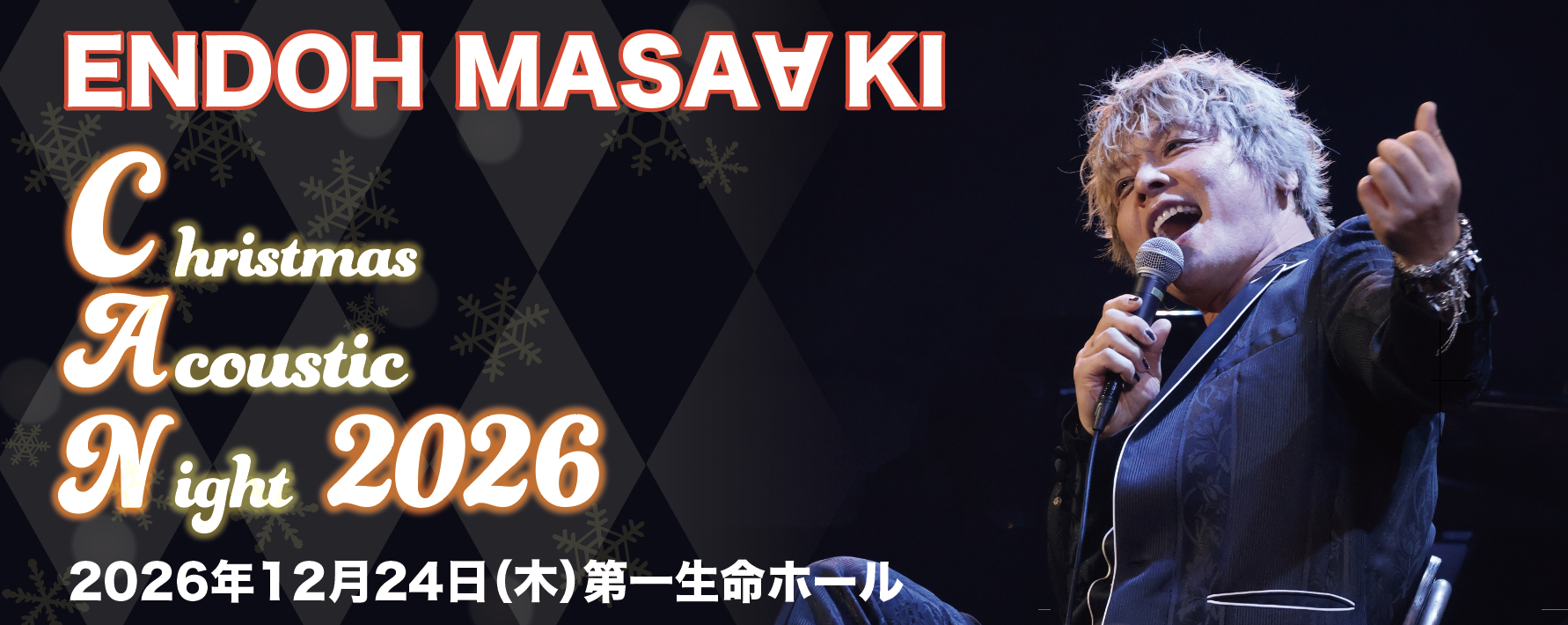
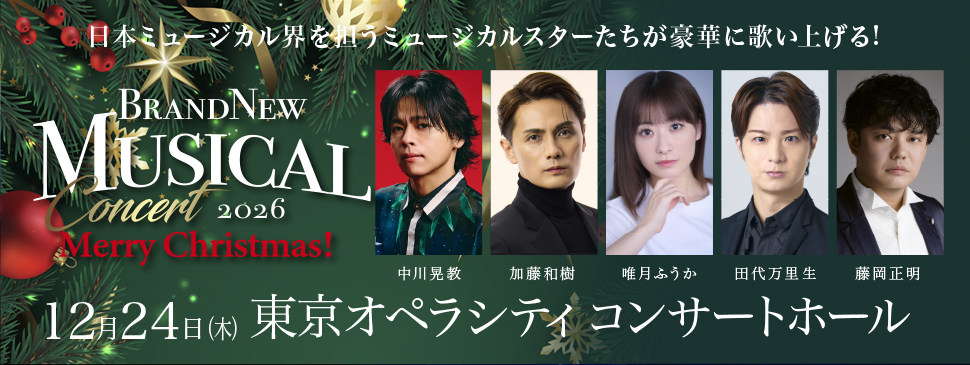
December is concert season. Orchestras and choirs perform Handel's Messiah and Christmas programmes, and Beethoven's Ninth, known as daiku, is a Japanese year-end tradition played across the city all month. Gospel choirs, jazz clubs and hotel dinner shows add their own Christmas sets. Popular concerts sell out, so book when tickets open.
Several churches hold services in English. Tokyo Union Church on Omotesando usually has candlelight services with carols on Christmas Eve, and St. Ignatius Church near Yotsuya Station, a large Catholic parish, usually offers an English Mass that night. Visitors are welcome, but popular services fill up, so arrive early and check the church website for this year's times.
Booking, crowds and getting around
Restaurants book out for December 24, and many switch to set Christmas courses at higher prices for a few days around it. If you want a particular place, reserve weeks ahead. The 25th is usually a little easier, and lunch is a good fallback.
On the evening of the 24th, Roppongi, Omotesando, Shibuya and Marunouchi get packed, and trains in those areas are crowded. Last trains leave around midnight, and taxis are hard to find at that hour.
- Order a Christmas cake by early December if you want one from a specific bakery or department store.
- KFC takes pre-orders well before the season; walk-in queues on the 24th can be long.
- Coin lockers at big stations are handy if you are carrying gifts between a market and dinner.