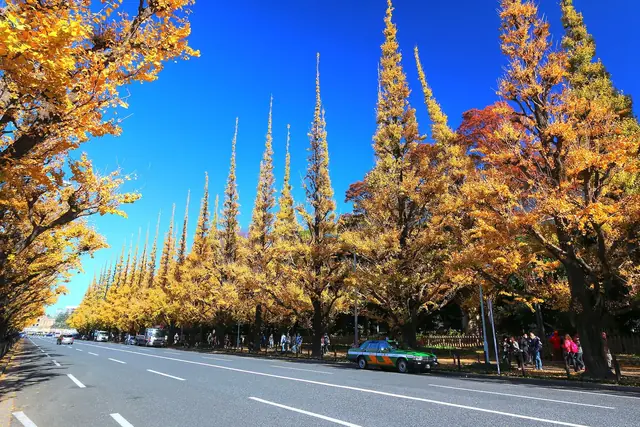
When the leaves turn
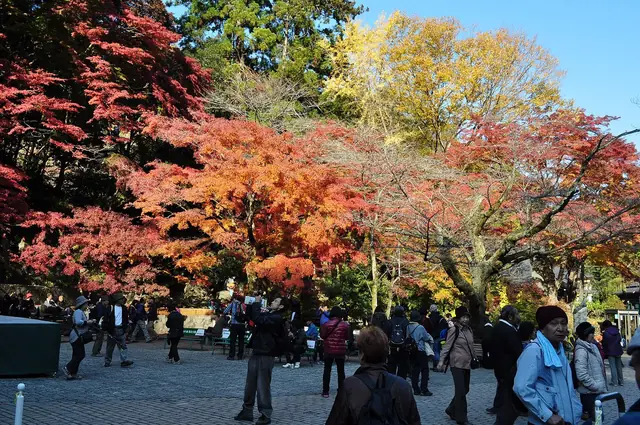
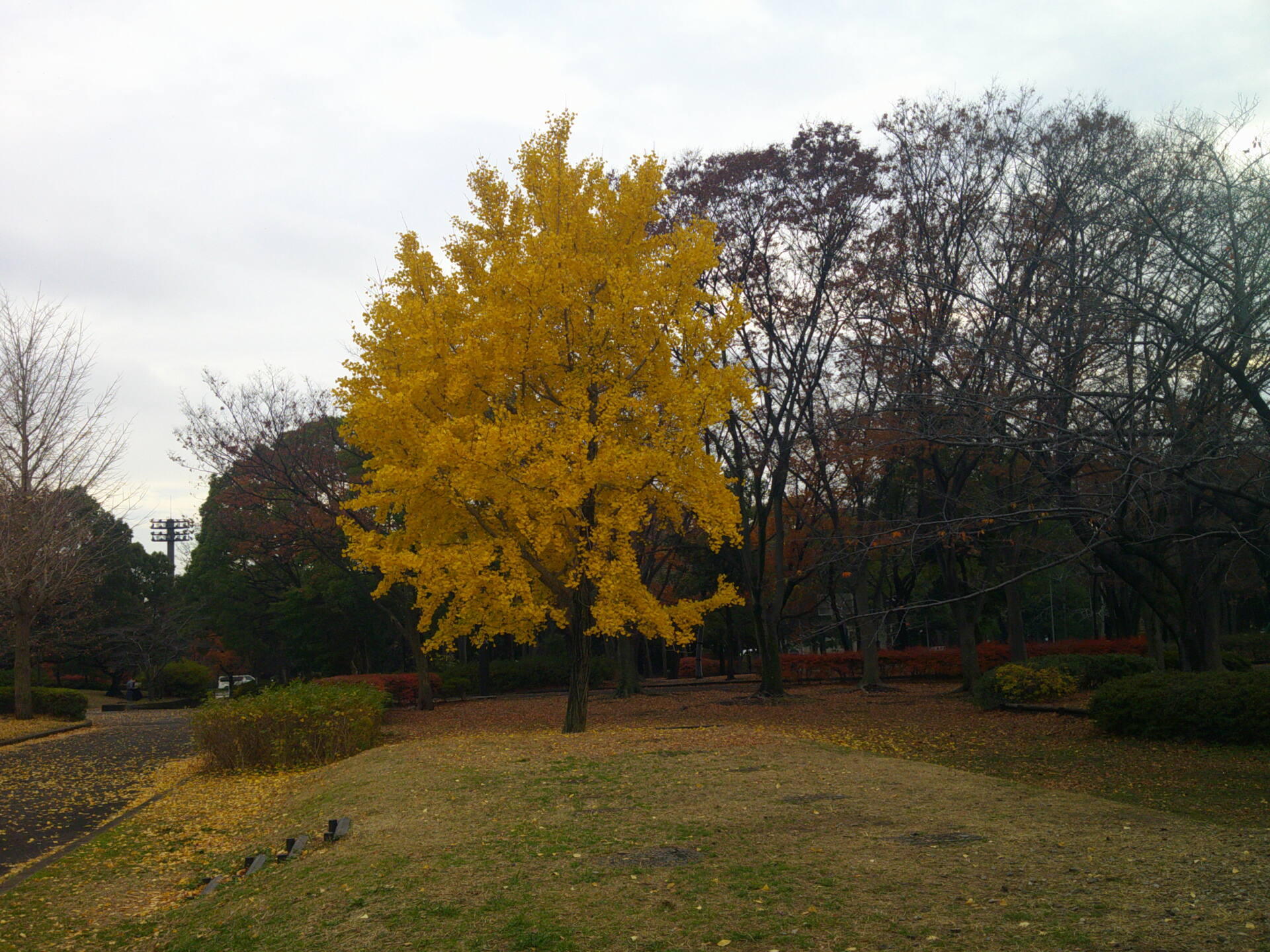
Central Tokyo peaks late, often a little after Kyoto. Ginkgo (icho) usually turns first, from mid to late November, and the maples (momiji) follow, at their best from late November into early December. Out west on Mount Takao the colours tend to come about a week earlier. The exact timing shifts every year depending on how quickly the nights get cold.
A few Japanese words make foliage reports easy to read: 紅葉 (koyo) means autumn colours, 色づき始め means starting to turn, 見頃 (migoro) means at peak, and 落葉 means the leaves are falling. Weathernews, tenki.jp and Walkerplus's autumn leaves pages track hundreds of spots and update their status through the season, and most gardens post current photos on their own sites.
Where to go
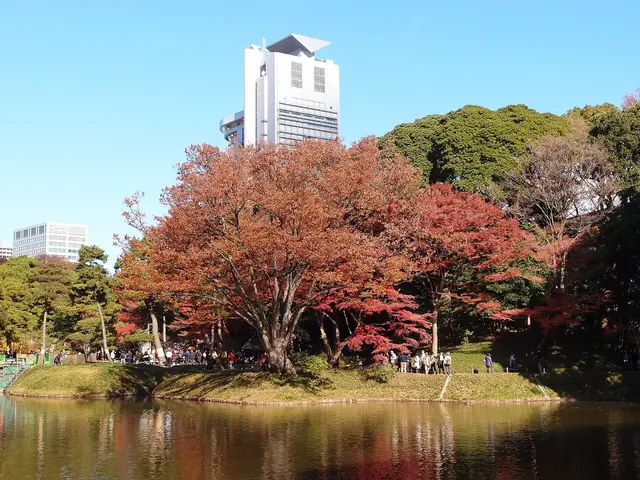
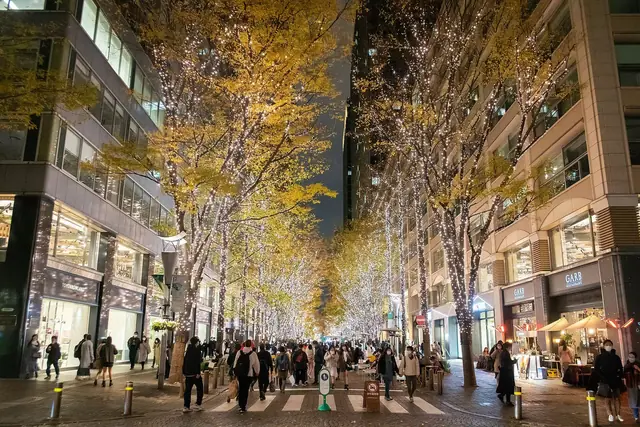
The ginkgo avenue at Meiji Jingu Gaien is the classic: about 300 metres of tall, neatly shaped ginkgo trees on both sides of the road leading to the Memorial Picture Gallery. A Ginkgo Festival with food stalls usually runs alongside it in the peak weeks, and part of the road becomes pedestrian-only on Sundays and holidays. The nearest stations are Aoyama-itchome and Gaienmae.
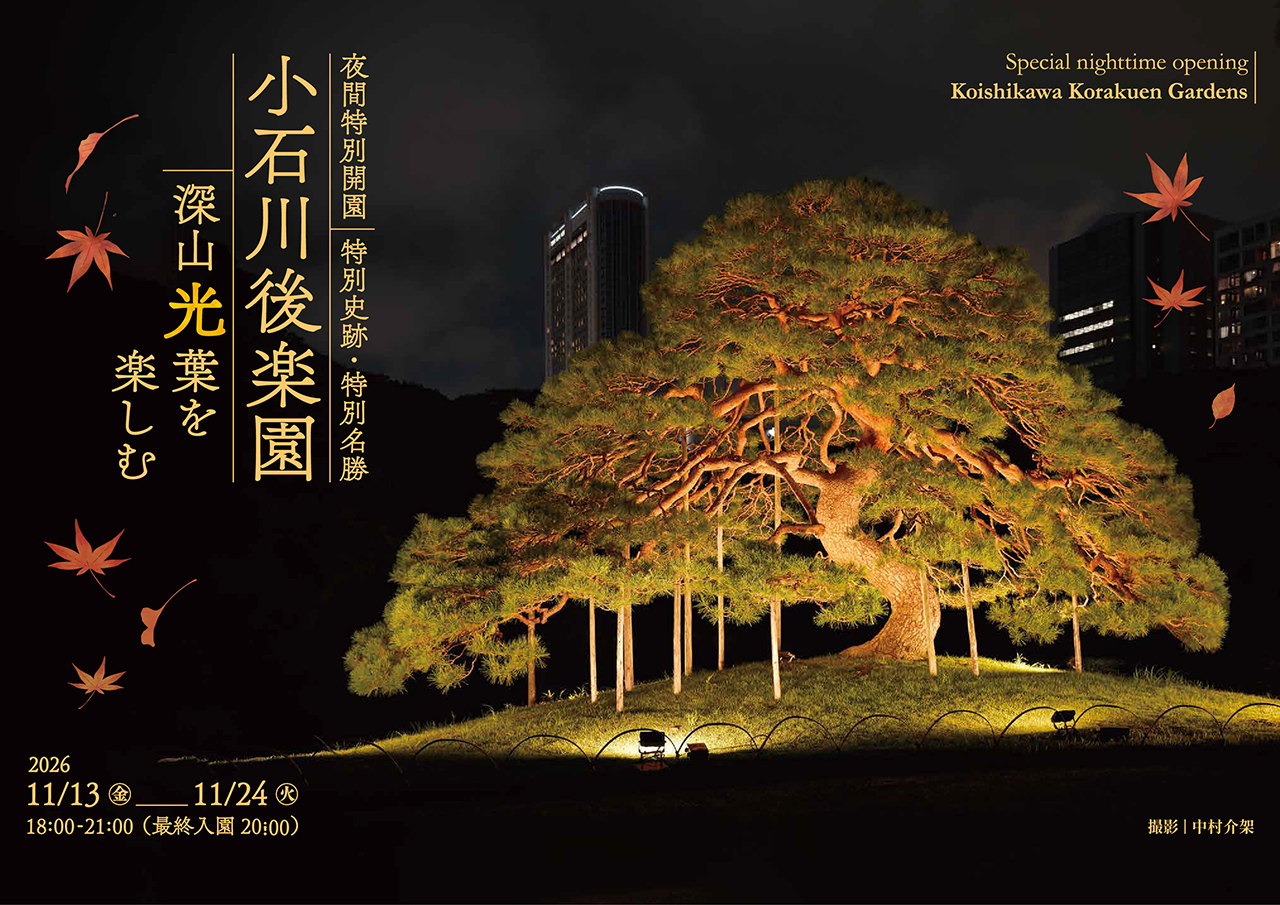
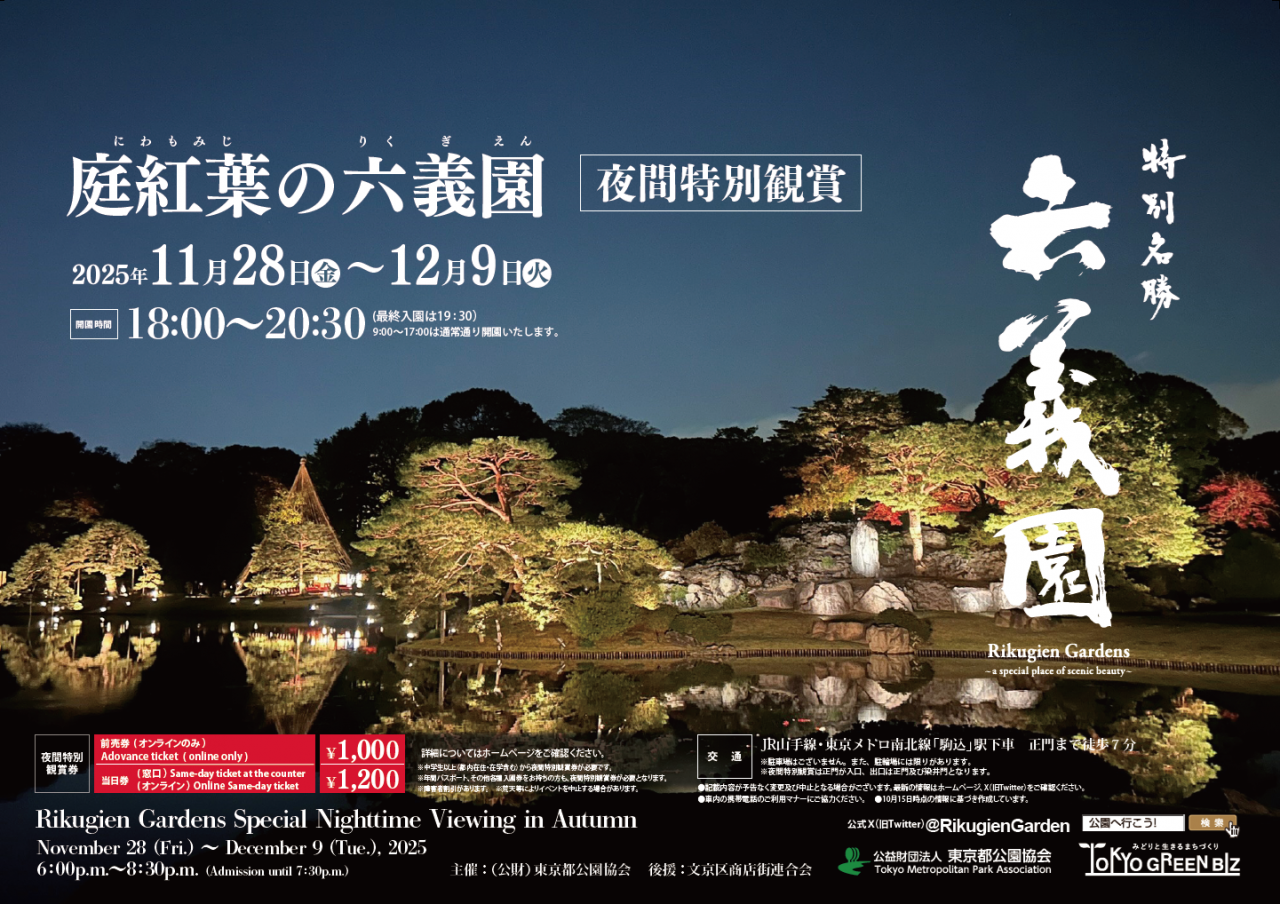
For maples, go to the old gardens. Rikugien, near Komagome Station, is an Edo-period strolling garden around a pond, and it holds an evening light-up during the peak most years. Koishikawa Korakuen, near Iidabashi and Korakuen stations, is one of Tokyo's oldest gardens, known for red maples along its stream and the round Engetsukyo stone bridge, and it has held autumn night openings in recent years. Shinjuku Gyoen mixes a Japanese garden, ginkgo and an avenue of plane trees, and its maples often hold on into December.
A bit further out, Showa Kinen Park in Tachikawa has two long ginkgo avenues and a Japanese garden full of maples, with an autumn festival and evening illuminations in recent years. Todoroki Valley in Setagaya is a short wooded ravine with a stream, free and a few minutes from Todoroki Station on the Tokyu Oimachi Line. The University of Tokyo's Hongo campus has a well-known ginkgo avenue you can walk through. Mount Takao, under an hour from Shinjuku on the Keio Line, is the easy mountain trip, with maples along the trails and around Yakuoin temple and a Momiji Festival through the season.
Timing your visit and beating the crowds
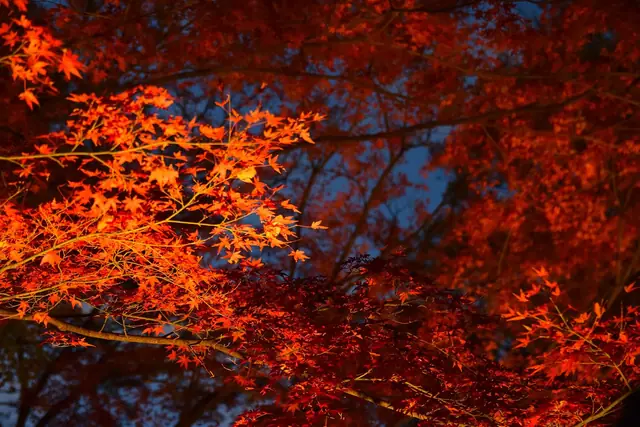
Weekday mornings are calm almost everywhere. Jingu Gaien gets packed on sunny weekend afternoons at peak, so go early in the morning if you want photos without a wall of people. Gardens get busier toward midday and on weekends.
Light-ups work differently: the garden usually closes in the late afternoon and reopens for evening viewing, often with its own ticket, and the first hour after dark draws the longest lines. Arriving later in the evening is usually calmer.
Autumn weekends are among Mount Takao's busiest days of the year. The cable car and chairlift at the bottom can have long waits, so take an early train or walk up: Trail 1 is paved and takes roughly an hour and a half to the summit.
- Peak at the ginkgo avenue lasts about one to two weeks. Check a foliage report the day before.
- Wind and rain can strip the ginkgo fast, but the yellow carpet afterwards is worth seeing too.
- On Takao, the afternoon queue to ride the cable car down is often longer than the morning one up.
- Todoroki Valley reopened in March 2026 after about three years closed for tree work, so older posts saying it is shut are out of date.
Tickets, rules and manners
Traditional gardens charge a small entry fee, usually a few hundred yen, and Shinjuku Gyoen and Showa Kinen Park charge too. The Jingu Gaien ginkgo avenue, Todoroki Valley and most ordinary parks are free. Evening light-ups usually need a separate ticket, sometimes sold in advance online. Shinjuku Gyoen is usually closed on Mondays, so check before you go.
Stay on the paths, don't step onto moss or pull branches down for photos, and expect tripods to be restricted at busy times and at night. Shinjuku Gyoen doesn't allow alcohol. At festivals, food stalls often take cash only and bins can be scarce, so bring some coins and a small bag for your trash.
What to bring and the weather
Late November in Tokyo is usually crisp and dry, around 10 to 15°C in the day and colder after dark, and colder again on Mount Takao. Dress in layers: you'll warm up walking and cool down quickly standing in a light-up queue. For Takao and Todoroki Valley wear shoes with grip, since paths can be narrow and muddy.
Bring an IC card for trains, a charged phone or power bank for photos, and cash for stalls. Vending machines with hot drinks are everywhere, which helps on cold evenings.