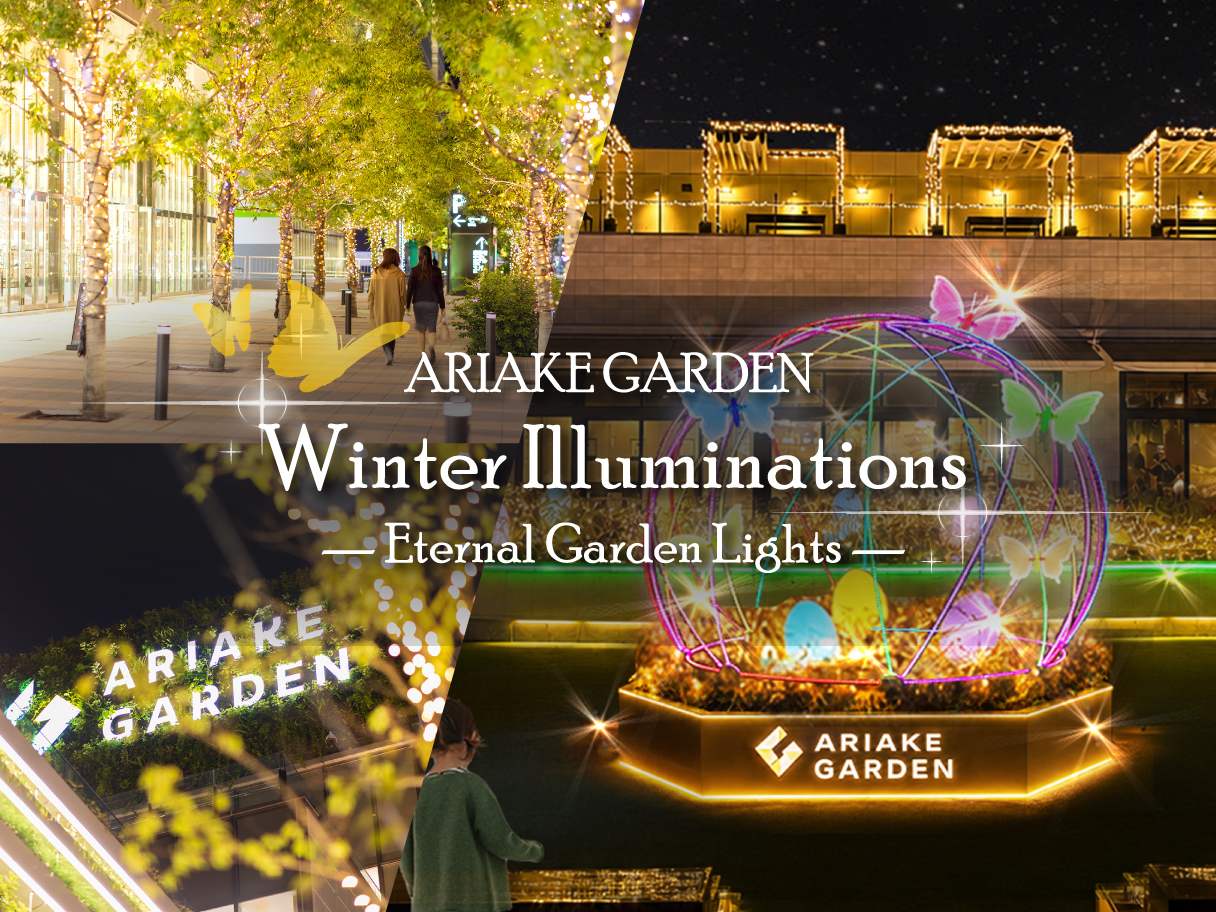
What illuminations are and when they run
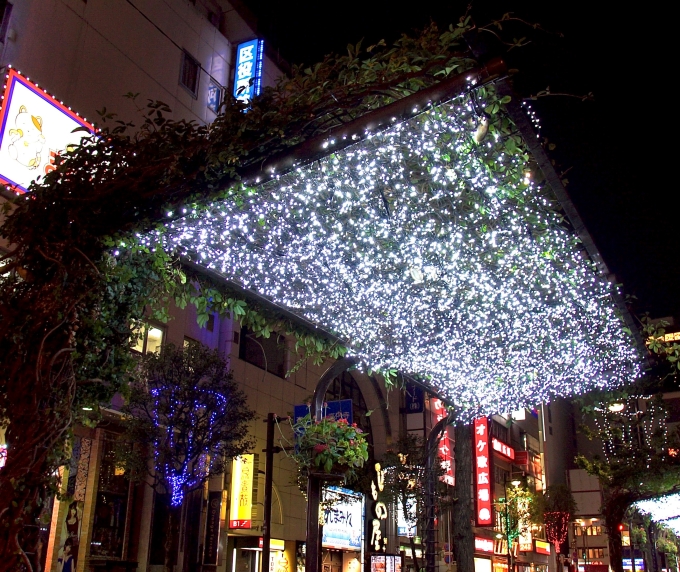
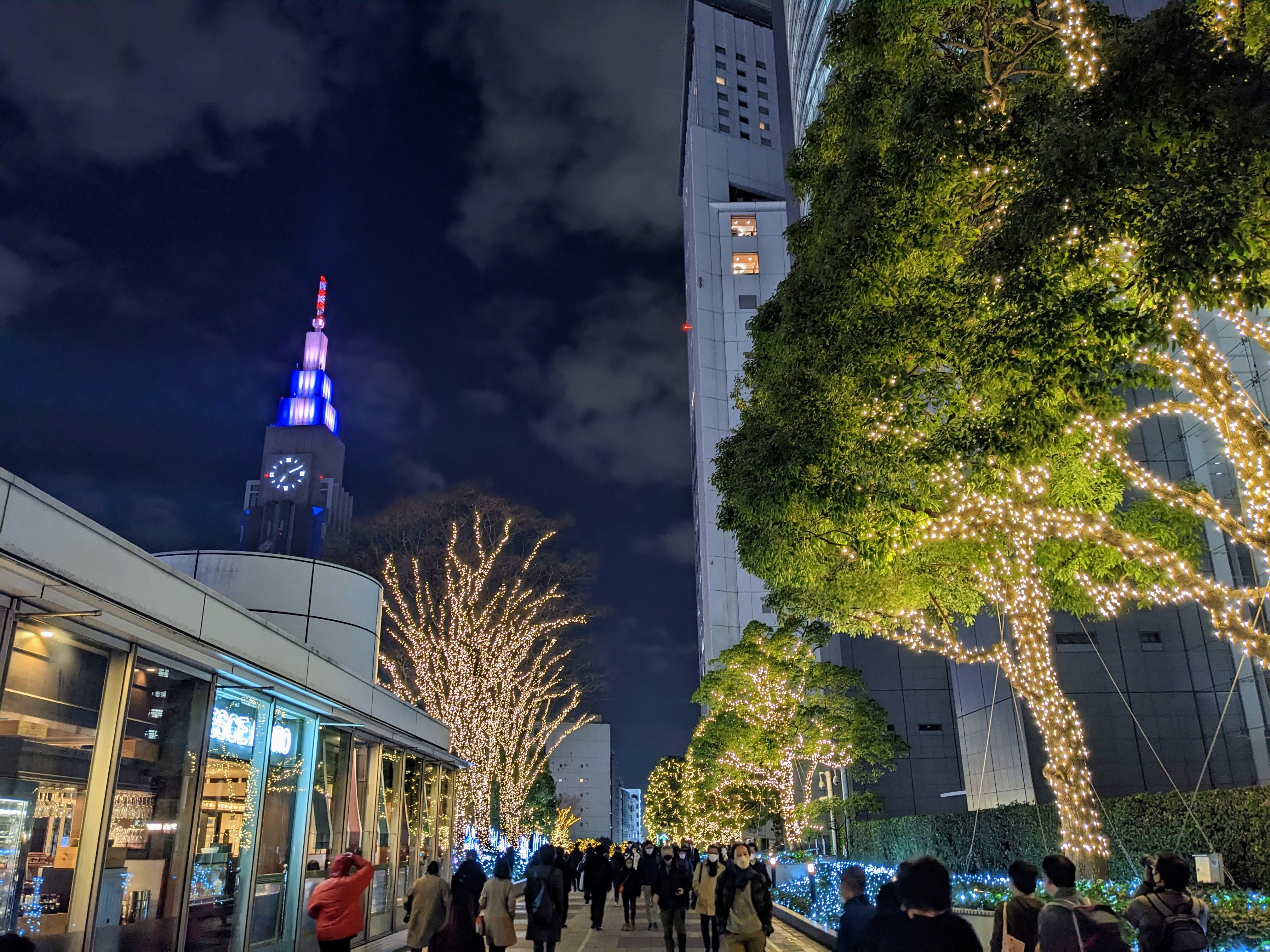
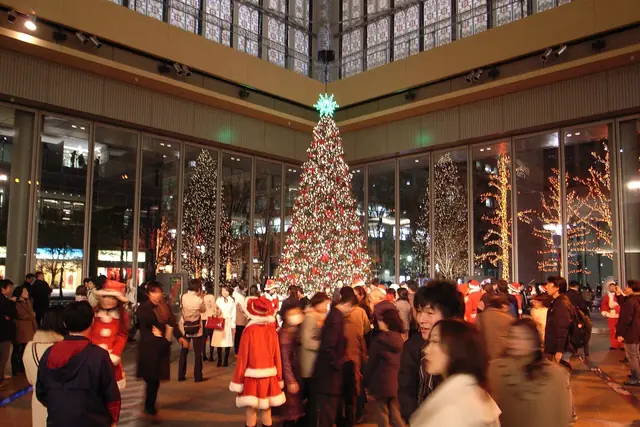
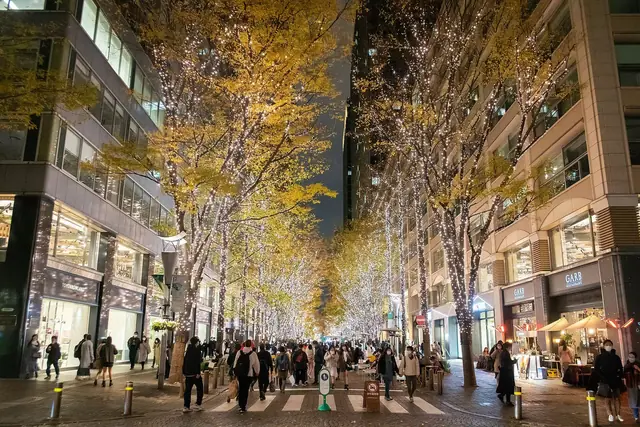
Illuminations (イルミネーション in Japanese) are a winter ritual in Tokyo. Property developers, shopping complexes and local associations light up trees, plazas and whole avenues. Many displays are planned around Christmas, but a good number keep running into the new year.
Lights usually go on from early or mid-November. Some switch off on the night of December 25, others keep going until Valentine's Day or the end of February. Each place has its own style: a row of gold LEDs along a street, a timed light and music show on a lawn, or a big paid attraction with tunnels and fountains. The theme changes every year, so last year's photos only give a rough idea.
Where to go
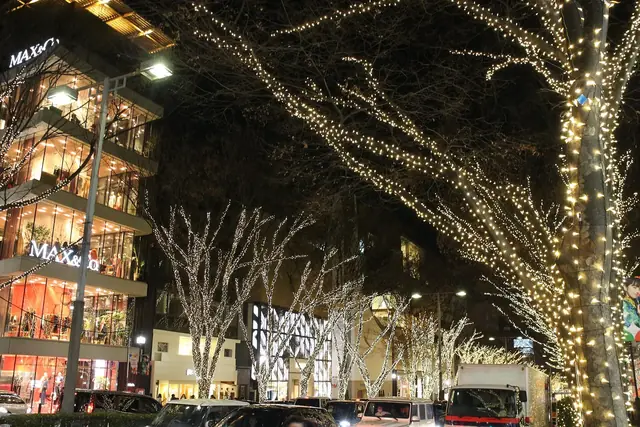
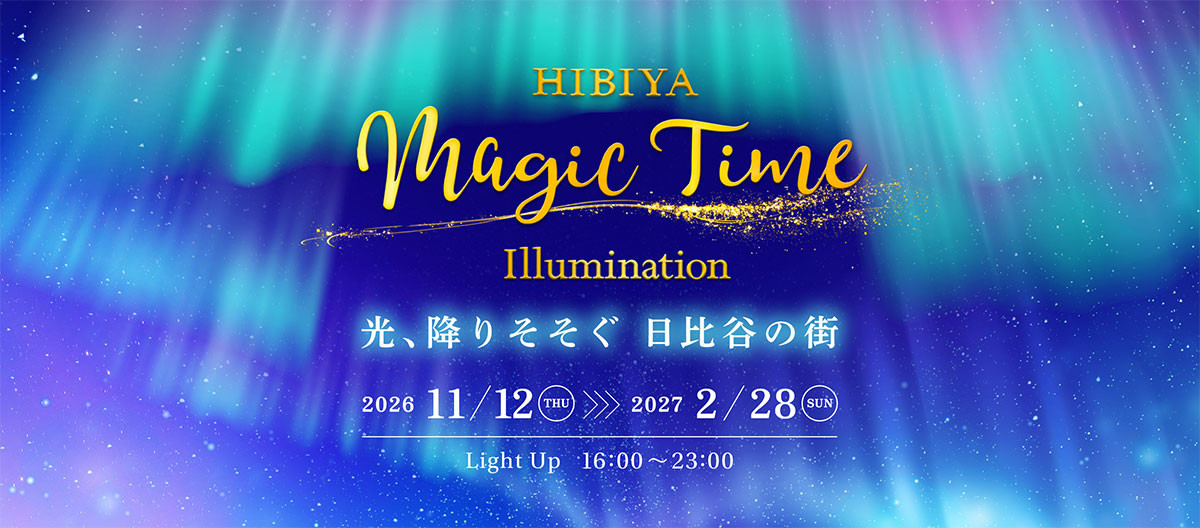
Marunouchi is the classic: Naka-dori, the tree-lined street between Tokyo Station and Yurakucho, is wrapped in champagne-gold LEDs for more than a kilometre, and it has been lit every winter for over twenty years. Hibiya, a short walk south, runs its own display around Tokyo Midtown Hibiya. In Roppongi Hills, Keyakizaka is a sloping street where Tokyo Tower rises at the end of the lit trees, and Tokyo Midtown, about ten minutes away on foot, usually puts on a light show over its lawn.
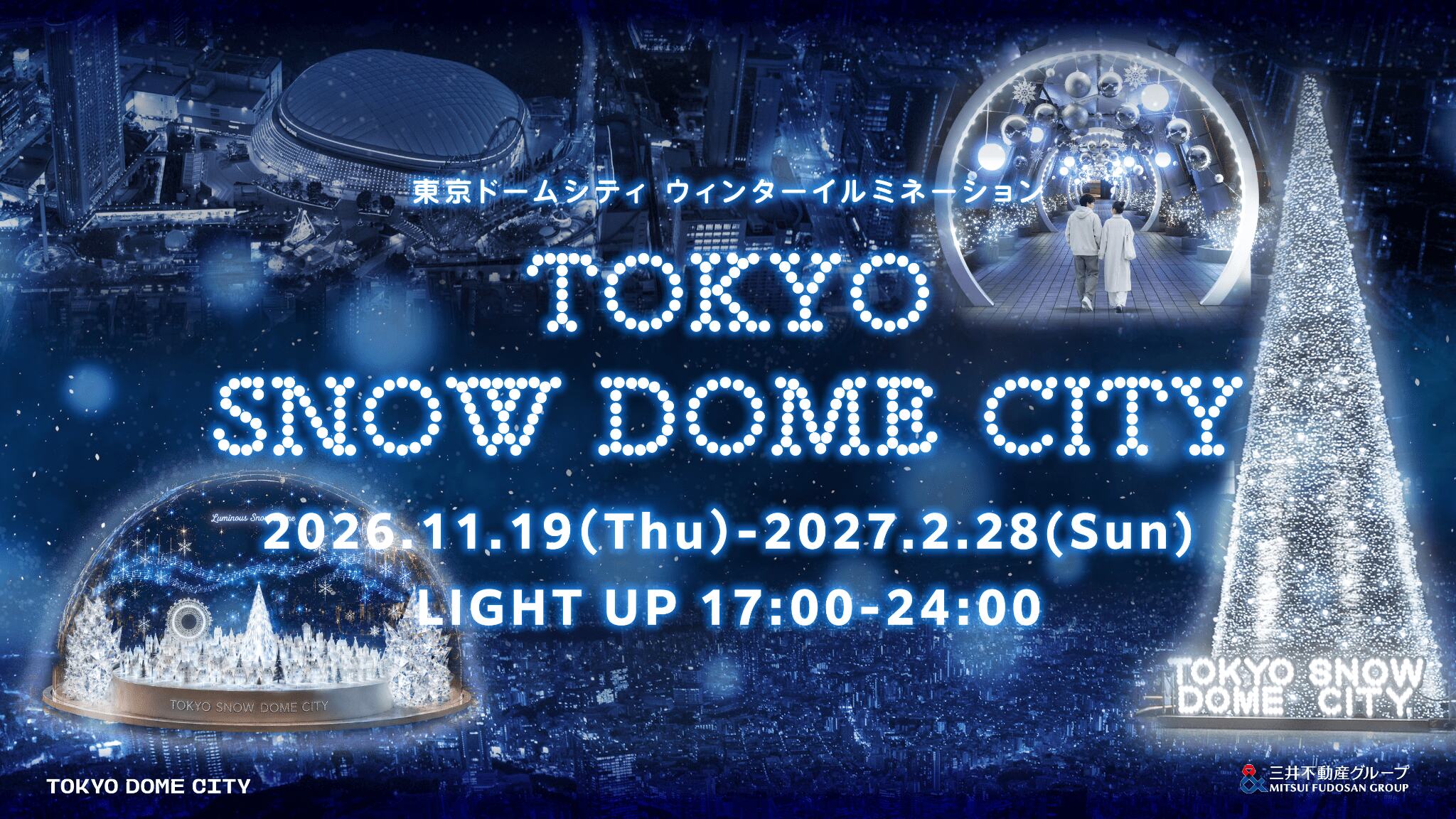
Yebisu Garden Place is known for a huge Baccarat crystal chandelier, a winter fixture there for more than twenty years, set among gold lights in the central square. Caretta Shiodome, by Shiodome and Shimbashi stations, usually stages a themed show with music in its sunken plaza. Omotesando lights its zelkova avenue between Harajuku and Omotesando, mostly in December. On the south side of Shinjuku Station, Southern Terrace and the buildings around it share one long display, and Tokyo Dome City by Suidobashi Station fills its amusement area with a large free show.
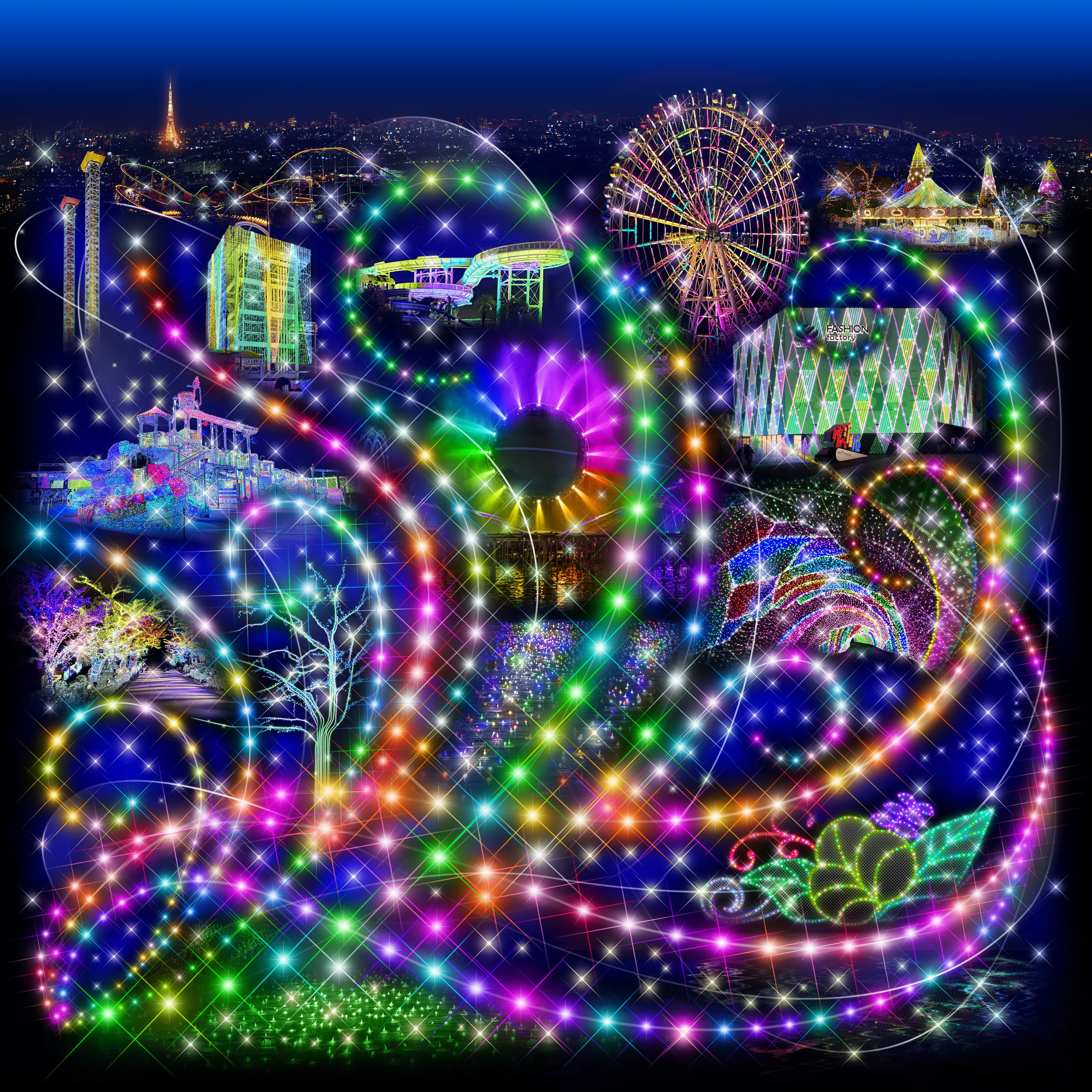
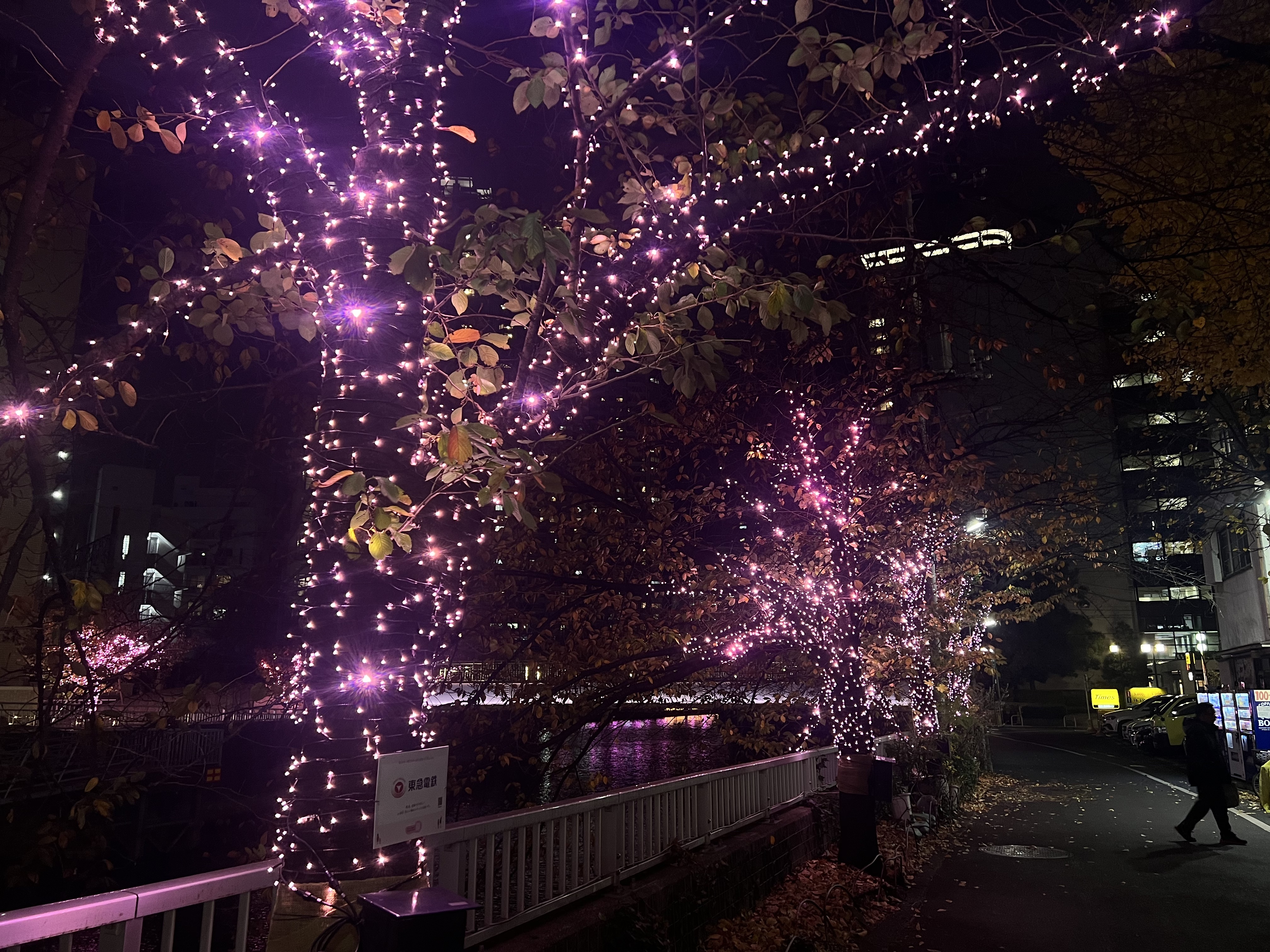
Two are a bit further out. Yomiuriland, an amusement park in Inagi on the western edge of Tokyo, runs Jewellumination, one of the largest displays in the region, and it needs a ticket. In recent winters the Meguro River has also had a pink display between Gotanda and Osaki (not the Nakameguro cherry blossom stretch), powered by recycled cooking oil.
Timing, crowds and combining spots
The best half hour is right after sunset, when the sky is still deep blue and the lights stand out in photos. In December the sun sets around 4:30 pm in Tokyo, so you can start early and still be at dinner by seven.
Weekdays are much calmer than weekends. The busiest stretch is the two weeks before Christmas, and December 23 to 25 brings the biggest crowds of the season, especially in Roppongi and Omotesando. Displays that continue into January and February are noticeably quieter.
Several areas are close enough to combine on foot. Tokyo Station, Marunouchi Naka-dori and Hibiya make an easy evening walk. Roppongi Hills and Tokyo Midtown are another natural pair. Ebisu is one stop from Shibuya on the JR Yamanote Line, so it fits well after Omotesando.
- Check lighting hours on the event page: many displays start around 5 pm and some switch off by 10 or 11 pm.
- On December 24 and 25, go before 6 pm or late in the evening if you want room to walk.
- Strong wind or maintenance can shorten a night; venues usually post changes on their official site or social accounts.
Etiquette and photos
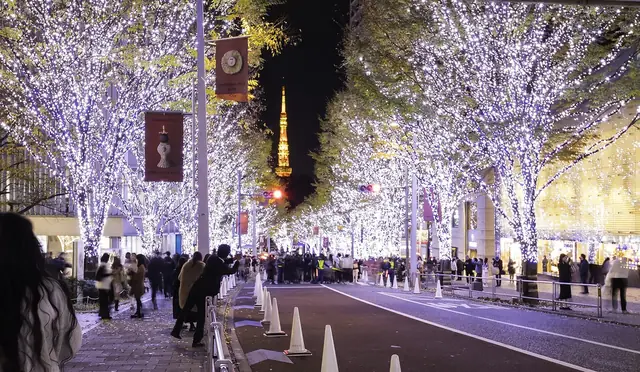
Most displays are on public streets, so the main rule is to keep moving. On Keyakizaka, crowds standing on the crosswalk to frame Tokyo Tower have become a problem in recent years, and guards ask people to clear it when the light changes. Take your shot from the top or bottom of the slope instead.
Tripods and selfie sticks are often banned in crowded spots, and even where nothing is posted, a tripod in a stream of people causes trouble. Look for notices at the entrance (三脚禁止 means no tripods). A phone in night mode does fine at most displays.
Bins are rare on Tokyo streets, so carry a small bag for cups and wrappers and take your trash home. The shopping complexes that host the lights are the easiest places to find a toilet.
Cost, cold and what to bring
Street displays and those run by shopping complexes are free. Paid entry is mostly limited to amusement parks and special events such as Yomiuriland, where tickets are usually cheaper when bought online in advance.
Tokyo winters are dry and often sunny, but nights get down to a few degrees above zero, and the wind between tall buildings in Marunouchi or Shiodome makes it feel colder. Standing still for photos chills you faster than walking, so dress as if you will be outside for two hours.
- Disposable heat packs (kairo) are sold at every convenience store and work well in a pocket or glove.
- Vending machines sell hot drinks in winter: look for the red labels marked あったか~い.
- Food stalls next to some displays may take cash only, so keep some coins and small notes.
- Last trains leave around midnight; if a display runs late, check your route home before you set off.