What October feels like
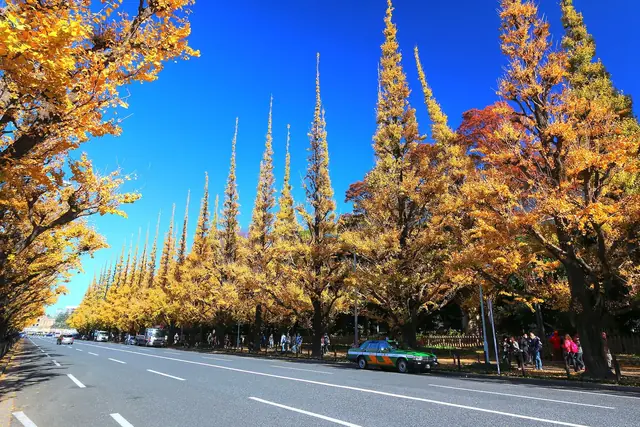
October is the month the heat finally lets go. By the Japan Meteorological Agency's long-term averages, daytime highs fall from around 24 to 25°C at the start of the month to about 20°C at the end, and nights cool from about 17°C to 12°C. It is still one of the wetter months of the year, with spells of autumn rain and the occasional late typhoon, but the air is much drier than in summer and the second half of the month often brings a run of clear, crisp days.
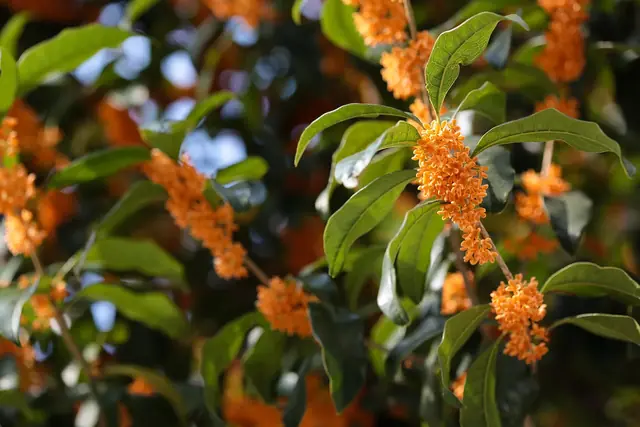
In the first half you can get by in a T-shirt with a light layer for the evening. From mid-month most people switch to long sleeves and a thin jacket, and a costume that felt fine at 6pm can feel cold by 10pm on Halloween weekend. Early in the month you may notice a sweet, apricot-like scent on the streets. It comes from kinmokusei, fragrant olive shrubs planted all over the city, and for many people in Tokyo it is the smell of autumn.
- Keep a folding umbrella in your bag. October rain tends to arrive in grey spells of a day or two.
- On Japanese event pages, 雨天中止 means cancelled in rain, 雨天決行 means it goes ahead, and 荒天中止 means cancelled only in a storm.
Holidays, long weekends and crowds
The one national holiday is Sports Day (Supotsu no Hi) on the second Monday of October. It began as a day marking the opening of the 1964 Tokyo Olympics, and many schools and neighbourhoods still hold their sports days (undokai) around this time. The three-day weekend it creates is one of the busiest of the autumn: day-trip spots, theme parks and popular festivals fill up, and trains out of the city are crowded on the Saturday morning and Monday evening.
October 1 is Tokyo Citizens' Day (Tomin no Hi). It is not a national holiday and most people work, but in recent years Ueno Zoo and the metropolitan gardens, including Rikugien, Hama-rikyu and Koishikawa Korakuen, have waived their entry fee that day. Autumn is also one of the most popular seasons for visiting Japan, so book hotels earlier than you would for summer, especially around the long weekend and the last weekend of the month.
- Free days at gardens and the zoo get busy by late morning. Arrive close to opening time.
- If you plan a day trip on the Sports Day weekend, buy reserved seats on limited express trains a few days ahead.
Halloween: Ikebukuro yes, Shibuya street party no
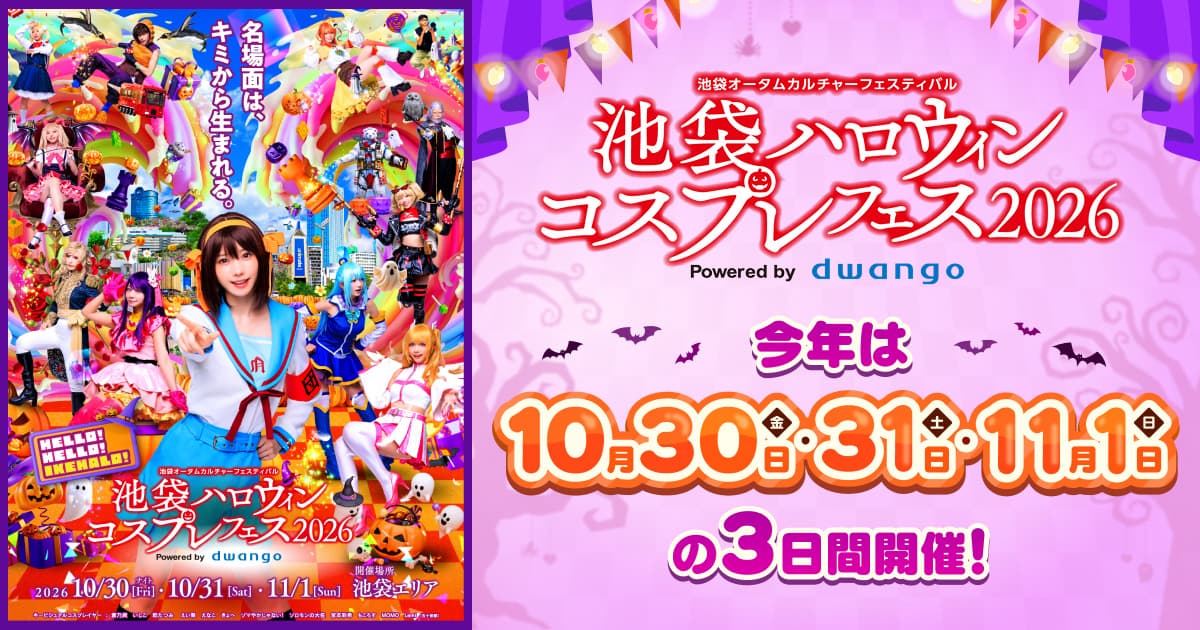
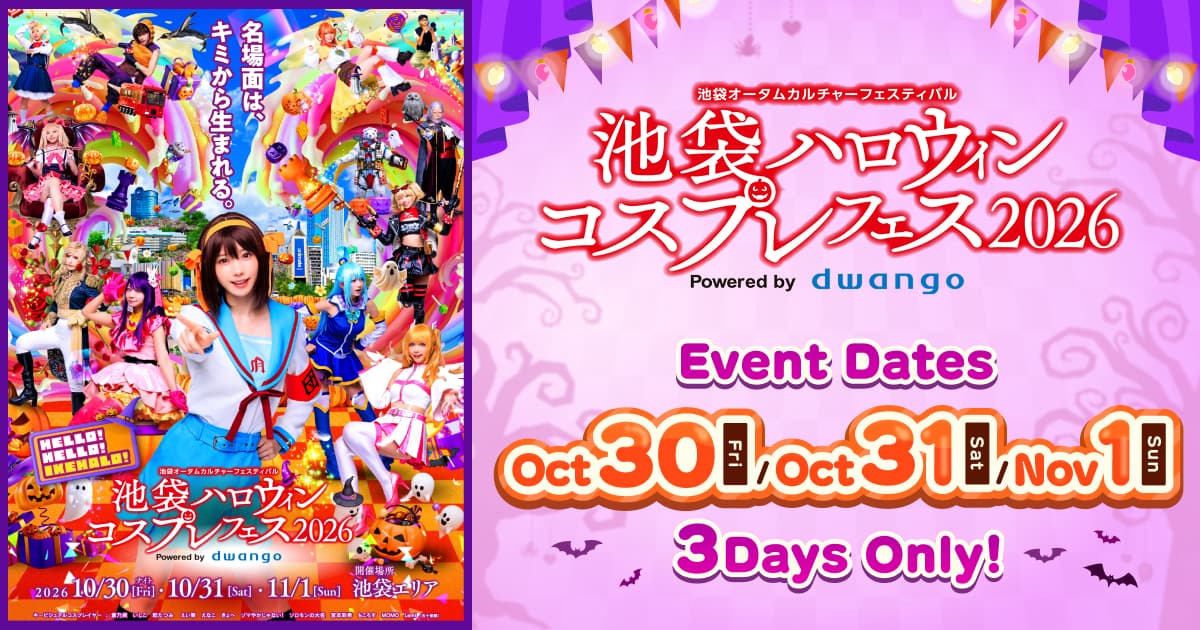
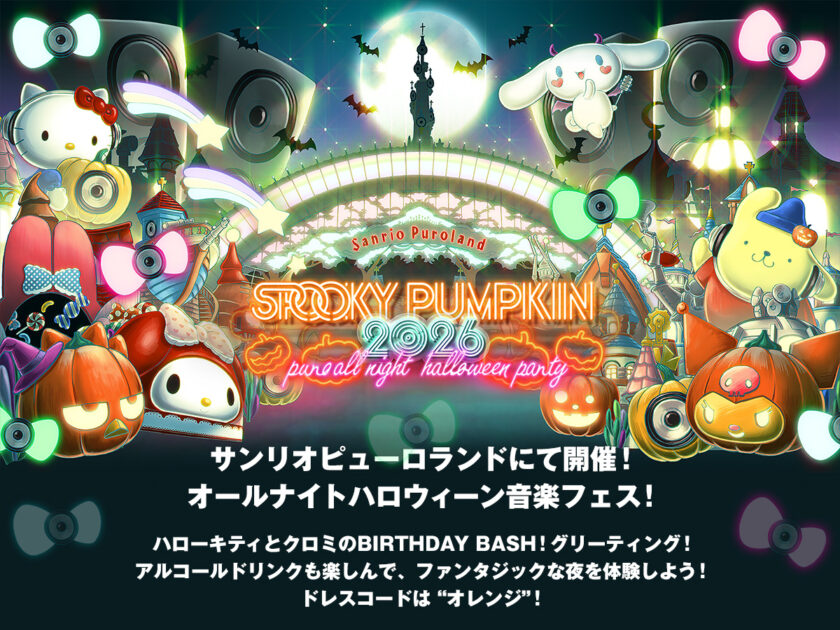
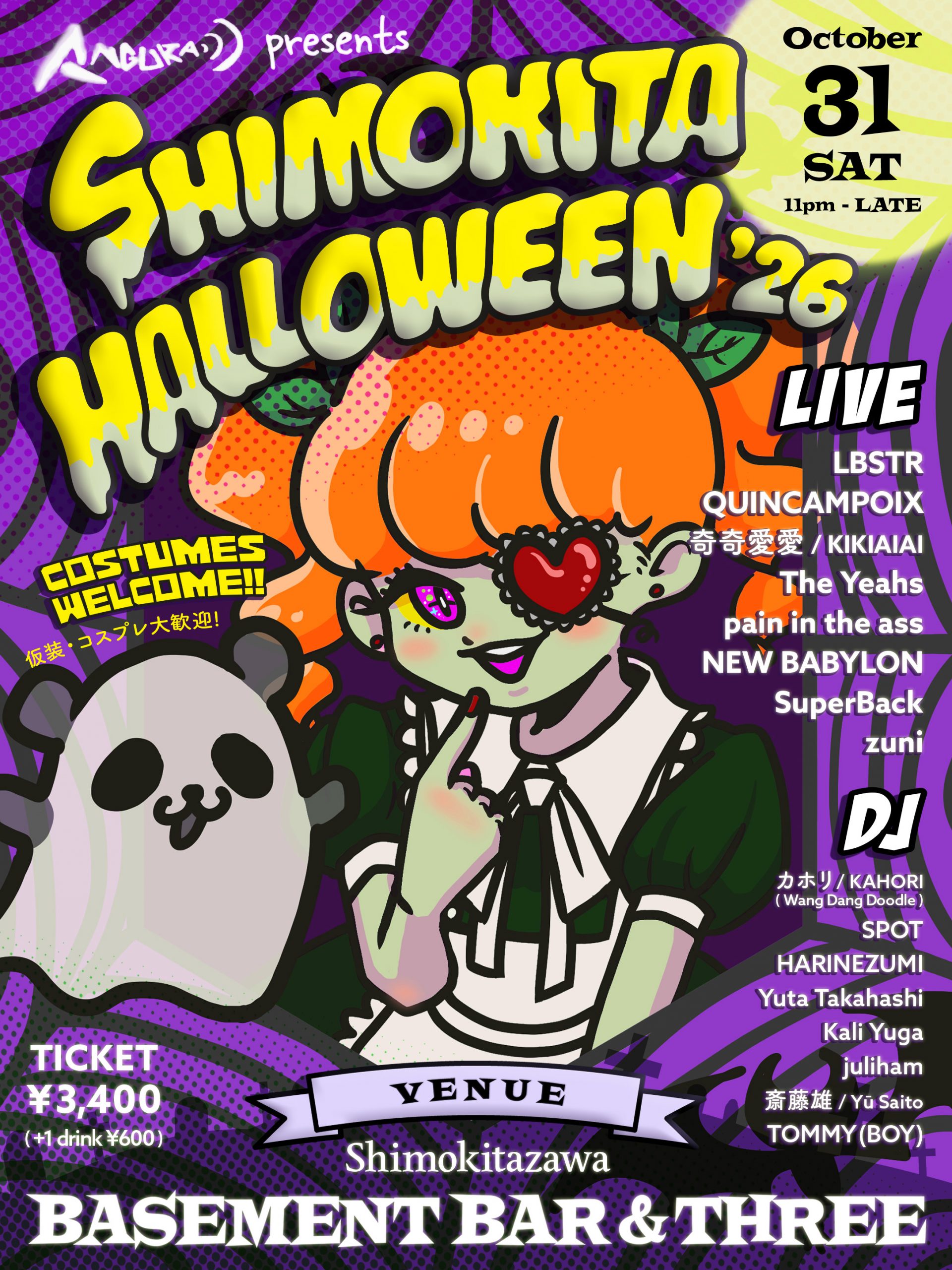
Halloween in Tokyo is a costume weekend for adults rather than trick-or-treating. The organised place to go is the Ikebukuro Halloween Cosplay Festival, held over several days in late October around Sunshine City, Naka-Ikebukuro Park and the streets near Ikebukuro Station. Cosplayers register in advance and use official changing rooms, photographers need their own ticket, and anyone can walk around and watch in normal clothes.
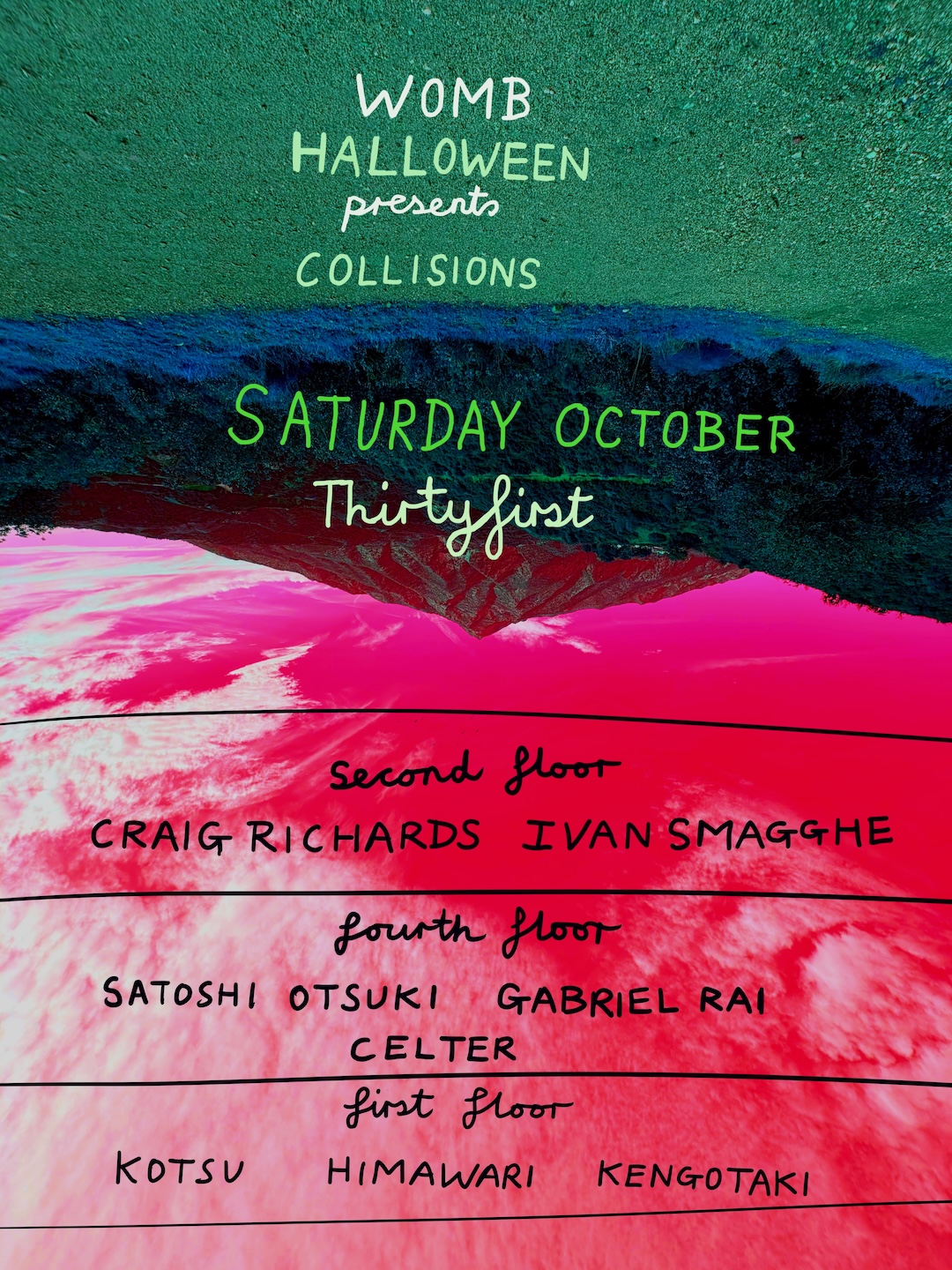
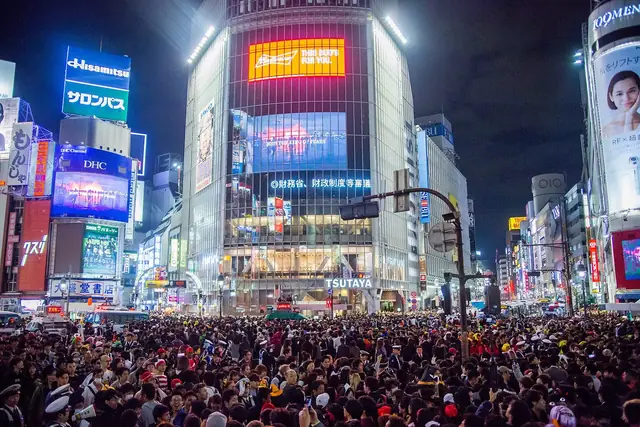
Shibuya is the opposite case. The scramble crossing used to fill with costumed crowds on Halloween night, but the ward now asks people not to come. In recent years drinking on streets and in parks around Shibuya Station has been banned all year from 6pm to 5am, and around Halloween the Hachiko statue has been fenced off and extra police posted. If you want a party, go to a club or bar event with a ticket, and check your last train before you head out, since there are no extra all-night services.
- At cosplay events, don't arrive or leave in costume and always ask before taking someone's photo.
- Coin lockers at big stations fill up early on Halloween weekend. Grab one in the afternoon if you need it.
Ramen, films, old books and campus festivals
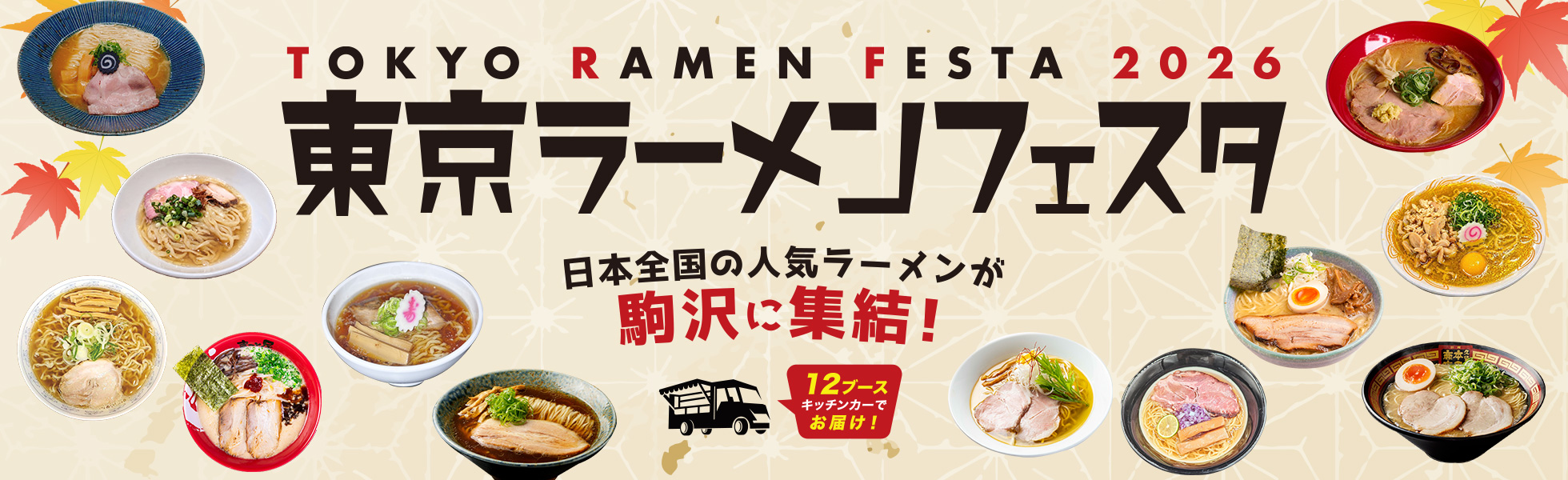
Food fairs move outdoors again once the heat breaks. Tokyo Ramen Festa has set up in Komazawa Olympic Park in Setagaya from late October into early November for years, with ramen shops from all over Japan (check its official site for the next venue): entry is free and you buy a ticket for each bowl. On many weekends the event plaza of Yoyogi Park hosts country festivals and food events, with rows of stalls, a stage and shared benches.
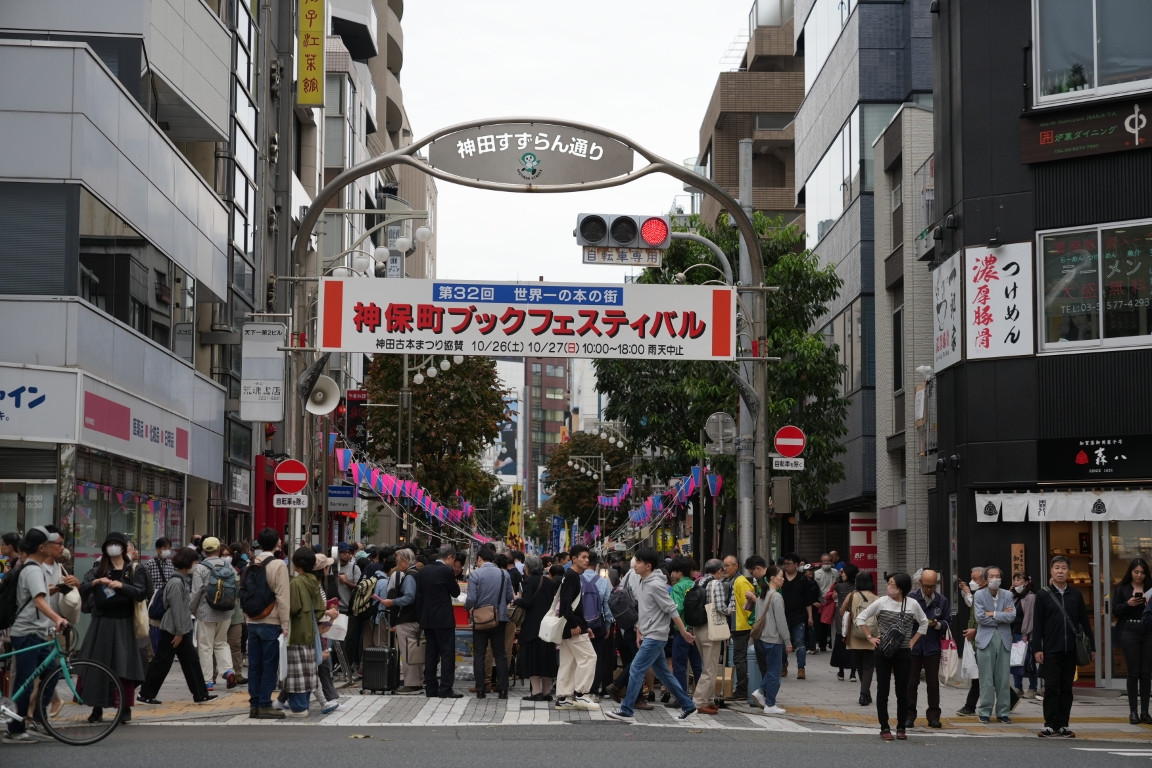
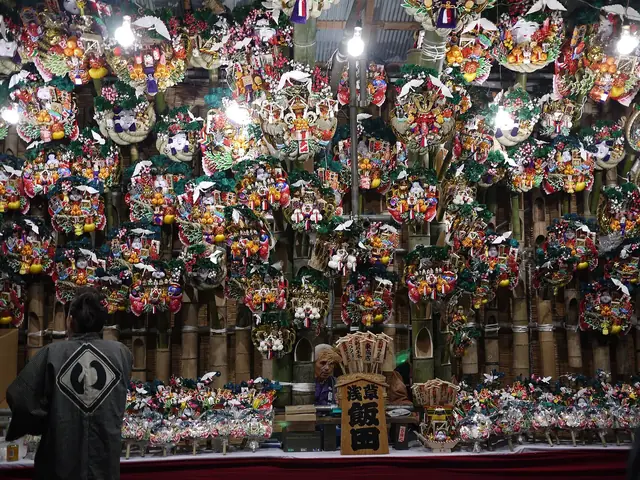
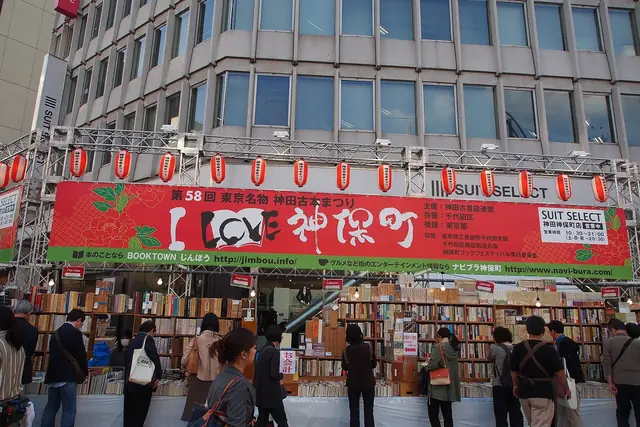
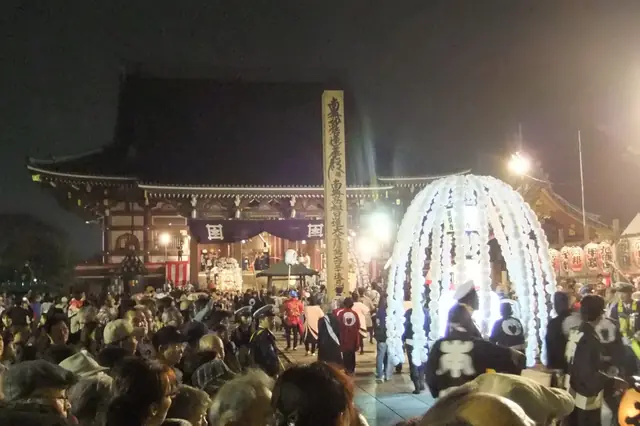
The Tokyo International Film Festival runs from late October into early November, centred on cinemas around Hibiya, Yurakucho, Marunouchi and Ginza, and many screenings have English subtitles. Around the same time the Kanda Used Book Festival lines the pavements of Jimbocho with shelves of secondhand books. On the night of October 12, the Oeshiki at Ikegami Honmonji in Ota ward brings processions of paper-flower towers and lanterns through the streets. University festivals (gakuensai) start in October and peak in November: most are free and open to everyone, with student food stalls and stage shows.
- Stalls at food fairs and shrine festivals still often take cash only. Carry coins and 1,000 yen notes.
- Popular film festival screenings sell out online in advance. Buy as soon as the programme is out.
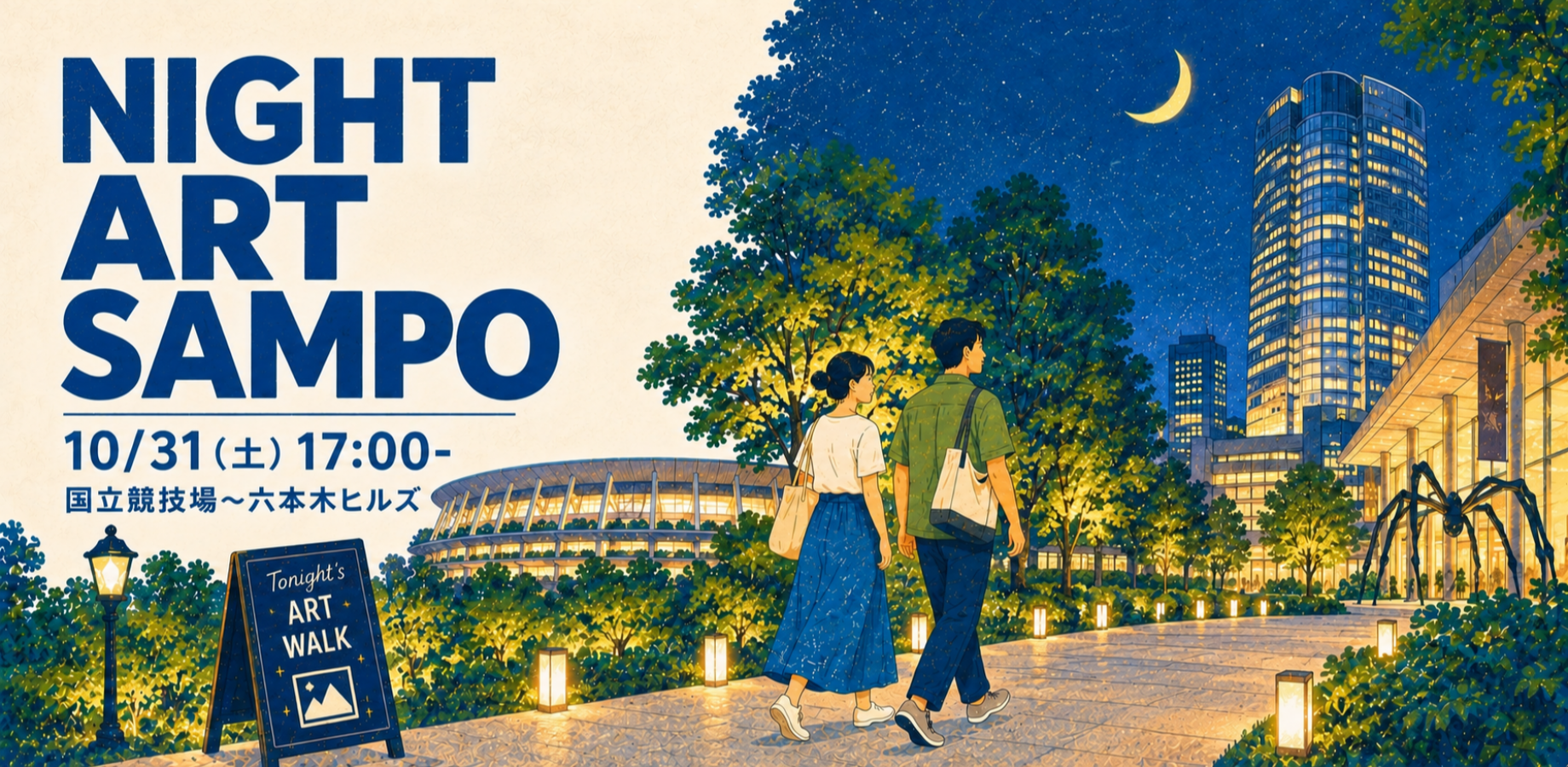
- Roppongi Art Night, a free night-time art festival, has recently fallen in late September or at the end of October. Check its site.
Day trip: the Kawagoe Festival
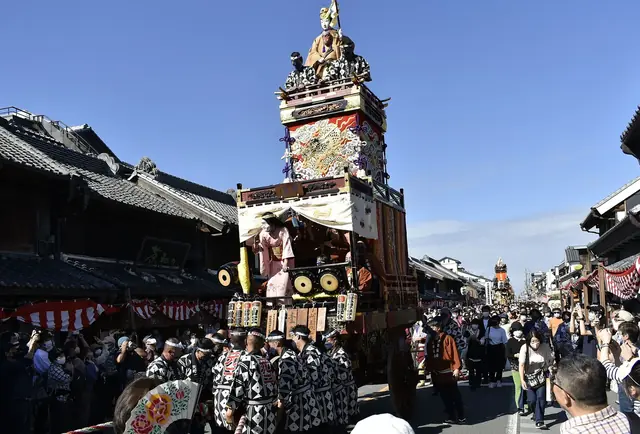
On the third weekend of October, the old merchant town of Kawagoe in Saitama holds its festival, listed by UNESCO among Japan's float festivals. Tall wooden floats, some from the Edo period, are pulled through streets lined with clay-walled kurazukuri warehouses, each with musicians and a masked dancer on its front stage. The highlight is the hikkawase in the evening: when floats meet at a crossing, they turn to face each other and try to outplay each other with flutes and drums while the crowd cheers them on.
Kawagoe is about 30 minutes from Ikebukuro on the Tobu Tojo Line, and the JR Saikyo Line runs there from Shinjuku in a little under an hour. Crowds over the two days are very large, so the streets near the old town move slowly. Go in the late afternoon, eat from the stalls, stay for the lantern-lit hikkawase after dark, and leave room in your plans for a crowded train back.
- Float routes change through the day. The festival's official site and app show where each float is.
- If you want the town without the crowds, visit Kawagoe on any other October weekend and see the Toki no Kane bell tower in peace.