What Comiket is and when it happens
Comiket is a doujinshi market: amateur and semi-pro creators, called circles, sell comics, illustration books, novels, music and goods they made themselves, mostly fan works based on anime, manga and games, plus original work. Circles are grouped by genre and assigned a space number, and a different set of genres appears on each day. Alongside them, the corporate booth area has anime studios, publishers and game companies selling event-exclusive merchandise.
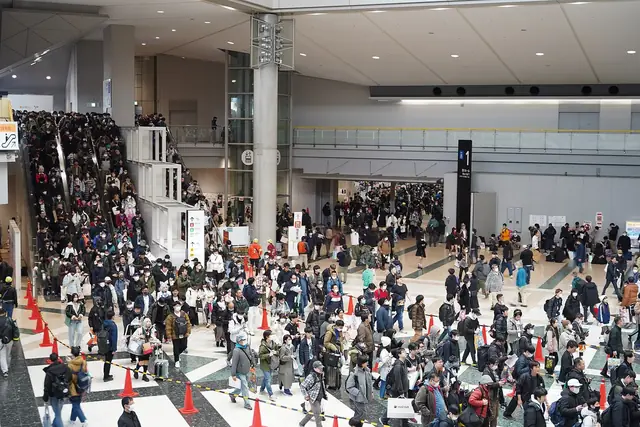
It is held twice a year: in summer, usually over a weekend around mid-August, and in winter at the very end of December, usually across the days from December 29 to 31. Most editions run for two days, some for three. Attendance is in the hundreds of thousands. The event is run by a volunteer committee, and its long-standing idea is that there are no customers at Comiket, only participants. That shapes the etiquette: you are expected to follow the rules, be patient and help the event run.
Tickets and wristbands
Since the early 2020s you cannot just walk in: every adult needs a ticket or a wristband-type pass for that specific day, and there is no two-day pass. In recent editions there have been three main kinds. Early entry tickets are sold by lottery, carry the buyer's real name, and you must bring an original photo ID to the door (a passport works for visitors). Morning entry and afternoon entry wristbands are sold in advance at Animate, Toranoana and Melonbooks stores and their online shops. Afternoon wristbands have also been sold outside the venue on the day, at a higher price than in advance.
The wristband colour changes each day, there is no reissue if you lose it, and reselling is banned, so buy only from the official outlets. The committee has also sold morning entry tickets for people living abroad who cannot buy wristbands in Japan, through an English page on the official site. Children of junior high school age and younger can enter without a pass, one per accompanying guardian. Details are announced for each edition, usually a couple of months before, so read that edition's notice rather than last year's.
- First visit? Afternoon entry is the calm way in. Lines are short and most circles are still selling.
- Put the wristband on before you reach the venue. Staff check it at the entrance.
- The printed catalogue does not include an entry pass. They are sold separately.
Planning the day: catalogue, cash and crowds
Plan before you go. The catalogue lists every circle with its hall and space number: there is a paid printed version sold in anime shops before each edition, and the web catalogue, where you can bookmark circles on a map. Popular circles and corporate booth exclusives sell out in the morning, so most people make a route by hall and accept that they will not get everything.
Bring cash in small denominations. Many circles now accept cashless payment, but plenty are still cash only, and handing over a 10,000 yen note for a 500 yen book in the morning rush is a classic beginner mistake. Carry 100 yen coins and 1,000 yen notes. Inside, do not run, do not push, and stay with the queue when staff tell you to wait. Phone networks get overloaded, so agree on a meeting point with friends in advance.
- Bring a sturdy bag and a clear folder or poster tube. Books are heavy and prints bend.
- Toilet lines are long. Use them before you join a big queue.
- Take your rubbish home or use the bins inside the venue. Keep the area tidy for the circles.
Getting to Tokyo Big Sight
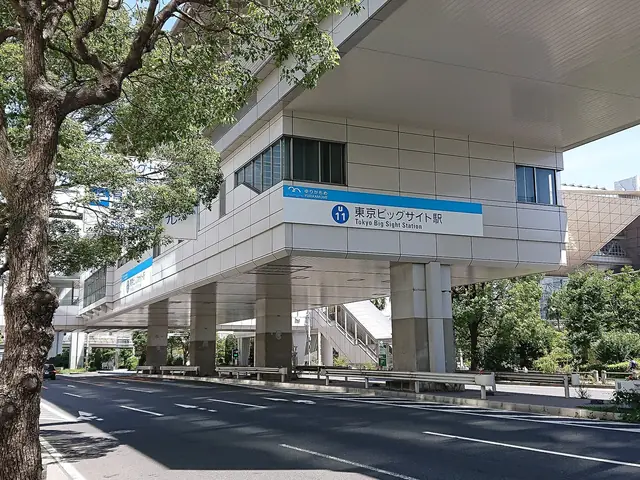
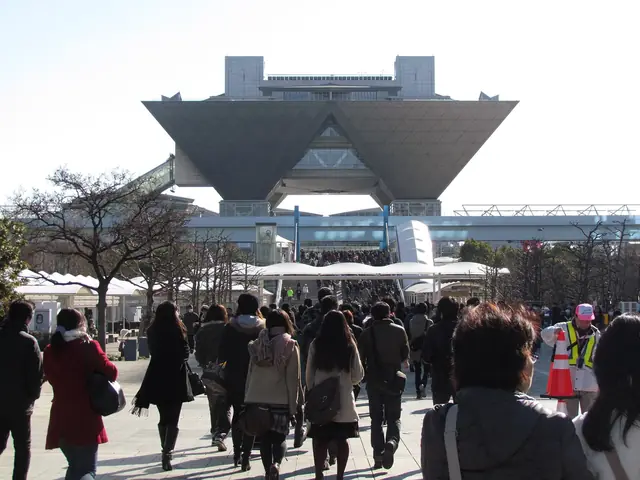
Come by public transport only: the organisers ask people not to arrive by car, motorbike or bicycle, and to avoid taxis. The Rinkai Line goes to Kokusai-Tenjijo Station, about seven minutes on foot, and runs through from the JR Saikyo Line, so some trains come straight from Shibuya, Shinjuku and Ikebukuro. The Yurikamome stops at Tokyo Big Sight Station, about three minutes away. On event days there are also extra buses, including direct ones from Tokyo Station's Marunouchi South exit.
Arriving the day before or camping overnight near the venue is prohibited. Trains are packed at opening time and again at closing, so leaving a little early or staying in the area for a meal spreads out the crush. Coin lockers at the nearby stations fill very early, so leave large luggage at your hotel.
- Charge your IC card (Suica or PASMO) before you set off. Ticket machine lines are long on the way home.
Summer heat, winter wind and cosplay rules
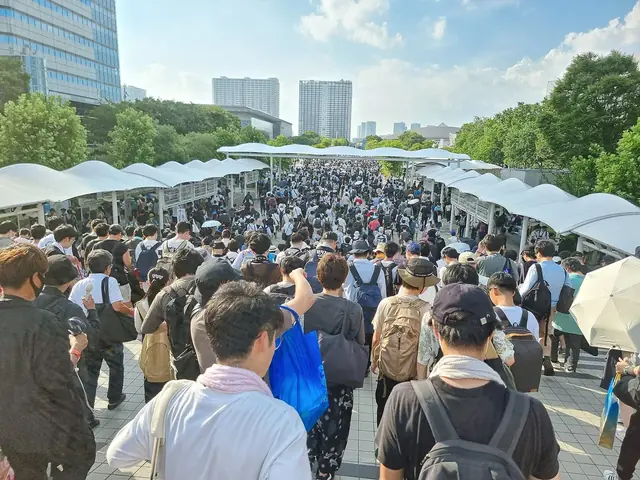
Summer Comiket is held in the hottest weeks of the year, and much of the queueing is outdoors on open concrete by the sea. Heatstroke is a real risk: bring water, salty snacks, a hat, a towel and a cooling item, and take breaks. Winter Comiket is the opposite. The halls are fine, but the queues outside face cold wind off the bay, so wear layers, gloves and something warm for your feet.
Cosplay has its own rules. You register on the day at the official changing rooms (there is a small fee), change there and wear the costume only inside the designated cosplay areas, never on the way to or from the venue. Props have size limits, and anything that looks like a real weapon is not allowed. If you take photos, always ask first, do not block walkways, and never shoot from low angles.