How a Tokyo food festival works
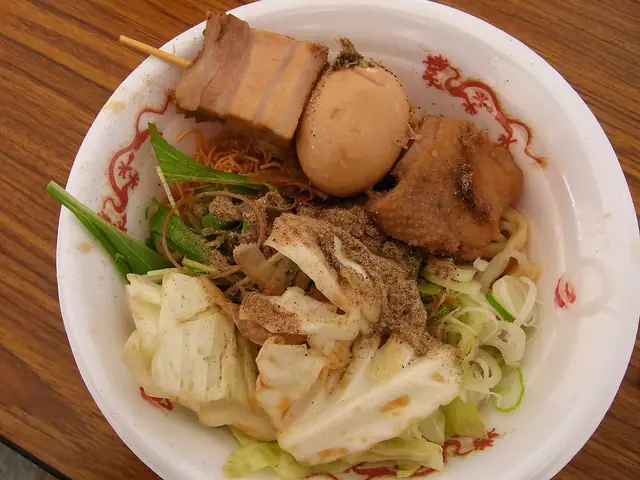
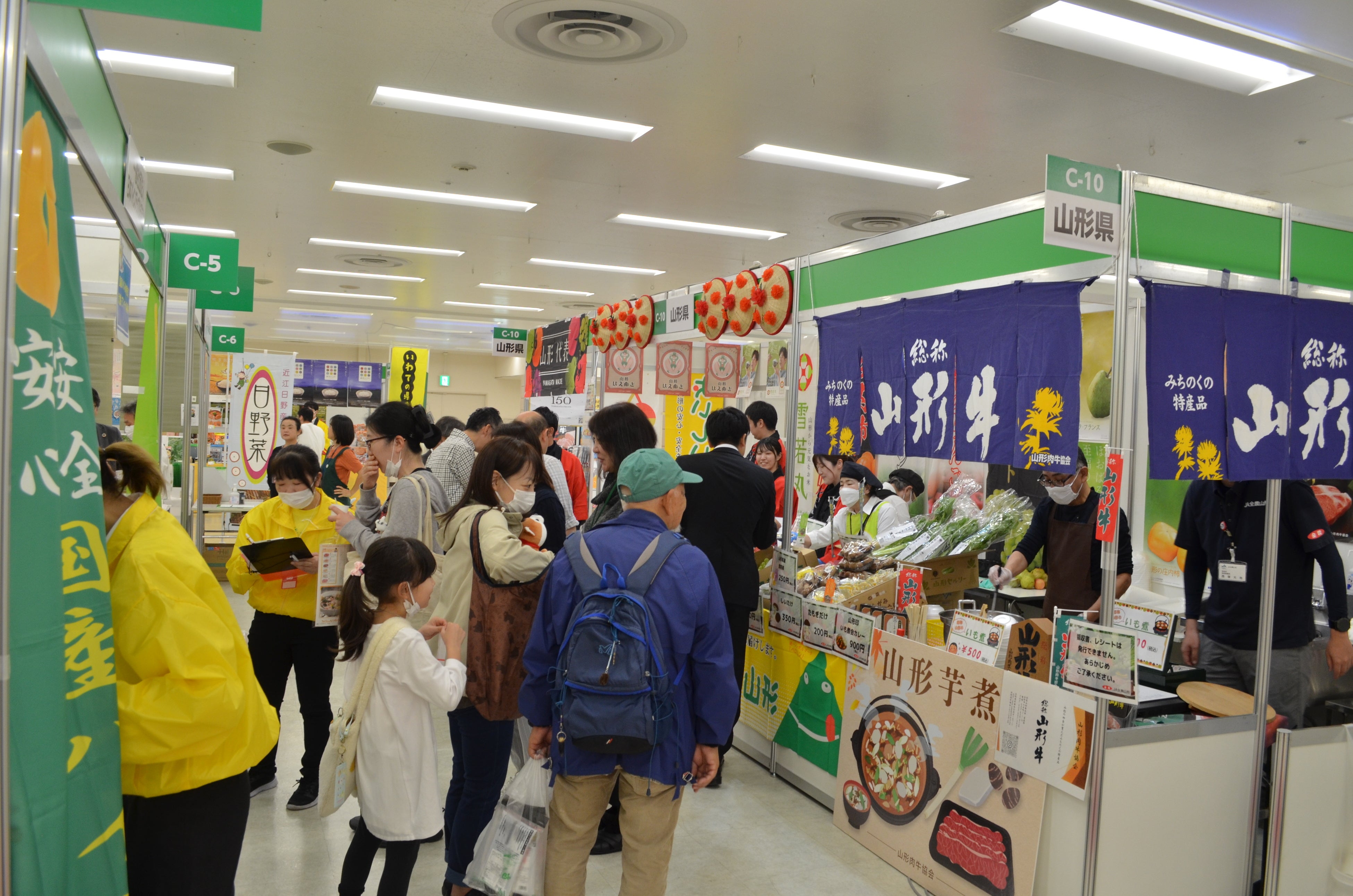
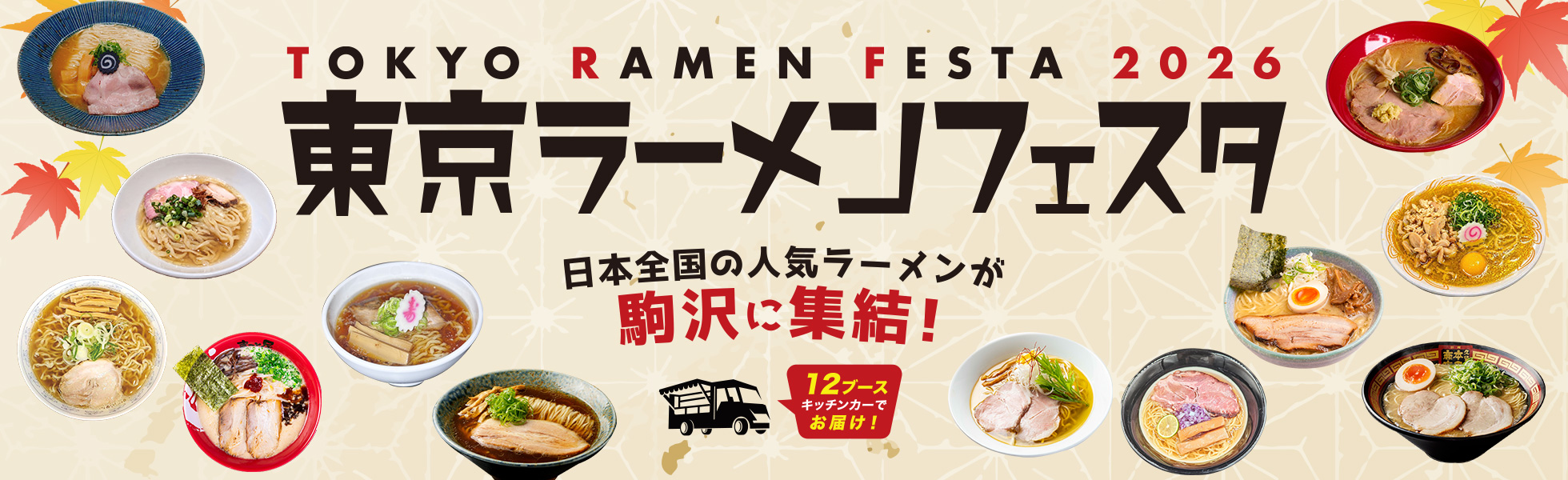
Entry is free at most of them: you pay per dish or per drink. Some festivals sell meal tickets (shokken, 食券) at a central booth, and you hand a ticket to the stall in exchange for your bowl. Tokyo Ramen Festa works this way, with one ticket per bowl and advance tickets on sale before the event. Others let you pay each stall directly. Extras such as toppings or a second drink are sometimes paid separately at the stall, in cash.
Cashless payment has spread a lot in recent years, and many ticket booths take cards, IC cards like Suica, or QR payments. Individual stalls are less predictable, so carry some cash, ideally in small notes and coins. Beer festivals often charge a refundable deposit for the glass on your first order; you get it back when you return the glass. Seating is shared long tables and benches. Take a free spot, share without asking, and leave it clean when you go.
- Buy advance meal tickets if the festival sells them. You skip one queue and same-day tickets can run out.
- Keep 1,000 yen notes and coins handy for stalls that are cash only.
The big recurring festivals through the year
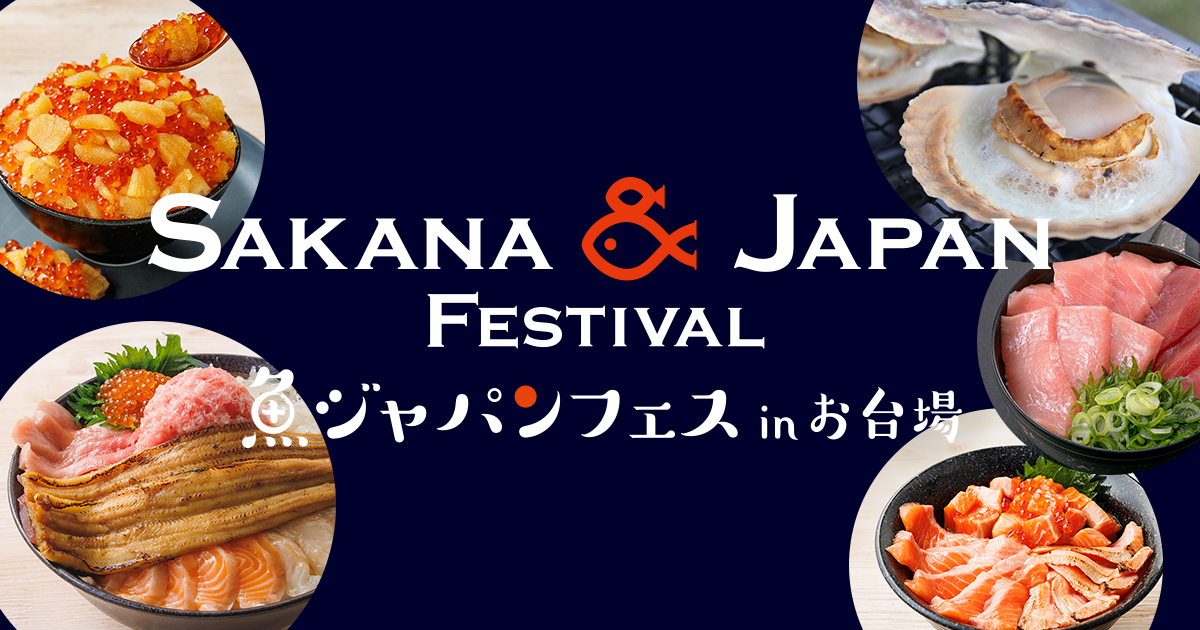
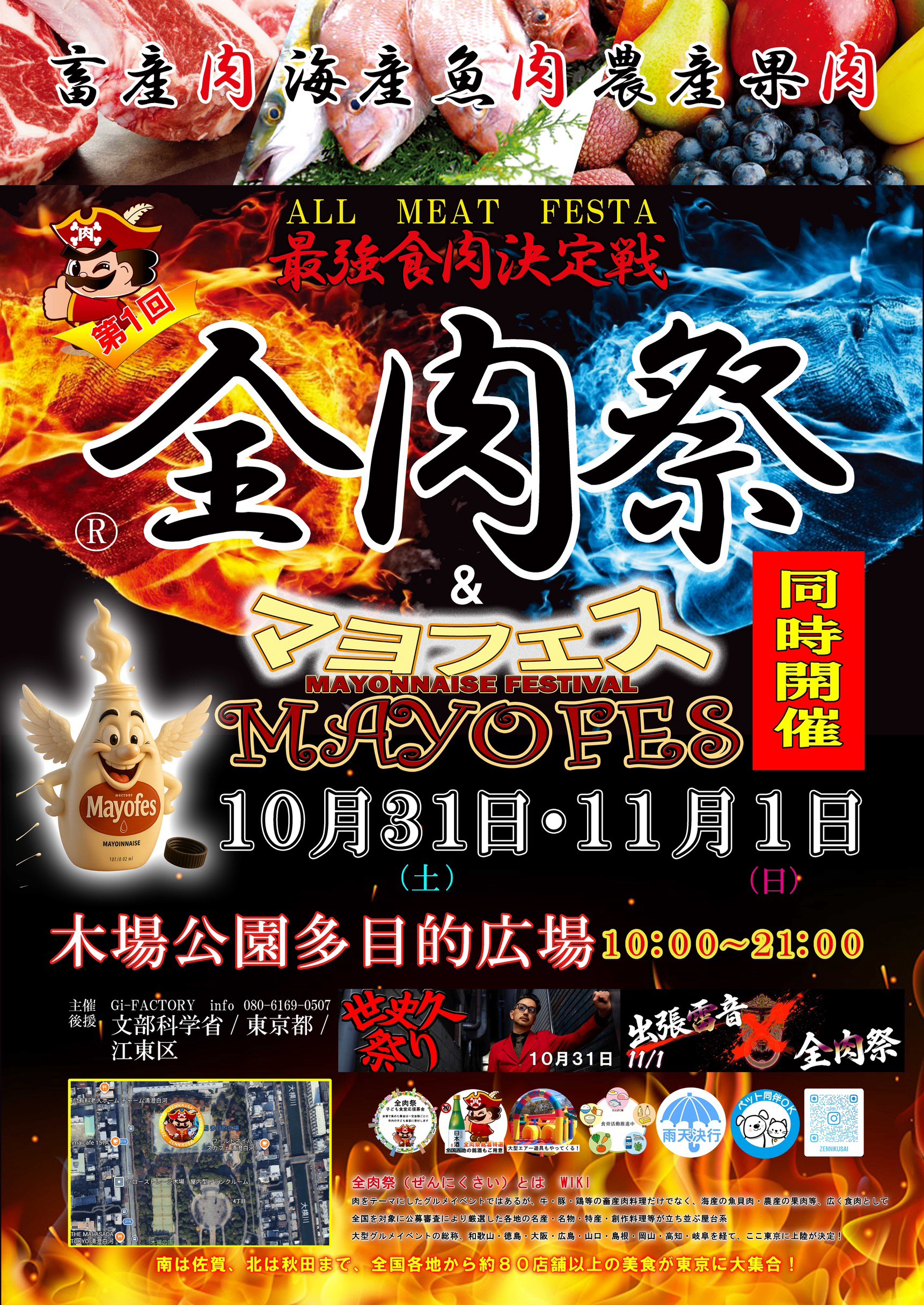
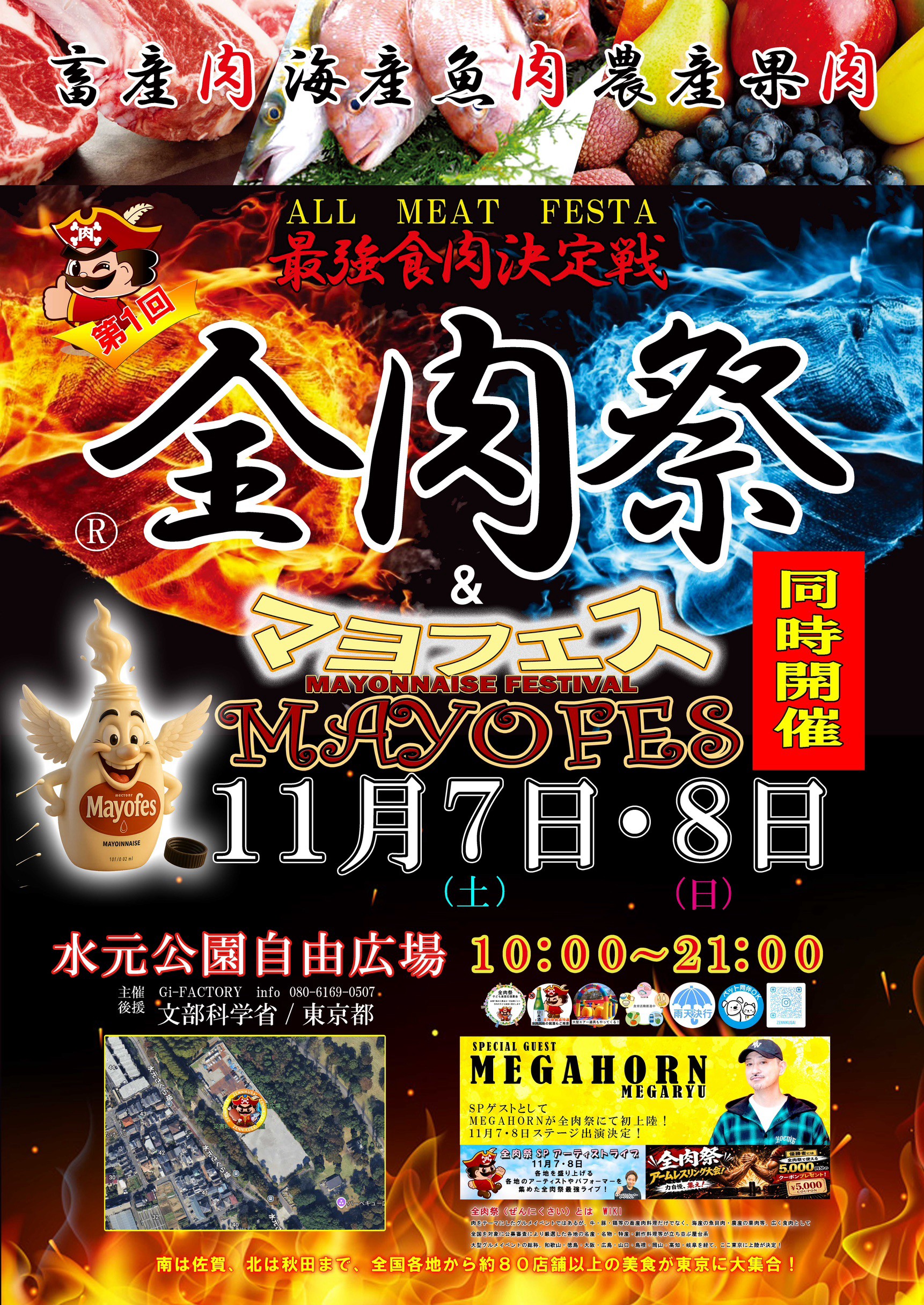
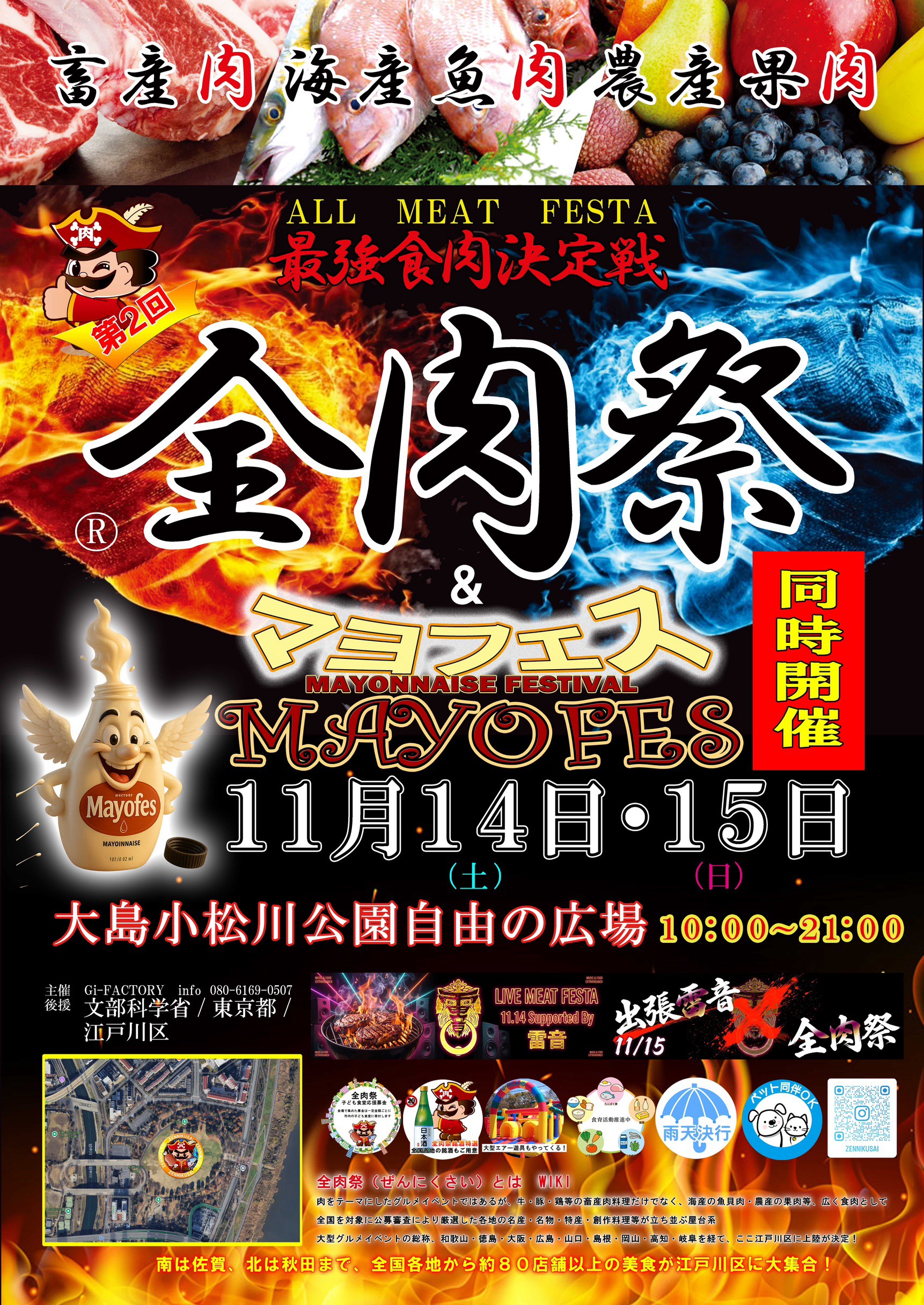
Golden Week opens the outdoor season. Niku Fes, a meat festival with wagyu bowls, grilled steak and meat dishes from around the world, has been held over Golden Week on a special site in Odaiba in recent years. Oktoberfest in Tokyo is not just October: the Oktoberfest Japan series runs German beer festivals in several places, usually a spring edition in Odaiba around Golden Week and an autumn one in Shiba Park in September, and in past years also at Hibiya Park's fountain plaza and LaLaport Toyosu.
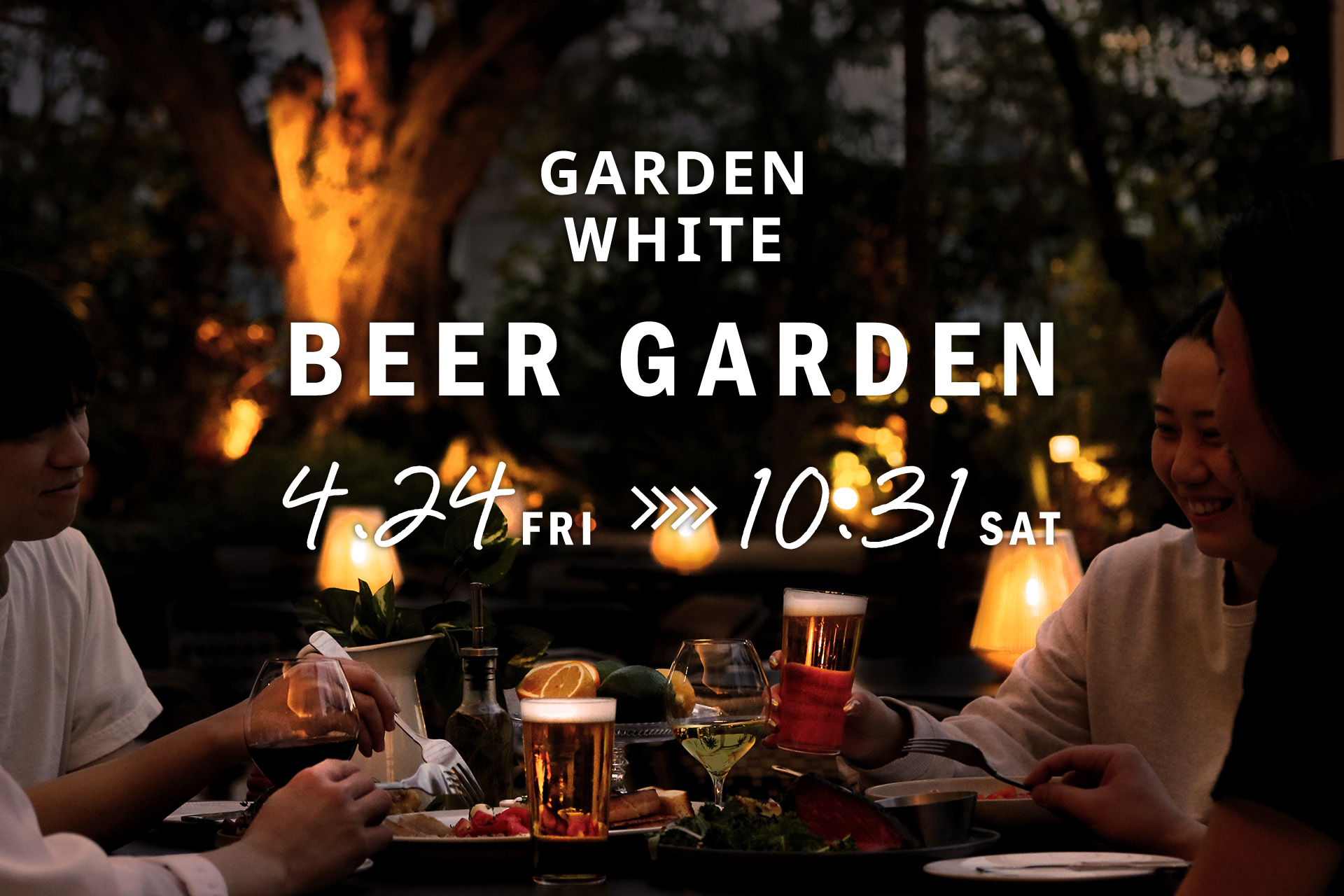
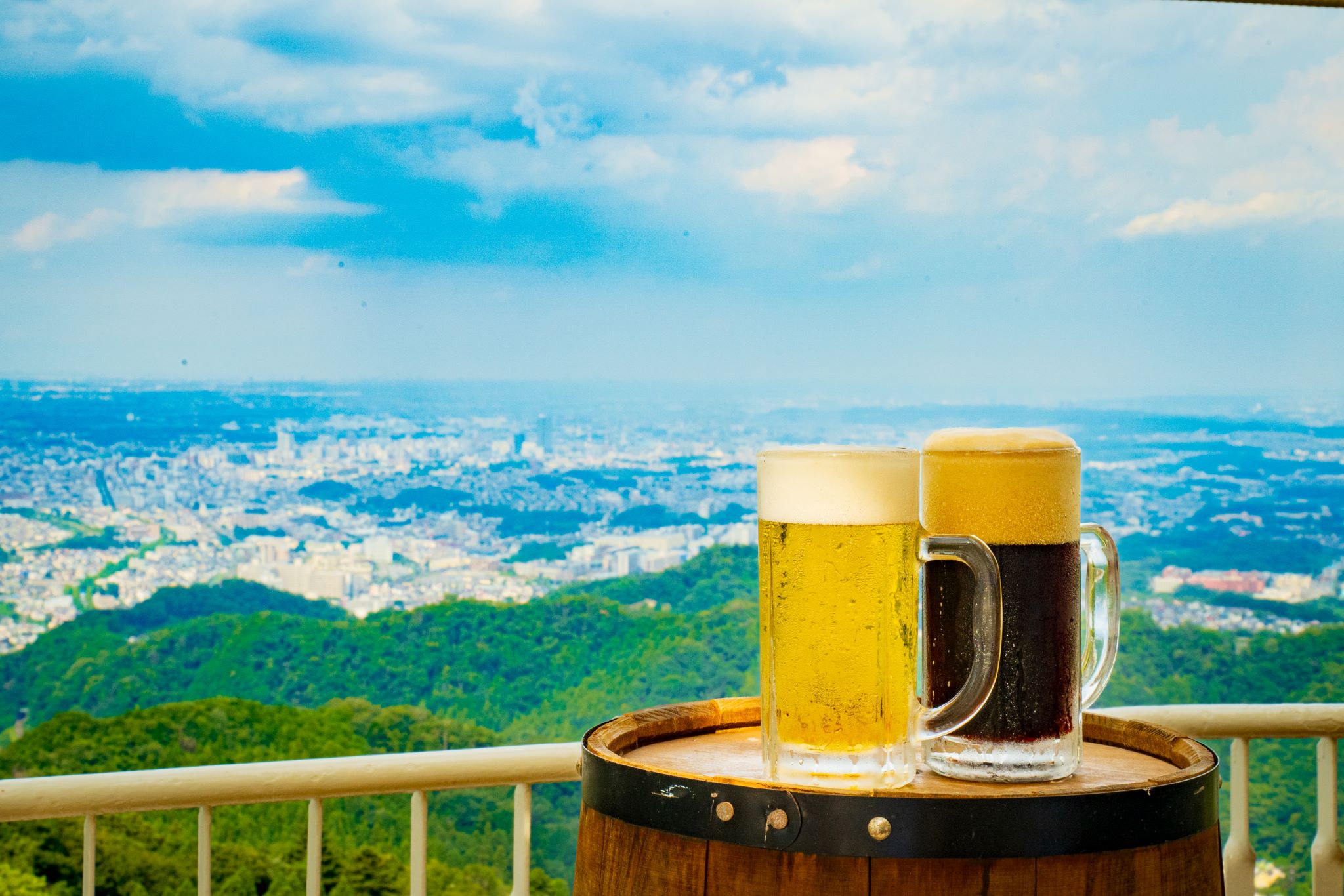
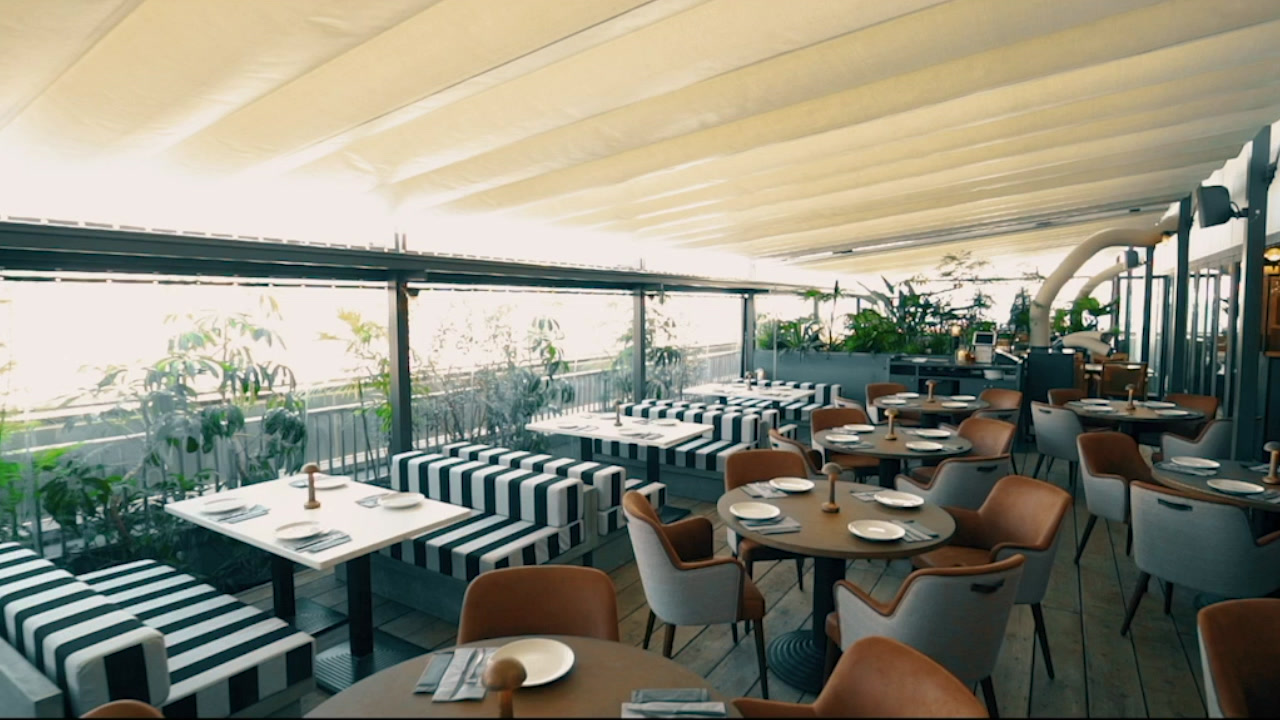
In early summer the Japanese Sake Fair, organised by the national sake brewers' association, brings well over a thousand sake labels together for two days; it is usually held in Tokyo (in 2026 at Sunshine City in Ikebukuro), but the venue has changed in some years, so check it first. Tickets are sold in advance and have sold out. In summer, department store rooftops and hotel terraces open beer gardens, usually with timed all-you-can-drink plans (nomihodai) that are best booked ahead.
Autumn is the peak. Tokyo Ramen Festa (called Tokyo Ramen Show until 2022) has filled Komazawa Olympic Park with ramen shops from across Japan from late October into early November for years, but the 2026 edition was announced as the last one at Komazawa, so check the official site for its next venue. Gyoza festivals have run in Nakano's Shiki no Mori Park in autumn in past years, and many local parks hold smaller gourmet and marche weekends around the same time.
Yoyogi Park, Tokyo's weekend festival ground
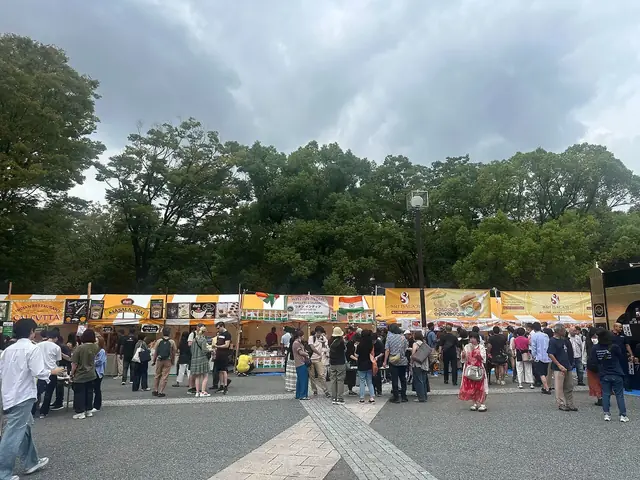
The event plaza of Yoyogi Park, on the side of the park facing the outdoor stage and NHK Hall, hosts a different festival almost every weekend in the warm months. Many are country festivals run with embassies and community groups: rows of stalls selling food and drinks from one country, a stage with music and dance, and crafts for sale. Entry is free.
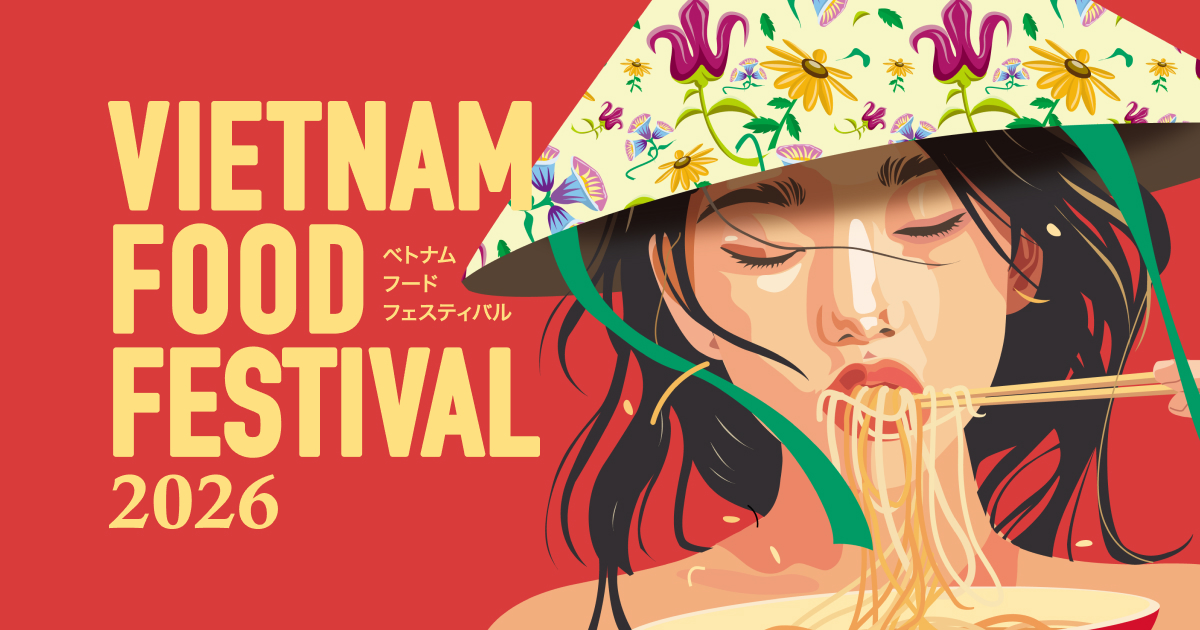
The best known is the Thai Festival in May, which draws hundreds of thousands of people over a weekend with pad thai, green curry and Thai beer. Taiwan Festa is usually held in late July, and Vietnamese and Laotian festivals have been held in late spring or early summer. Earth Day Tokyo has been held in the park in April in past years. It is a walk of about 10 to 15 minutes from Harajuku or Shibuya, and on a sunny Saturday the crowds are thick by lunchtime.
- Arrive before noon. Popular stalls build long queues from lunch onward.
- The park has toilets, but at big festivals they get queues too. Use the station before you walk over.
Timing it and beating the queues
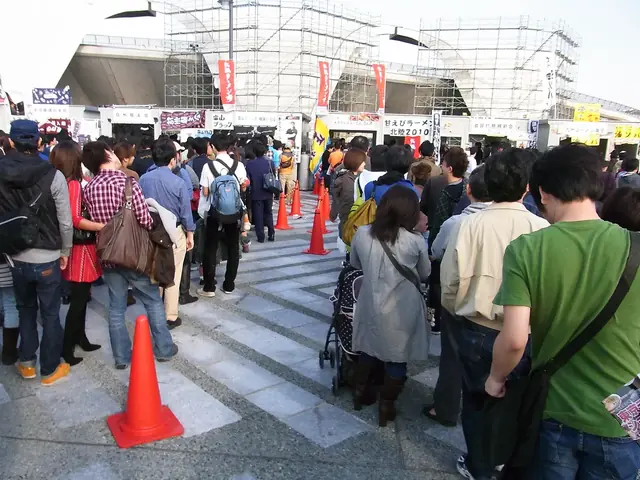
The first weekend and holiday weekends are always the busiest. If you can go on a weekday, do: even then, a popular ramen shop at lunch may have a queue, but at weekends waits of an hour or more are normal at the famous stalls. Within a day, right after opening and the mid-afternoon gap (roughly 2pm to 4pm) are calmer than lunch and early evening.
Going in a group helps. One person holds a table, the others split up across queues, and you share everything. Check the line-up on the official page before you go, because festivals with two halves or rotating stalls change shops partway through.
Rain, trash and what to bring
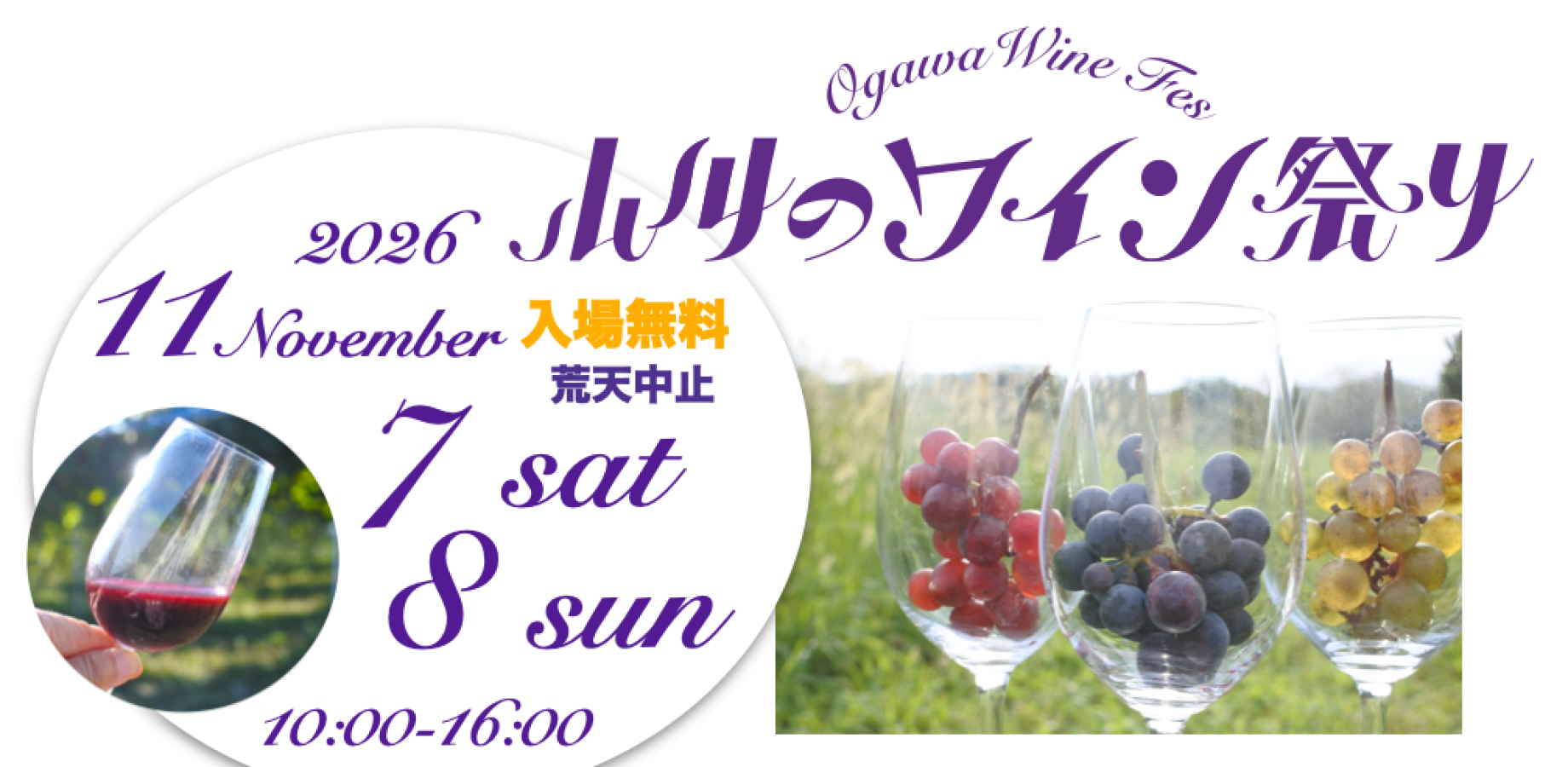
Most food festivals go ahead in light rain. Japanese event pages say 雨天決行 (goes ahead in rain) or 雨天中止 (cancelled in rain), and 荒天中止 means cancelled only in a storm or typhoon. Tokyo Ramen Festa, for example, runs in the rain. A wet day can actually mean shorter queues, but tables are mostly uncovered, so bring a compact umbrella or a rain jacket.
There are trash stations with bins sorted by type, staffed at the bigger festivals. Sort your cups, bowls and chopsticks as the signs show. A small plastic bag for your own trash is still useful, since bins can be far from where you sit. Wet tissues, a hand towel and a light layer for the evening cover the rest.
- Search the festival name plus 雨天 to see its rain policy before you leave.
- Bring a small bag for trash and wet tissues. Hand-washing spots are few.