When fireworks season happens
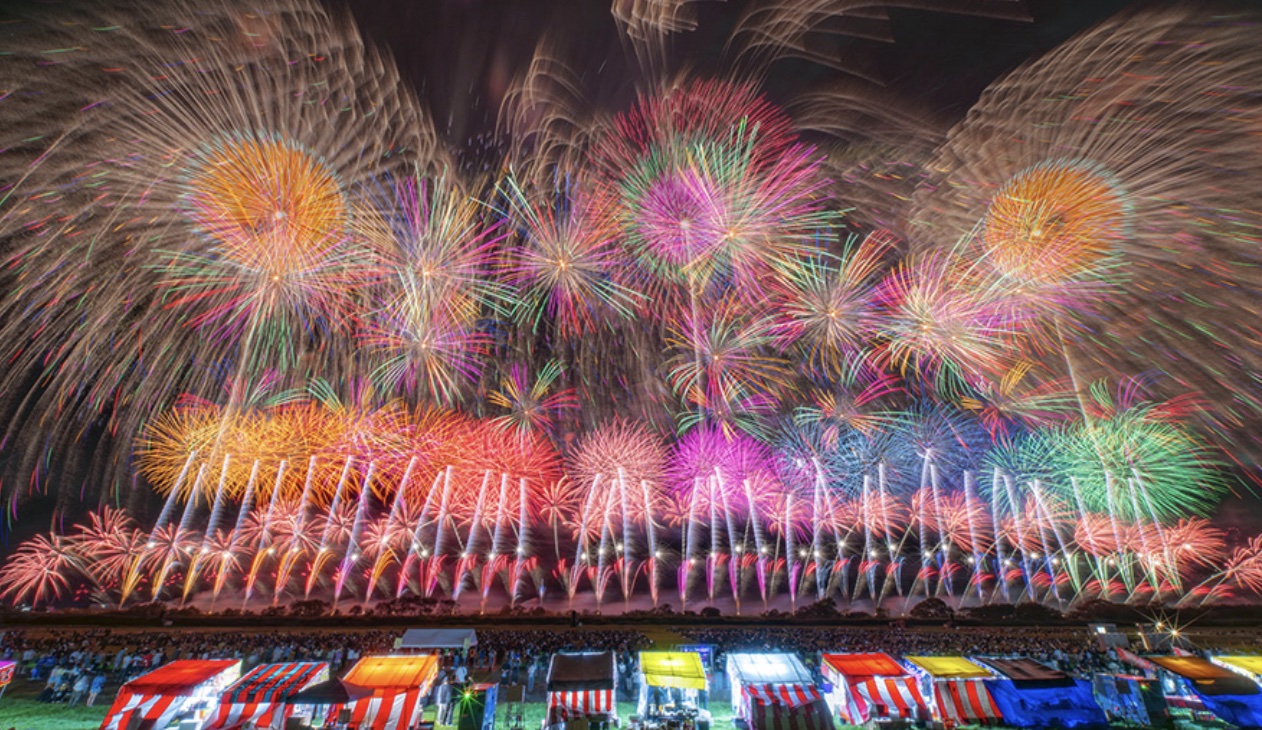
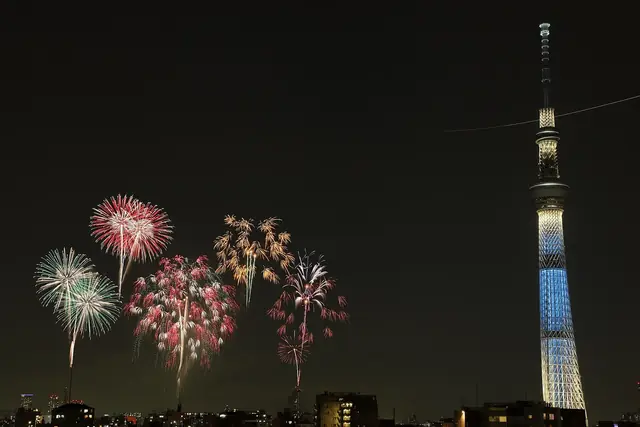
The main season runs from late July to the end of August. Most big shows are on Saturday evenings, start after dark around 7 pm and last about an hour. Sumida River, Katsushika and Tachikawa open the season at the end of July, and the first weekends of August are the busiest, often with several large shows on the same night.
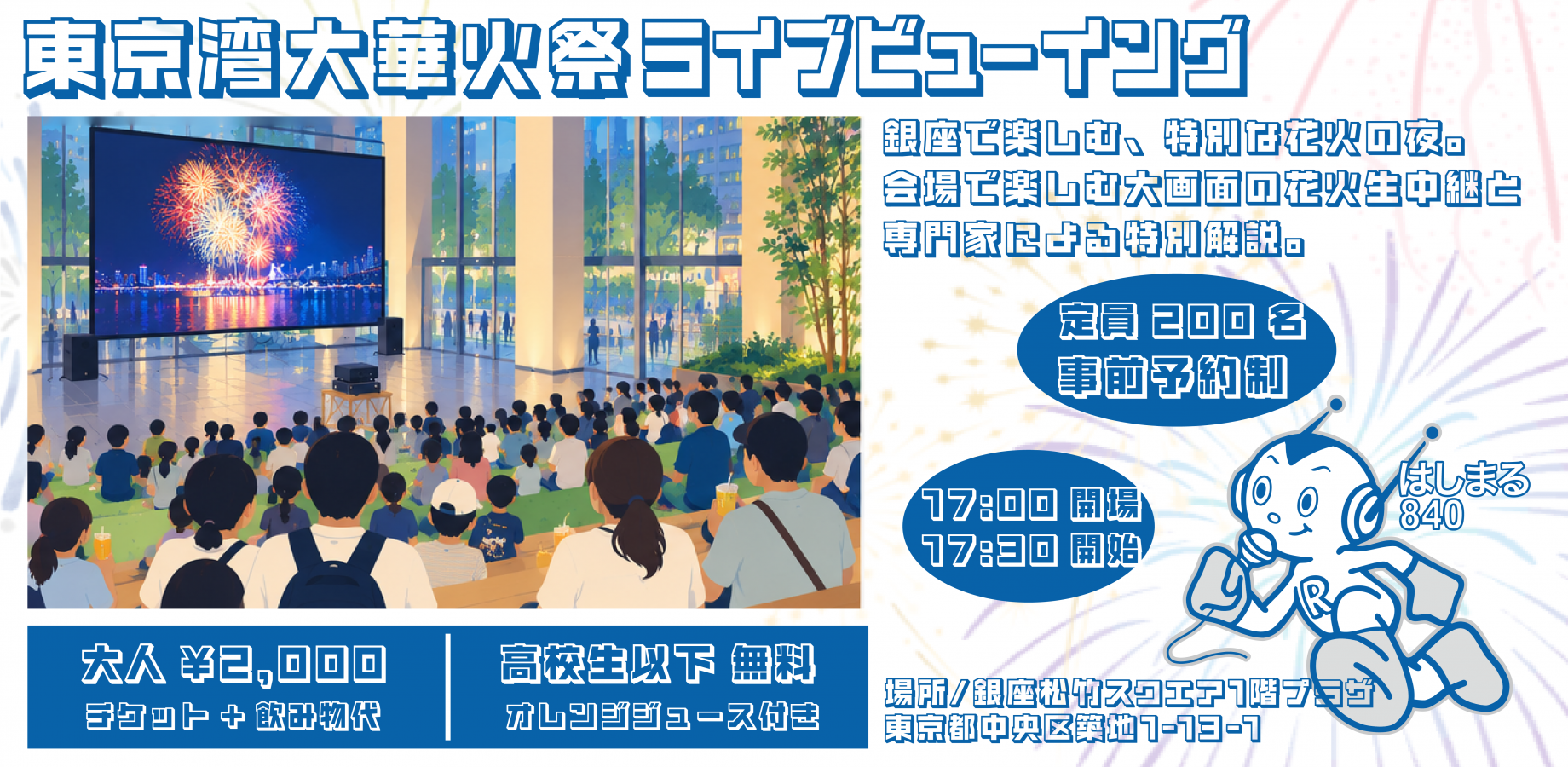
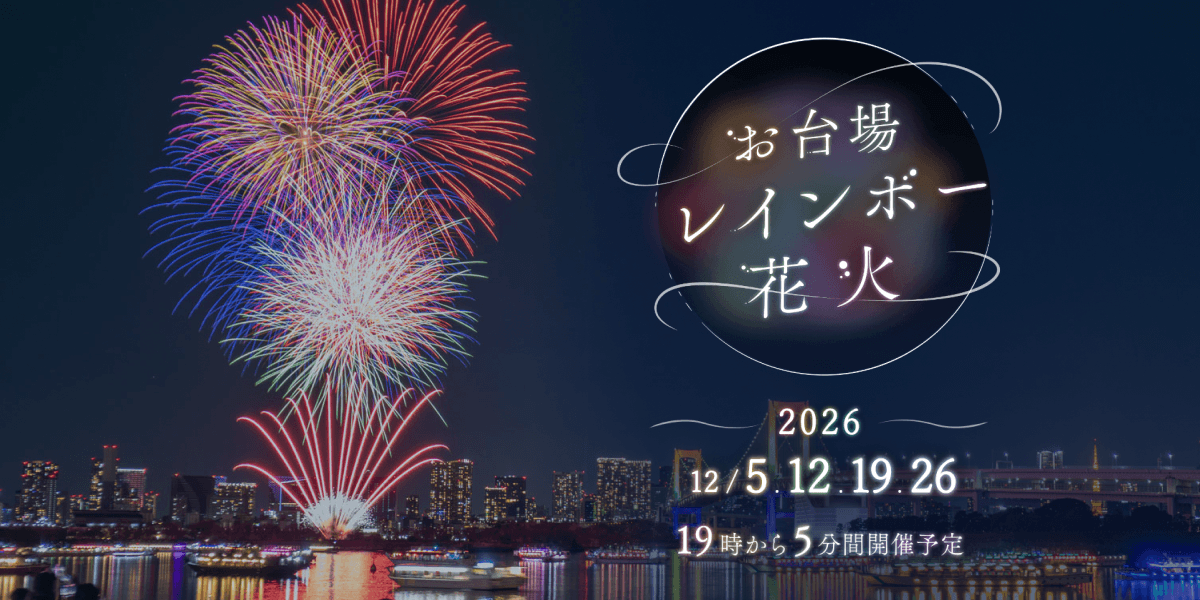
After that the calendar thins out. The Tamagawa fireworks on the Setagaya and Kawasaki banks have been held in early autumn in recent years, and the Tokyo Bay show off Harumi, paused for about a decade, has returned as a ticket-only autumn event. In December, Odaiba has held short Saturday-evening fireworks over the bay in recent years, just a few minutes each. From January to June there are hardly any large shows, so a short list in those months is normal.
The long-running big shows
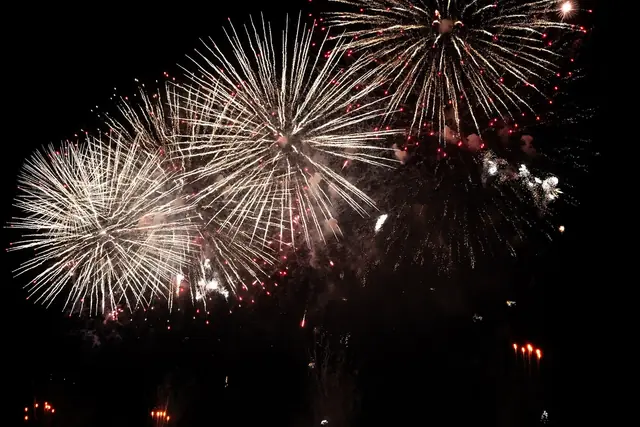
Sumida River Fireworks is the oldest and best known, usually on the last Saturday of July, launched from two sites on the river near Asakusa. Close to a million people come, and streets next to the launch sites are often keep-walking zones. Katsushika Noryo, on the Edogawa riverbank near Shibamata, is free to enter and also sells seats near the launch area. Tachikawa's show fills Showa Kinen Park, with a paid viewing area inside.
Edogawa, usually in early August, is held together with Ichikawa on the Chiba bank and opens with about a thousand shells in a few seconds. On the Tokyo side, Shinozaki Station on the Toei Shinjuku Line is about 15 minutes' walk. Itabashi, on the Arakawa, shares the night with Toda on the Saitama bank and is known for big shells and a long Niagara curtain of sparks. Jingu Gaien is the city-centre option, with ticketed seats in Jingu Stadium and Chichibunomiya Rugby Stadium plus live music.
Tamagawa is two festivals on one night, Setagaya near Futako-Tamagawa and Kawasaki across the river. A short trip away, Yokohama's Minato Mirai fireworks, usually in August, pack around 20,000 shells into a short show over the harbour.
Free spots, paid seats and boats
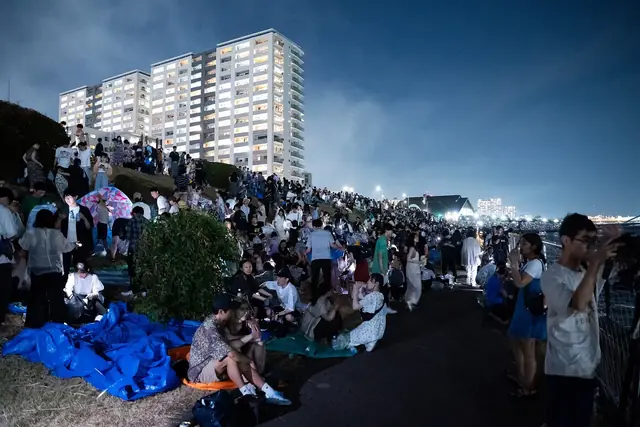
Almost every show can be watched for free from riverbanks, parks and streets. Most big festivals also sell seats near the launch area, online from early summer and often gone weeks ahead. They're worth it with kids or if you hate queues, because you can turn up just before the start. Jingu Gaien and the Tokyo Bay show are largely ticketed. On the Sumida you can also watch from a yakatabune, a traditional roofed boat that serves dinner on the river; fireworks-night trips book up early.
For a good free spot at a big show, arrive two to four hours early. Many organisers now regulate saving space: Edogawa ward announces when you may put down a sheet (in recent years, the evening before) and removes earlier ones, and taping off roads or parks is banned around the Sumida. Take only the space your group needs.
- A picnic mat from any 100-yen shop is the standard kit.
- At Edogawa, Itabashi and Tamagawa each bank runs its own festival, so check which side your paid seat is on.
- Bridges and narrow streets by the launch sites are usually keep-walking zones, so don't plan to watch from there.
Getting there and getting home
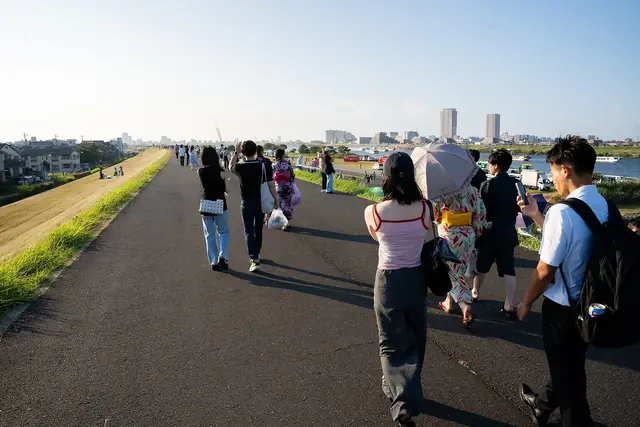
Go by train. Roads close from late afternoon, there's no parking, and organisers ask people not to drive. After the finale the nearest stations usually restrict entry, and waiting an hour just to get inside is common.
The easy way home is to walk 20 or 30 minutes to a station on another line, or a stop or two along. Or stay put for half an hour, eat something and let the crowd drain. Charge your Suica or PASMO beforehand so you skip the ticket machines.
Portable toilets have long lines from the moment crowds arrive, so go at the station or a convenience store on your way in. And leave the drone at home: under Japan's Civil Aeronautics Act, flying over an event crowd needs transport ministry approval, with fines of up to 500,000 yen.
- Pick the station you'll walk to while it's still light. Phone maps slow down when a million people use them.
- Many shows end around 8:30 pm, so last trains aren't the problem. The crowd is.
Rain, heat and what to bring
Fireworks usually go ahead in light rain. Words to know on official pages: 雨天決行 (held even in rain), 荒天中止 (cancelled in stormy weather), 荒天順延 or 翌日順延 (moved to the next day in bad weather) and 予備日 (the backup date). Some shows, like Tachikawa and Itabashi, are cancelled outright in storms rather than postponed. August is typhoon season, and on doubtful days the decision usually appears on the official site or social account by early afternoon.
Heat is the bigger risk. August evenings are often still around 30 degrees and humid, and you may sit for hours before the start. Bring more water than you think you need, a fan or towel, and insect repellent for the riverbank. Yukata are everywhere and fine for visitors too; just wear footwear you can walk in.
- Bring a mat, water, snacks, wet tissues, a trash bag, a power bank and cash for the food stalls.
- Take your trash home or to the official collection points. Bins are rare.