When it rains in Tokyo
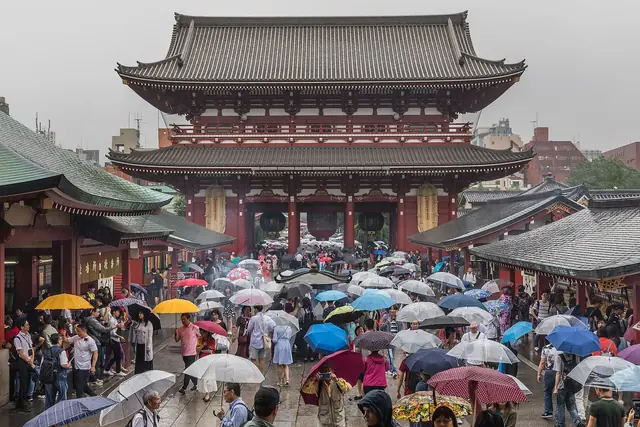
The rainy season (tsuyu) in the Tokyo area usually runs from early June to mid or late July. It is more grey drizzle and humidity than constant downpour, and some days stay dry. Typhoon season peaks from late summer into autumn, roughly August to October: a typhoon brings a day of heavy rain and strong wind, and rail operators sometimes announce planned suspensions (計画運休) in advance. Summer afternoons also bring sudden, short cloudbursts, which locals call guerrilla rain.
Japanese weather apps show rain radar minute by minute, which is handy for deciding whether to wait ten minutes under a station roof or go now. When a typhoon is forecast, plan an indoor day close to your hotel and check the train operators' announcements the night before.
- Tsuyu is humid more than cold. Quick-dry clothes and a spare pair of socks help more than a heavy raincoat.
- On typhoon days many outdoor events are cancelled and some shops close early. Indoor venues near your hotel are the safe plan.
Museums and big exhibitions
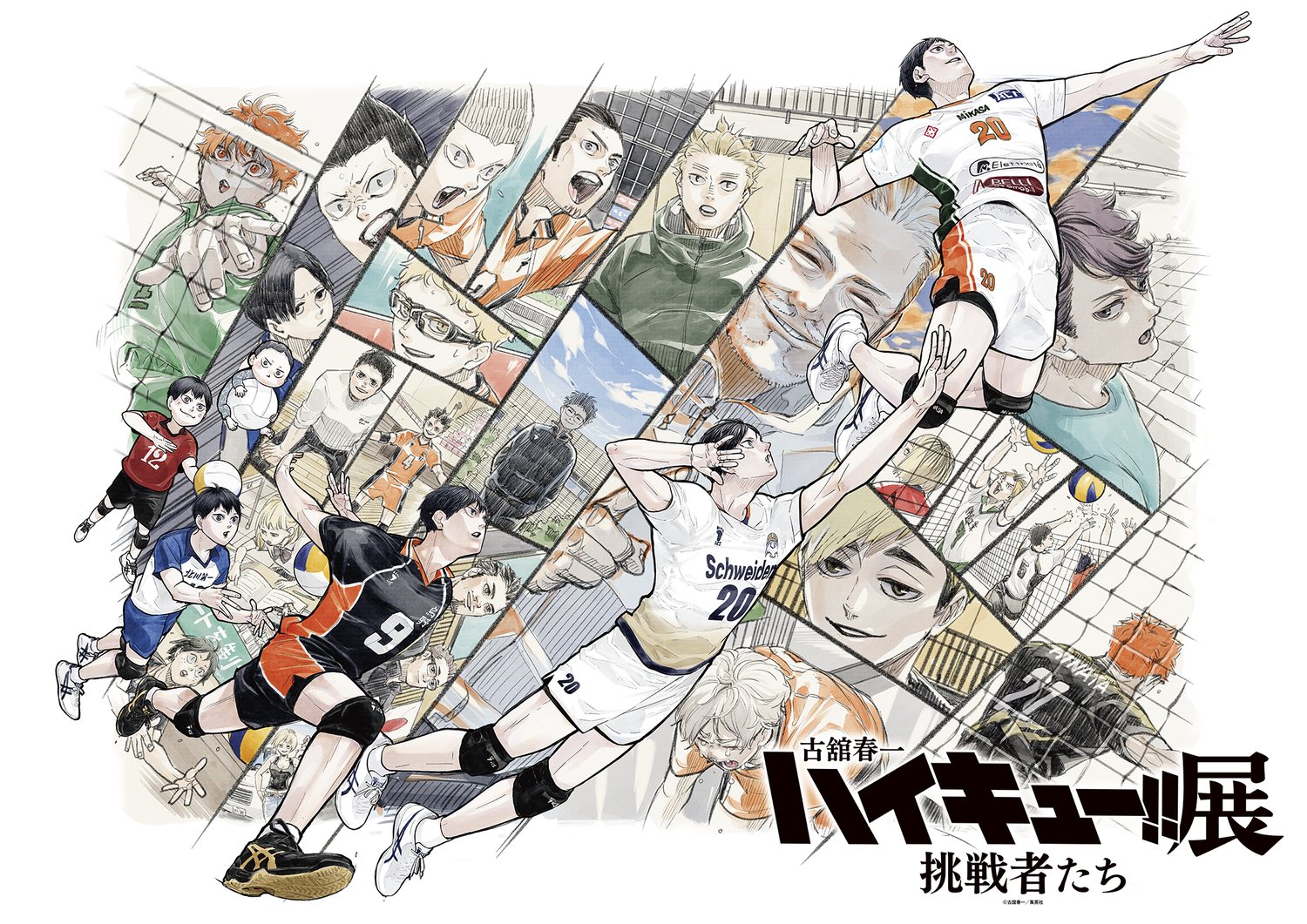
Ueno Park is the biggest museum cluster in the city: the Tokyo National Museum, the National Museum of Western Art, the Tokyo Metropolitan Art Museum and the National Museum of Nature and Science are all a few minutes' walk from Ueno Station. The walks between them are outdoors, but short, and you can easily spend a whole wet day in two of them. Big touring exhibitions often come here, and on rainy weekends the queue for a popular show moves inside faster than on a sunny one.
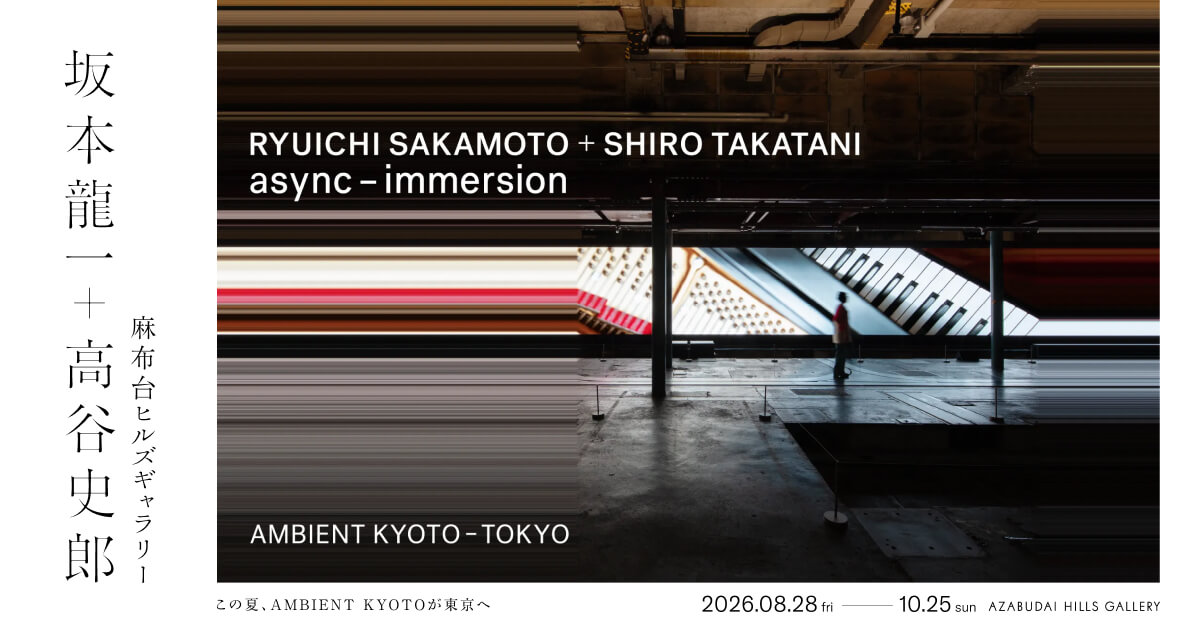
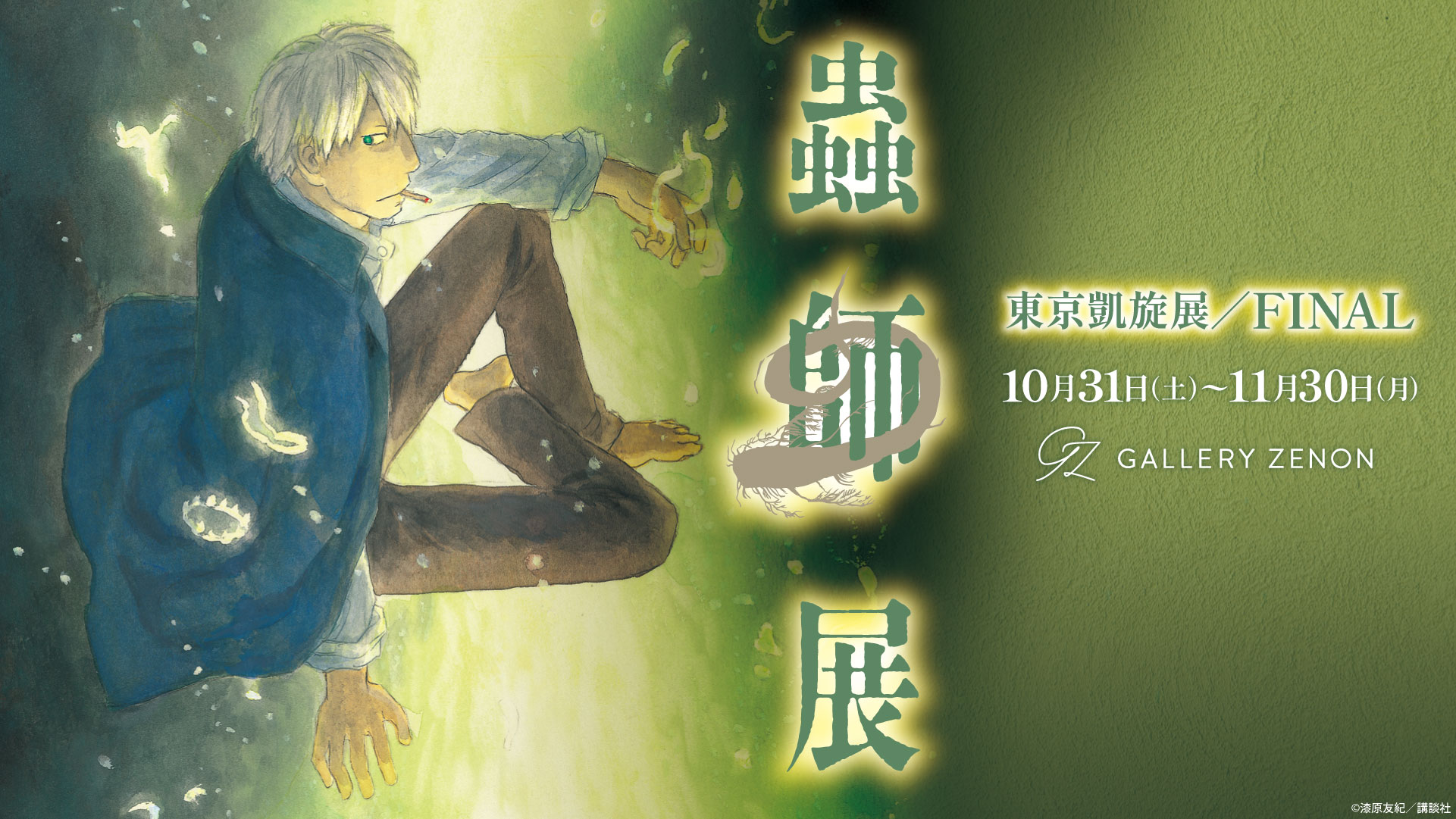
In Roppongi, the Mori Art Museum at the top of Roppongi Hills, the National Art Center (no permanent collection, only large rotating shows) and the Suntory Museum of Art in Tokyo Midtown form the Art Triangle Roppongi. Keep your ticket stub from one of them for a small discount at the other two. For digital art, teamLab Planets in Toyosu, near Shin-Toyosu Station, has you walk barefoot through water, while teamLab Borderless moved from Odaiba to Azabudai Hills in 2024. Both sell timed tickets, and rainy days are exactly when they sell out, so book ahead.
- Most museums have coin lockers and umbrella stands at the entrance. Leave the wet umbrella there before going in.
- Many museums close one day a week, often Monday. Check before you set out.
Pop-ups, collab cafés and arcades
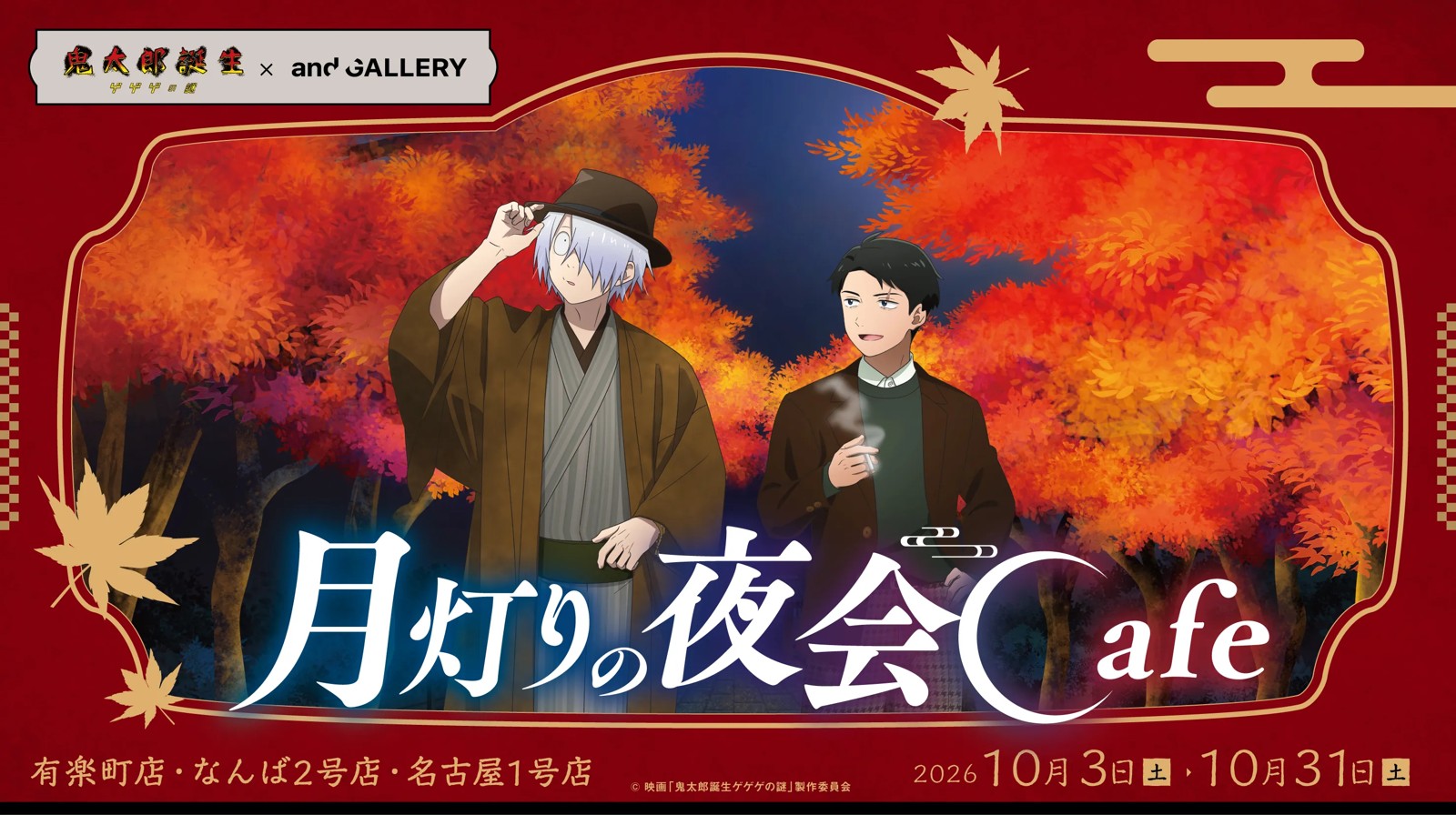
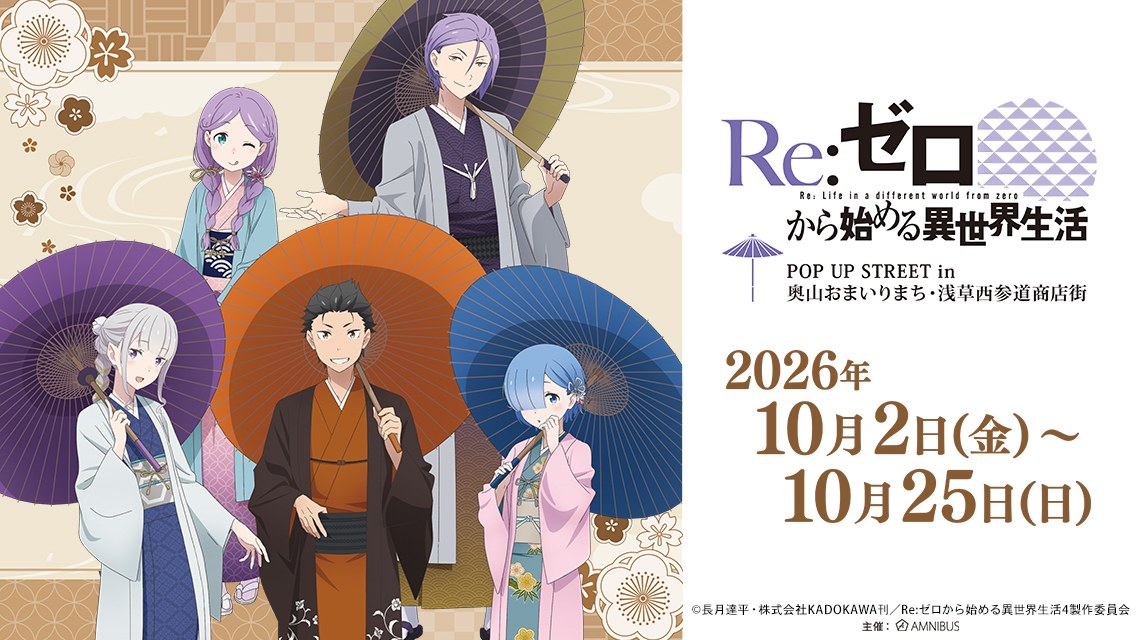
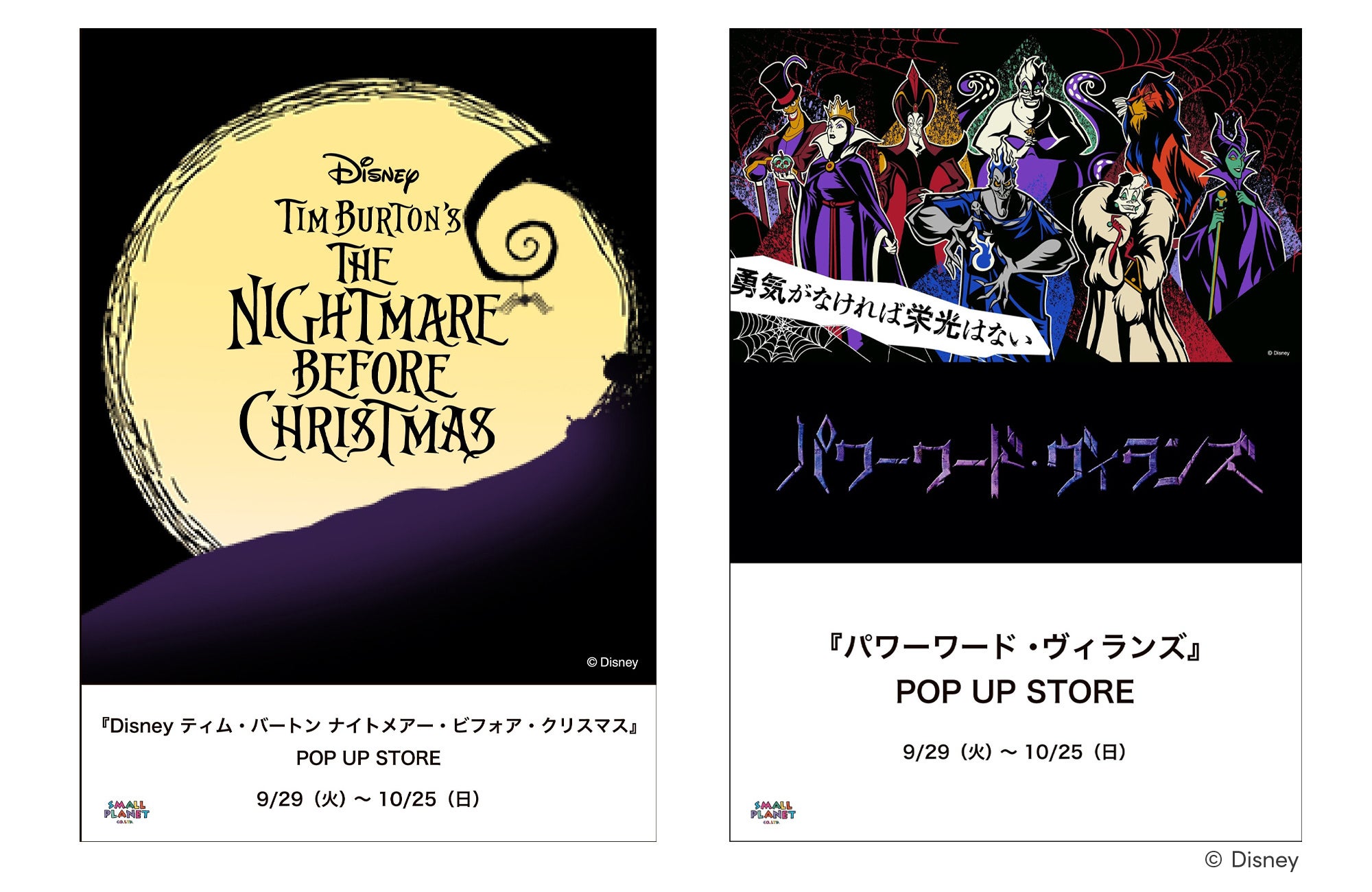
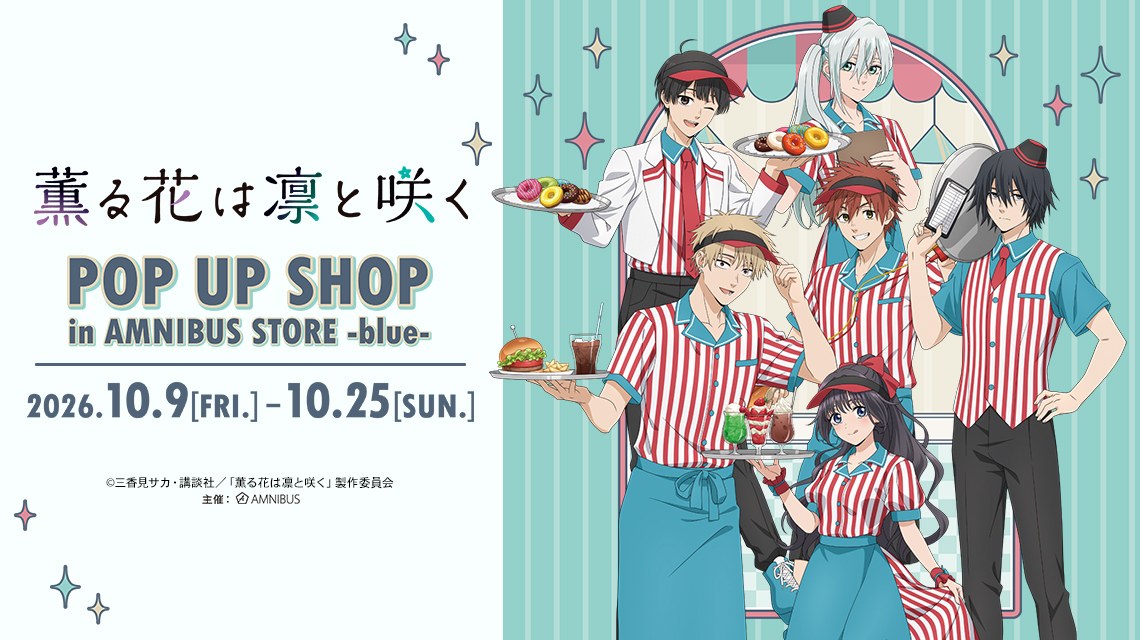
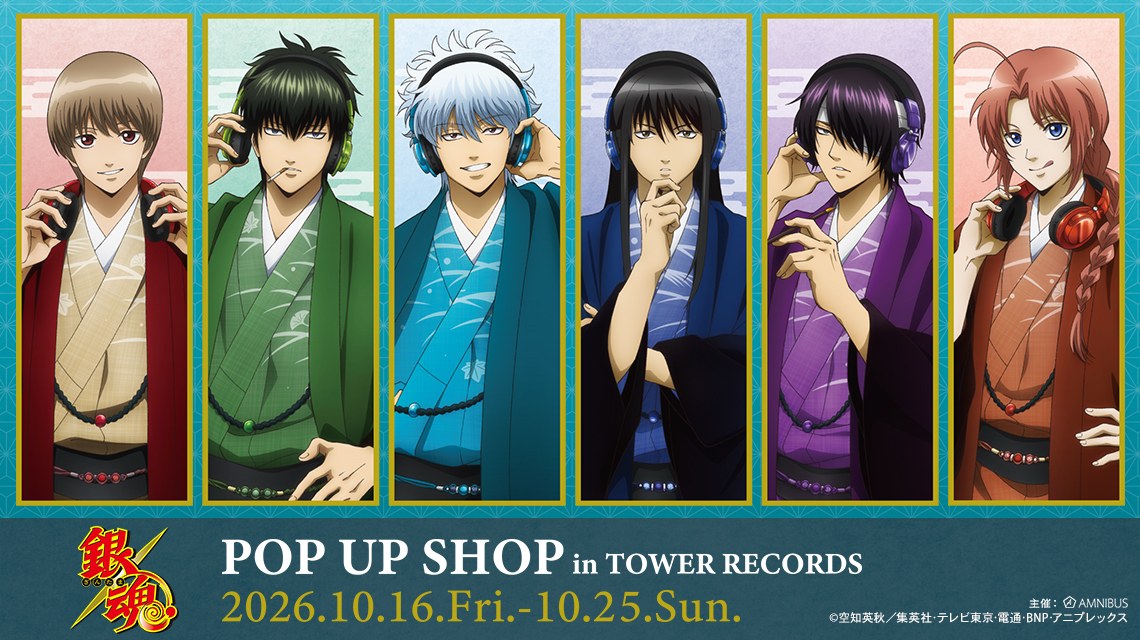
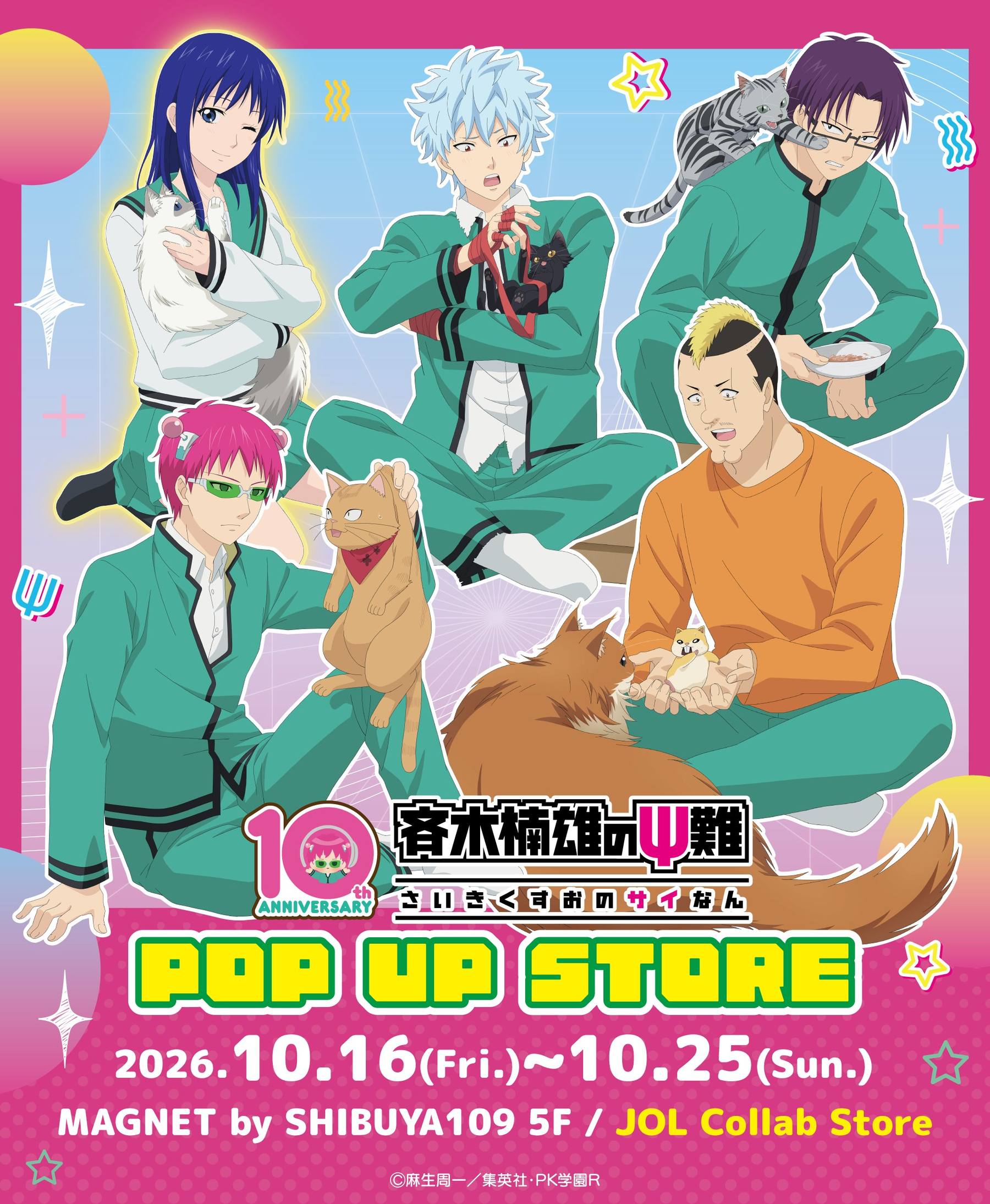
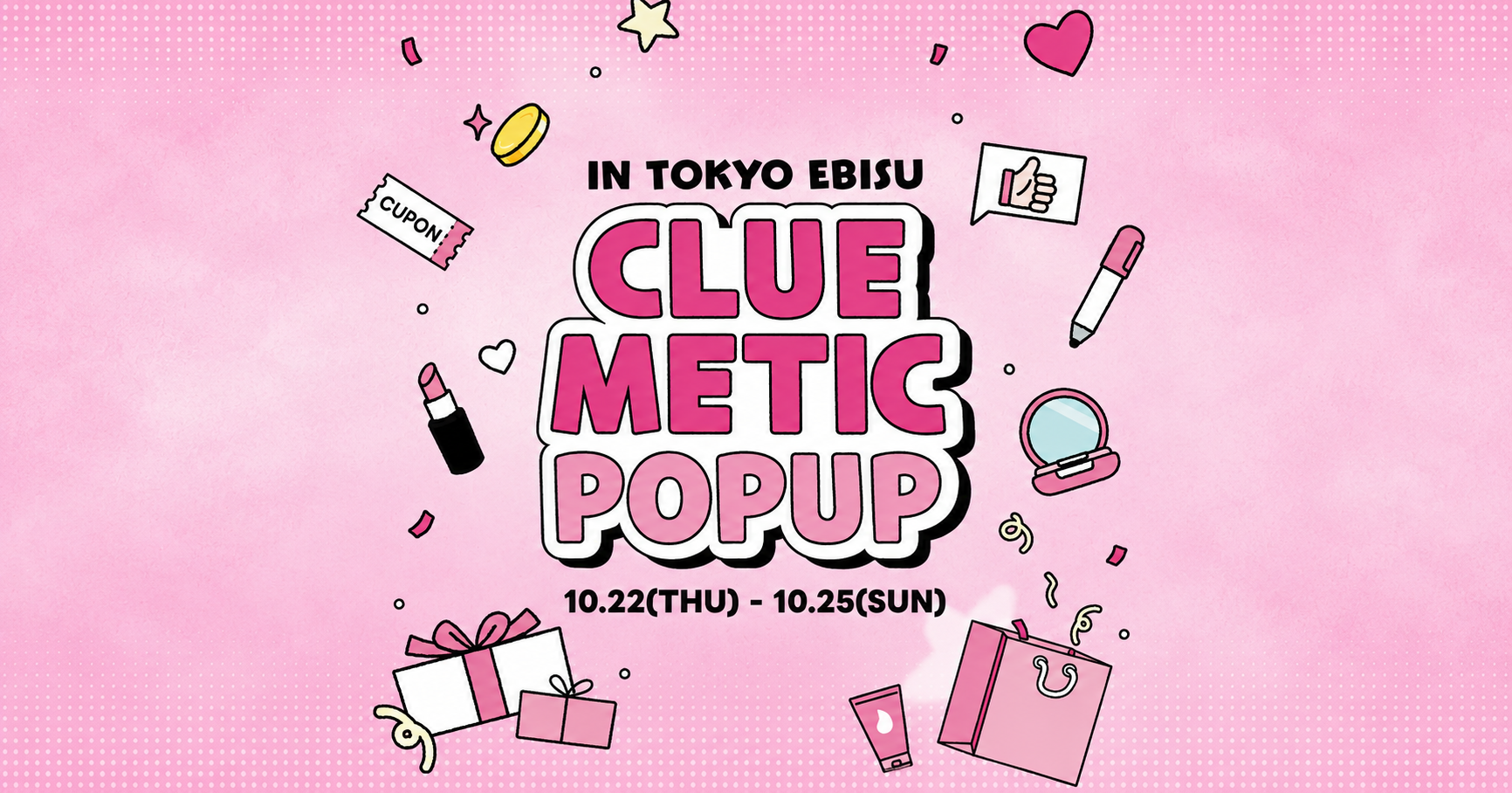
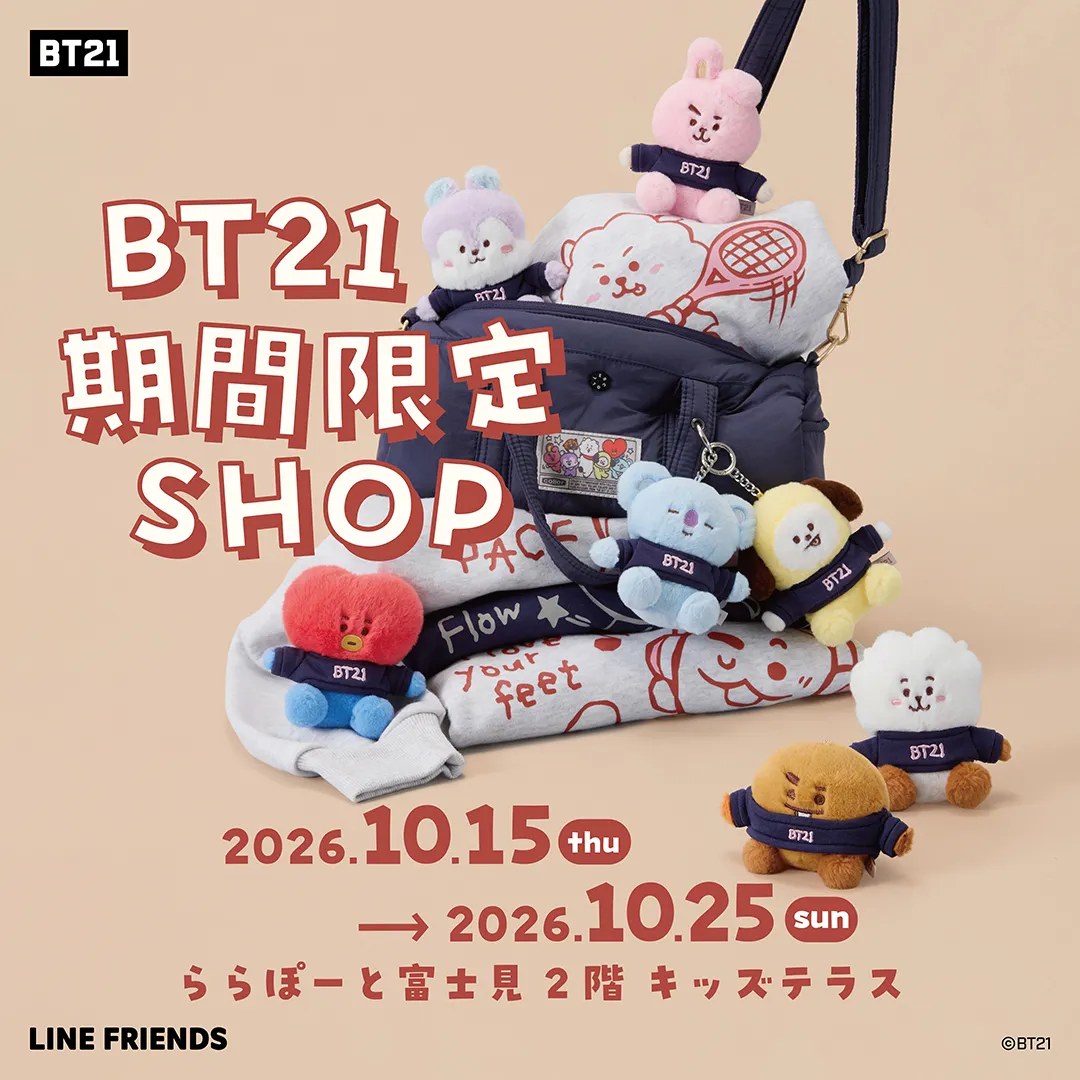
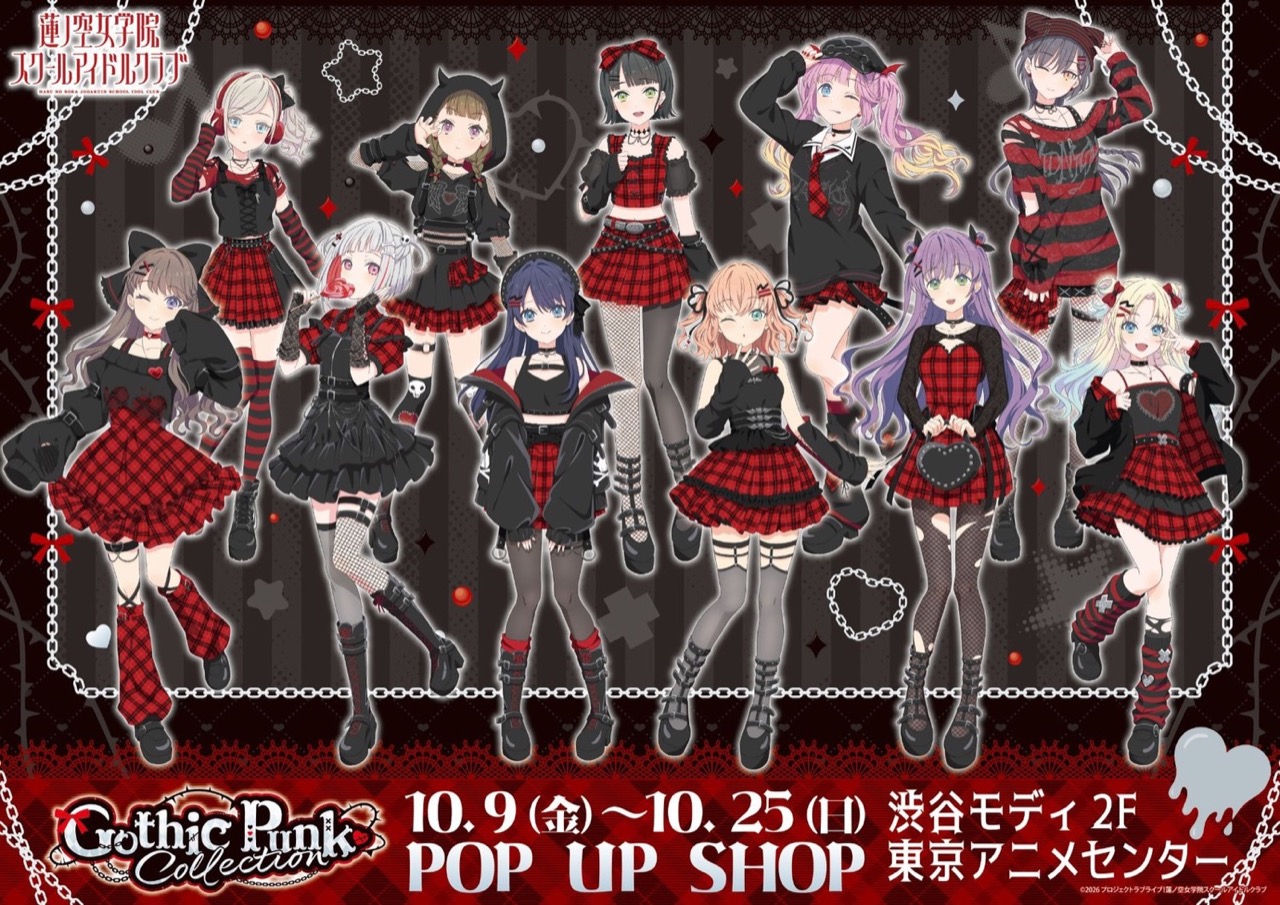
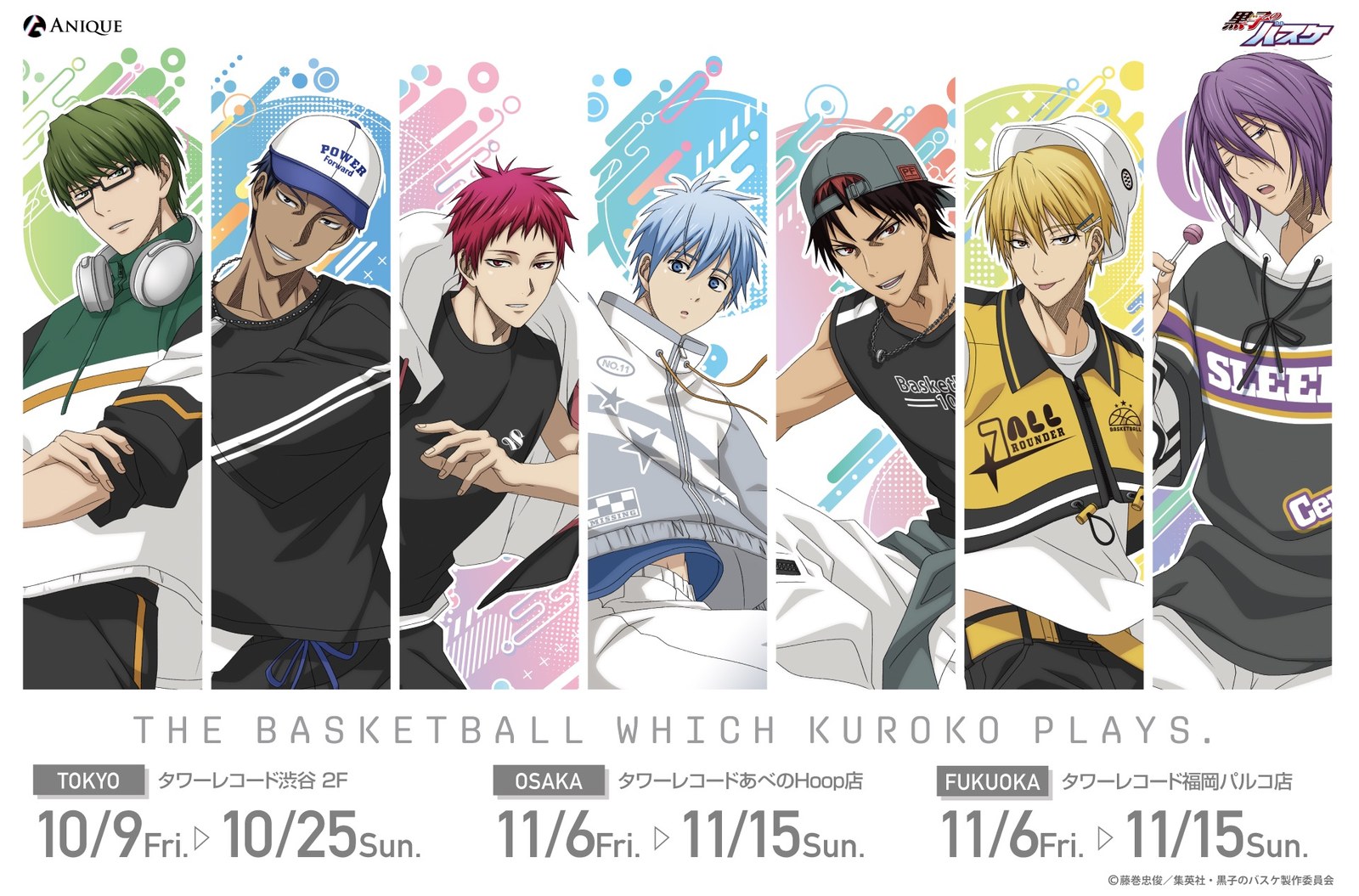
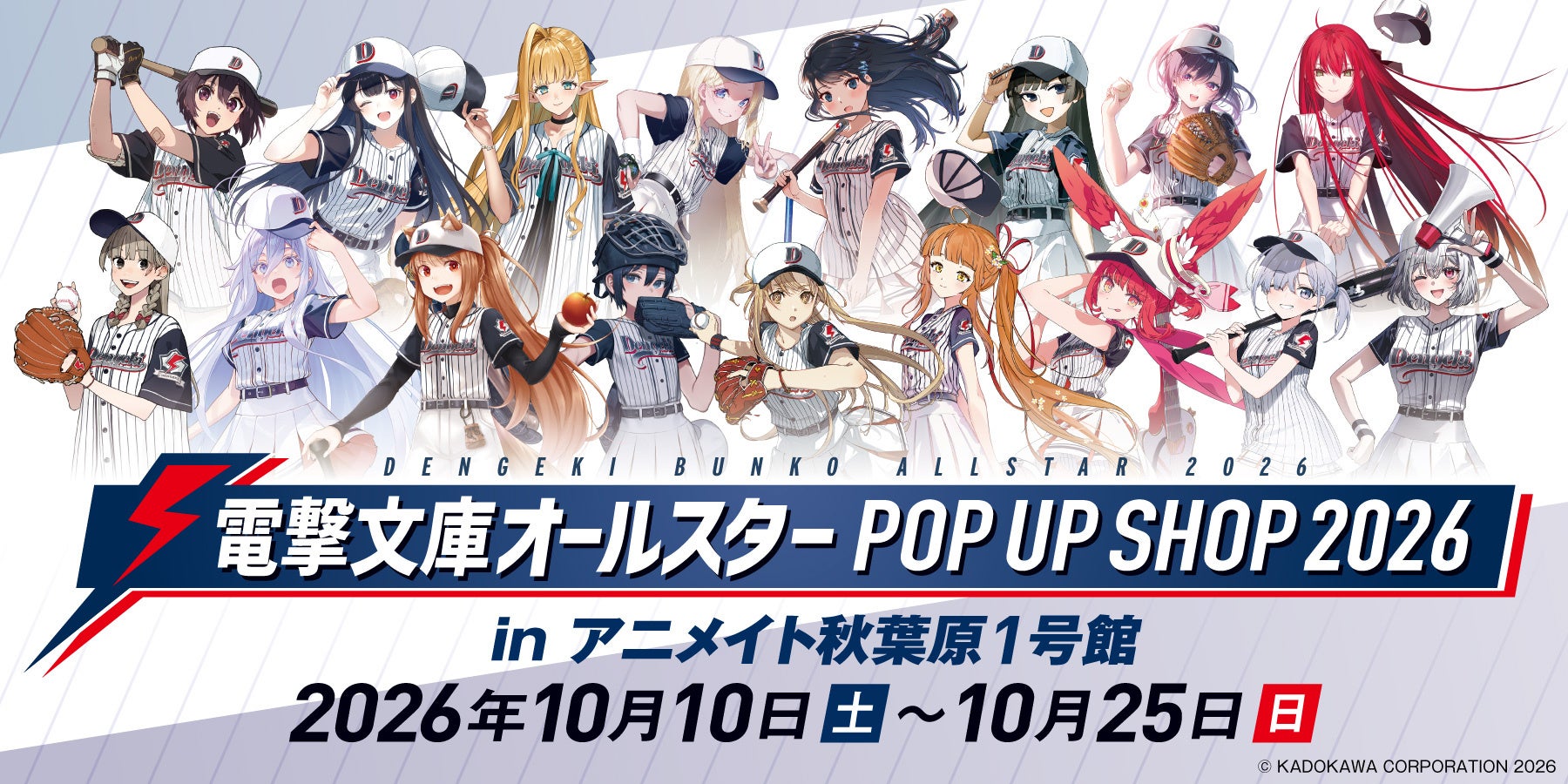
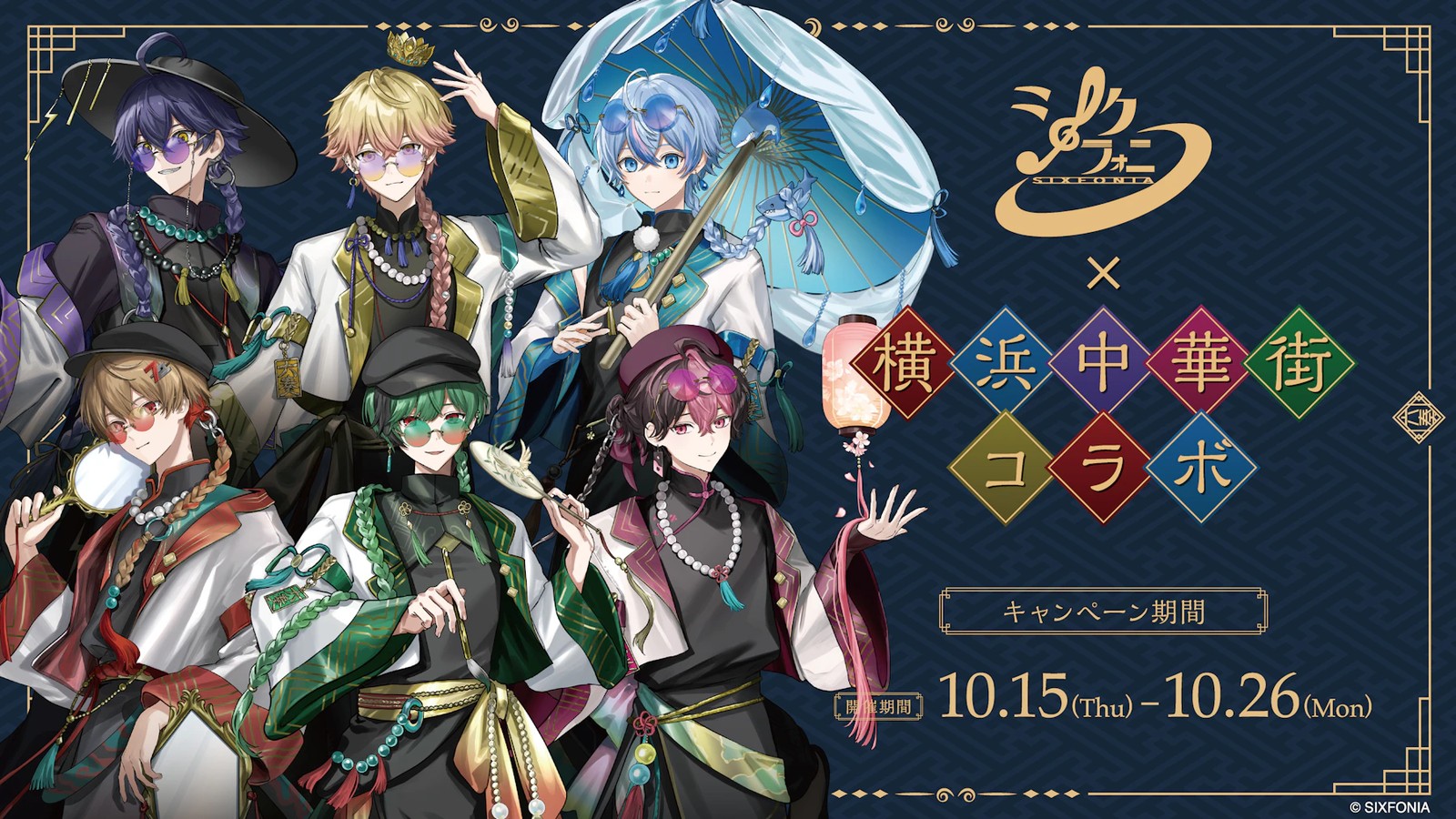
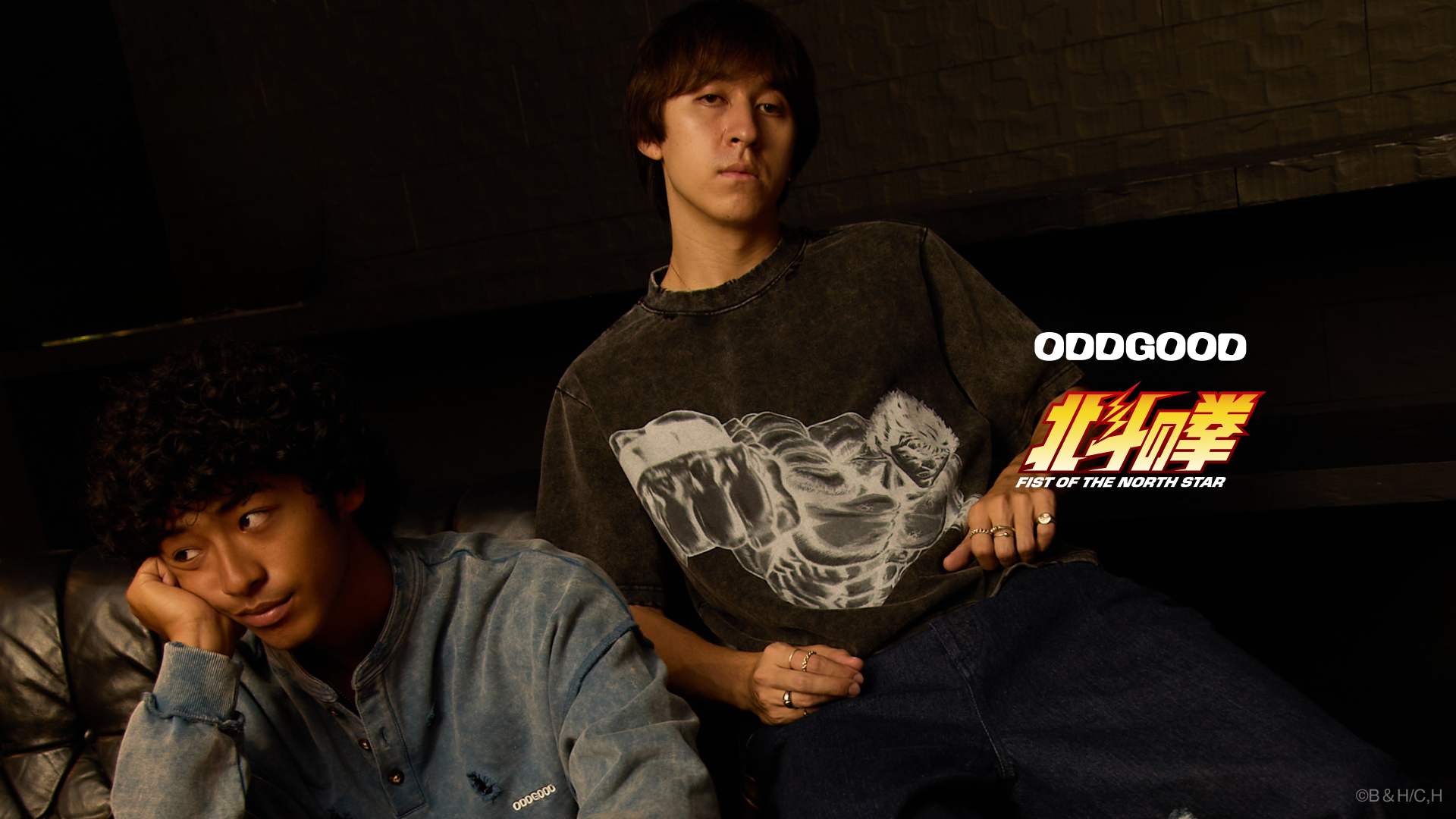
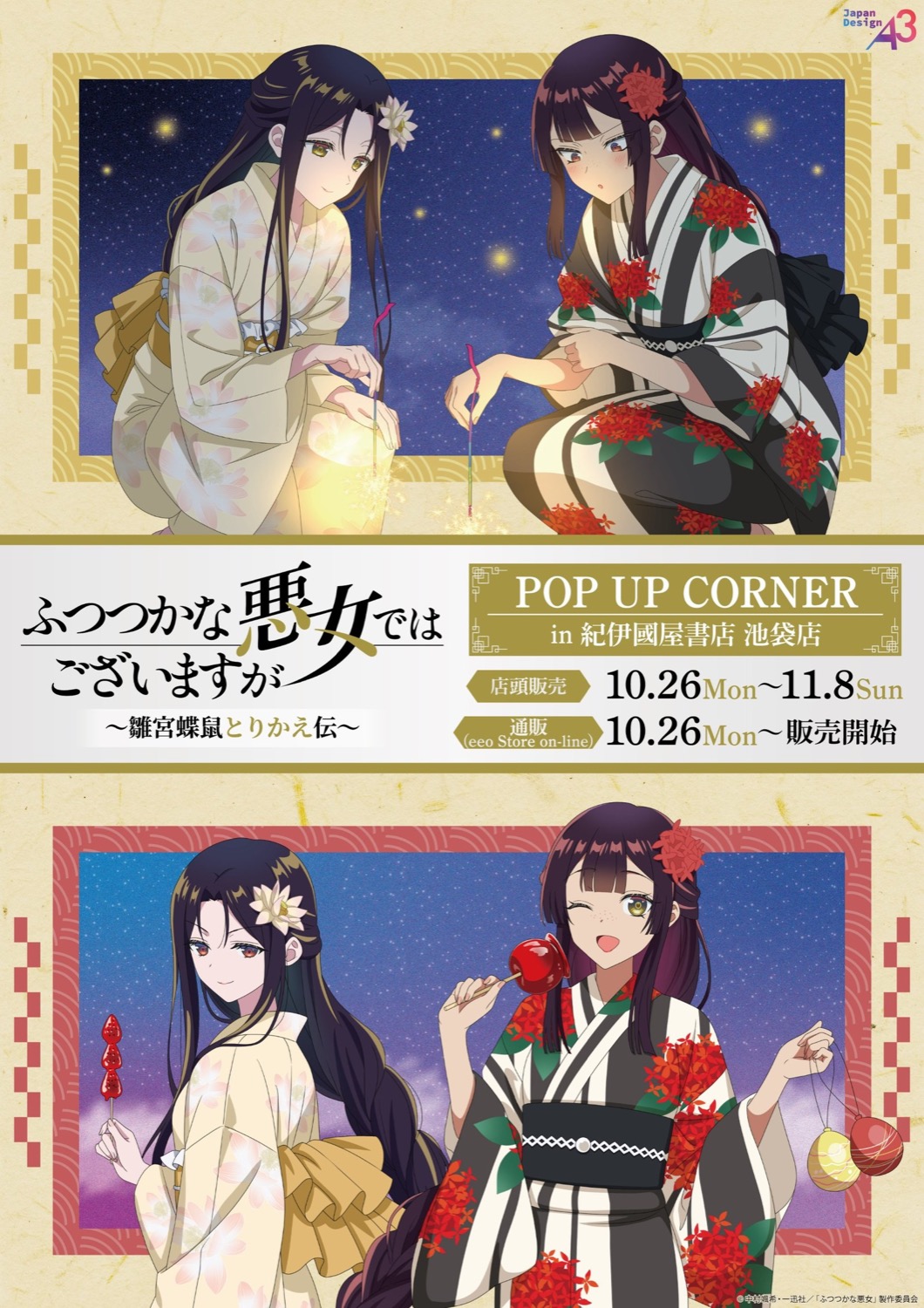
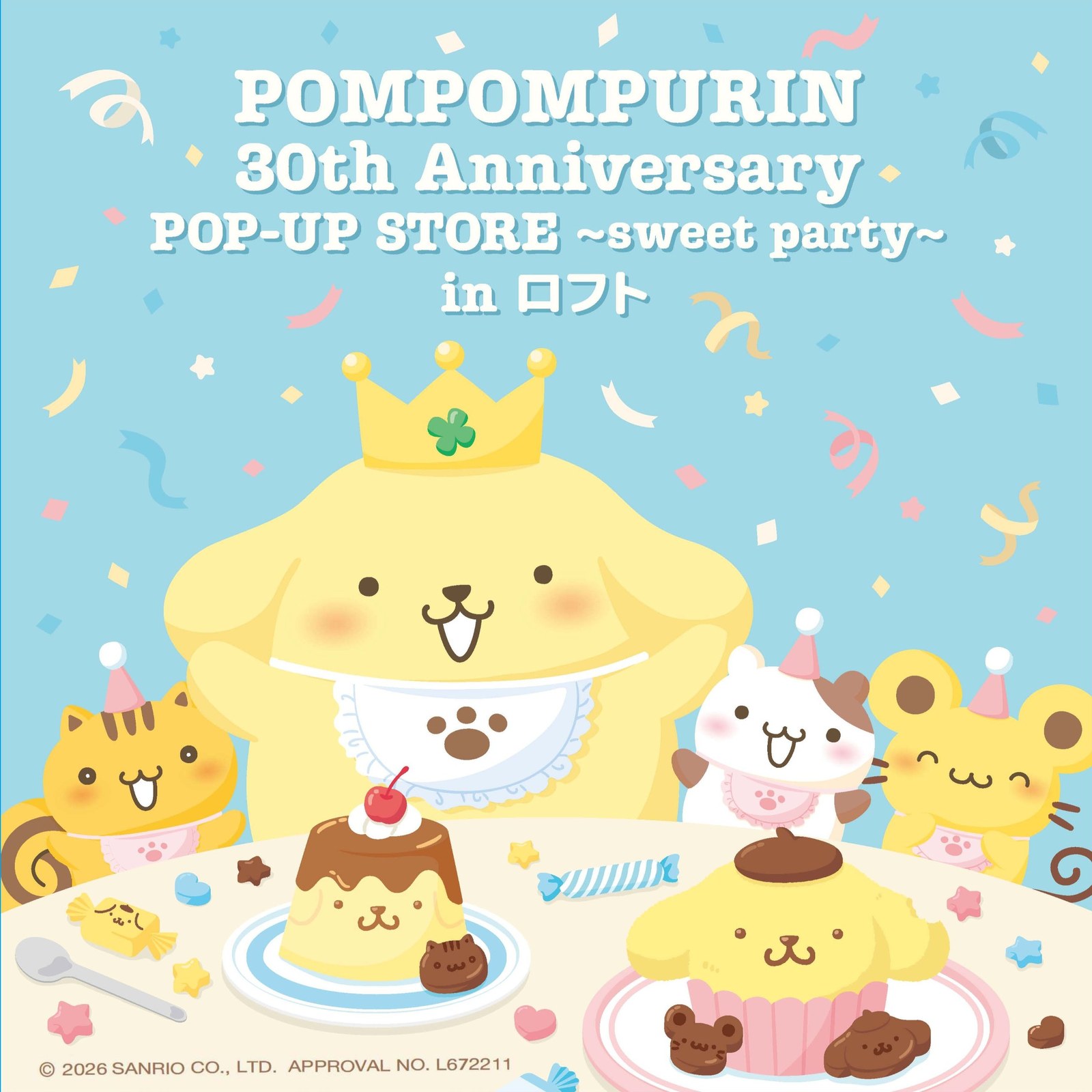
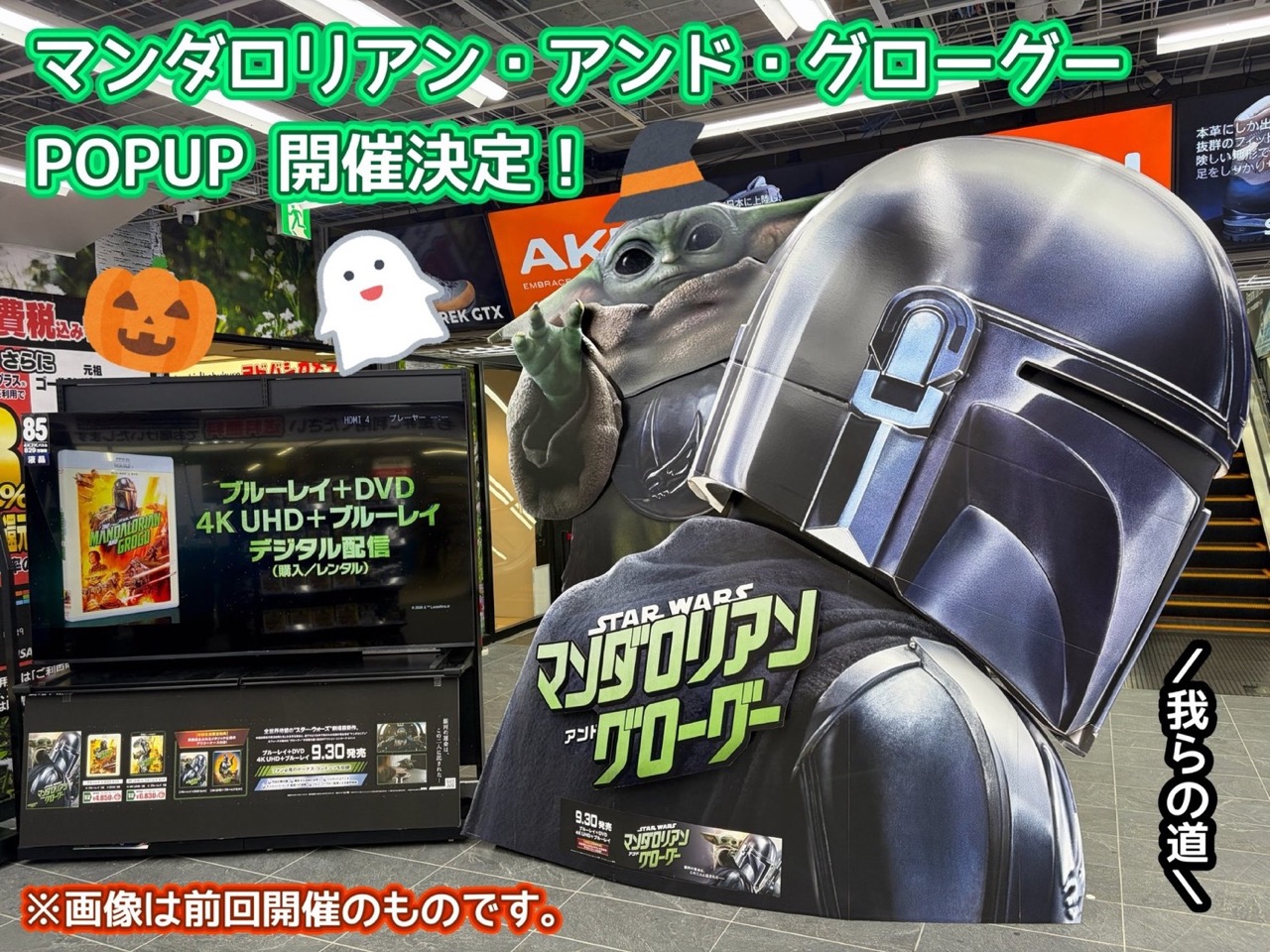
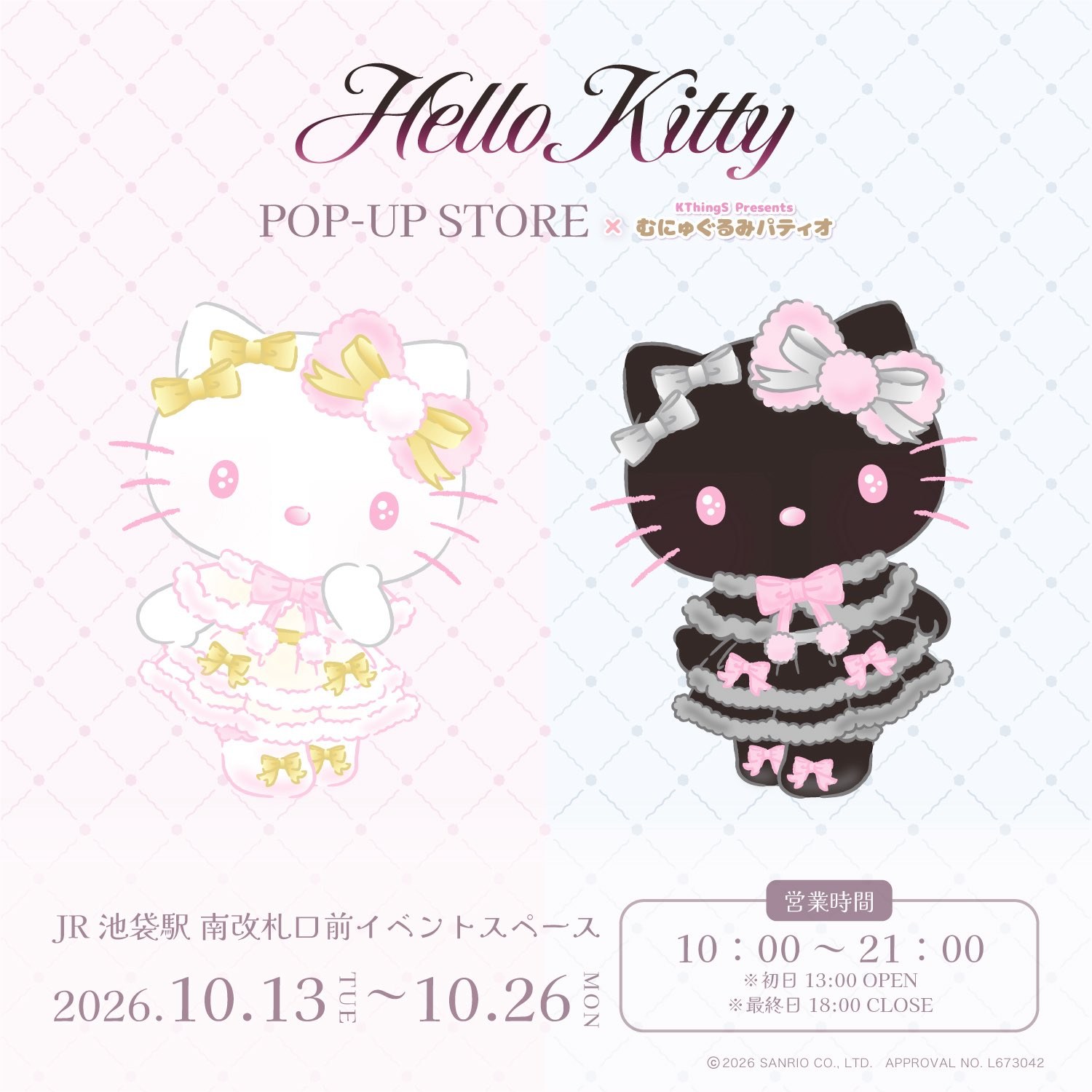
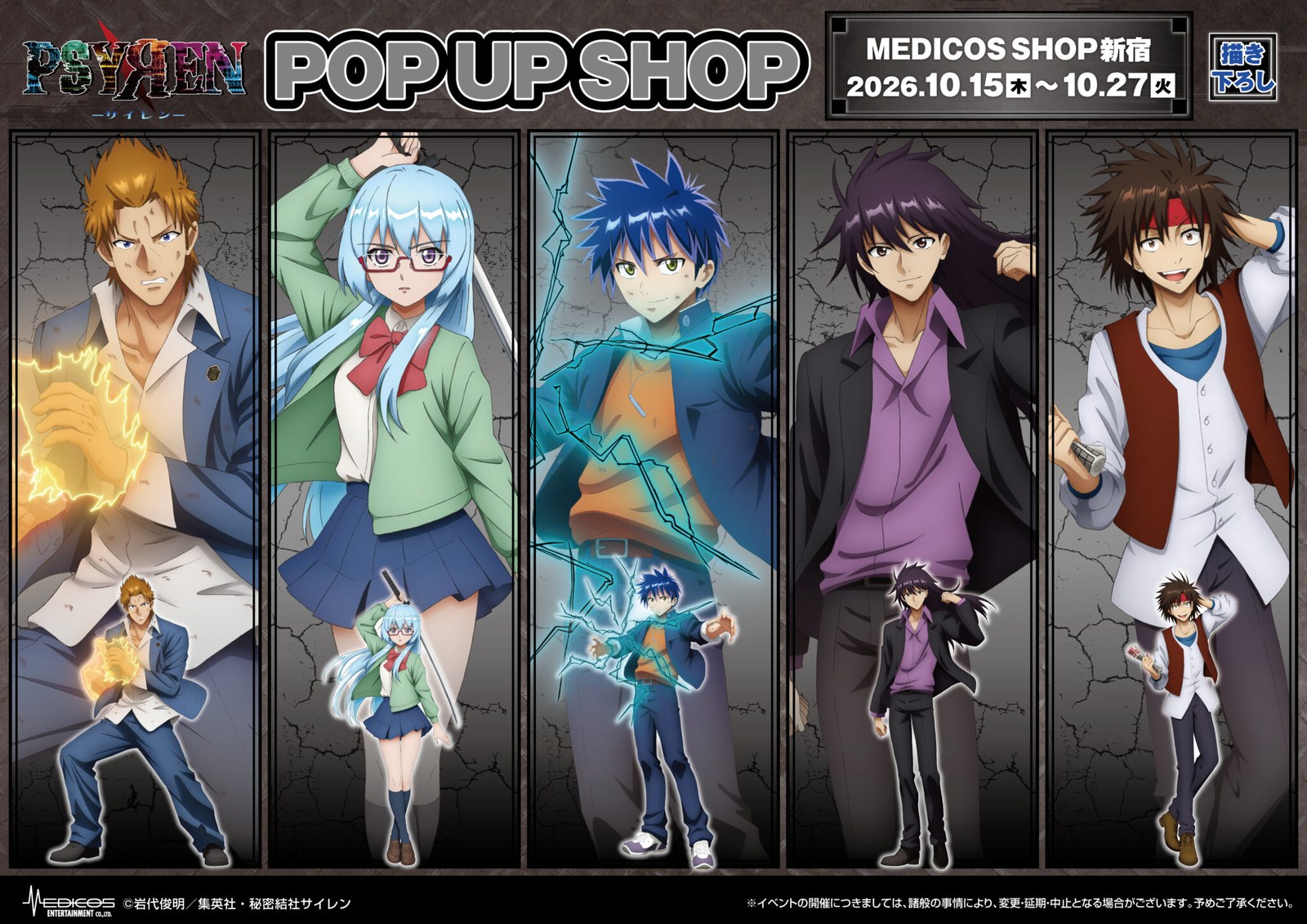
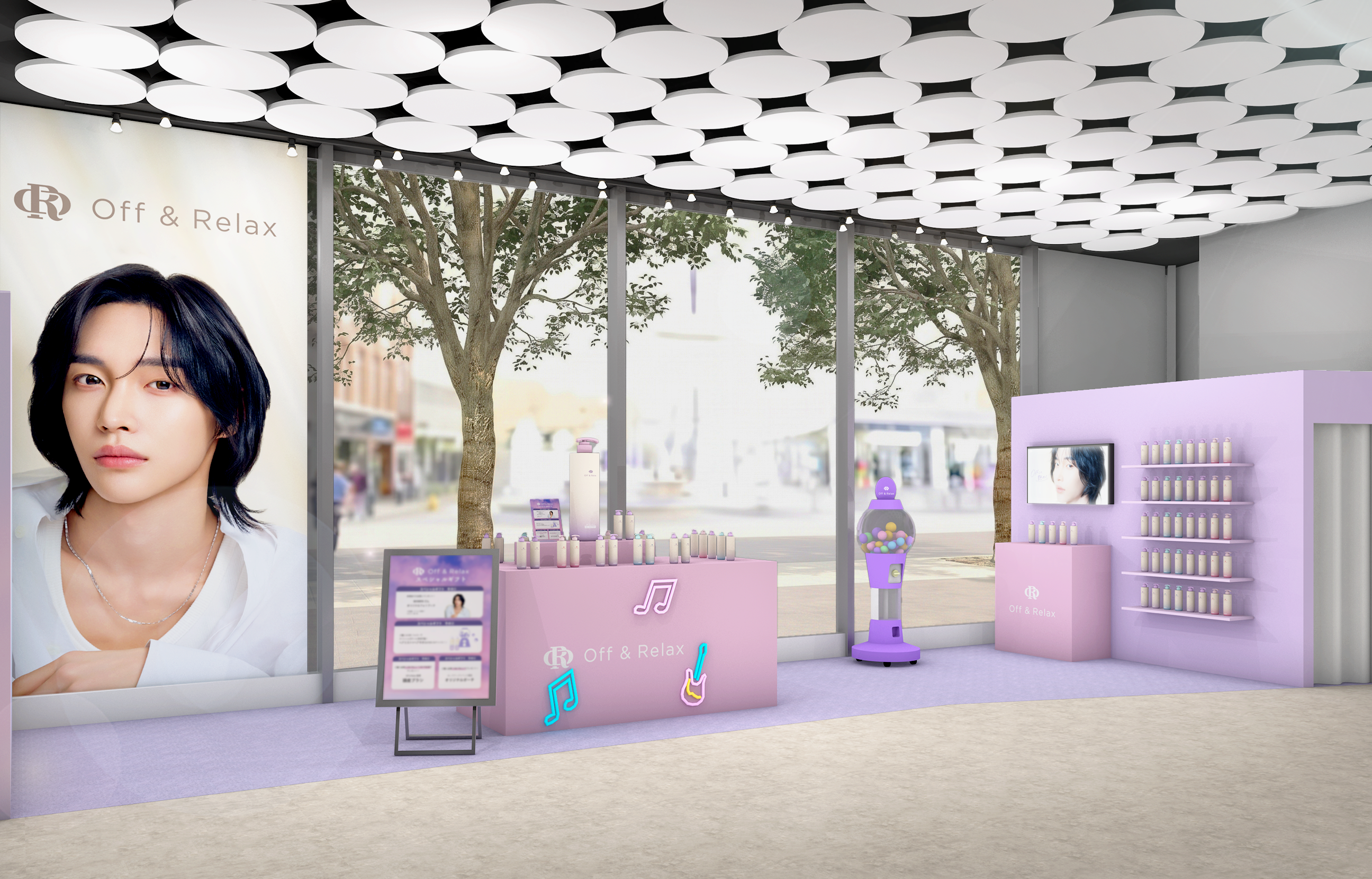
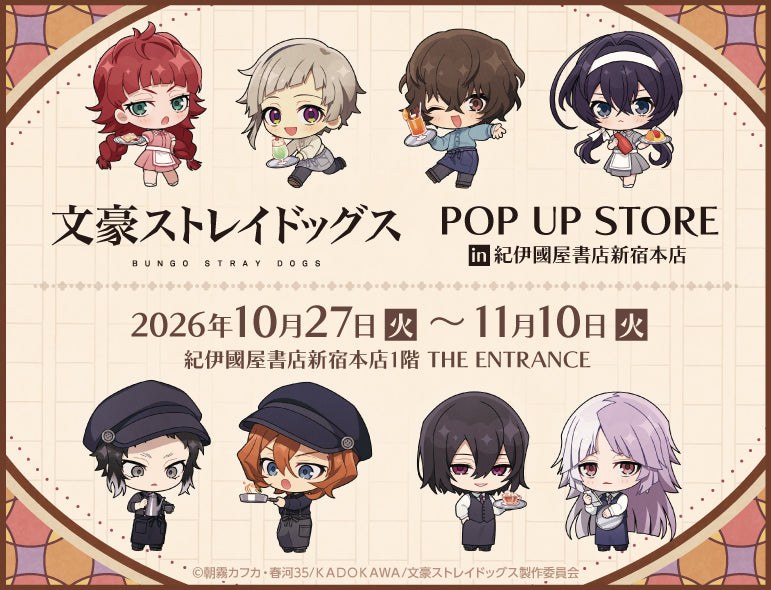
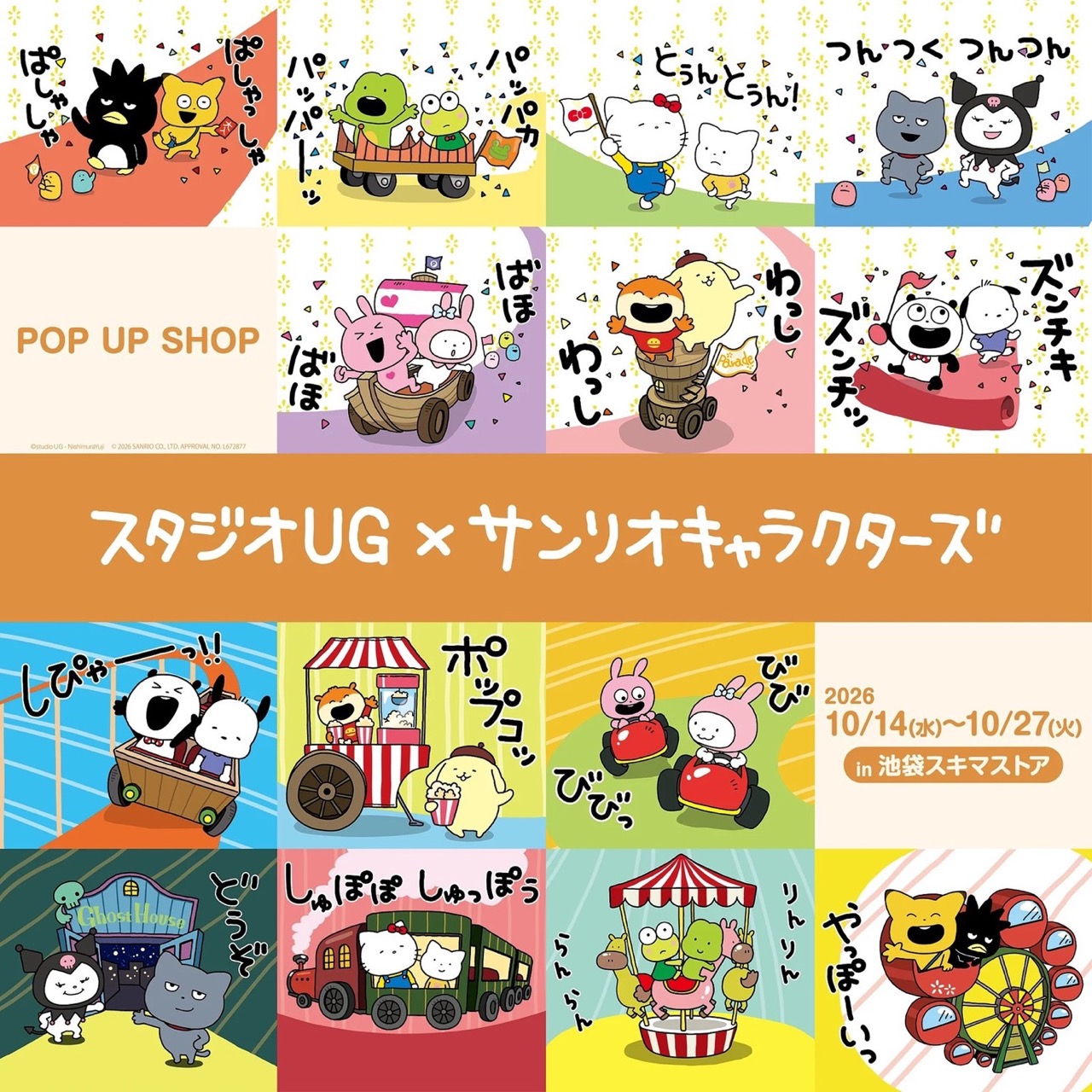
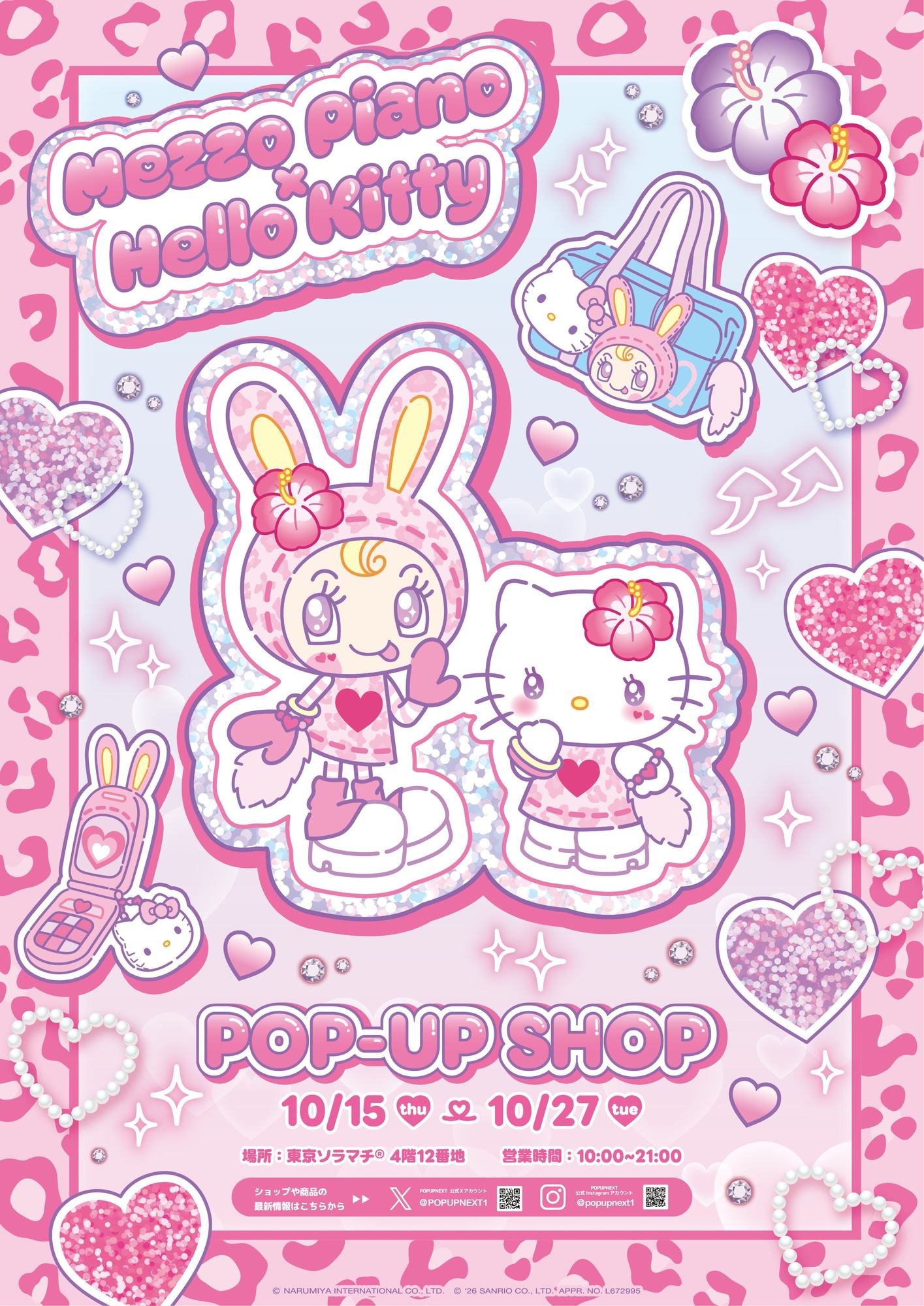
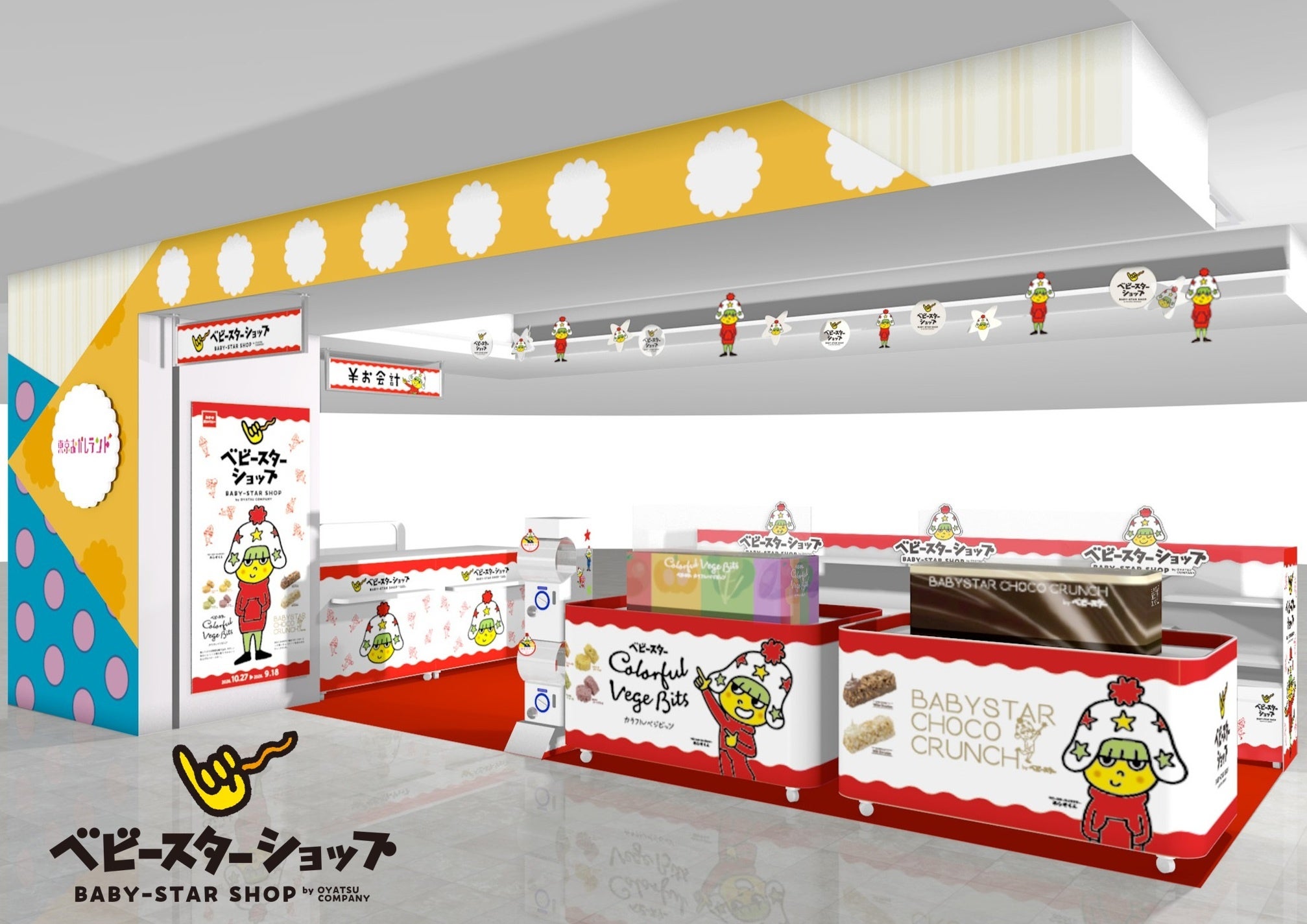
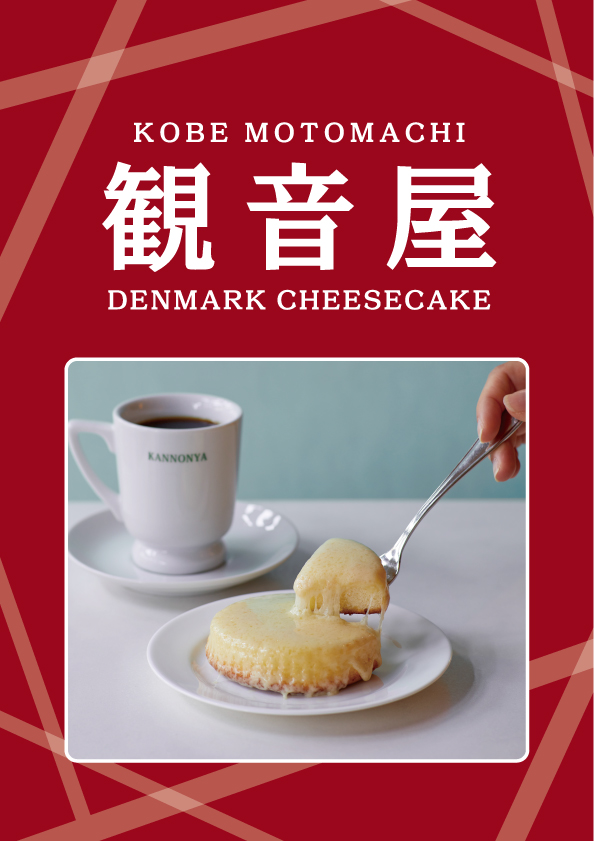
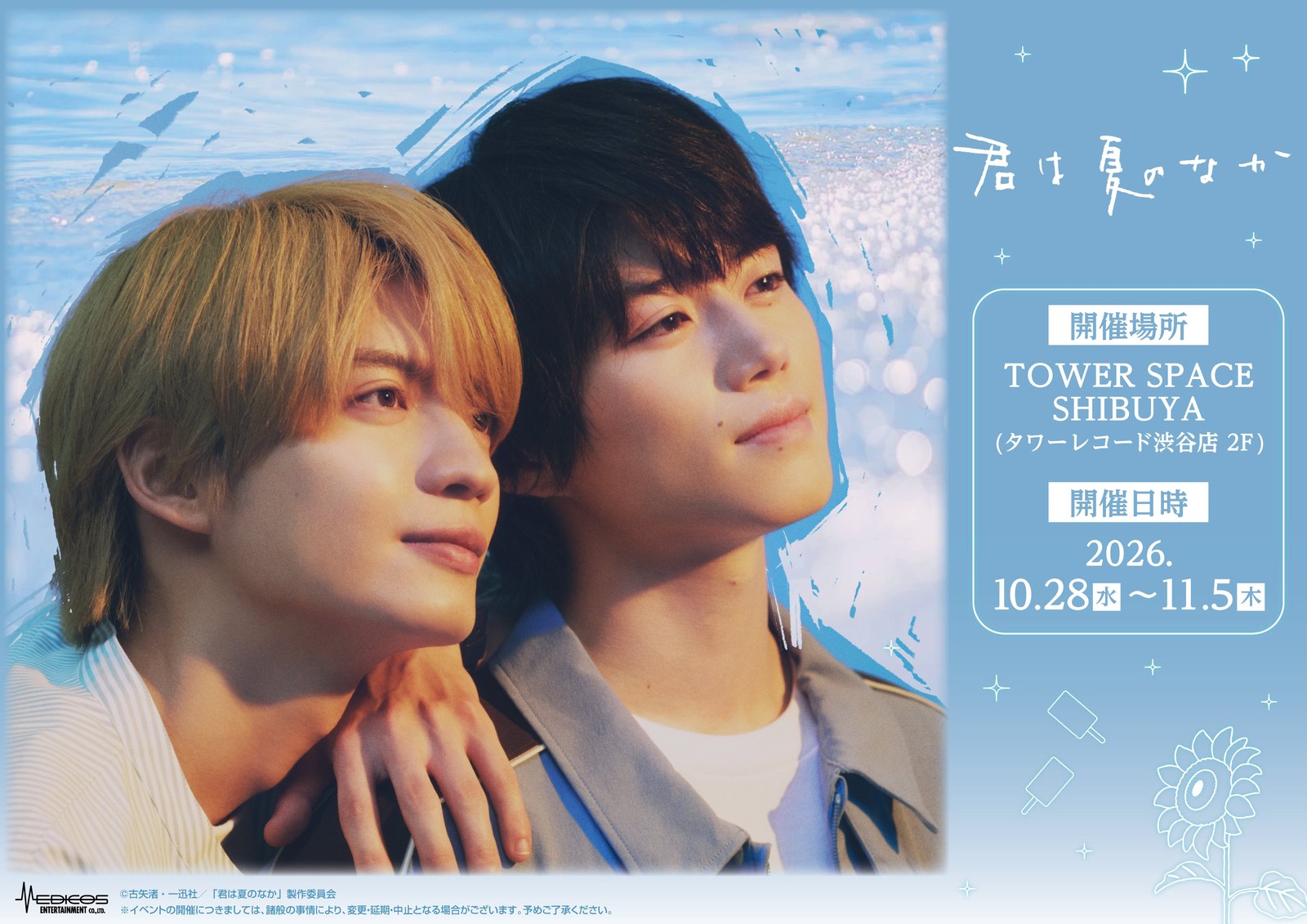
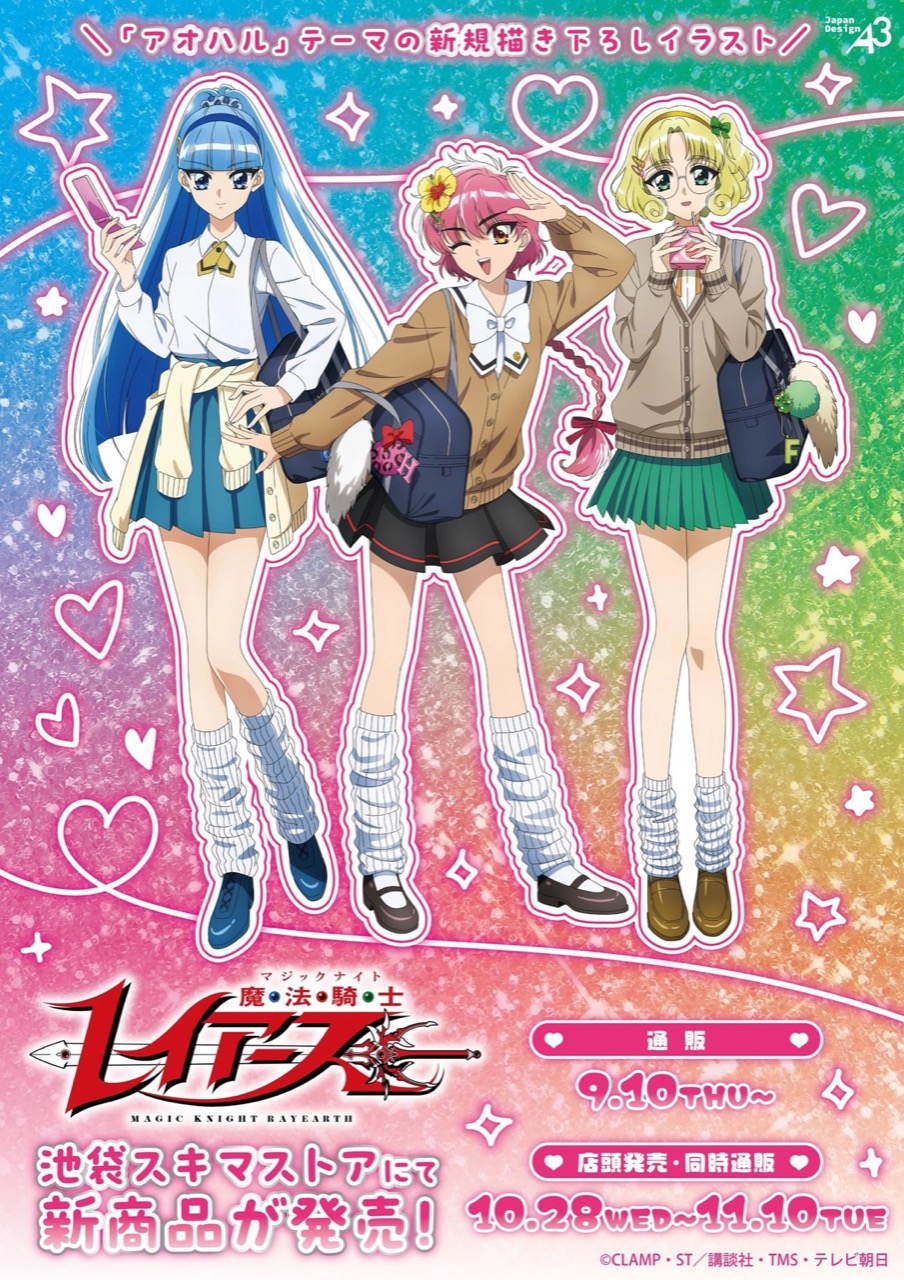
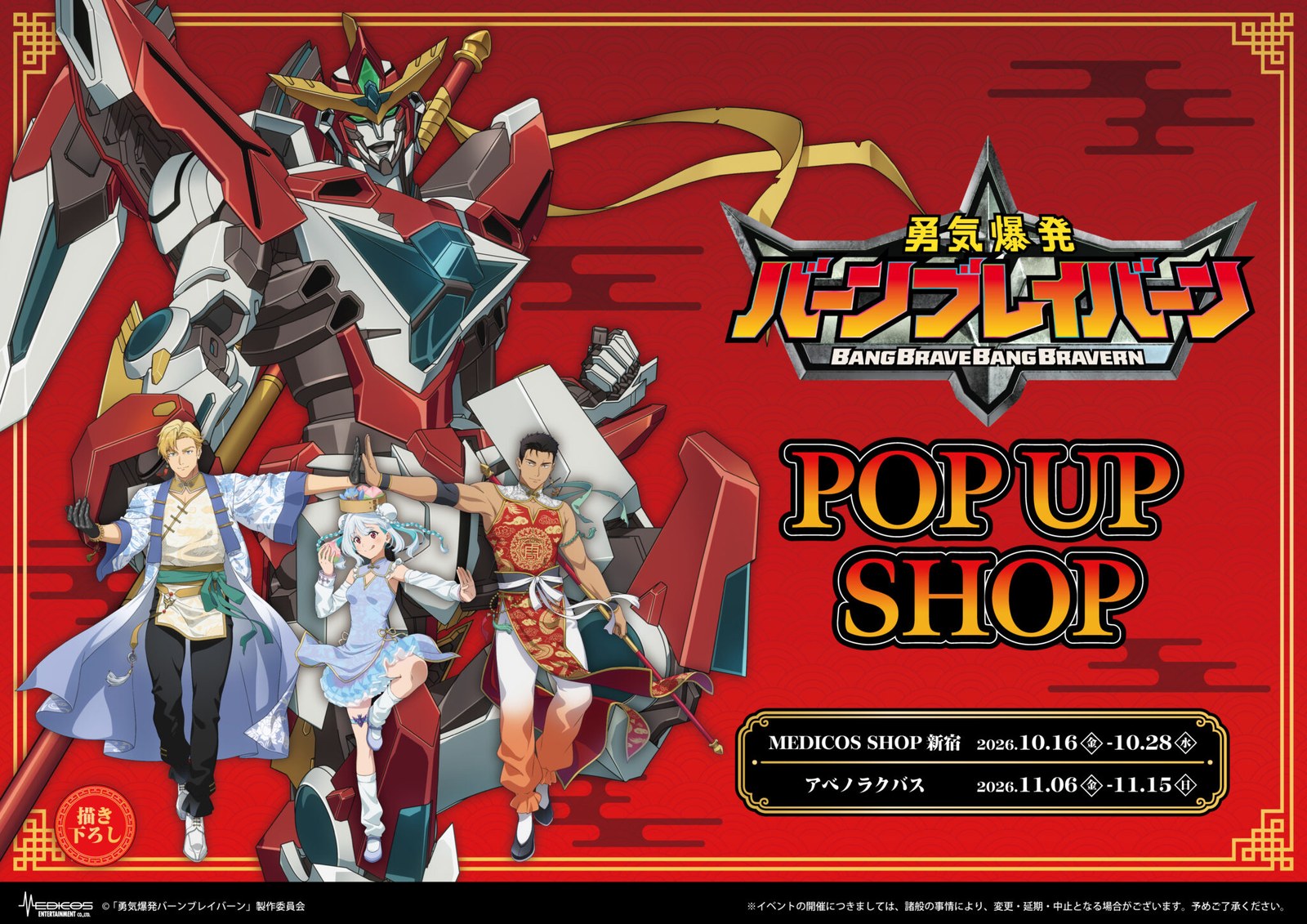
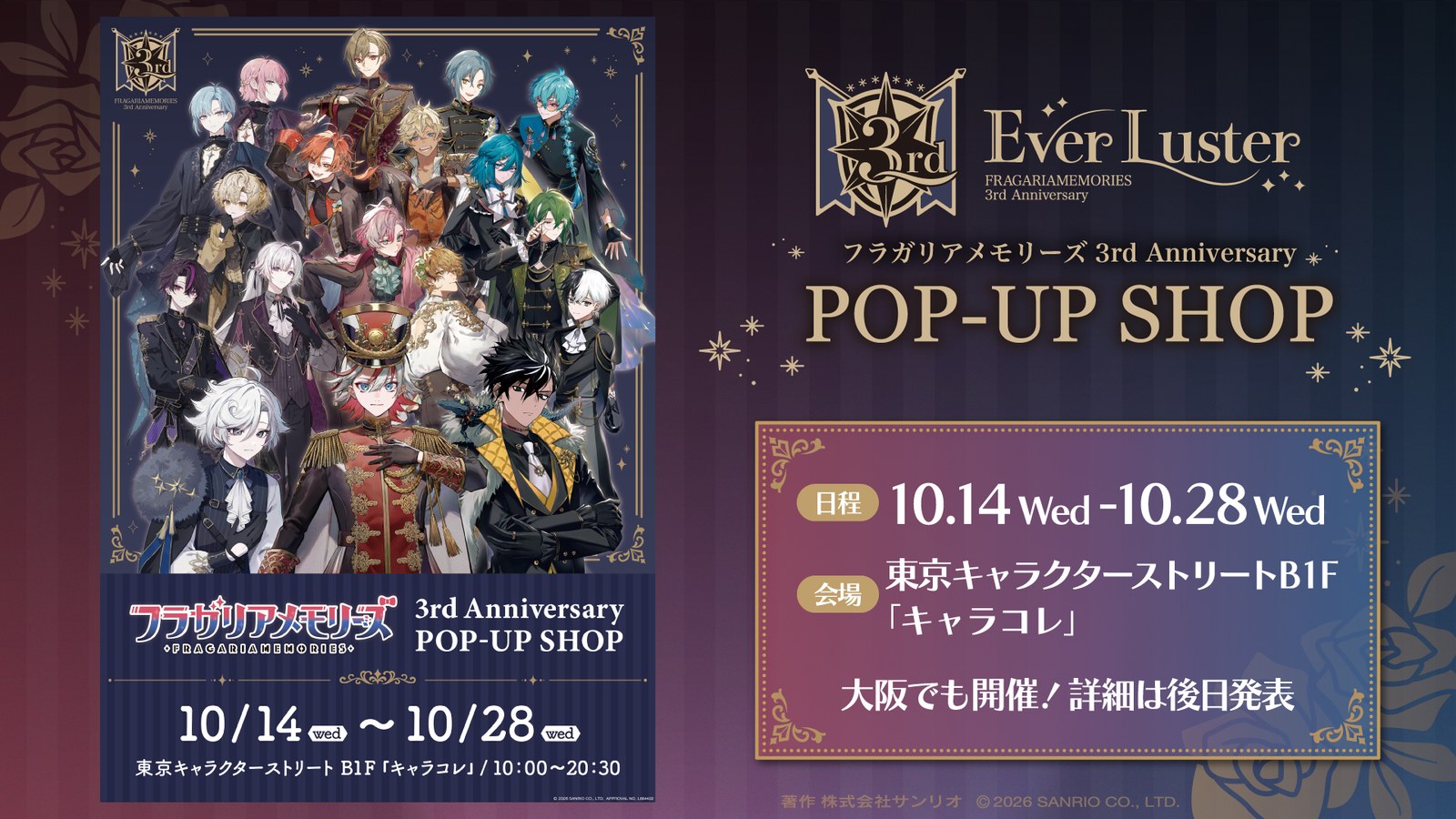
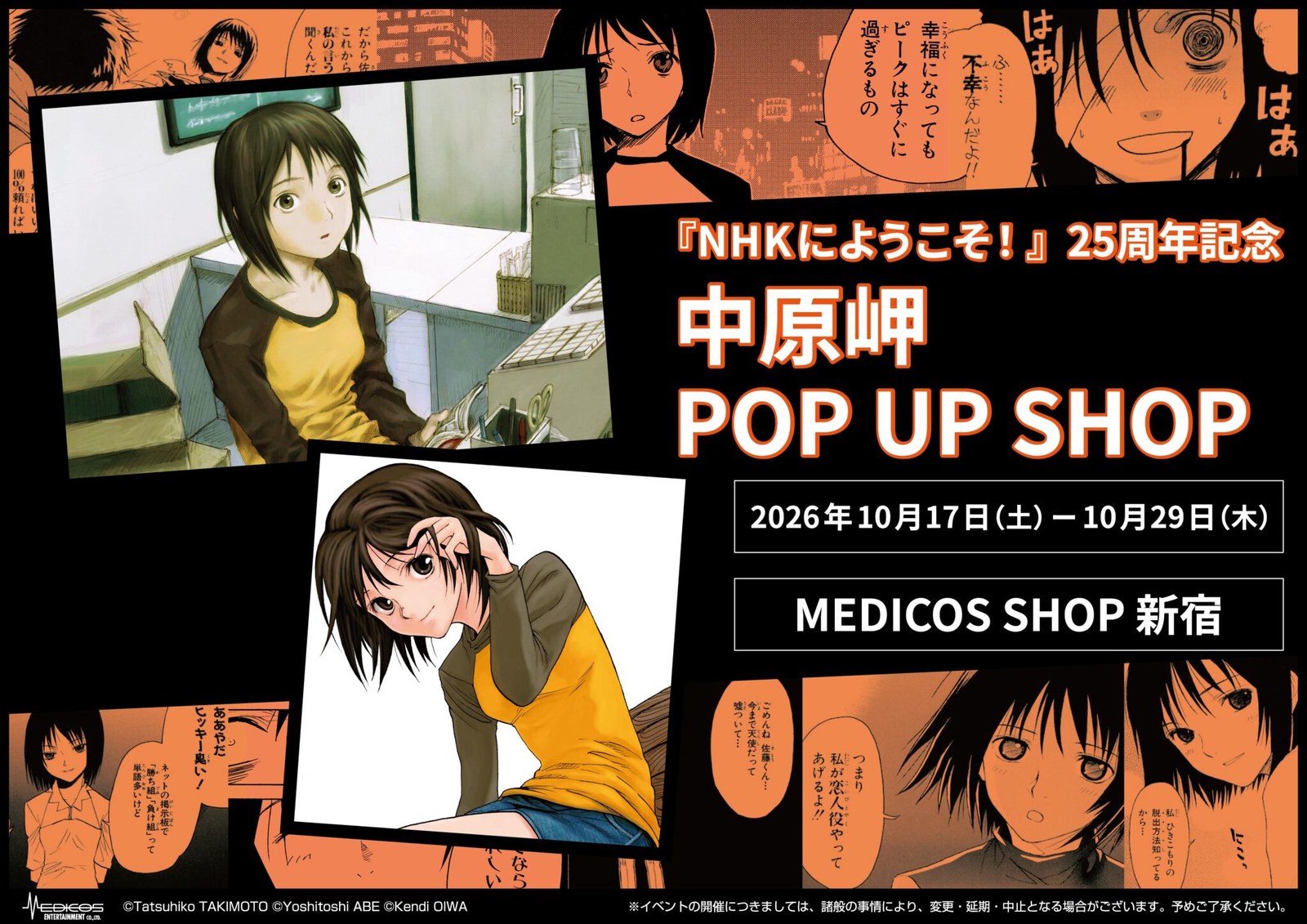
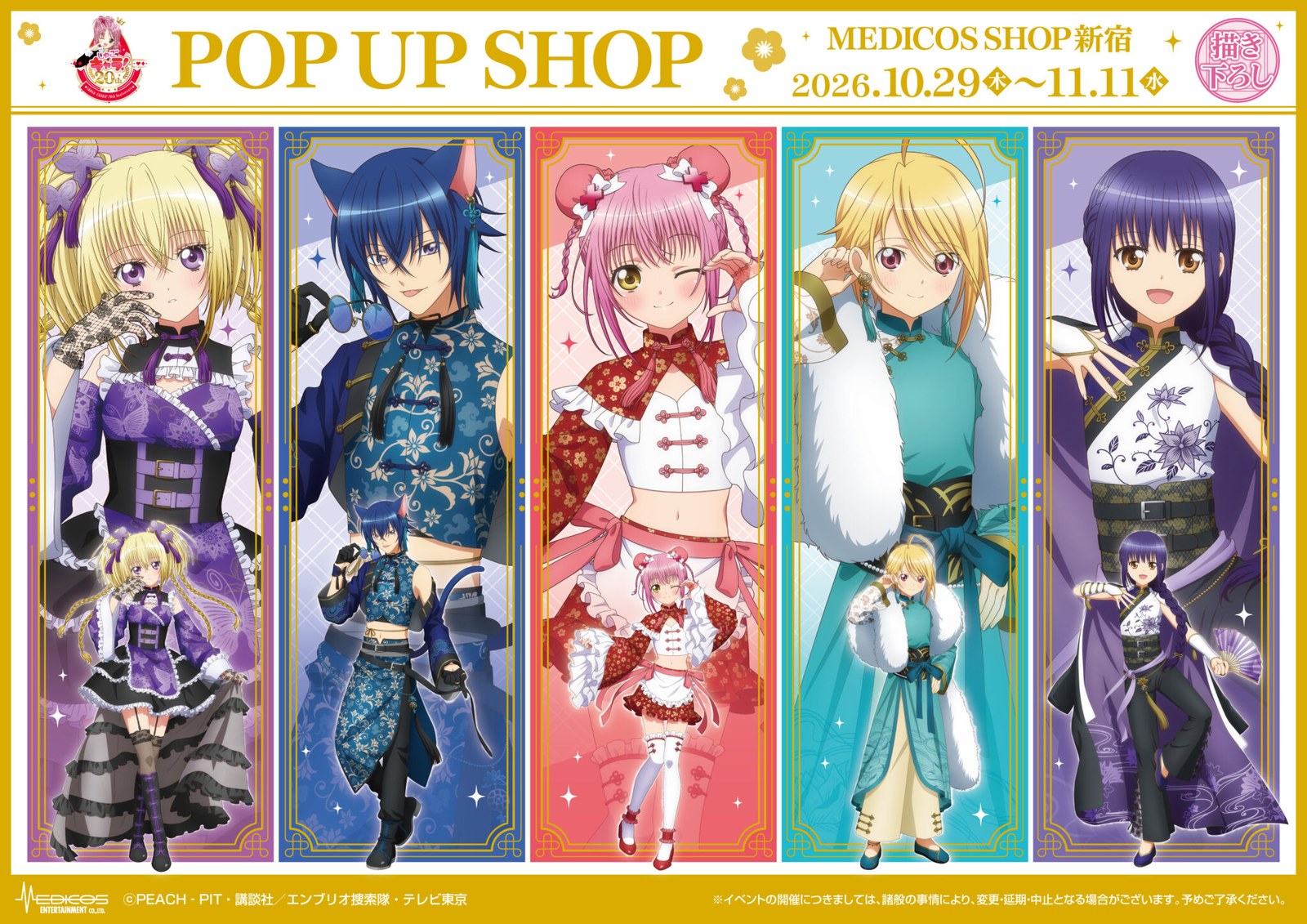
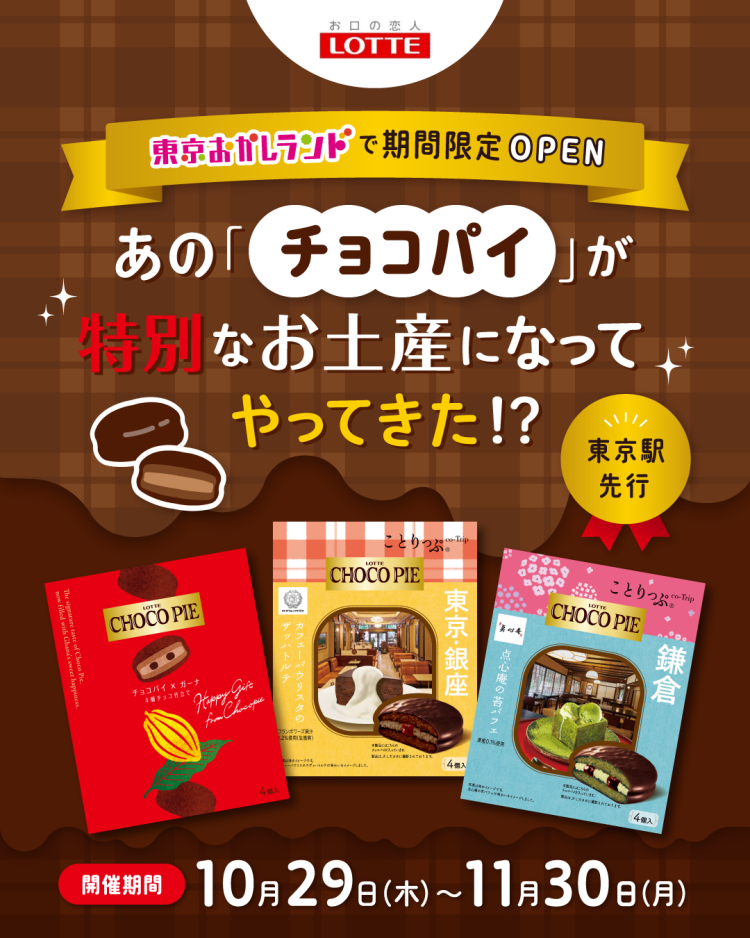
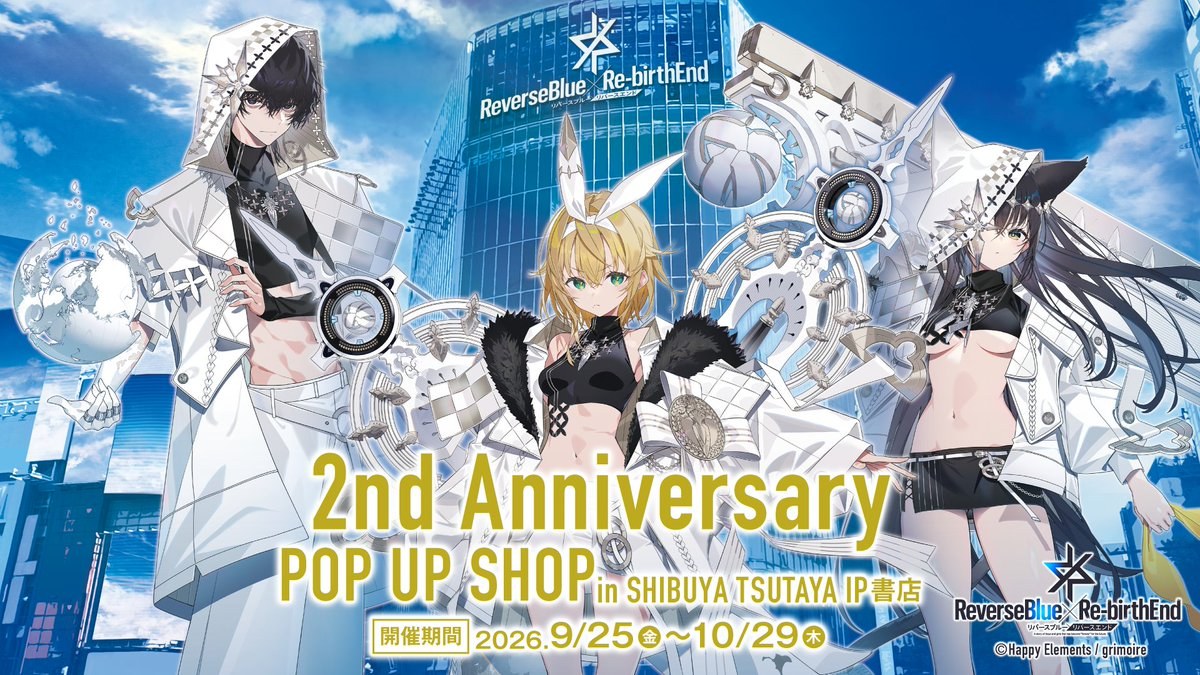
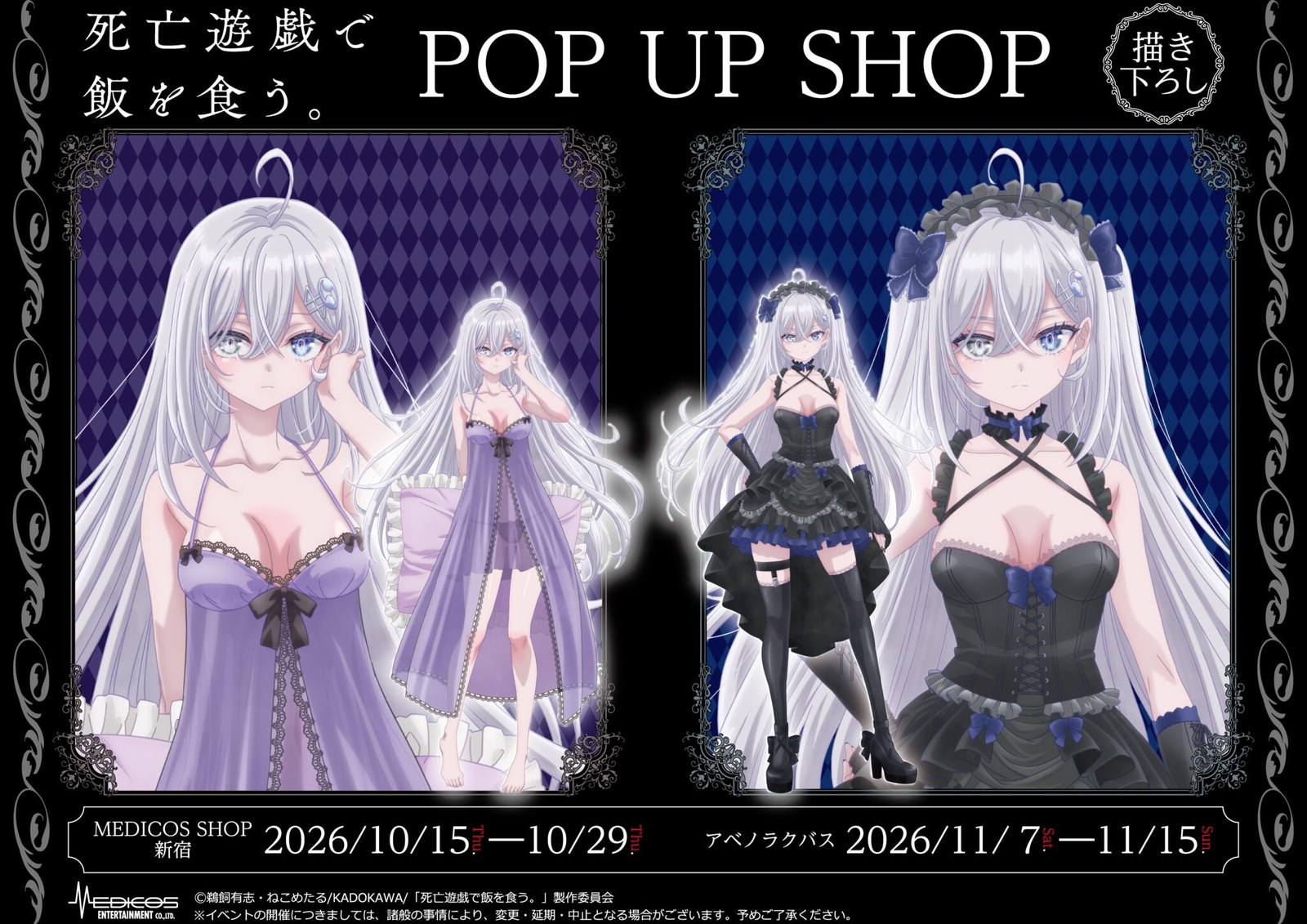
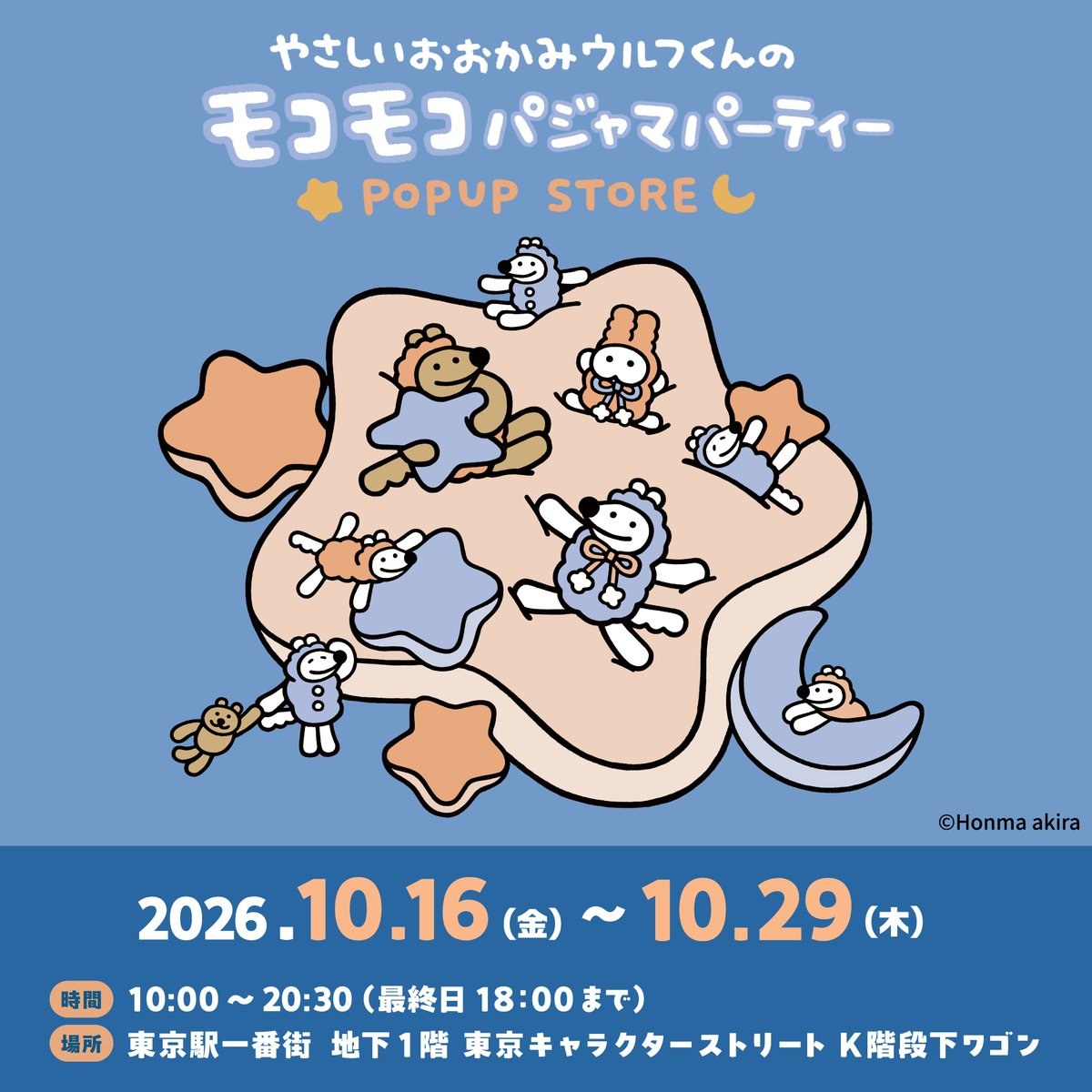
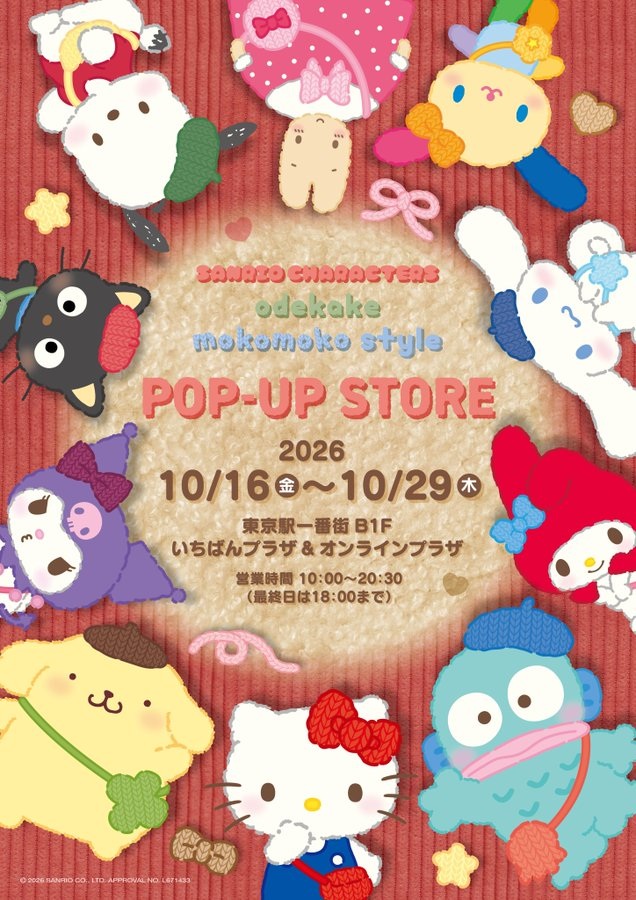
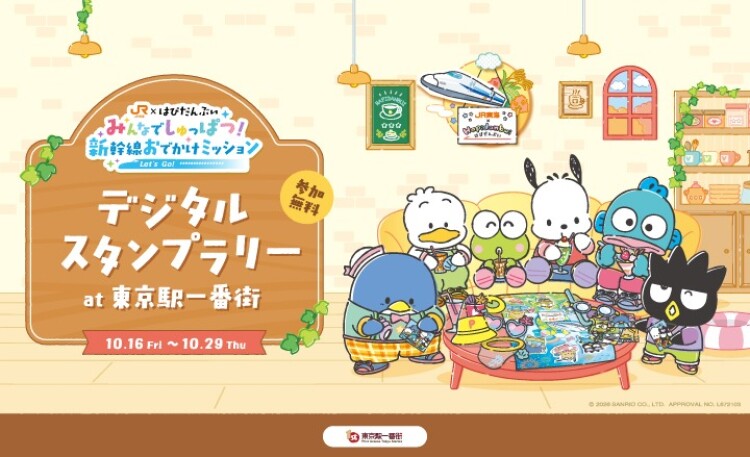
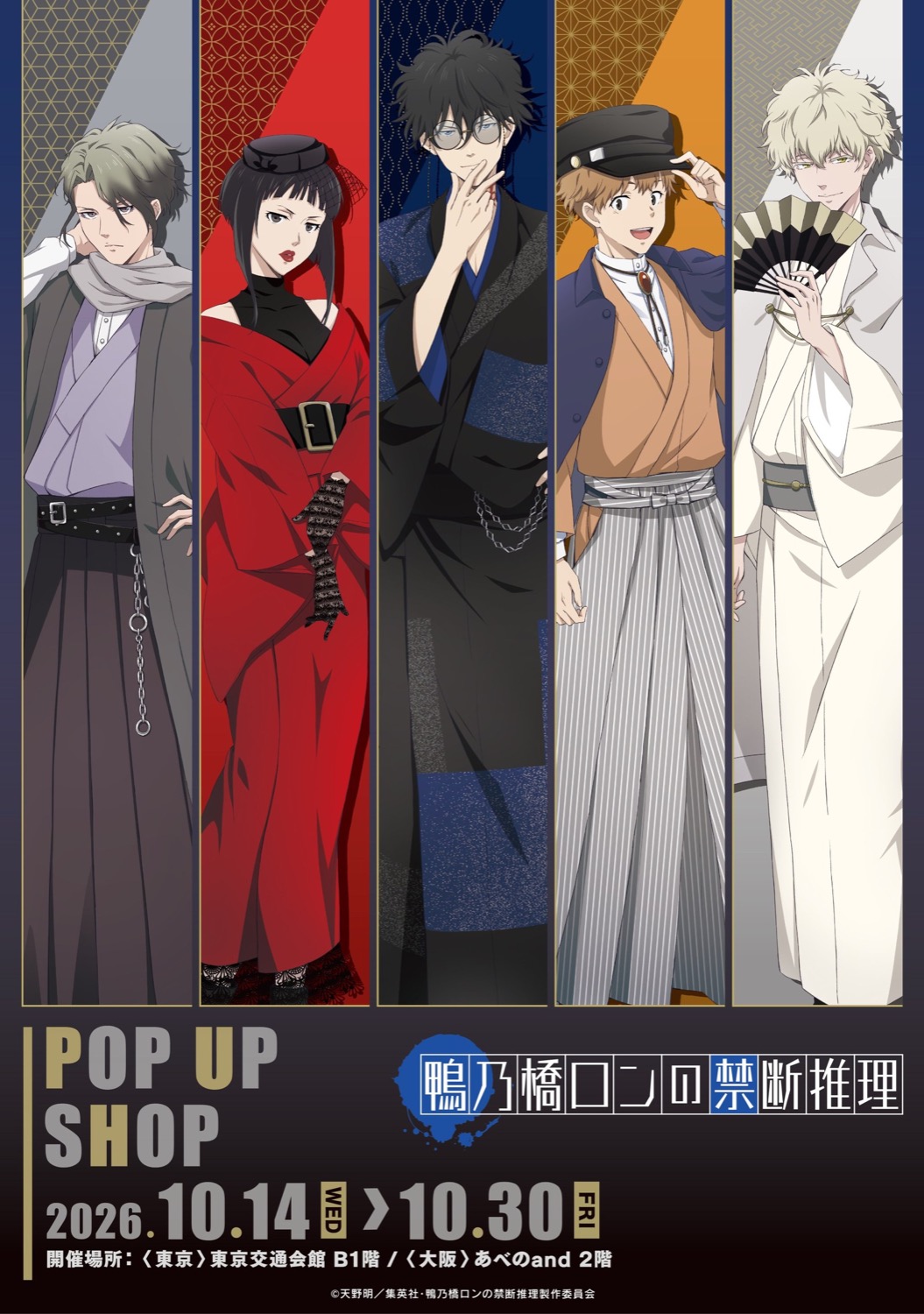
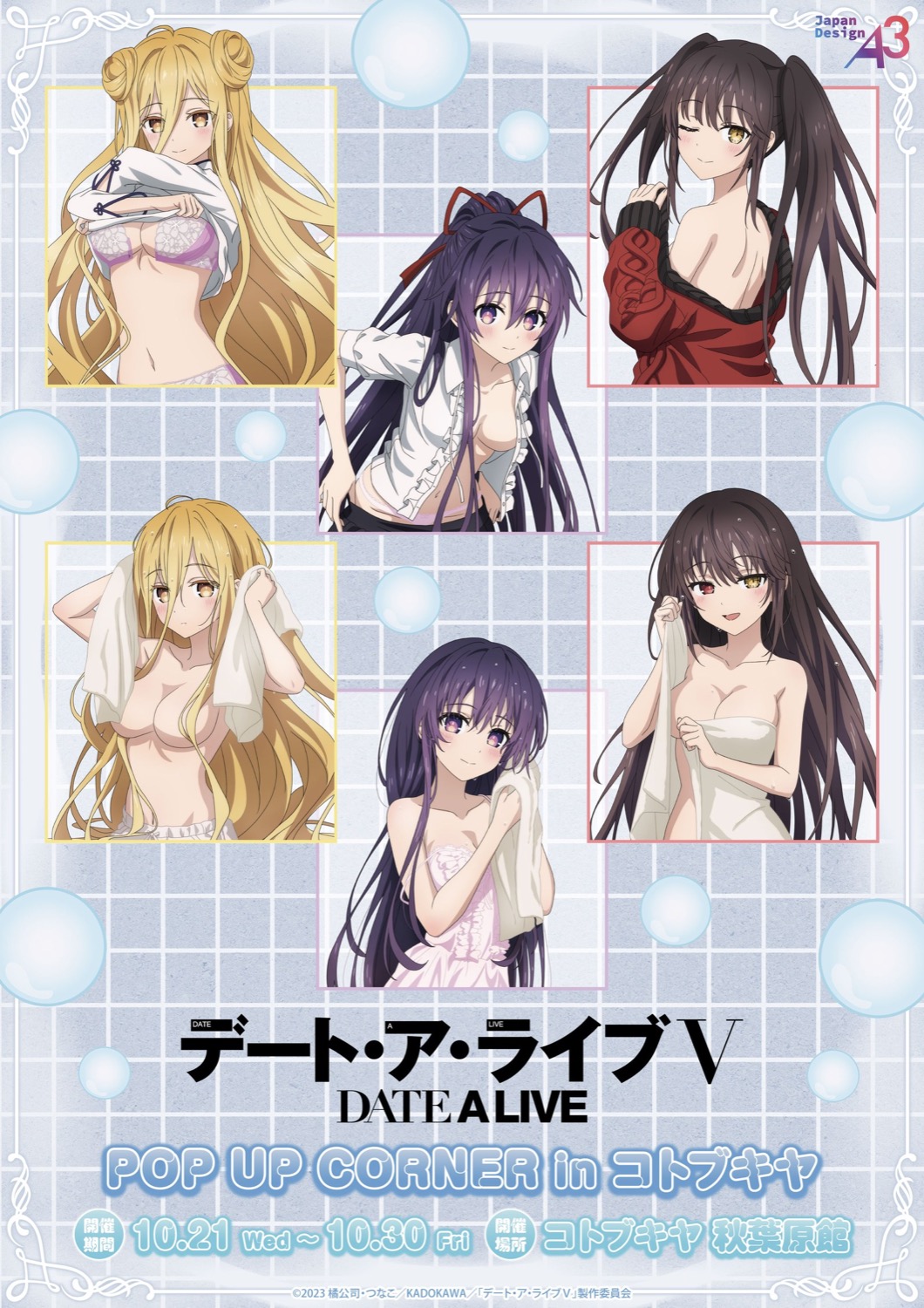
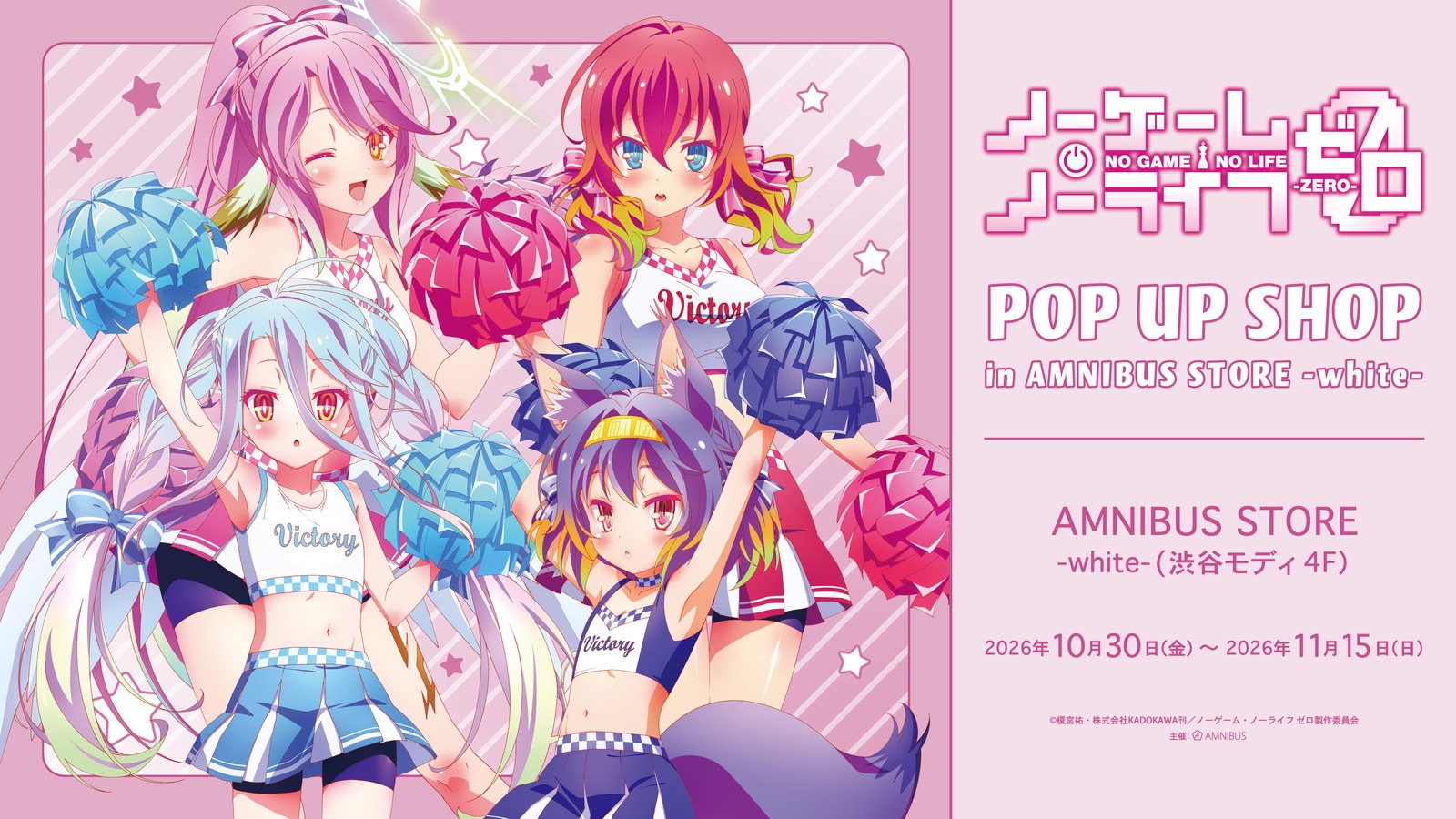
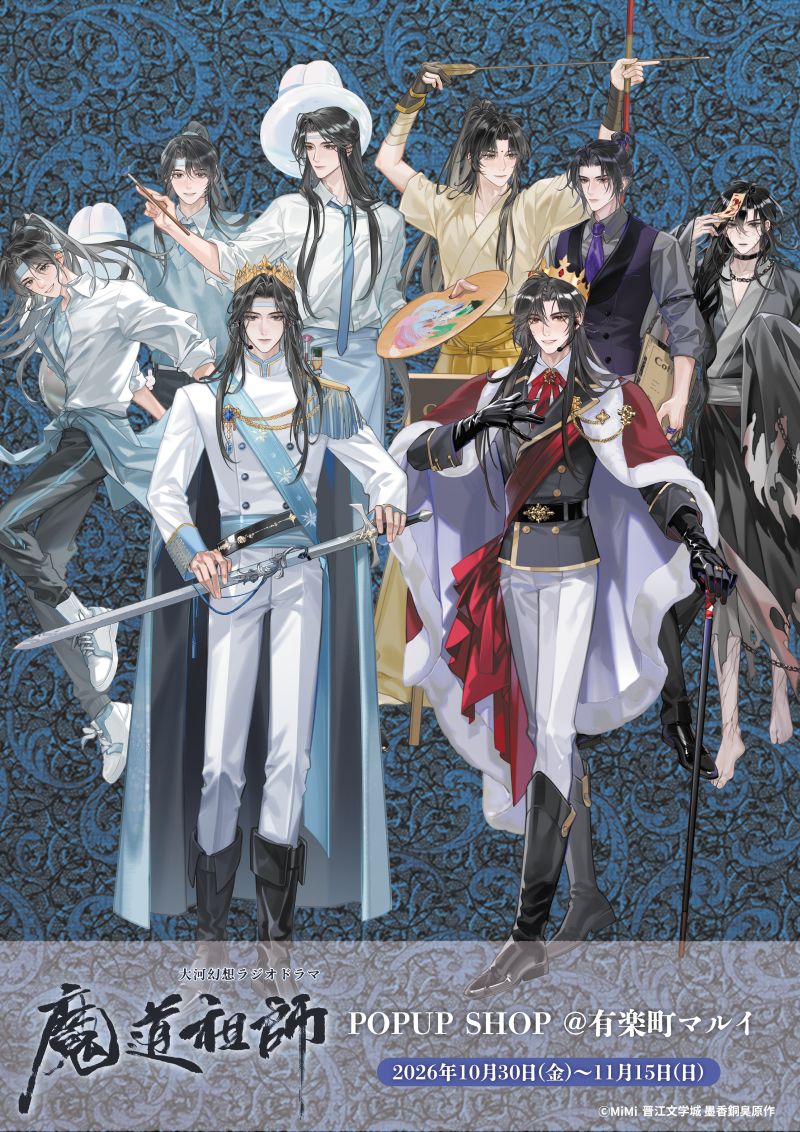
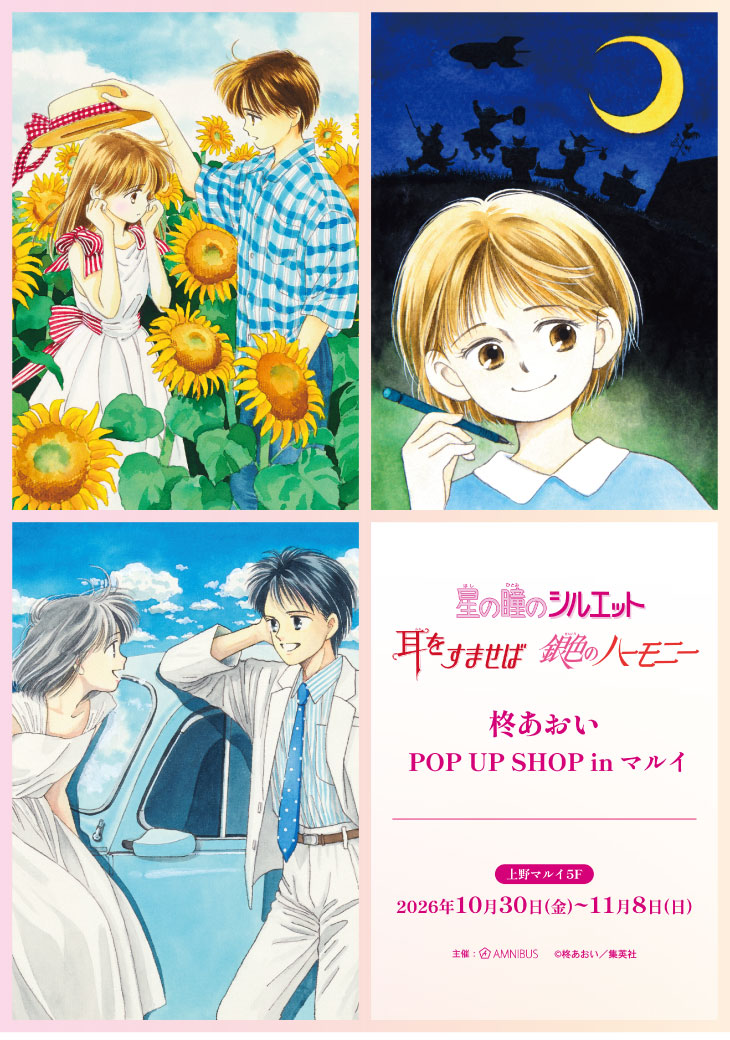
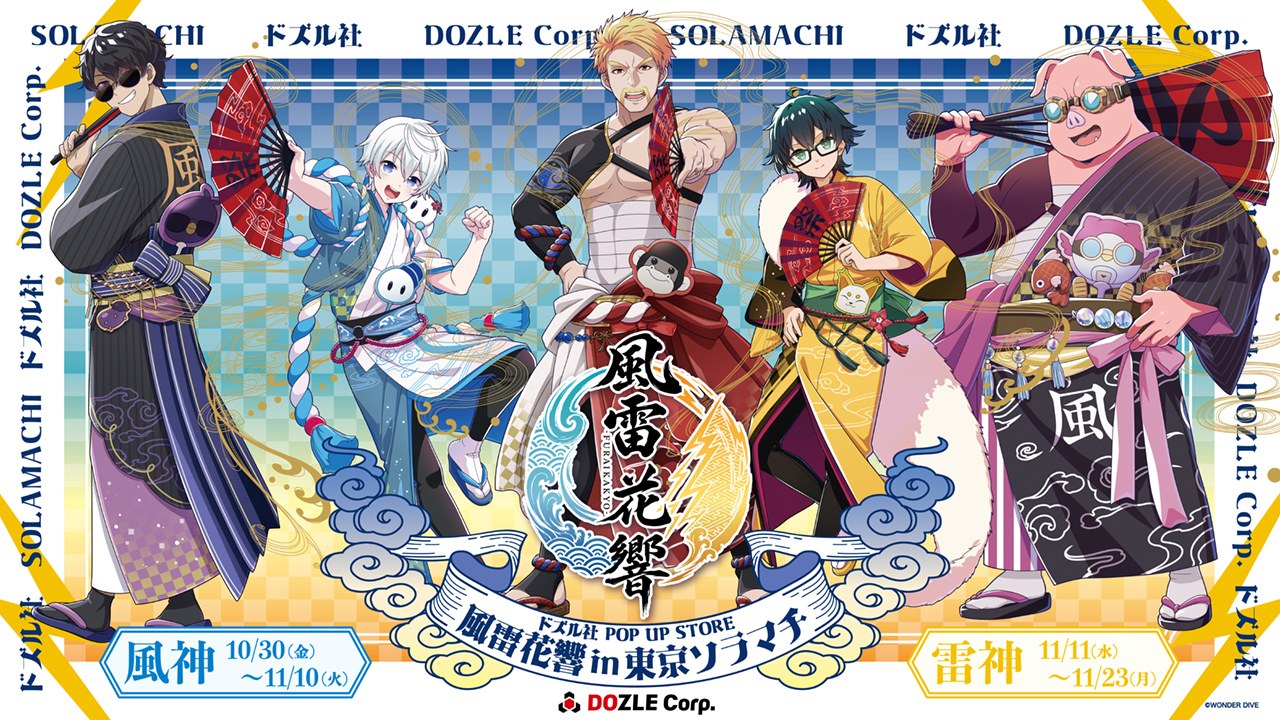
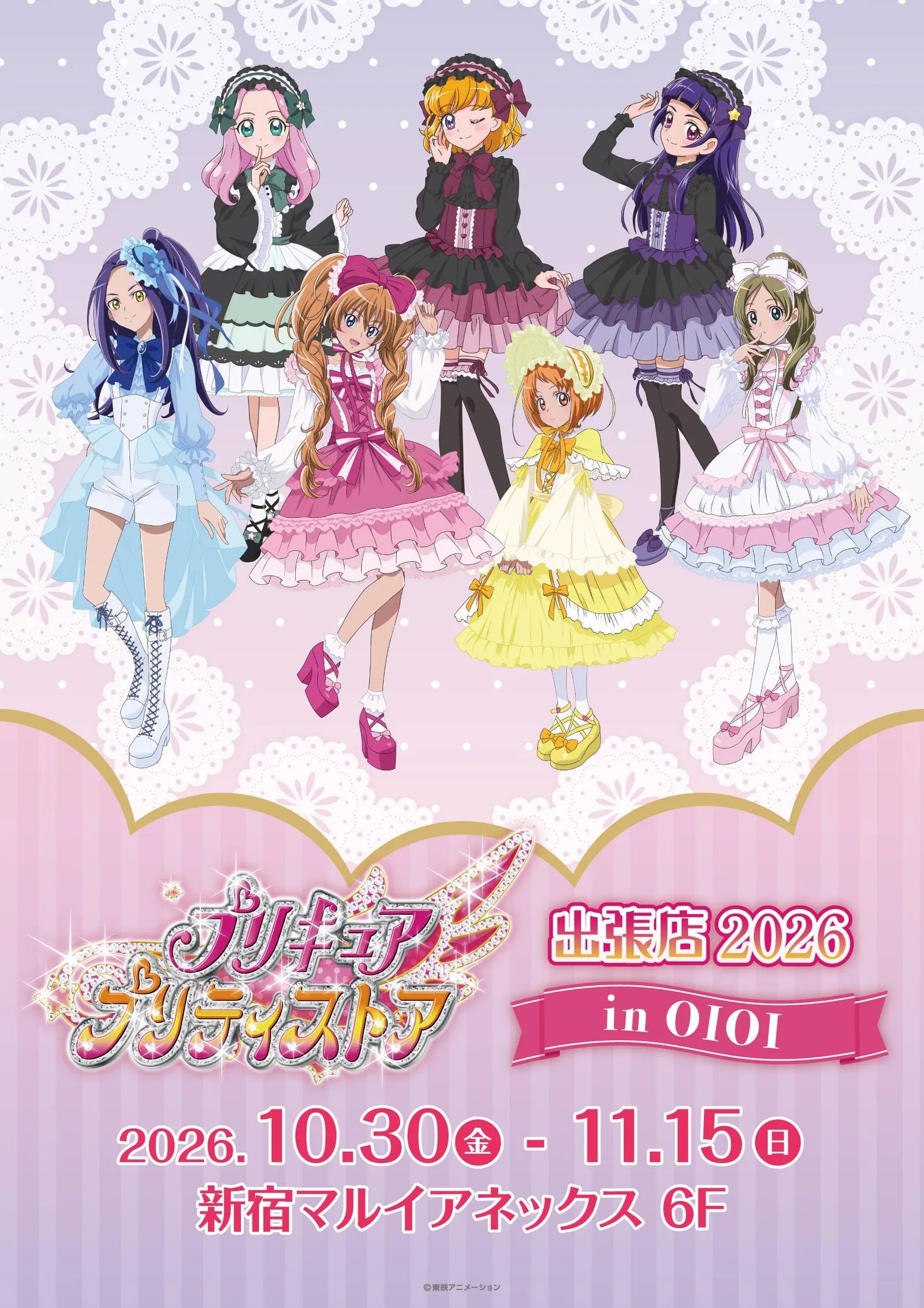
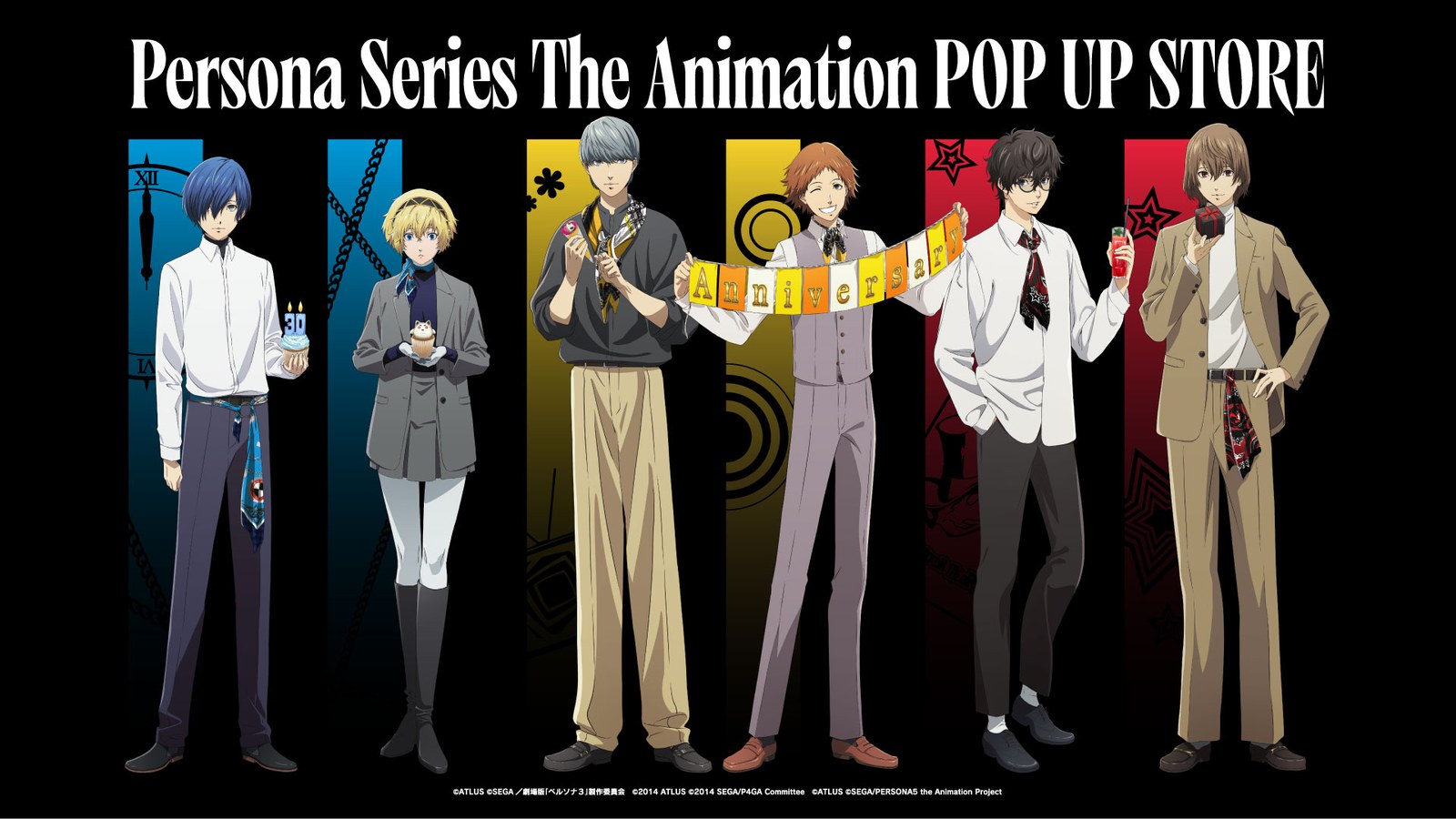
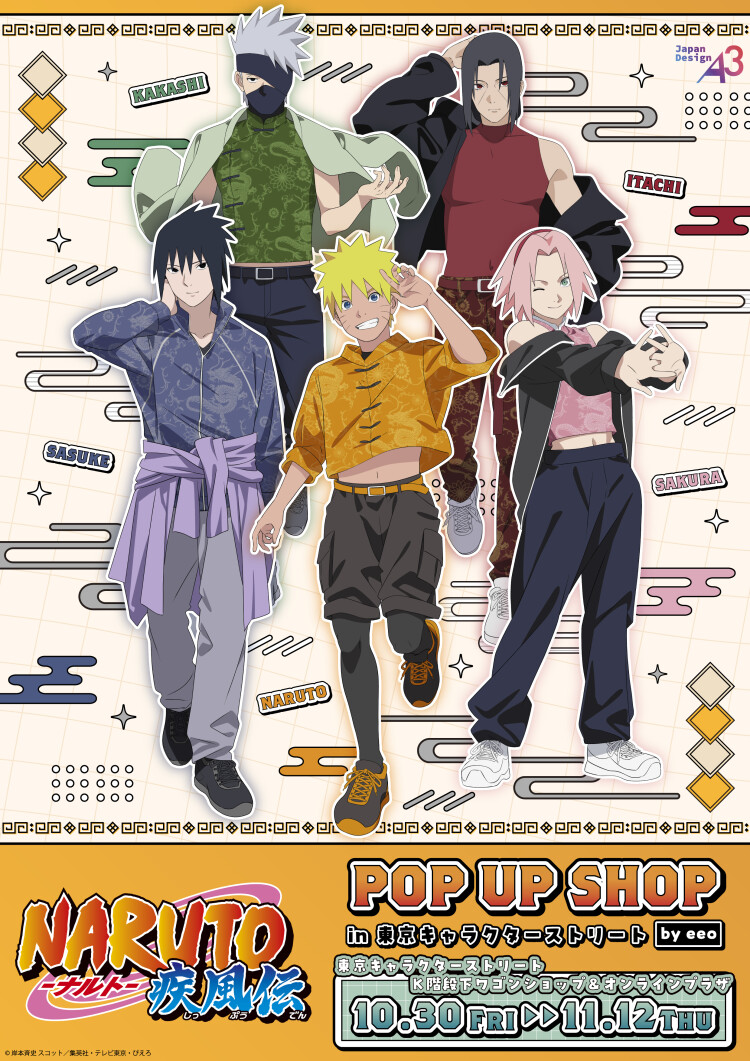
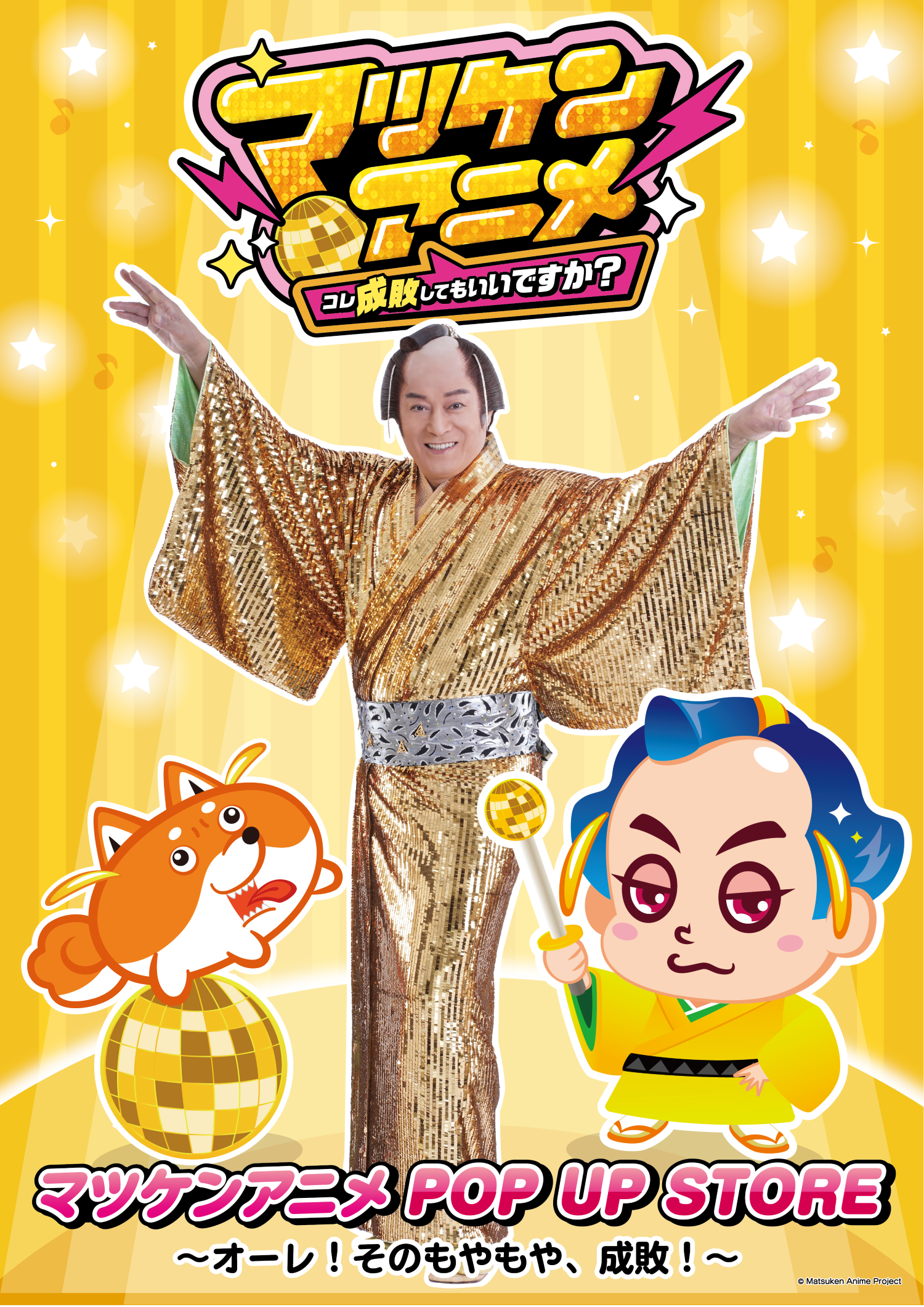
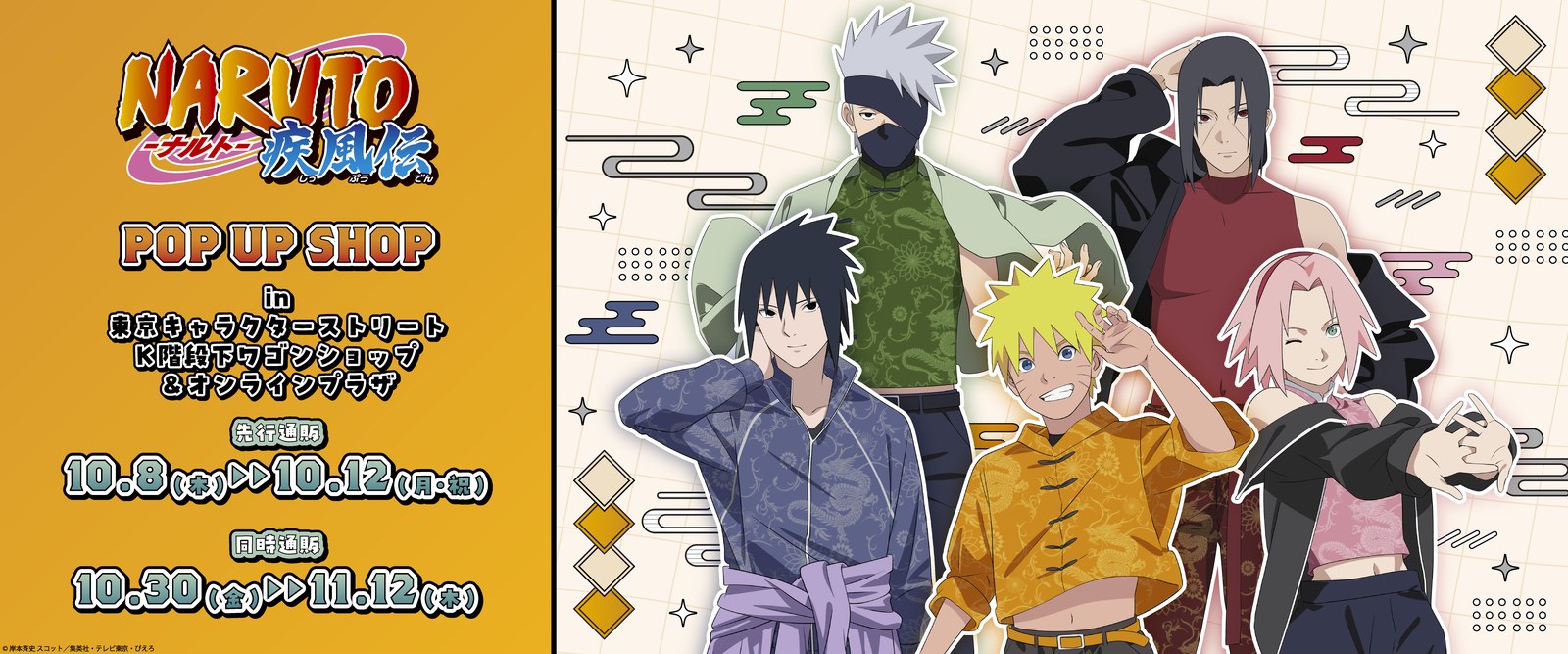
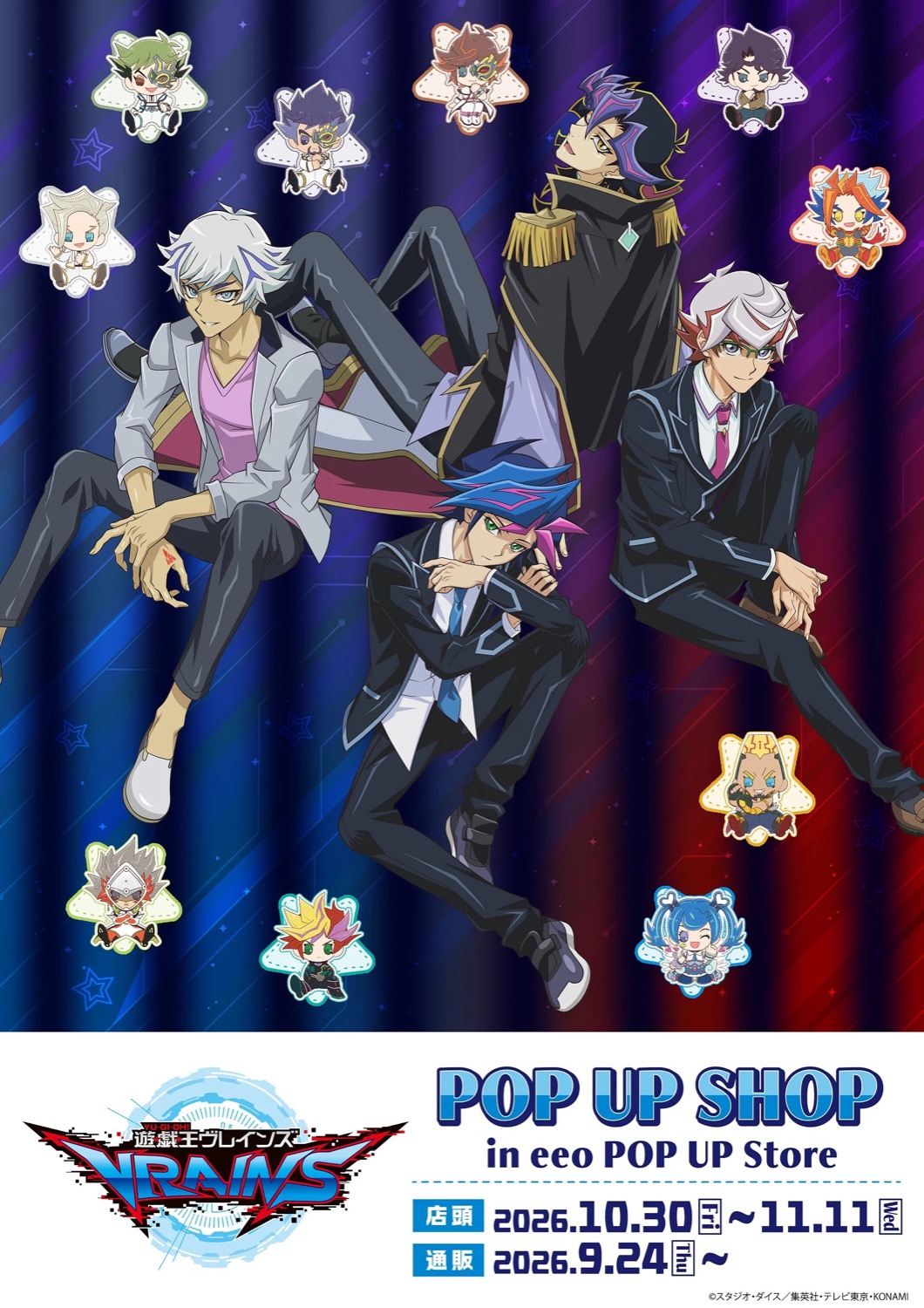
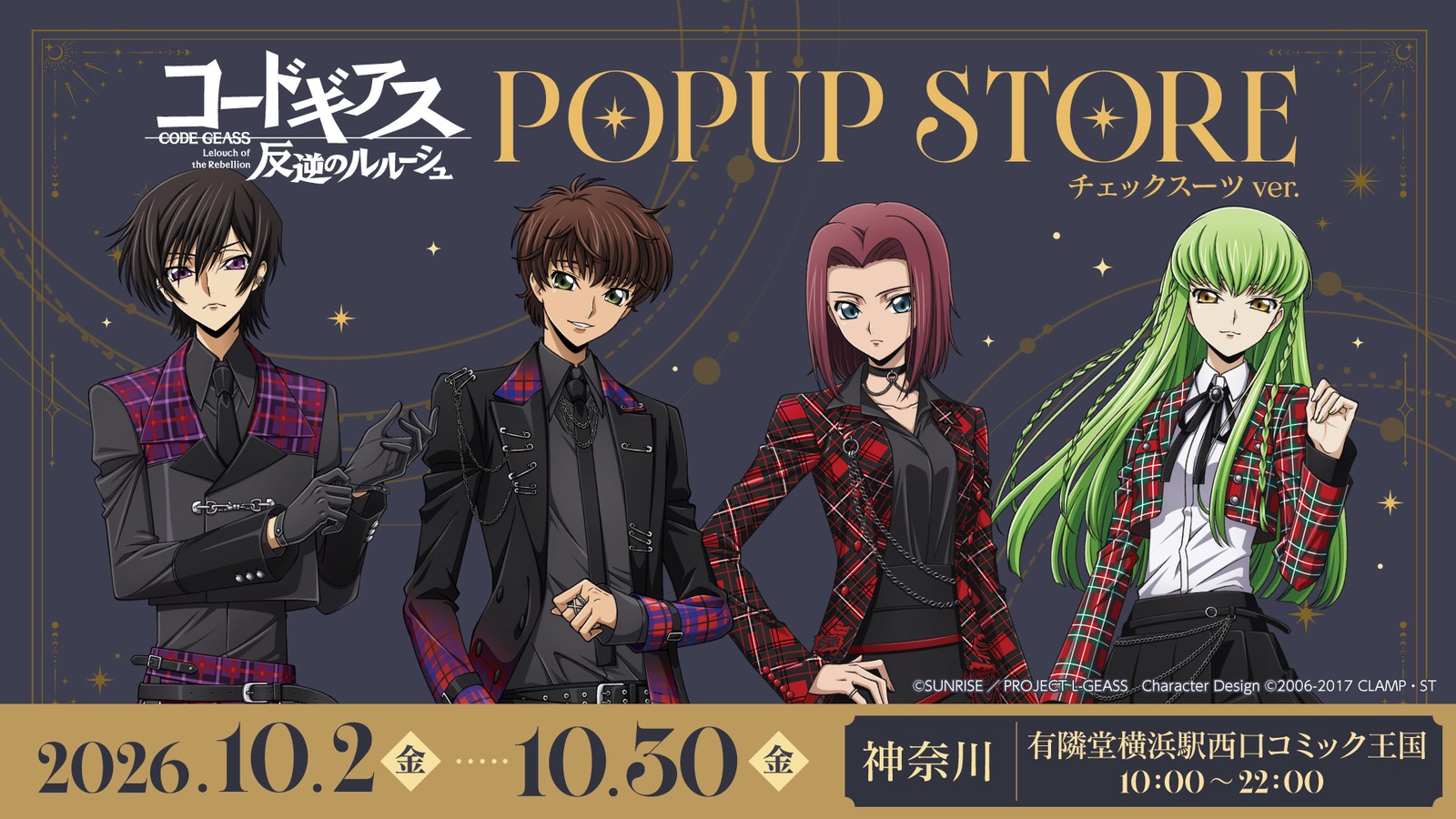
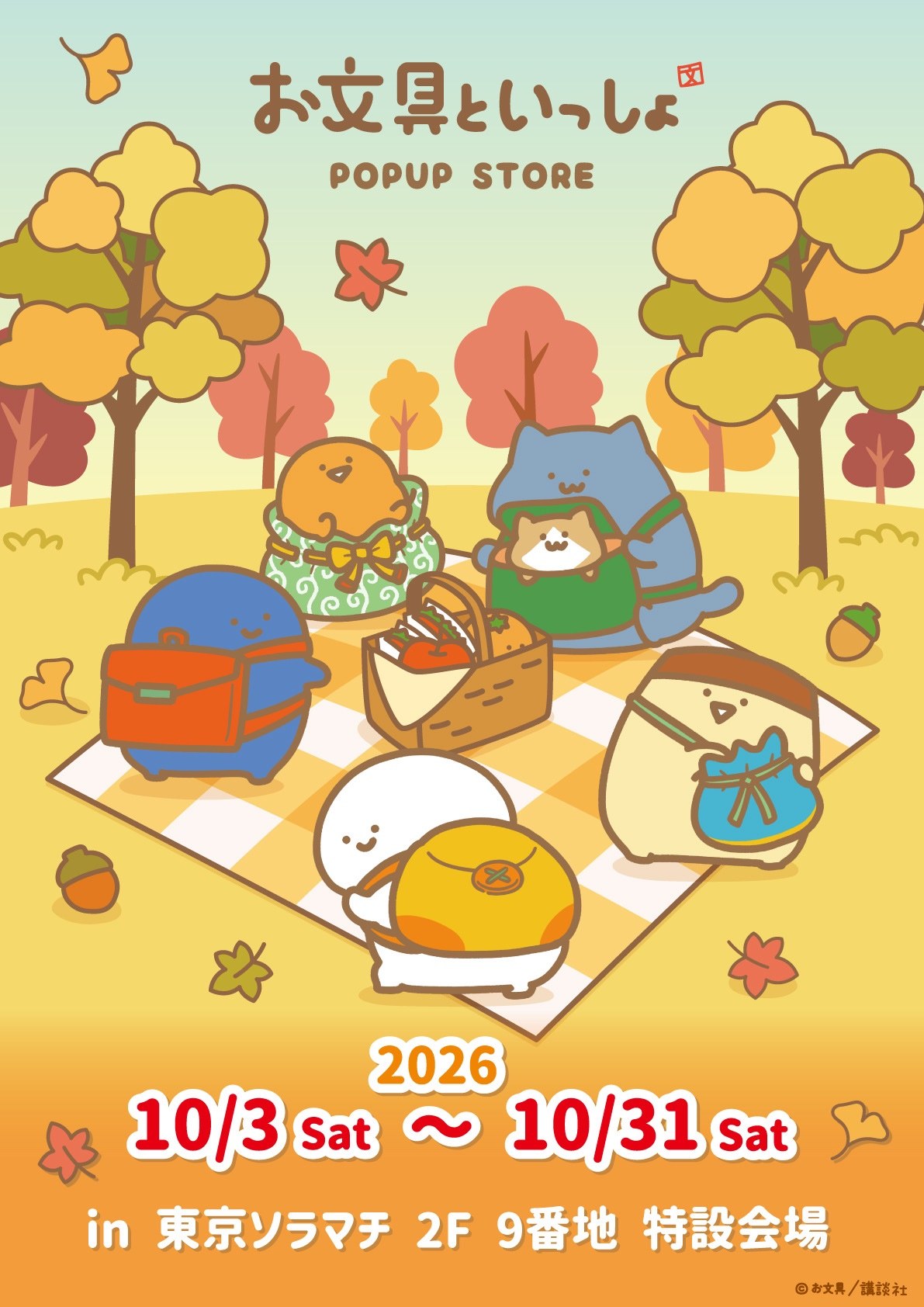
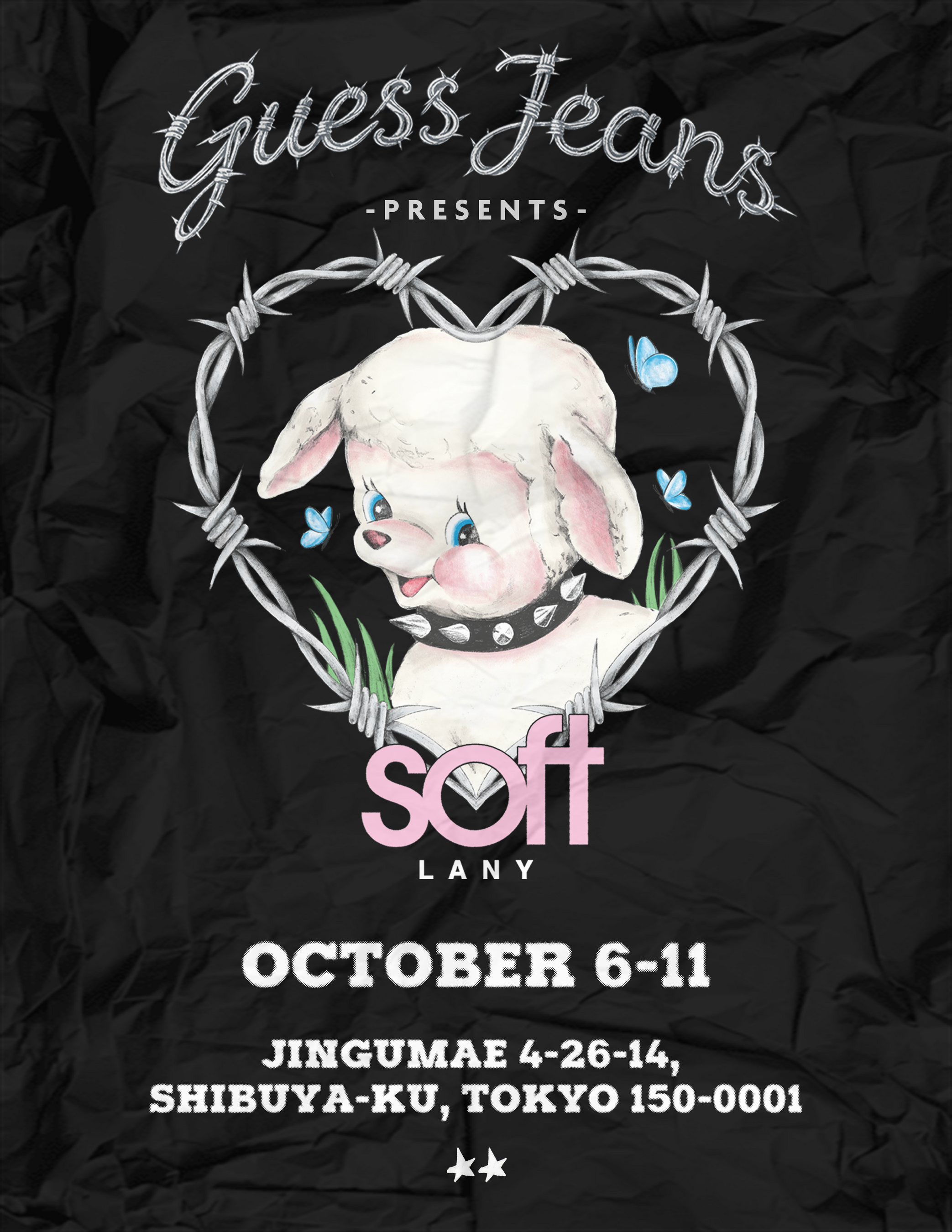
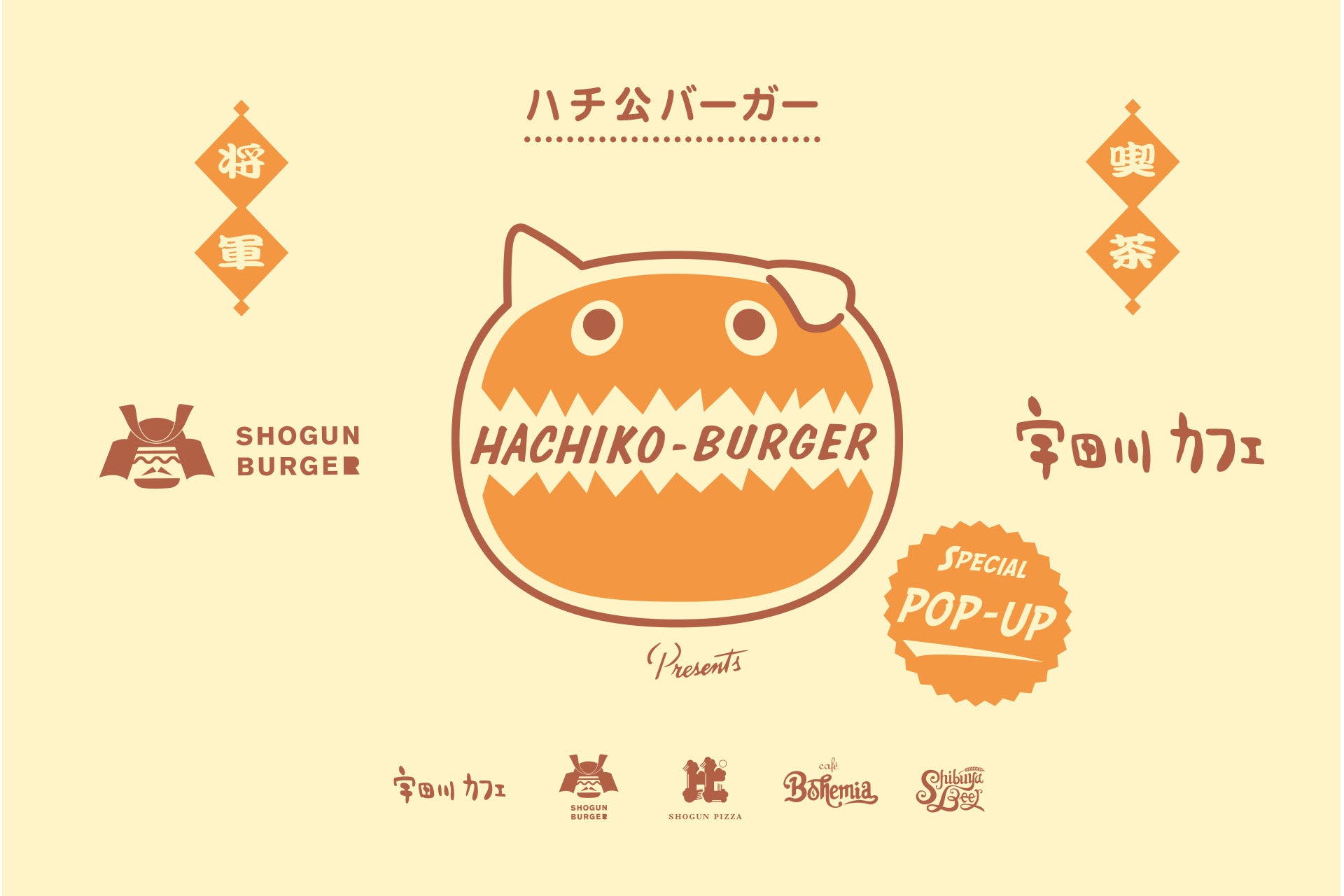
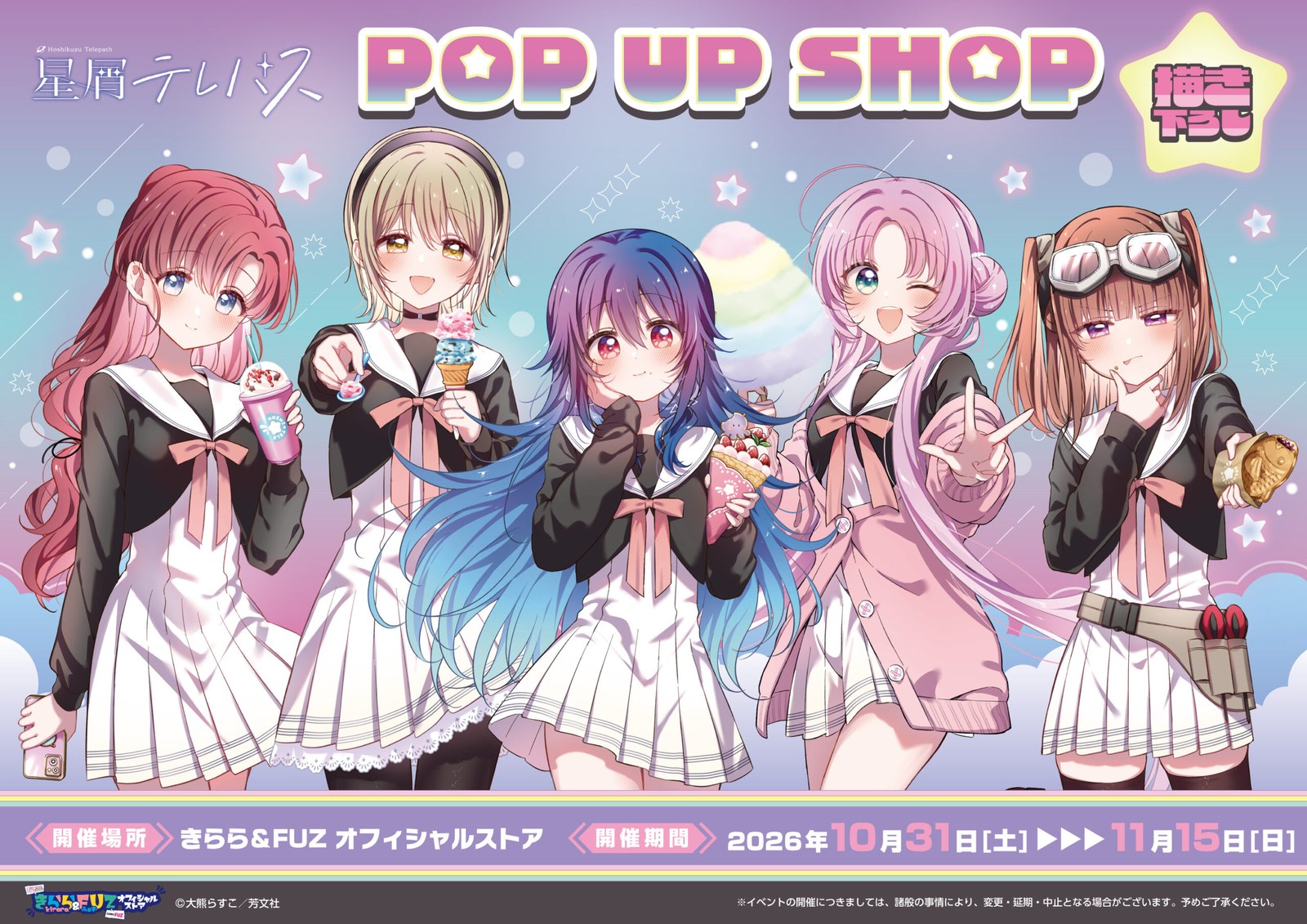
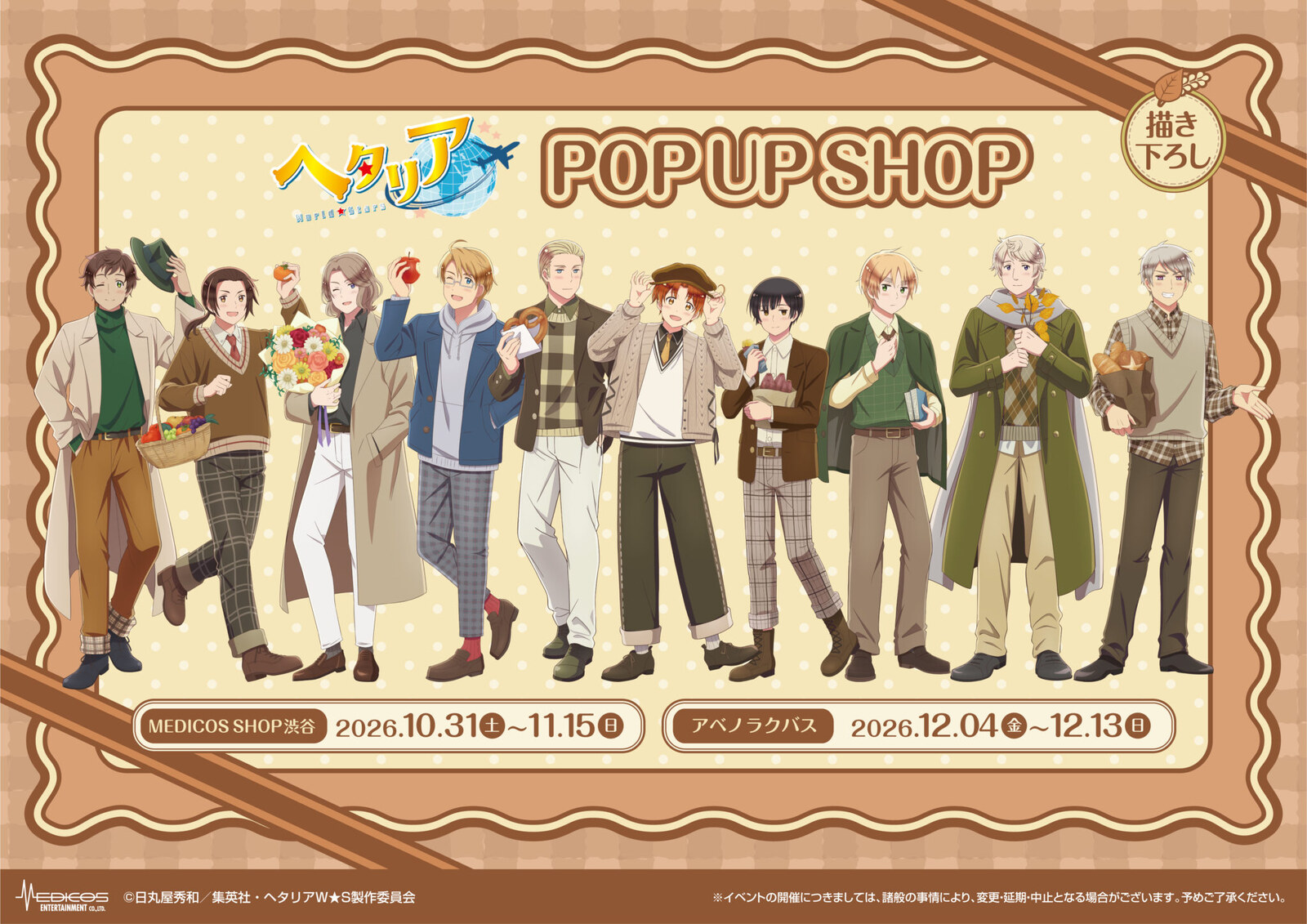
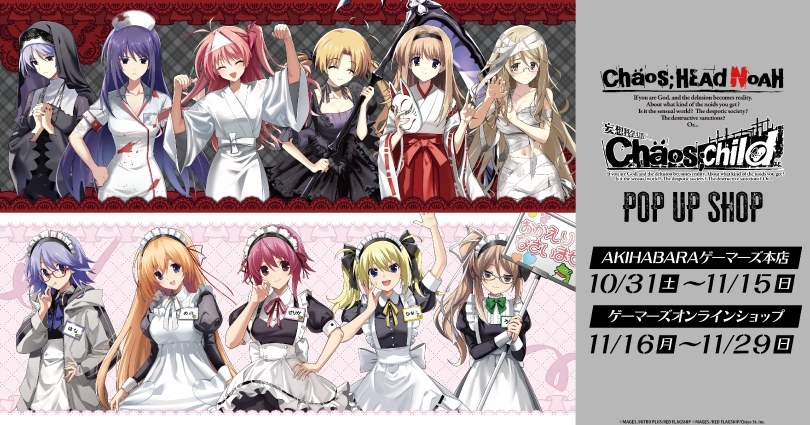
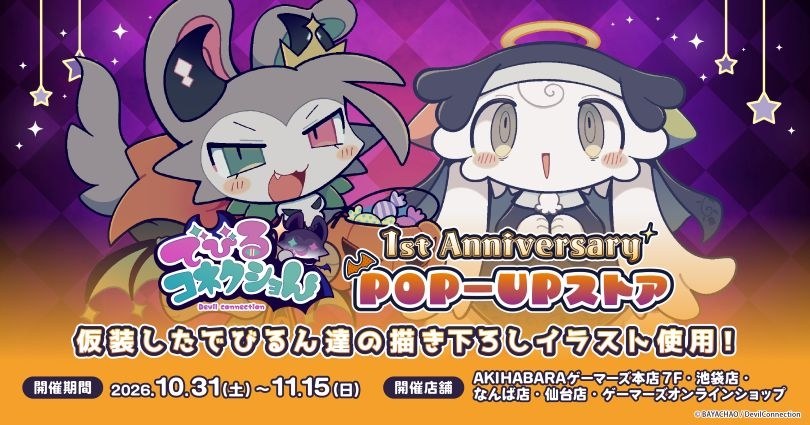
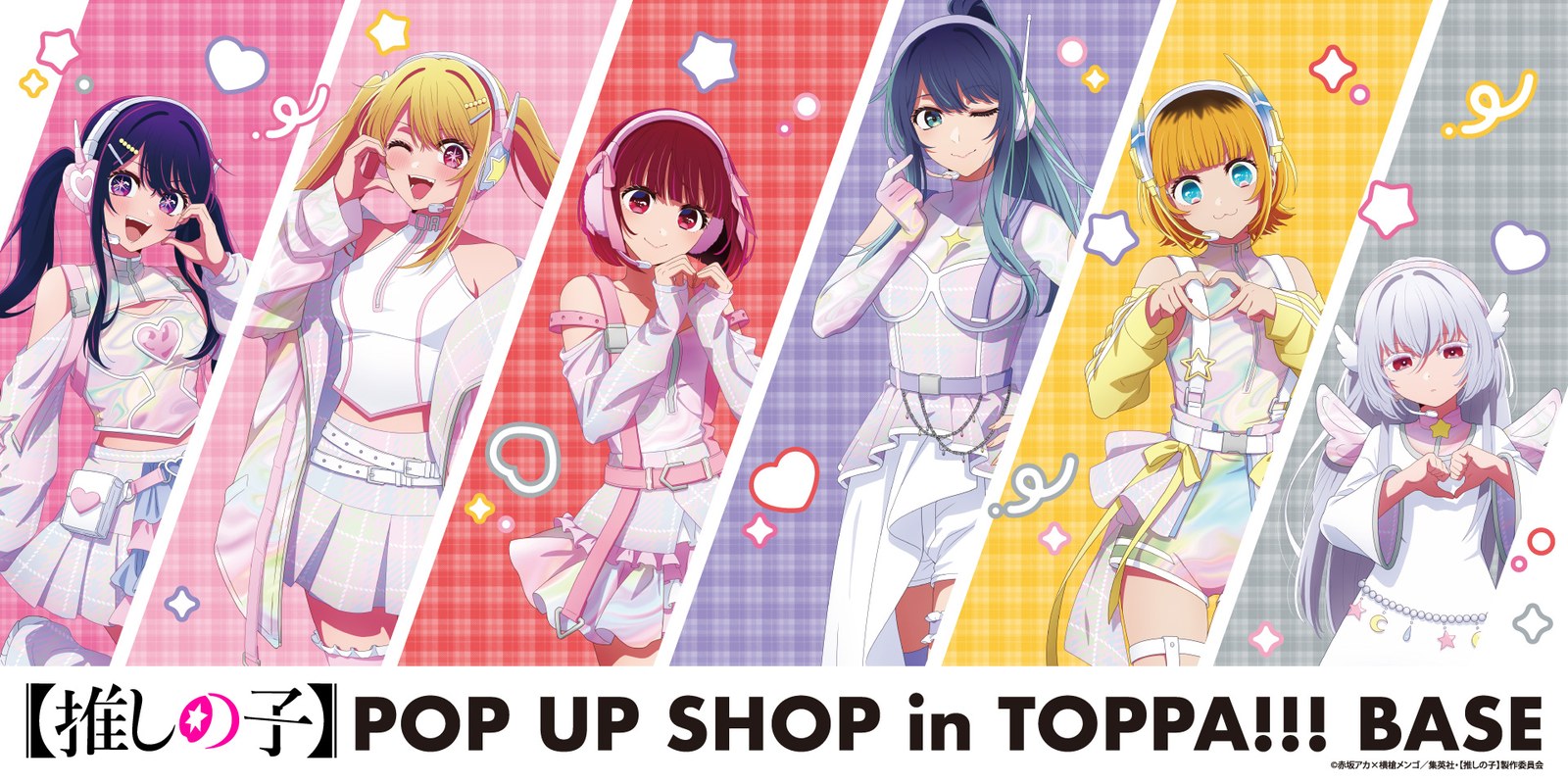
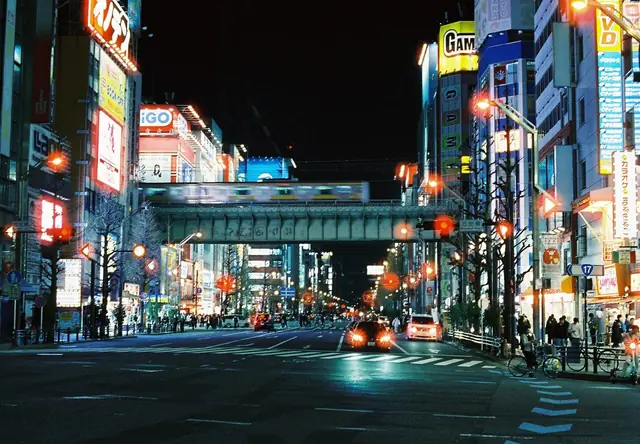
Pop-up stores and collaboration cafés run for a few weeks at a time, themed on an anime, a game or a character. They cluster in places like Shibuya PARCO, Ikebukuro, Shinjuku and Akihabara, mostly inside malls and department stores, which makes them ideal on a wet day. Popular ones use timed entry, advance reservations or a lottery, and cafés usually give out random bonus goods like coasters with each order. Check the official page or social account for the entry system before you go.
For something louder, Tokyo's arcade chains such as GiGO and Taito Station fill whole buildings with crane games, rhythm games and photo booths. Round1 branches add bowling and karaoke, and karaoke boxes rent rooms by the hour almost everywhere. Tokyo Joypolis in Odaiba is an indoor theme park with rides and simulators over several floors.
- Weekday afternoons are the easiest time to walk into a pop-up without a reservation.
- Crane game prizes are often exclusive to arcades. Set a budget before you start.
Food halls, underground passages and spas
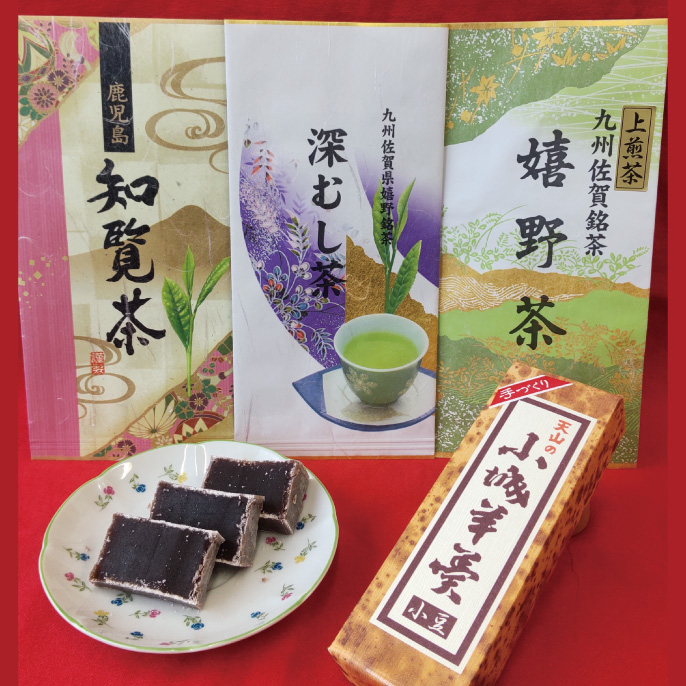
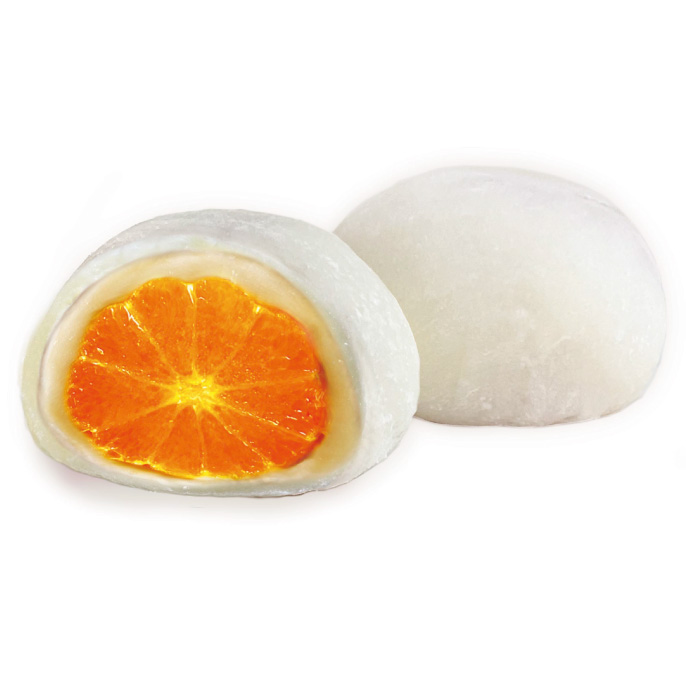
Depachika, the food floors in the basements of department stores, are a rainy day in themselves: bento, sweets, pickles, wagashi and prepared dishes in long glass counters, often with samples. Isetan in Shinjuku, Mitsukoshi and Takashimaya in Nihonbashi are the classics. Seating is limited or absent, so buy and eat back at the hotel, or look for a rest area on an upper floor. Near closing time, many counters put discount stickers on bento and prepared food.
Big stations double as rain shelters. Tokyo Station's underground passages connect to the Marunouchi office towers and the Yaesu shopping arcade, and in Shinjuku you can walk a long way underground between the station, department stores and Shinjuku-sanchome. For a long soak, Oedo Onsen Monogatari in Odaiba closed in 2021, but Tokyo Toyosu Manyo Club at Toyosu Senkyaku Banrai, next to Toyosu Market, opened in 2024 with hot spring water brought from Hakone and Yugawara and is open around the clock. Spa LaQua at Tokyo Dome City has its own natural hot spring and stays open until morning, though there are age limits for children, so check before you go.
- Rules on tattoos differ between spas. Check the official page before you go.
- Underground maps in big stations show exit numbers. Pick the exit closest to your building to stay dry.
Umbrellas, and events in the rain
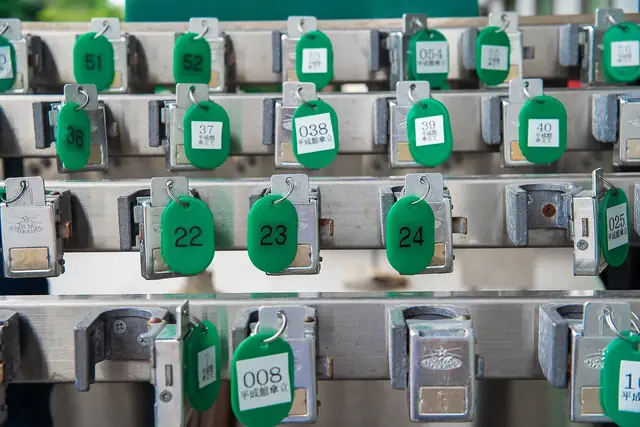
At shop and station entrances you will find stands with long plastic umbrella bags, or umbrella racks, sometimes with small locks. Use the bag so you do not drip across the floor. Clear vinyl umbrellas from convenience stores are cheap and everywhere, which is why so many look identical in a stand: never take one that is not yours, even if it looks like the one you left. On trains, keep your umbrella folded and pointing down, and on a crowded pavement tilt it away from people.
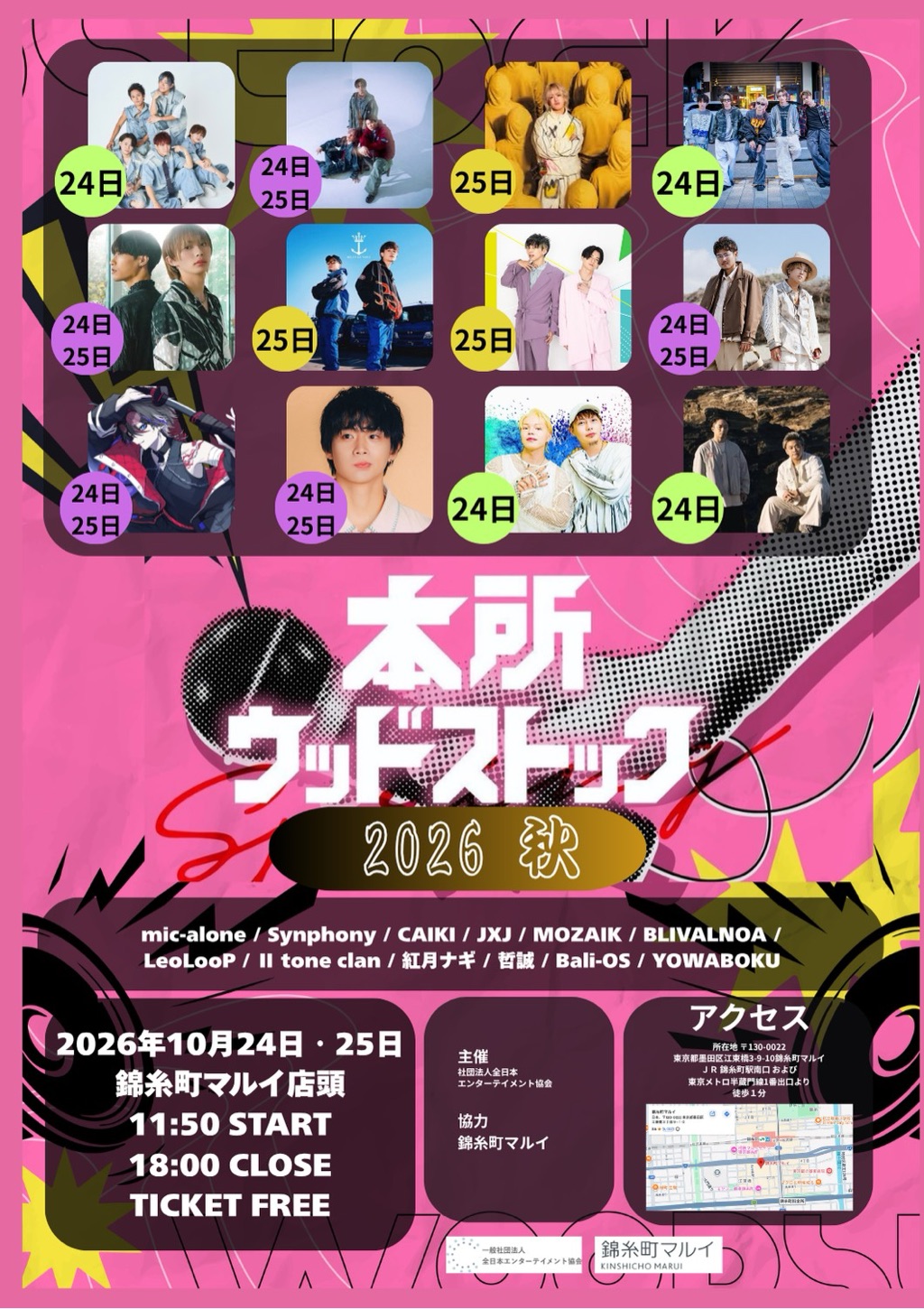
Outdoor event pages use a few fixed phrases. 雨天決行 means it goes ahead in rain, 小雨決行 means it goes ahead in light rain but may be called off in heavy rain, 雨天中止 means it is cancelled in rain, and 雨天順延 means it moves to a backup day. Organisers usually post the decision on their official site or social account on the morning, so check before you set out. Every event in our list links to its official page.
- Convenience stores and 100-yen shops sell umbrellas and ponchos. A folding umbrella in your bag saves buying a new one every shower.