Tea, sweets, flowers and the brush
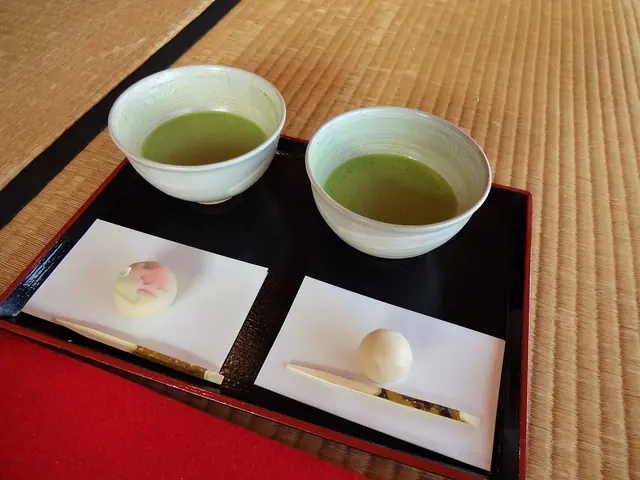
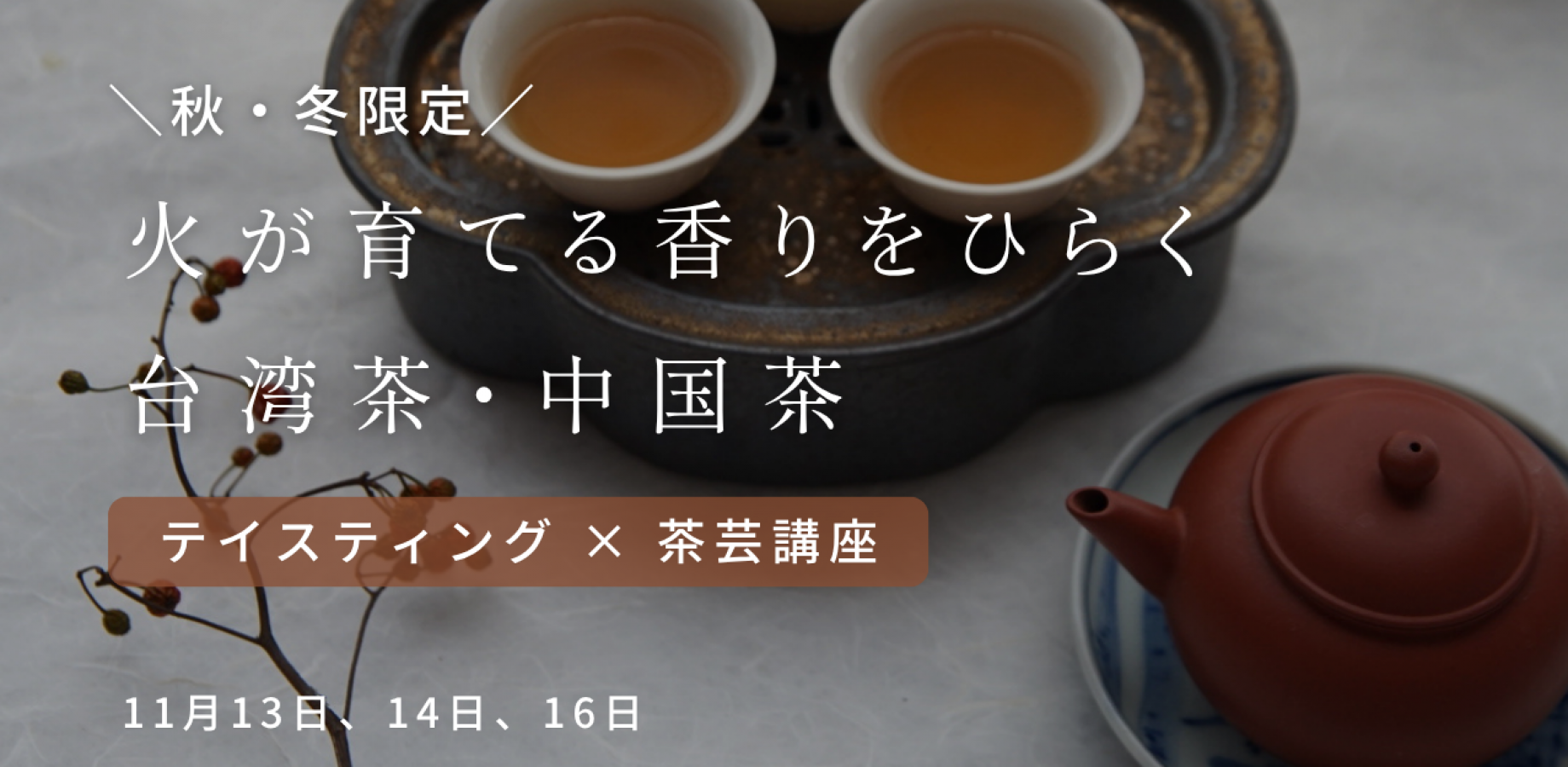
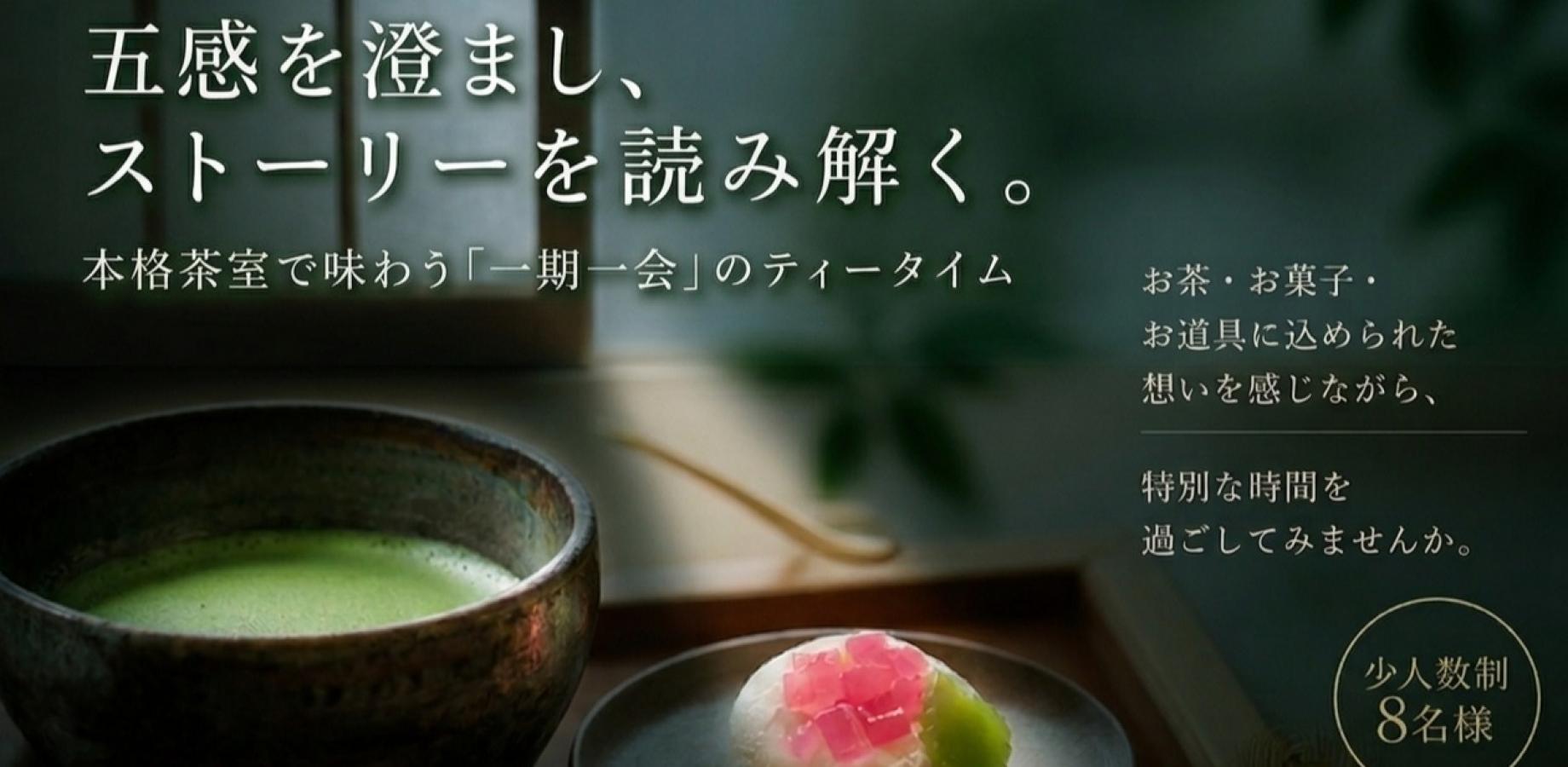
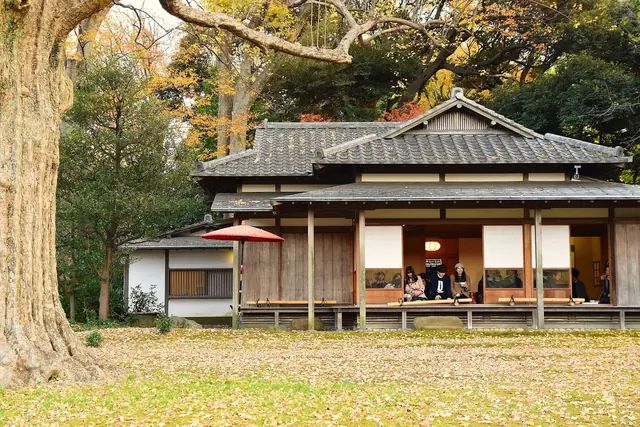
A tea ceremony experience (sado or chado) usually means sitting in a tatami room while a host prepares matcha in a set order of movements, then making a bowl yourself. A Japanese sweet comes first, to balance the bitterness. Short versions take under an hour; a full lesson with a teacher is longer. Gardens are an easy way in: at Hama-rikyu, the Nakajima no Ochaya tea house on the pond serves matcha and a sweet without any booking.
Wagashi making classes teach nerikiri, the soft bean-paste sweets shaped into seasonal flowers and leaves, and you usually eat your work with tea at the end. For ikebana, the big schools teach visitors: the Sogetsu school, for example, runs trial lessons in English at Sogetsu Kaikan in Akasaka, booked several working days ahead. Calligraphy (shodo) classes have you grind or pour ink and write a few characters, often your name or a single word, on paper you can take home.
Some experiences belong to a season. Around the autumn harvest moon (tsukimi, in September or early October), gardens and temples hold moon-viewing evenings, some with tea. In January comes kakizome, the first writing of the year. It is traditionally done on January 2, and each year on January 5 thousands of people of all ages write together on the floor of the Nippon Budokan at the national kakizome event.
Kimono and yukata rental
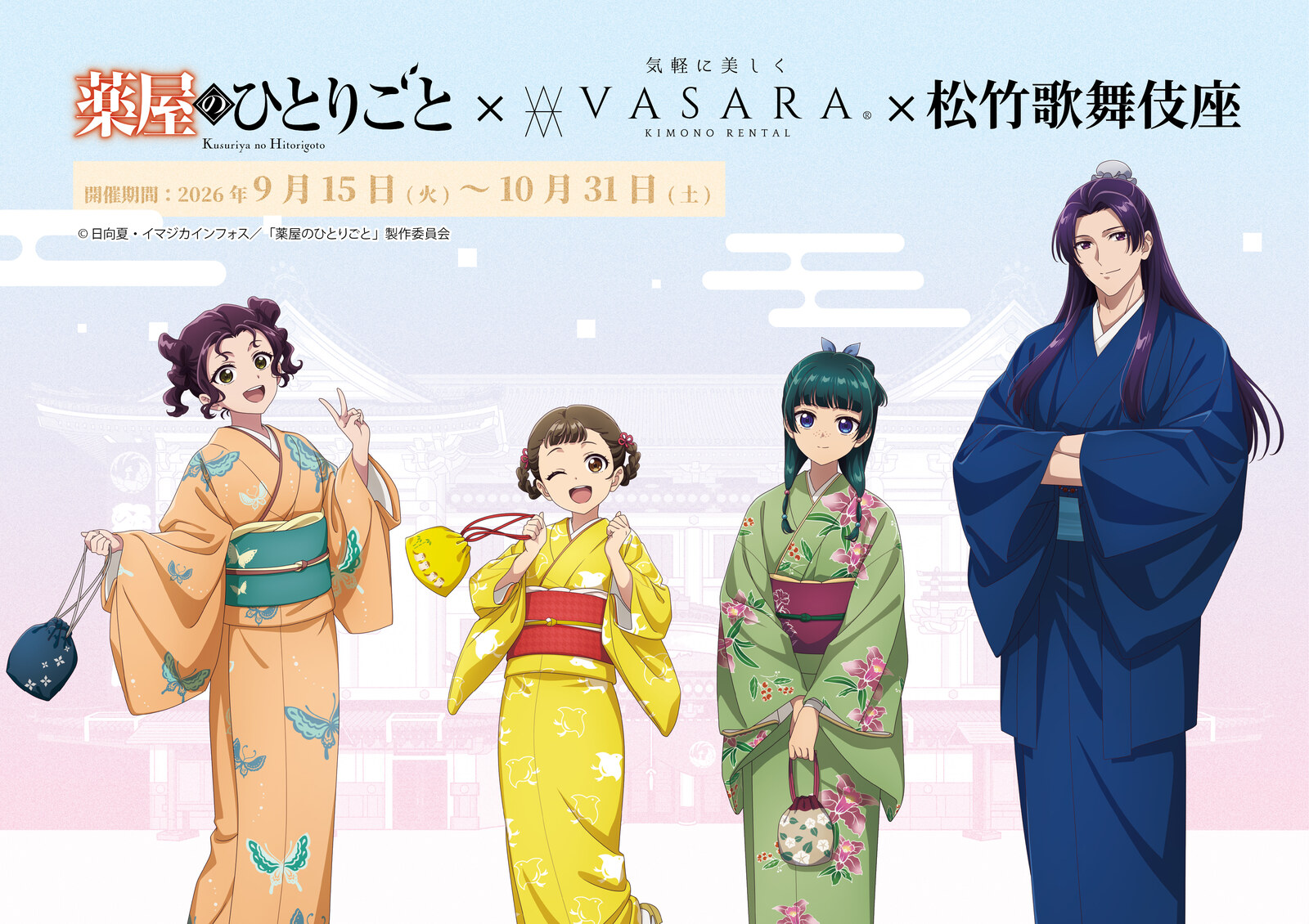
Asakusa has the most rental shops, with Harajuku, Shibuya and other sightseeing areas close behind. You choose a kimono, obi and accessories from racks, staff dress you, and you walk out in it for the day. Dressing usually takes from about 45 minutes to an hour and a half, depending on whether hair styling is included or added on. Most shops want the kimono back by late afternoon, around 5pm or 6pm, and charge extra for late returns. Some let you return the next day for a fee.
In summer, roughly June to September, many shops switch to yukata, the light cotton robe people wear to fireworks and summer festivals. Fireworks days are the busiest dates of the year, so book well ahead. Wear the robe left side over right (right over left is for the dead), and keep in mind that zori and geta take a little practice, so plan a shorter walk than usual.
- Bring or wear a thin top and leggings you don't mind under the kimono. Shops give advice on what to wear when you book.
- Leave big bags at the shop or a coin locker. Kimono sleeves and a backpack don't mix.
Taiko drums and zazen
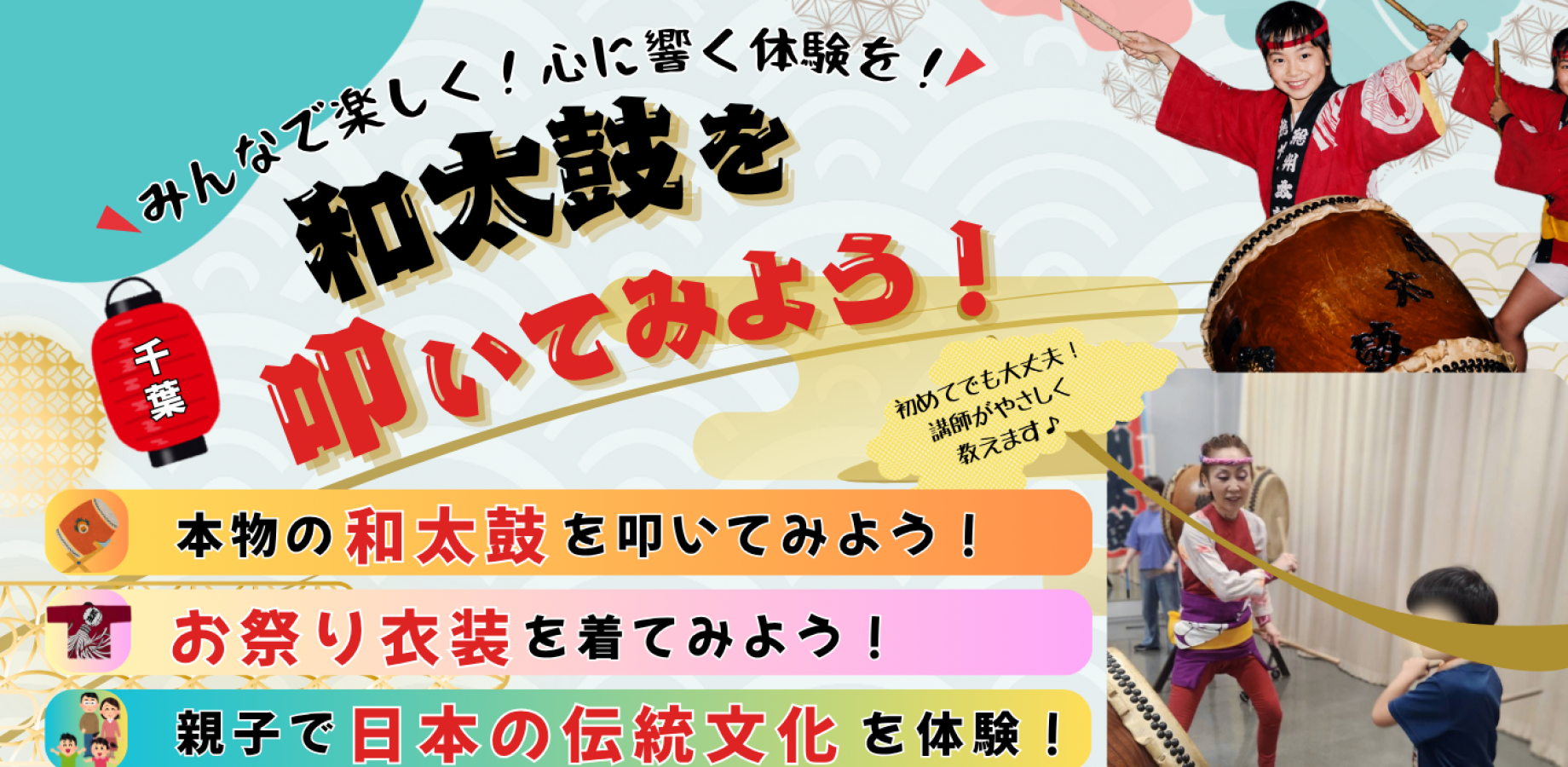
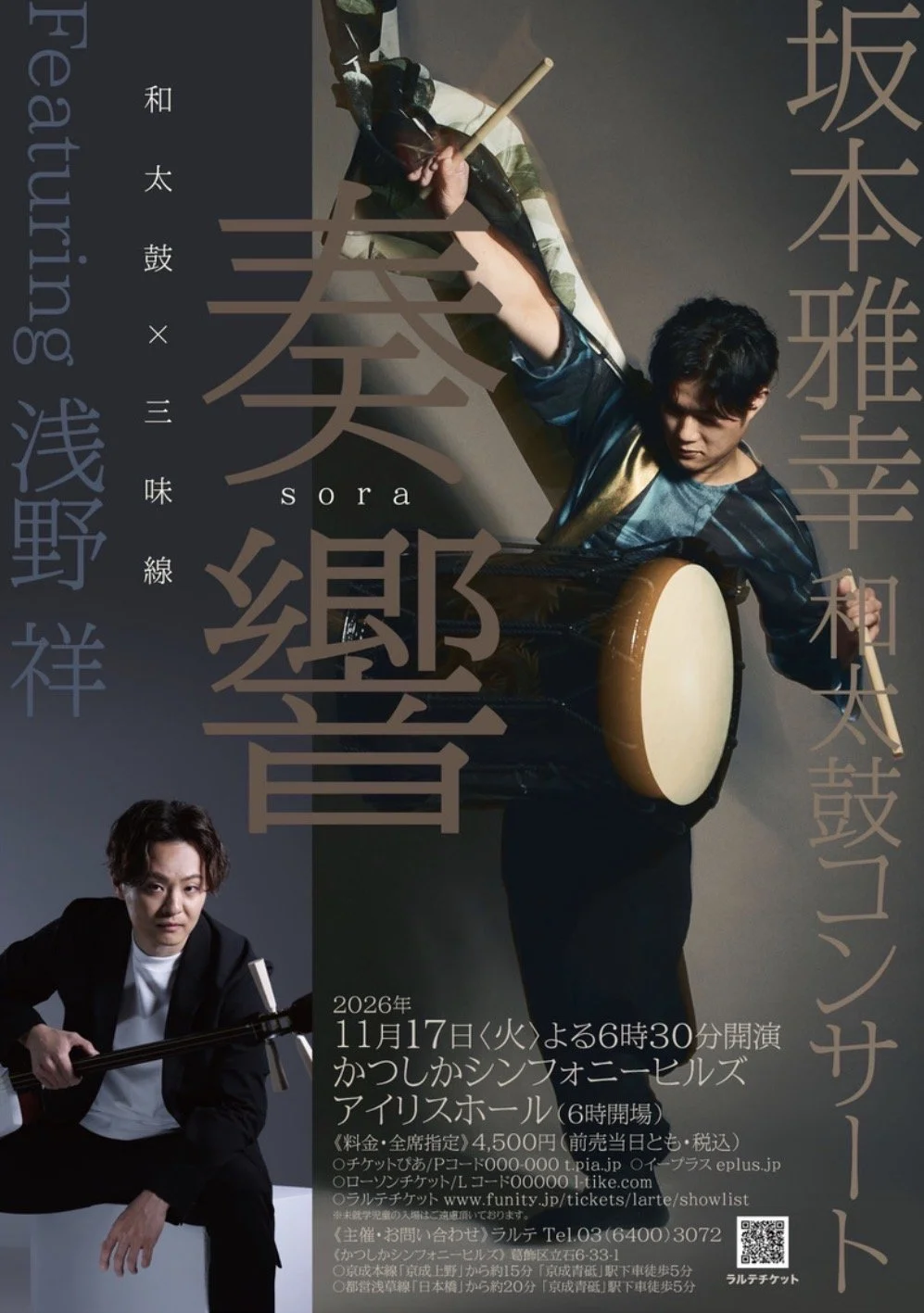
Taiko classes are loud, physical and a lot of fun, even with no musical background: an instructor teaches a short rhythm and the group plays it together. If you just want to hit a drum, the Taikokan drum museum on the fourth floor of the Miyamoto Unosuke shop in Nishi-Asakusa, near Tawaramachi station, lets visitors play many of the drums on display.
Zazen is seated Zen meditation. Several Zen temples in and around Tokyo hold sessions for beginners, and a few have offered them in English, with Sojiji in Yokohama and Kenchoji in Kamakura among the best known. A priest explains posture and breathing, then you sit facing a wall or the room in silence, usually for two short rounds. Chairs are often allowed if you can't sit cross-legged. Wear loose clothes and skip strong scents.
Watching: kabuki and sumo
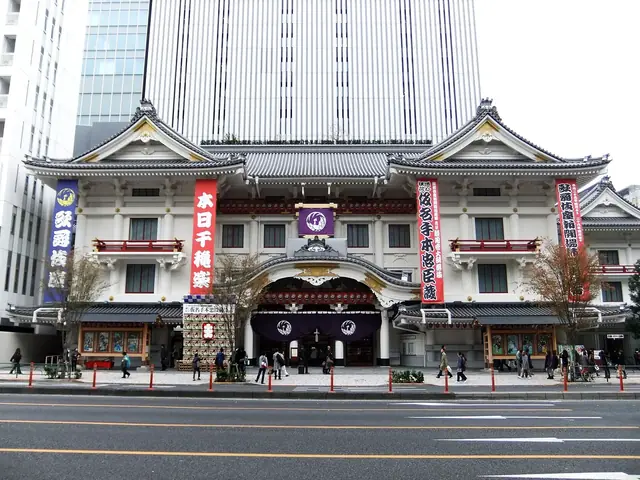
Kabuki in Tokyo means the Kabukiza in Higashi-Ginza. A full programme lasts most of an afternoon or evening, but the theatre also sells single-act seats (hitomakumi, 一幕見席) on the fourth floor, so you can watch one act for a fraction of the price. In recent years some of these are sold online in advance and some on the day at the box office to the left of the main entrance. Popular programmes sell out, so check the official site before you go. English captioning devices can be rented inside for a fee.
Sumo has three Tokyo tournaments a year, in January, May and September, at Ryogoku Kokugikan, each lasting fifteen days. Tickets go on sale weeks ahead and the good seats sell out quickly; our sumo guide covers the details.
How to choose, book and behave
Look for small groups and a teacher who practises the art, not a hall of fifty people. Check the language: some classes are taught in English, others in Japanese with an interpreter, and the listing usually says which. Prices vary widely. A garden tea house with matcha and a sweet costs about as much as a café lunch, while a full class, a kimono with hair styling or a private session costs several times that. Read the cancellation rules: many classes charge a fee if you cancel close to the date, and rentals may charge for no-shows.
In a tea room, socks matter. You walk on tatami, so wear clean socks (white ones are traditional) or bring a pair to change into. Skip perfume, take off rings and watches so they don't scratch the bowls, and silence your phone. Ask before taking photos, since many teachers allow them only at certain moments. If kneeling in seiza hurts, say so; most hosts would rather you sit comfortably than suffer in silence.
- Book a few days ahead. Small classes fill up, especially at weekends.
- Pack a spare pair of clean socks for tea rooms and temples.
- Arrive on time or a little early. Classes rarely wait for latecomers.