The big conventions through the year
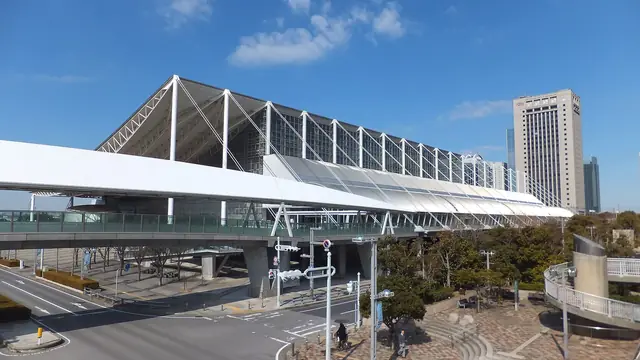
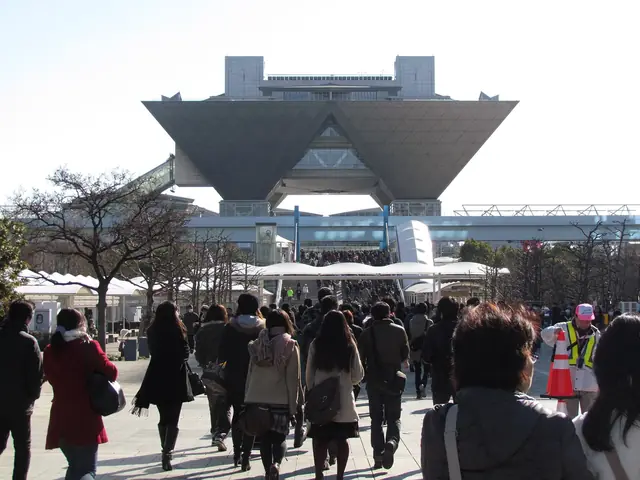
Most of the big shows follow a steady calendar. Wonder Festival, the huge figure and garage kit show, usually runs once in February and once in July at Makuhari Messe. AnimeJapan, the main anime industry show with publisher booths and stage events, has filled Tokyo Big Sight in late March for years, but it moves to Intex Osaka for 2027 and 2028. Design Festa, an open art and craft fair where thousands of illustrators and makers sell their own work, comes to Big Sight twice a year, in spring and in autumn.
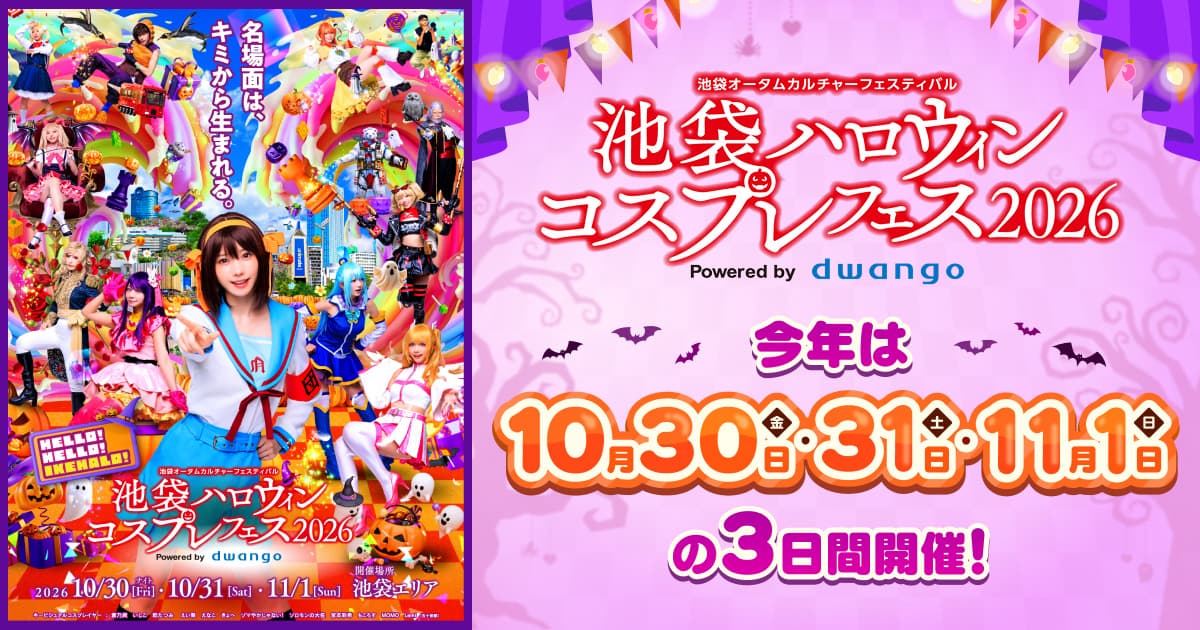
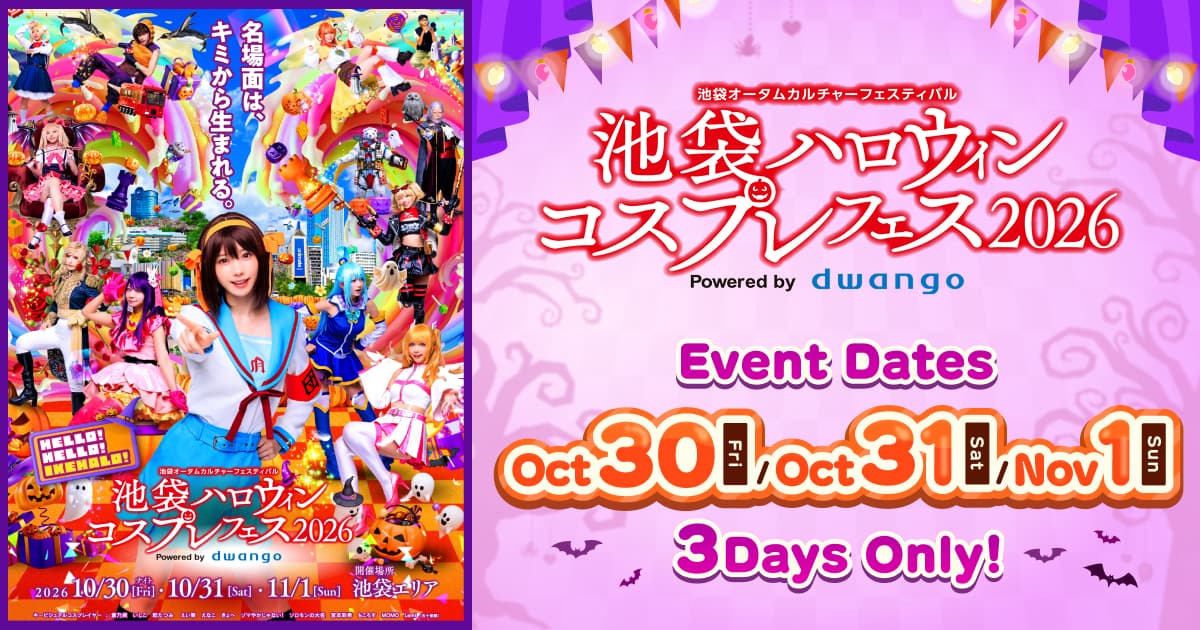
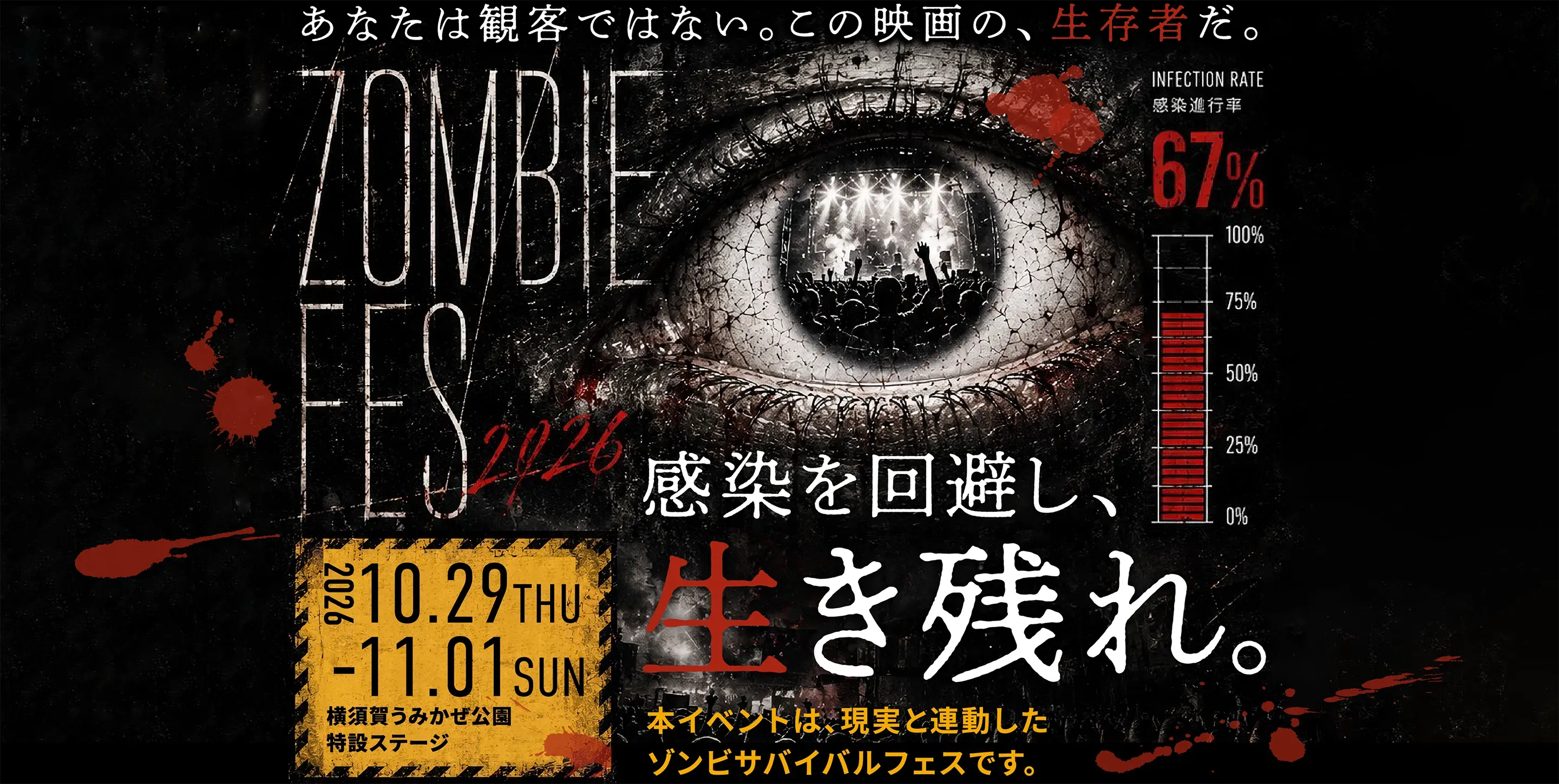
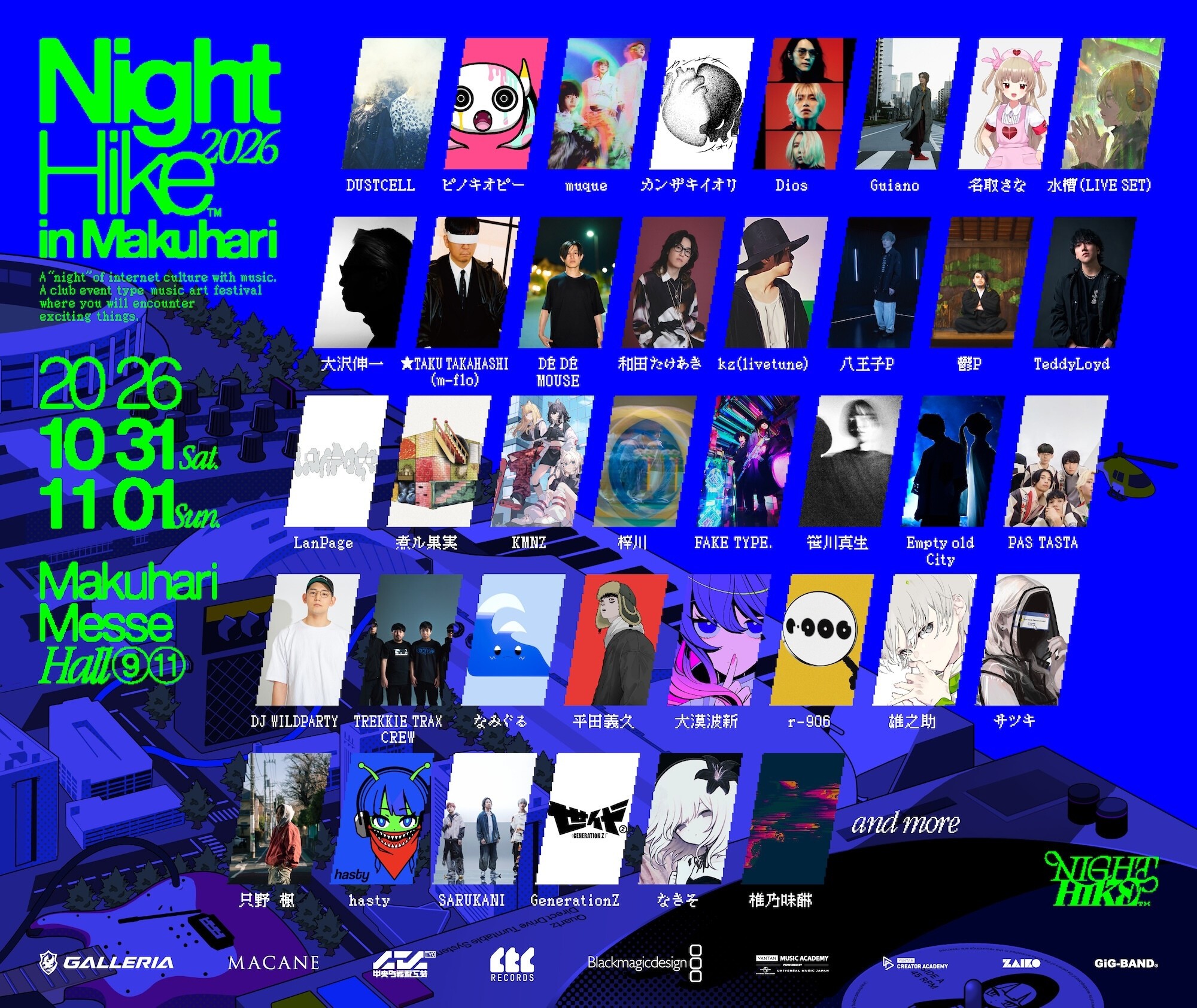
Comiket, the world's biggest fan-made comics market, fills Big Sight in mid-August and again at the very end of December. Tokyo Game Show runs at Makuhari Messe in September, with business days first and public days at the weekend. December is the busiest month: Jump Festa, the Shonen Jump festival, is held at Makuhari Messe on the weekend before Christmas, and Tokyo Comic Con, a Western-style con with Hollywood guests, also uses Makuhari in December. In late October, Ikebukuro hosts a large Halloween cosplay festival across the whole district.
Two things catch visitors out. Makuhari Messe is not in Tokyo but in Chiba, roughly 30 to 40 minutes from central Tokyo on the JR Keiyo Line to Kaihin-Makuhari Station. And most of these shows now sell tickets in advance only, sometimes by lottery or through an official app, so check the official site a month or two before you travel.
- Public days at the weekend are the most crowded. If a show sells afternoon tickets, they are often the calmer choice.
- Event-limited goods sell out in the morning. Many booths now take online pre-orders, which saves hours of queueing.
Collab cafés and pop-up shops
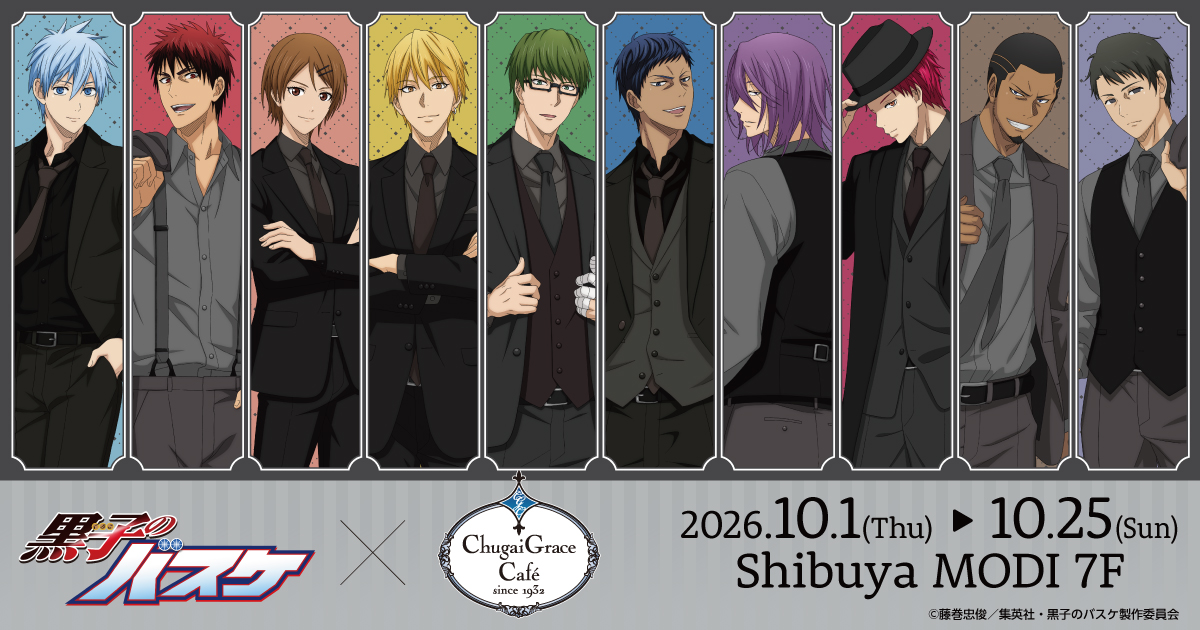
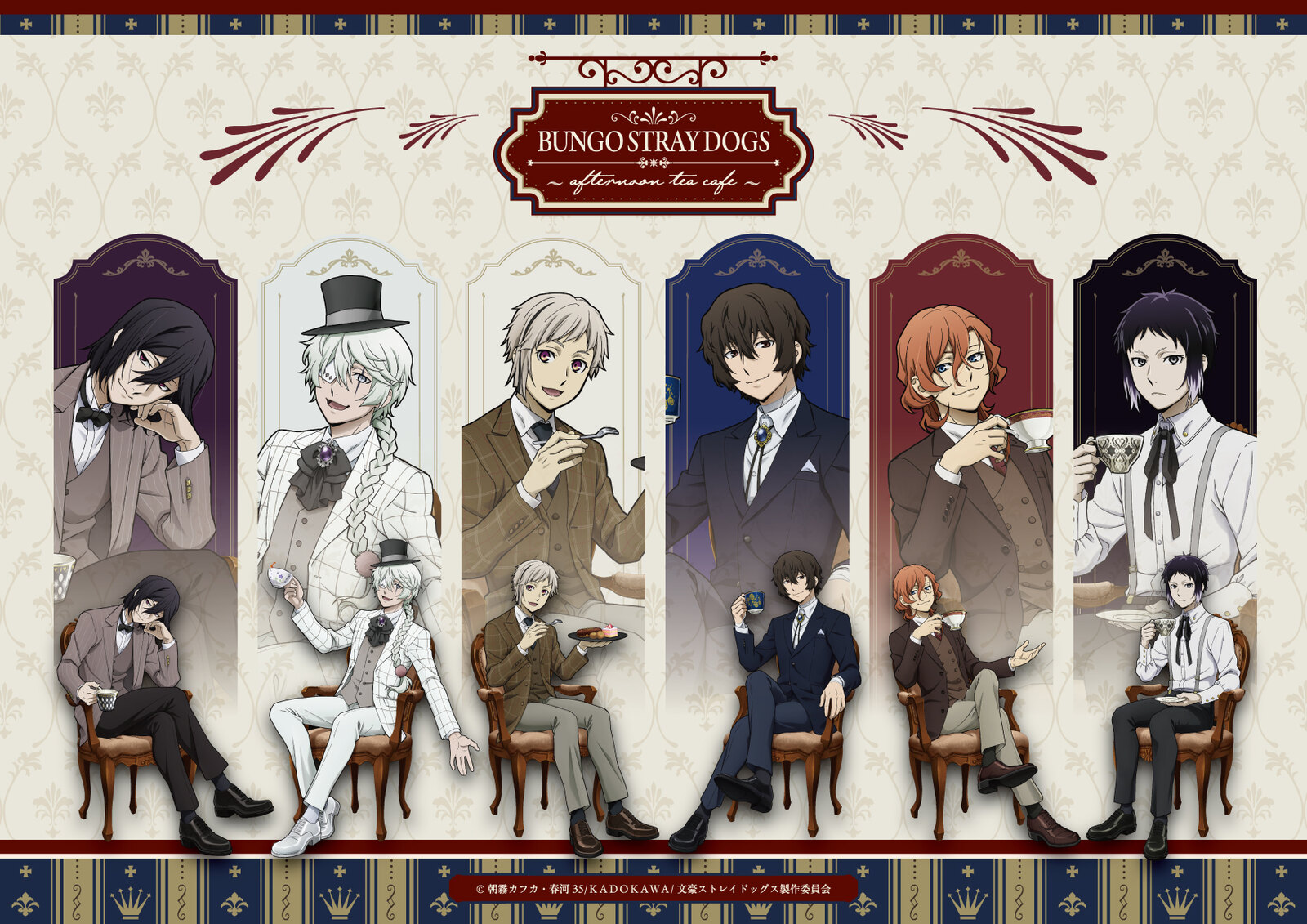
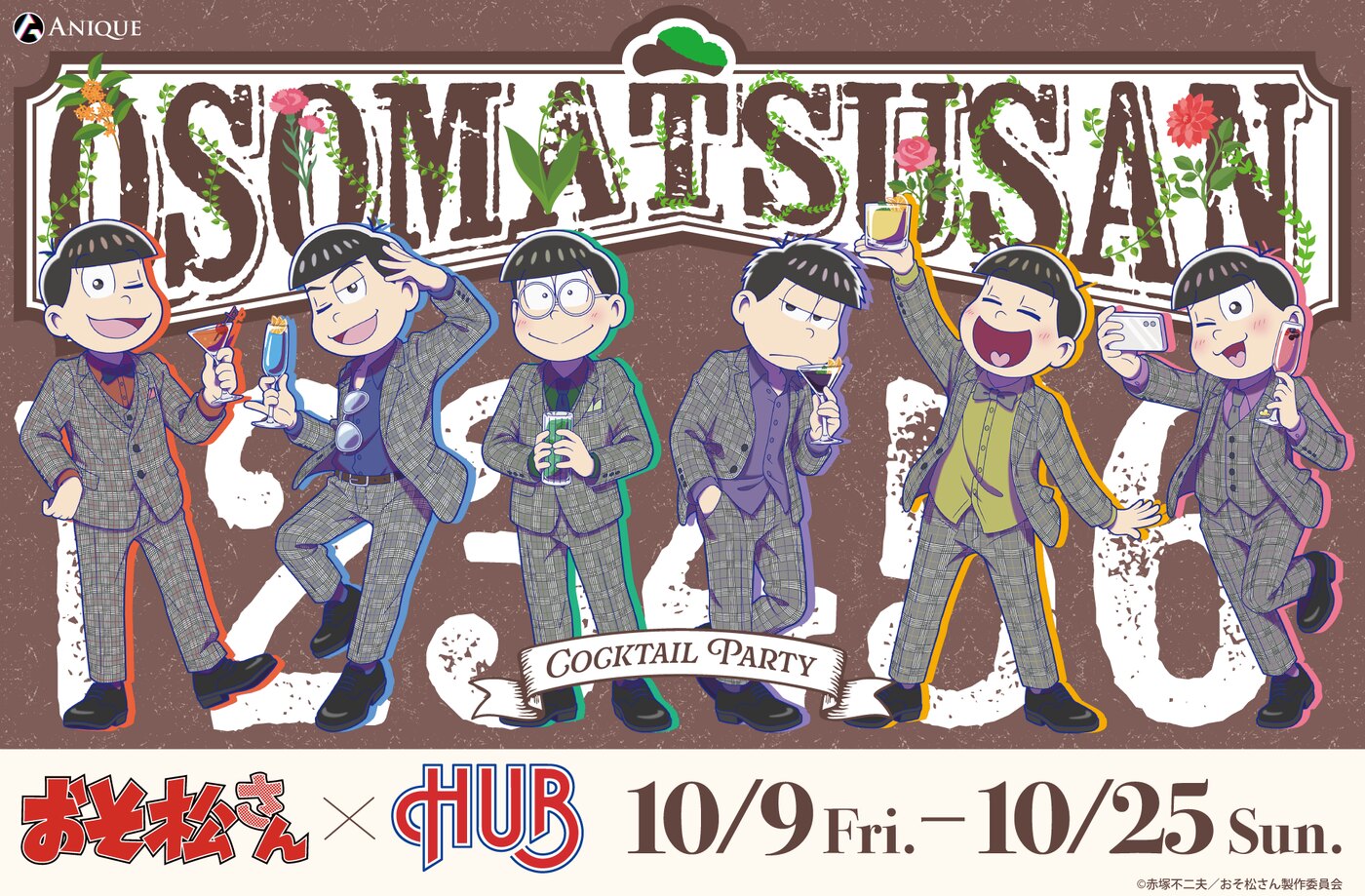
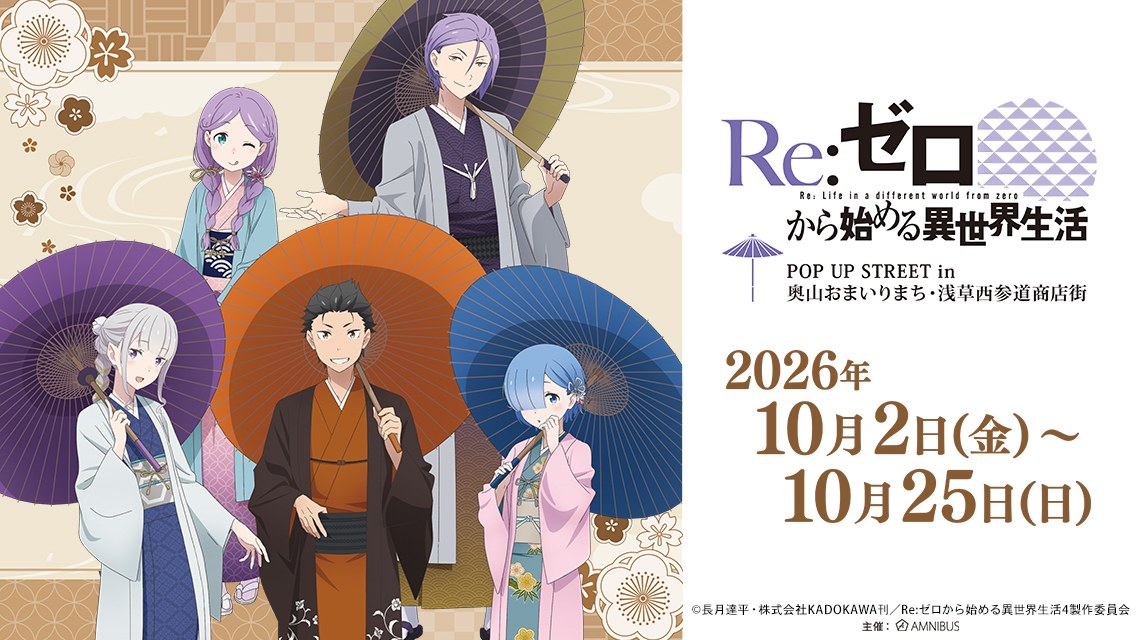
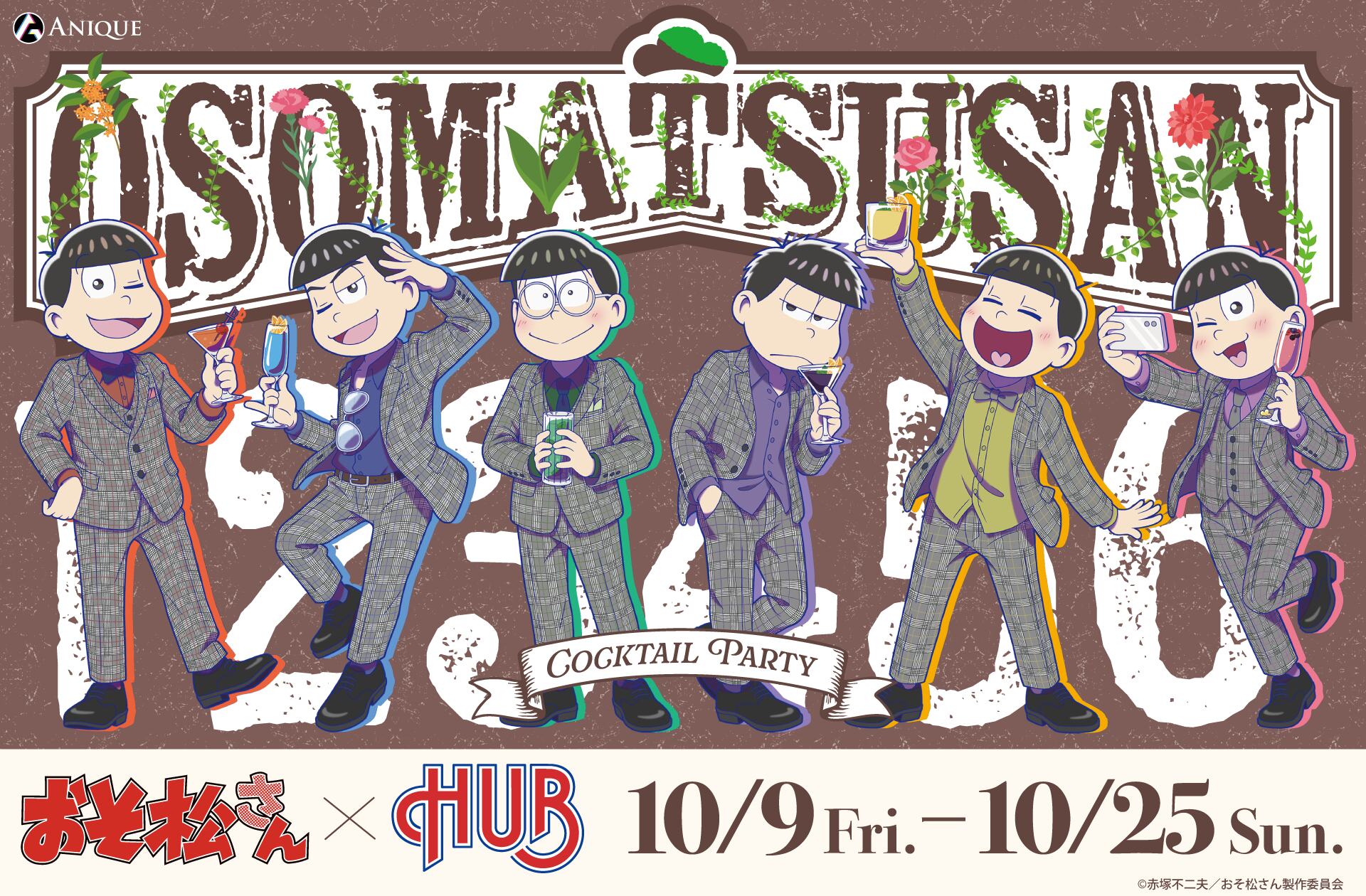
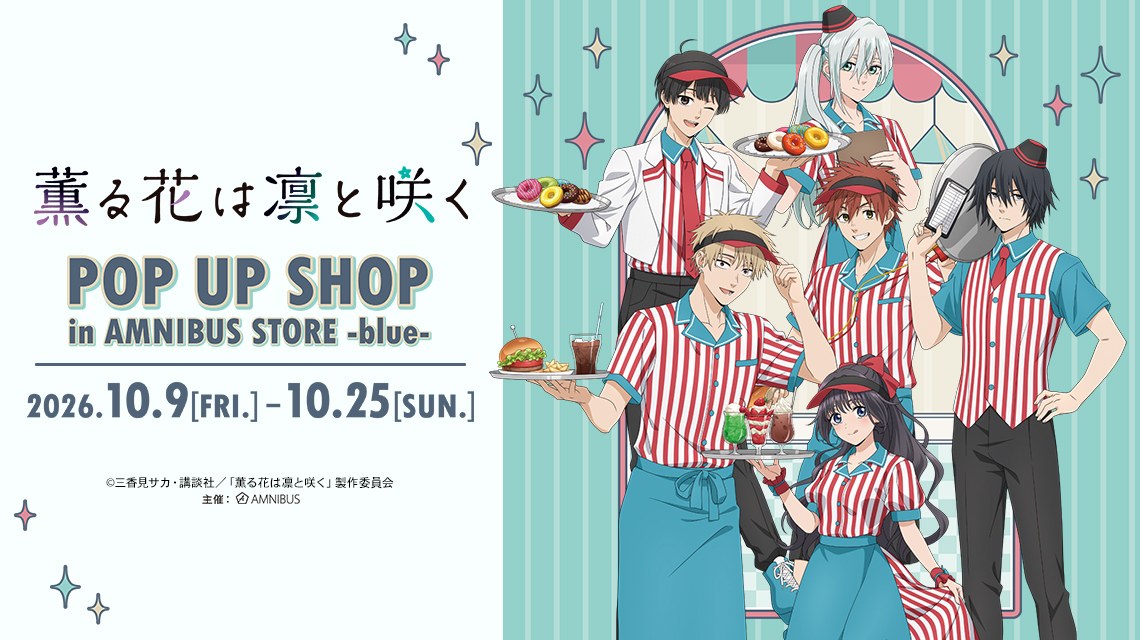
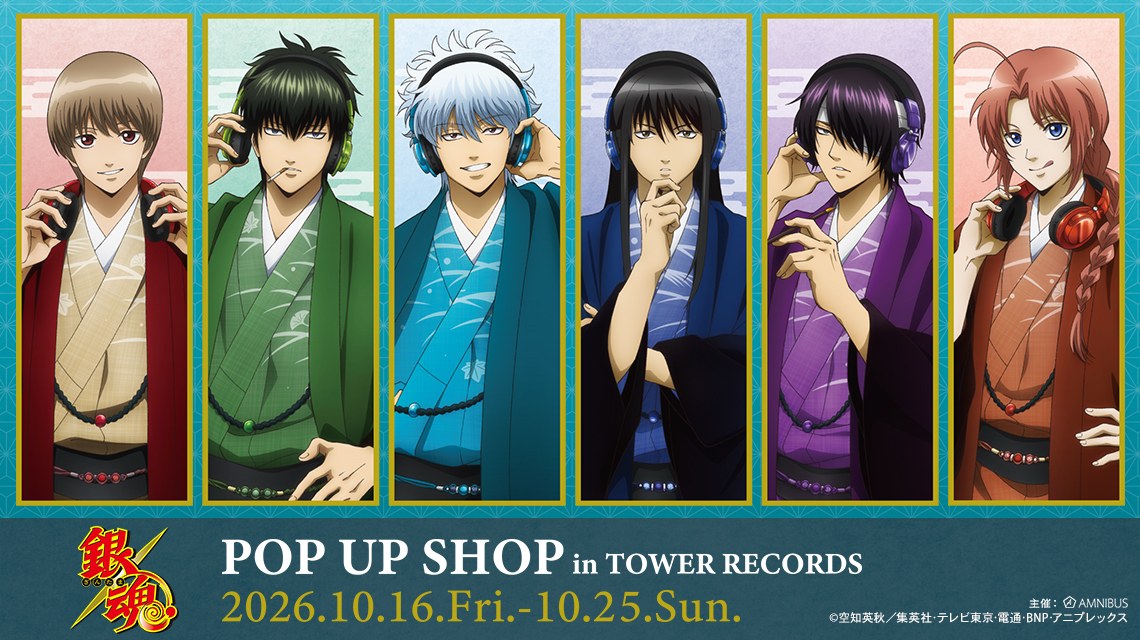
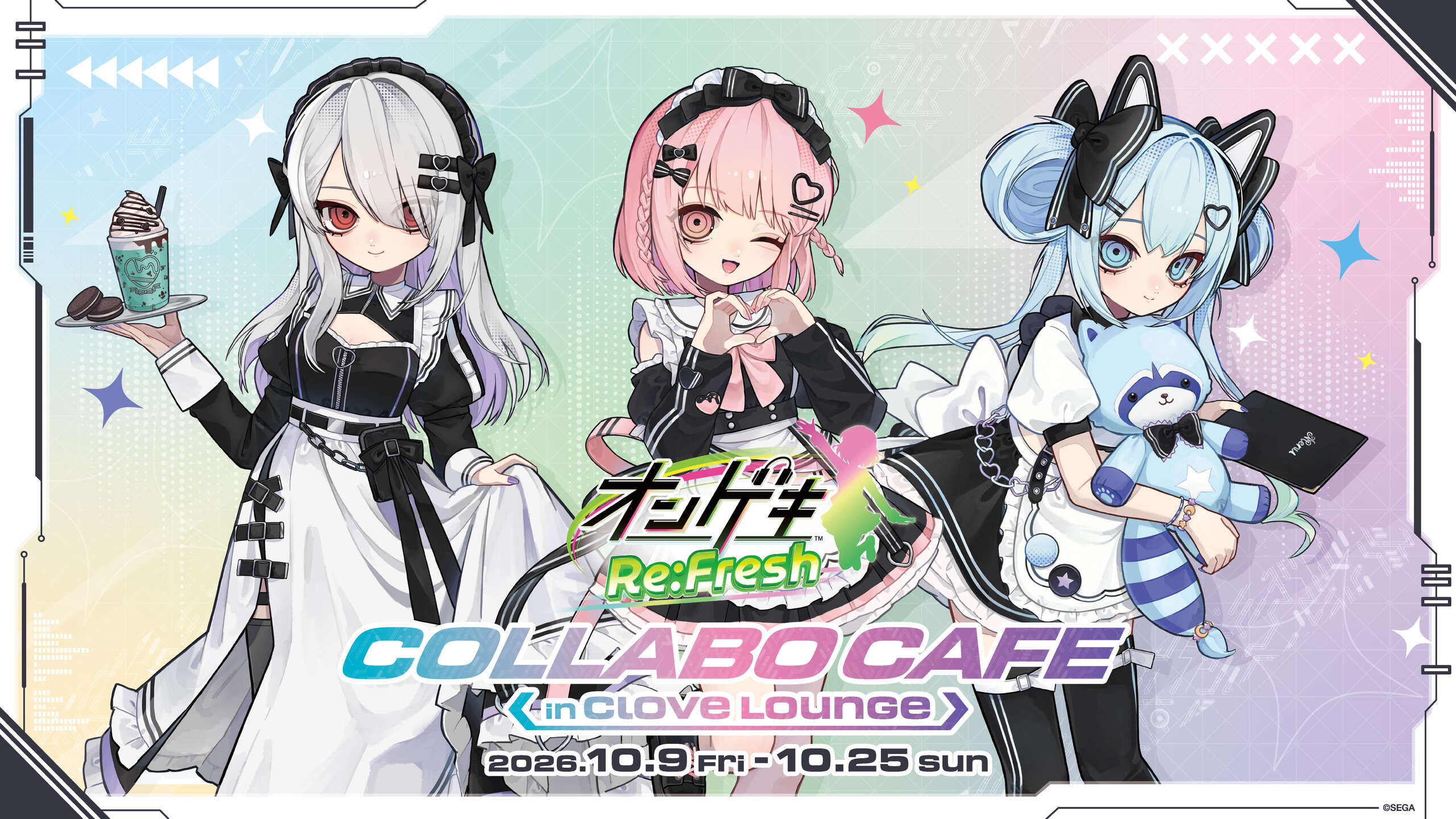
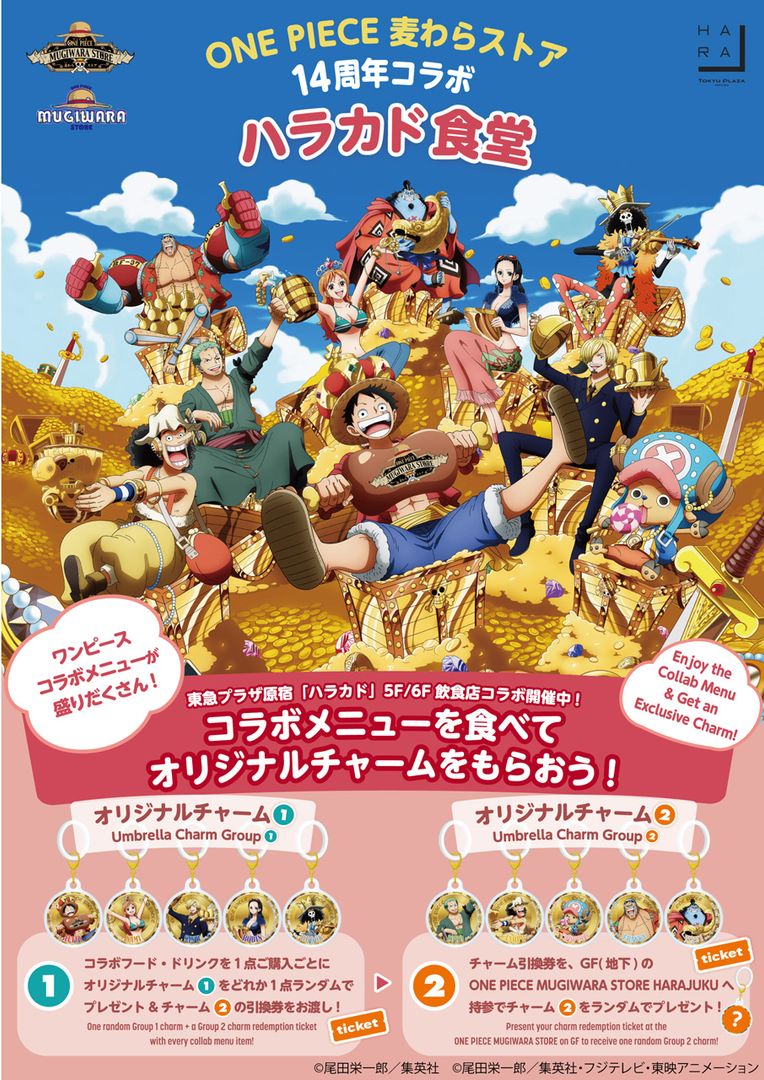
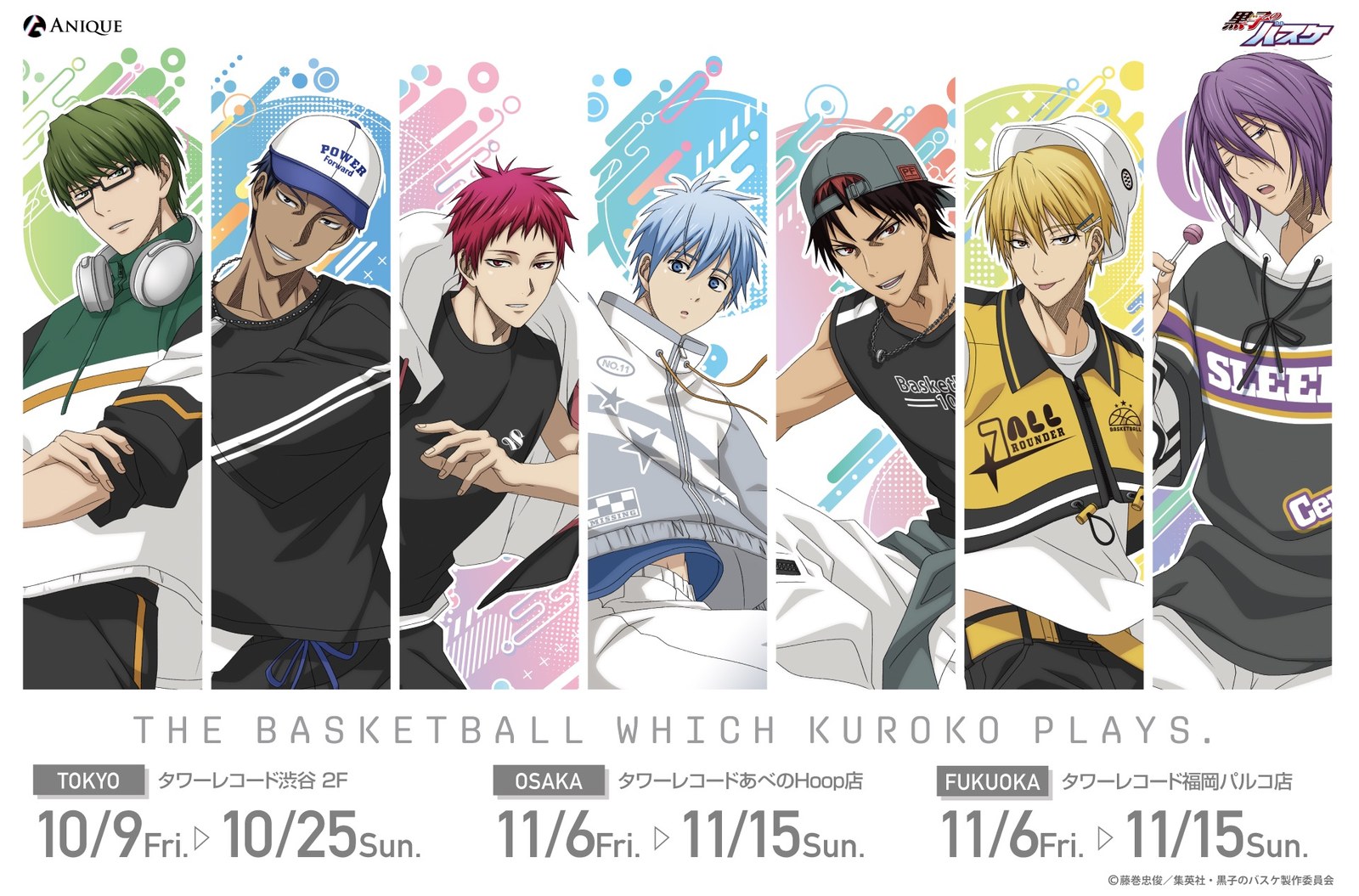
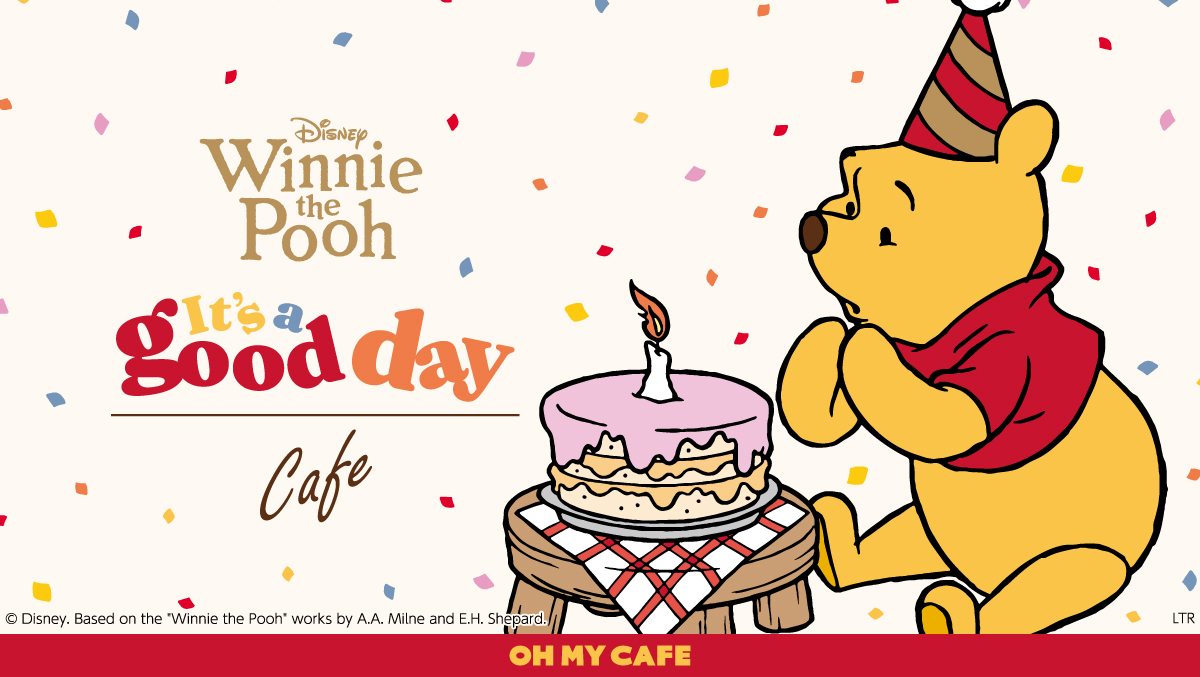
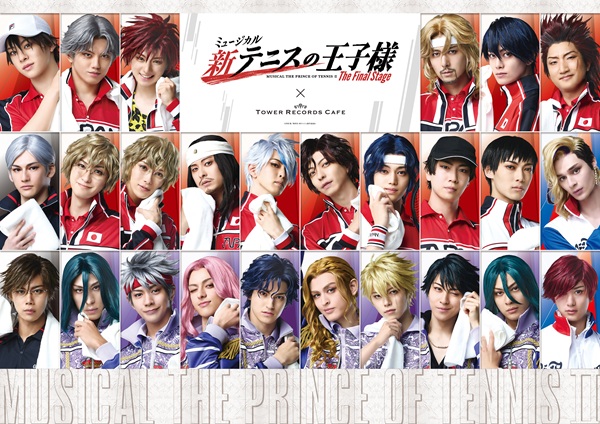
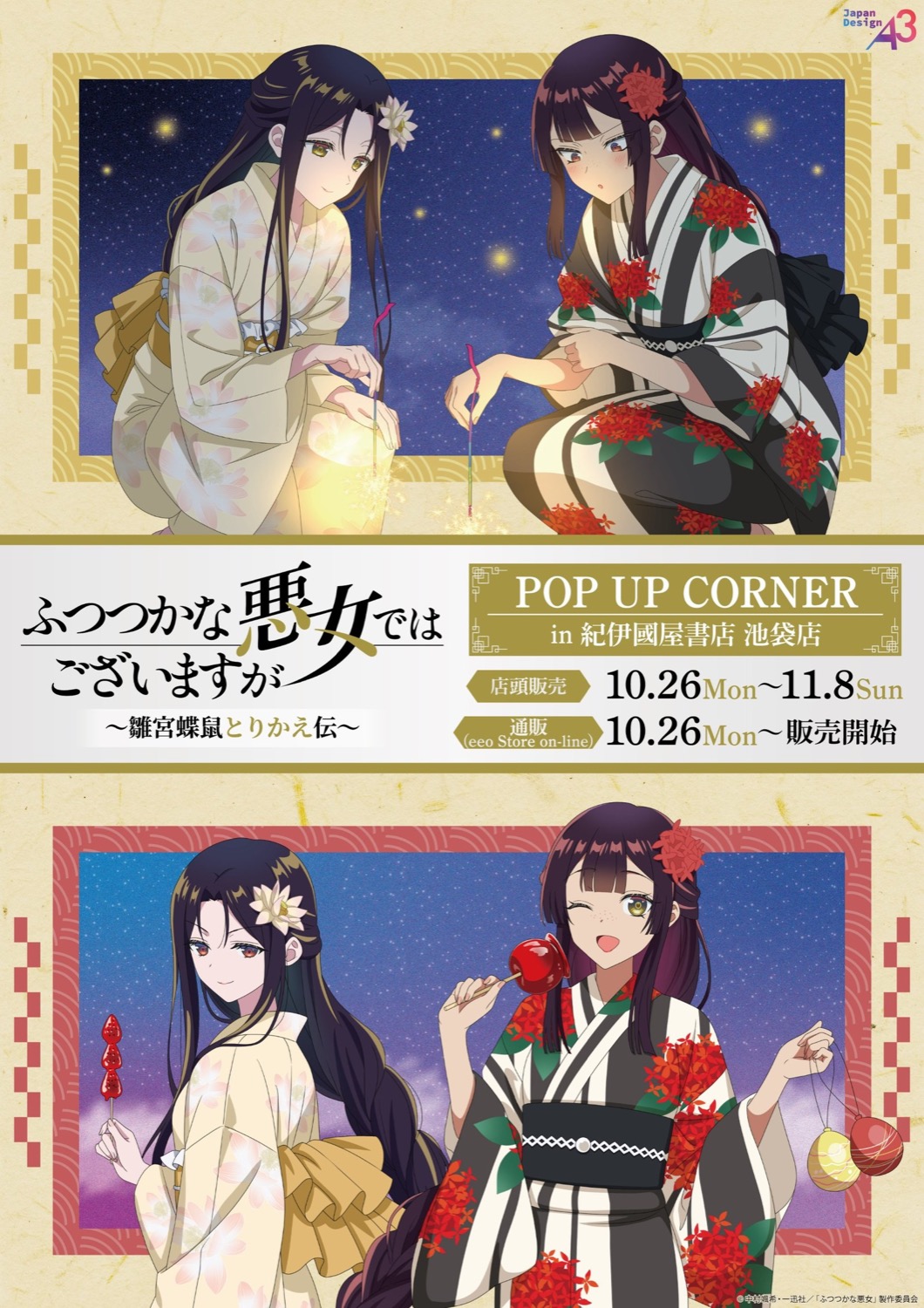
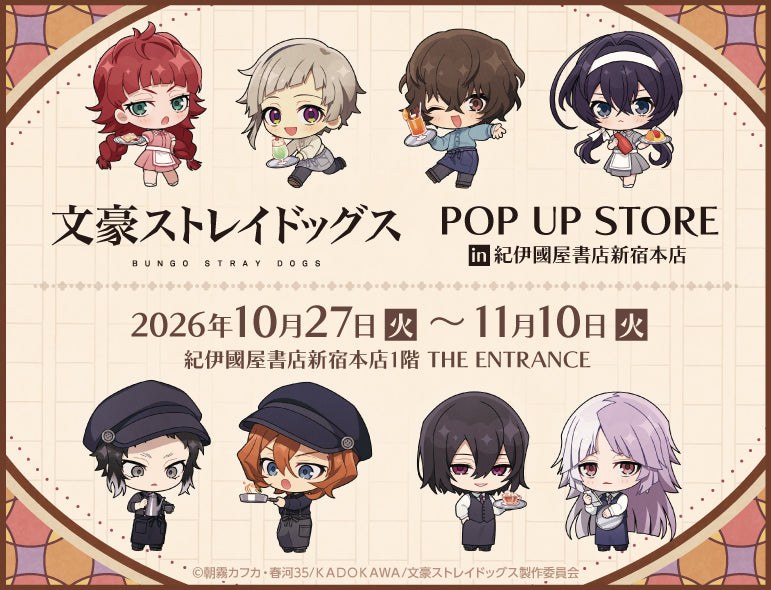
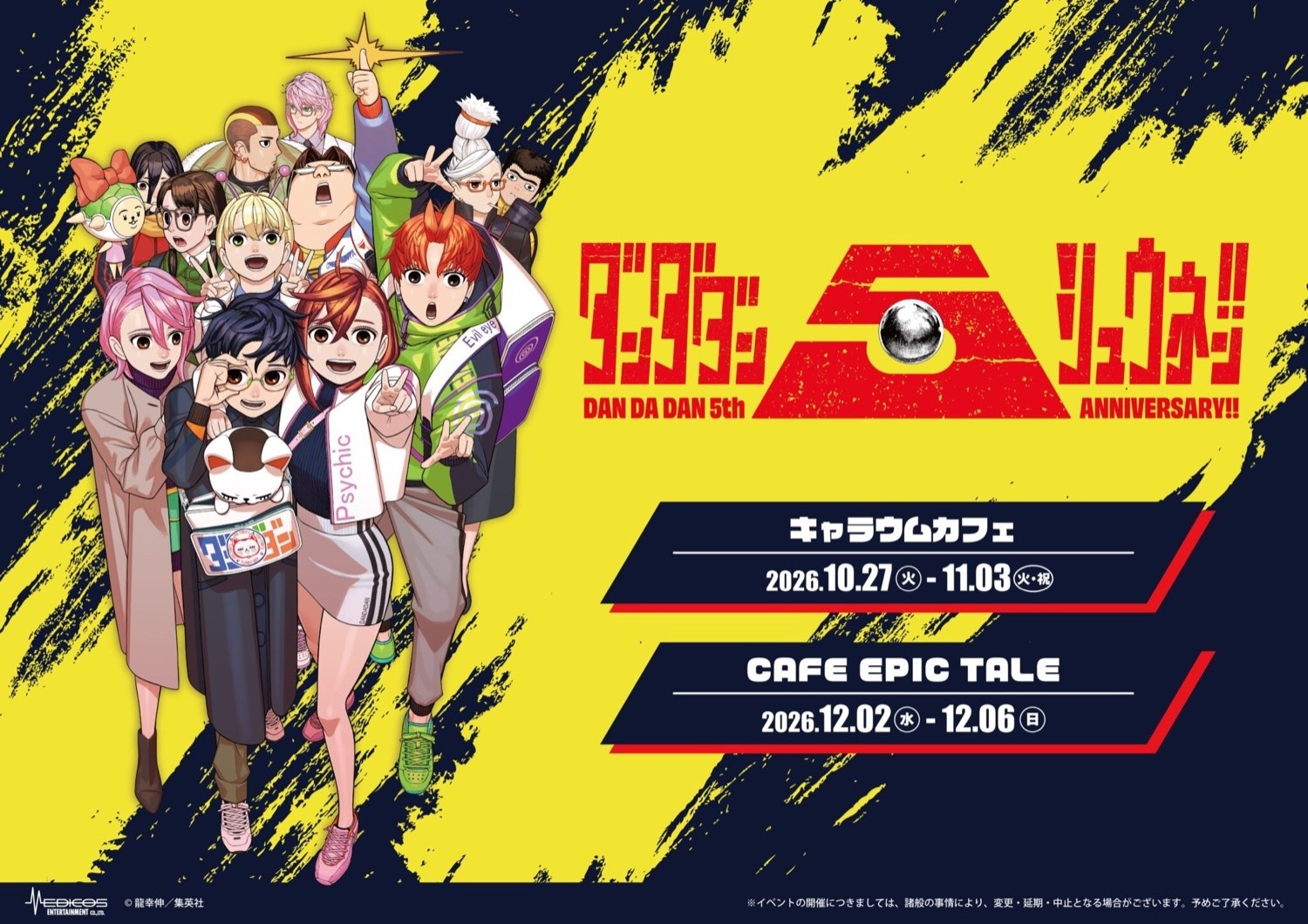
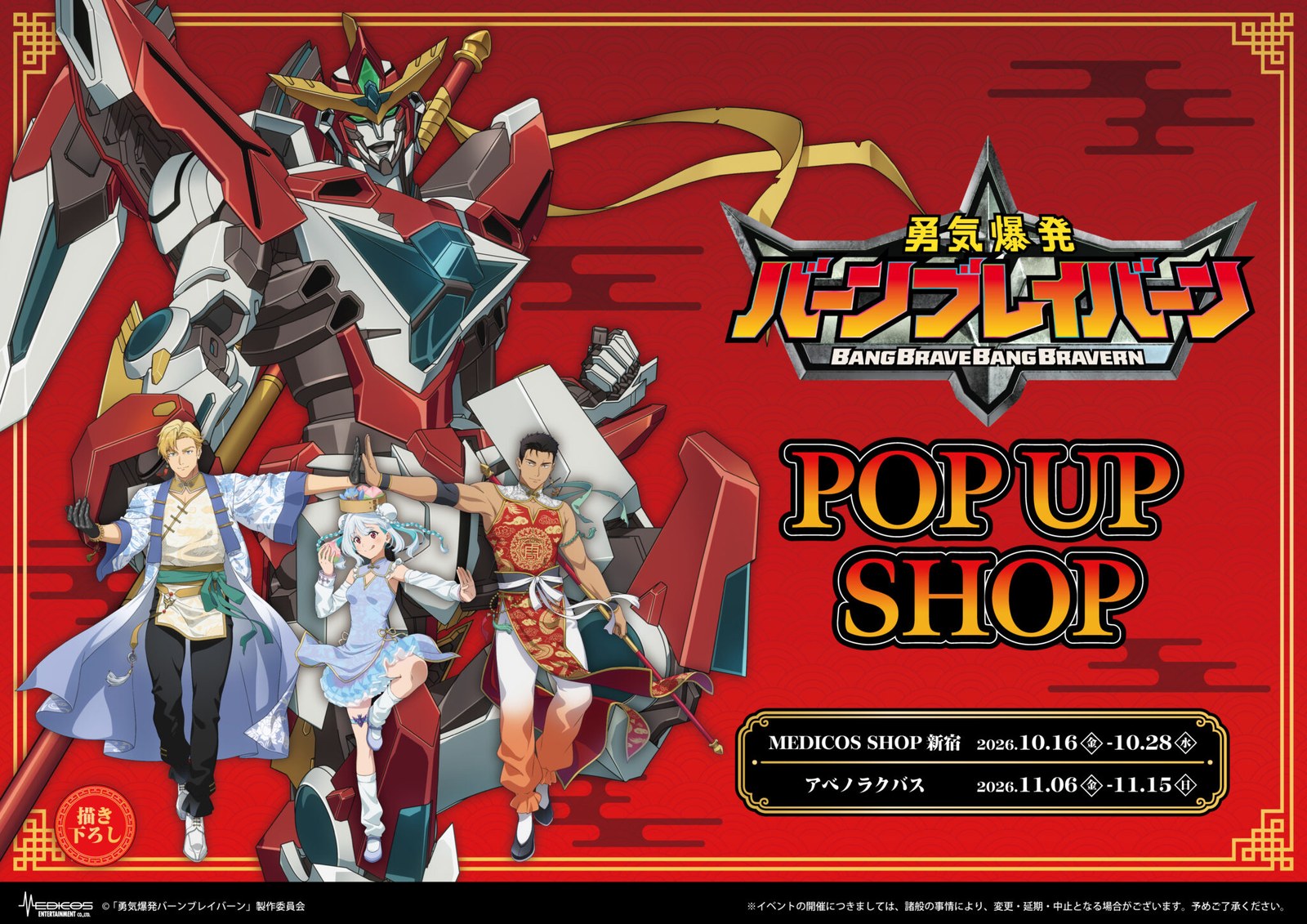
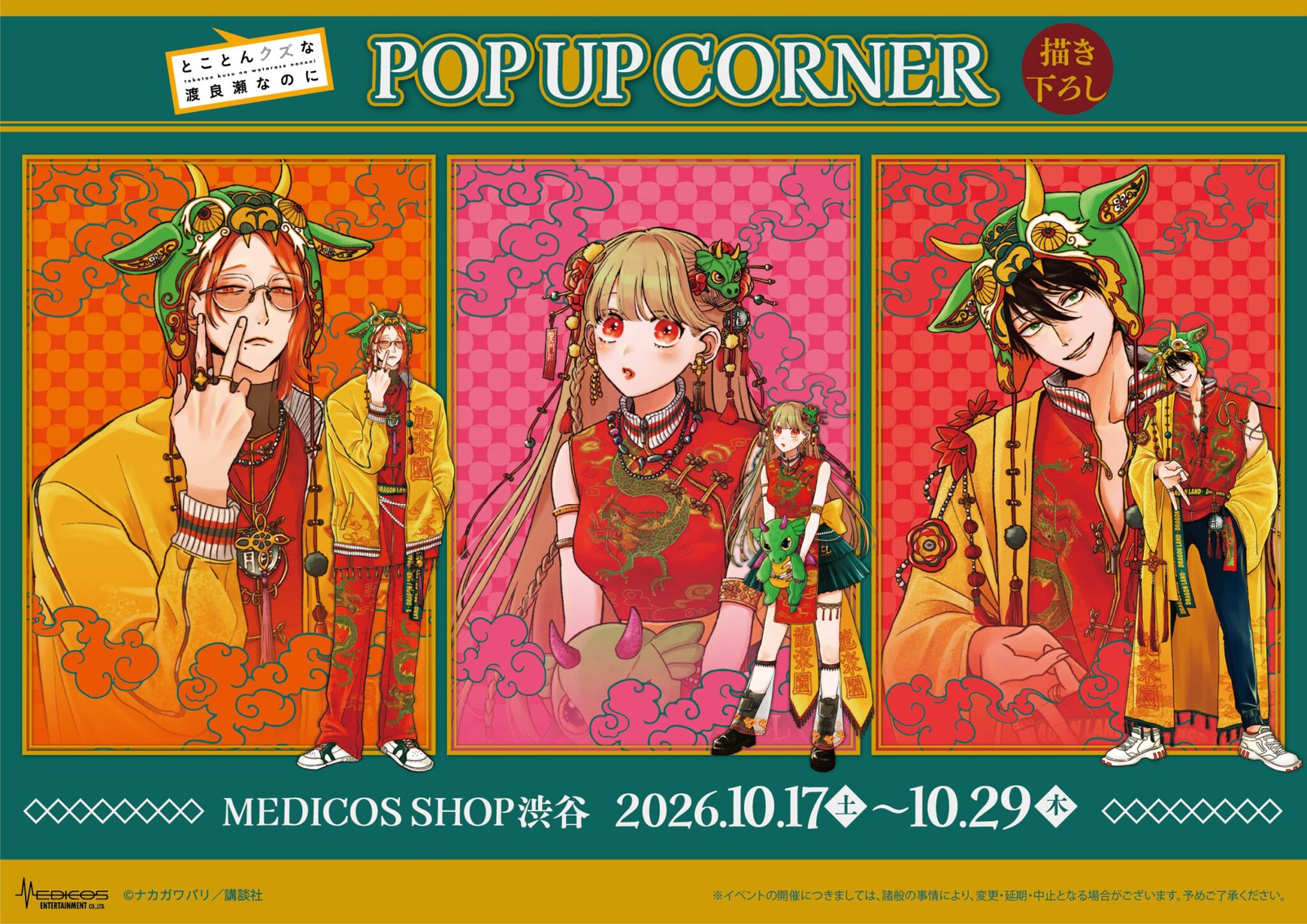
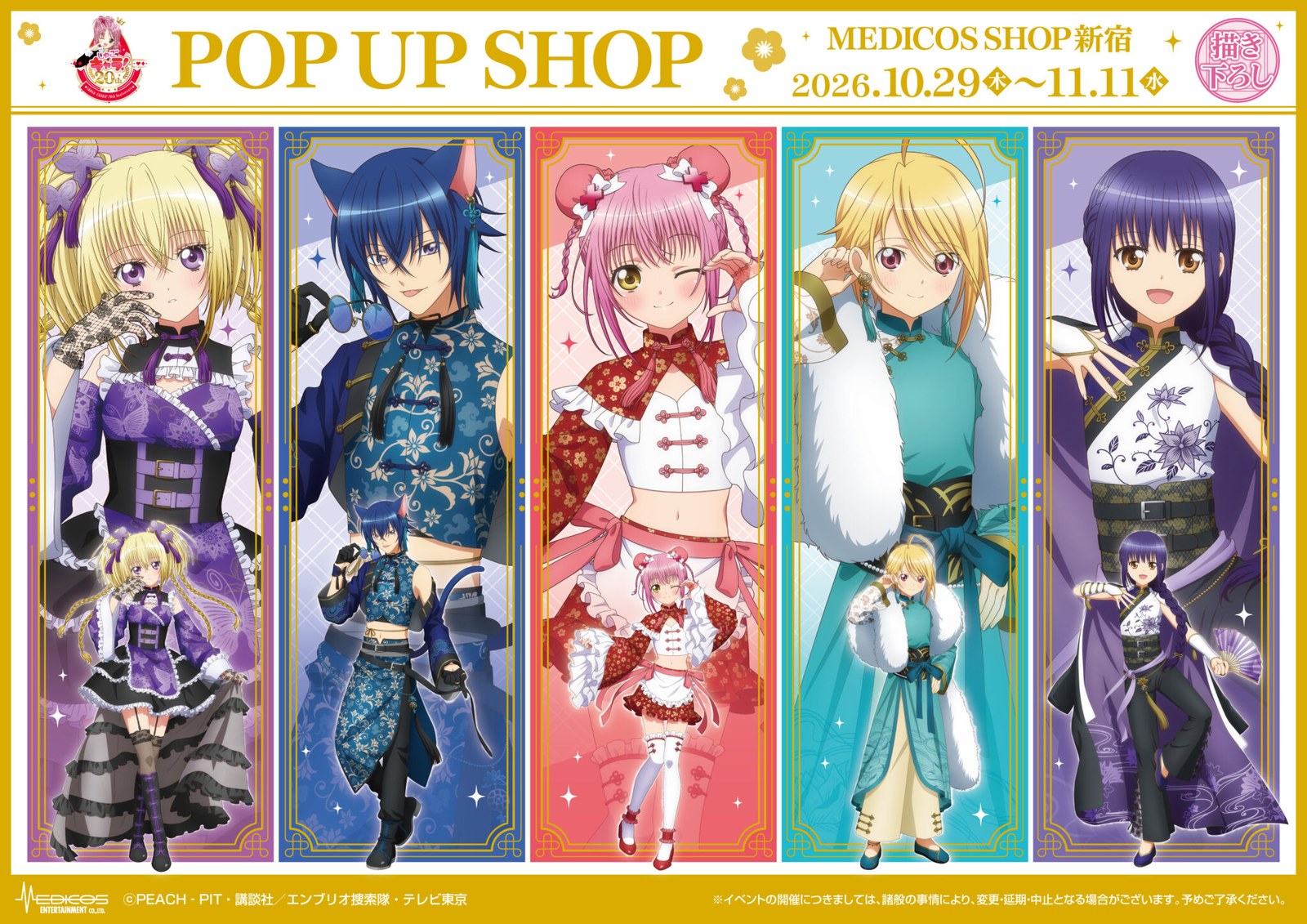
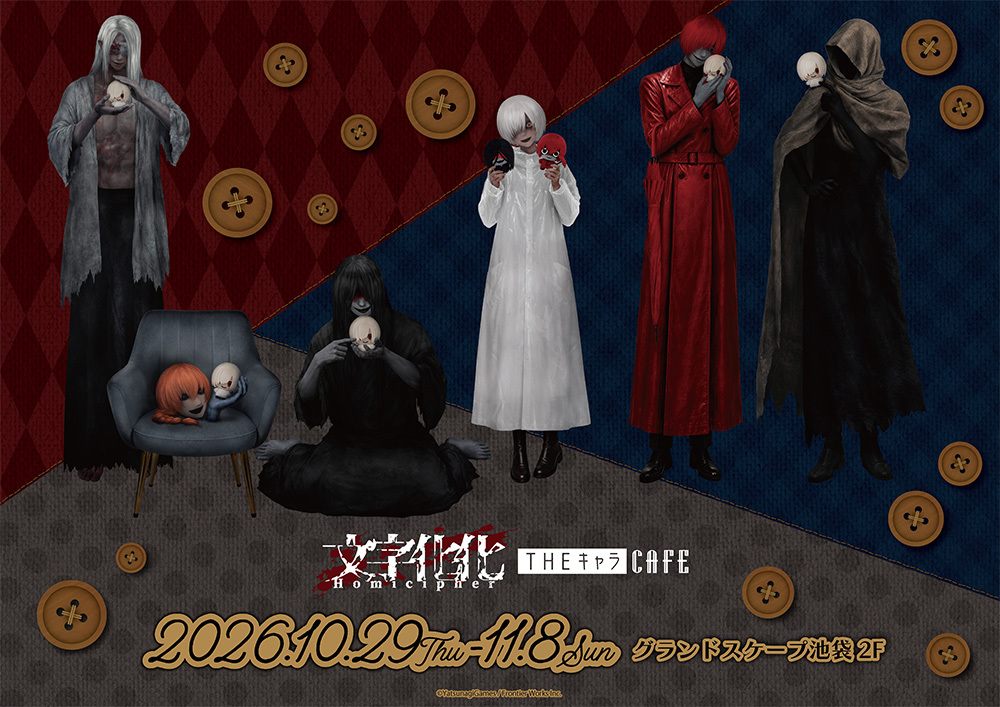
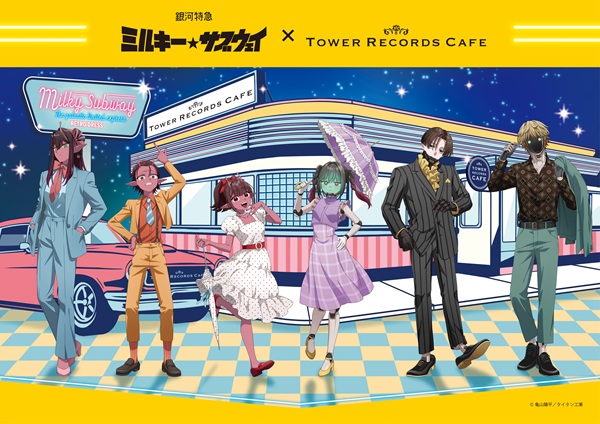
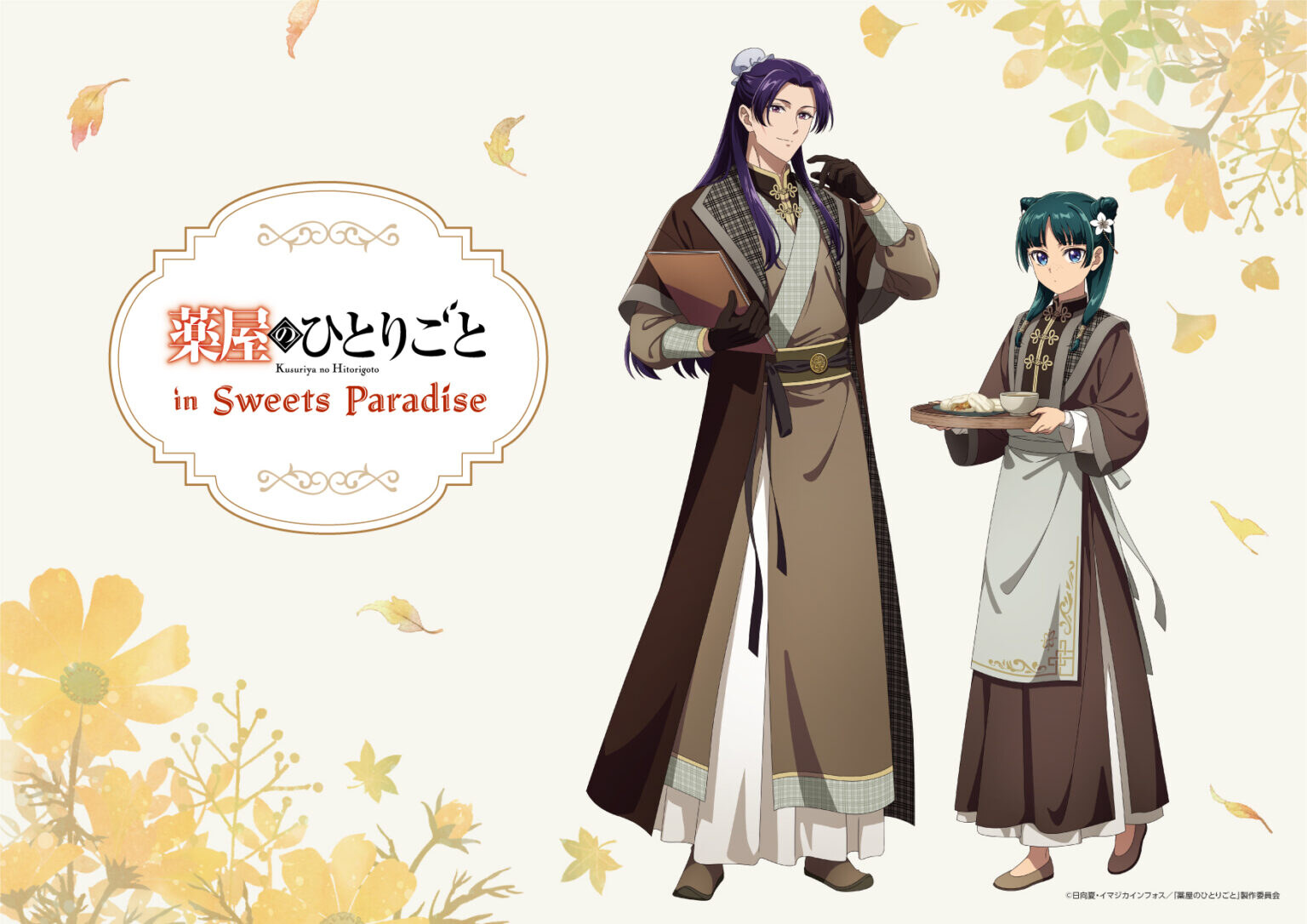
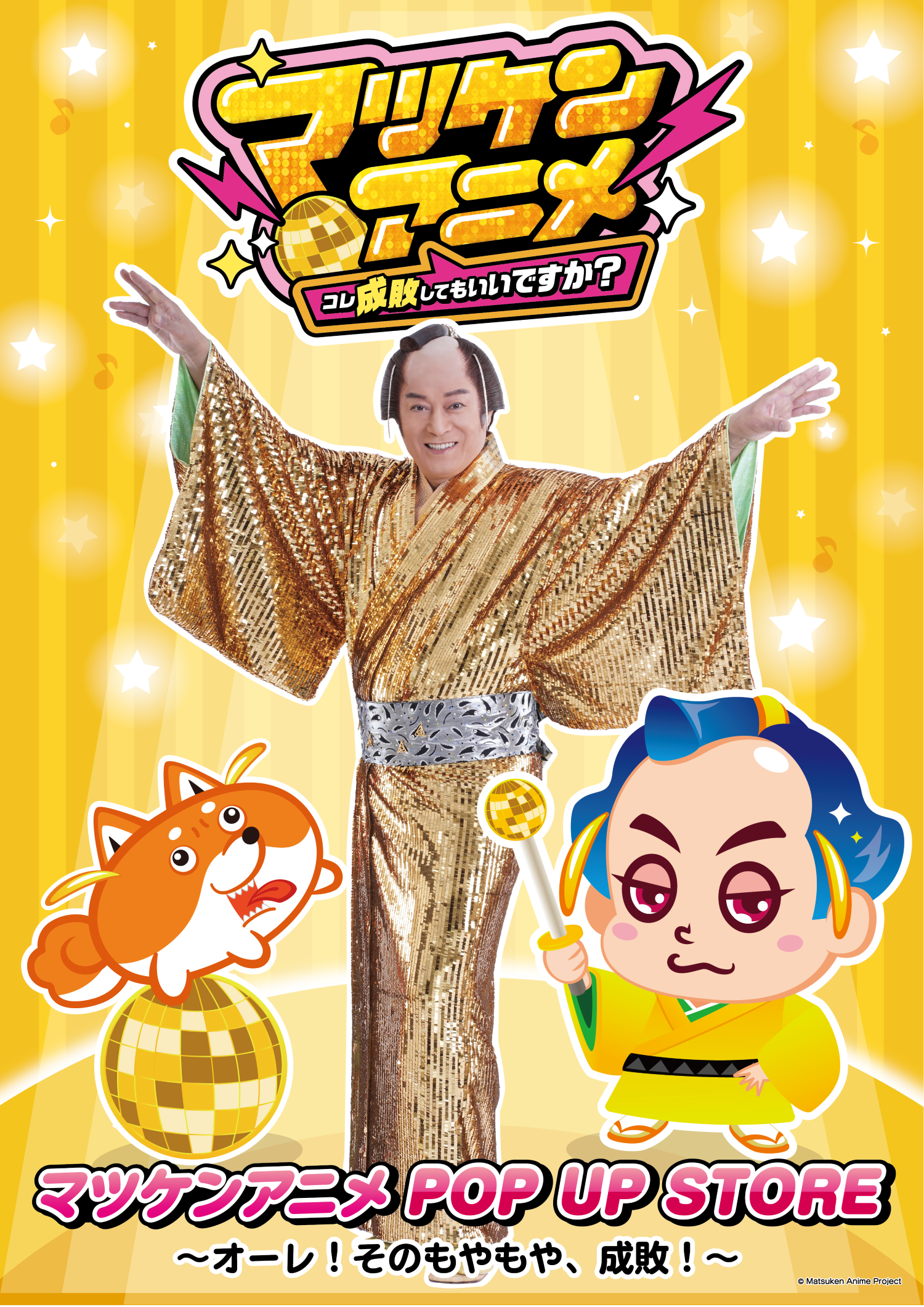
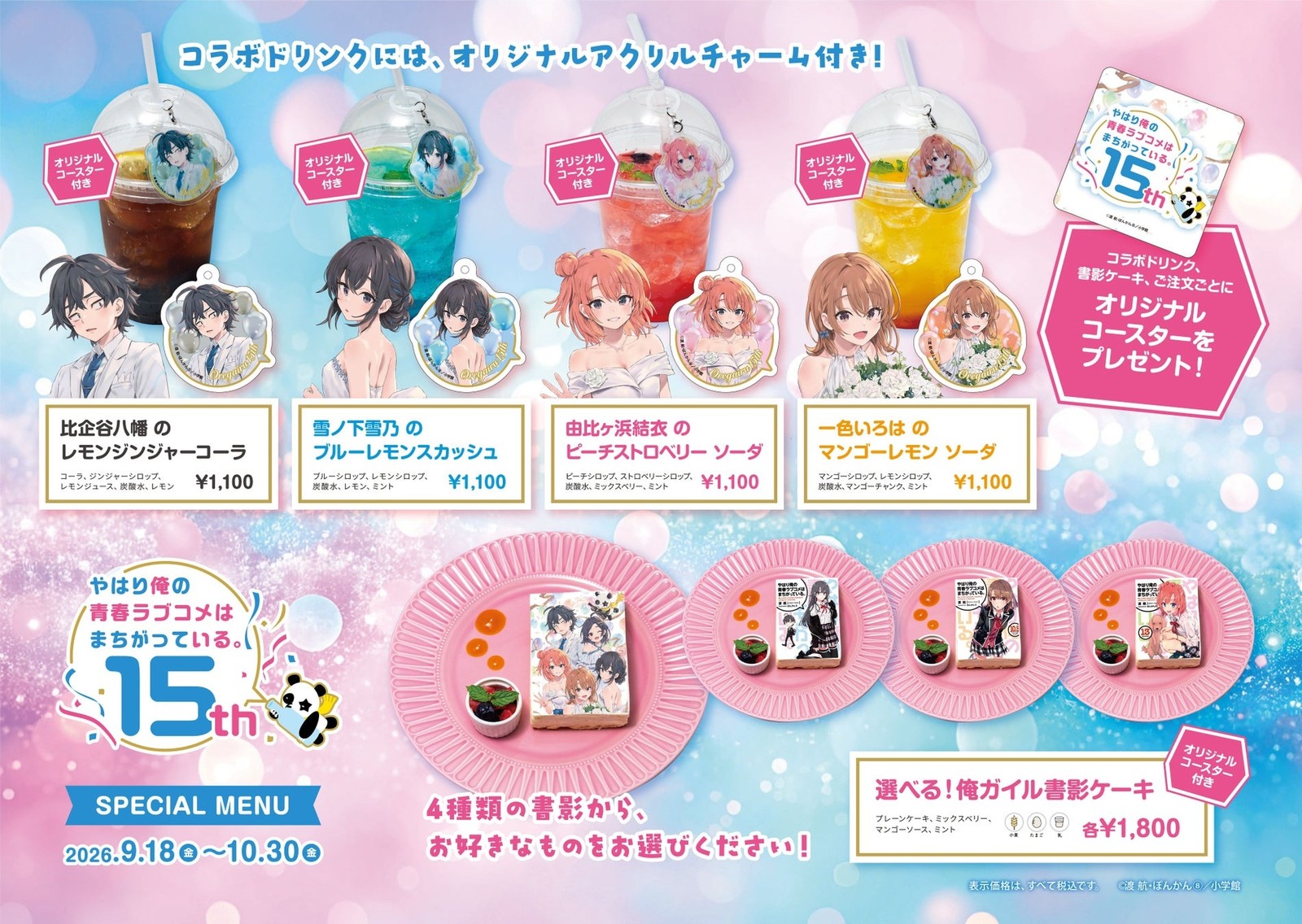
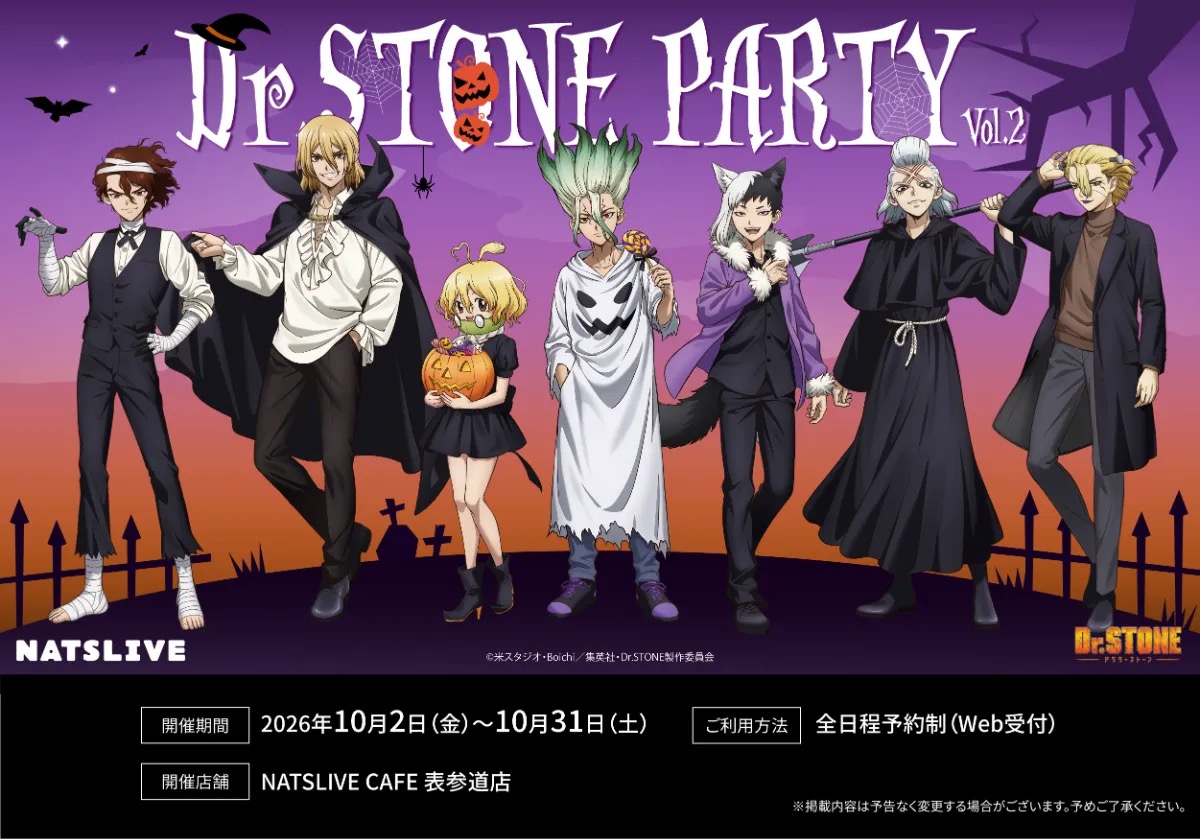
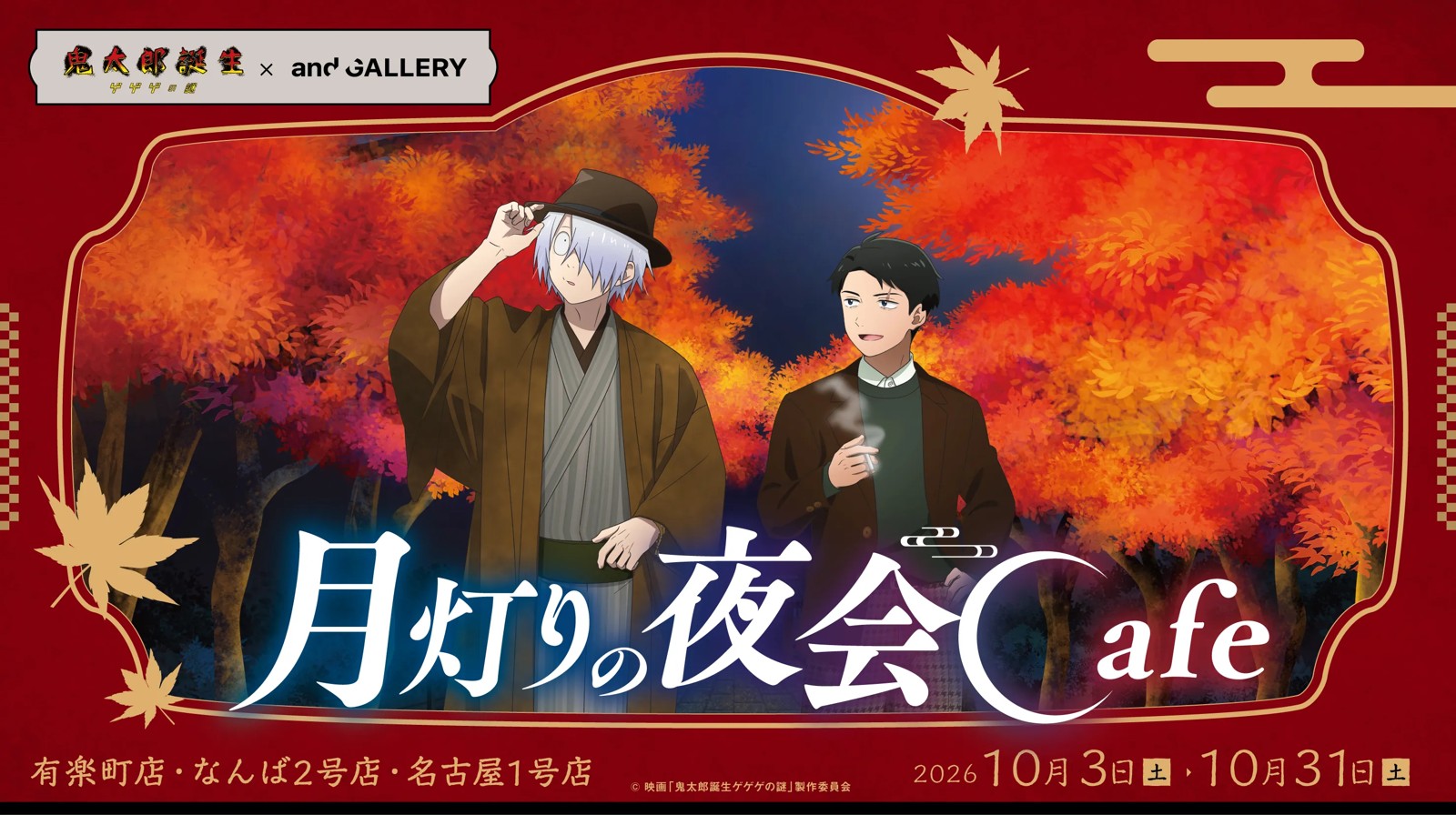
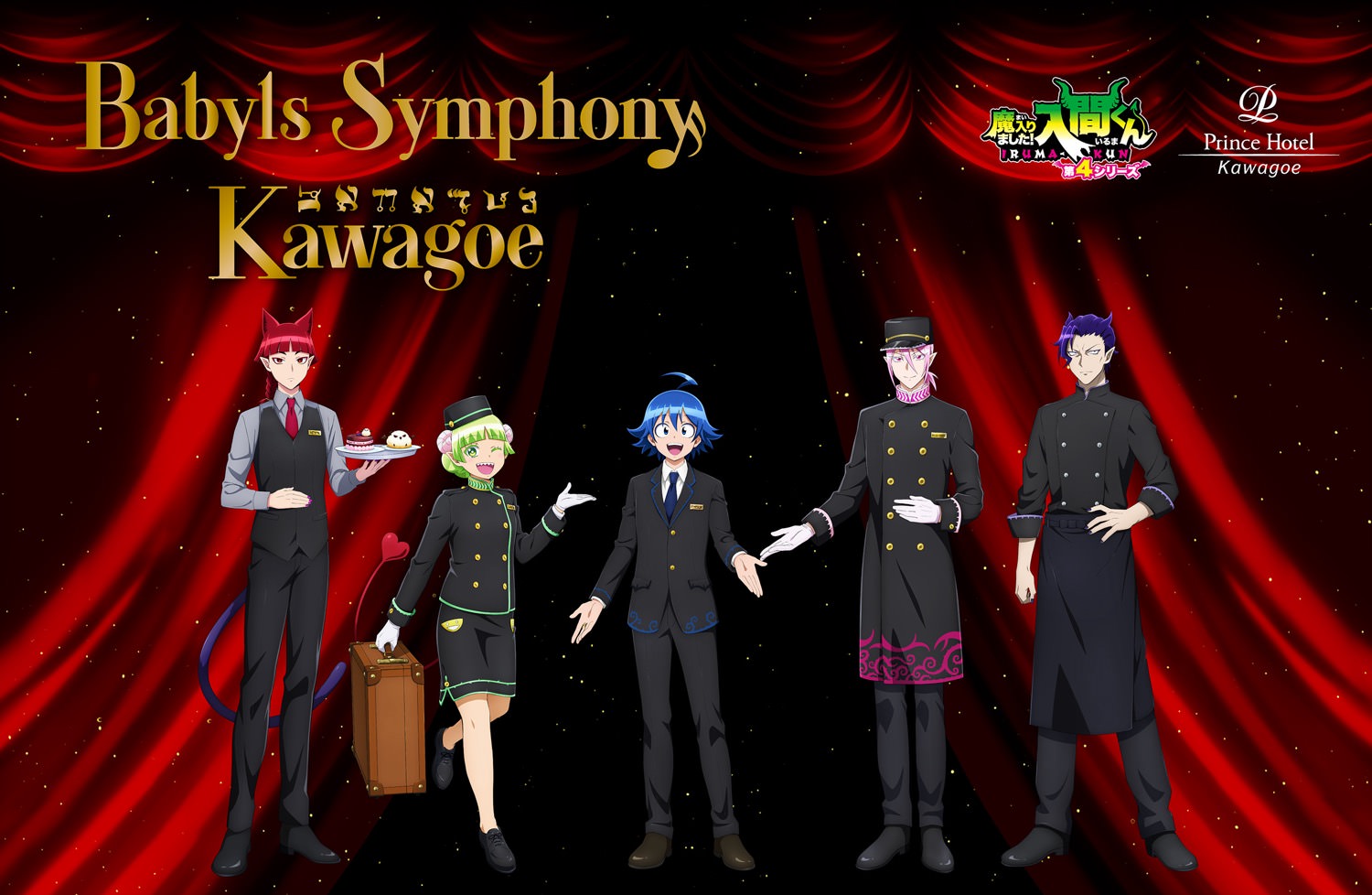
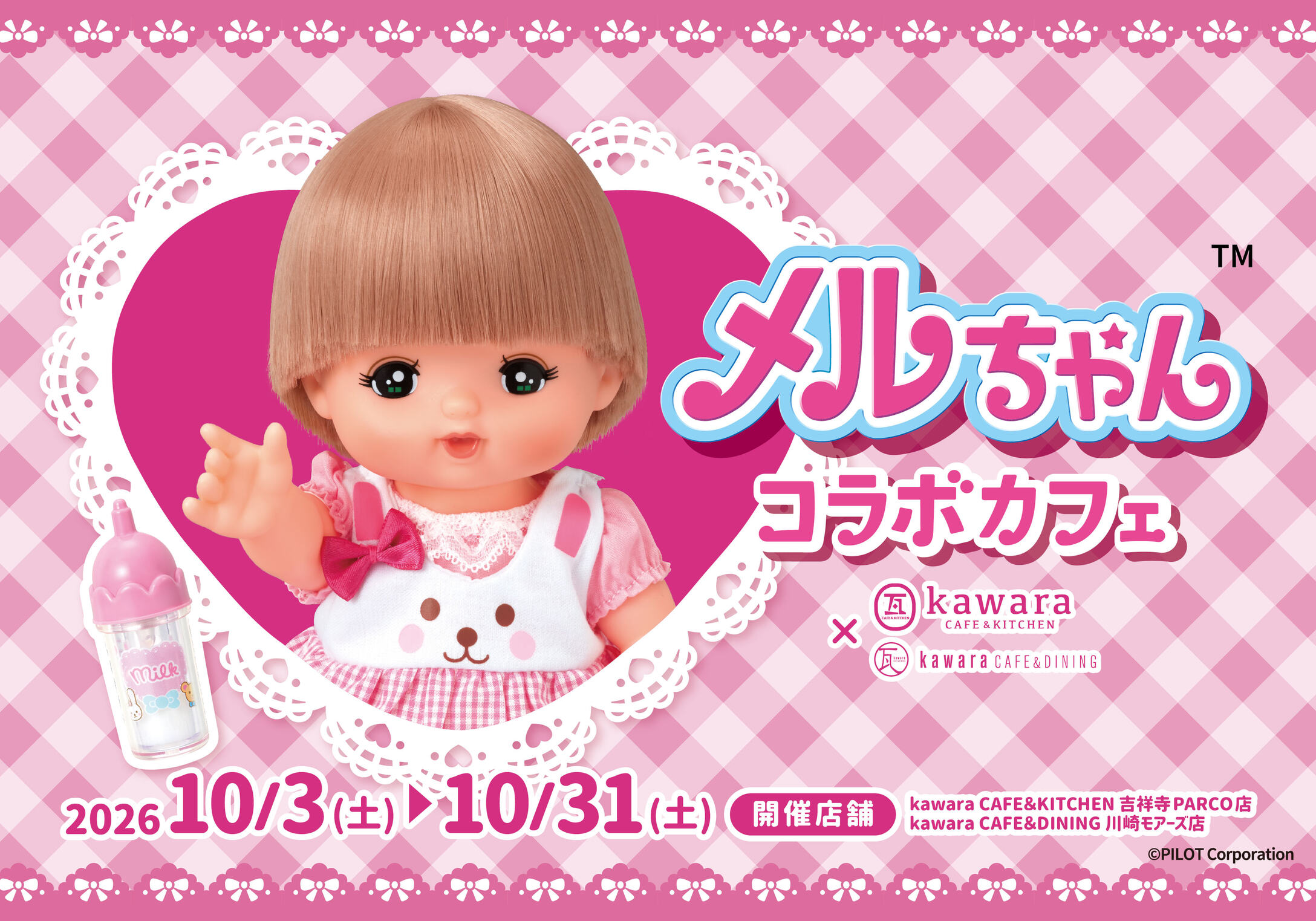
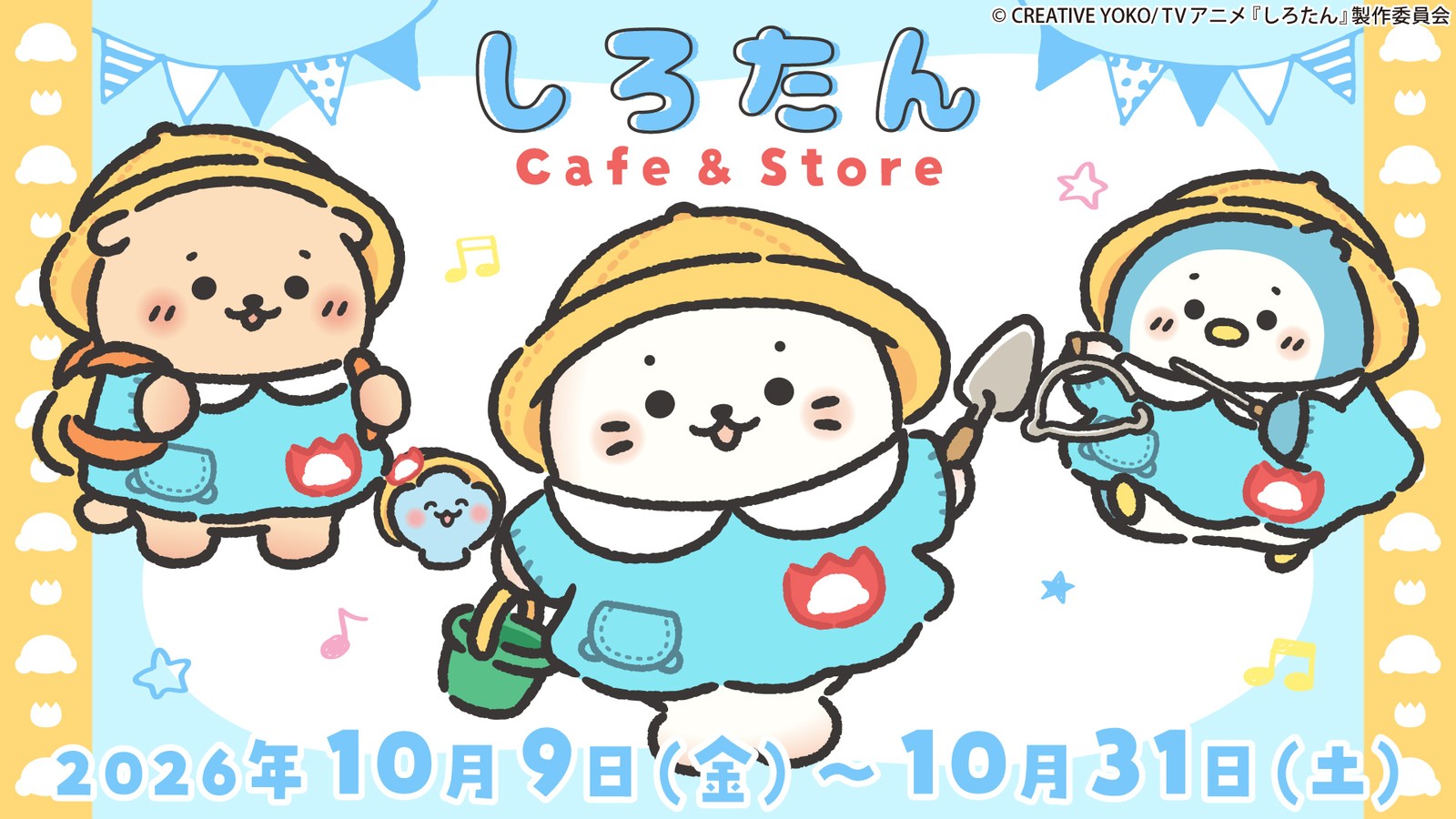
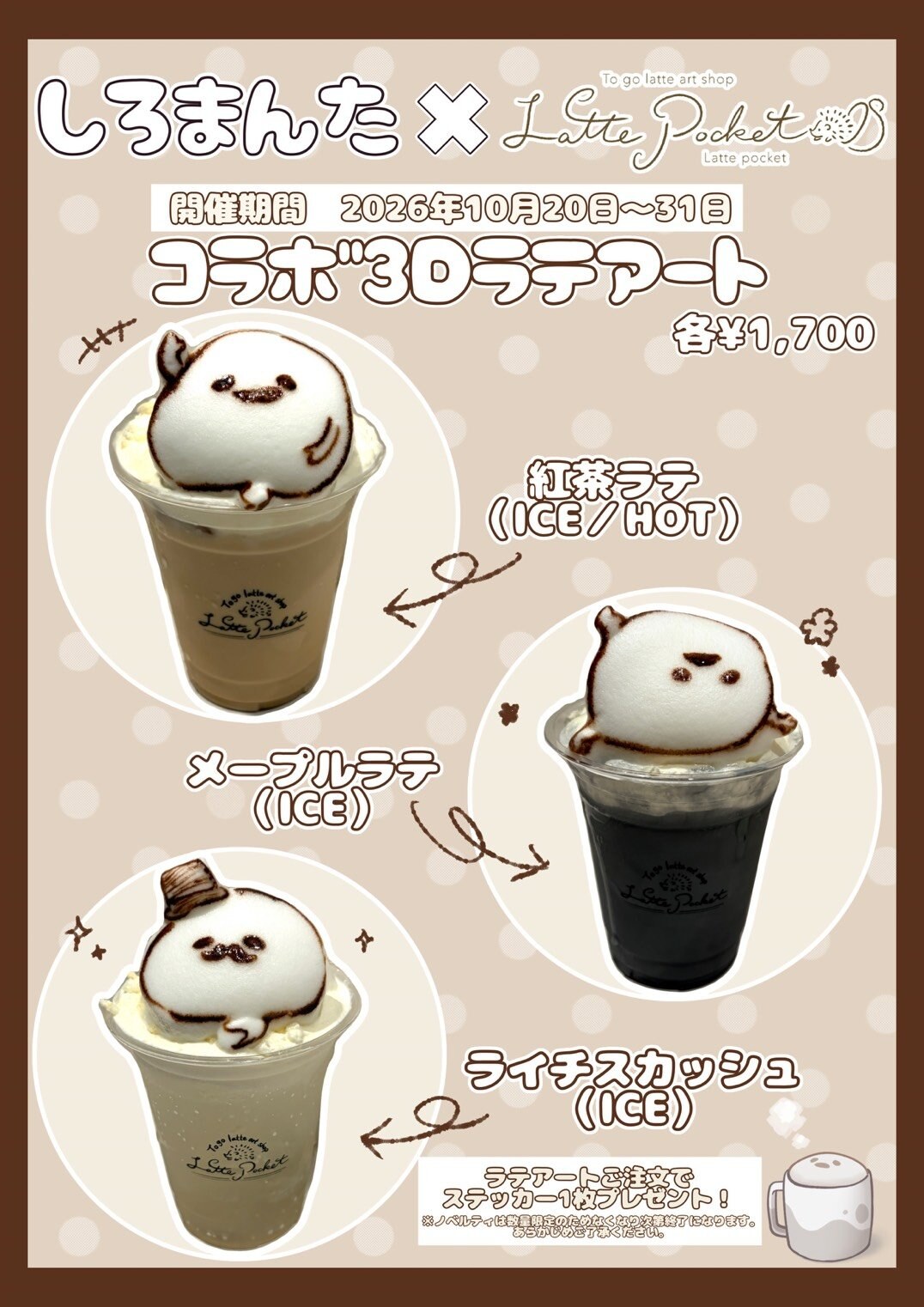
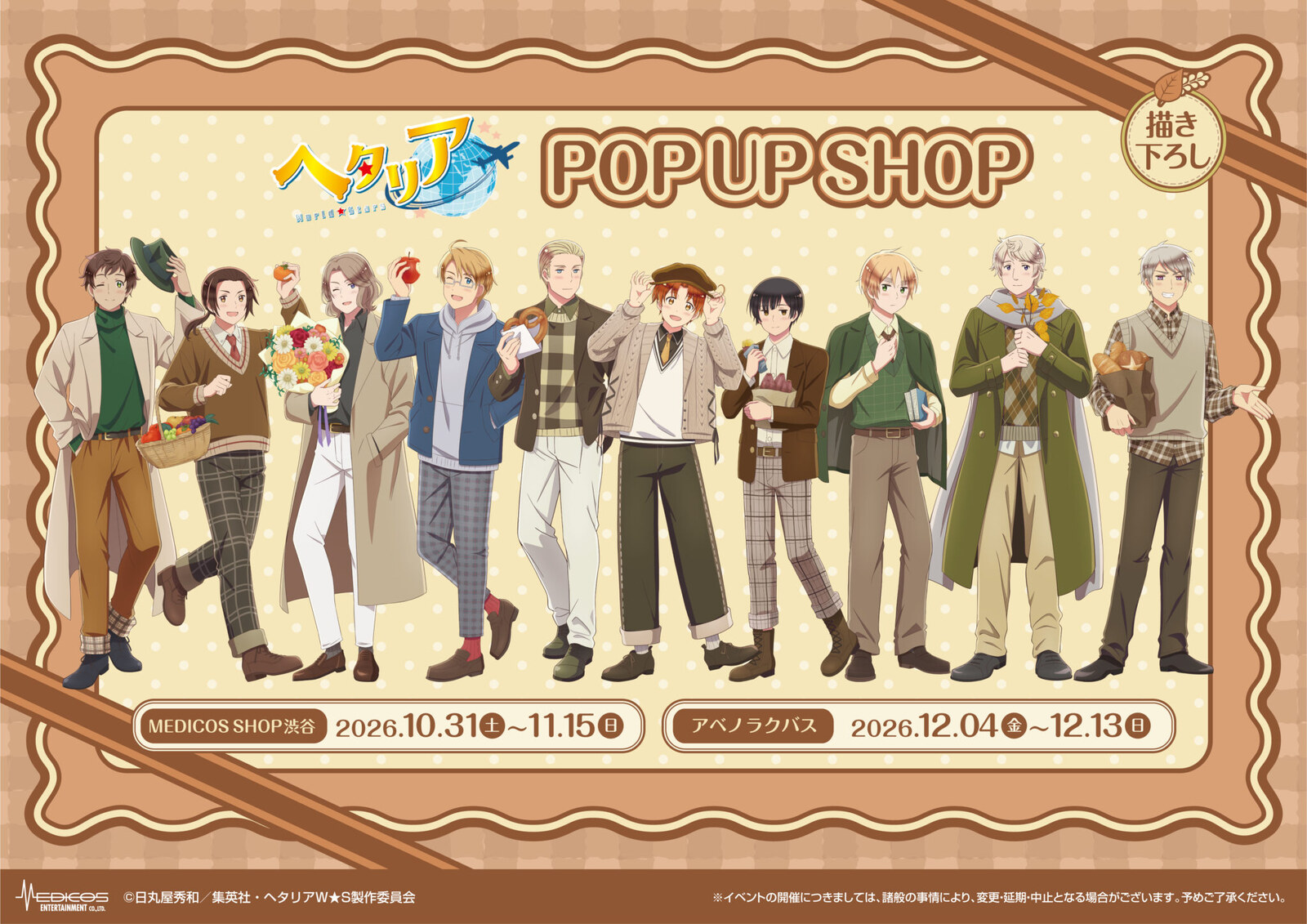
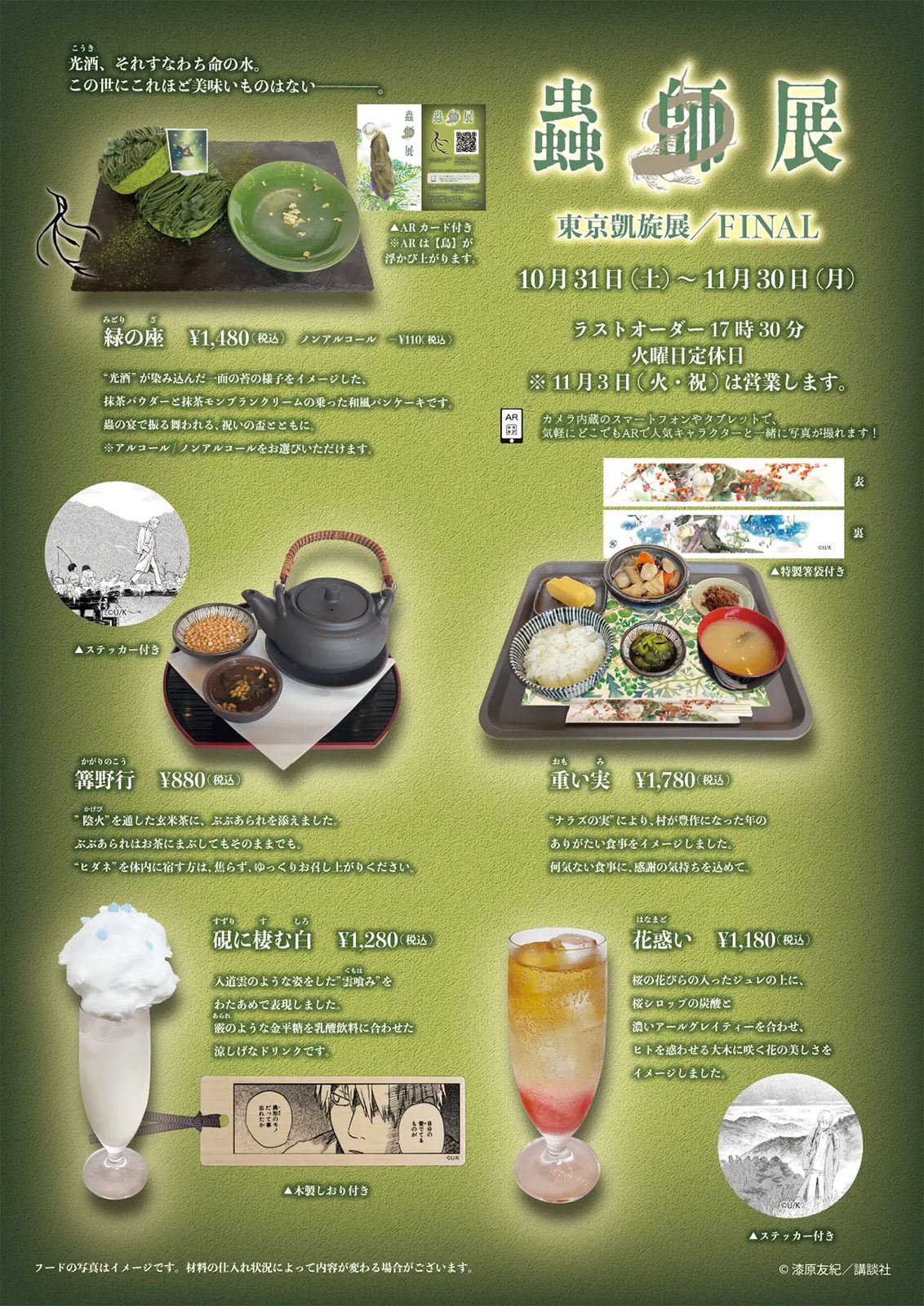
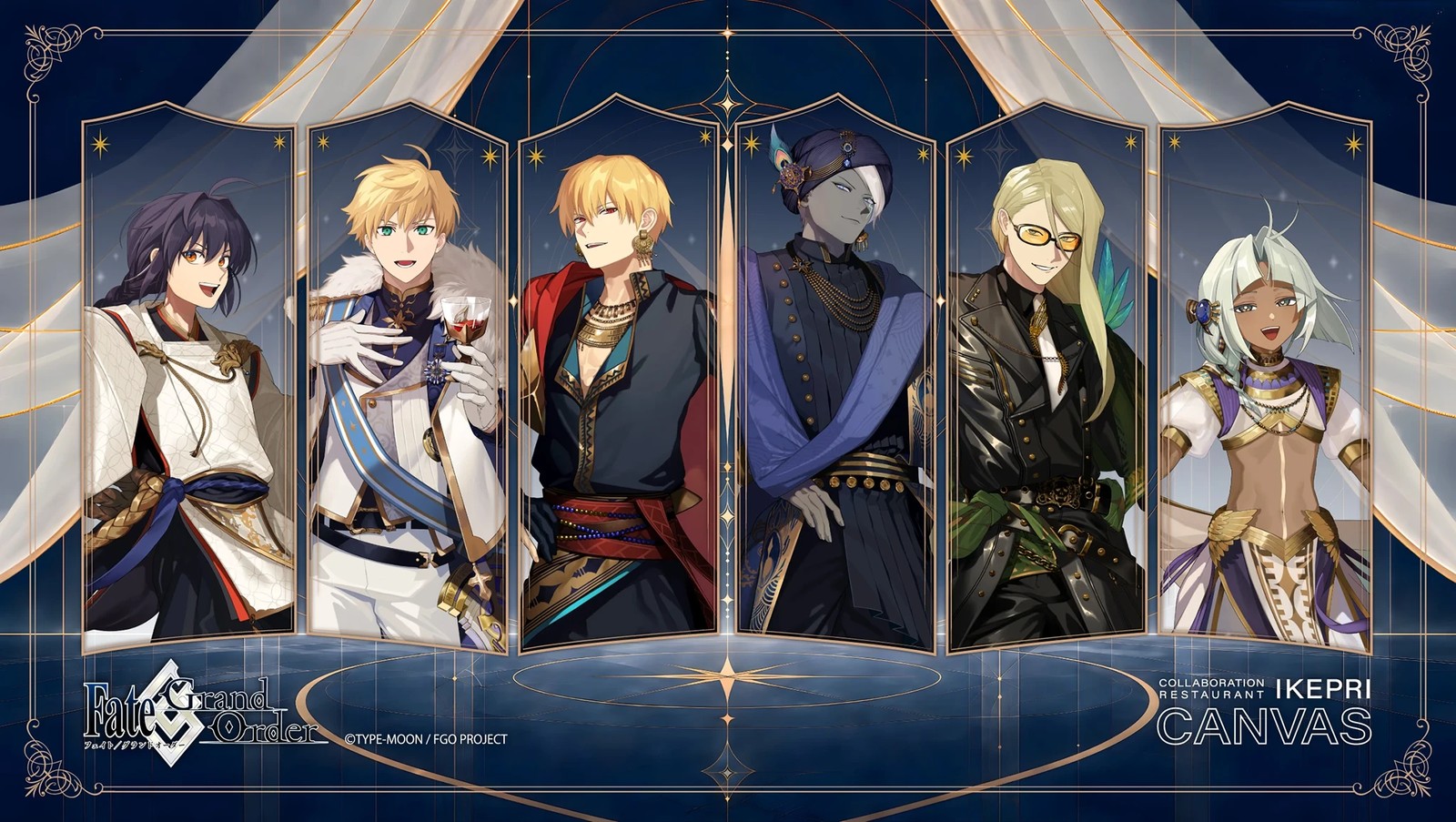
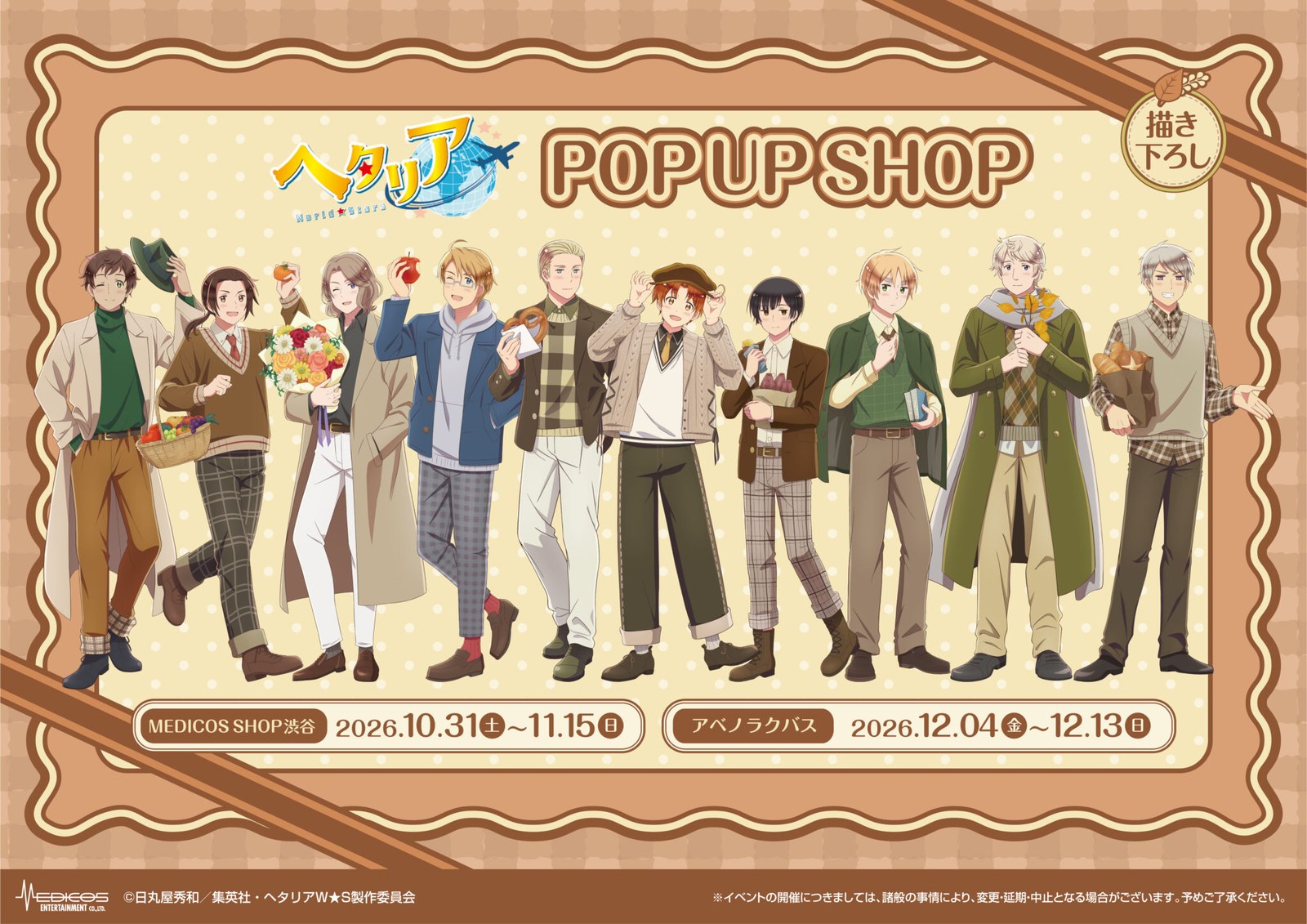
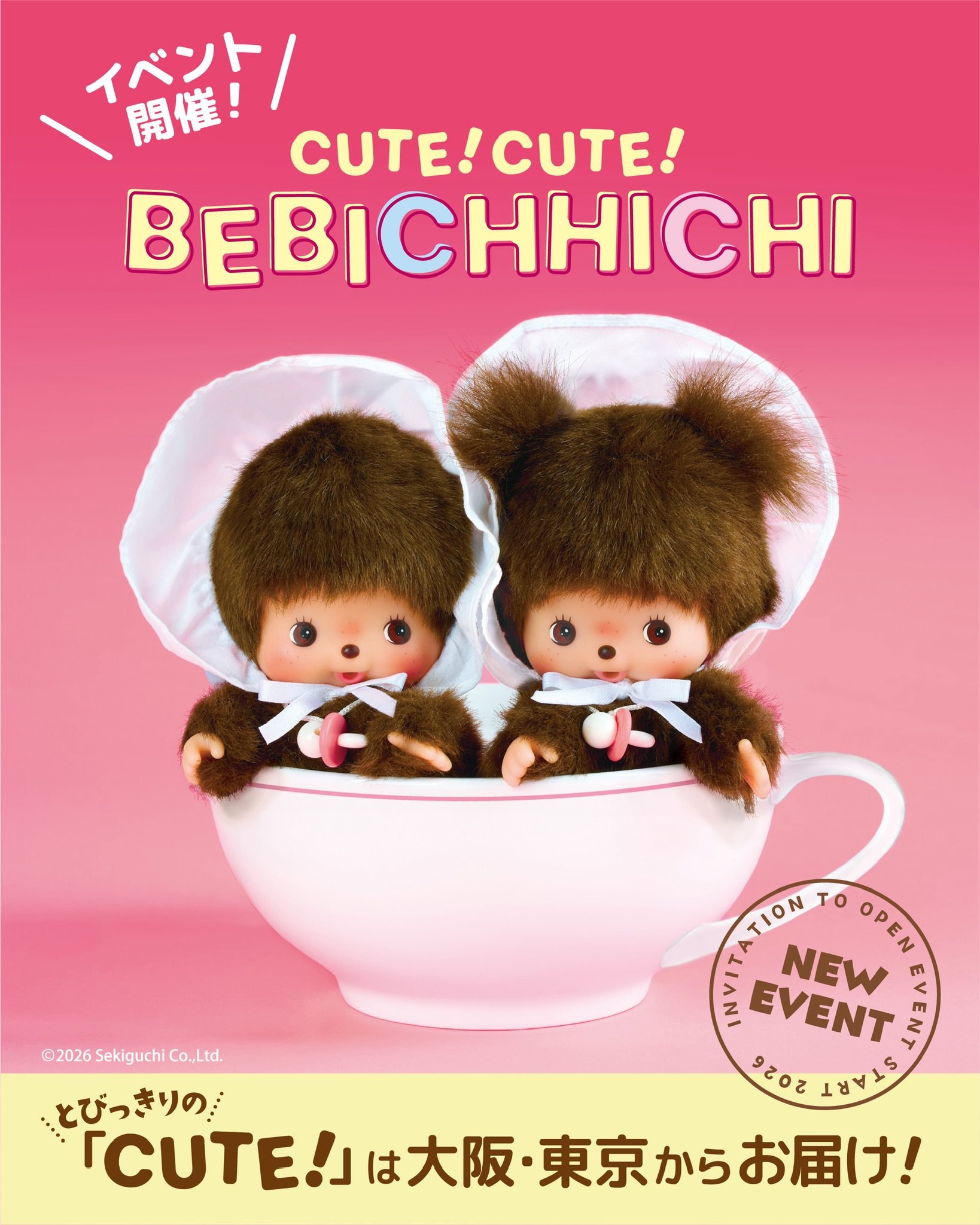
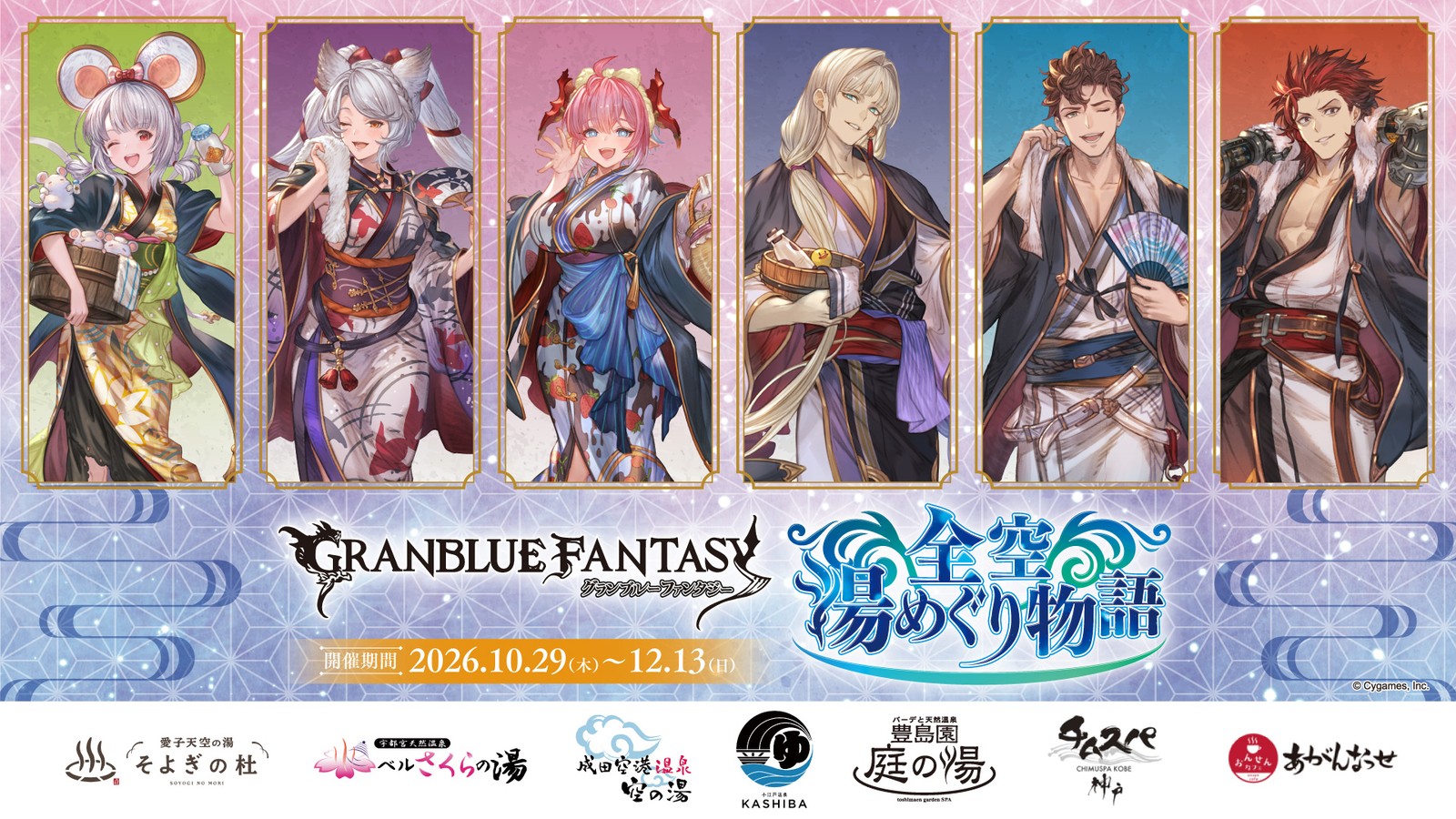
A collab café (コラボカフェ) is a café that takes on one series for a few weeks: themed food and drinks, decorations, and a small exclusive shop. For popular series you usually book a seat in advance on the café's site or through a ticket service, and the biggest ones use a lottery. Seats come in fixed time slots, often around 60 to 90 minutes, and arriving late can cancel your booking. Quieter titles often take walk-ins, especially on weekdays.
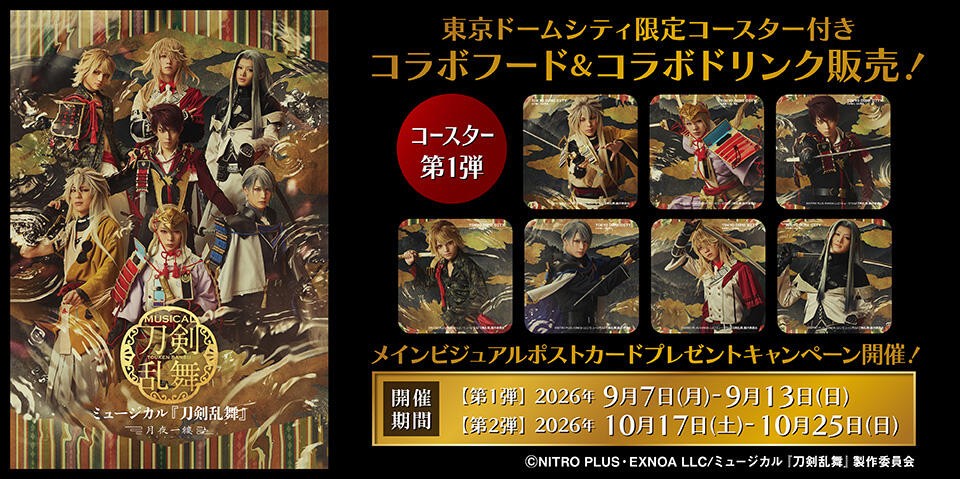
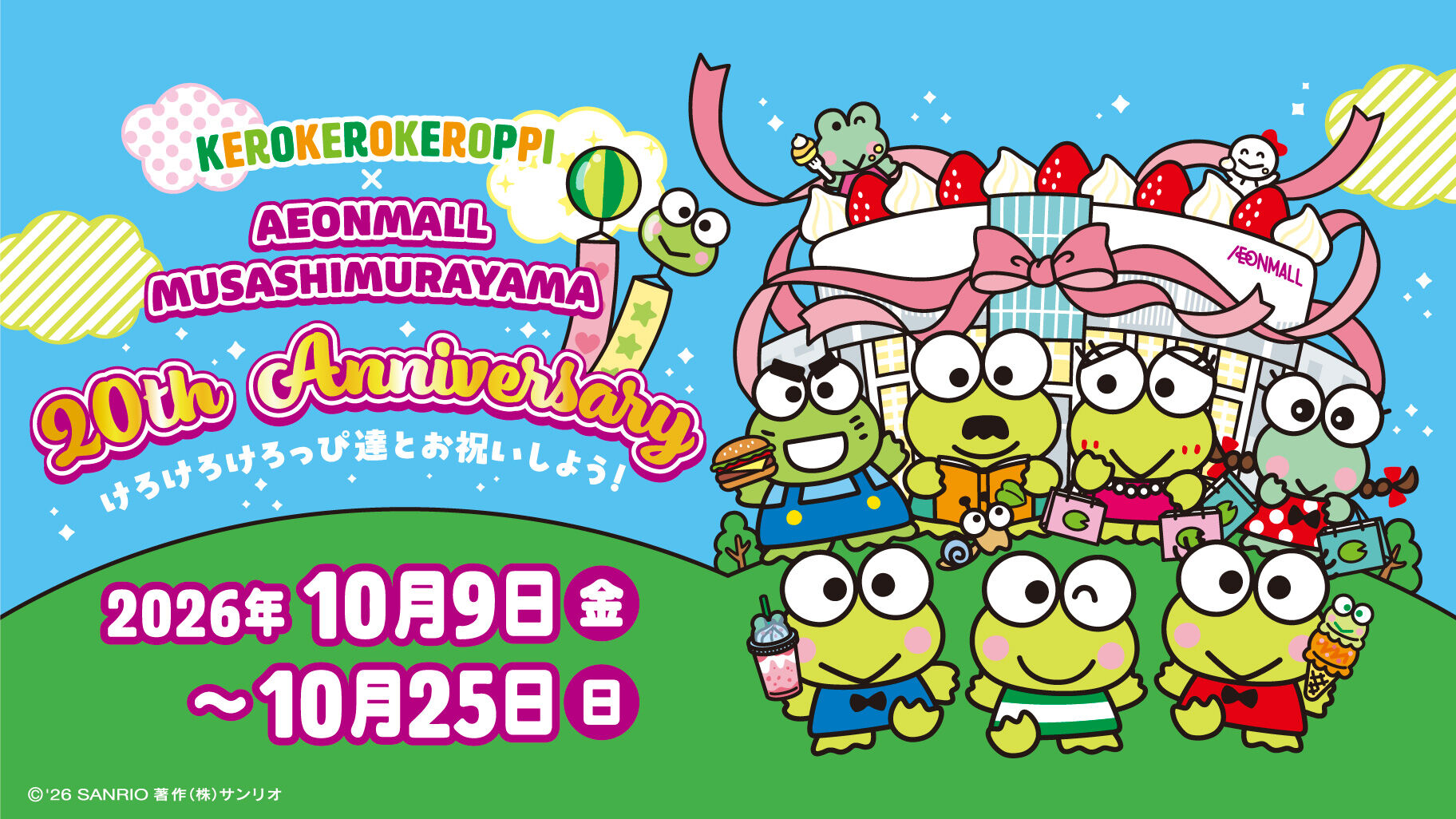
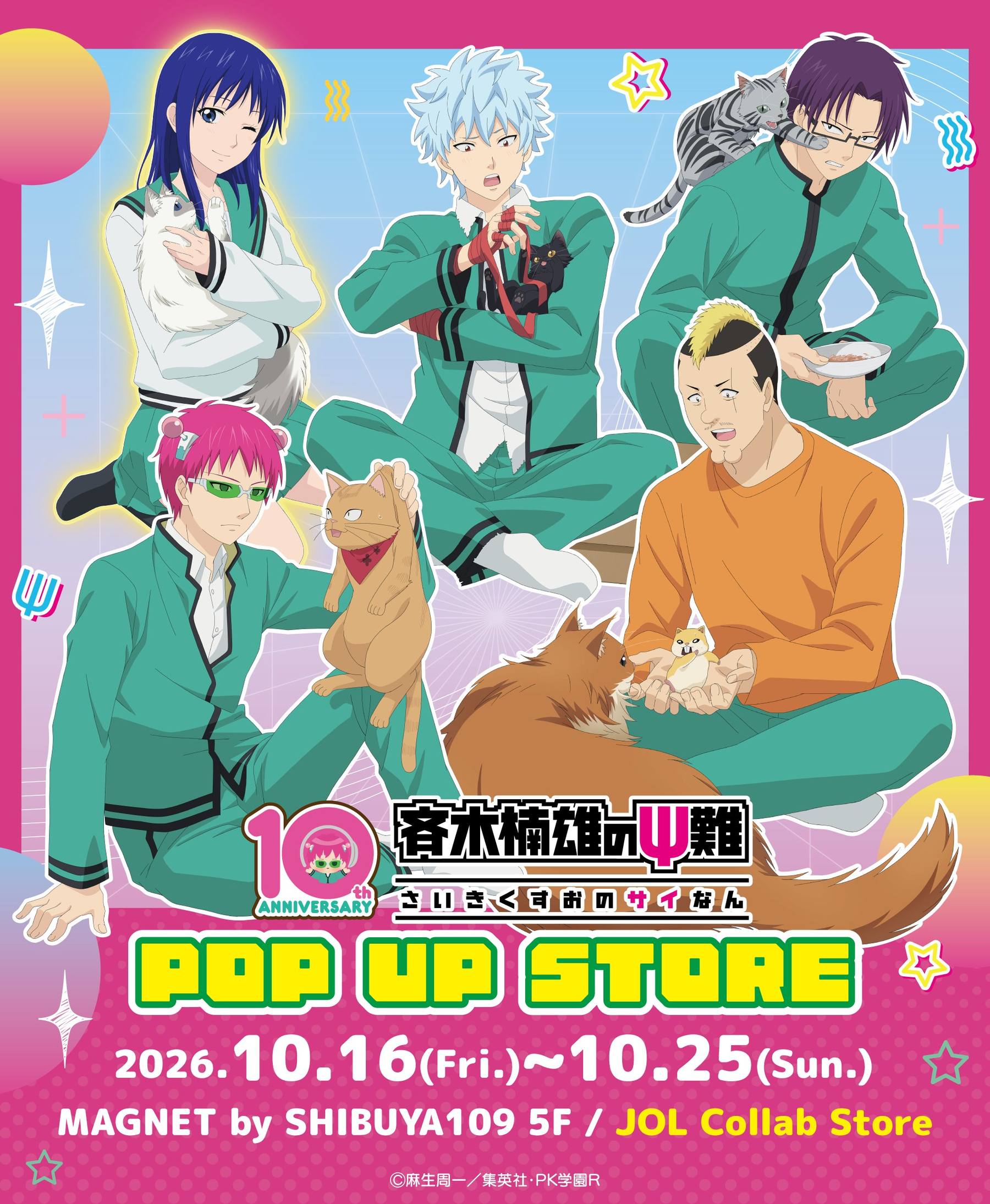
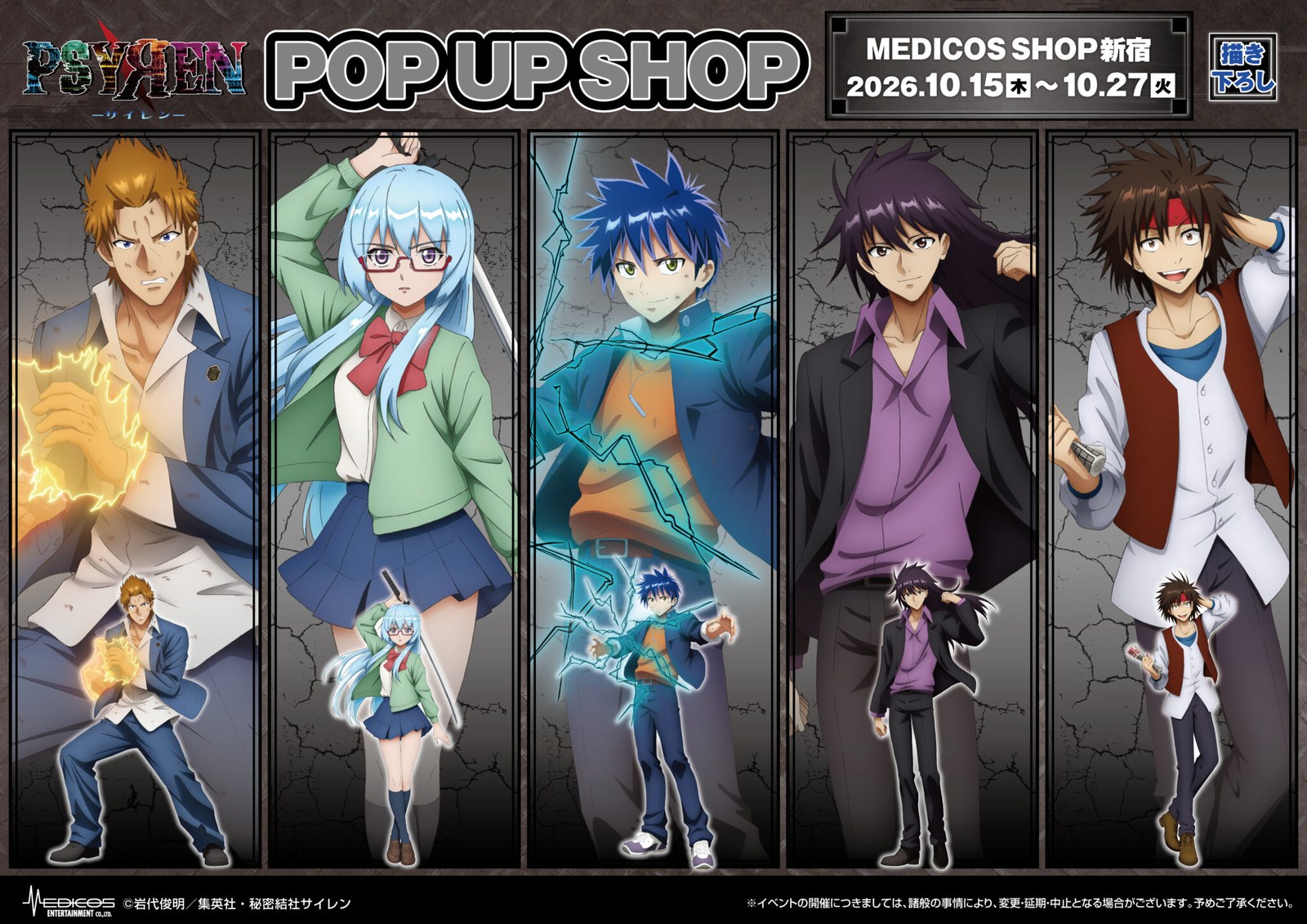
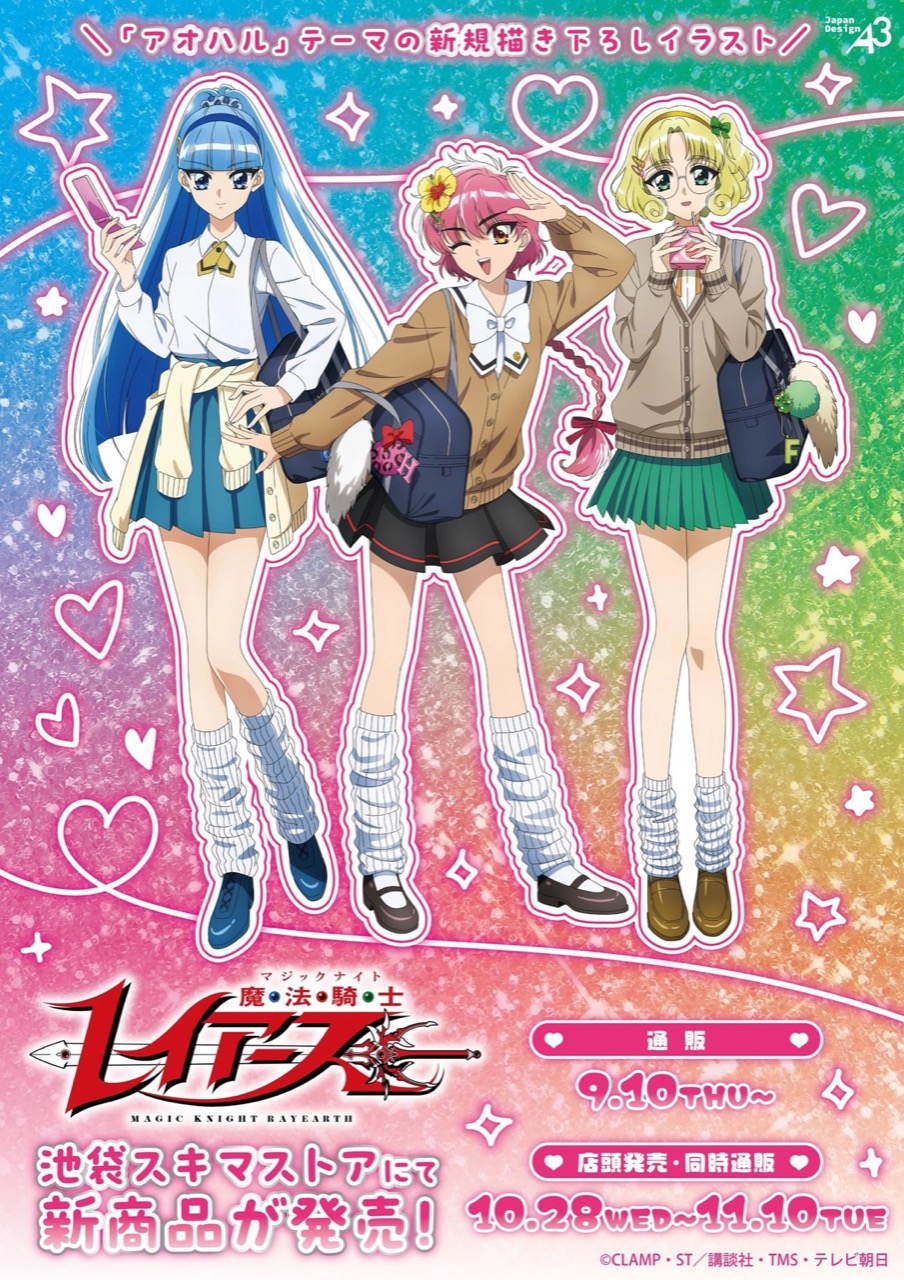
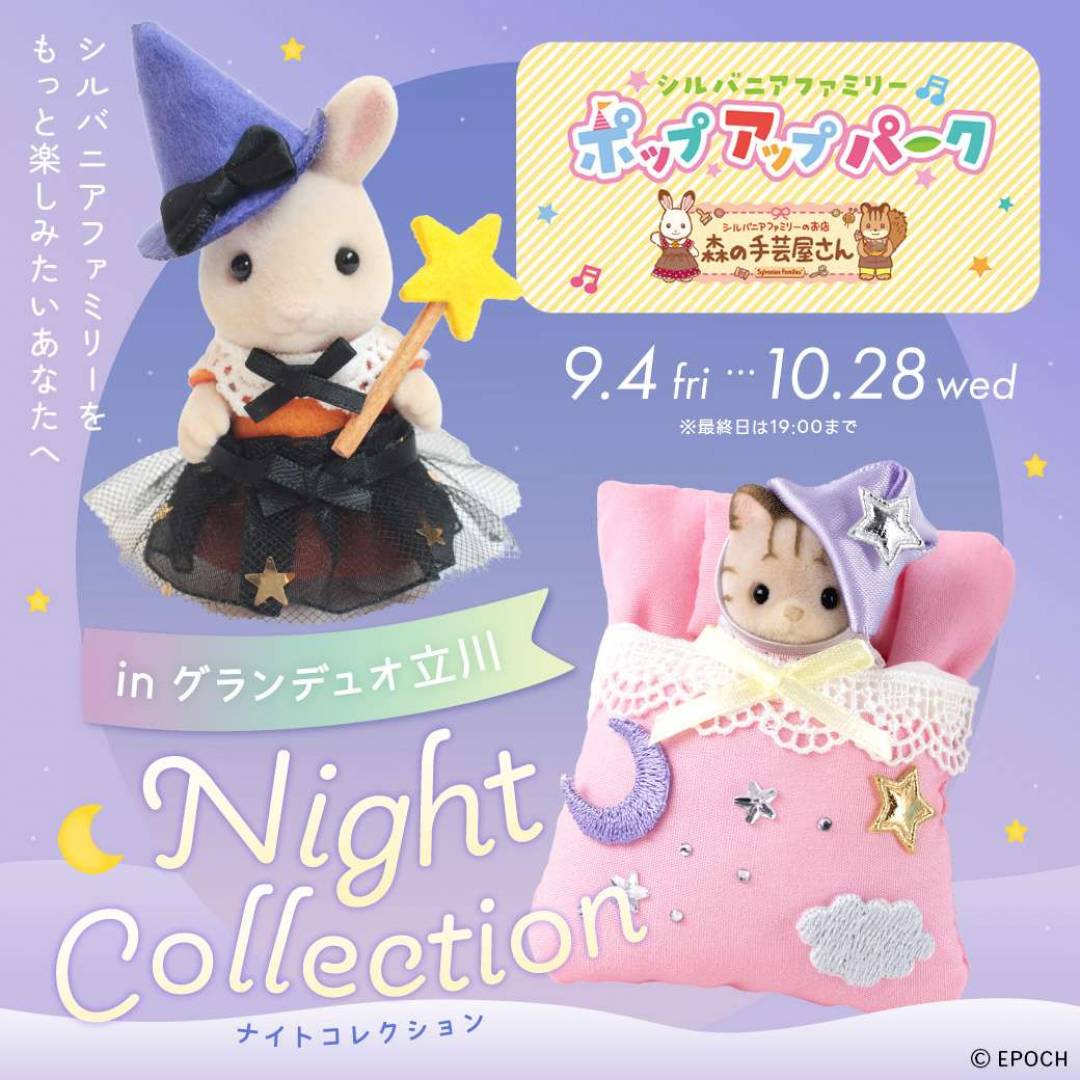
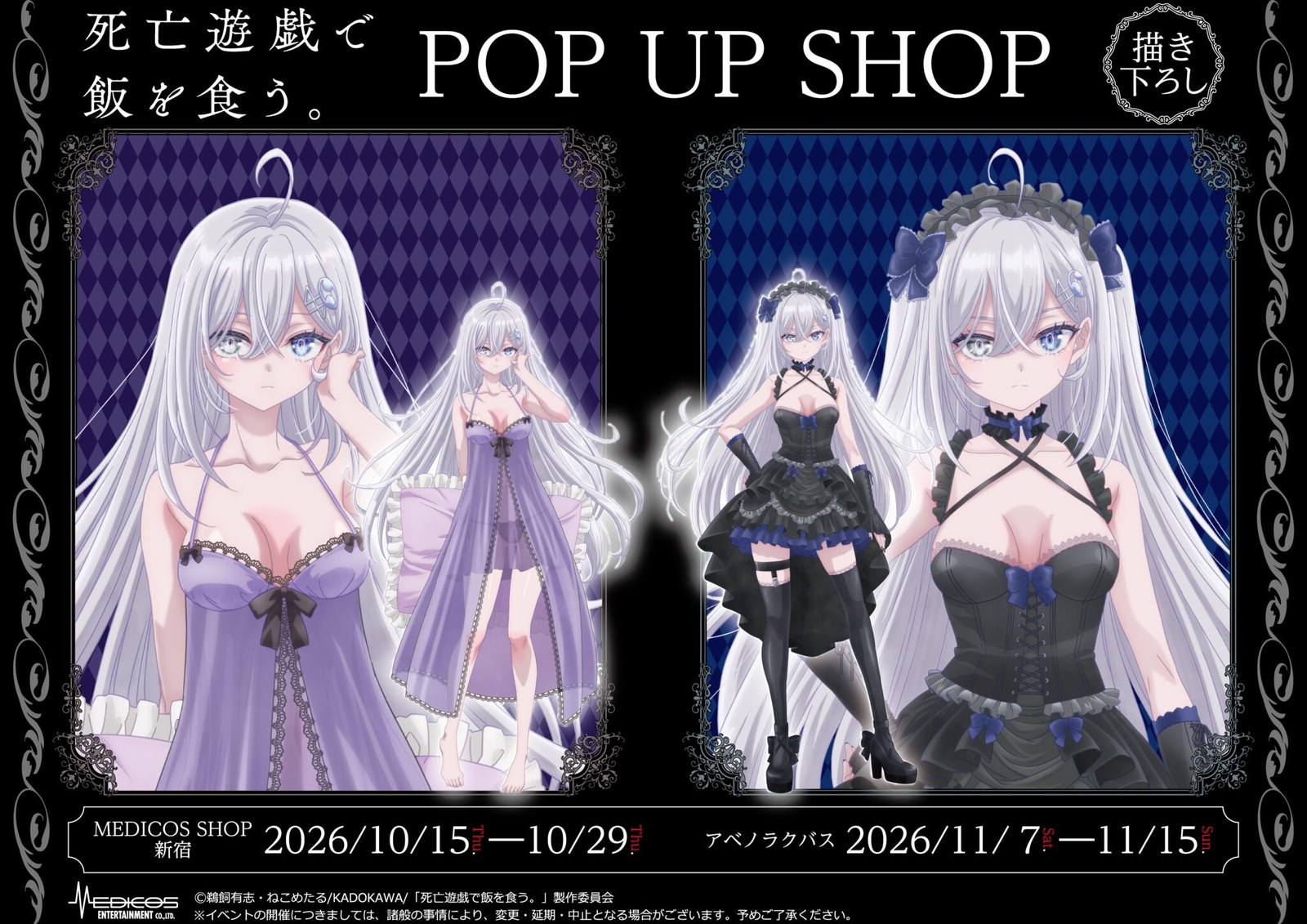
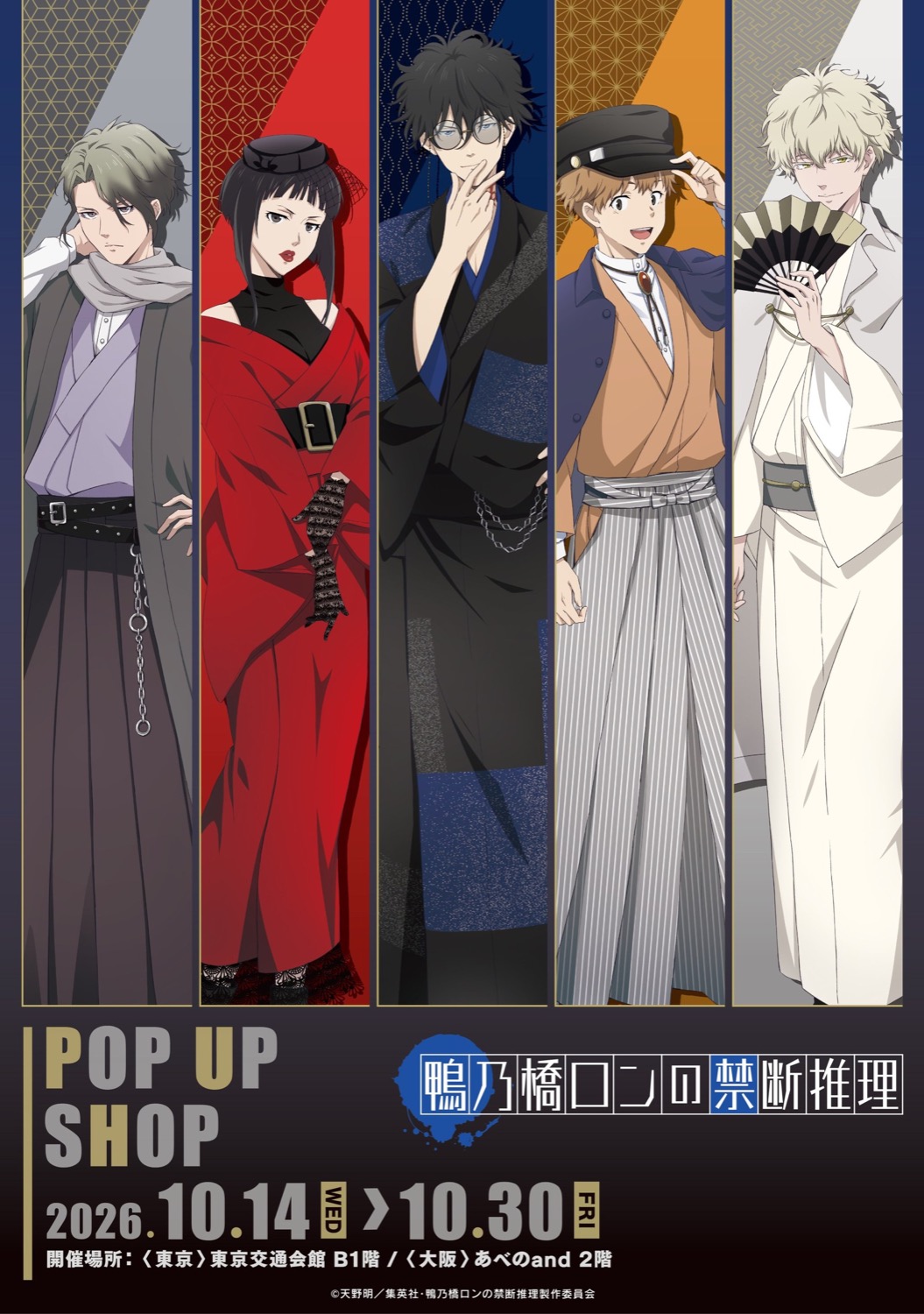
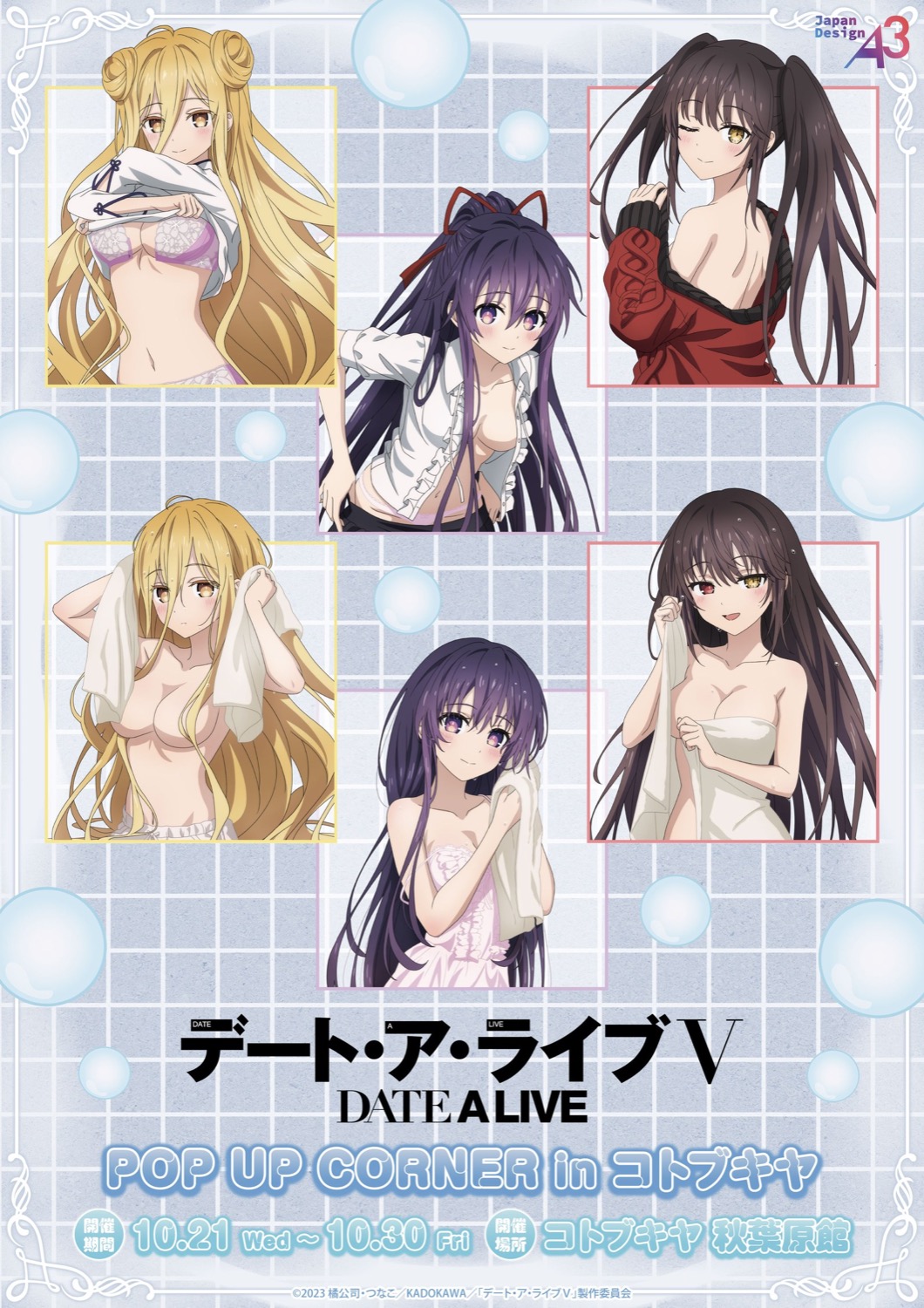
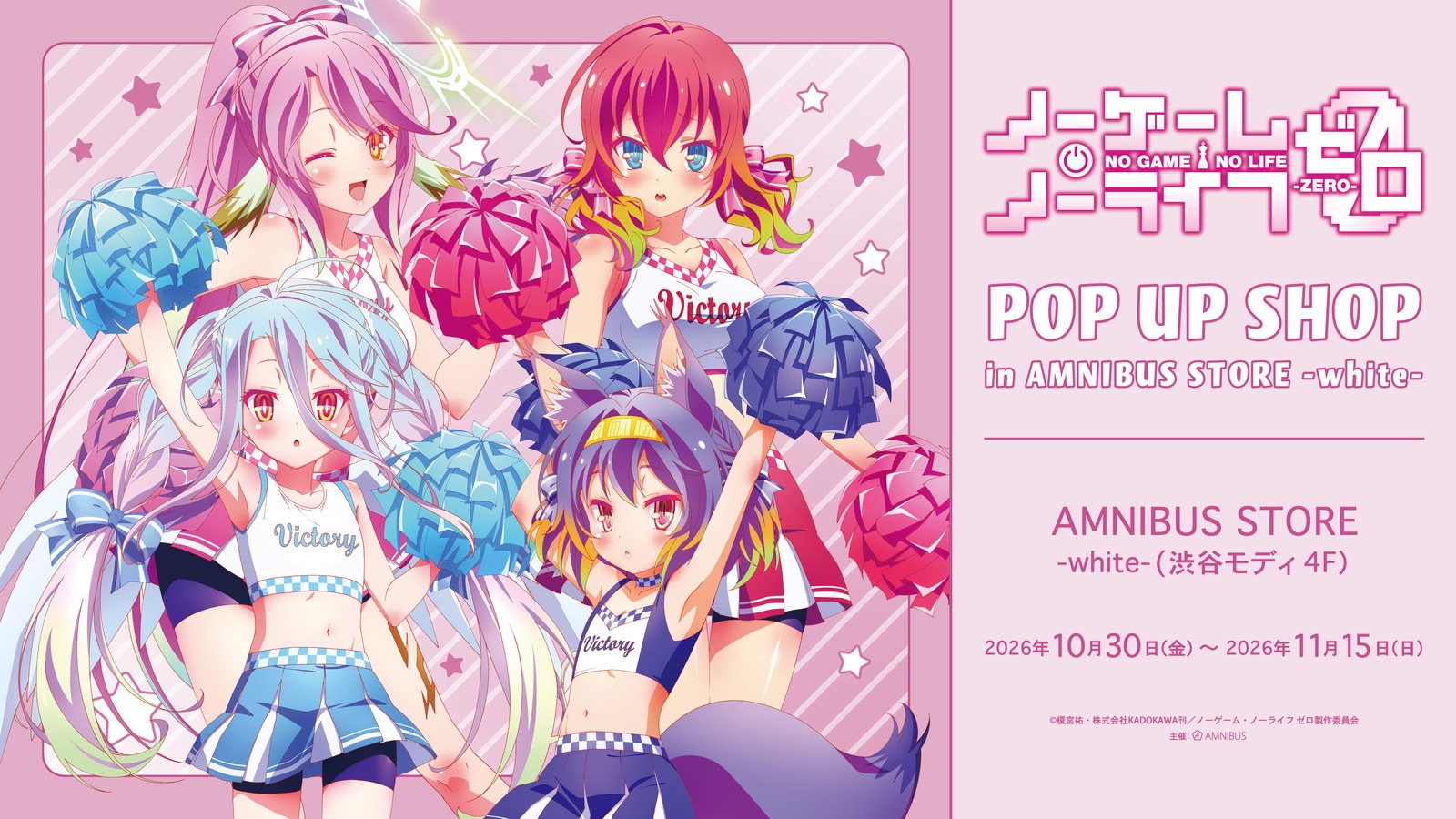
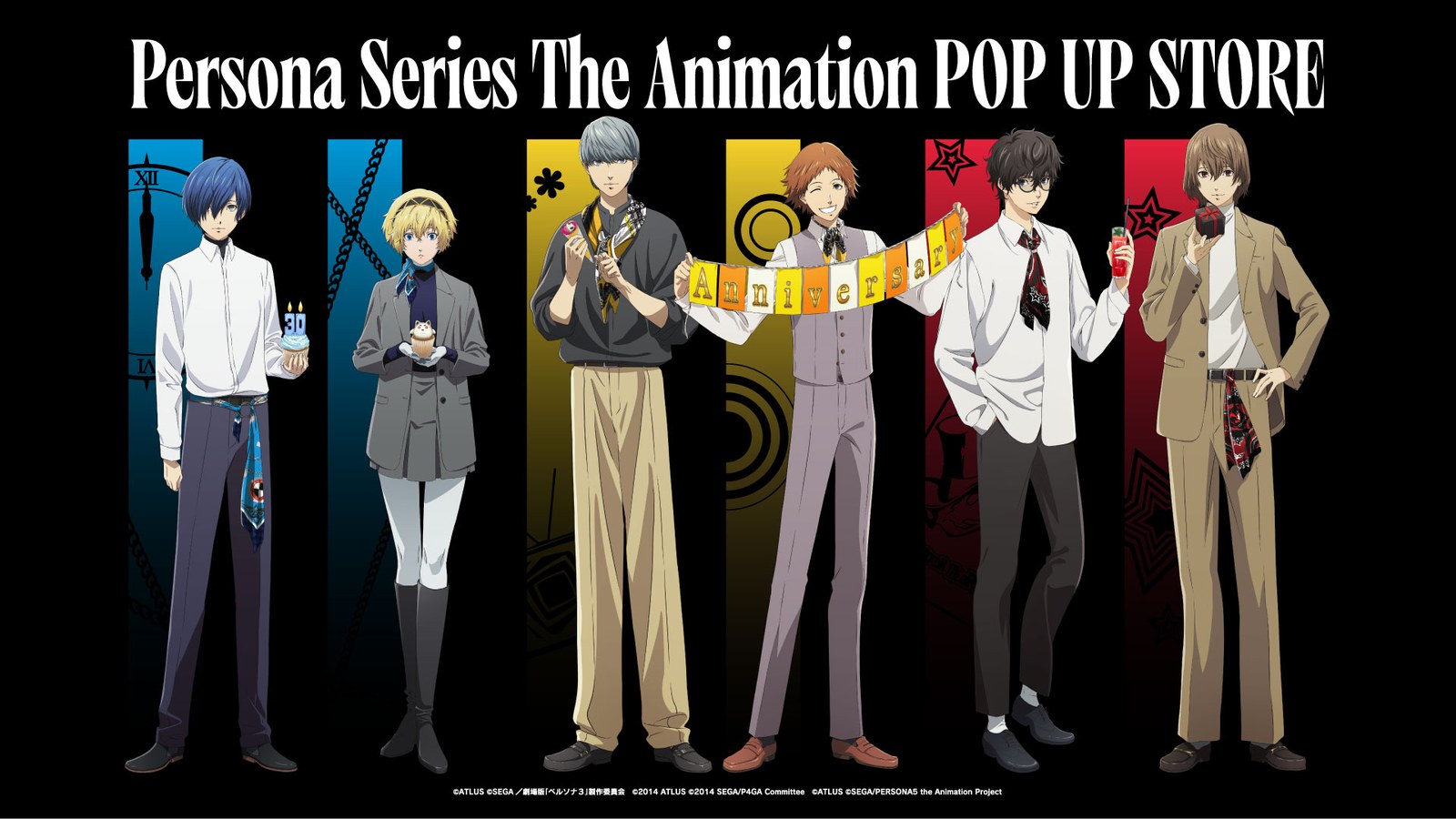
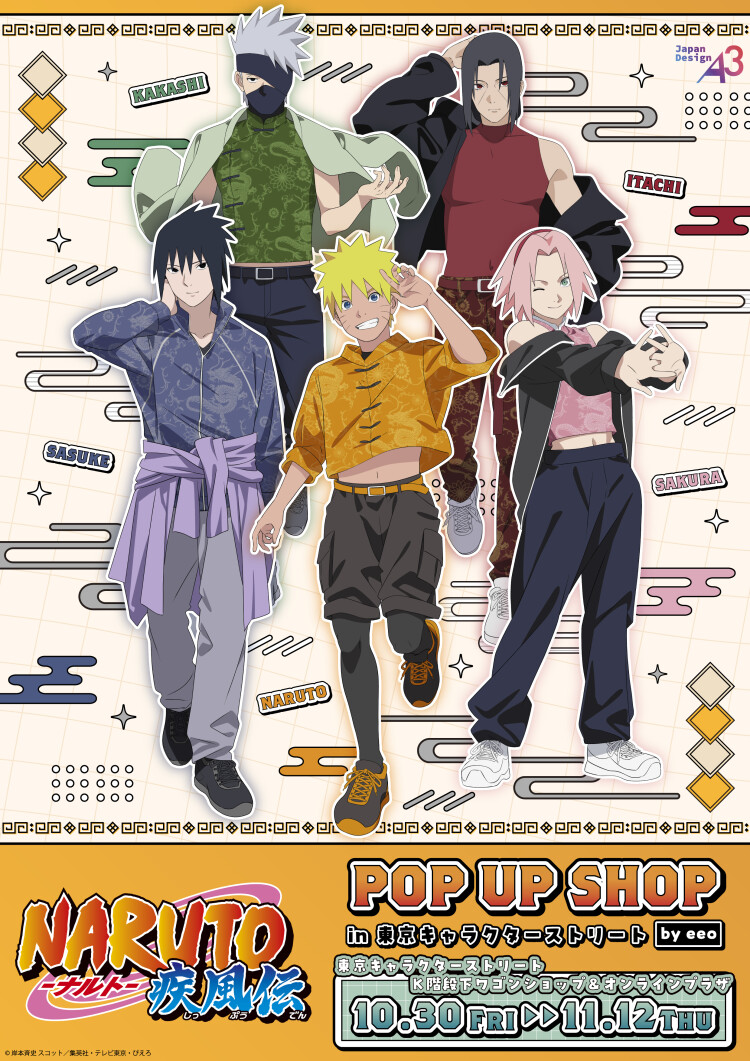
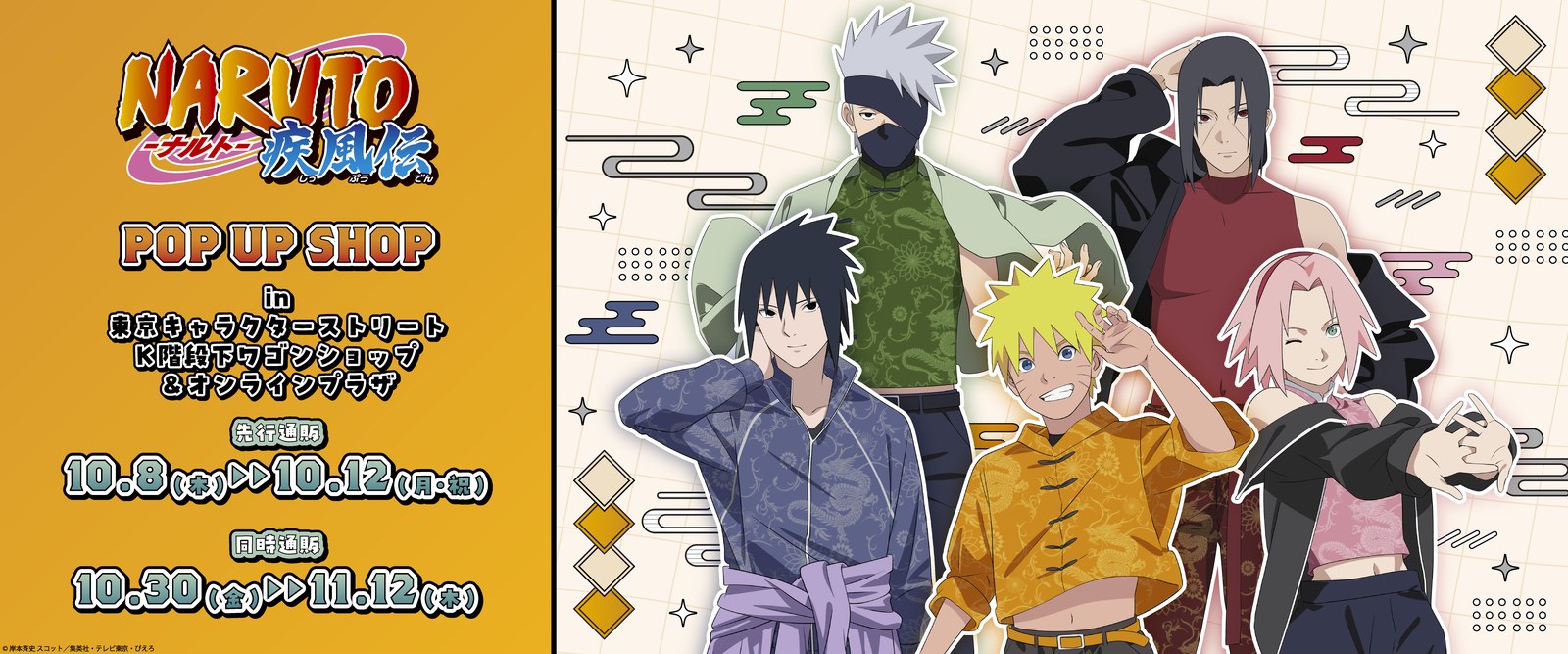
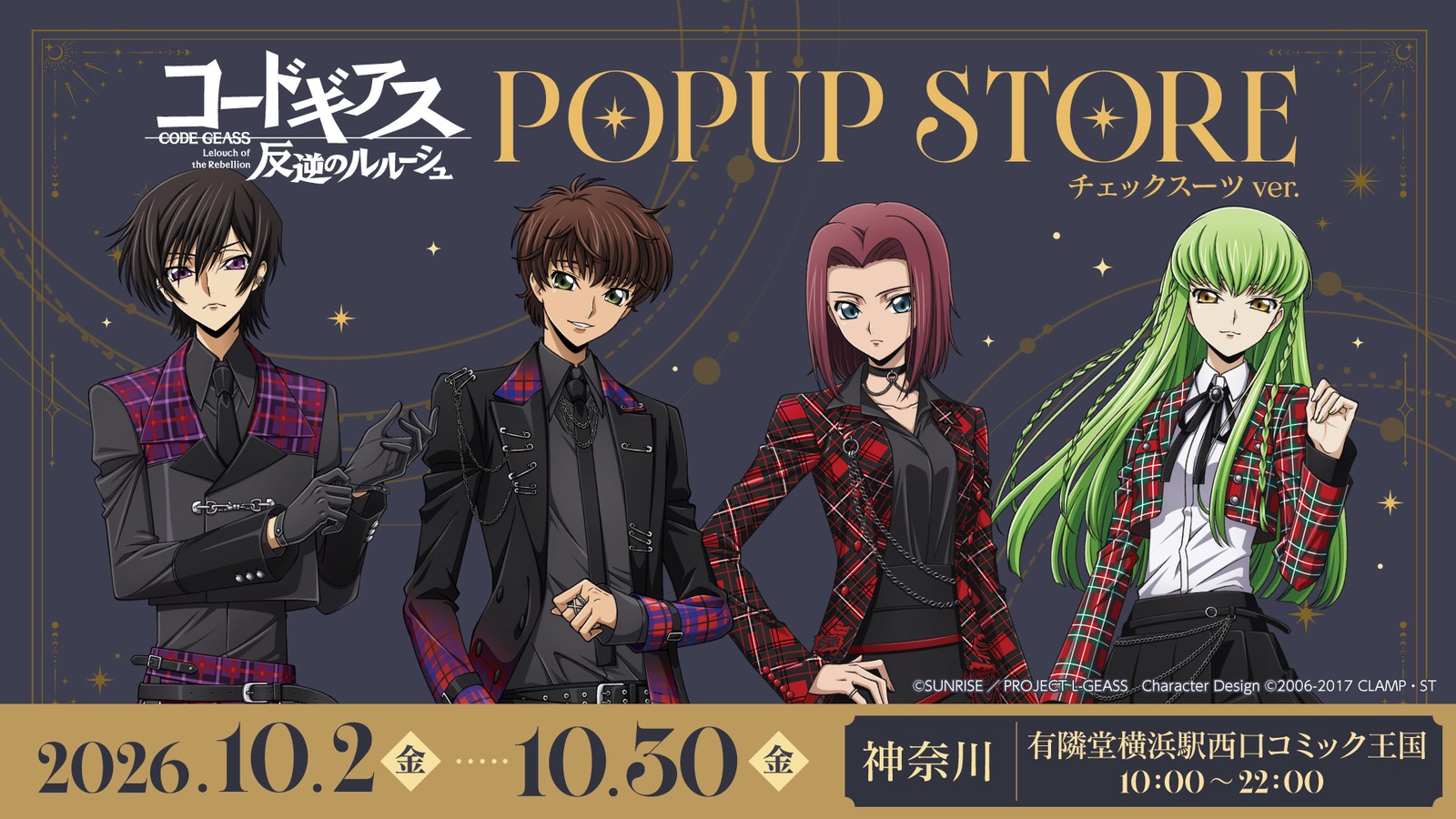
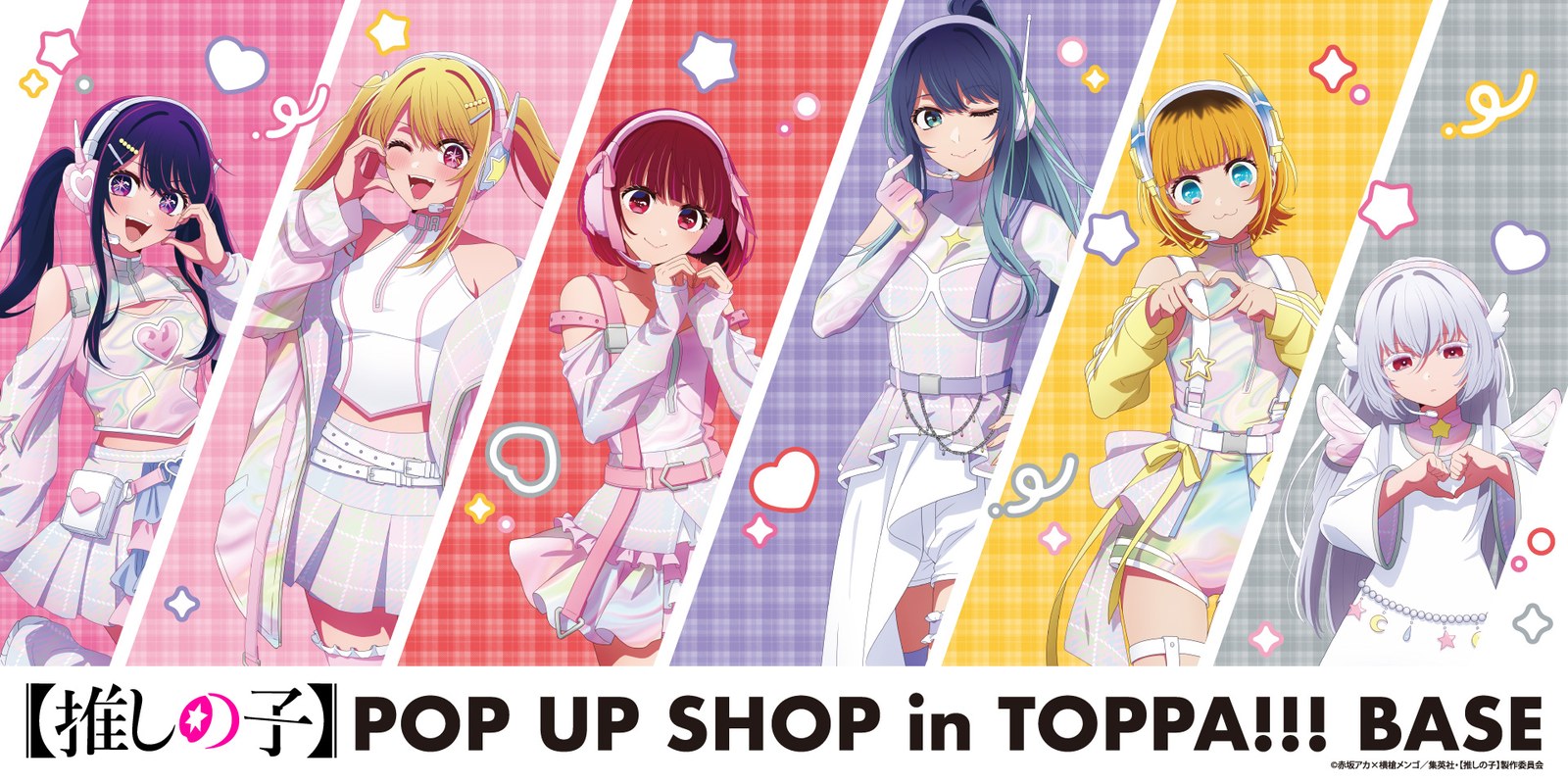
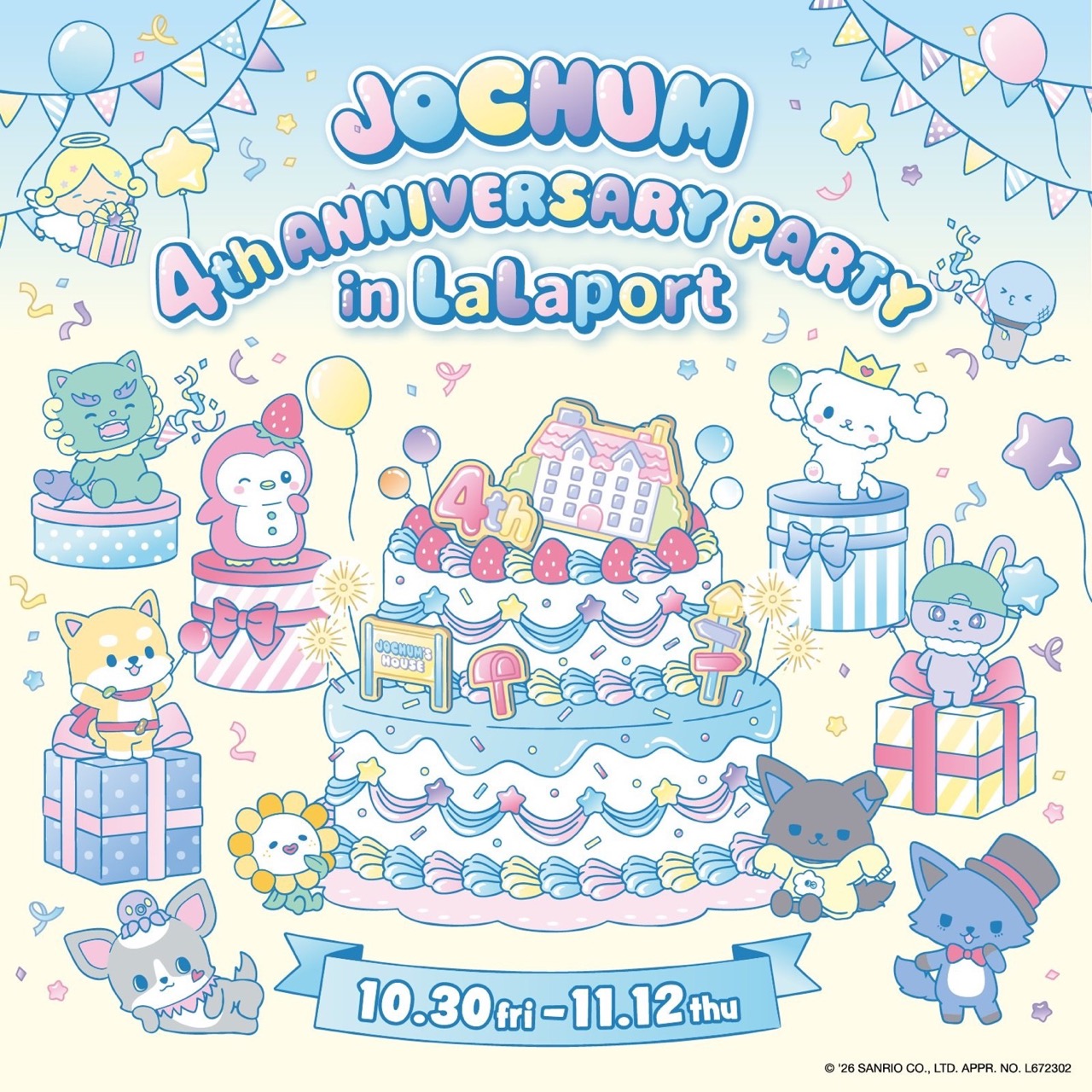
The main attraction is the bonus: each drink or dish usually comes with a random coaster, postcard or acrylic item, and you cannot choose the character. Fans trade duplicates afterwards, often outside the café or through social media. Pop-up shops (ポップアップストア) work in a similar way without the food: limited merchandise, random blind goods, and on busy opening days a numbered ticket or a lottery just to enter. Ikebukuro, Shibuya and Harajuku have the most of them, and department stores and station buildings host them too.
- Read the rules page before booking. It lists the order limit per person and whether bonuses are given per item or per purchase amount.
- Ordering only drinks is usually fine. Many cafés have a one-order-per-person minimum.
- Booking pages are often in Japanese only. A browser translator handles most of them.
Exhibitions and original art shows
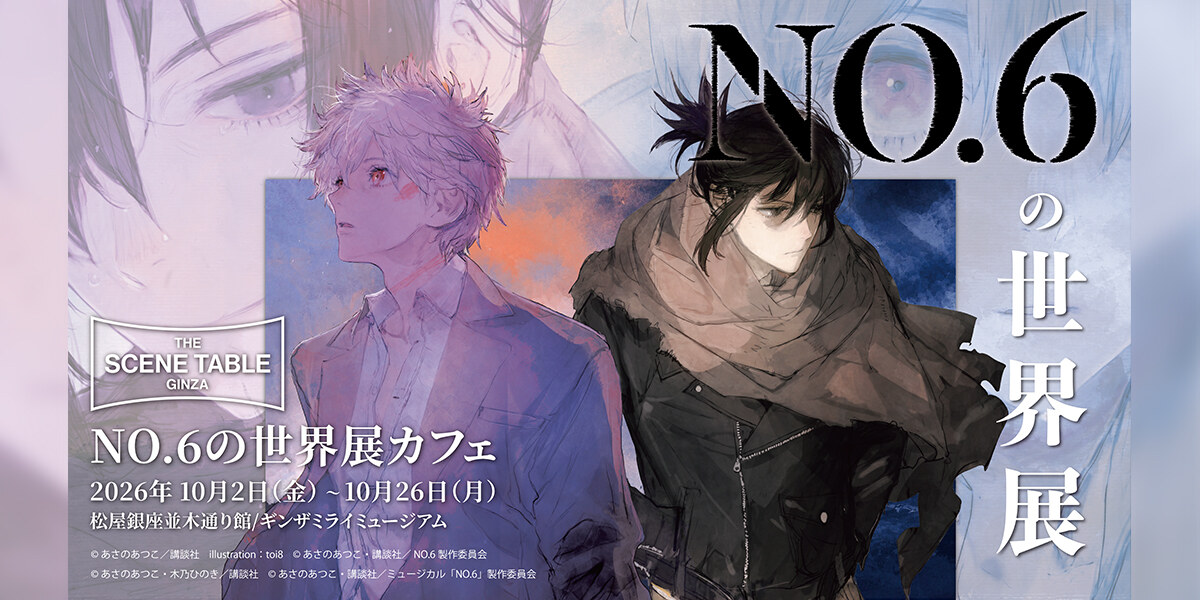
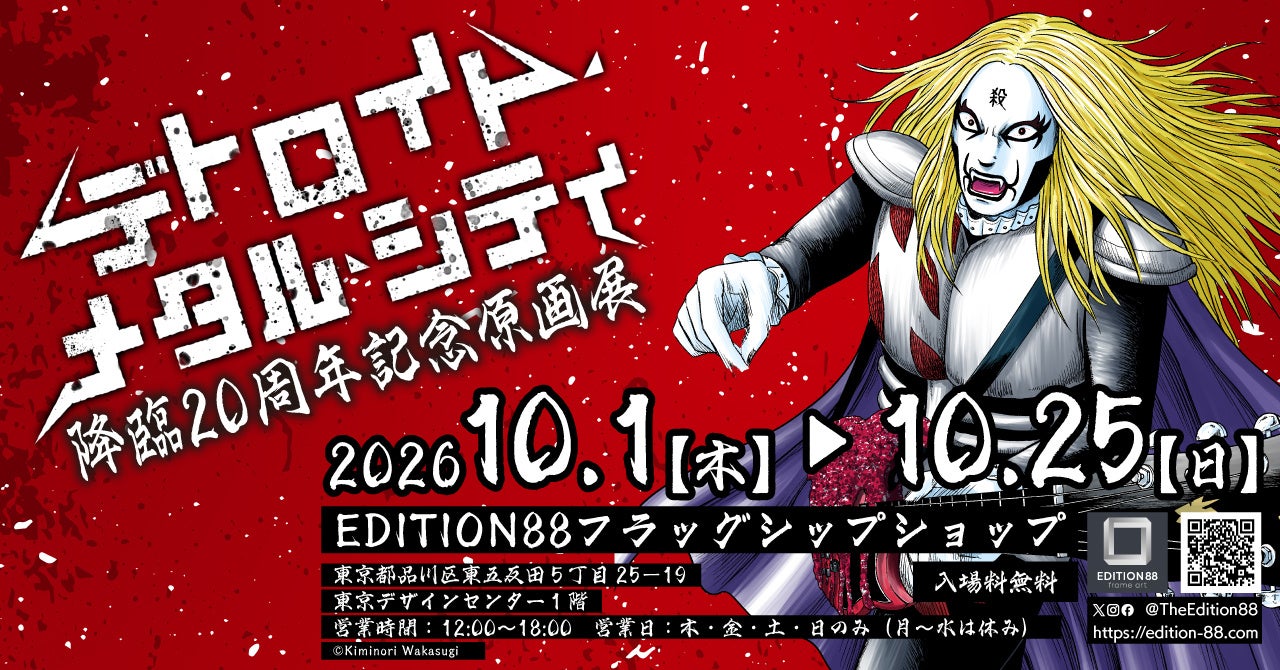
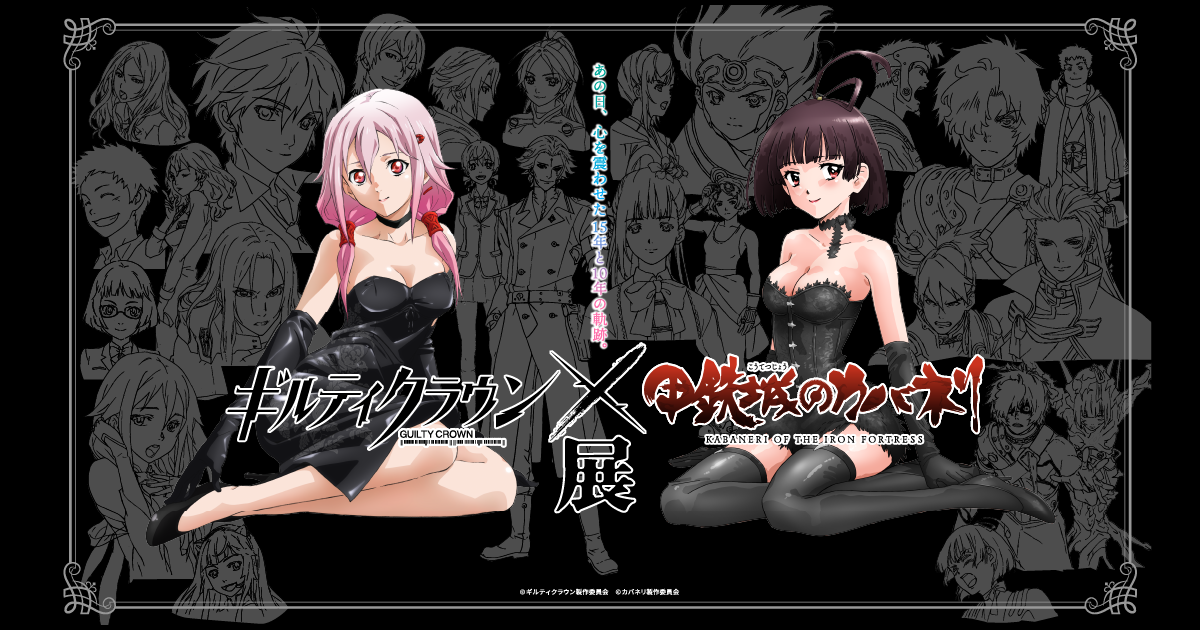
Exhibitions are the calmer side of fandom. A 原画展 (gengaten) shows original manga pages, animation drawings and storyboards, often with a recreated studio desk or a short film made for the show. They run for several weeks in places like the Mori Arts Center Gallery on top of Roppongi Hills, the exhibition halls of Sunshine City in Ikebukuro, and the event floors of department stores in Ginza, Shibuya and Ikebukuro.
Tickets for big titles are usually sold for a set date and time slot, and the first weekend sells out first. Photography is often allowed only in marked zones, with the original drawings themselves off limits. The exhibition shop at the end is a big part of the visit: limited catalogues and goods, purchase limits per person, and on opening days a separate queue.
Where to go: Akihabara, Ikebukuro, Nakano, Shibuya
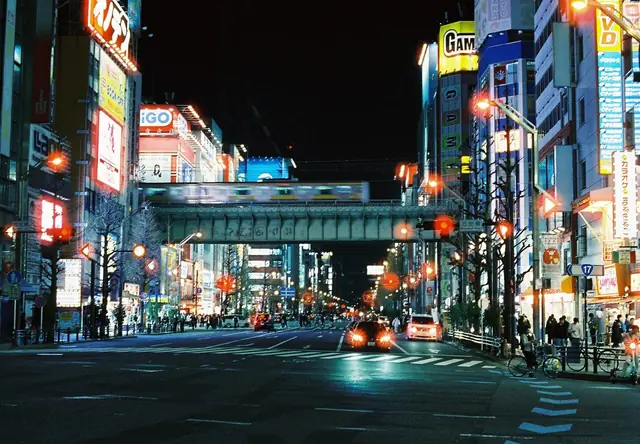
Akihabara is the classic: anime and game shops, figure stores, retro game shops and maid cafés packed around Chuo-dori, with Kanda Myojin shrine a short walk away. Ikebukuro is the other centre and leans towards female fans. Otome Road, the street beside Sunshine City, is lined with shops for doujinshi, character goods and voice actor merchandise, Animate's flagship store is near the station's east exit, and Sunshine City itself has the Pokémon Center Mega Tokyo and many collab cafés and exhibitions.
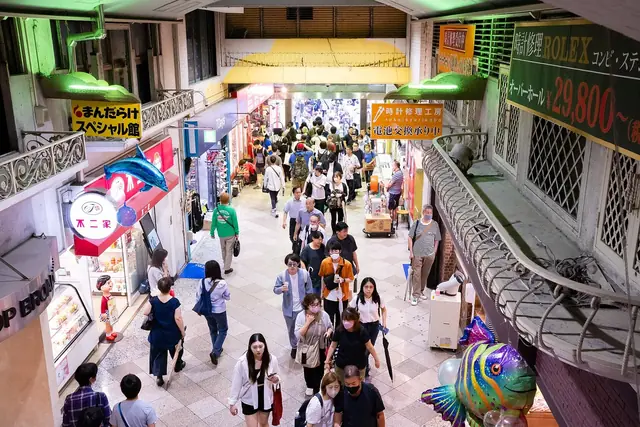
Nakano Broadway, a 1960s shopping arcade north of Nakano Station, is full of second-hand shops (Mandarake has many small stores there) selling old figures, cels, manga and toys. Shibuya PARCO has a floor of official stores, including Nintendo Tokyo, Pokémon Center Shibuya, the Capcom Store and a Jump Shop, and is a good stop even when no event is on.
Rules and etiquette
Japanese fan events run on rules, and staff enforce them politely but firmly. Queue where staff tell you to and do not save places for friends who are not there. Running is banned at the big shows. Purchase limits (お一人様〇点まで) are taken seriously, and reselling is frowned on, so organisers increasingly use name-bearing tickets and ID checks. At exhibitions and many shops, check for a photo sign before you take out your phone.
Cosplay has its own system. At conventions, you register on the day, change in the official changing rooms and wear the costume only inside the cosplay areas, not on trains or on the way there. Always ask before photographing a cosplayer, and never shoot from low angles. Carry some cash: card and QR payment are now common at booths and cafés, but small sellers at fan markets often take cash only.
- Bring a tote bag and a clear file folder. Posters and prints bend fast in a crowd.
- Coin lockers near Akihabara, Ikebukuro and the big halls fill up early on event days.