What January feels like
January is cold, dry and mostly sunny. Japan Meteorological Agency normals put daytime highs at around 9 to 10°C and night lows at around 1 to 2°C, and it is one of the driest months of the year, with long spells of blue sky. Most winters bring a few days of snow, usually light, but even a thin layer delays trains, so give yourself extra time on those days. The sun sets early, around 4:40pm to 5pm.
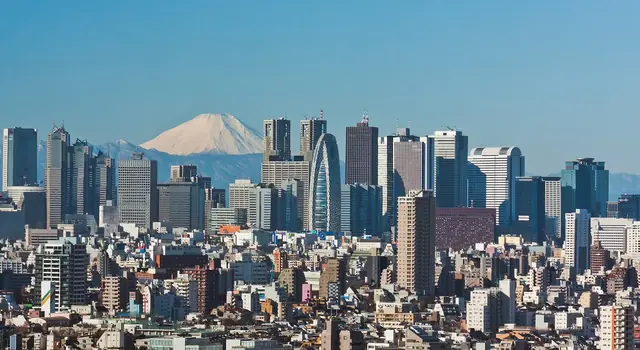
Dress in layers rather than one heavy coat. Outdoors you want a warm jacket, a scarf and gloves, especially for queues at shrines or the palace, but trains, shops and museums are heated, sometimes strongly. Indoor air gets very dry, so lip balm and hand cream help. Clear mornings are also the best time of year to see Mount Fuji from high places in the city.
- Convenience stores sell disposable heat packs (kairo). A stick-on one inside your jacket makes a long outdoor wait much easier.
- Vending machine drinks with a red label are hot. They warm your hands as well as the rest of you.
The New Year days: closures, shrines and the Emperor's greeting
January 1 is New Year's Day and the start of the most important holiday of the year. From January 1 to 3 many small restaurants, family-run shops and museums close, and most offices stay shut until around January 4. Convenience stores, chain restaurants and shops inside big stations keep going. Department stores usually reopen on January 2 or 3 with their first sale of the year (hatsuuri), when fukubukuro lucky bags go on sale and the popular ones sell out within minutes.
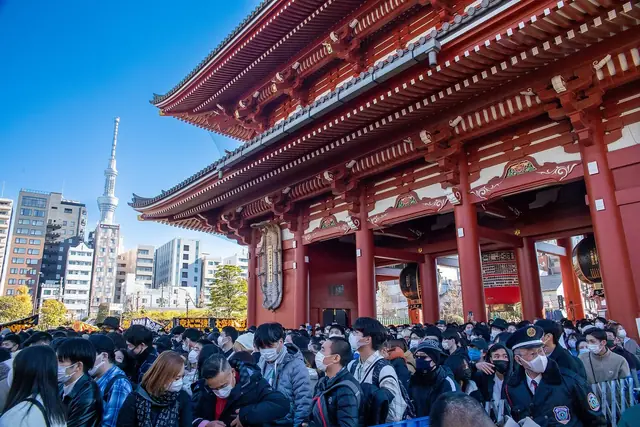
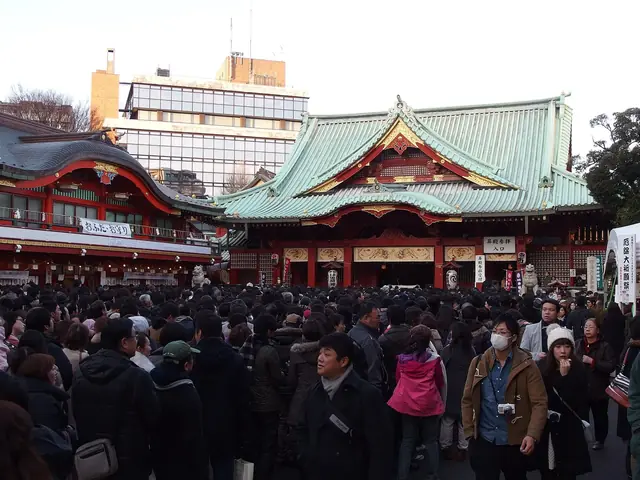
These are also the days of hatsumode, the first shrine or temple visit of the year. Meiji Jingu, Sensoji and Kanda Myojin draw enormous crowds through the first three days, and police let the queue forward in sections. On January 2 the imperial family appears several times during the day on a balcony of the palace to greet the public. Visitors enter through the main gate, entry is free and has not needed a ticket in recent years, but expect a long queue and a security check. The same two days bring the Hakone Ekiden, a university relay race that leaves Otemachi on January 2 and comes back on January 3, with huge crowds along the roadside.
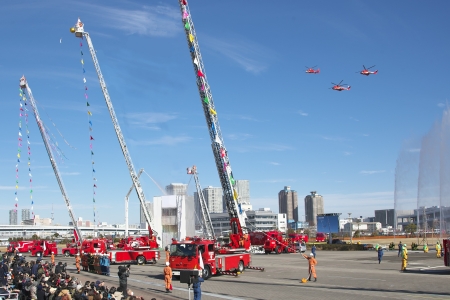
On January 6 the Tokyo Fire Department holds its New Year review (dezomeshiki) on the waterfront in Ariake, where firefighters in Edo-style costume perform acrobatics on tall bamboo ladders. In recent years seats at the ceremony have gone by lottery to people who applied in October or November, so check the fire department's page in the autumn.
- For a calmer hatsumode, go on January 4 or later, or early in the morning.
- Check opening days before you plan a museum or a particular restaurant for January 1 to 3.
Mid-January: kimono, sumo and the Boroichi
Coming of Age Day (Seijin no Hi), a national holiday on the second Monday of January, is when each ward celebrates young people turning 20. The ceremonies are for residents, but around ward halls, big shrines and photo studios you will see young women in bright long-sleeved furisode and young men in suits or hakama. Meiji Jingu marks the day with a traditional archery ceremony.
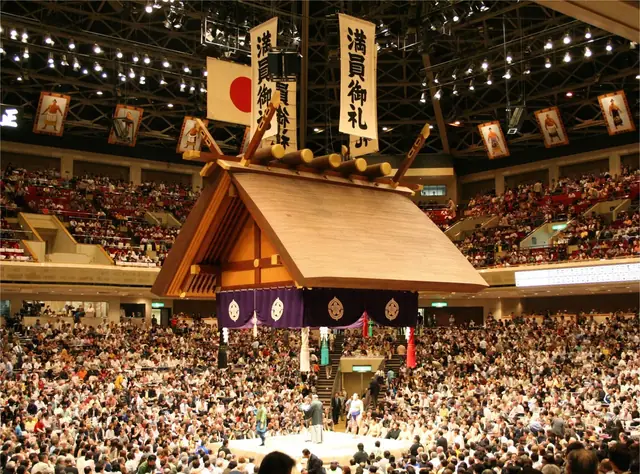
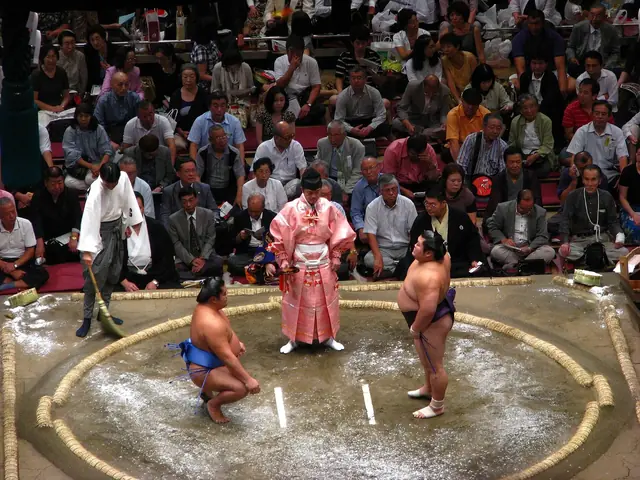
The first sumo tournament of the year (Hatsu Basho) runs for 15 days at Ryogoku Kokugikan, usually starting on the second Sunday of January. Weekend tickets sell out fastest, but even the cheap seats at the back give you the full ritual of the ring. On January 15 and 16 every year, Setagaya holds the Boroichi, a street market with roots in 1578. Hundreds of stalls selling antiques, old tools, kimono, plants and food line a street near Kamimachi and Setagaya stations on the Tokyu Setagaya Line. Bring cash, and try the daikan mochi rice cakes made on the spot.
- Boroichi is busiest at midday on weekends. A weekday morning is far easier.
- Coming of Age Day weekend is busy at big shrines and photo spots, so go early if you want quiet pictures.
Winter lights, sales and seasonal food
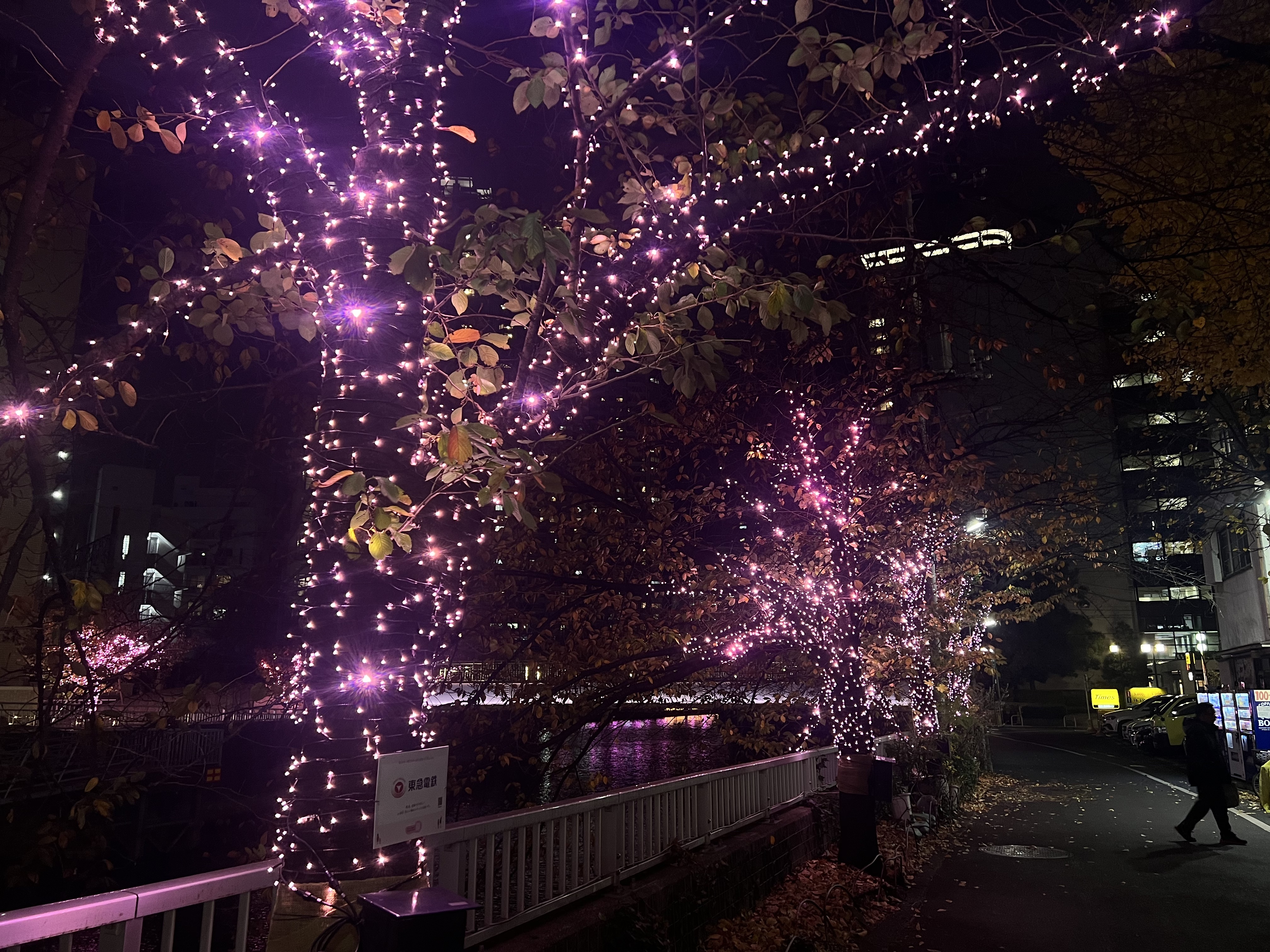
The illuminations do not stop at Christmas. Many of the big displays keep going through January and some into February, and after New Year they are far less crowded than in December. January is also sale season: the winter sales that start around the New Year keep marking things down through the month in department stores, fashion buildings and electronics chains.
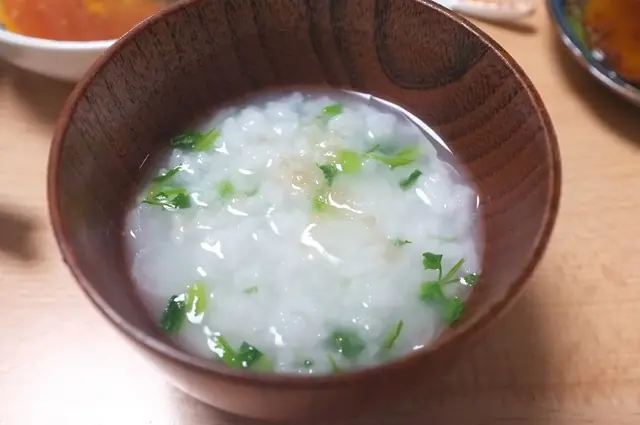
It is a good month for warm food. Nabe hot pots, oden at convenience store counters and roasted sweet potatoes from street trucks are everywhere, and Japanese strawberries come into season, with hotel dessert buffets that book up early. On January 7 many people eat nanakusa-gayu, a rice porridge with seven spring herbs, and supermarkets sell ready-made herb packs that week.
Holidays, crowds and prices
January has two national holidays: New Year's Day on January 1 and Coming of Age Day on the second Monday. January 2 and 3 are not official holidays, but banks and most offices close, so in practice the break runs until the 3rd. Long-distance trains and flights are packed at the start and end of the New Year holidays, when people travel to and from their hometowns.
Once that rush is over, January is one of the quieter months to visit. Hotels and sights are usually calmer than in spring or autumn, apart from the Lunar New Year holidays, which fall in late January or February and bring many visitors from elsewhere in Asia. If you are coming for the New Year itself, book early and plan around the closures.
- Shinkansen seats and flights for the first days of January fill up early. Book as soon as your dates are fixed.