What March feels like
March is the month the weather turns, and it rarely does so in a straight line. Japan Meteorological Agency normals put average daytime highs at around 14°C and night lows at around 5°C, but the first week can feel like January while the last one brings properly mild afternoons. It rains about twice as much as in February, and windy days are common. Right in the middle of the blossom season a cold spell often comes back, and Japanese has a word for it: hanabie, the blossom chill.
Layers are the answer: a coat or warm jacket you can take off, a sweater underneath and a scarf for the evening. If you plan an evening under the cherry trees, bring more than you think you need, because sitting still on the ground after sunset gets cold quickly. A folding umbrella is worth keeping in your bag all month.
- Check the evening forecast before a night hanami. Nights are still close to winter levels for much of the month.
- A small picnic sheet and a cushion or folded jacket keep the cold of the ground away.
Pollen season (kafunsho)
For many people in Tokyo, March means kafunsho, hay fever from Japanese cedar (sugi) pollen. Cedar pollen starts flying around February and is usually heaviest in March, and cypress (hinoki) pollen follows into April. On high-pollen days a large share of commuters wear masks, and weather apps and TV forecasts give a daily pollen level.
It can catch visitors too, including people who have never had hay fever at home. Drugstores sell allergy tablets, eye drops and masks, and the pharmacist can help you choose; for anything more serious, see a doctor. Counts tend to be higher on warm, dry and windy days and lower while it rains.
- Look for 花粉情報 (pollen information) in a weather app each morning. On very high days, plan more indoor time.
- Brush off your coat before you go indoors and keep hotel windows closed on high-pollen days.
Early March: dolls, daruma and the marathon
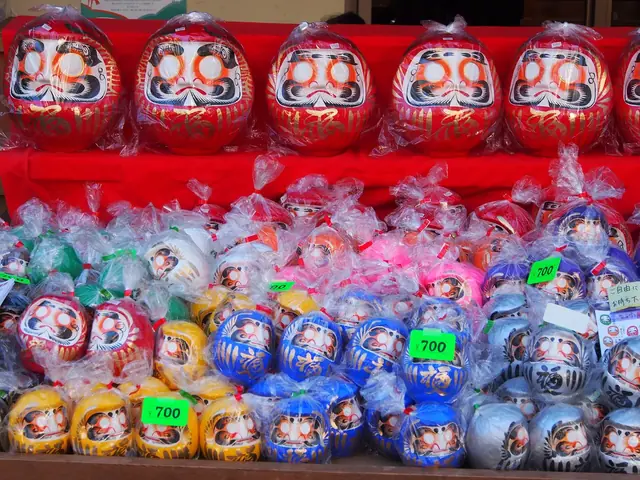
March 3 is Hinamatsuri, the Girls' Festival. Families with daughters set out tiered displays of hina dolls, and department stores, hotels and historic houses show doll sets from late February into early March. On March 3 and 4, Jindaiji temple in Chofu holds its daruma market, counted among the three biggest in Japan, with hundreds of stalls selling round red daruma and monks painting in an eye on the one you buy. It is a bus ride from Tsutsujigaoka Station on the Keio Line or from Kichijoji.
In recent years the Tokyo Marathon has been run on the first Sunday of March. The course starts at the Tokyo Metropolitan Government Building in Shinjuku and passes Asakusa and Ginza on the way to a finish near Tokyo Station, and watching is free. Roads along the route close for hours, so allow extra time if you need to cross the city that morning. Sumo fans should know that the March tournament is held in Osaka, not Tokyo.
Cherry blossoms: forecasts and timing
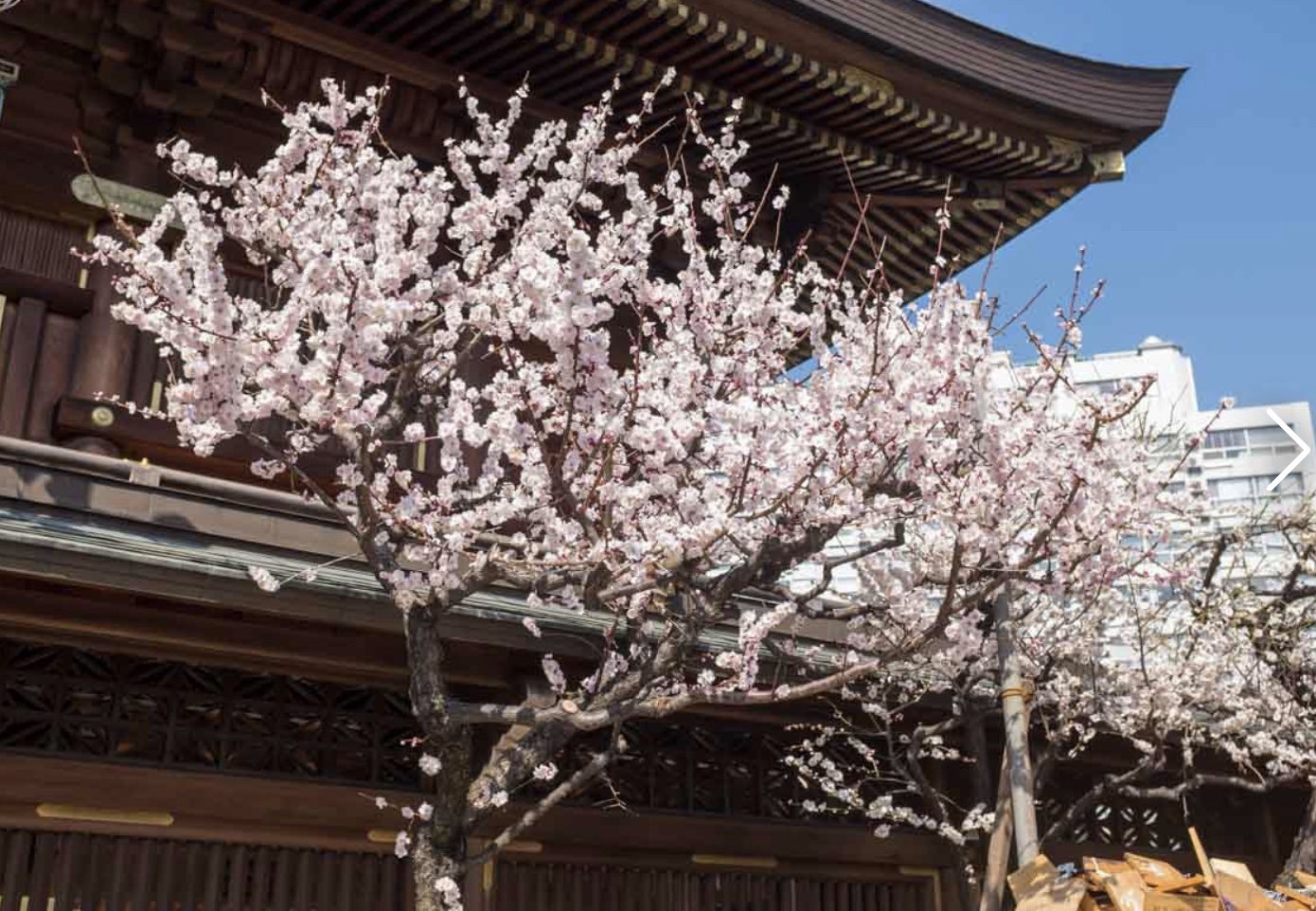
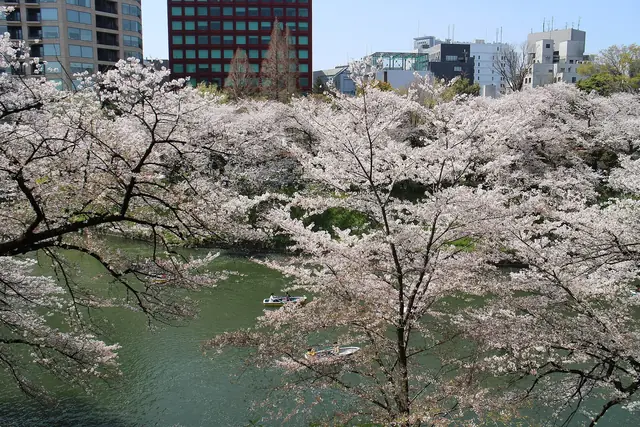
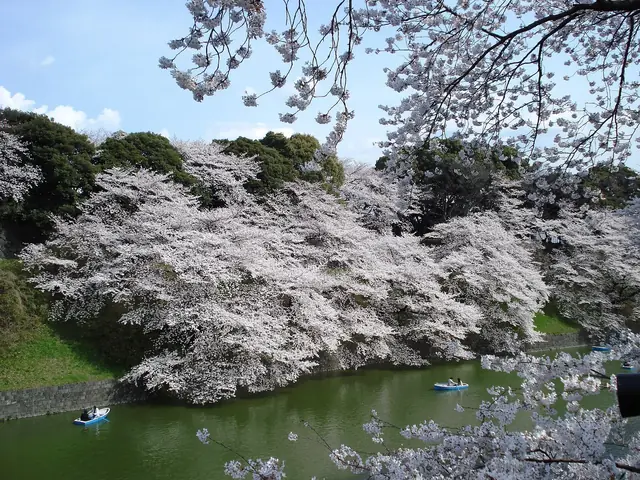
The cherry blossom season usually opens in the second half of March. The Japan Meteorological Agency declares the start (kaika) when its sample tree at Yasukuni Shrine has five or six open flowers. The long-term average date is around March 24, and in recent years it has often come a few days earlier. Full bloom follows about a week later, so the best days tend to fall at the end of March or in the first days of April.
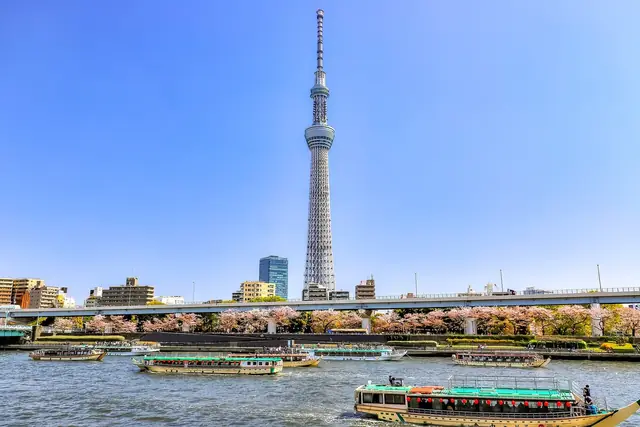
Forecasts from weather companies appear early in the year and are updated every week, so plan a few flexible days rather than one fixed date. Ueno Park, Chidorigafuchi by the palace moat, the Meguro River and Sumida Park are the classic spots, and all of them get very crowded on full-bloom weekends. Many areas also hold sakura festivals with lanterns and food stalls, which usually take cash only.
- Weekday mornings are the calmest time to see the blossoms anywhere.
- Festival notices that say 雨天中止 mean the event is cancelled if it rains.
Late March: White Day, the equinox and farewells
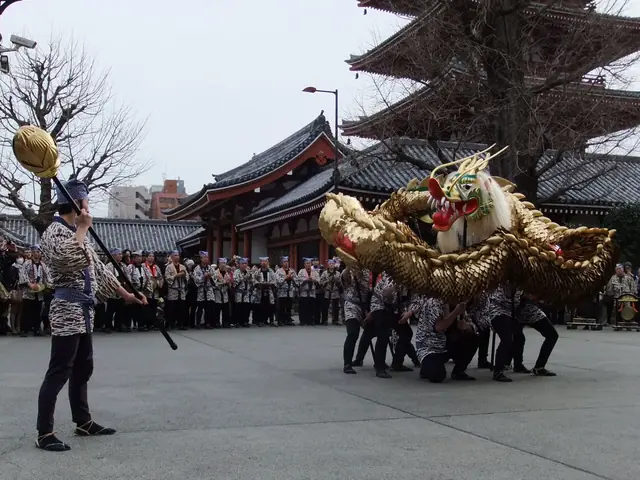
March 14 is White Day, when men return the Valentine's gift, and shops fill with sweets and white packaging in the days before. On March 18 Sensoji holds one of its two yearly performances of the Kinryu no Mai, a golden dragon dance carried through the temple grounds. Vernal Equinox Day, a national holiday around March 20 or 21, sits in the middle of the spring higan week, when families visit graves and eat ohagi rice cakes. AnimeJapan, one of the biggest anime industry shows in the world, filled Tokyo Big Sight on a weekend in late March for years, but it moves to Intex Osaka for 2027 and 2028, so check its site before you plan a March trip around it.
March is also the end of the Japanese school and business year, which closes on March 31. University graduations bring women in hakama to campuses and photo spots, izakaya fill with farewell parties (sobetsukai), and it is moving season before new jobs and new schools start in April. Schools break for spring holidays from late March, so with the blossoms on top, the last week of the month is one of the busiest of the year. Book hotels early and expect higher prices.
- Vernal Equinox Day is the only national holiday in March. When it makes a long weekend, parks and trains are busier.
- Hotels for the expected full-bloom dates fill early. A flexible booking helps if the forecast shifts.