Three kinds of market
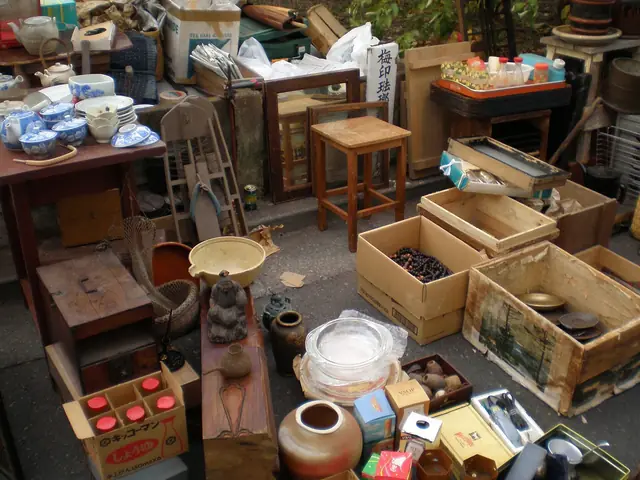
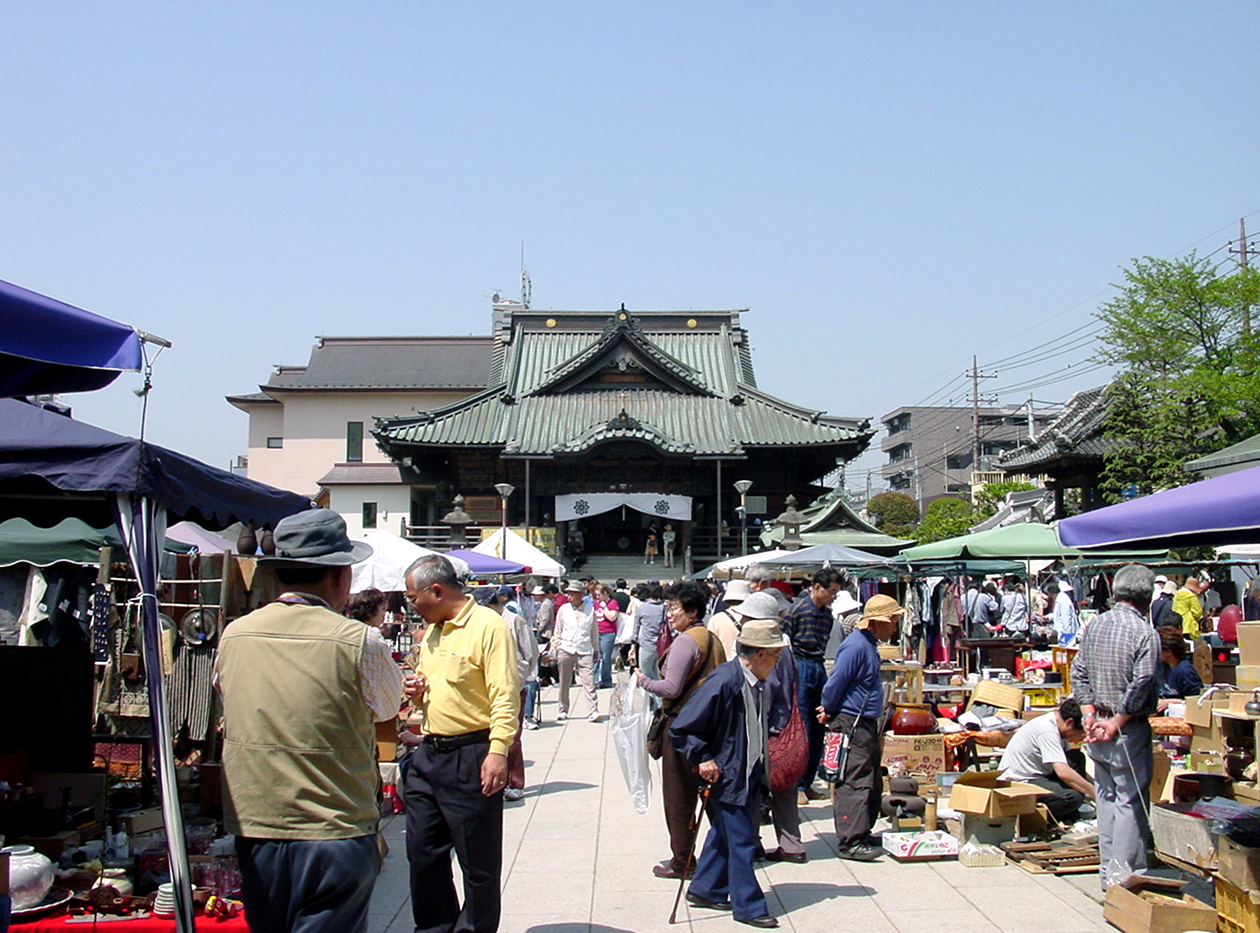
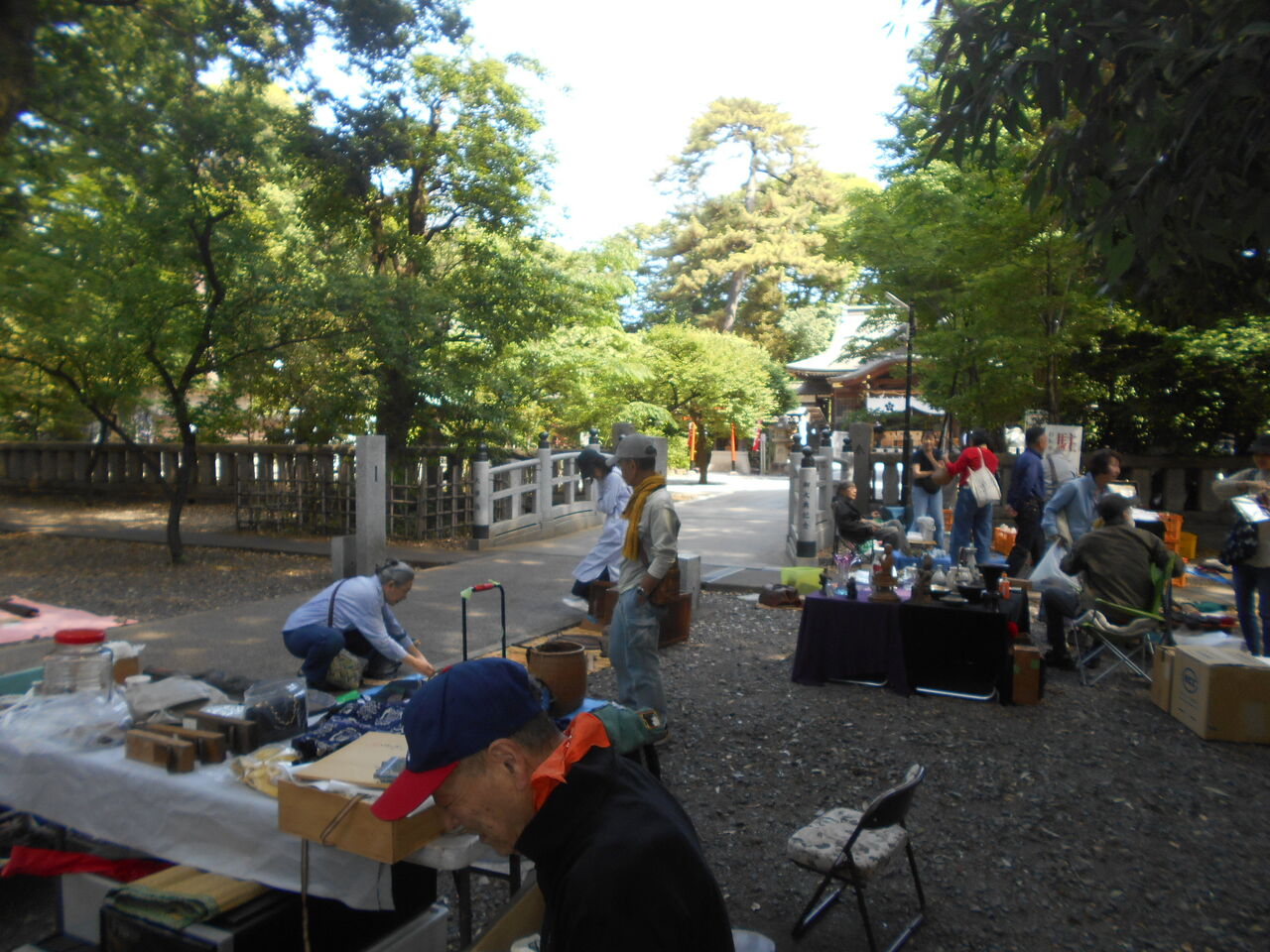
Antique markets (kotto-ichi, 骨董市) are run by professional dealers, often in shrine grounds. Expect Imari and other old ceramics, lacquerware, old tools, prints, postcards, coins, tin toys and plenty of used kimono and obi. Prices for good pieces are real antique prices, but there are always boxes of small things for a few hundred yen.
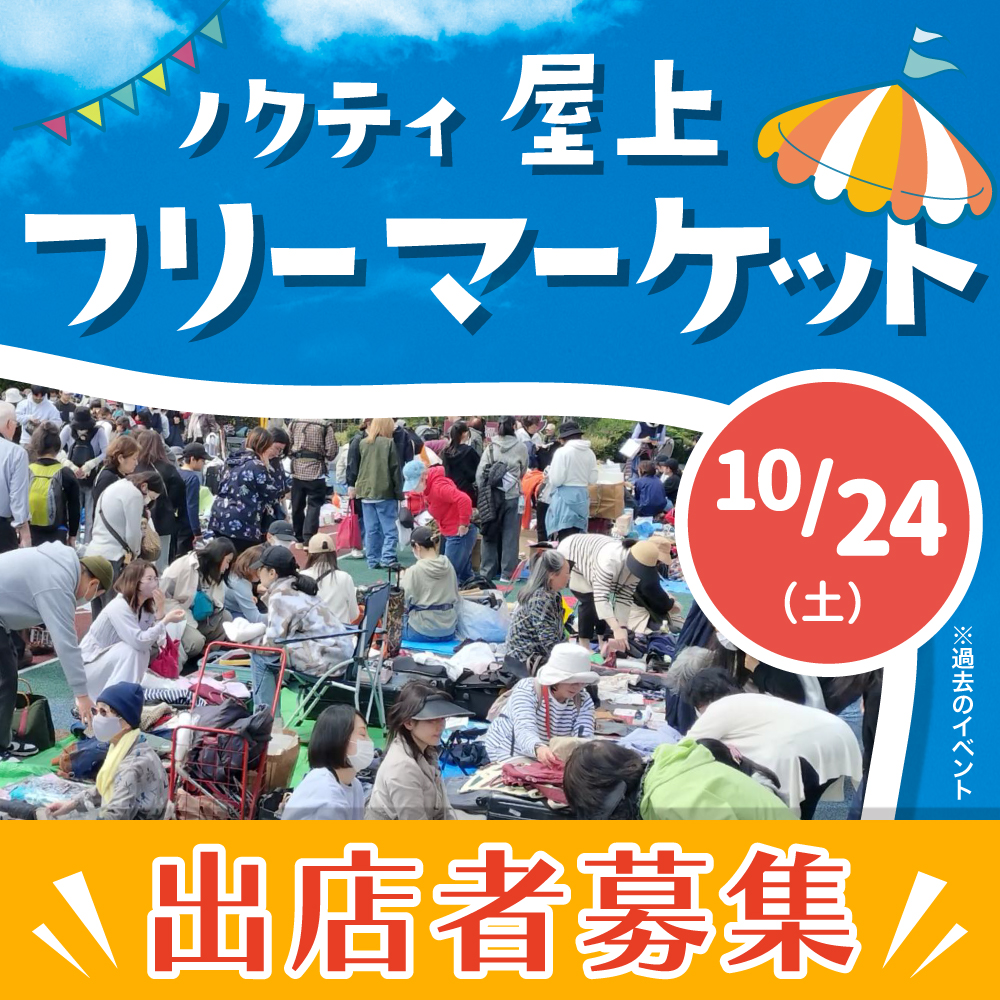
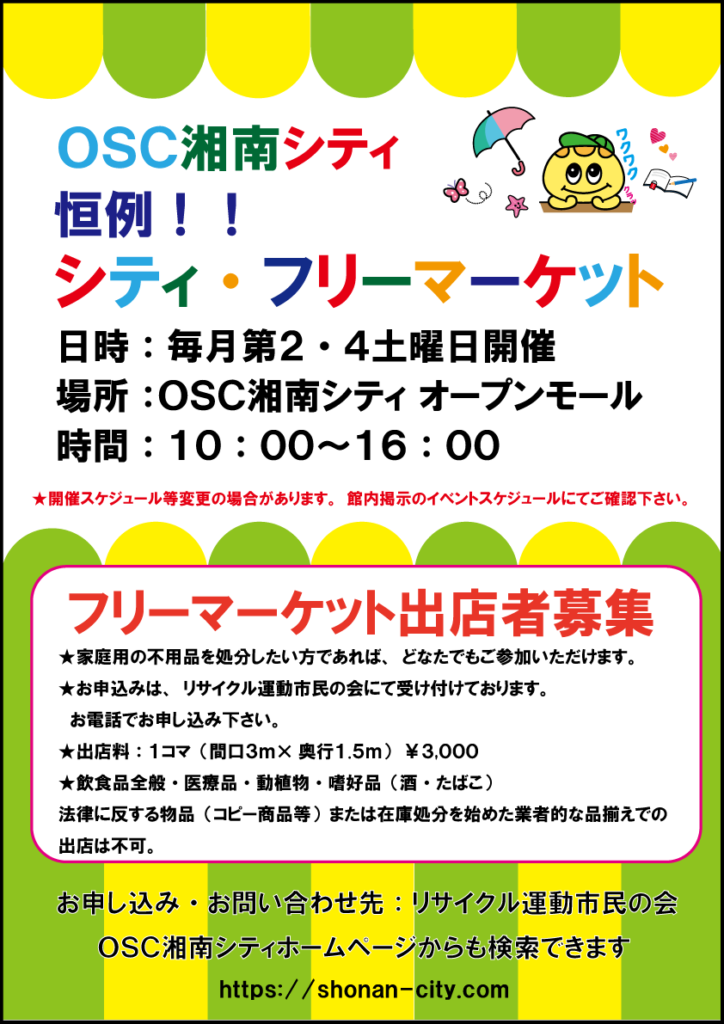
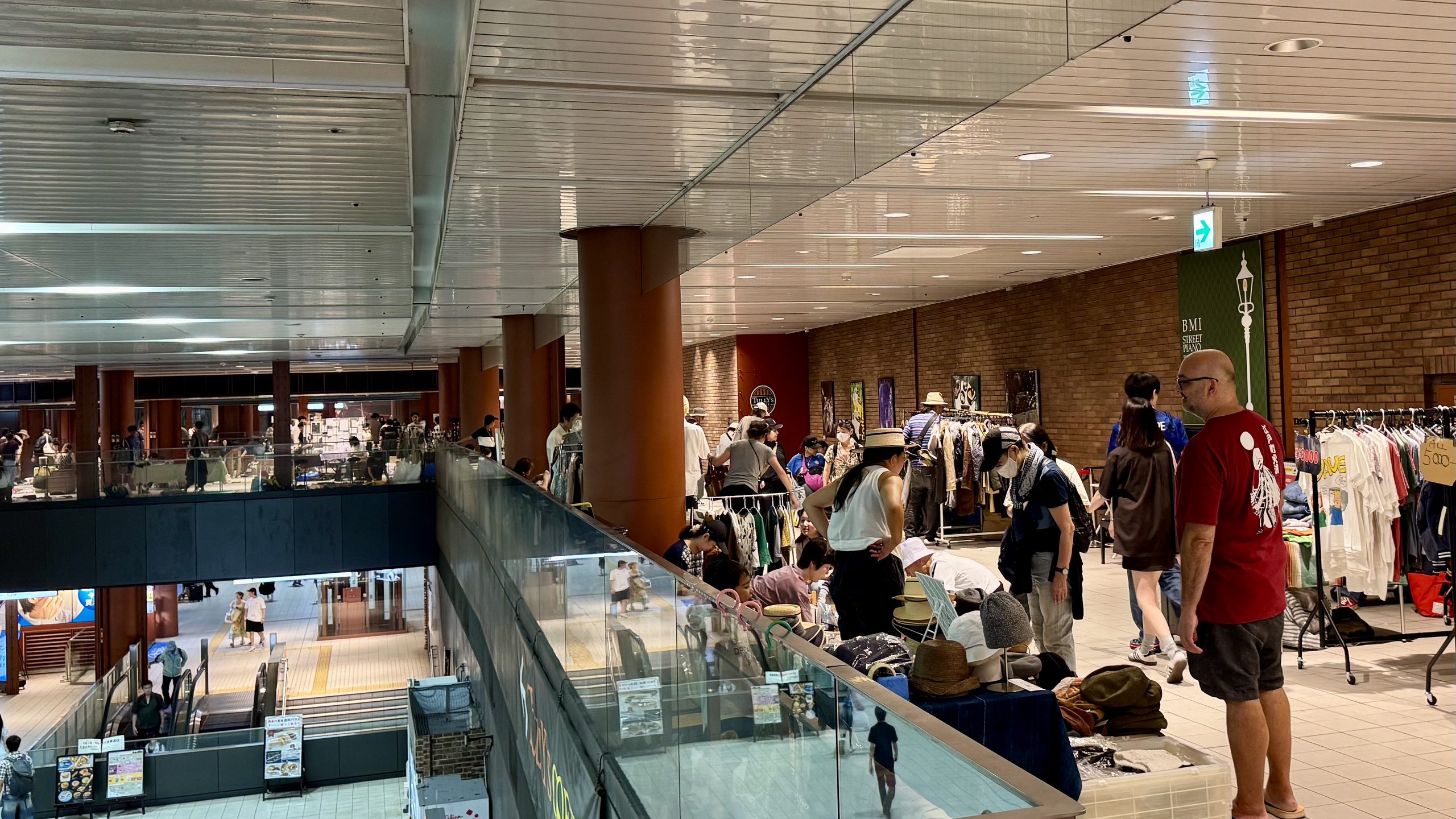
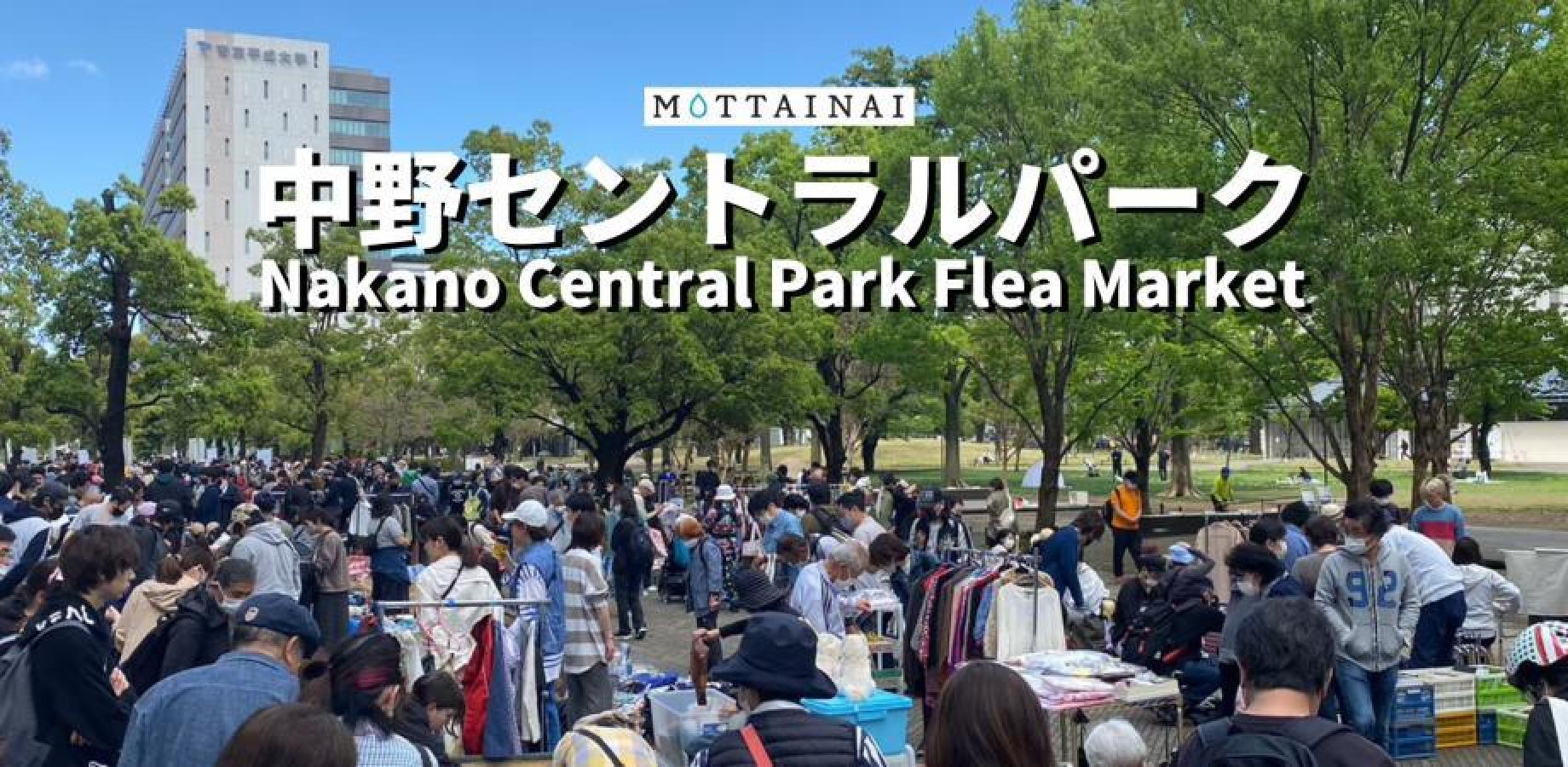
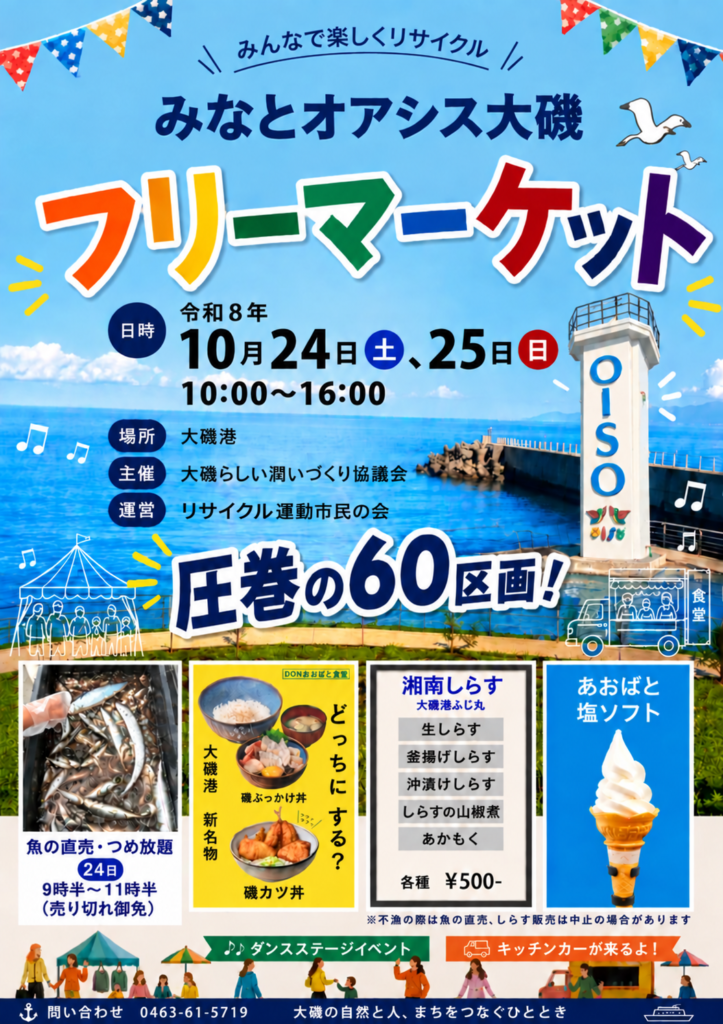
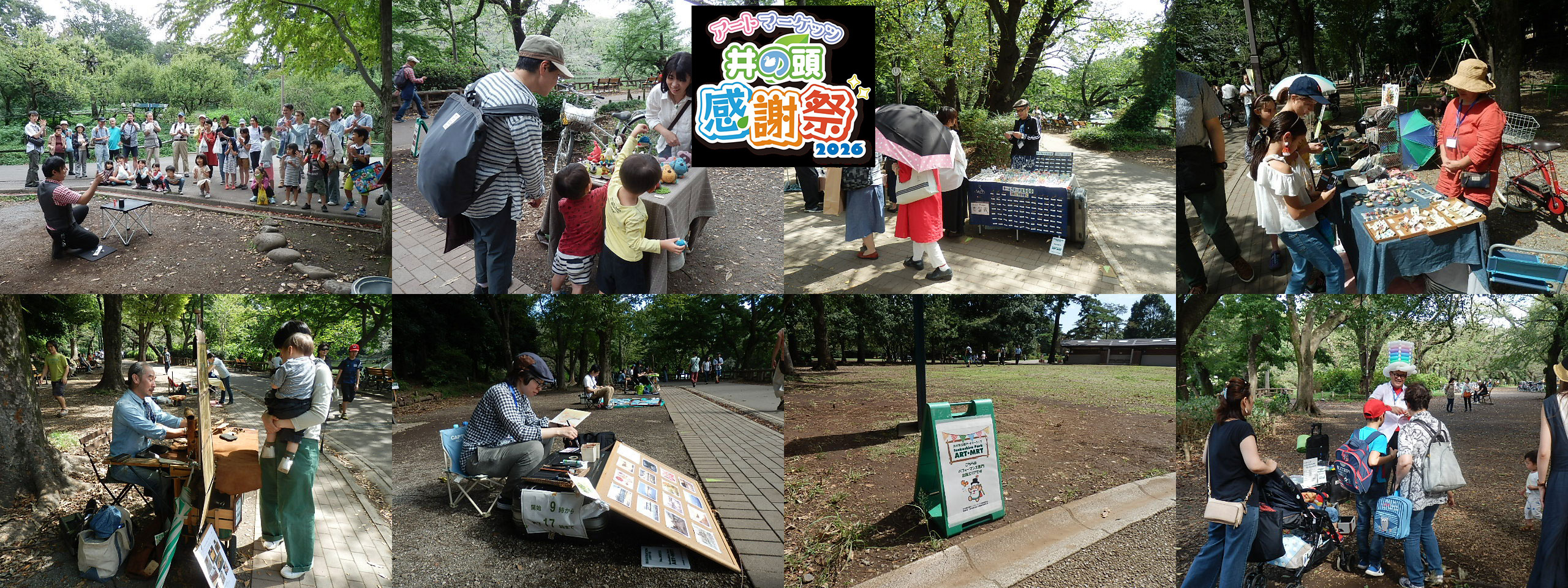
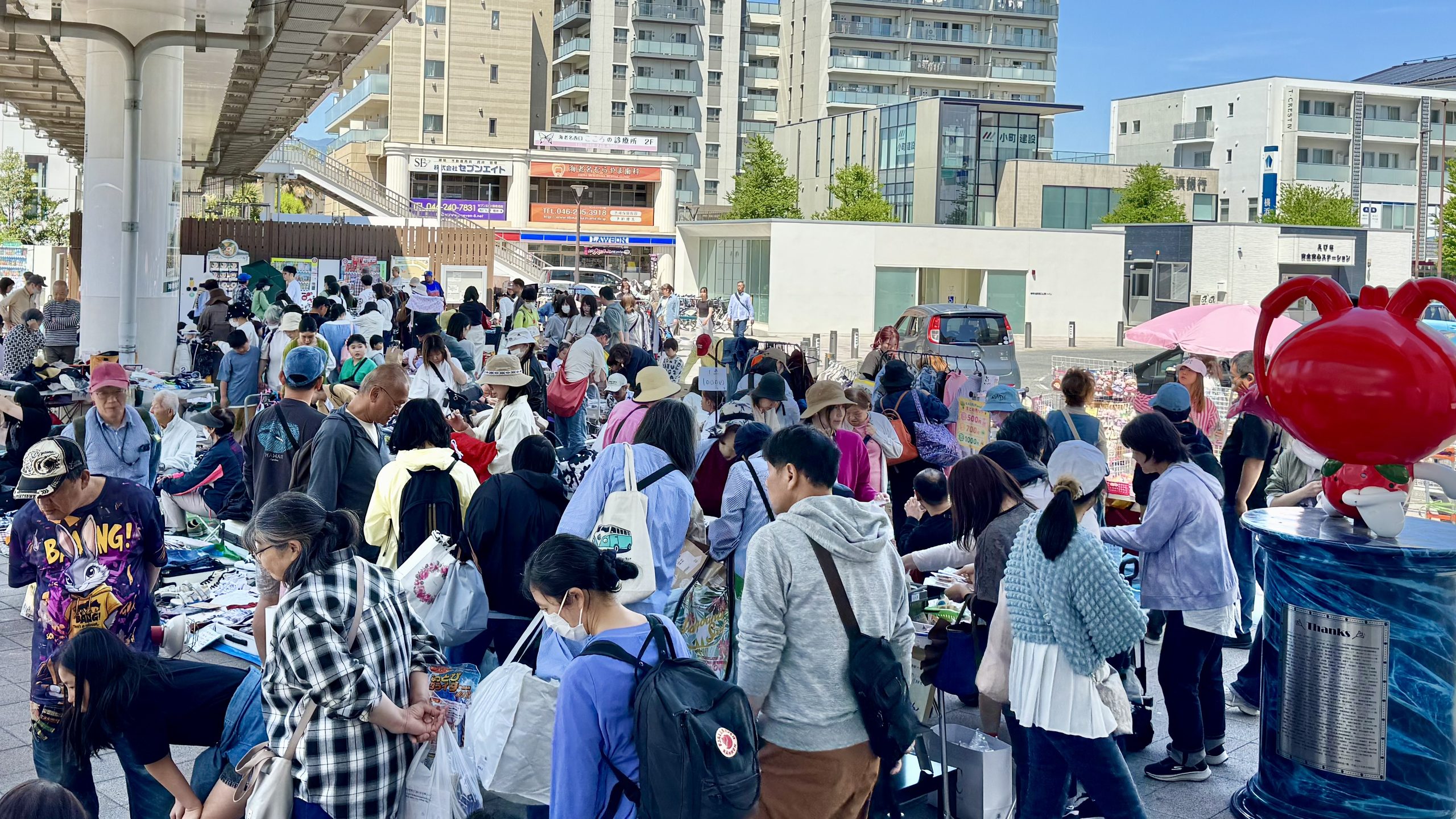
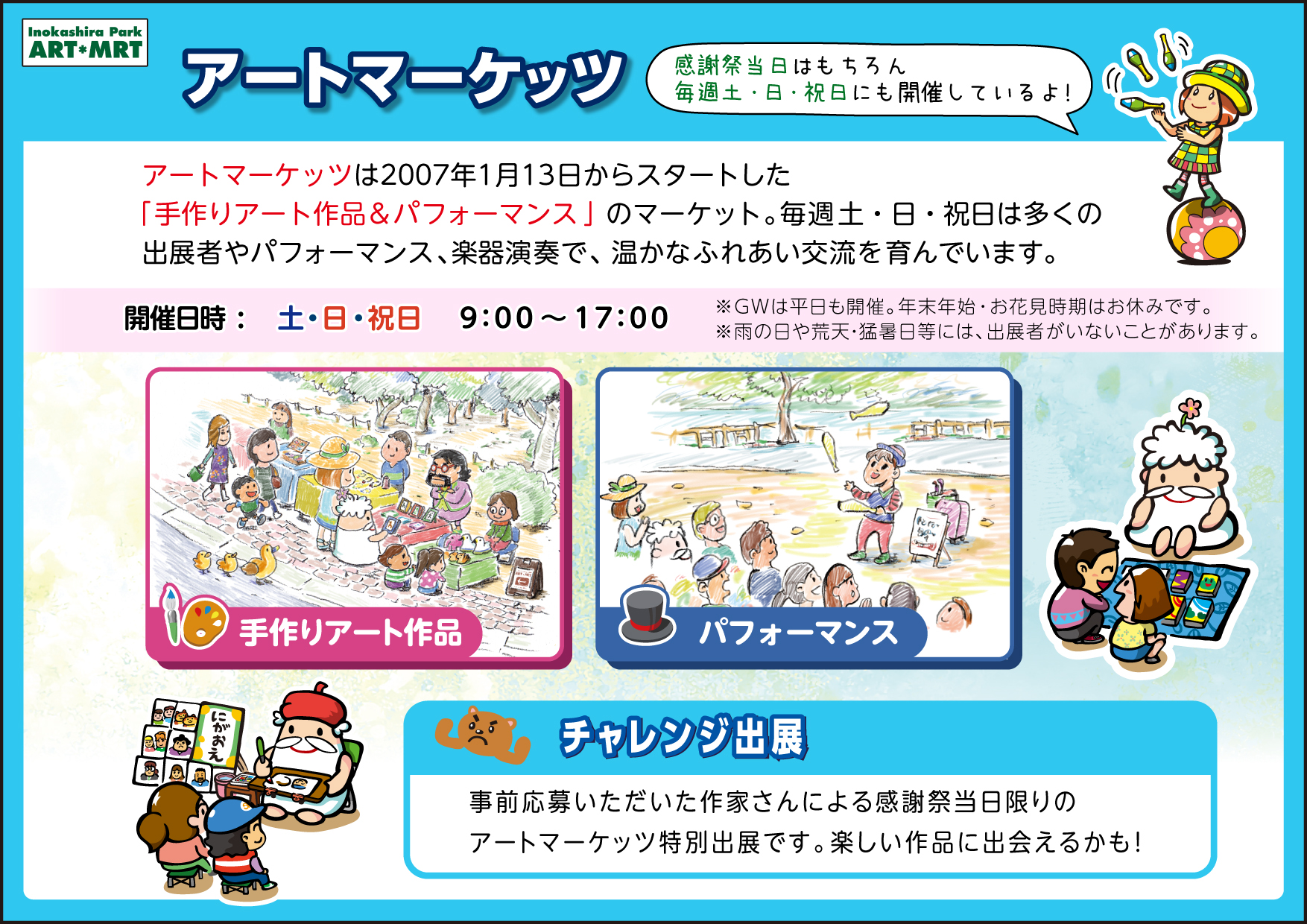
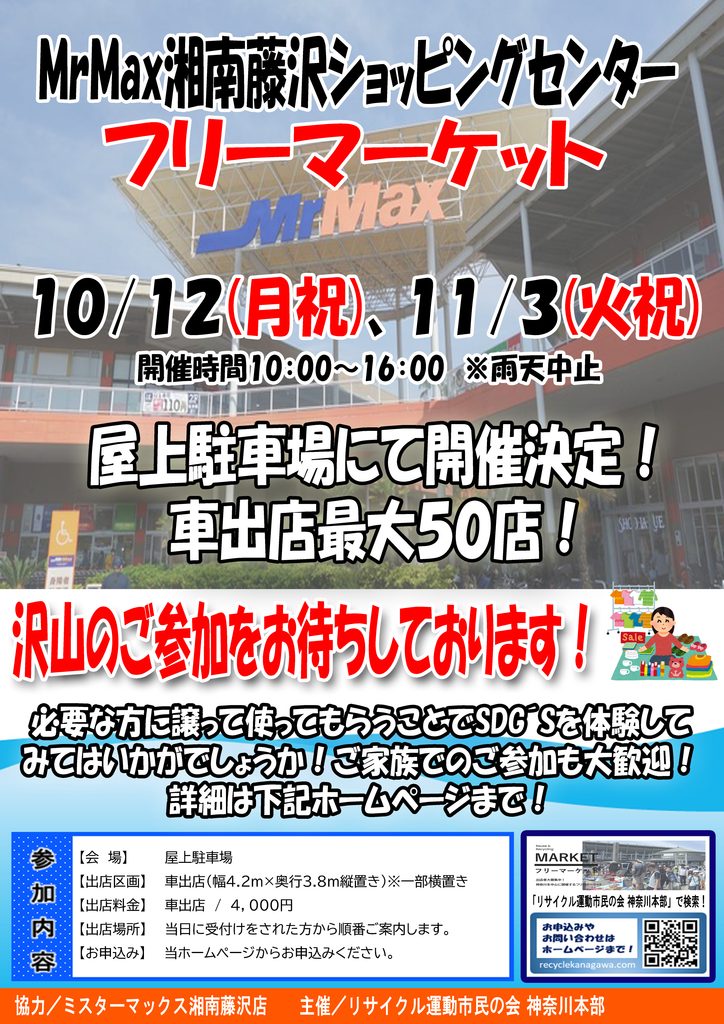
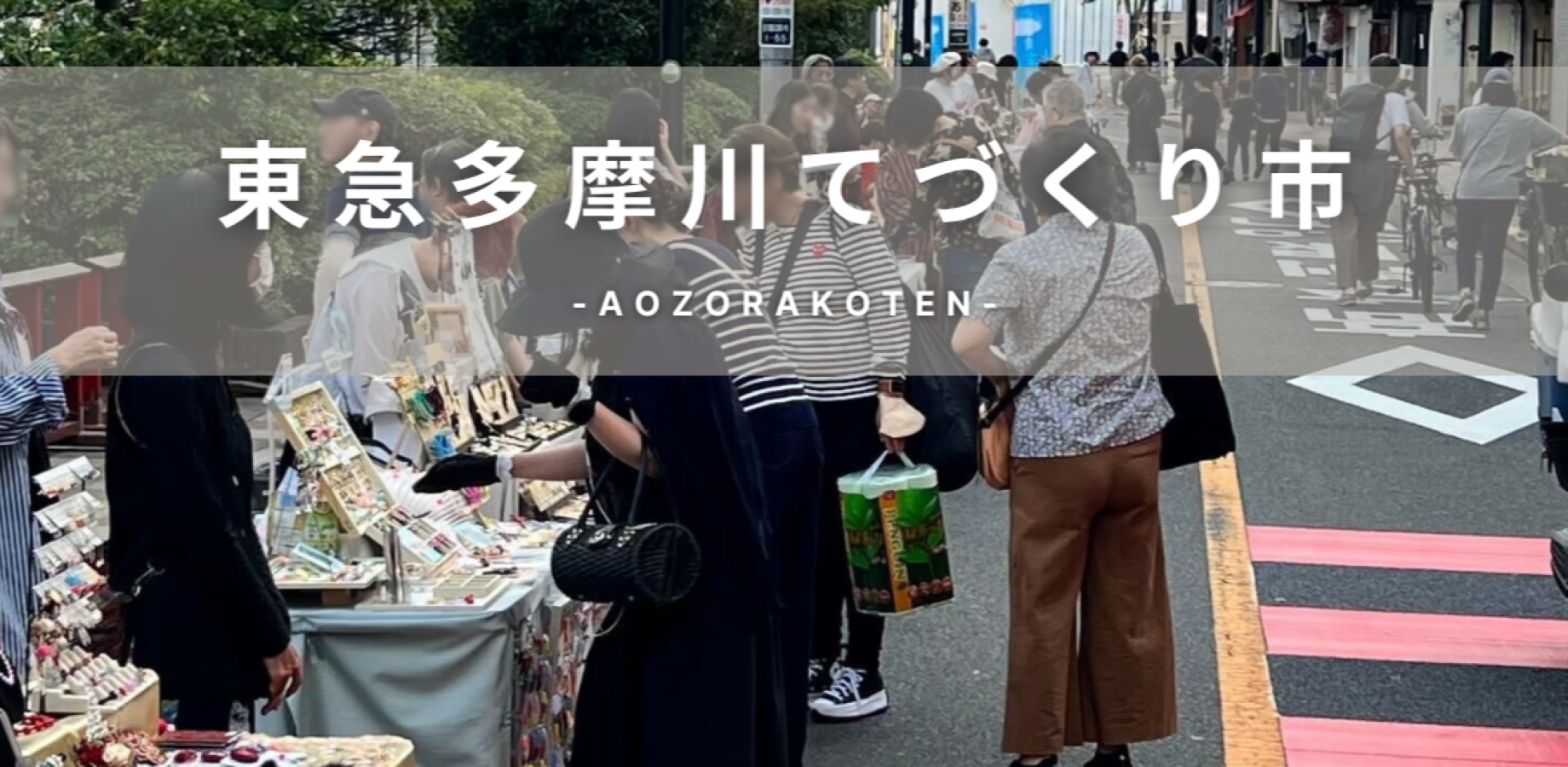
Flea markets (furima, フリーマーケット) are mostly ordinary people selling clothes, household goods, books and toys from a blanket. They are cheaper and messier, and the fun is in digging. The third kind is the marche: farmers, bakers and makers selling their own produce and crafts. On our site these all sit under markets.
Long-running markets worth knowing
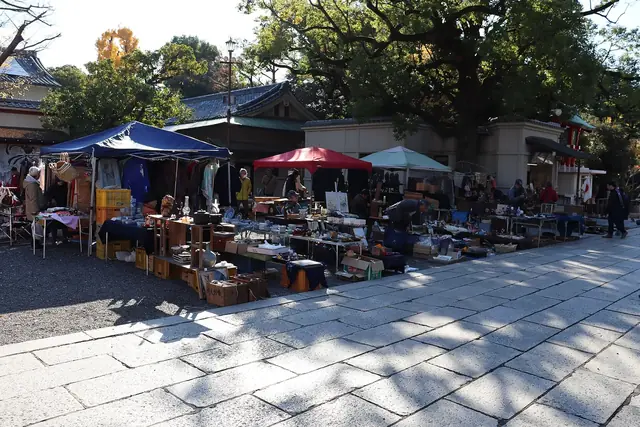
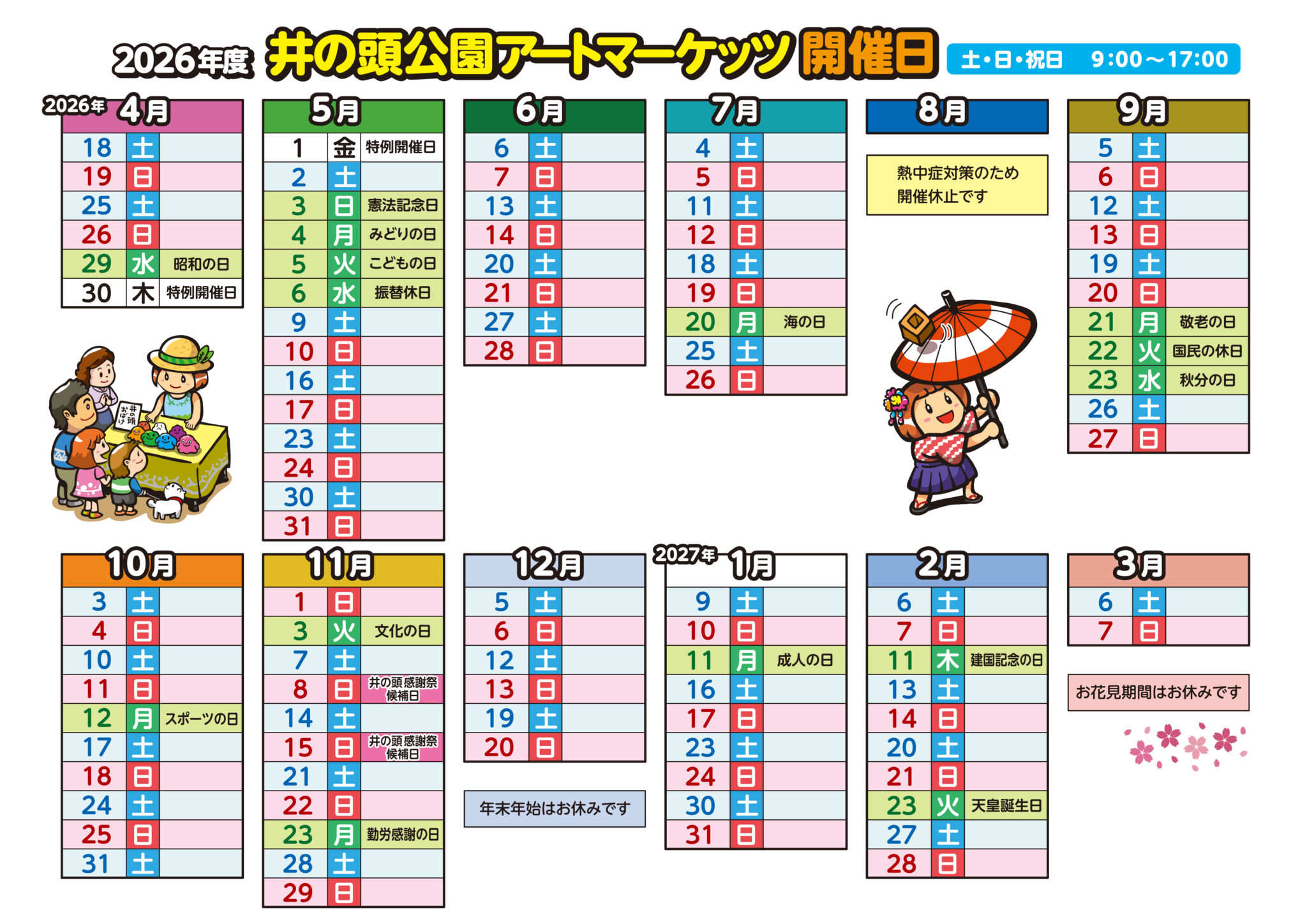
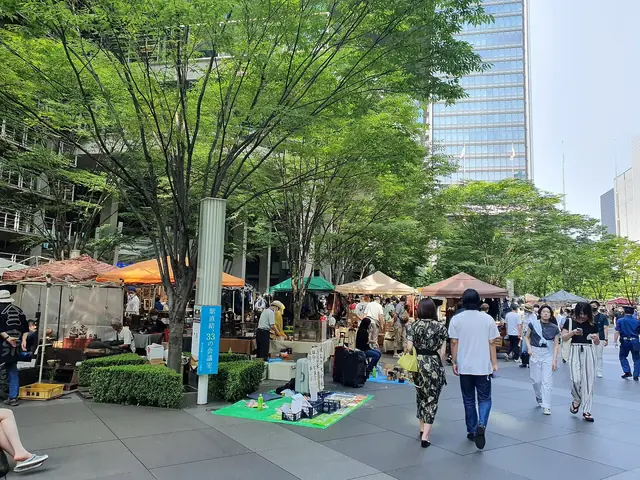
The Oedo Antique Market at Tokyo International Forum, between Yurakucho and Tokyo stations, is the big one: around 250 dealers on the open plaza, usually on about two weekend or holiday dates a month, with no market in August because of the heat. It has also appeared in Yoyogi Park in past years. Tomioka Hachimangu, a short walk from Monzen-nakacho station, has held an antique market with over 100 stalls on most Sundays of the month for decades. Hanazono Shrine in Shinjuku has a smaller antique market on many Sundays, good for a quick look before lunch.
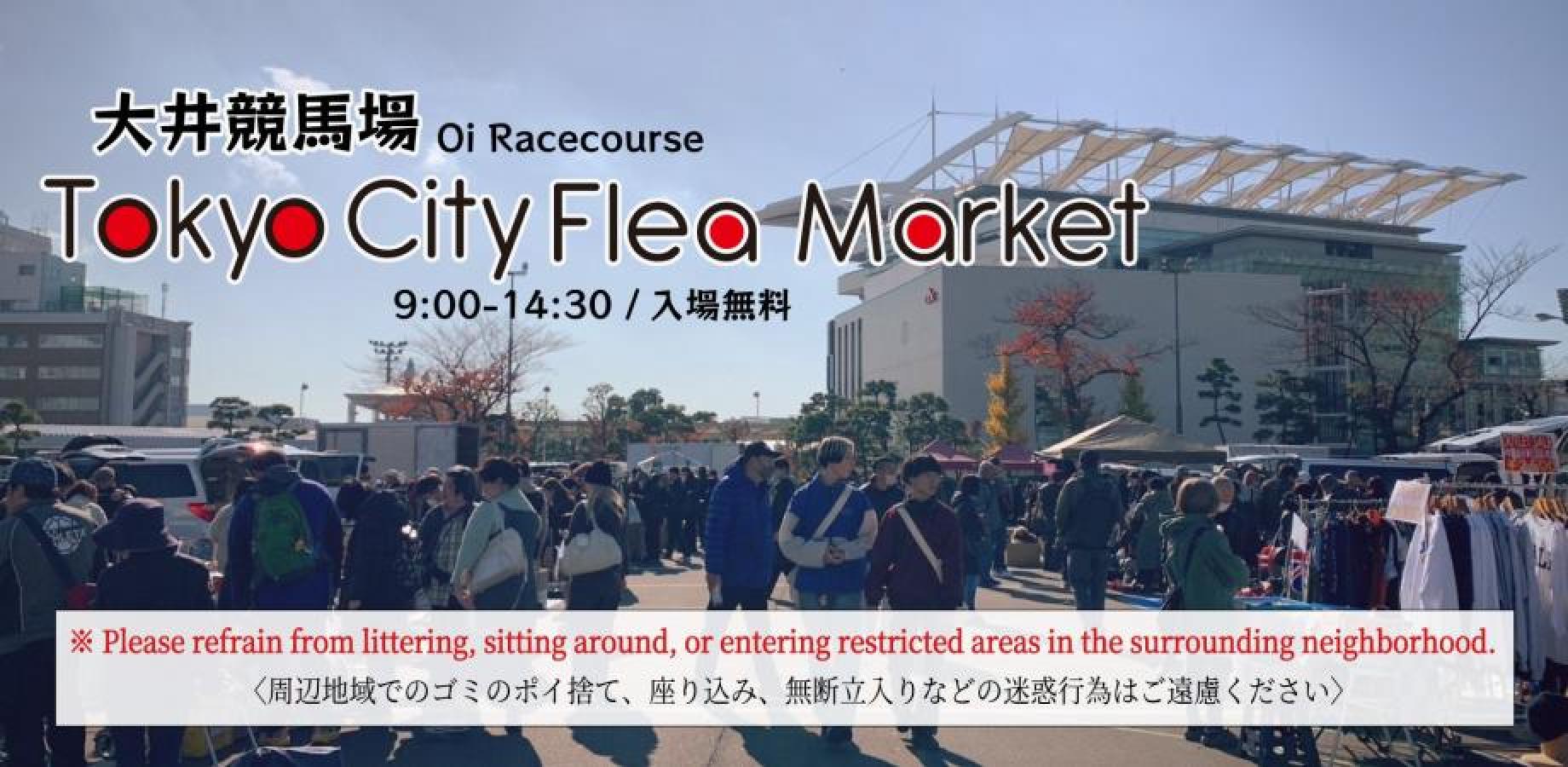
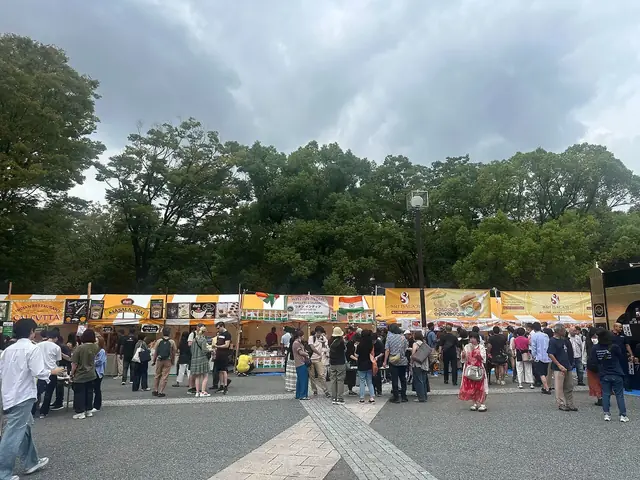
For flea market prices, the Tokyo City Flea Market at Oi Racecourse brings hundreds of mostly amateur sellers on many weekends. The Farmer's Market at UNU, in front of the United Nations University on Aoyama-dori, runs every weekend with farmers, bakers, food trucks and often a few craft and vintage stalls. The Heiwajima Antique Fair at Tokyo Ryutsu Center (Tokyo Monorail, Ryutsu Center station) has been held since 1978, a few times a year over three days, with dealers from all over Japan under one roof.
Once a year, or rather twice, comes the Setagaya Boroichi. It began as a market in 1578 and is still held on December 15 and 16 and January 15 and 16 along Boroichi-dori around the Daikan Yashiki, the old magistrate's residence, near Kamimachi station on the Tokyu Setagaya Line. Hundreds of stalls sell antiques, old tools, plants and food, and the queue for daikan mochi rice cakes is part of the tradition.
- Boroichi dates are fixed, so on a weekday it is far calmer than when it falls on a weekend.
- Oedo has coin lockers nearby in the Forum basement and an ATM in the FamilyMart on B1.
How to shop: early, cash, and gentle bargaining
Collectors and other dealers arrive at opening, so the best pieces go first. Arrive early for choice and late for markdowns, when some sellers would rather sell than pack. Carry cash in small notes and coins. A few dealers take cards at the larger markets, but most do not, and a 10,000 yen note for a 500 yen bowl is awkward.
Bargaining depends on the market. At amateur flea markets a polite request for a small discount is normal. At antique markets prices are mostly fixed, though dealers may round down if you buy several things or ask nicely (sukoshi yasuku narimasu ka, can it be a little cheaper?). At farmers and craft markets, where makers sell their own work, don't haggle. Whatever you ask, a smile and accepting a no go a long way.
Ask before you touch fragile items and before you take photos. Oedo's own rules ask you to get the seller's consent first, and some dealers would rather you didn't photograph their stock at all. If you want a dealer to hold something while you look around, note the shop name.
- Bring a tote bag and some newspaper or bubble wrap for ceramics.
- Trying on a kimono at a tatami stall can mean taking your shoes off. Wear shoes that slip off easily.
Rain, seasons and checking before you go
Outdoor markets are usually cancelled in rain. Japanese announcements say 雨天中止 (cancelled in rain), and organisers often decide on the morning itself, posting on their website or on X. Oedo and the Oi Racecourse flea market both close in rain, and smaller shrine markets may not run on festival days or in January. Check the official page that morning, every time.
Spring and autumn are the best months. Summer mornings are hot and some markets pause, while winter mornings on an open plaza are cold. Most markets start early and wind down by mid-afternoon, so a morning visit gives you the full selection.
- Search the market name plus 開催 (held) or 中止 (cancelled) on the day to see the latest status.
Big finds and getting them home
A chest of drawers or a set of plates is easy to fall for and hard to carry on a train. Ask whether the dealer can send it within Japan by takkyubin courier, which many can for a fee, to your hotel or home. Most hotels and convenience stores can also send parcels for you. For overseas, Japan Post sends parcels abroad, but wrap ceramics well and check your own country's import rules before you buy anything large or old.