Shibuya and Harajuku: youth culture, clubs and pop-ups
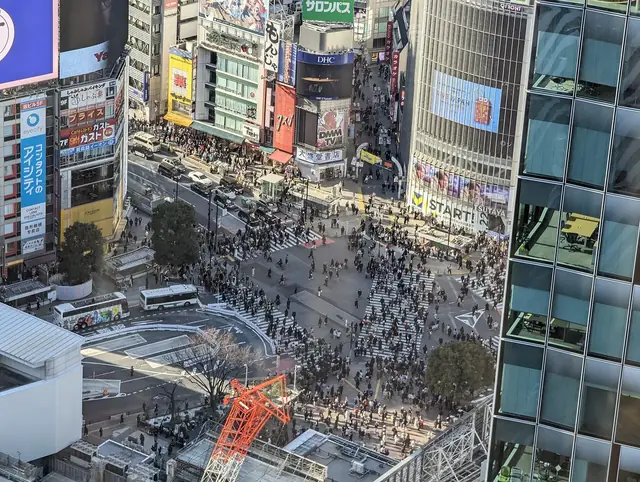
Shibuya is the city's youth district and the place where new things show up first. Brand and anime pop-up shops open and close every few weeks around Shibuya PARCO (home to Nintendo Tokyo and Pokémon Center Shibuya), Miyashita Park and the backstreets of Harajuku and Omotesando. At night the clubs and live venues cluster on the slopes of Dogenzaka and Maruyamacho. In recent years the ward has banned drinking on the street around Shibuya Station every night from 6pm to 5am, so drink inside bars, not on the crossing.
Yoyogi Park, next to Meiji Jingu, is the city's big weekend stage. From spring to autumn its event plaza hosts festivals for different countries, food and music events, and in June the Tokyo Pride festival. NHK Hall and Yoyogi National Gymnasium sit at the edge of the park, so on concert days the walk from Harajuku Station gets crowded.
- Pop-ups often need a free online reservation or a numbered ticket on the first days. Check the shop's social account before going.
- Yoyogi Park festivals are busiest on Saturday afternoons. Go before noon for shorter food queues.
Shinjuku: nightlife, Ni-chome and Shinjuku Gyoen
Shinjuku is two cities stacked together: office towers and the Tokyo Metropolitan Government Building on the west side, with a free observation deck and evening projection mapping on its facade, and the nightlife of the east side. Kabukicho is the largest entertainment district in Japan, with cinemas, live venues in Tokyu Kabukicho Tower and a Godzilla head over the street. It is safe to walk around, but ignore street touts: following one into a bar is the classic way to get a huge bill. Golden Gai, a few lanes of tiny bars, and Omoide Yokocho, a strip of yakitori stalls by the tracks, are calmer and more fun.
Shinjuku Ni-chome is the centre of Tokyo's LGBTQ nightlife, with hundreds of small bars, many open to everyone, and it gets lively around Tokyo Pride. In the daytime, Shinjuku Gyoen is one of the best gardens in the city for cherry blossoms in spring and chrysanthemums in November. It charges an entry fee and alcohol is not allowed inside, so plan a different spot for a drinking hanami.
- Some Golden Gai bars charge a seat fee. It is usually written on the door; ask if you are not sure.
- Hanazono Shrine, right next to Golden Gai, holds the Tori-no-ichi rake market in November.
Asakusa, Ueno and Yanaka: festivals, museums and temples
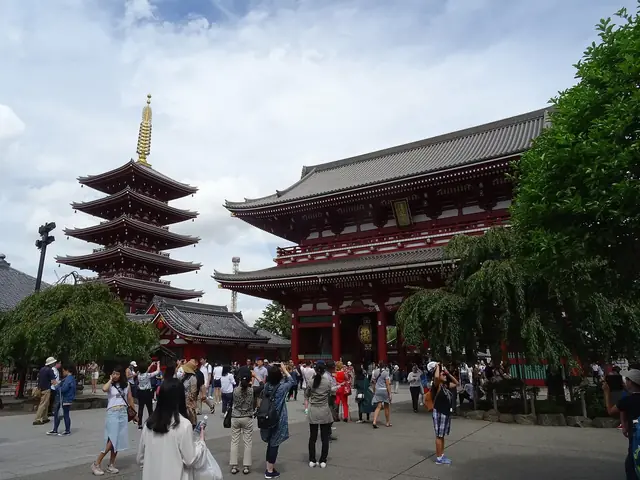
This is old Tokyo, and the best place for traditional festivals. Sensoji in Asakusa hosts the Sanja Matsuri in May, the hozuki market in July and the battledore fair in December, and the Sumida River fireworks are launched just upstream. In late August the Asakusa Samba Carnival takes over the same streets. Kappabashi, a street of kitchenware shops, is a short walk away.
Ueno Park holds the biggest cluster of museums in the country: the Tokyo National Museum, the National Museum of Western Art, the National Museum of Nature and Science and the Tokyo Metropolitan Art Museum, plus Ueno Zoo and a famous hanami avenue. Big touring exhibitions usually land here. North of the park, Yanaka is a low-rise neighbourhood of temples, a shopping street, small galleries and a cemetery lined with cherry trees, and Nezu Shrine next door holds an azalea festival in April.
Akihabara, Ikebukuro and Nakano: anime and games
Akihabara is the classic anime and electronics district: multi-storey figure and manga shops, retro game stores, arcades and maid cafes. On Sunday afternoons the main street, Chuo-dori, usually closes to cars. Kanda Myojin, a short walk up the hill, runs anime collaborations and is the home of the Kanda Matsuri in May.
Ikebukuro is the other anime capital, with the Animate flagship store, Sunshine City (home to a big Pokémon Center) and Otome Road, a row of shops aimed at female fans. It hosts the Ikebukuro Halloween Cosplay Festival in late October and many character cafes and collaboration events through the year. Nakano Broadway, a 1960s shopping arcade a few stops west of Shinjuku, is full of second-hand manga, figures and collectibles.
Roppongi, Ginza and Marunouchi: art, lights and polish
Roppongi is Tokyo's art district by day. The Mori Art Museum at Roppongi Hills, the National Art Center and the Suntory Museum of Art at Tokyo Midtown sit within walking distance of each other, and teamLab Borderless is at nearby Azabudai Hills. In winter, Roppongi Hills and Tokyo Midtown run some of the best-known illuminations and a German-style Christmas market. At night Roppongi is a club district with a large international crowd, and the same caution about touts applies as in Kabukicho.
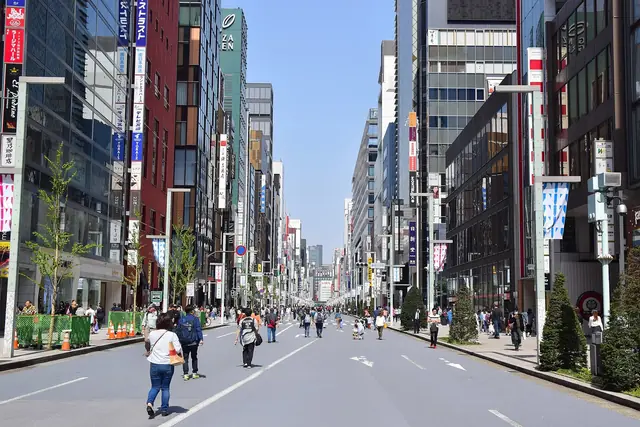
Ginza is the polished one: department stores, galleries, the Kabukiza theatre, and on weekend afternoons the main street, Chuo-dori, closes to cars and becomes a walking promenade. Marunouchi and Hibiya, between Tokyo Station and the Imperial Palace, light up Naka-dori with trees full of lights in winter. Hibiya Park hosts food events and a Christmas market, and the Tokyo International Forum holds the Oedo Antique Market on its plaza about twice a month.
Shimokitazawa, Koenji and Kichijoji: live houses and vintage
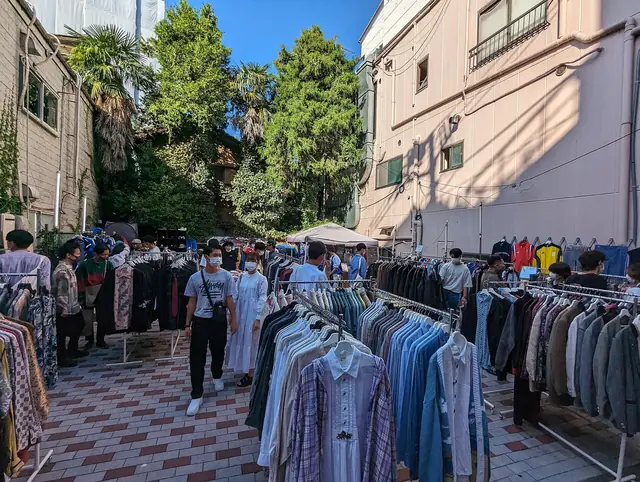
West of Shibuya and Shinjuku is where Tokyo's indie life happens. Shimokitazawa in Setagaya is a maze of vintage clothing shops, curry houses, small theatres led by the Honda Theater, and basement live houses where bands play almost every night. Koenji in Suginami is scruffier and proud of it: punk and indie live houses, more vintage shops and cheap bars, and on the last weekend of August the streets fill with the Koenji Awa Odori.
Kichijoji, technically just outside the wards, is calmer. Inokashira Park has buskers and swan boats on its pond, and the Ghibli Museum is a walk away in Mitaka (tickets are sold in advance for timed entry only). At live houses everywhere, expect to pay a drink charge at the door on top of the ticket, often in cash.
- On weekends and holidays, JR Chuo Line rapid trains skip Koenji. Take the yellow Chuo-Sobu Line local instead.
- Most live house shows start early, around 6:30 or 7pm, and finish before the last train.
Odaiba, Ariake and Toyosu: conventions and the waterfront
The reclaimed islands in Tokyo Bay host the city's biggest indoor events. Tokyo Big Sight in Ariake is the home of Comiket, Design Festa and many trade fairs, and Ariake Arena and Tokyo Garden Theater nearby are major concert halls. teamLab Planets in Toyosu, where you walk barefoot through water and mirrored rooms, is one of the most visited art spaces in the city.
Odaiba itself is a seaside leisure area with shopping malls, the Zepp DiverCity live house and views of the Rainbow Bridge from the artificial beach. The automated Yurikamome line and the Rinkai line connect the area. On big convention days both get packed in the morning, so leave early or walk from a station one stop away.
Ryogoku: the home of sumo
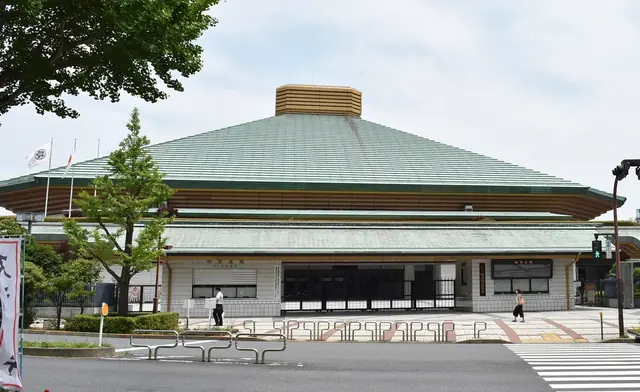
Ryogoku in Sumida ward, just across the river from Asakusa, is where three of the six yearly sumo tournaments take place, at Ryogoku Kokugikan in January, May and September. Several sumo stables are in the area, so it is common to see wrestlers in yukata walking to the station, and the streets are lined with restaurants serving chanko nabe, the wrestlers' hot pot. Outside tournament weeks the arena hosts concerts and pro wrestling.
Next door, the Edo-Tokyo Museum reopened in March 2026 after a renovation of about four years, with full-size reconstructions of old Tokyo. The Sumida Hokusai Museum and the small Kyu-Yasuda Garden are a short walk away, which makes Ryogoku an easy half day even without a tournament.
Day trips: Yokohama, Kamakura and Makuhari
Some big events are just outside the city. Yokohama, about half an hour from Shibuya or Tokyo Station, has the Red Brick Warehouse with seasonal festivals and a Christmas market, Chinatown and large concert halls in Minato Mirai. Kamakura, about an hour away by JR, is the classic temple town, at its busiest in June when the hydrangeas bloom at Meigetsuin and Hasedera.
Makuhari Messe in Chiba, about half an hour from Tokyo Station on the JR Keiyo Line, hosts Tokyo Game Show, Jump Festa and the COUNTDOWN JAPAN festival, and Summer Sonic plays the stadium and halls next door. Our listings include these greater Tokyo venues, so check the area before you buy a ticket.