How a Tokyo weekend works
Saturday is the big day. Neighbourhood festivals carry their mikoshi on Saturday and Sunday, markets and park festivals run both days, and Saturday afternoon is when every popular place is at its fullest. Sunday is a little calmer, and Sunday evening is noticeably quiet because people go home early for work on Monday.
Watch for three-day weekends. Several national holidays always fall on a Monday, and when they do, Tokyo fills up with day trippers and events often add a third day. Most museums close on Mondays, but when Monday is a holiday they usually open and close on Tuesday instead.
Saturday morning: markets and shrines
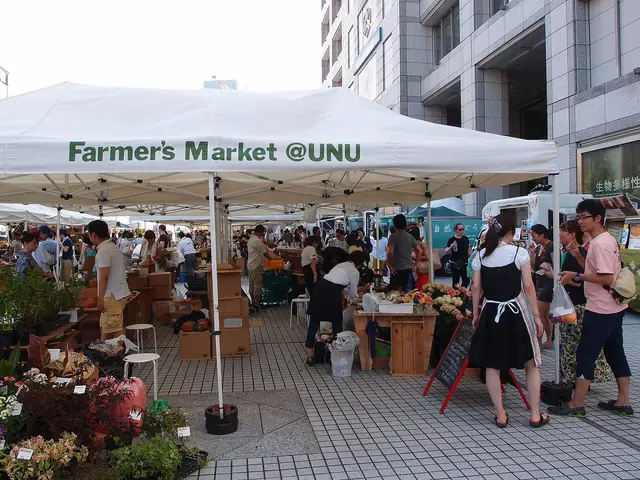
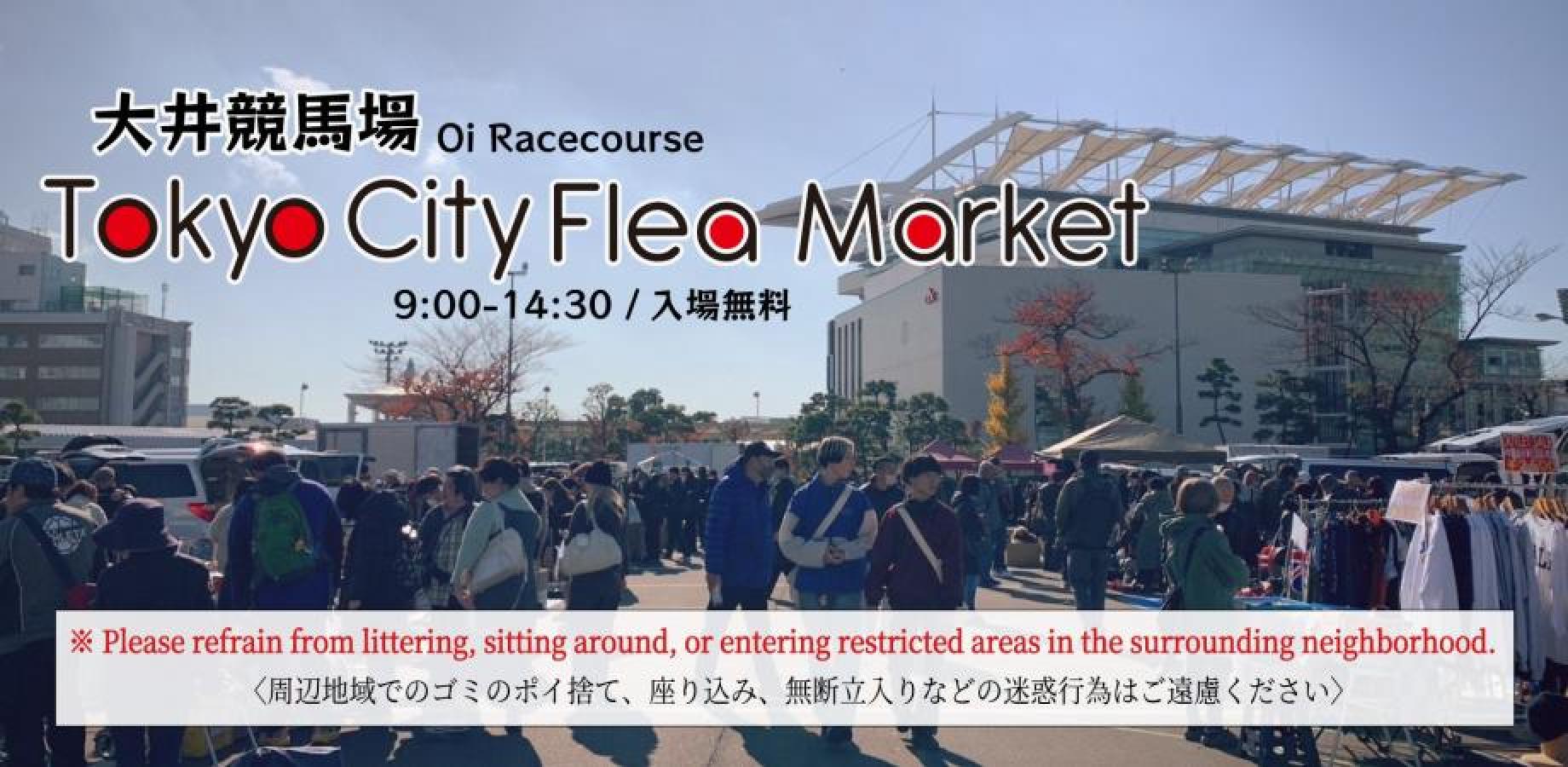
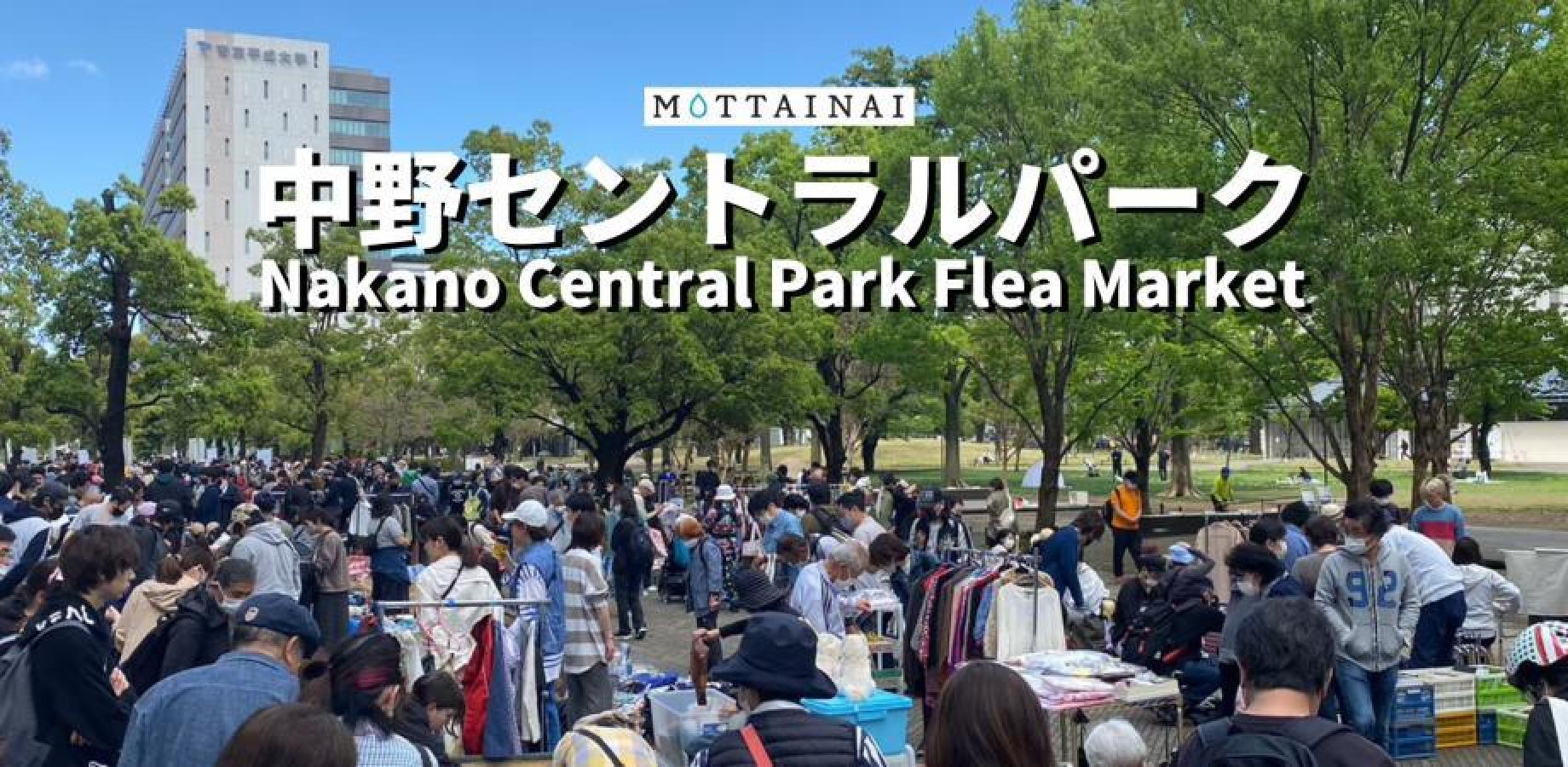
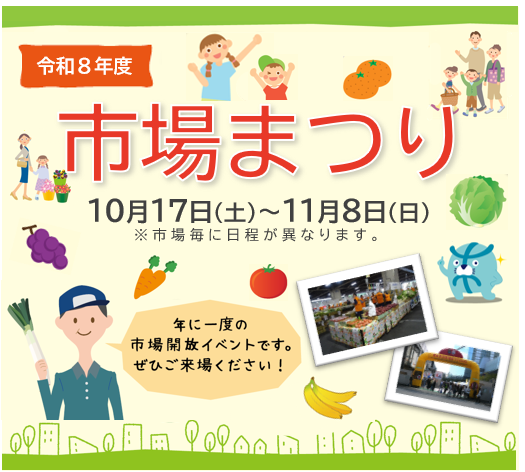
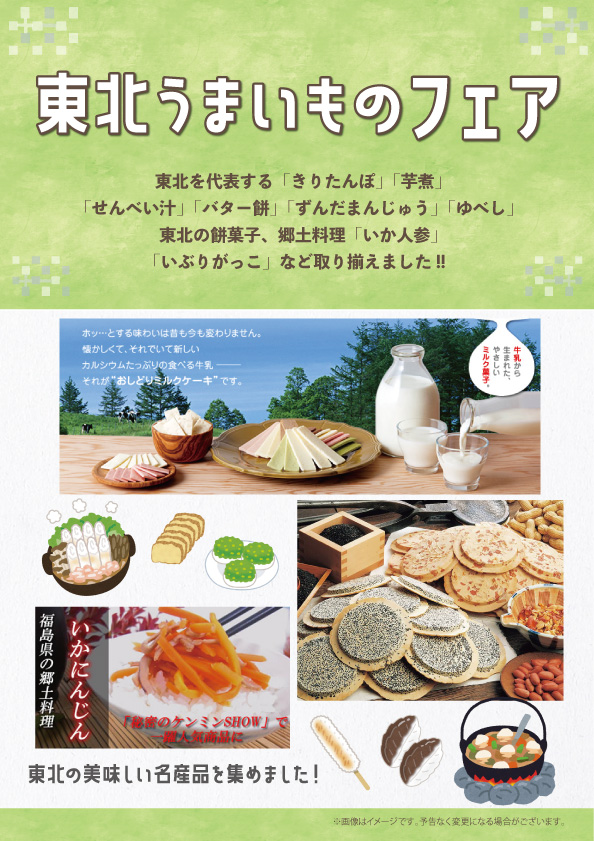
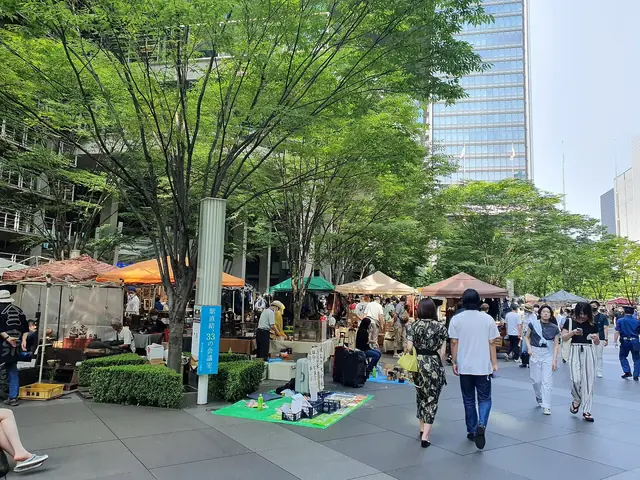
Mornings are the best part of a Tokyo weekend, before the crowds arrive. The Farmer's Market at the United Nations University in Aoyama, a short walk from Omotesando Station, runs every Saturday and Sunday with growers, coffee stands and food trucks. Tsukiji Outer Market is better on Saturday than Sunday, because many of its shops close on Sundays and holidays. Antique and flea markets, such as the Oedo Antique Market held about twice a month on the plaza of the Tokyo International Forum, are best early, when the good pieces are still there.
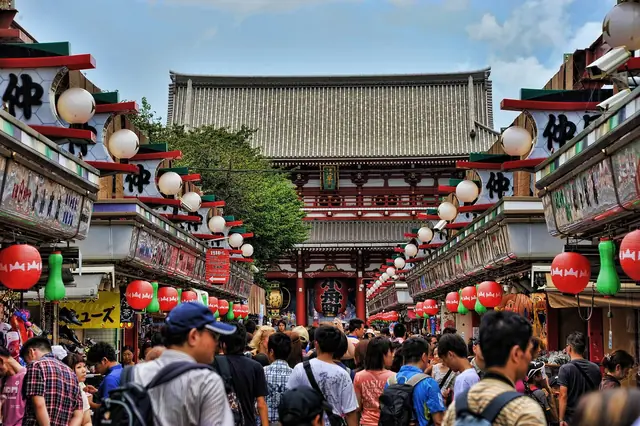
It is also the calmest time for the famous shrines and temples. Meiji Jingu and Sensoji are peaceful in the first hours after opening, and by late morning the approach to Sensoji is packed.
- Bring cash and a bag. Market stalls often do not take cards, and many do not give plastic bags.
- Check a market's calendar before going. Many are held only on certain weekends of the month.
Afternoon: festivals and exhibitions
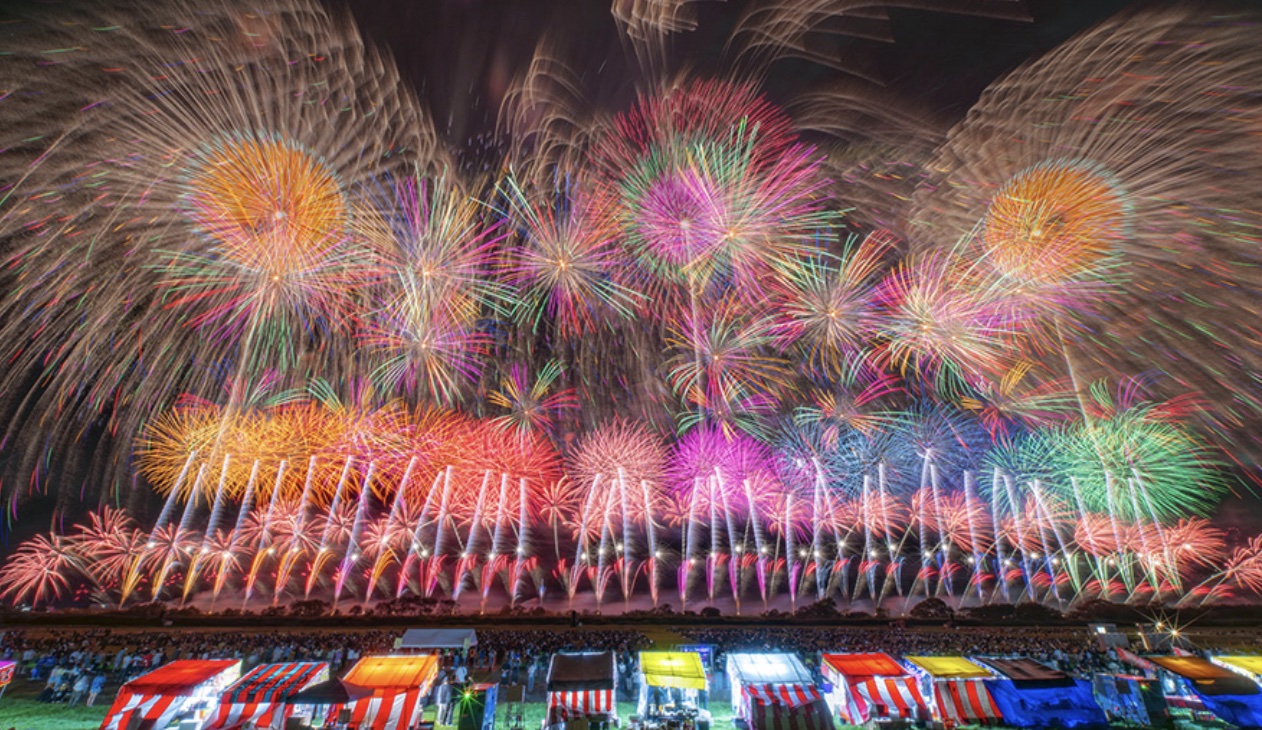
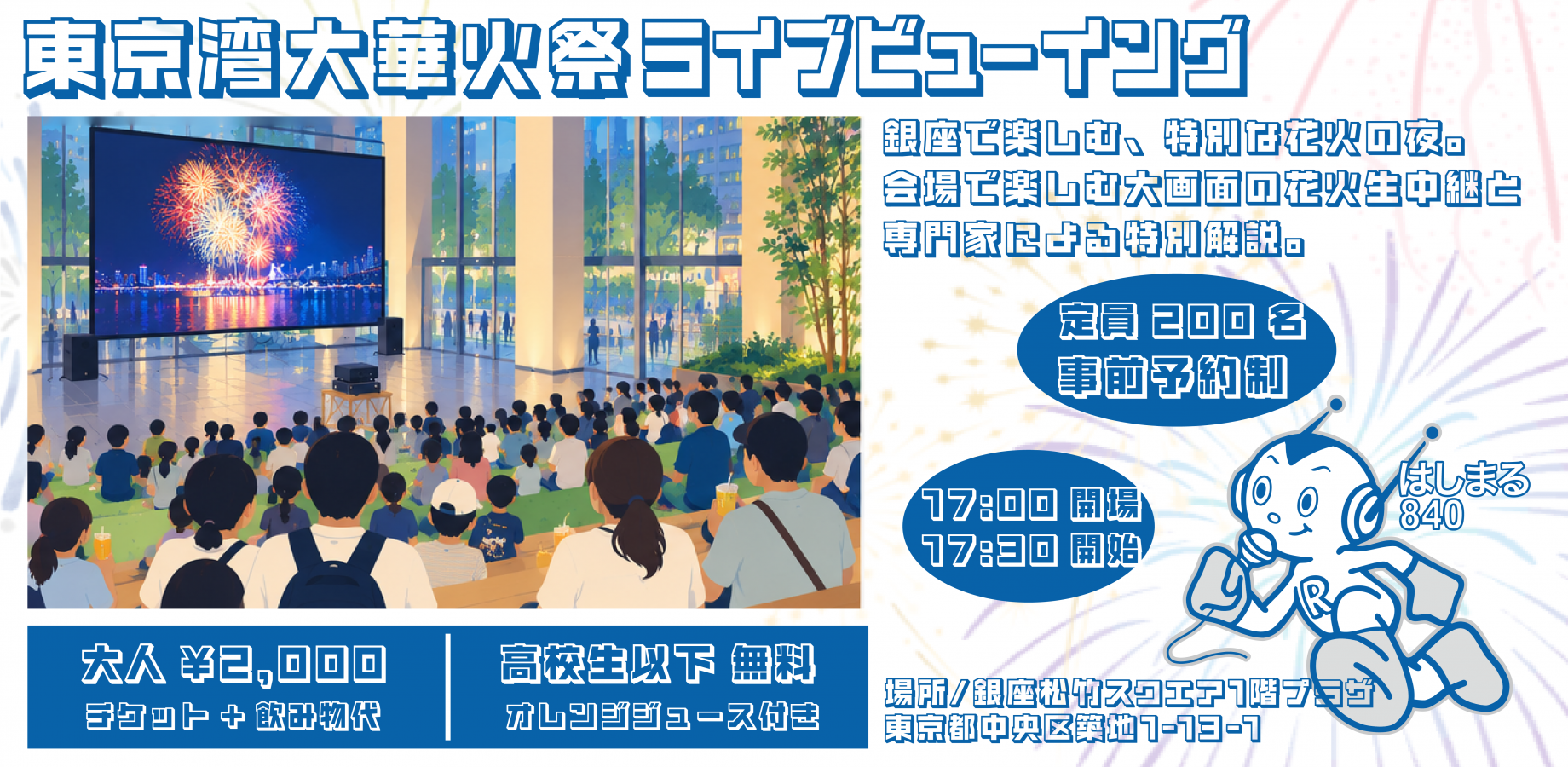
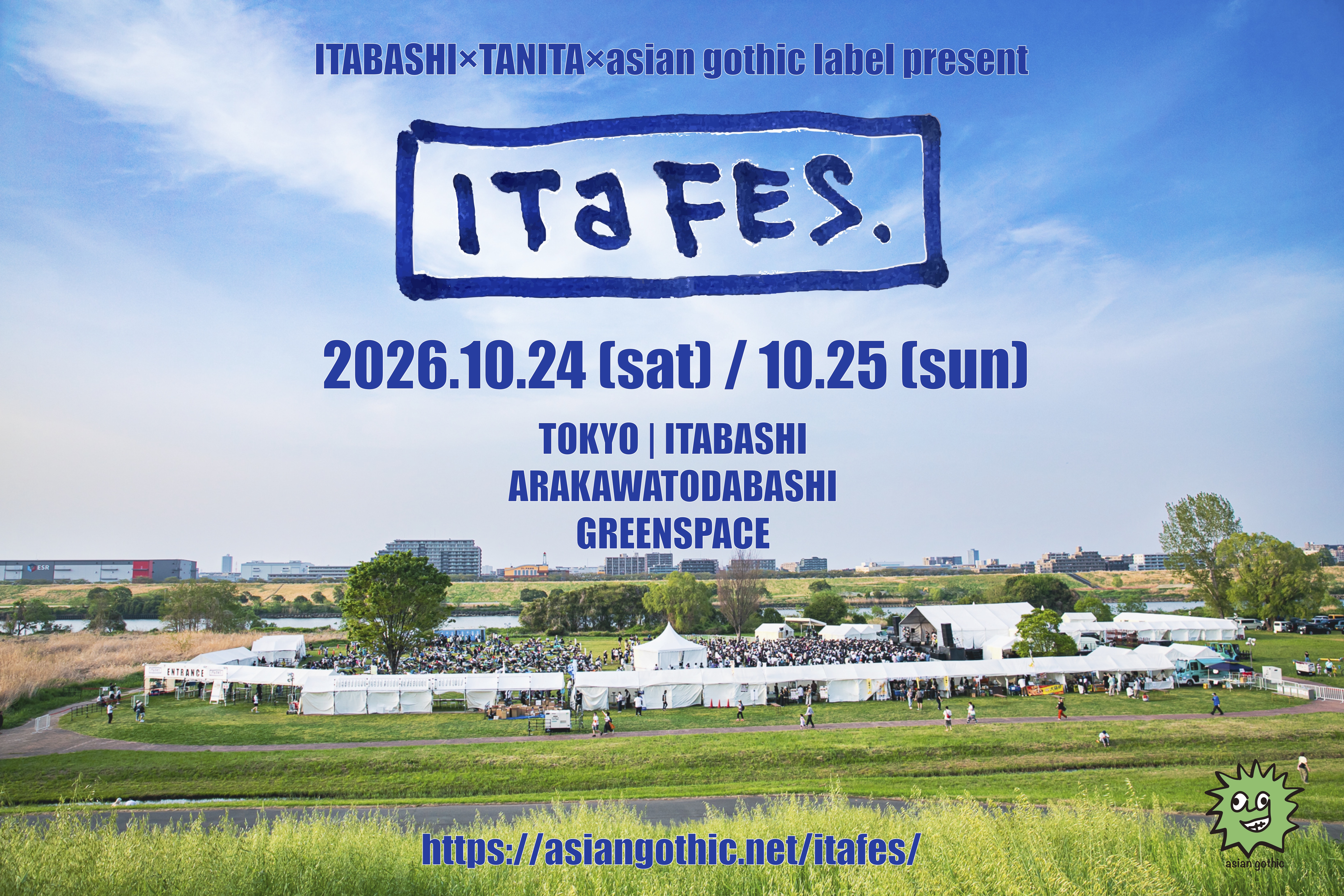
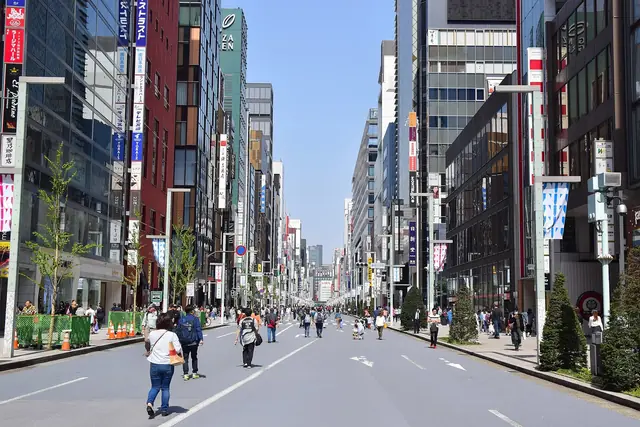
The afternoon is for the big outdoor events: food and country festivals in Yoyogi Park and Komazawa Olympic Park, neighbourhood matsuri with portable shrines, fireworks evenings in summer. On weekend afternoons Chuo-dori in Ginza closes to cars, and in Akihabara the main street usually does the same on Sundays, which makes both pleasant to wander.
For a big exhibition in Ueno or Roppongi, book a timed ticket (日時指定) in advance, because weekend slots sell out first. If you have the choice, the last slot of the day or Sunday afternoon tends to be easier than Saturday around noon.
Evening: live music, lights and late nights
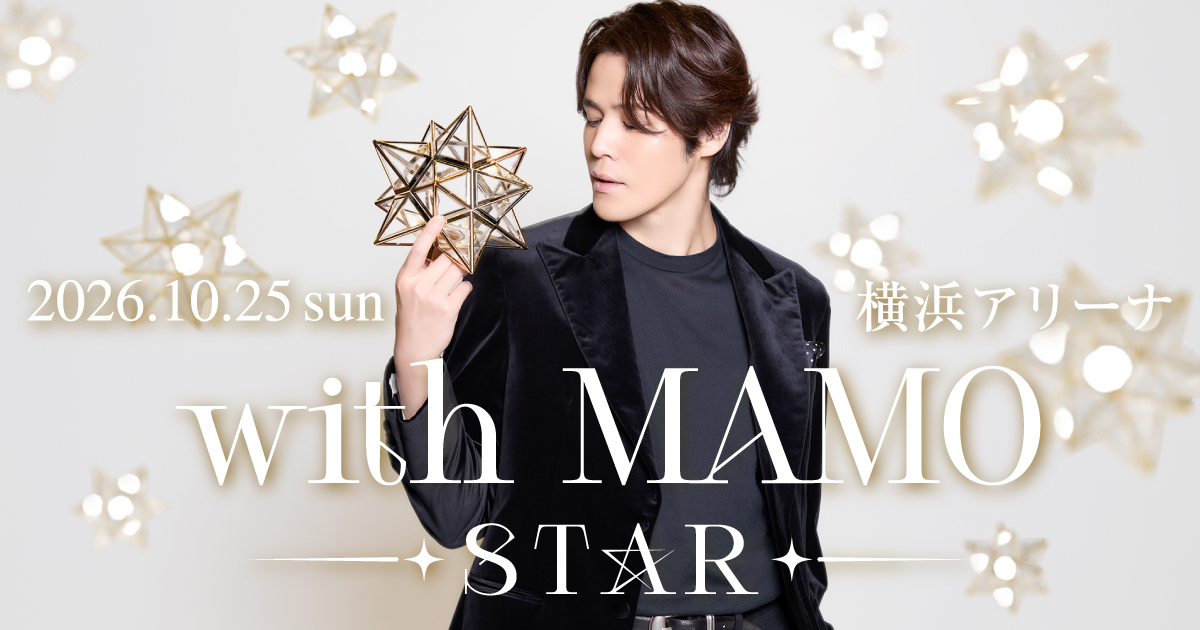
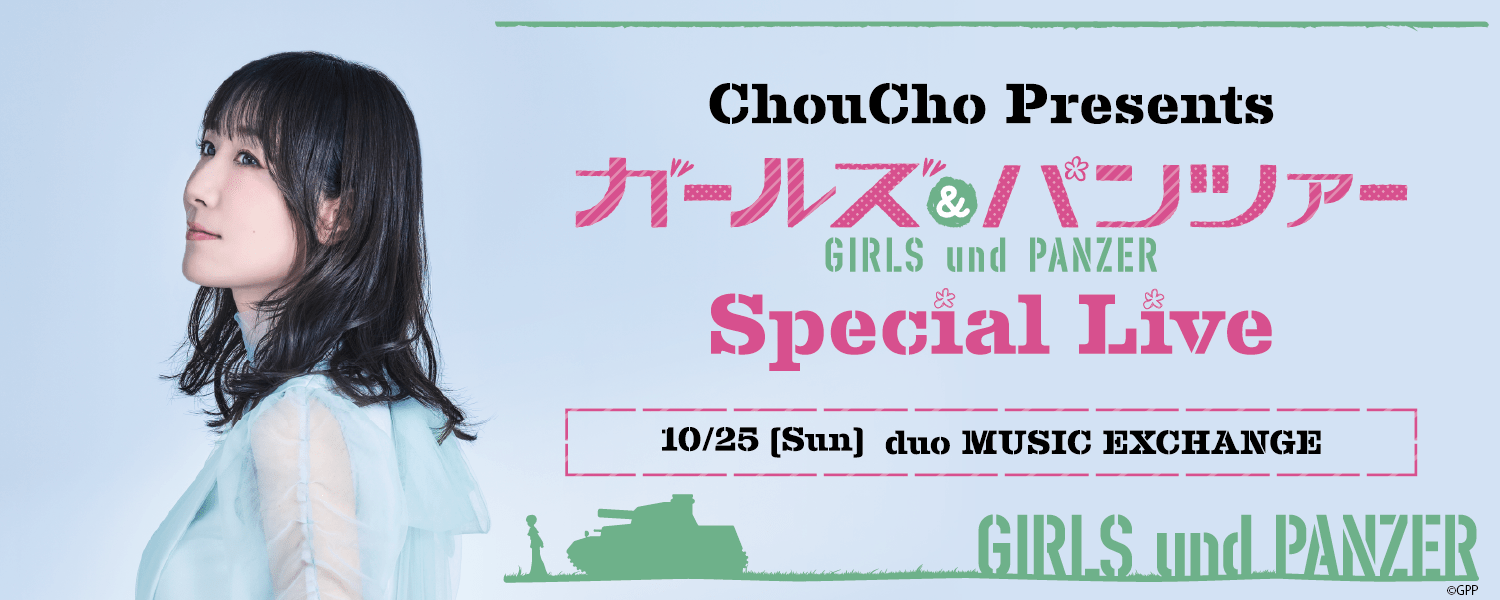
Tokyo evenings start early. Live house shows usually begin around 6:30 or 7pm and end before the last train, with a drink charge paid at the door on top of the ticket. Arena concerts end around 9pm, and the station afterwards is a crush, so either leave a few minutes before the encore or wait half an hour in a nearby cafe. In winter the illuminations are at their best right after dark, and in summer evening is the only comfortable time to be outside.
Book a table for dinner on Saturday night, as popular izakaya fill up. Last trains leave around midnight, and earlier on some lines. Clubs in Shibuya and Shinjuku run until the first trains at about 5am, which is how most people get home from a big night out.
Sunday: slower options
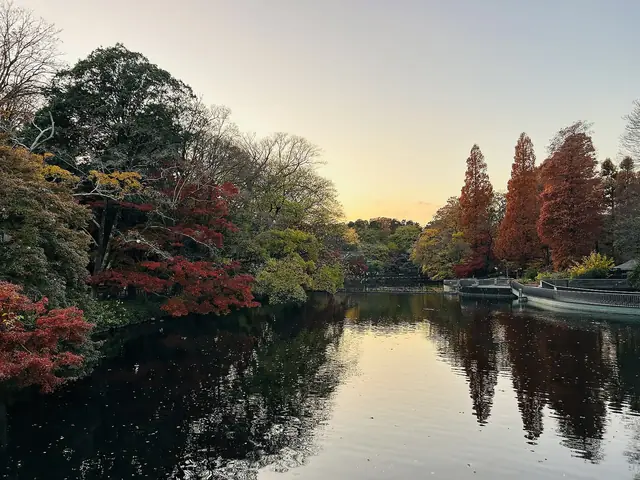
Sunday suits a gentler plan. Walk around Inokashira Park in Kichijoji, Shinjuku Gyoen or the gardens around Ueno, browse a flea market, or spend the morning in an old neighbourhood like Yanaka or Shibamata. Sunday is also the best day for families, with many children's events and workshops, and for going alone to something you would not drag friends to.
Events tend to finish earlier on Sunday, and on the last day of an exhibition or a convention the queues can be long. If something you want to see ends this weekend, go on Saturday or early Sunday.
How to pick from the list and book
The list ranks the weekend's events by how notable they are, so the top of it is a good shortlist. Open the event and follow the link to its official page: that is where you will find tickets, the latest schedule and the rain policy. A few Japanese phrases help a lot. 要予約 means a reservation is required, 整理券 is a numbered ticket handed out on the day, 当日券 is a same-day ticket, and 抽選 means seats are given out by lottery.
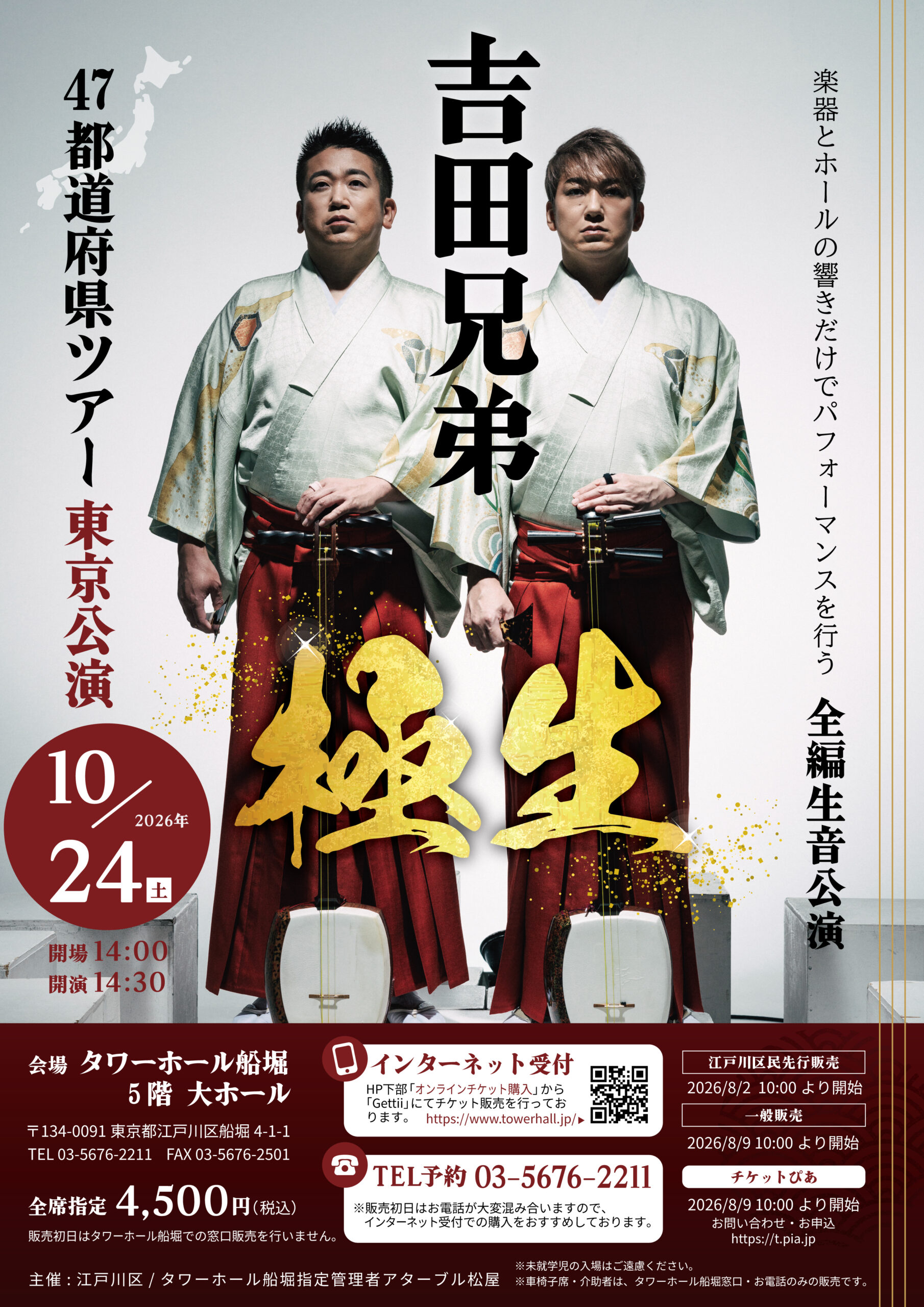
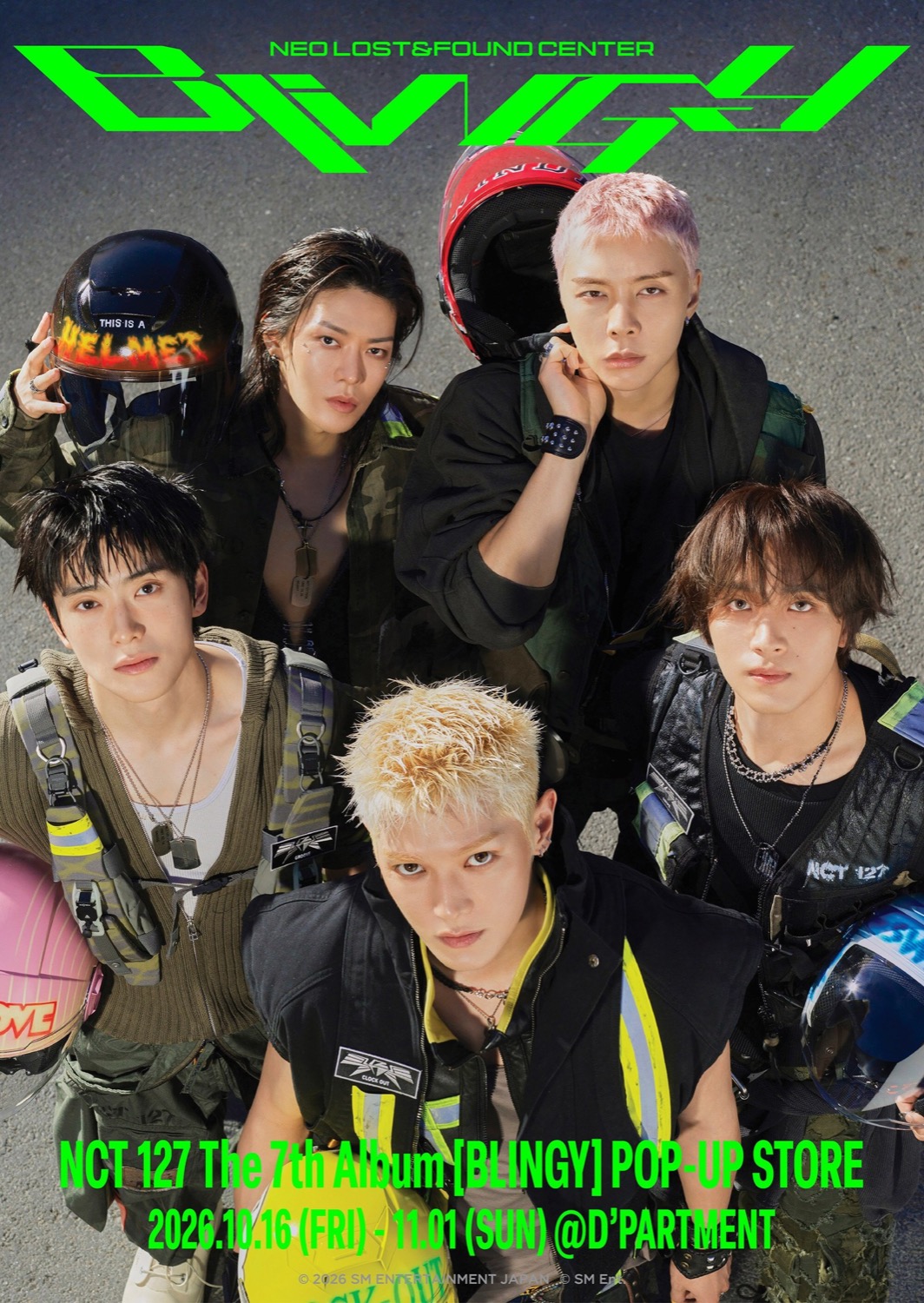
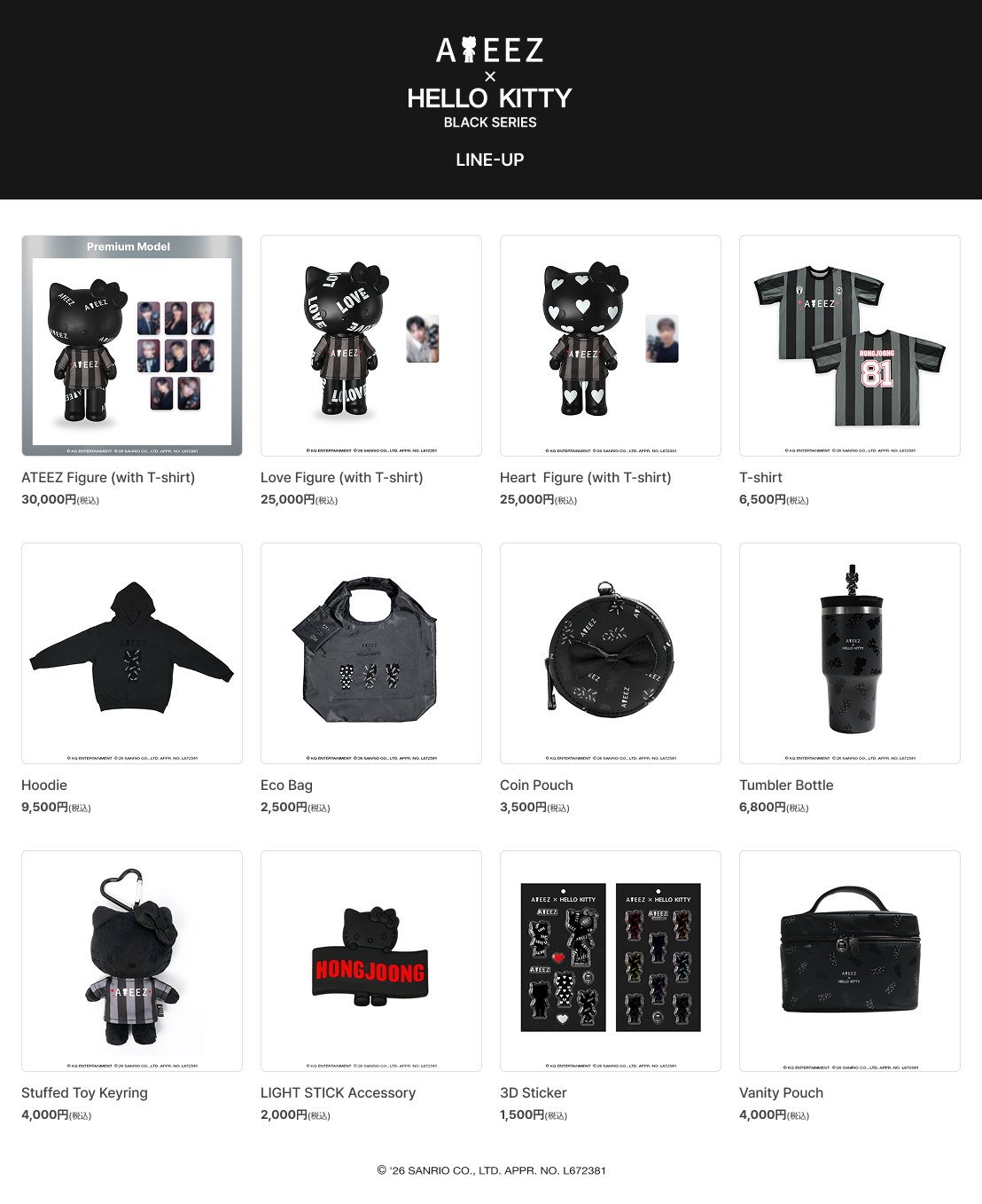
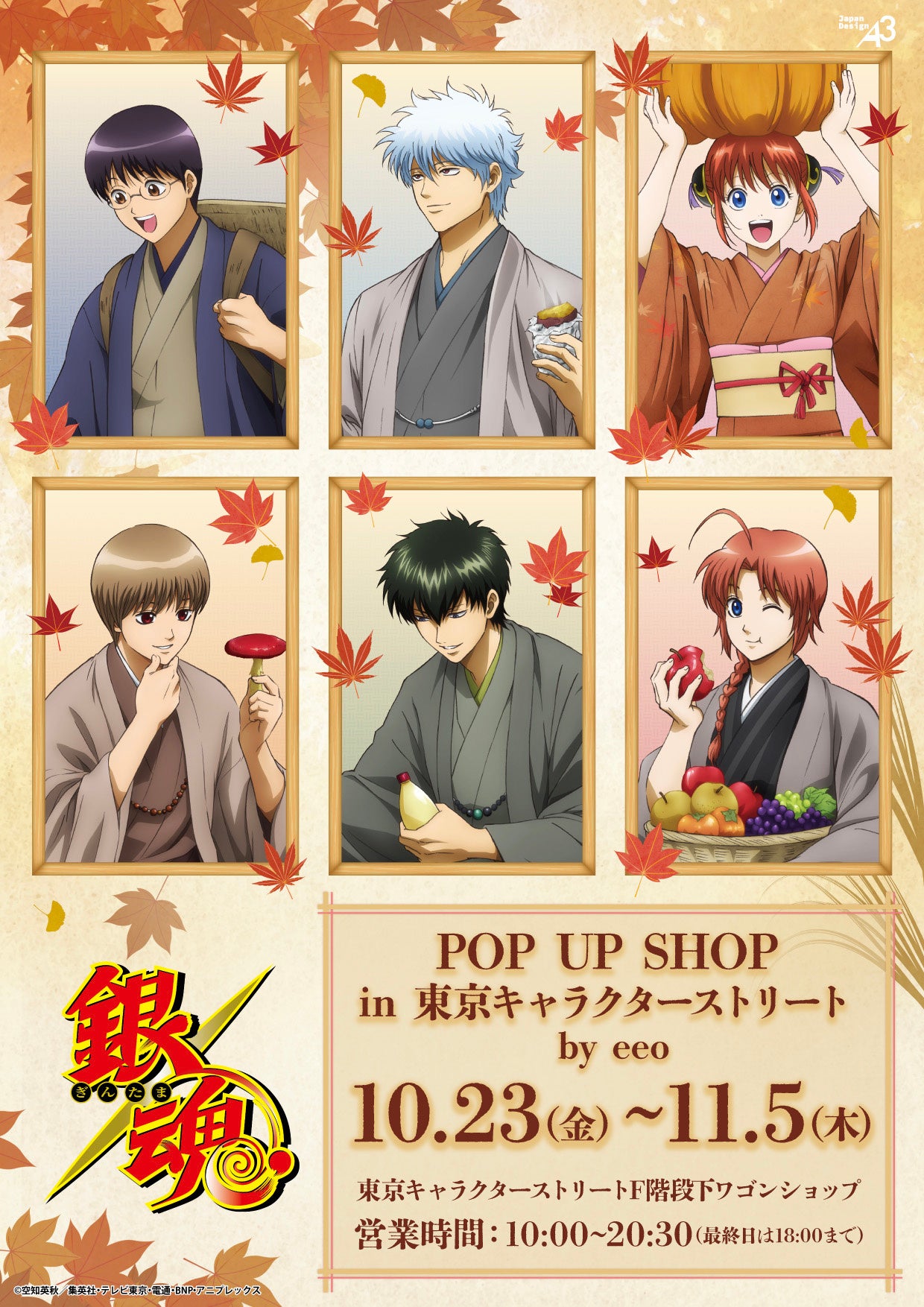
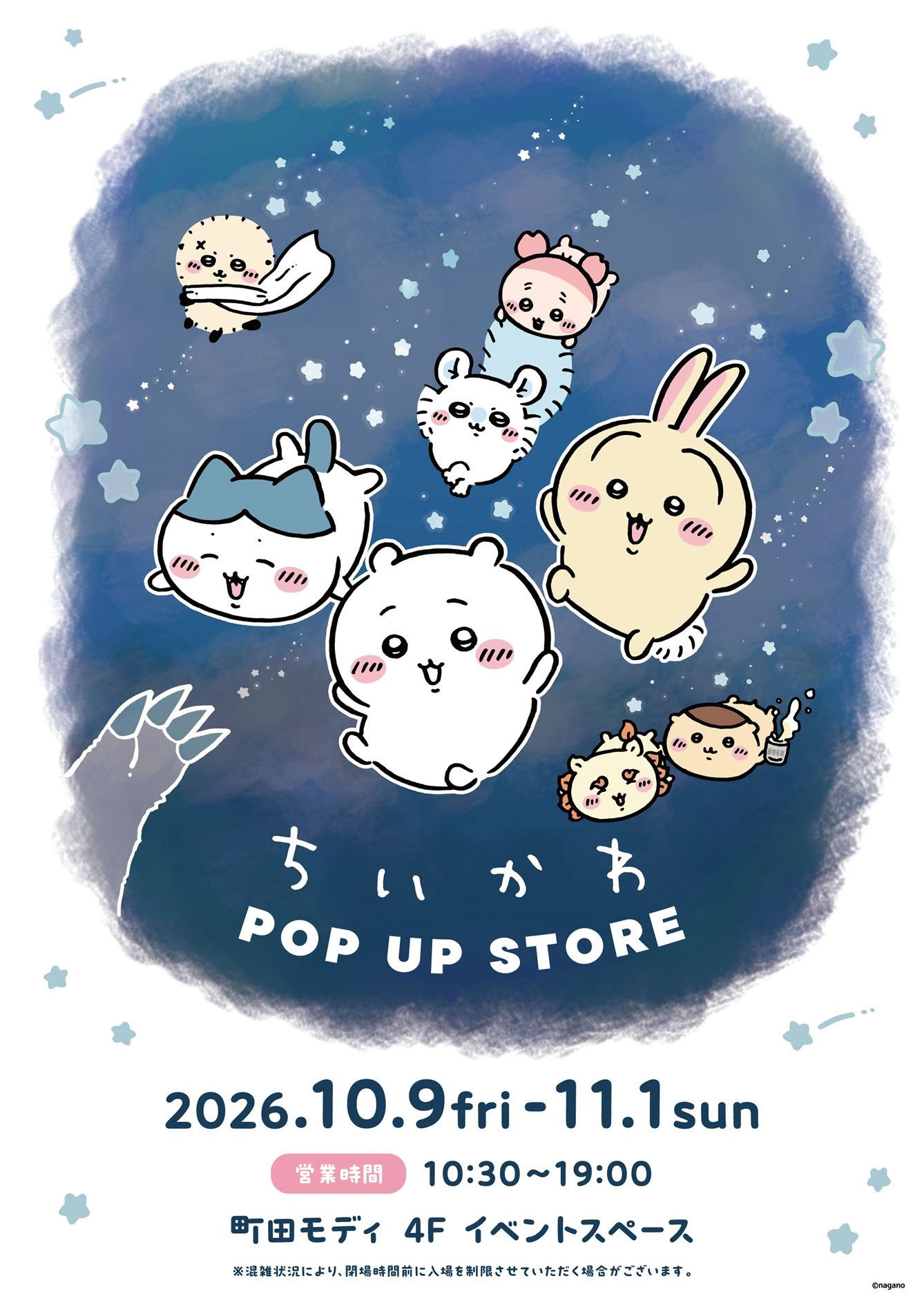
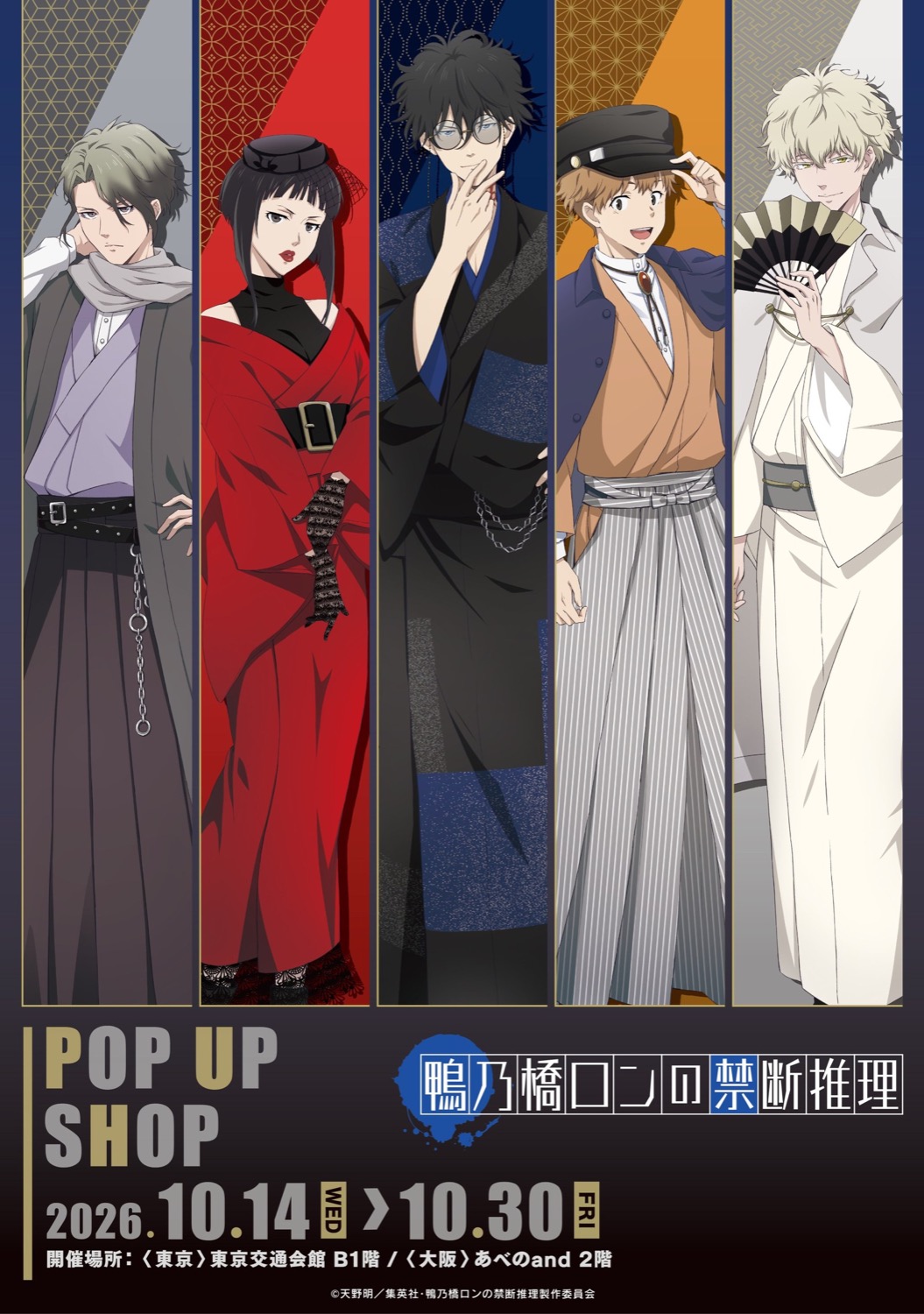
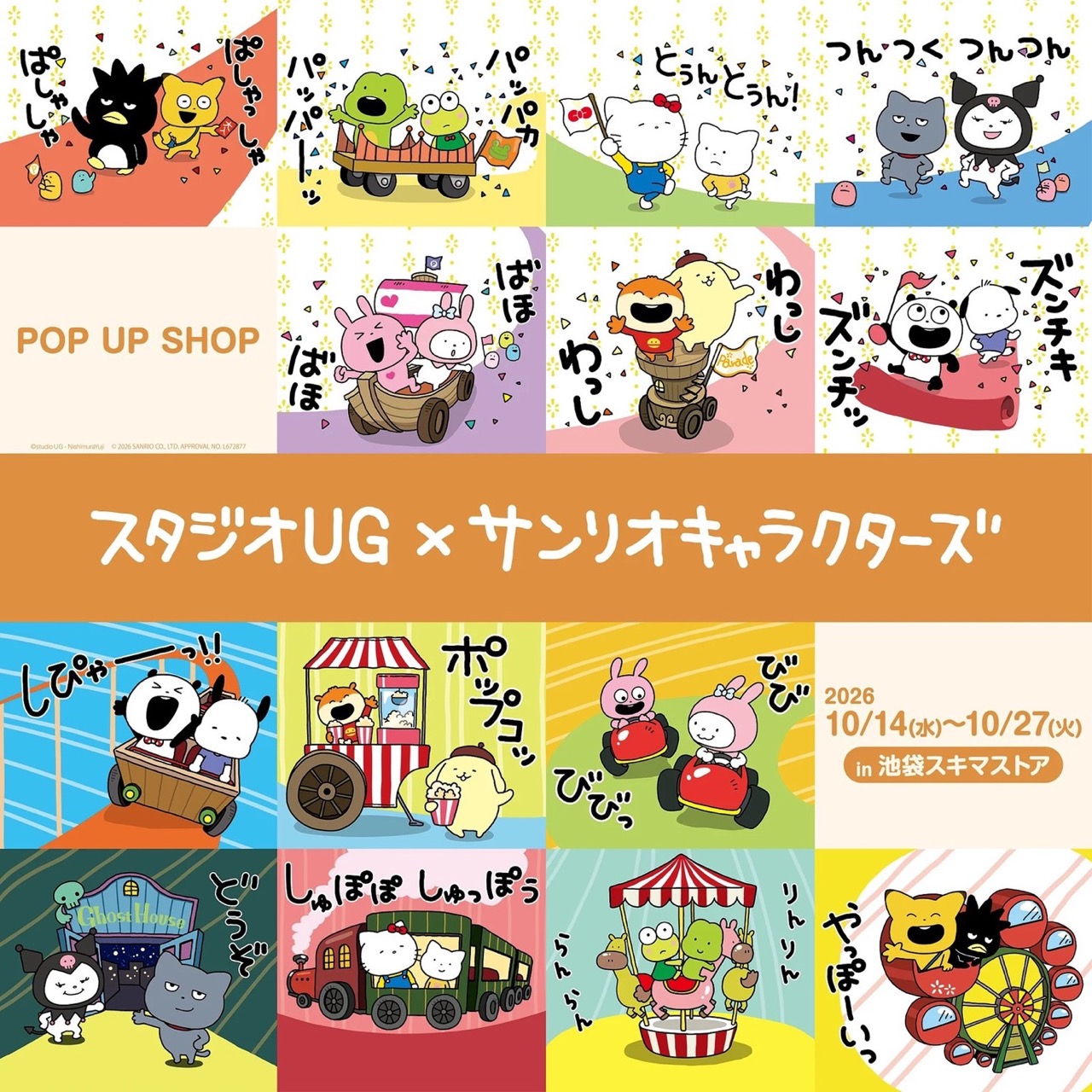
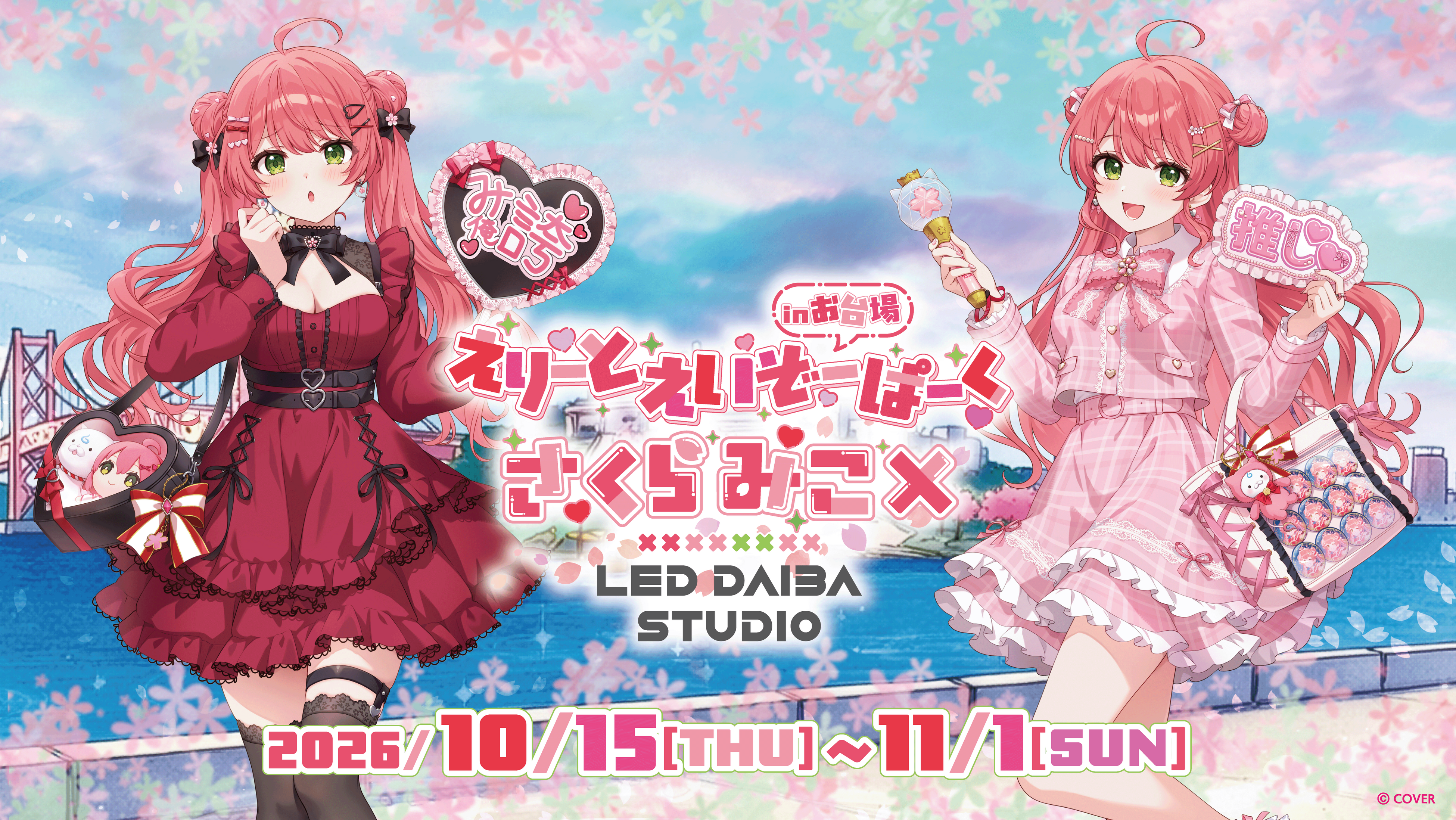
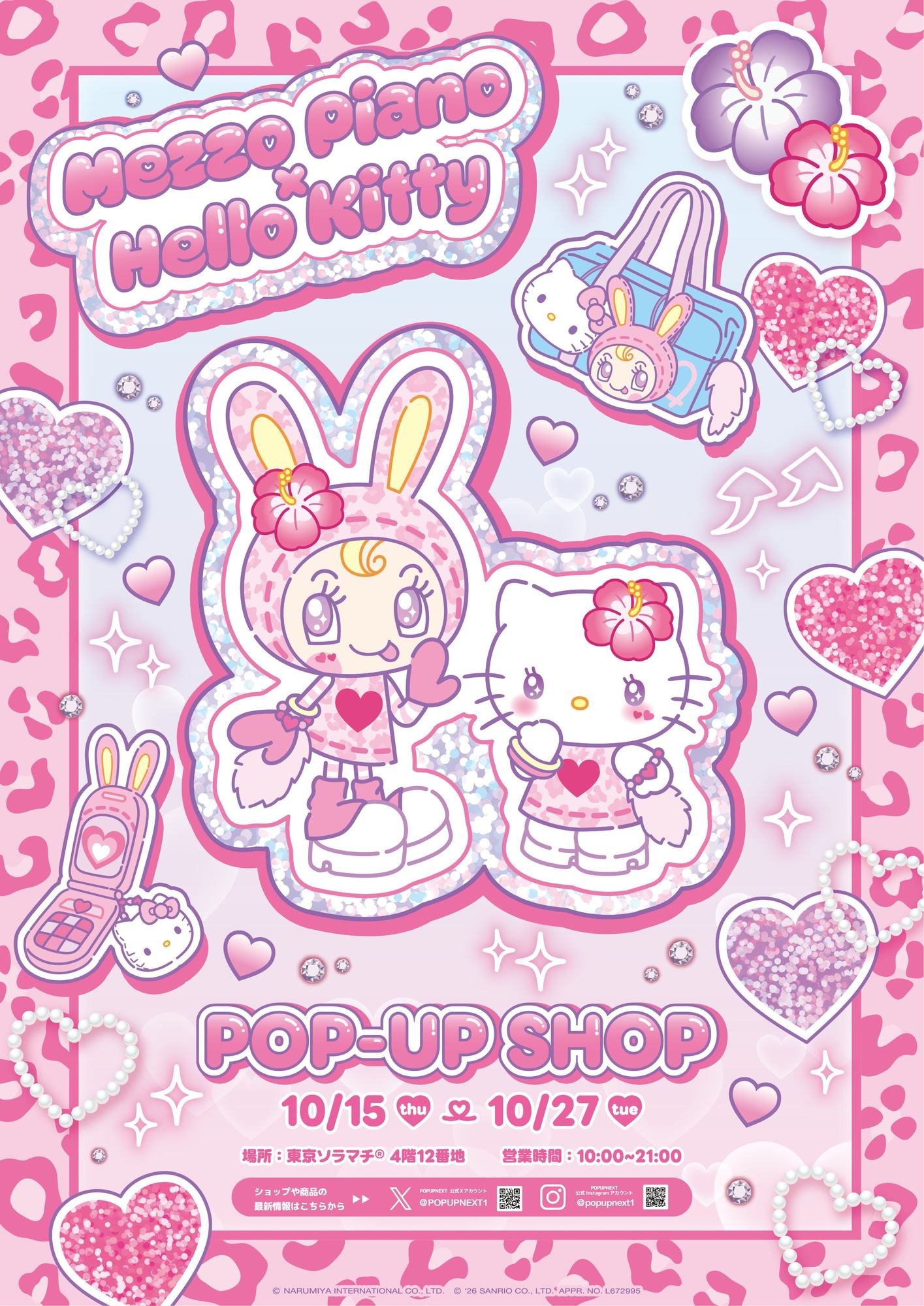
Concert and theatre tickets are usually sold through ticket sites such as e+, Ticket Pia and Lawson Ticket, often paid and picked up at a convenience store. For popular pop-ups and limited goods, people queue before opening, and many shops now use an online booking instead, so check their social account the day before.
Combine by area, and keep a rain plan
Trains are fast, but crossing the city several times in a day eats your weekend. Pick one area for each half day and stack events close together: a museum in Ueno with a walk through Yanaka, a pop-up in Shibuya with a festival in Yoyogi Park, a convention at Tokyo Big Sight with teamLab Planets in Toyosu.
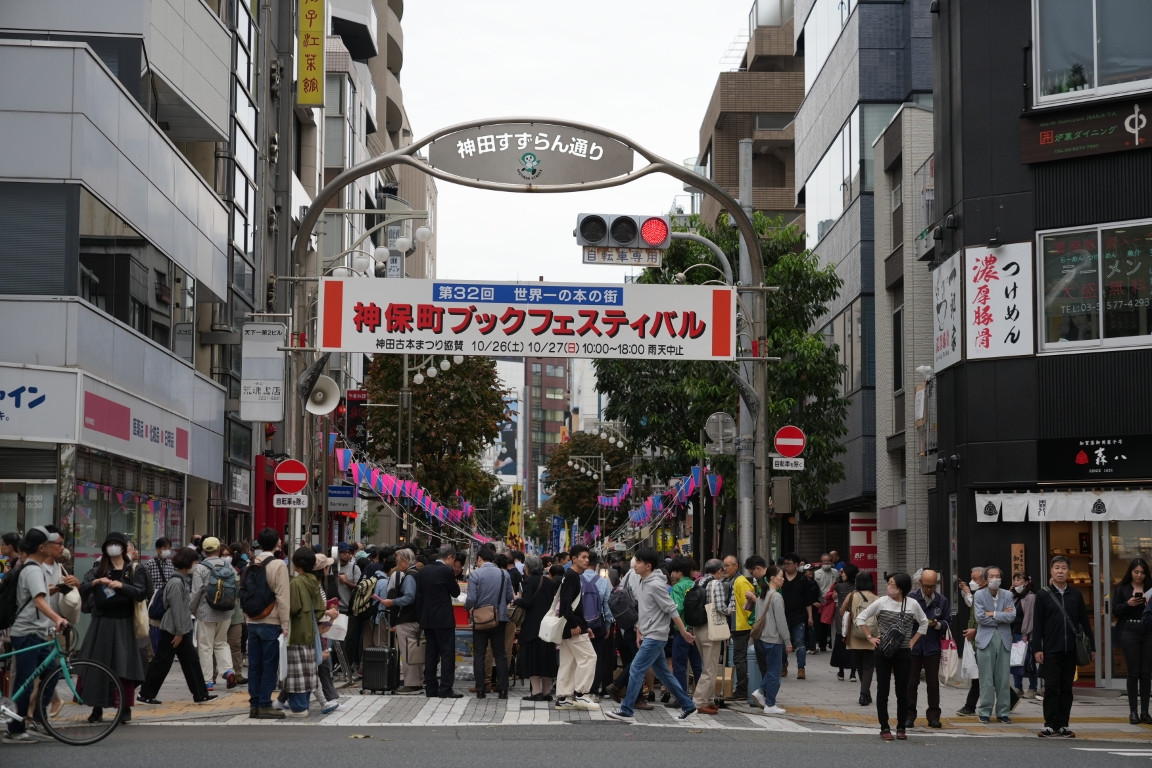
Look at the forecast on Friday. Outdoor events say what they do in rain: 雨天中止 means cancelled in rain, 小雨決行 means it goes ahead in light rain, and 荒天中止 means it is cancelled only in storms. On the morning itself, check the event's site or social account. For a wet day, the safe choices are museums, Tokyo Big Sight, malls with events, theatres and indoor markets.
What a weekend costs
A Tokyo weekend can be very cheap. Most festivals, markets, shrines, parks, illuminations and many small exhibitions are free, and your main costs are food at the stalls and trains. Paid things add up faster: big exhibitions, concerts, live houses with their drink charge, and themed cafes.
Pay for trains with a Suica or PASMO card, or a phone wallet. If you plan to ride the subway a lot, the Tokyo Subway Ticket for visitors covers Tokyo Metro and Toei lines for 24, 48 or 72 hours. Keep some cash anyway, as street stalls, small bars and some ticket counters do not take cards.