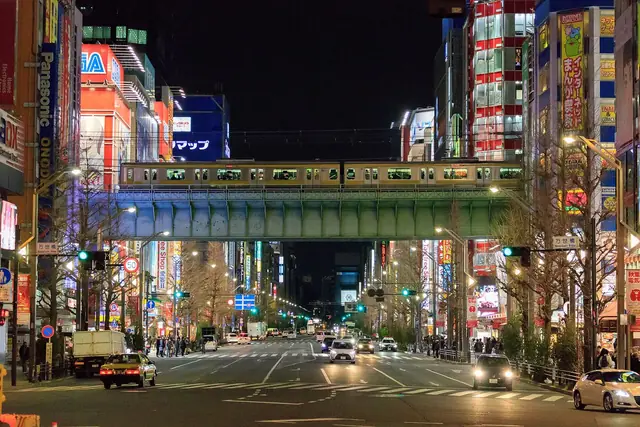
What Akihabara is like
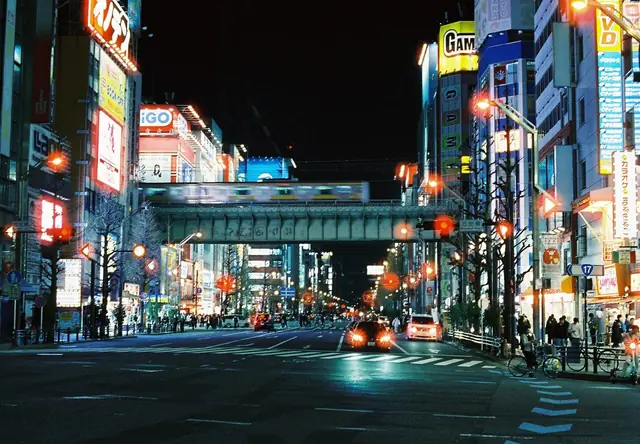
The heart of the district is Chuo-dori, the wide avenue running north from Manseibashi bridge, and the narrow streets on both sides of it. Shops here are stacked vertically: one slim building can hold figures on one floor, trading cards on the next and a café at the top. Akihabara Radio Kaikan, right outside the station, is a tower of figure, hobby and card shops. Mandarake Complex is the place for second-hand manga and collectibles, Gamers and Animate sell new goods and run release events, and Yodobashi Akiba covers electronics.
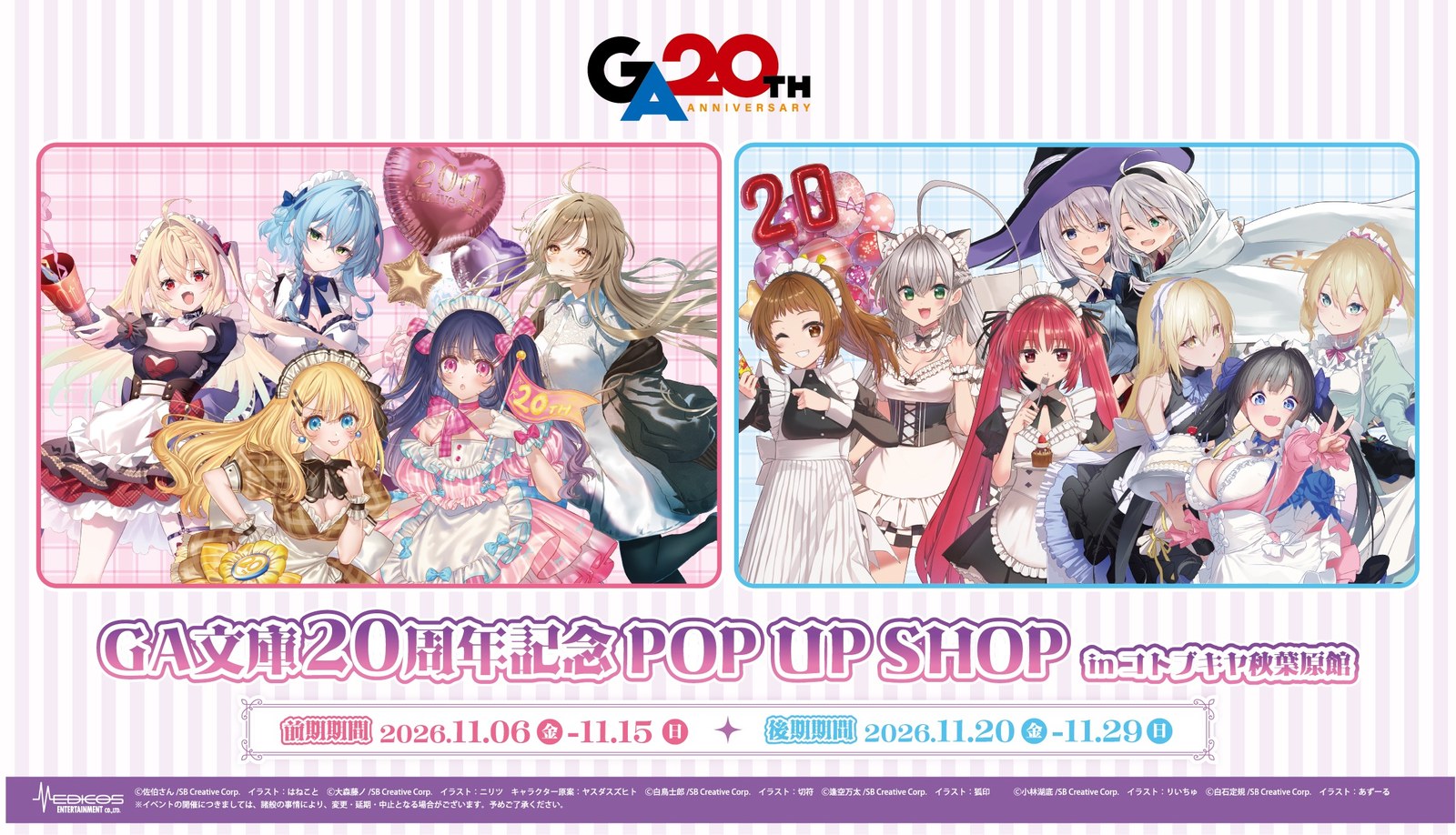
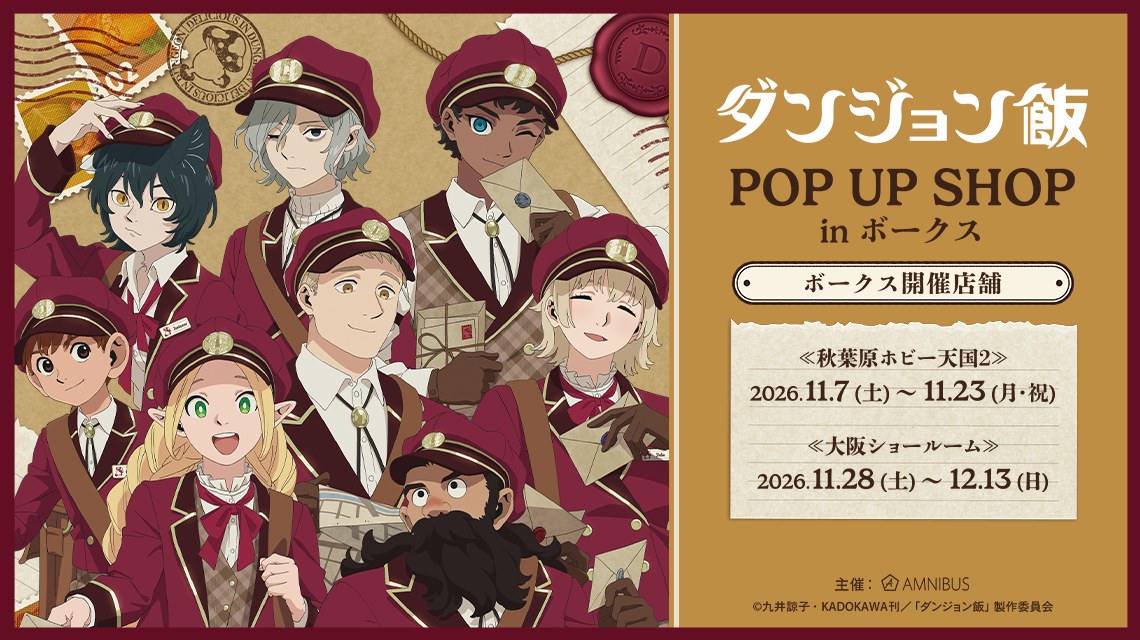
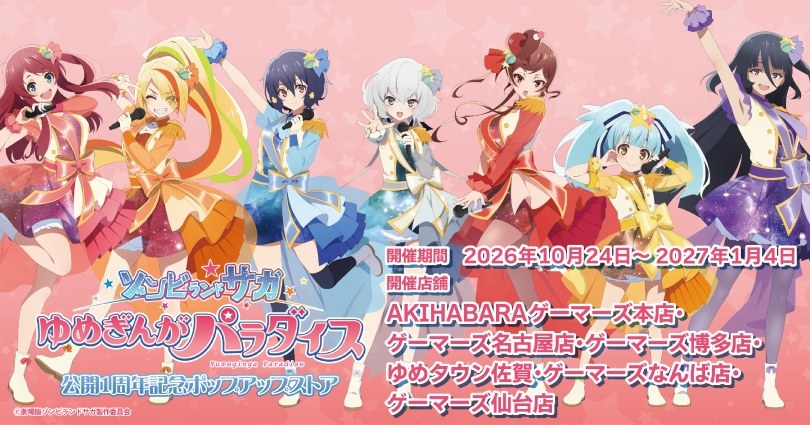
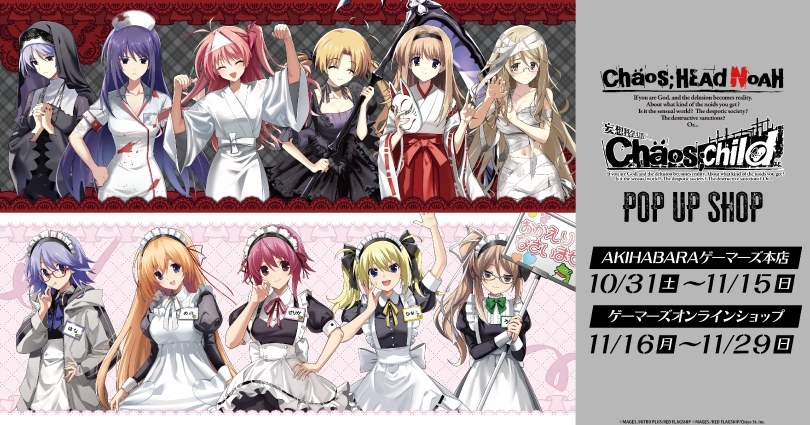
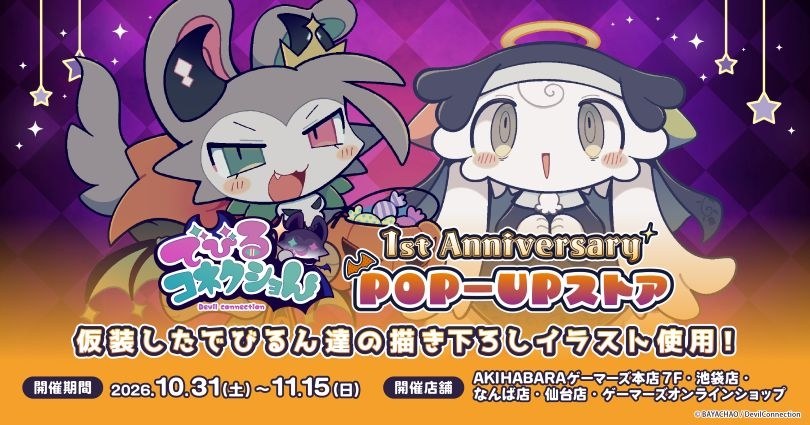
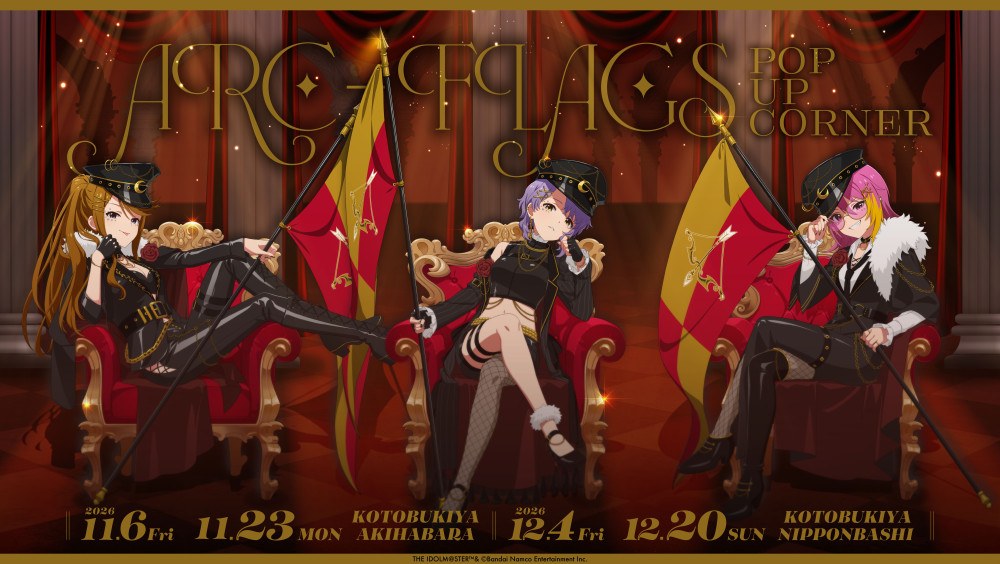
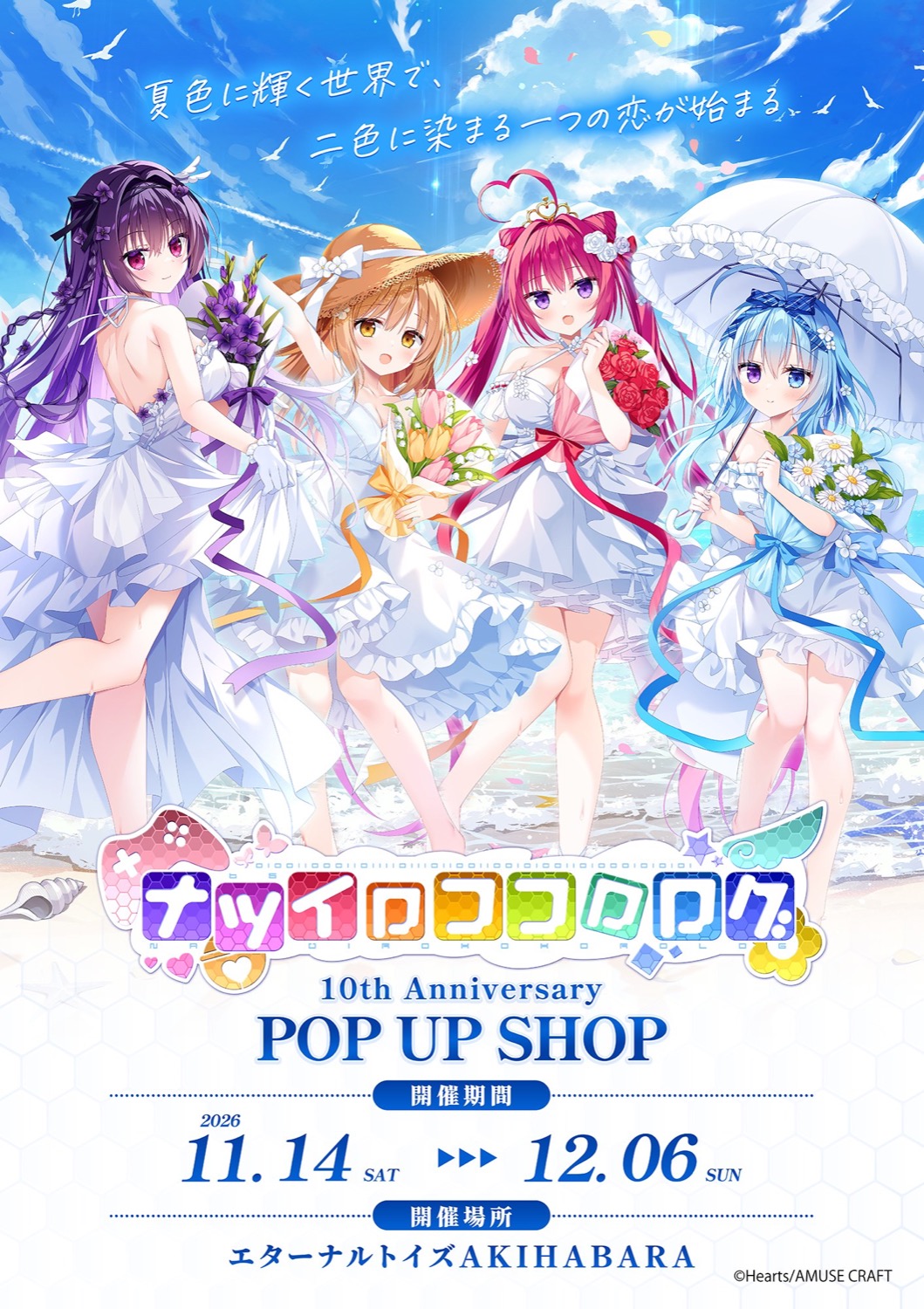
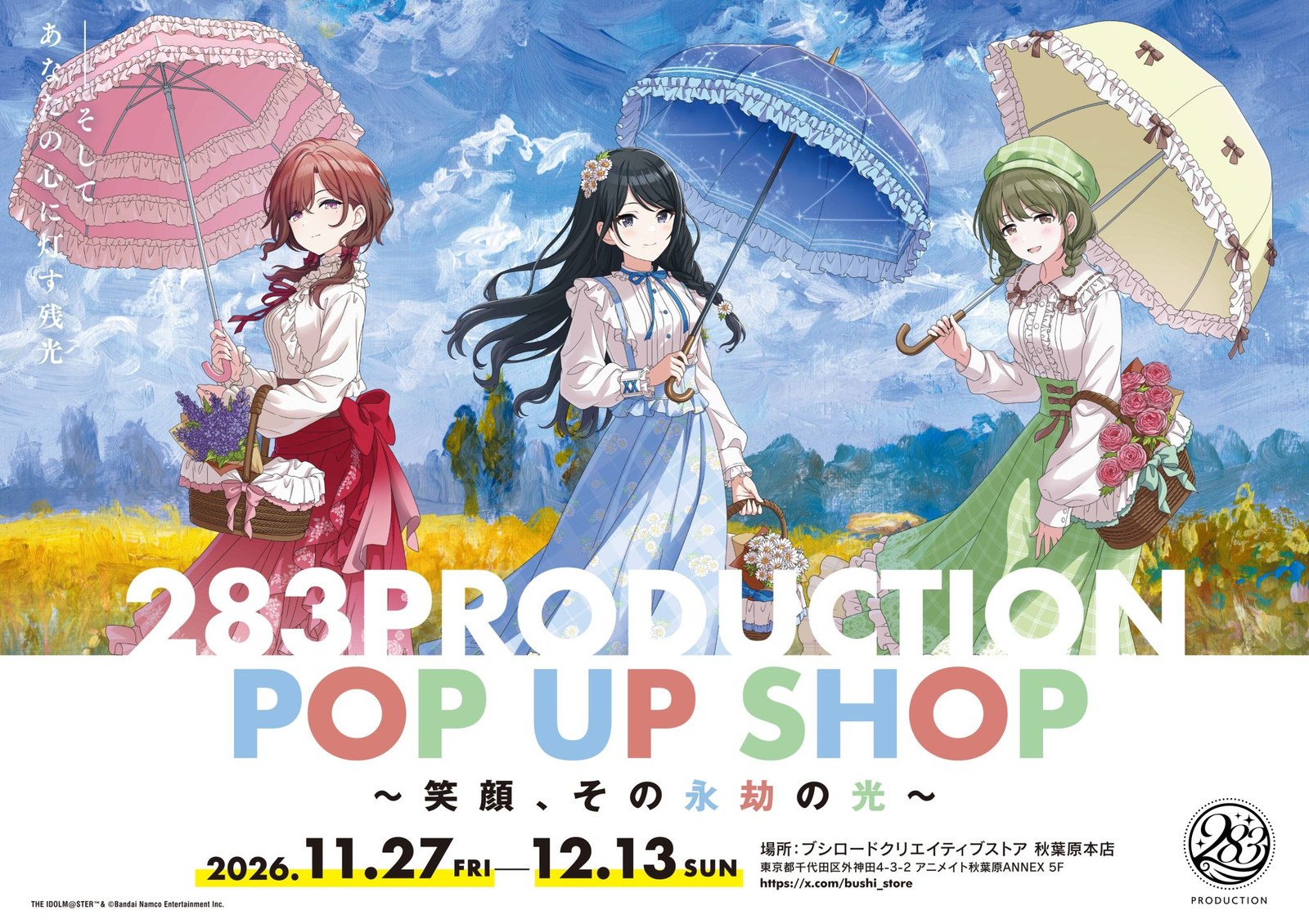
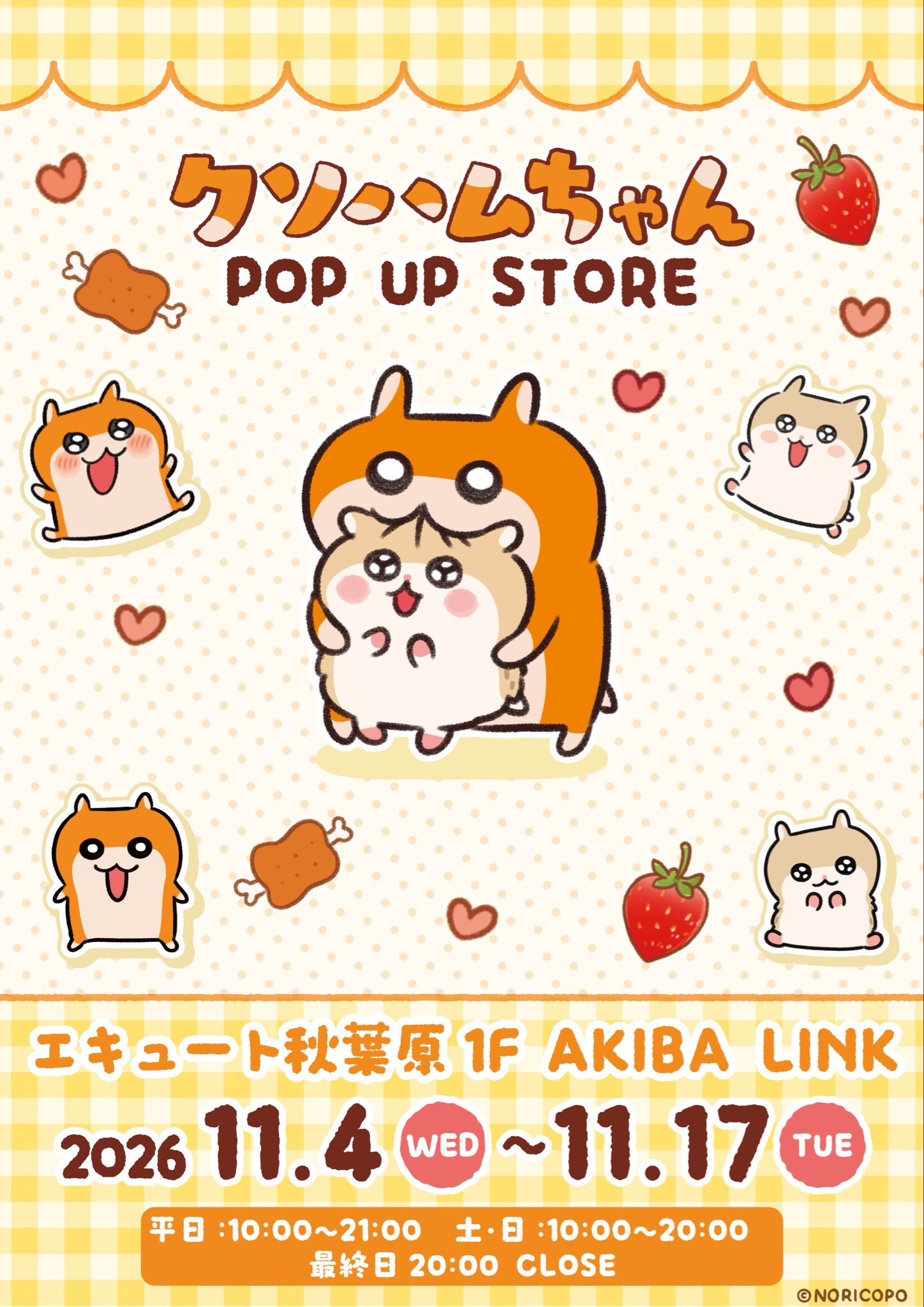
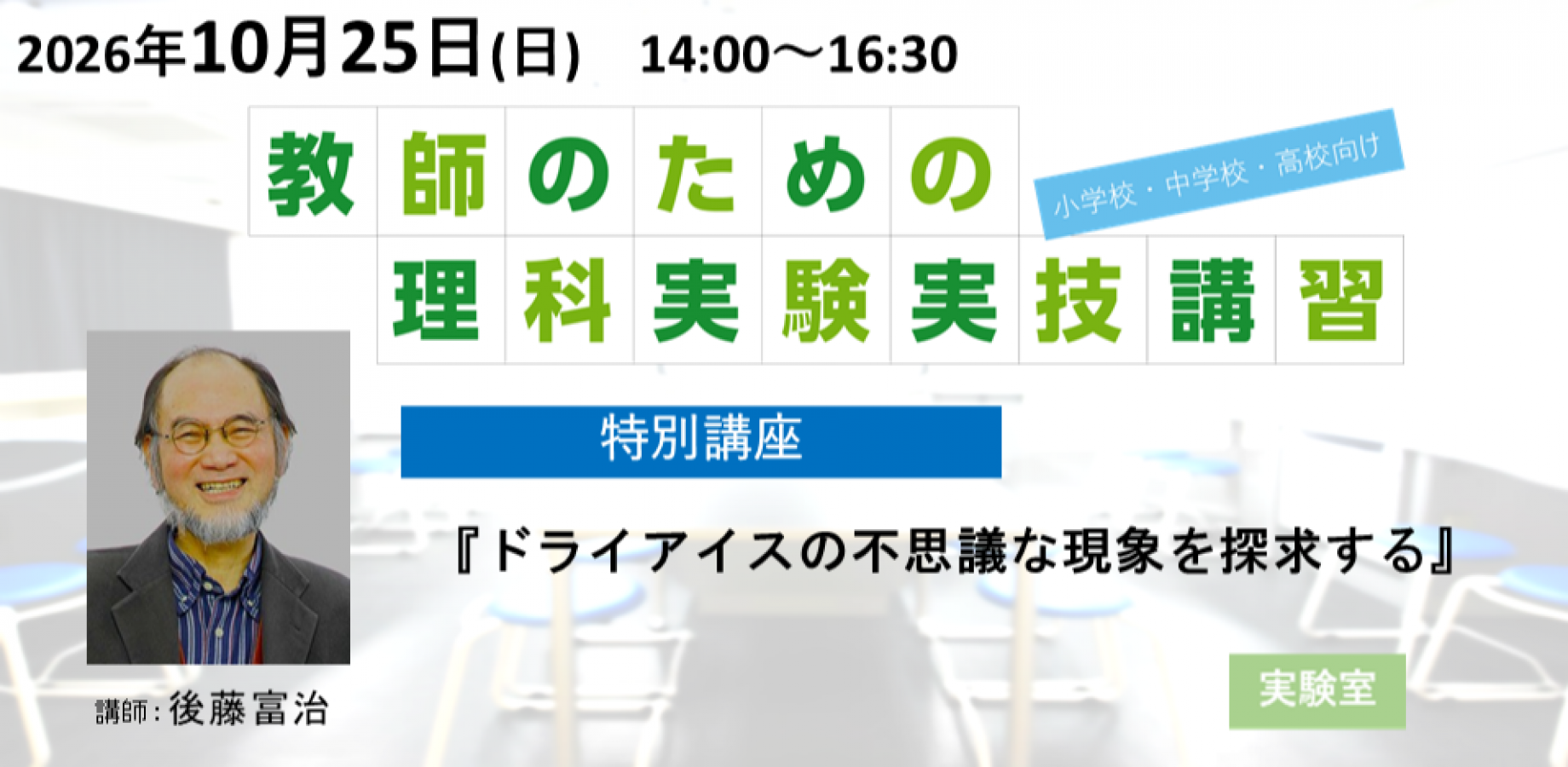
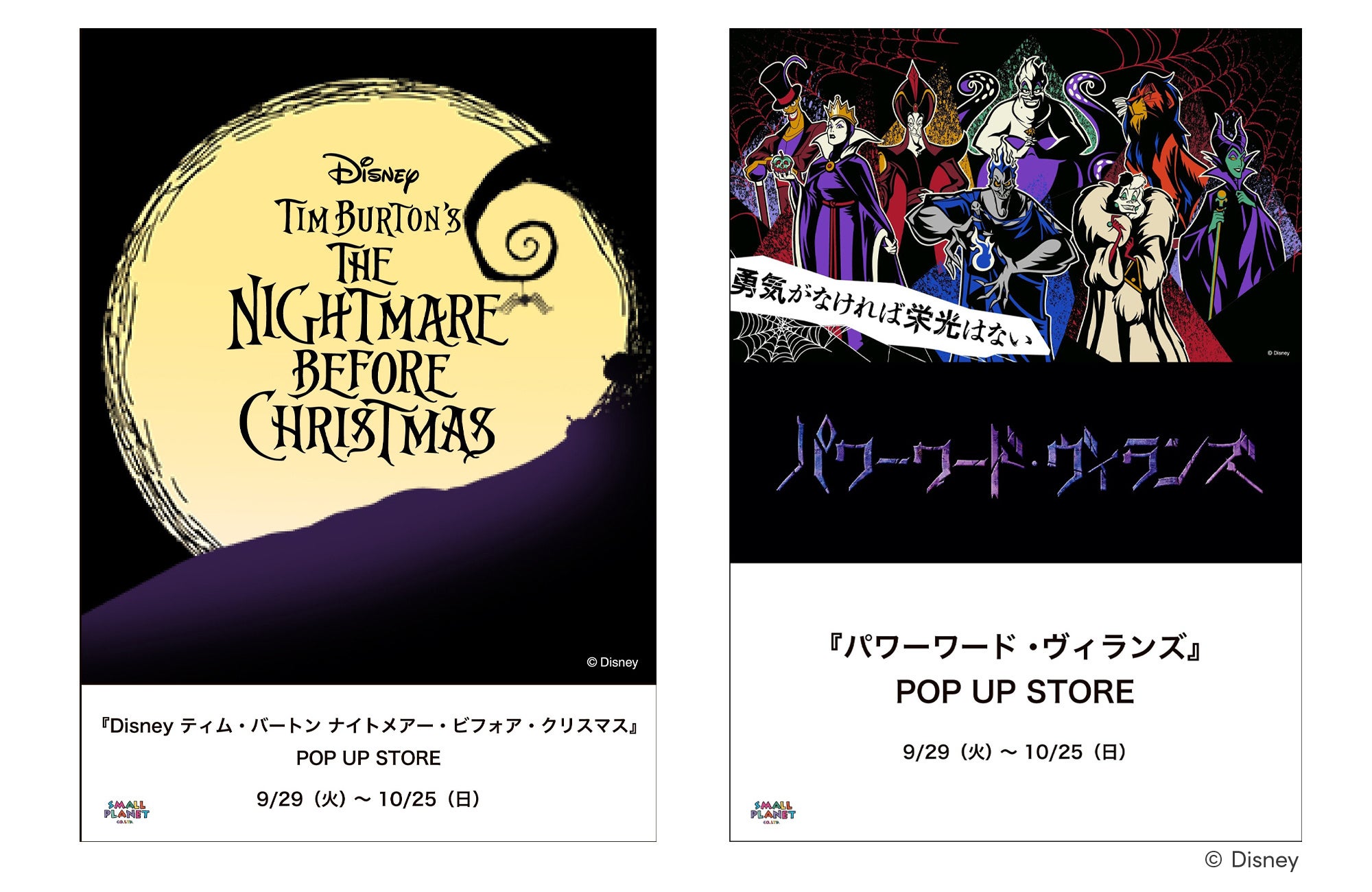
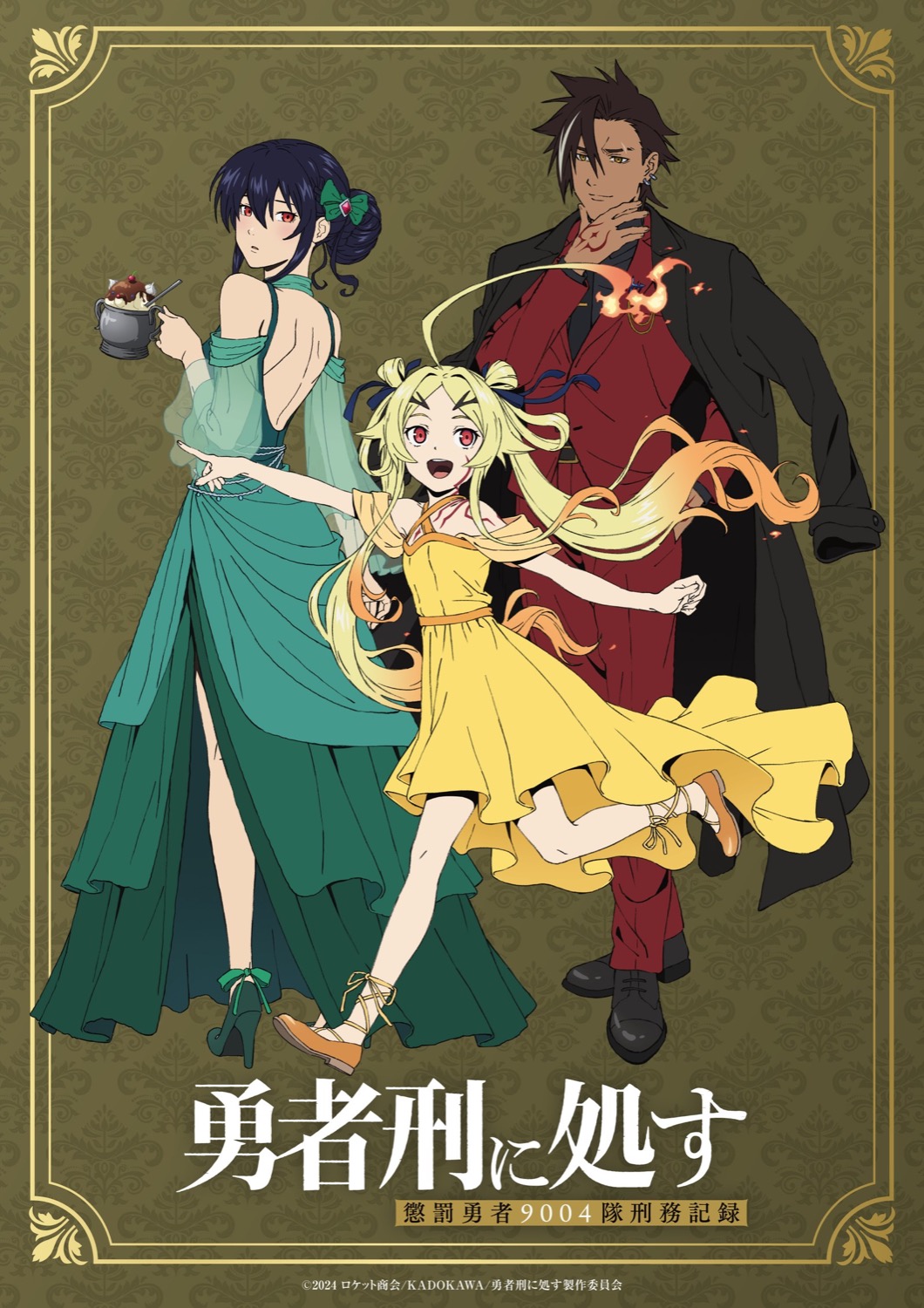
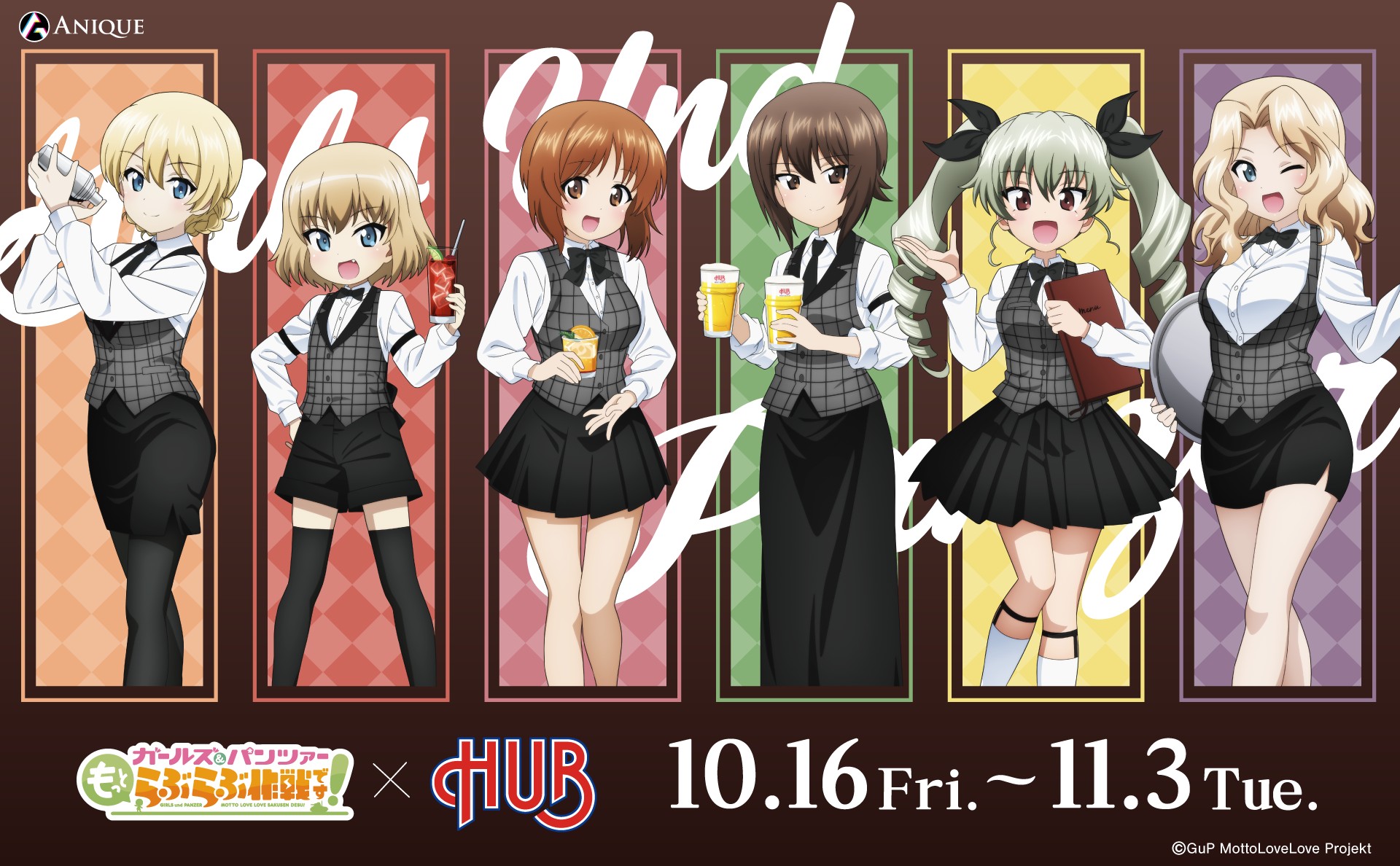
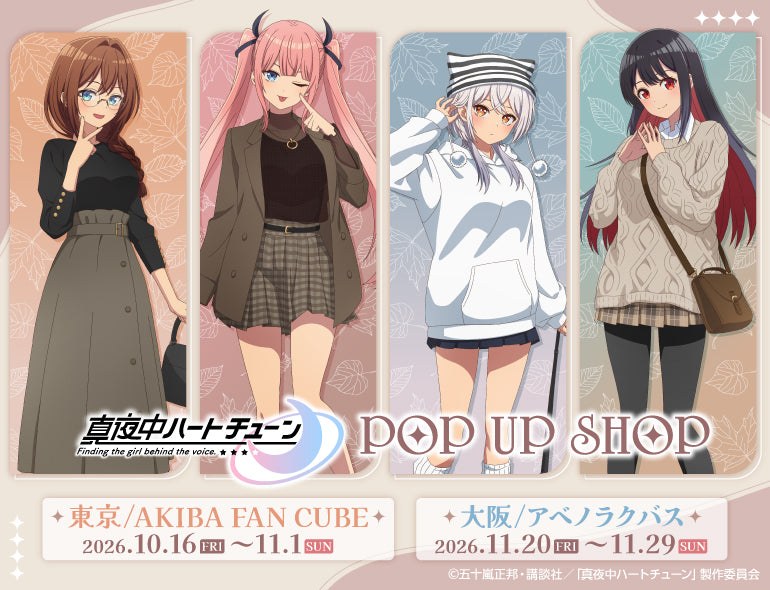
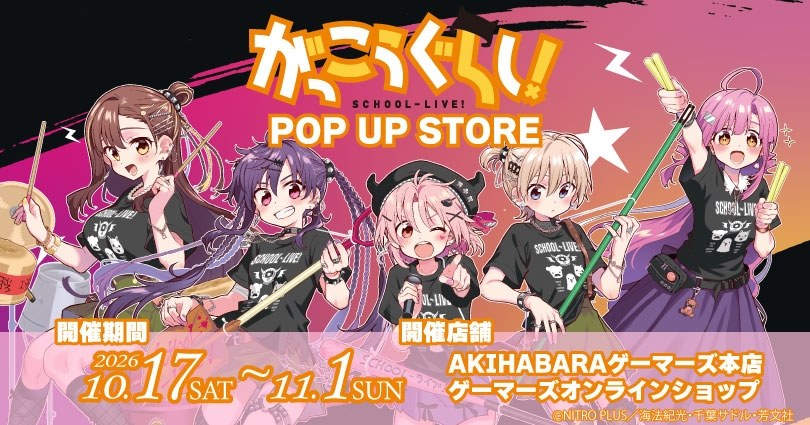
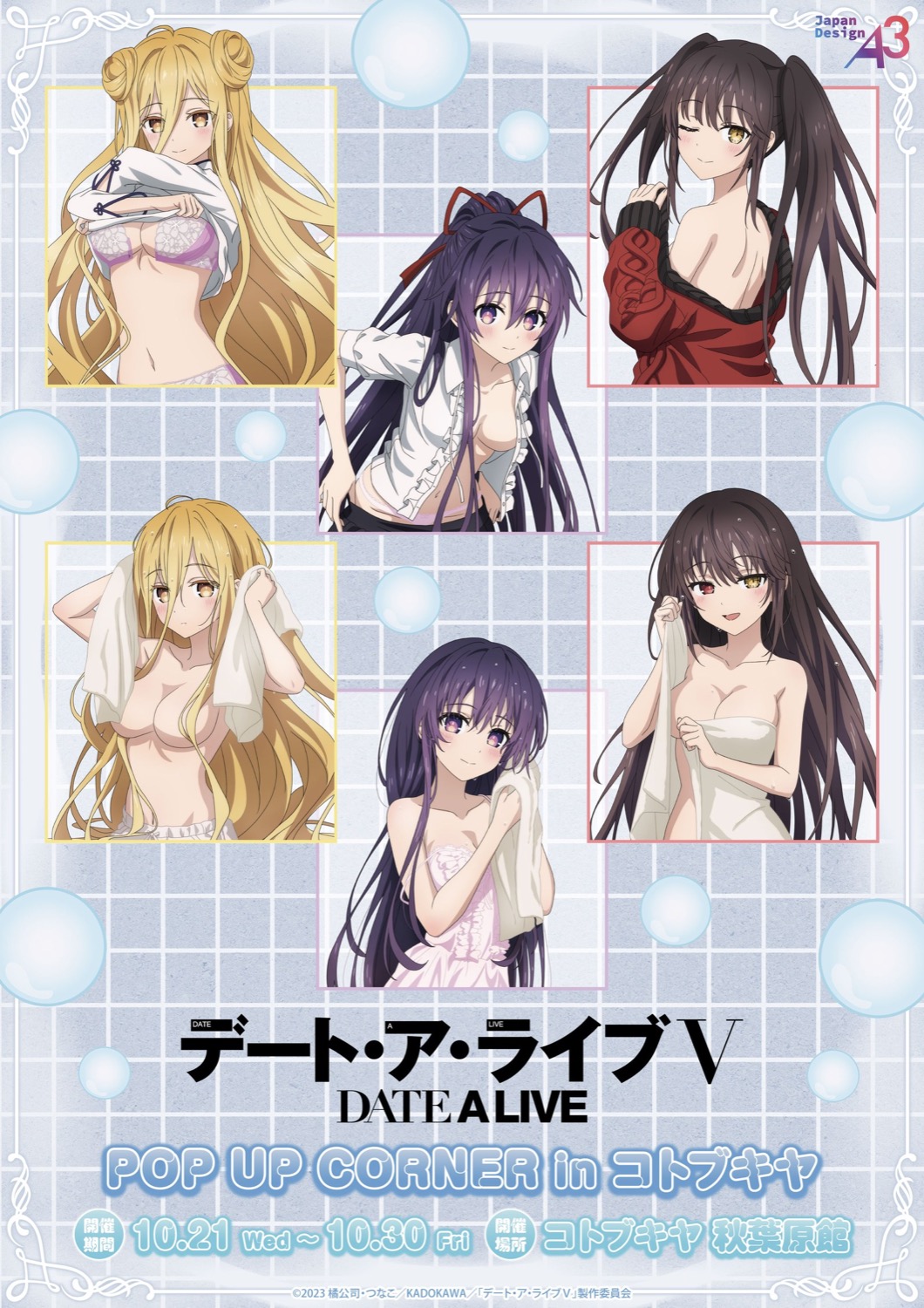
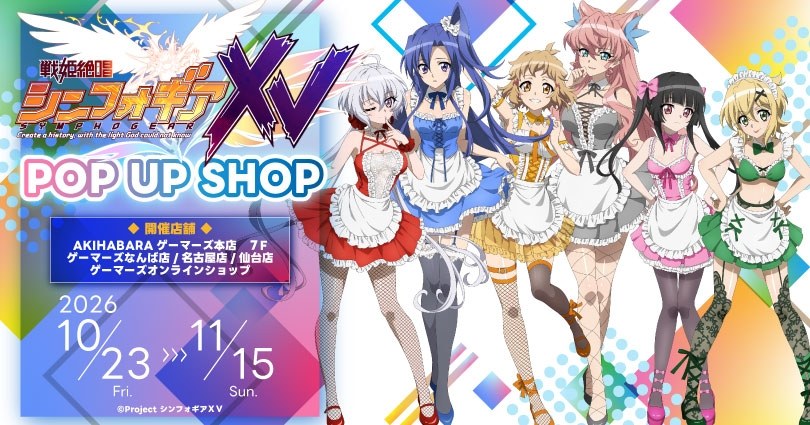
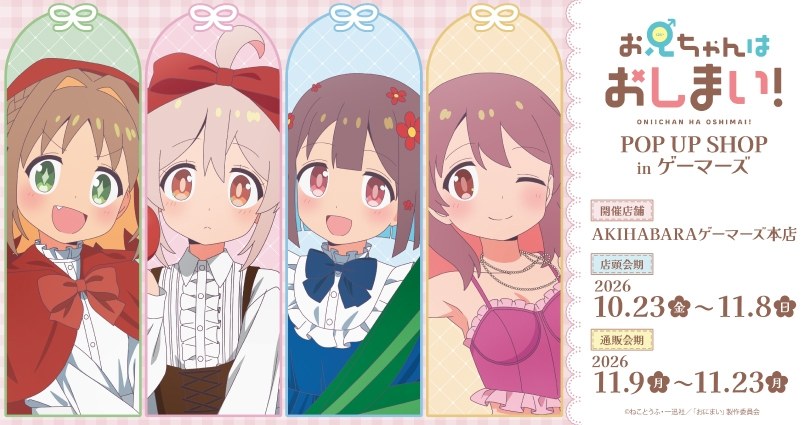
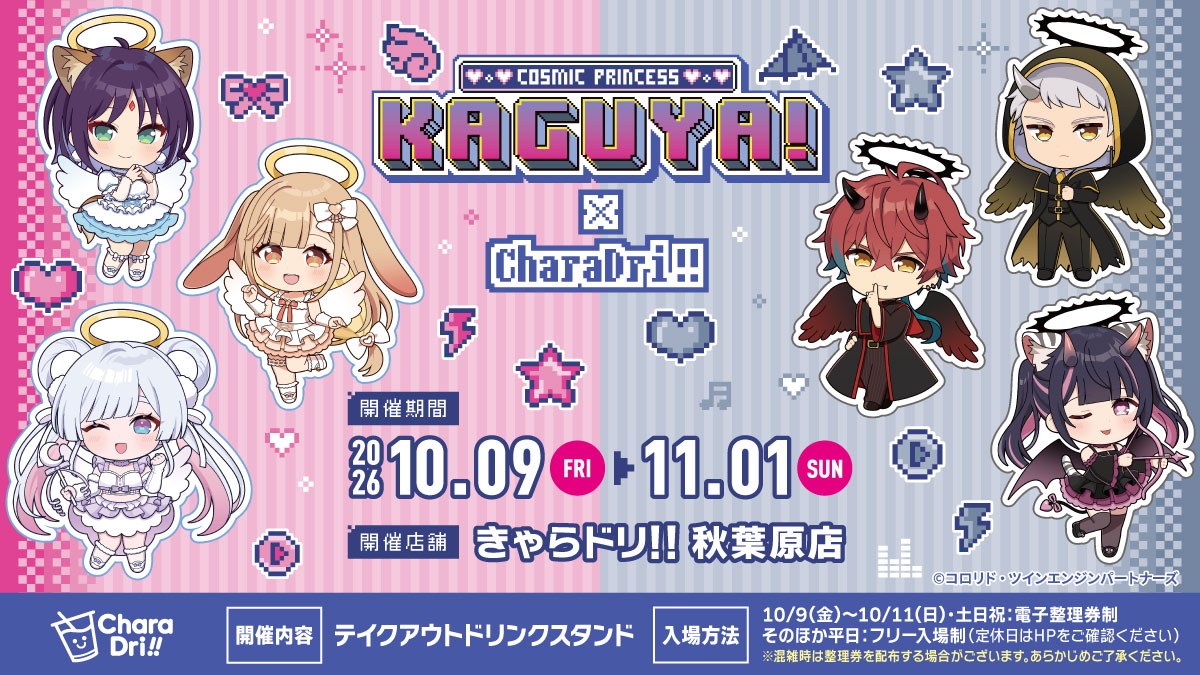
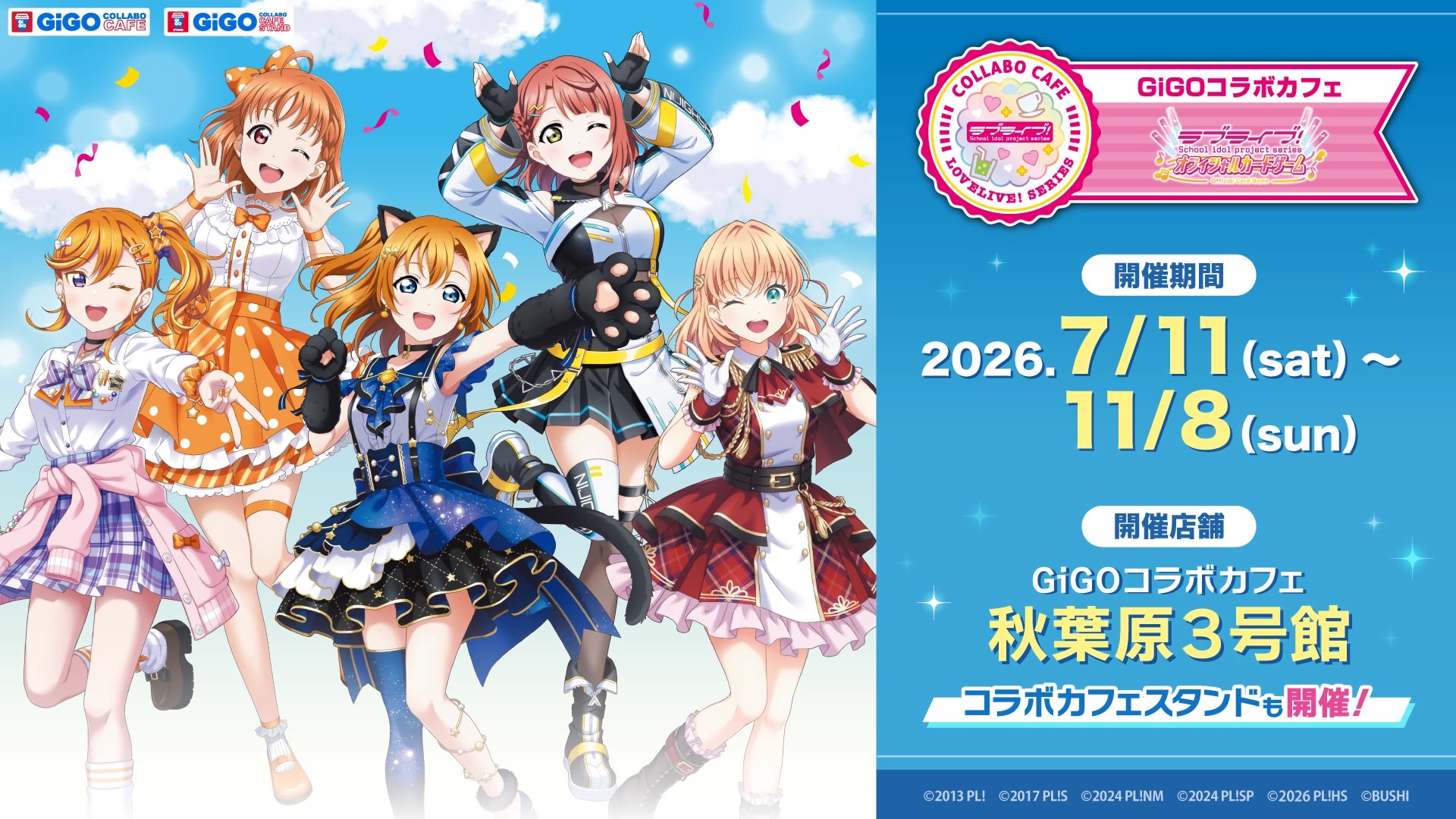
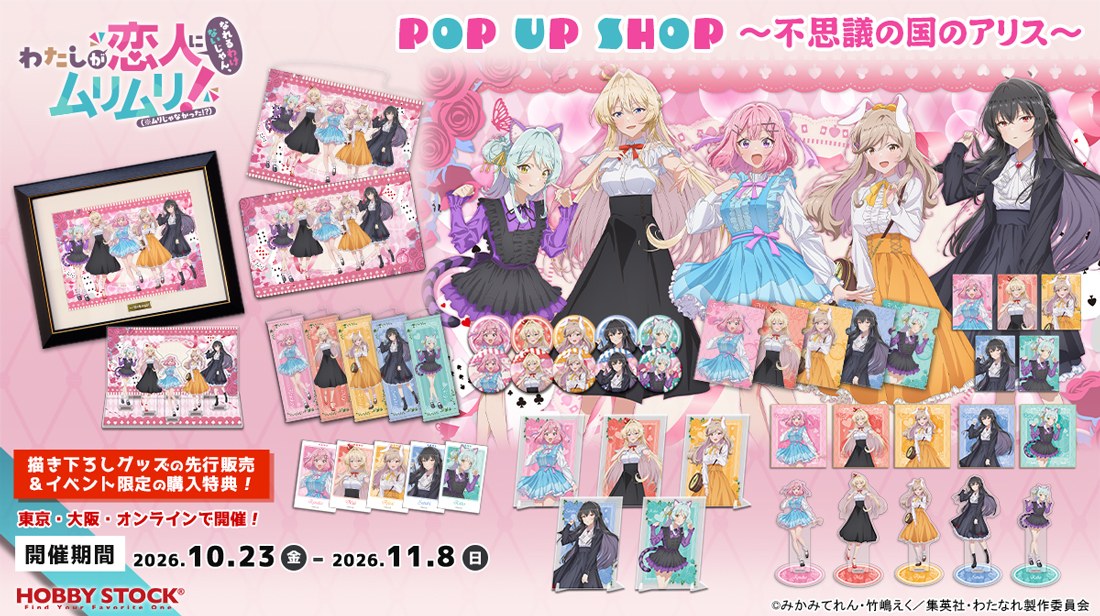
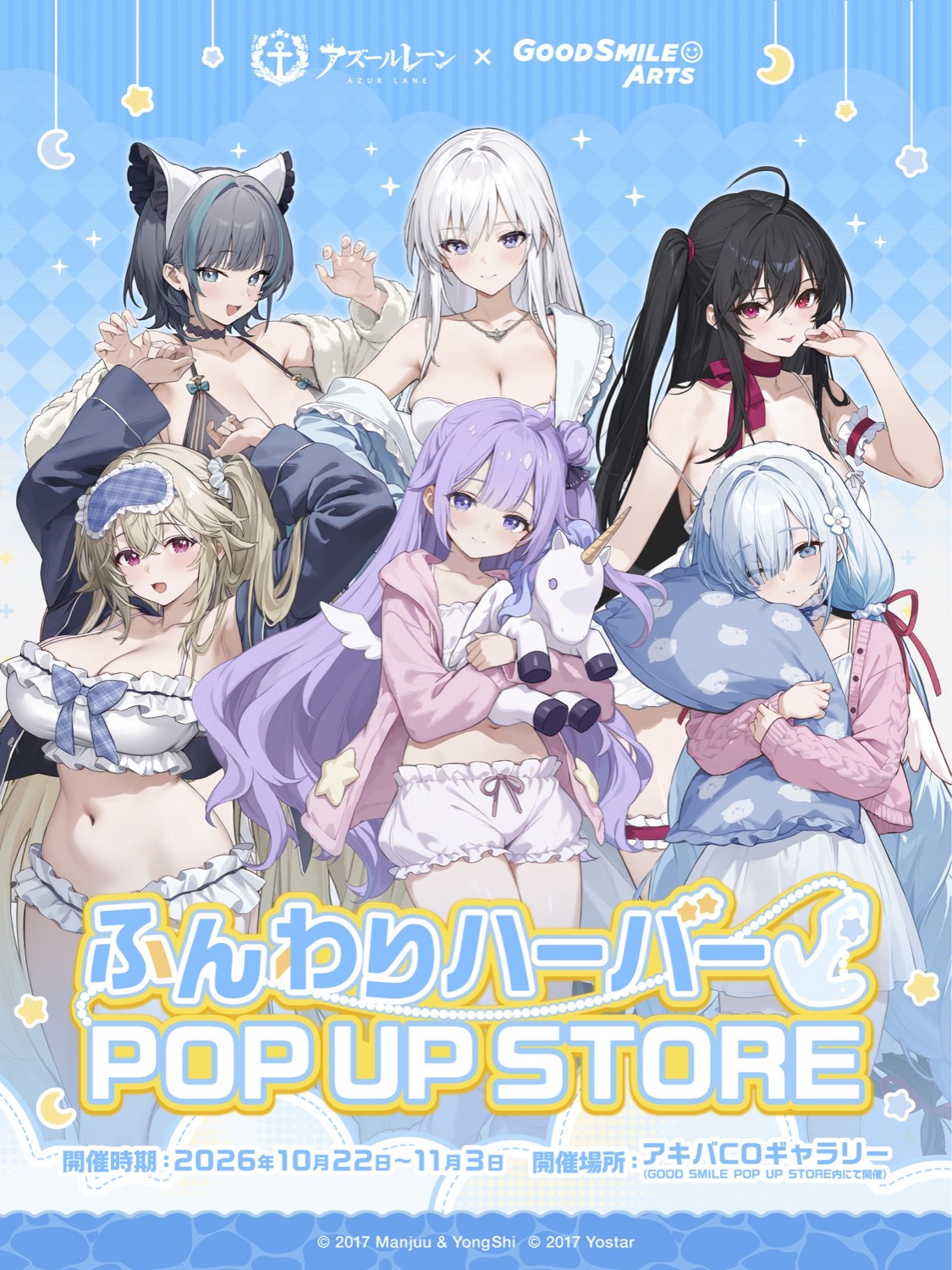
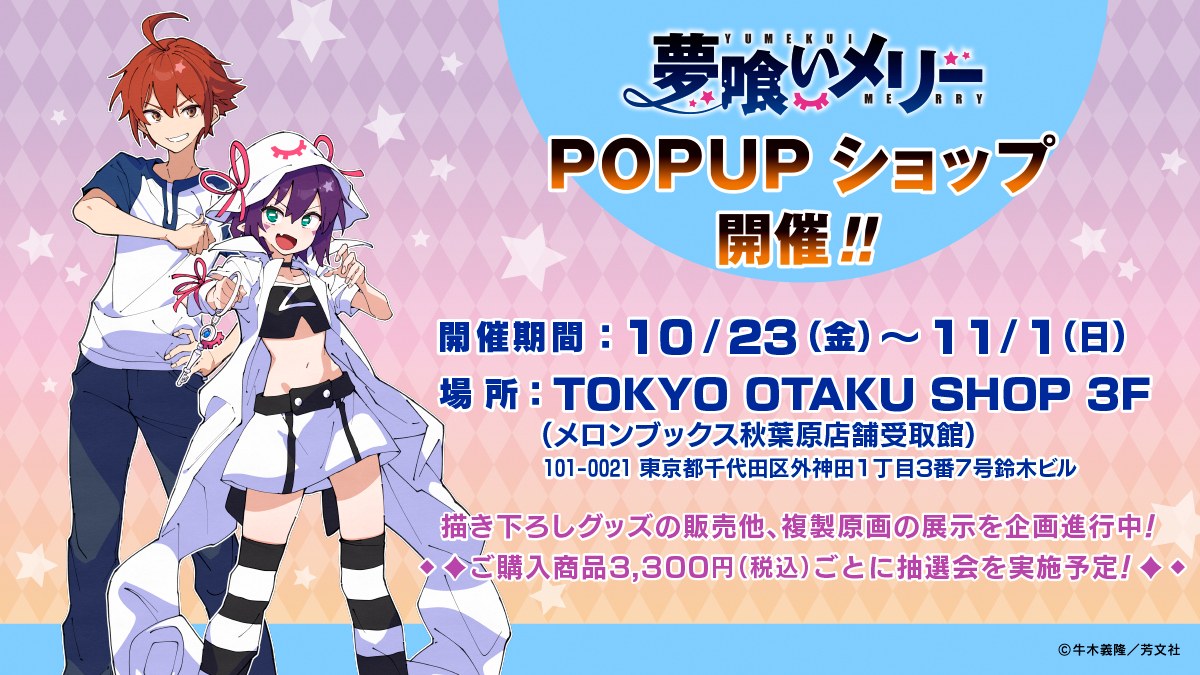
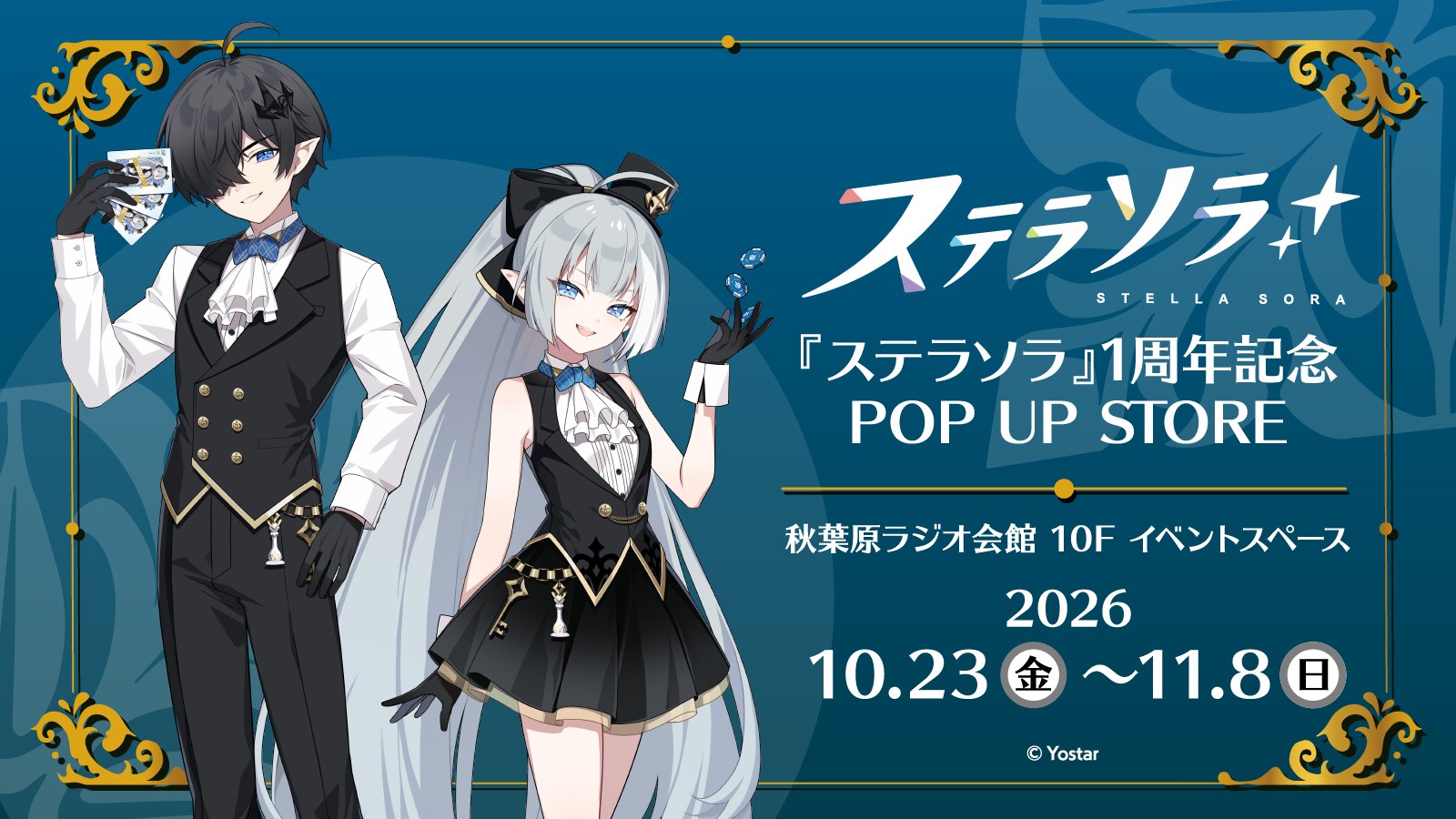
Most events here are indoor and made for fans: exhibitions timed to a new anime season or an anniversary, figure and model showcases, signings, talk events and collab cafés that change their theme every few weeks. Weekdays are calm, and Sunday afternoons are the busiest.
- Shops now charge for plastic bags or skip them. Bring a sturdy tote for boxes and posters.
Event halls: UDX, Belle Salle and the shop floors
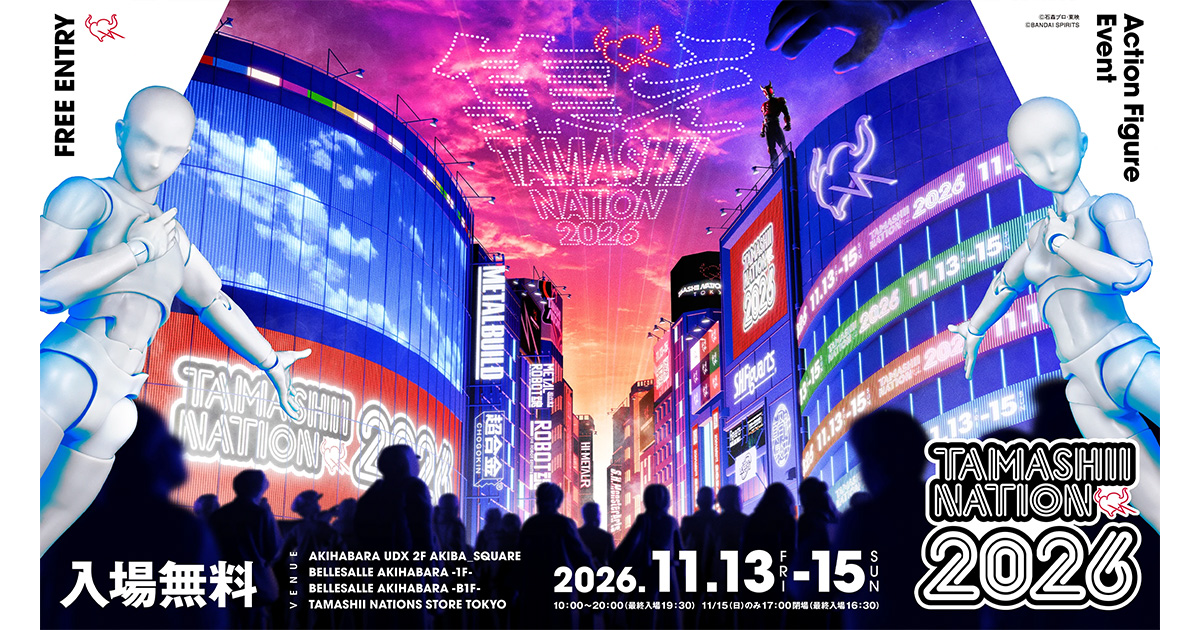
Akihabara UDX, the large building beside the station's Electric Town exit, is the main event address. Its second-floor event space, Akiba Square, hosts anime anniversary exhibitions, fan markets, corporate showcases and voice actor events, and UDX Theater is used for screenings and stage events. A short walk away, Belle Salle Akihabara has event halls on the ground floor and in the basement. In recent autumns Bandai Spirits has spread Tamashii Nation, its big showcase of collector figures from anime and tokusatsu series, across both buildings and its own Tamashii Nations Store.
Smaller events happen on shop floors. Stores such as Gamers and Animate have event spaces for signings, release events and small exhibitions, and Kanda Myojin up the hill has its own hall and studio in the EDOCCO building. For popular shows, check the official page for 整理券 (numbered tickets) or 事前予約 (advance reservation) before you go, because walking in on the first weekend often does not work.
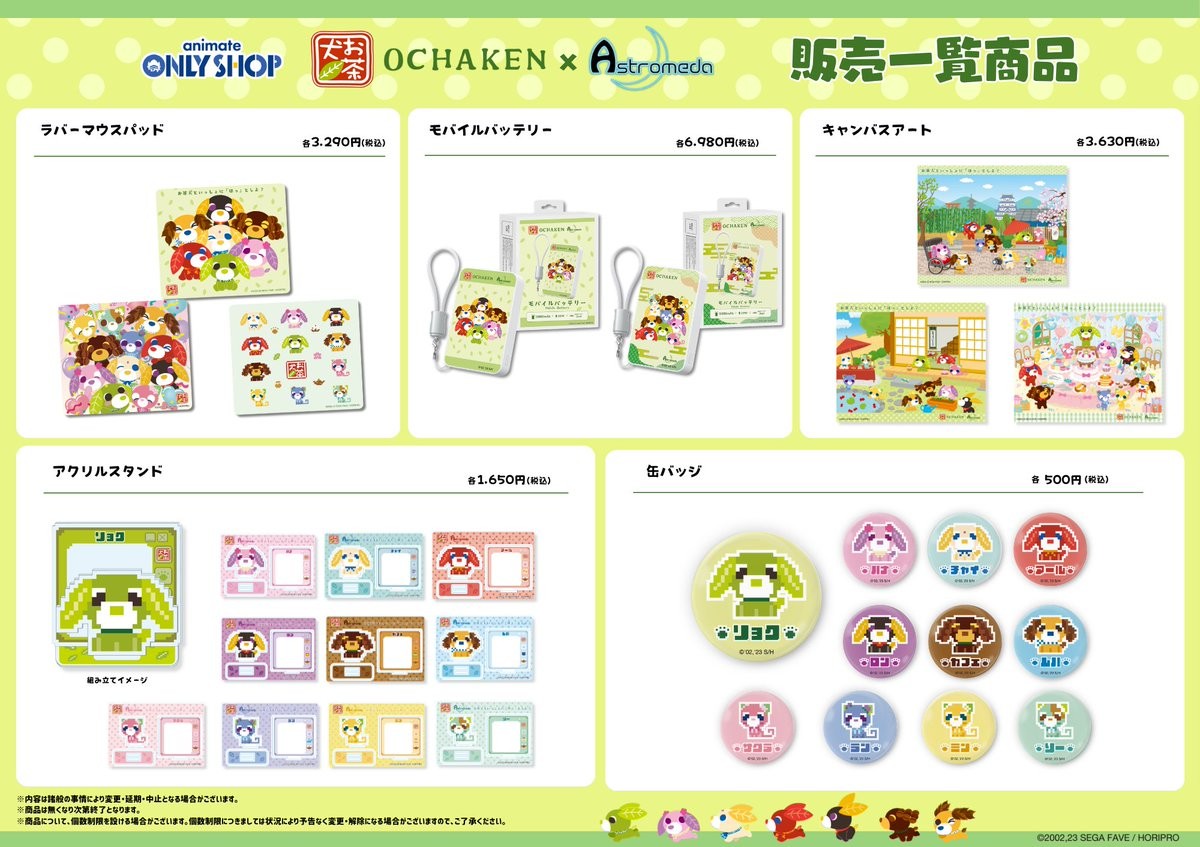
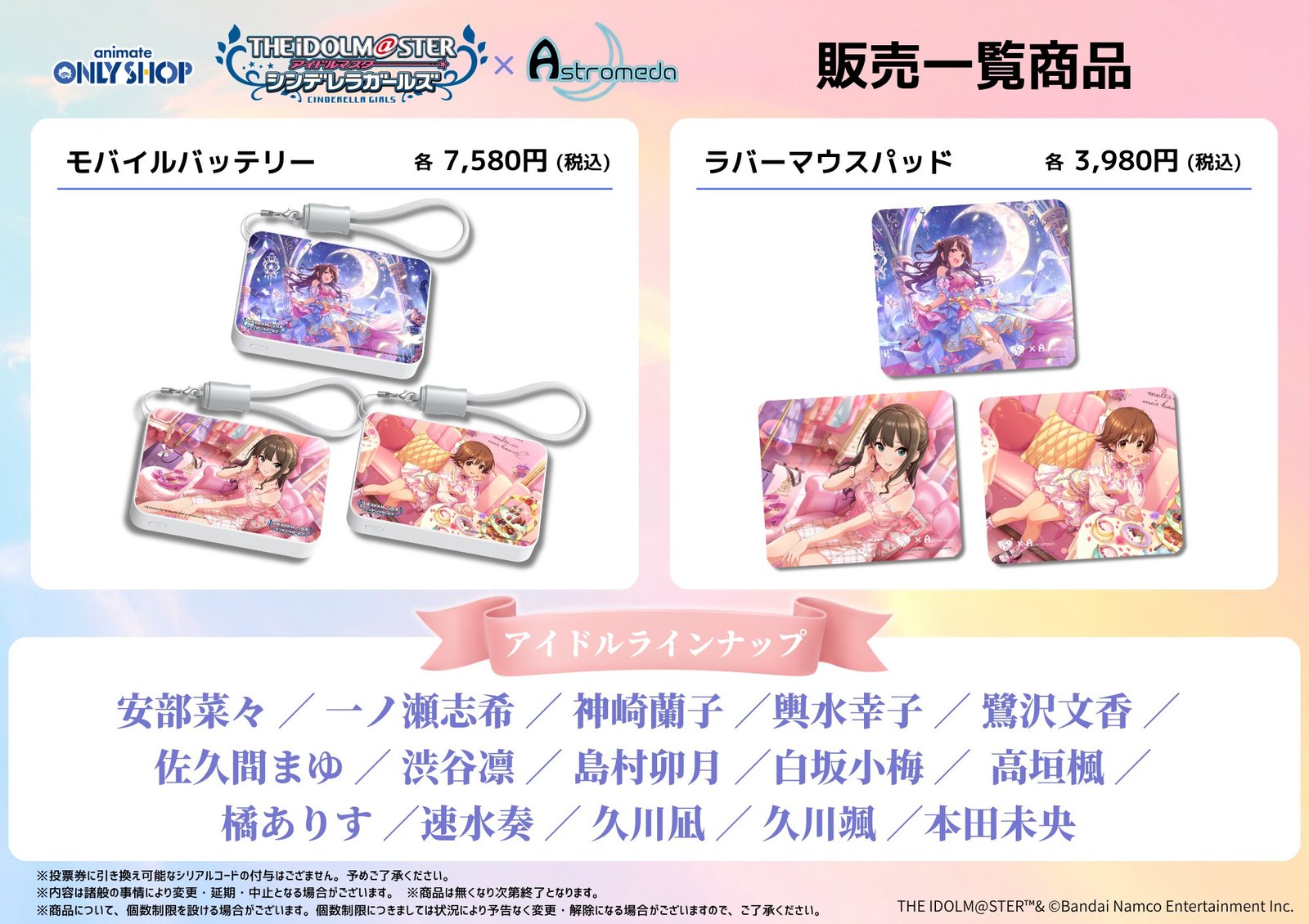
- Exhibitions usually end in a goods shop with limits per person. On opening days it often has its own queue.
Maid cafés and collab cafés
At a maid café the staff, dressed as maids, welcome you as master or princess, decorate your food with drawings, and run small games or stage shows. The pricing works differently from a normal café. Most charge an entry or table fee per person, often counted per hour, on top of at least one order, and there is usually a time limit. Taking photos of the maids with your own phone is generally not allowed. Instead you can pay for a cheki, an instant photo with a maid of your choice. Touching staff or asking for their contacts is off limits everywhere.
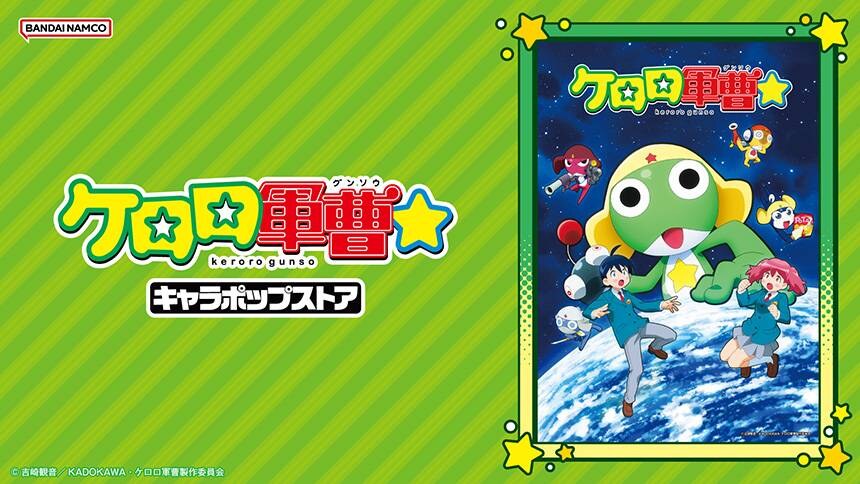
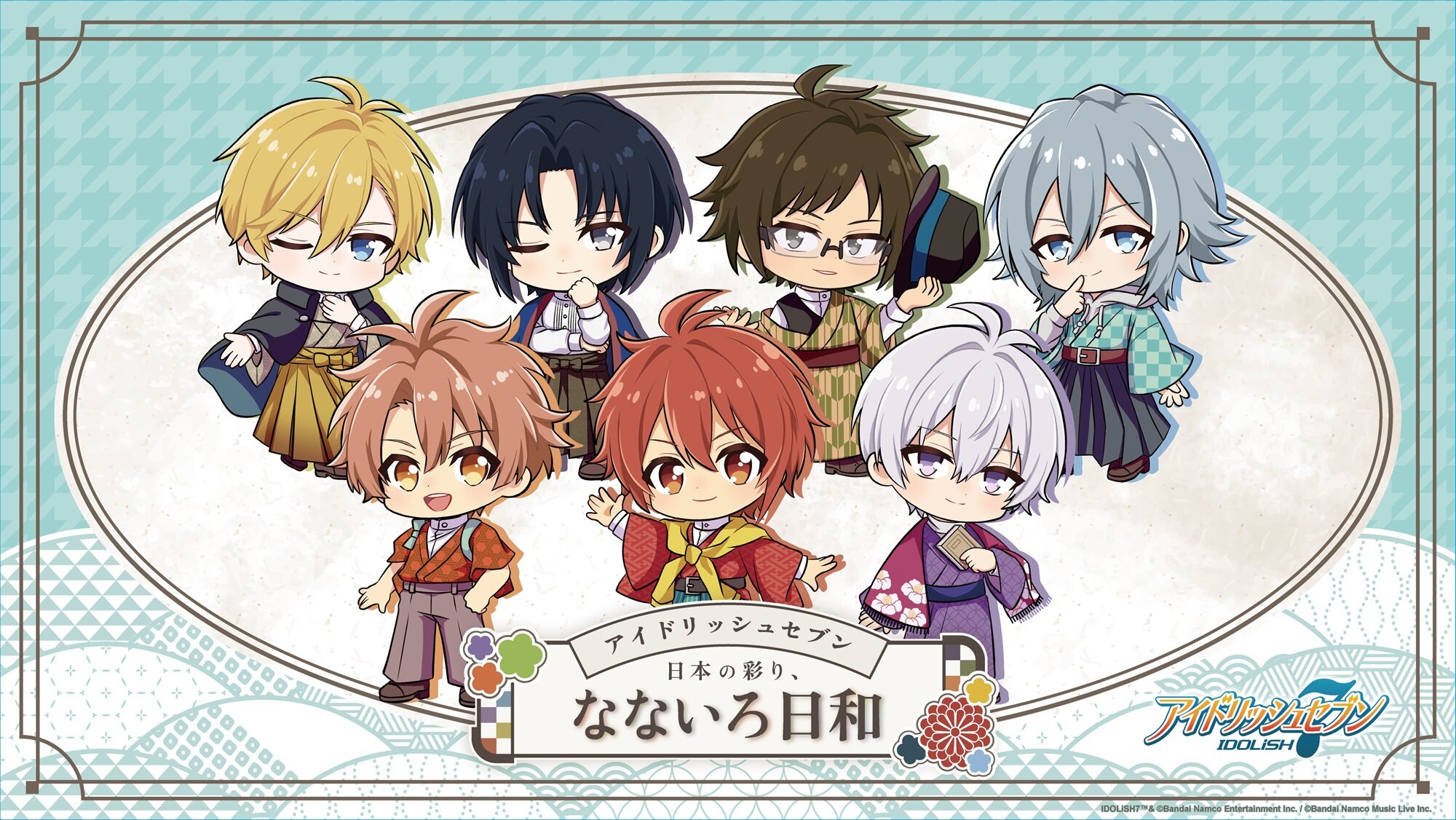
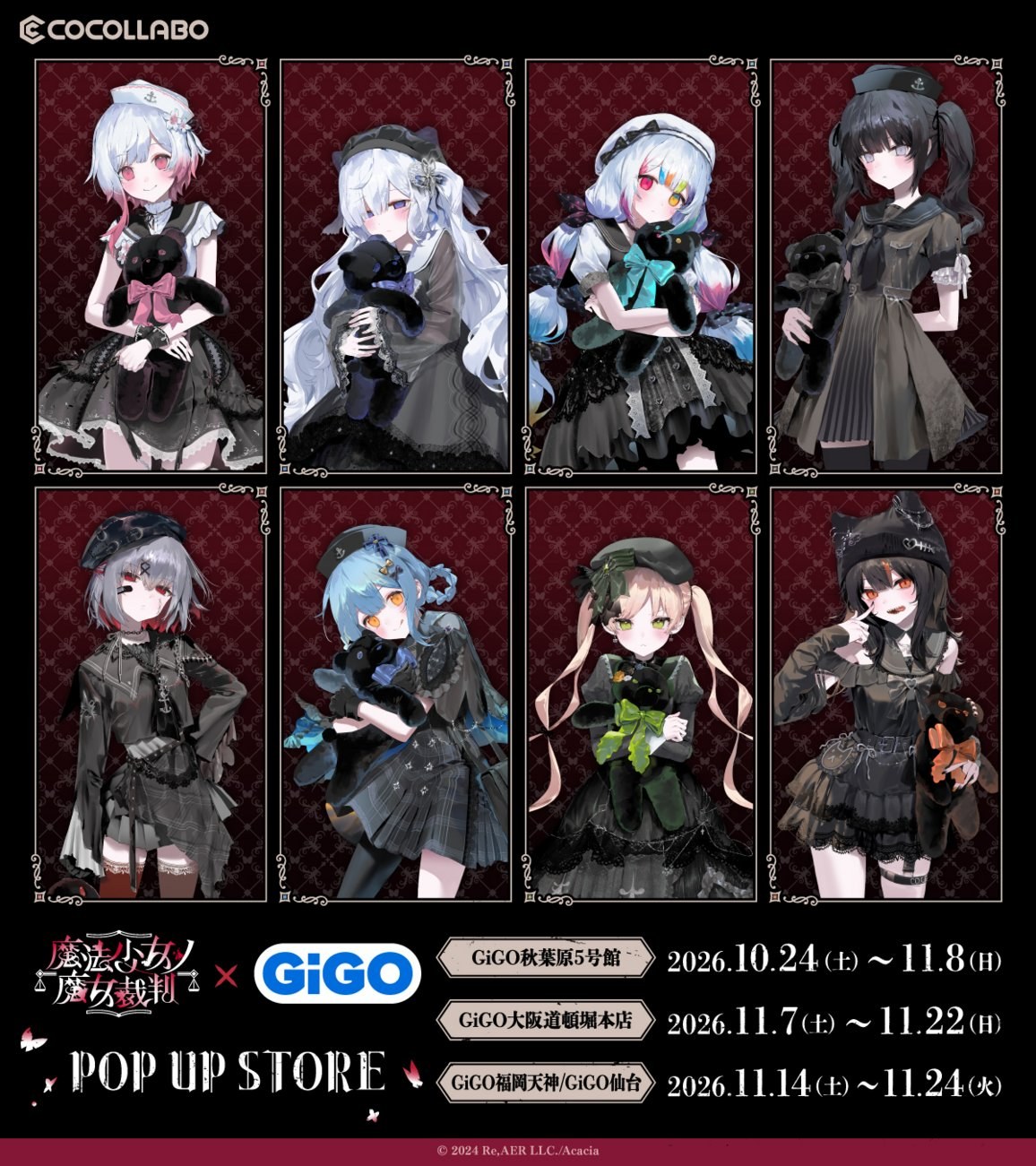
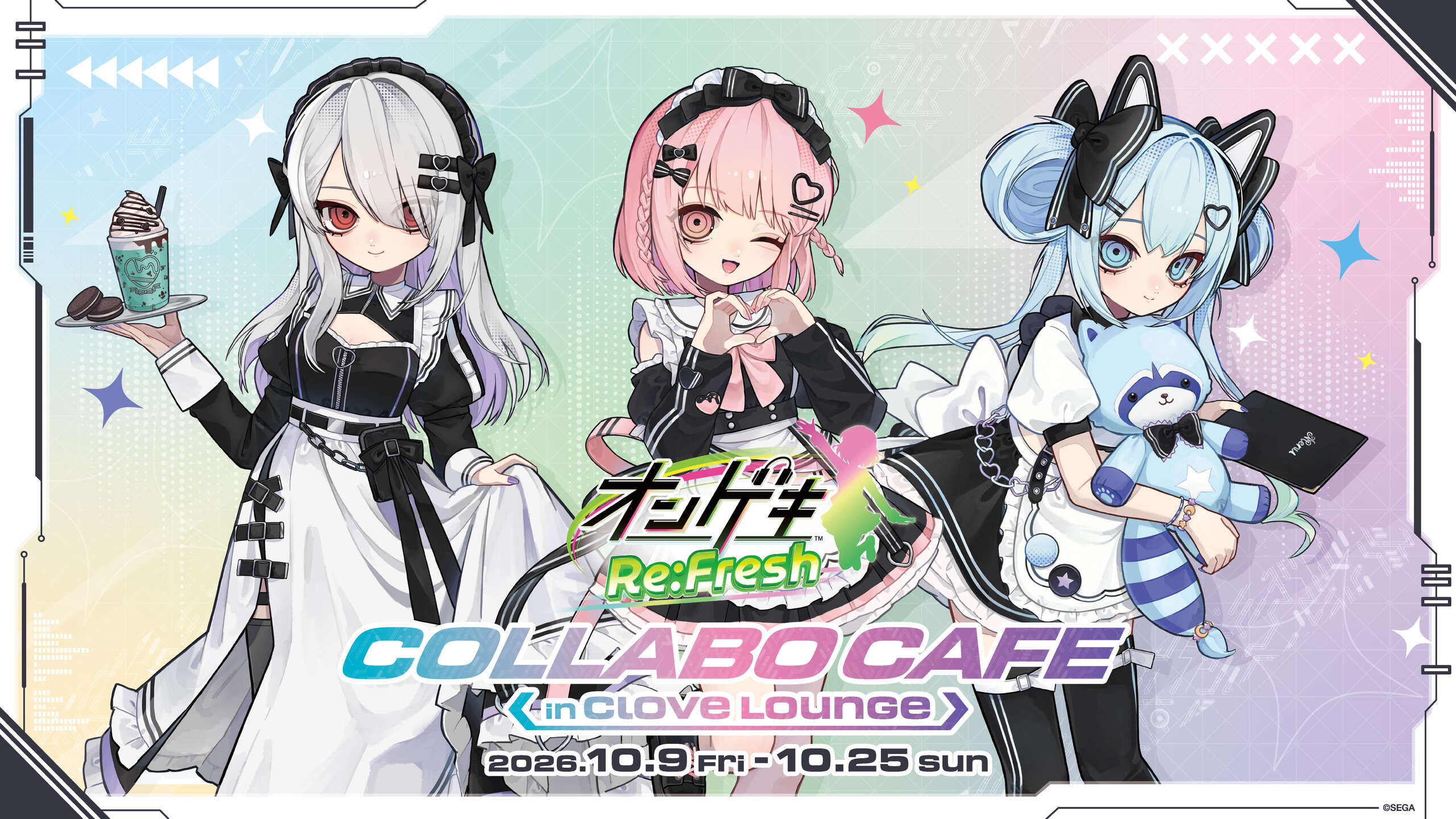
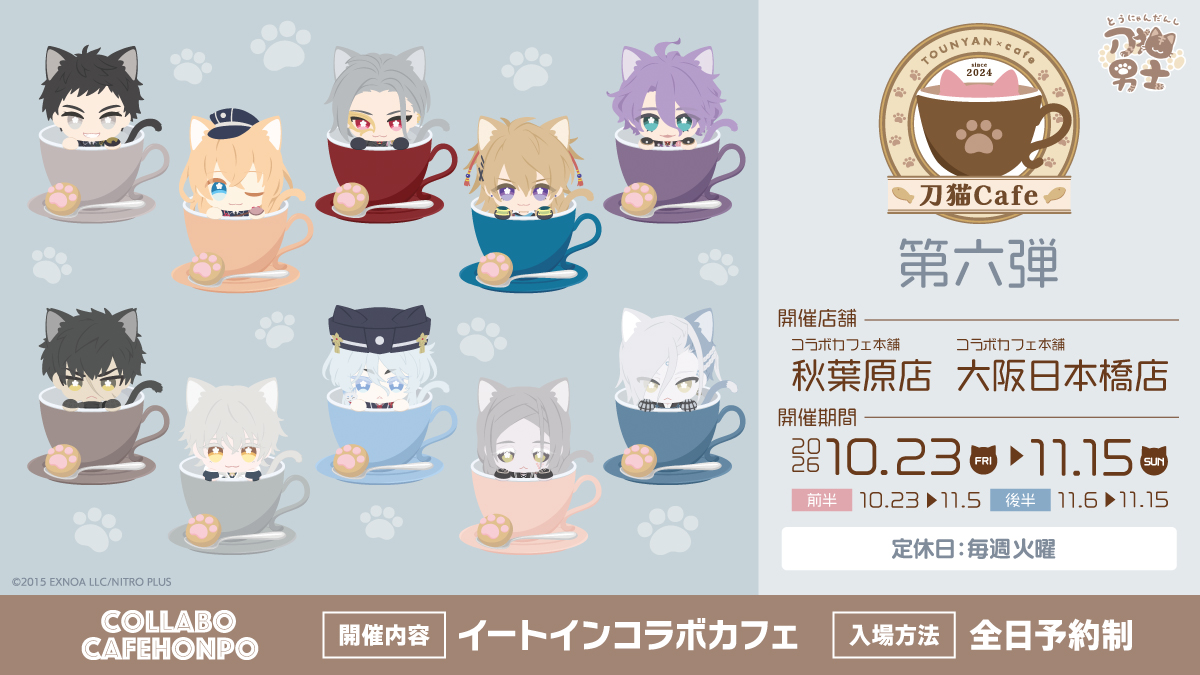
People in costume hand out flyers along Chuo-dori and the side streets, and not all of them work for maid cafés. Some places are bars with a very different price structure, so pick a café that shows its menu and charges at the entrance. Collab cafés are another thing again: a café takes on one anime or game for a few weeks, with themed food and a random bonus item with each order. Akihabara has several permanent collab café spaces that change theme regularly, and popular titles need a booking for a time slot.
- Read the price board before you sit down: entry fee, time limit and minimum order are usually listed there.
- Collab café seats are booked in time slots, and arriving late can cost you the seat.
Sunday on Chuo-dori, retro games and arcades
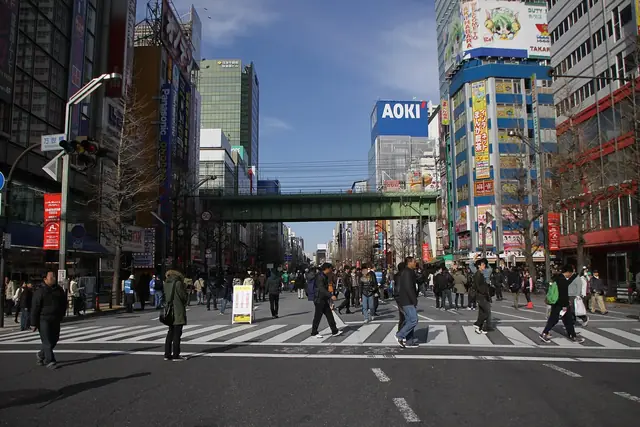
On Sundays the stretch of Chuo-dori between the Sotokanda 5-chome and Manseibashi crossings, about 570 metres, usually closes to cars for the afternoon and becomes a pedestrian zone. It typically runs from 1pm until 6pm from April to September and until 5pm from October to March, and it is called off in rain, strong wind and over the New Year. Selling goods, street performances and riding a bike are not allowed inside the zone.
For retro games, Super Potato fills several floors of a building off Chuo-dori with old consoles and cartridges and has a small retro arcade on the top floor where games cost 100 yen. Hey, the Taito arcade on Chuo-dori, has been running since 2001 and is known for its rows of older video game cabinets next to rhythm and crane games. Beep specialises in retro games and old Japanese computers.
- Arcade machines take 100-yen coins. Arcades have change machines for 1,000-yen notes.
- Many older Japanese consoles and cartridges are region-specific. Check that a game will run on your system at home.
Kanda Myojin, getting there and nearby areas
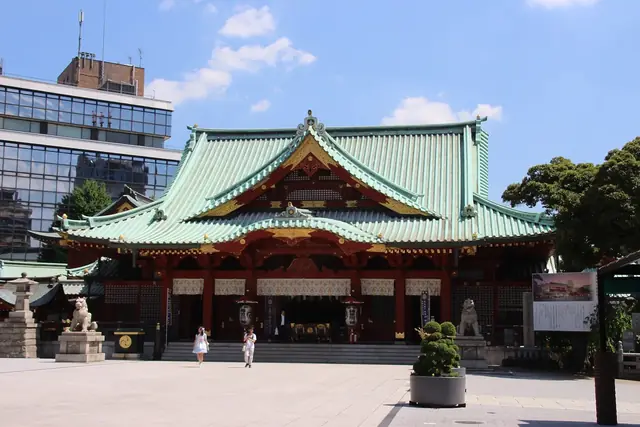
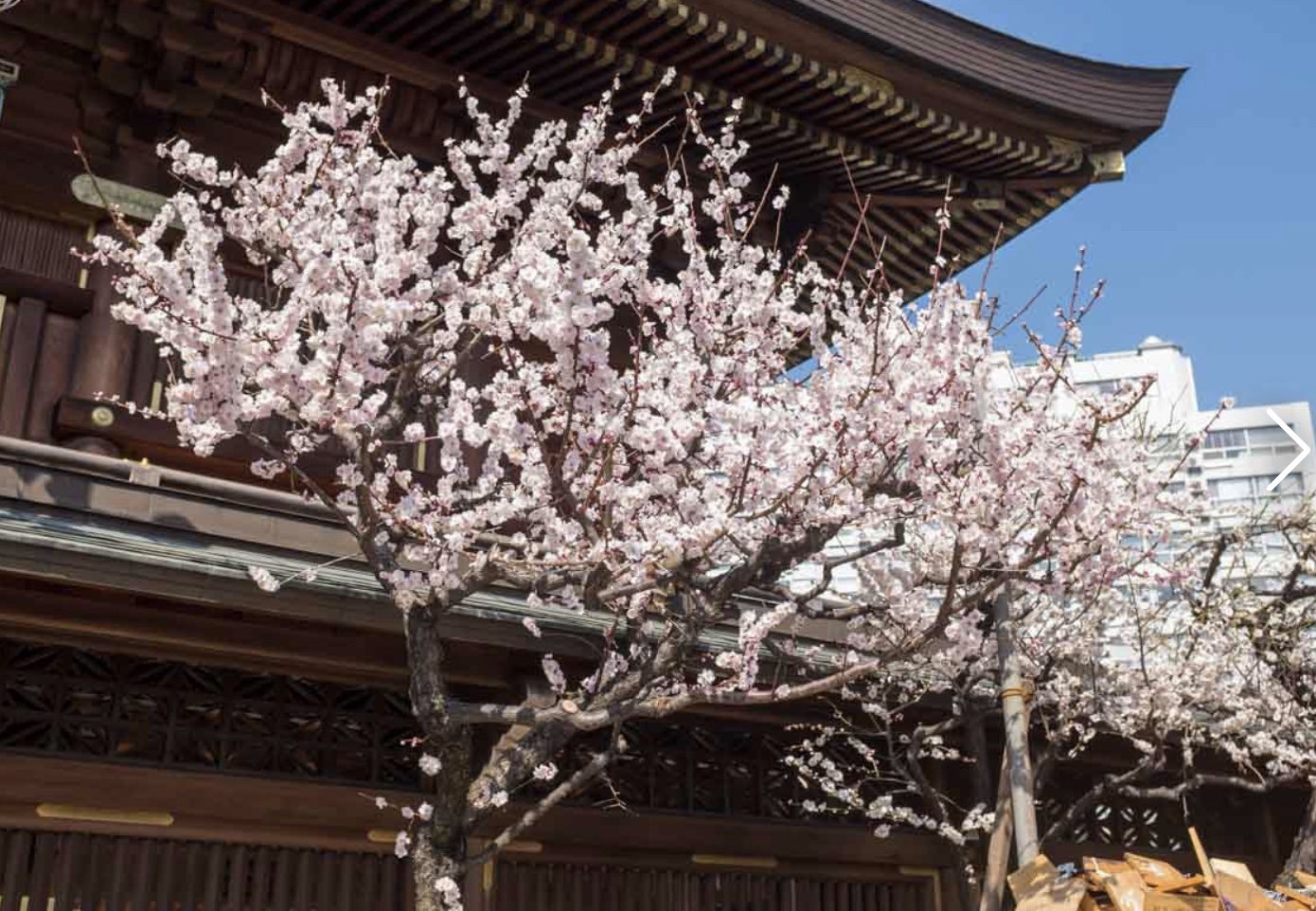
Kanda Myojin sits on the hill west of Akihabara, a walk of about ten minutes from Chuo-dori, and is the guardian shrine of Akihabara, Kanda and Nihonbashi. Its Kanda Matsuri in mid-May is one of the three great festivals of old Edo, and the full version, with a long costumed procession and portable shrines through the neighbourhood, takes place in odd-numbered years. The shrine appears in Love Live and has run anime collaborations for years, with character ema and charms, and its EDOCCO cultural centre has a shop, a café and a hall for events. In the first working days of January, office groups come here to pray for business luck.
JR Akihabara Station is served by the Yamanote, Keihin-Tohoku and Chuo-Sobu lines, and the Tokyo Metro Hibiya Line and the Tsukuba Express also stop here. Suehirocho on the Ginza Line is handy for the north end of Chuo-dori, and Ochanomizu is the closest station for Kanda Myojin. Ueno is a couple of stops north on the Yamanote Line, and Ikebukuro is the other big anime district if you want a second day. Most shops close in the evening, while arcades stay open late, so an event in the afternoon and an arcade or dinner afterwards is an easy plan.