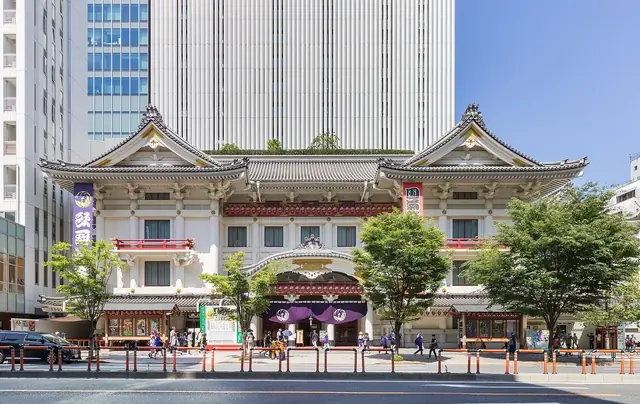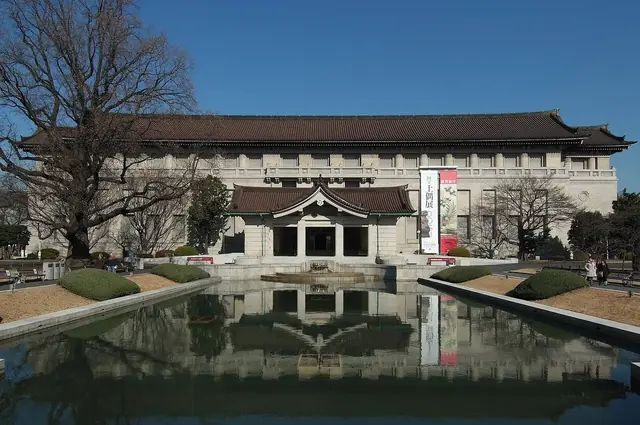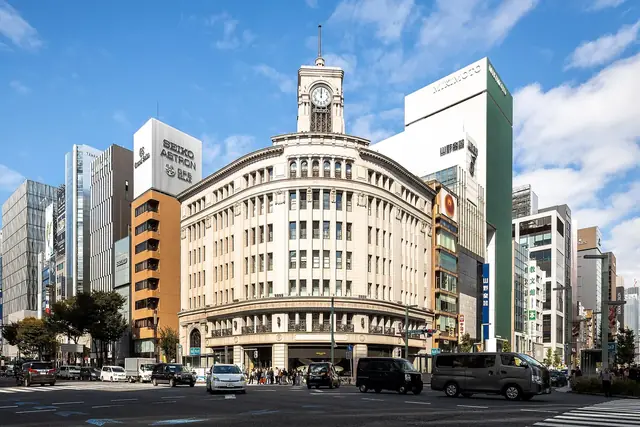
Three neighbourhoods side by side
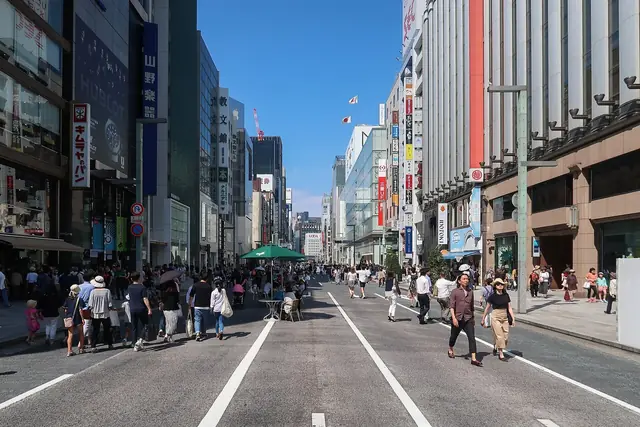
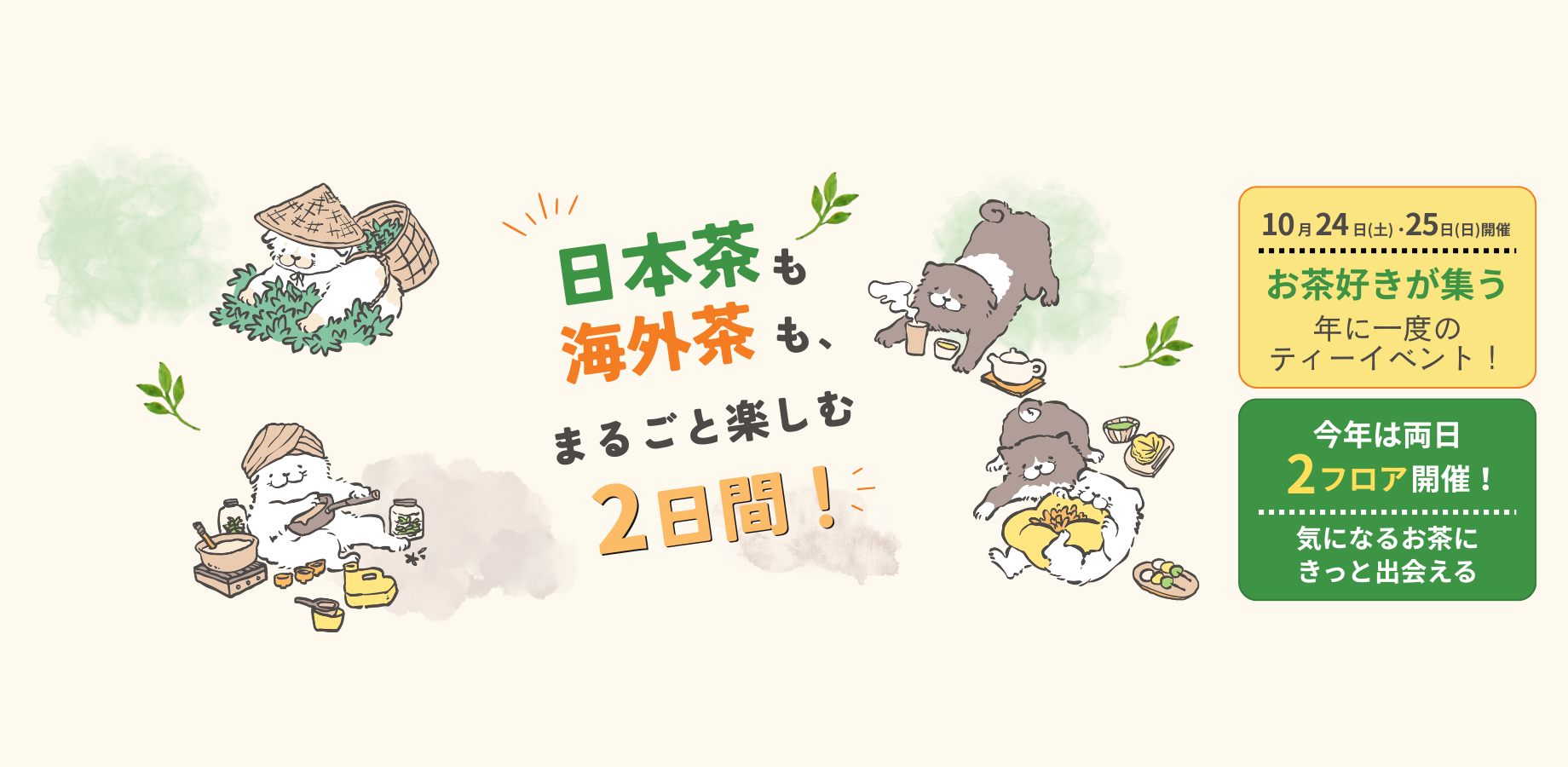
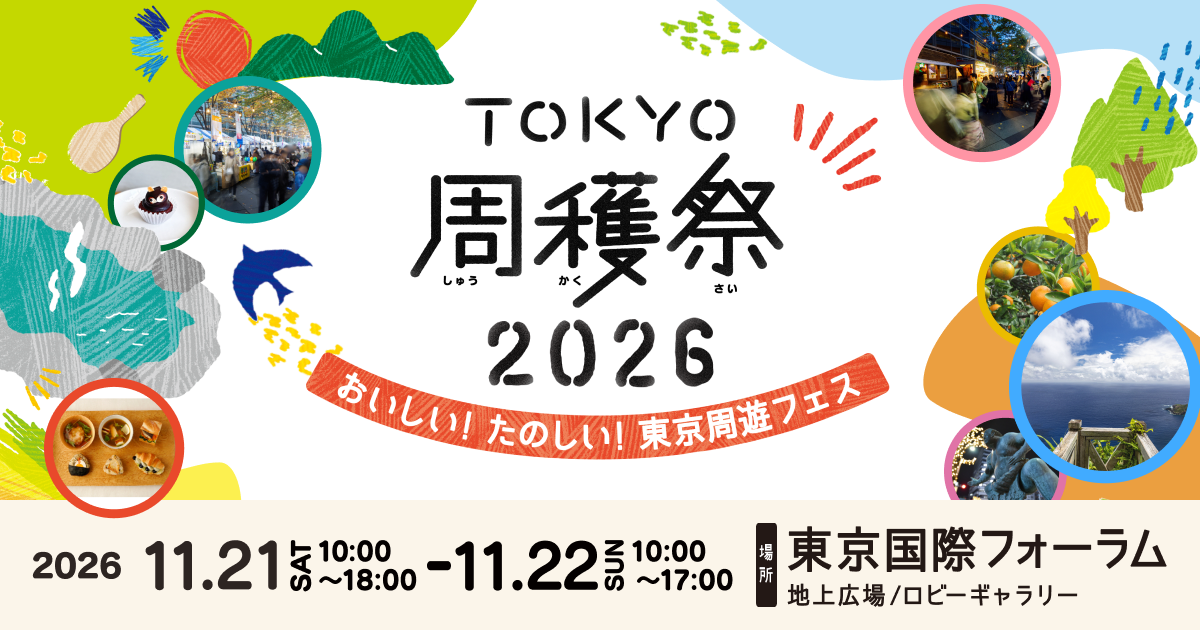
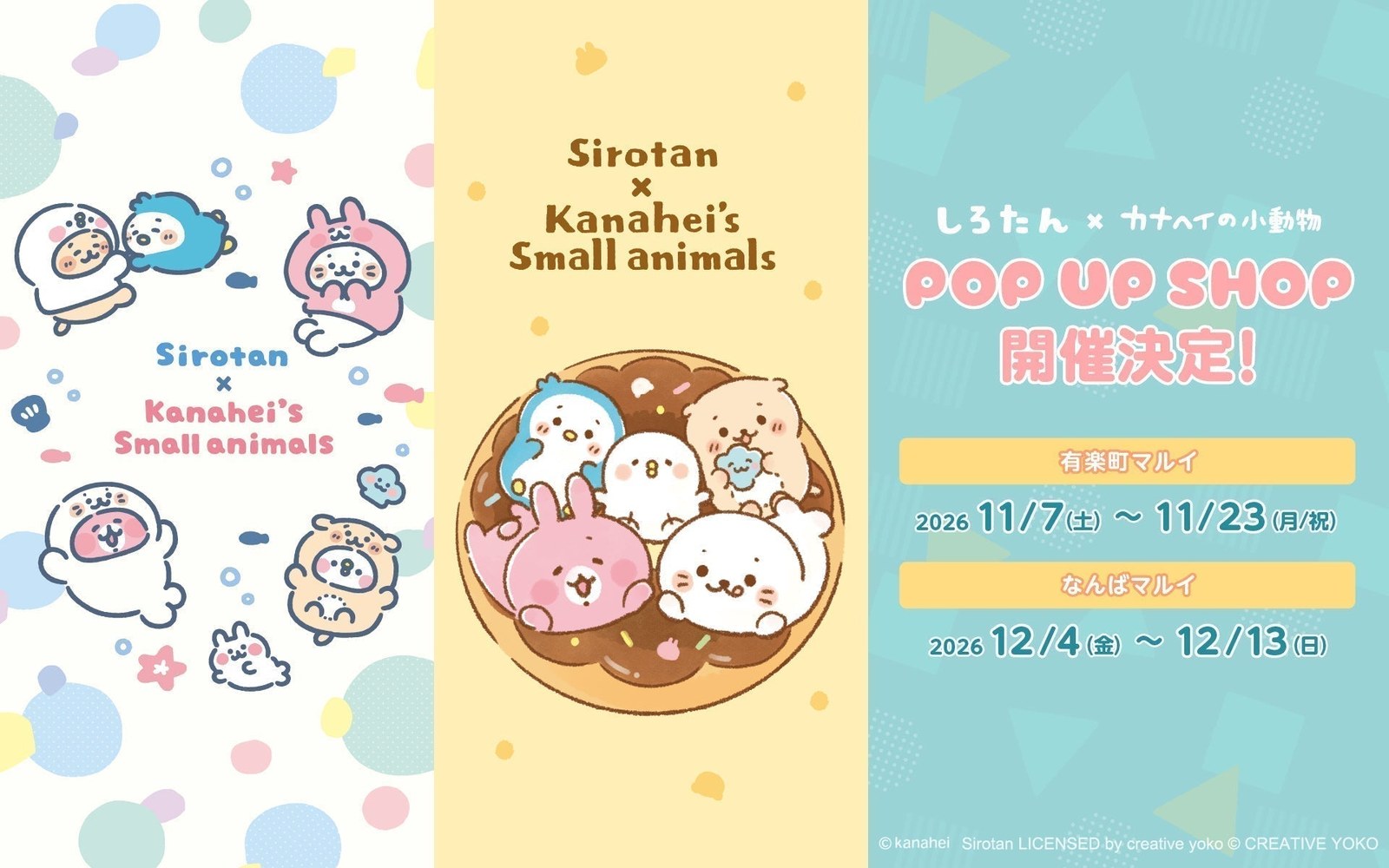
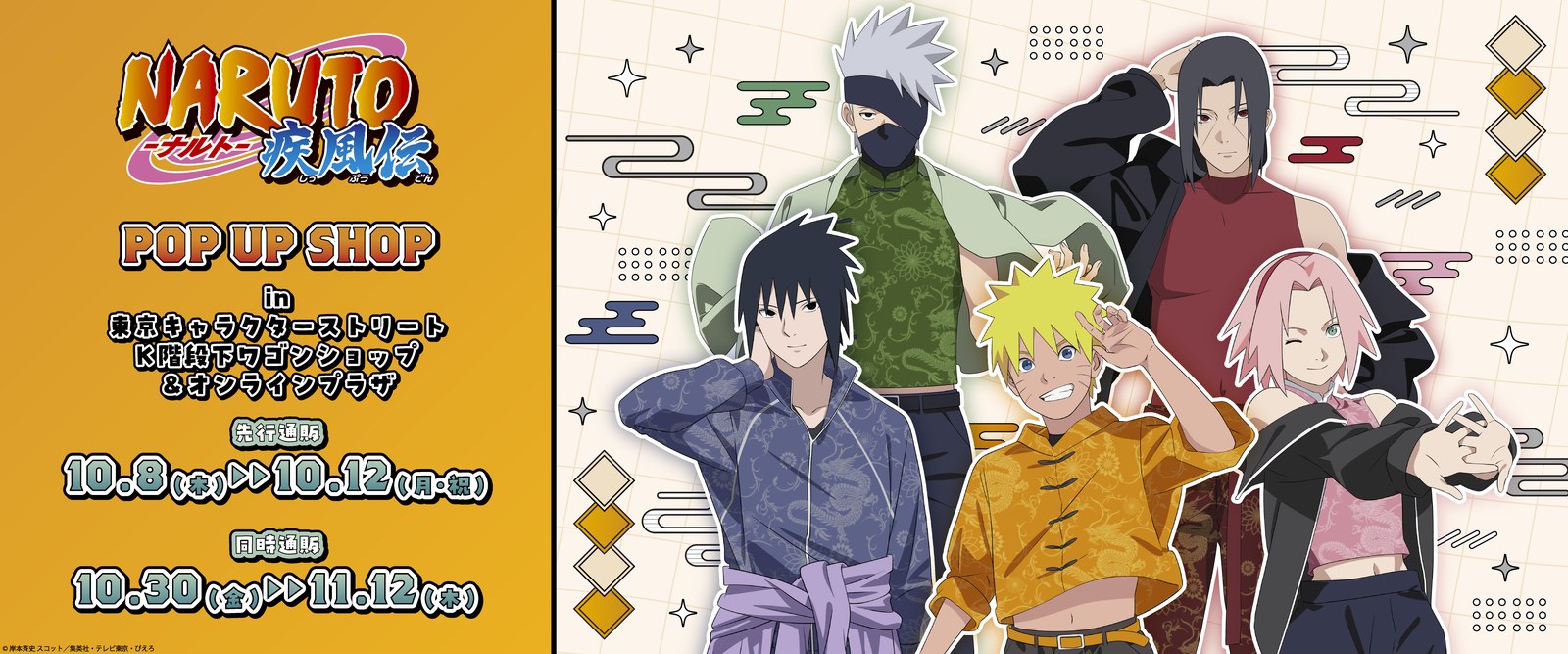
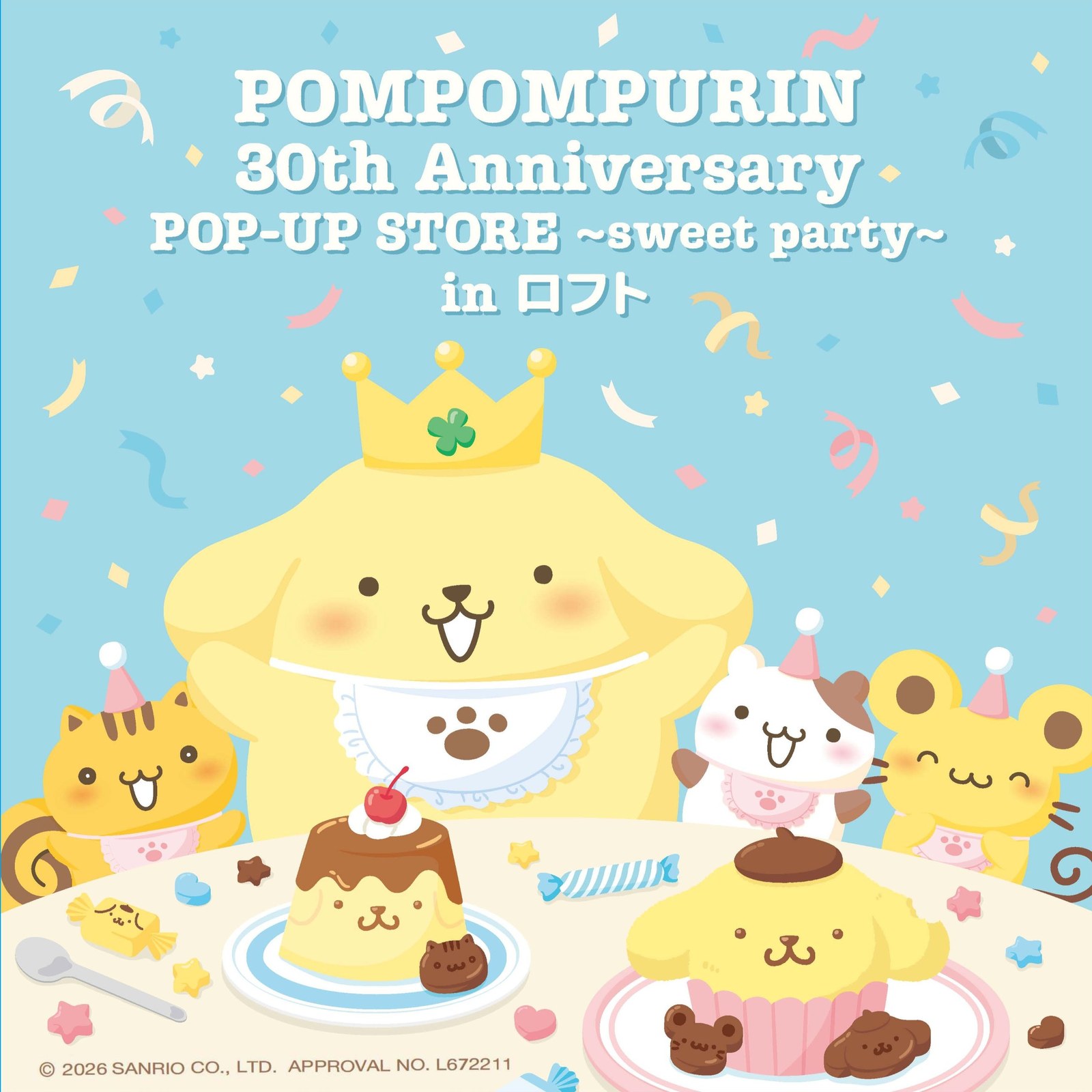
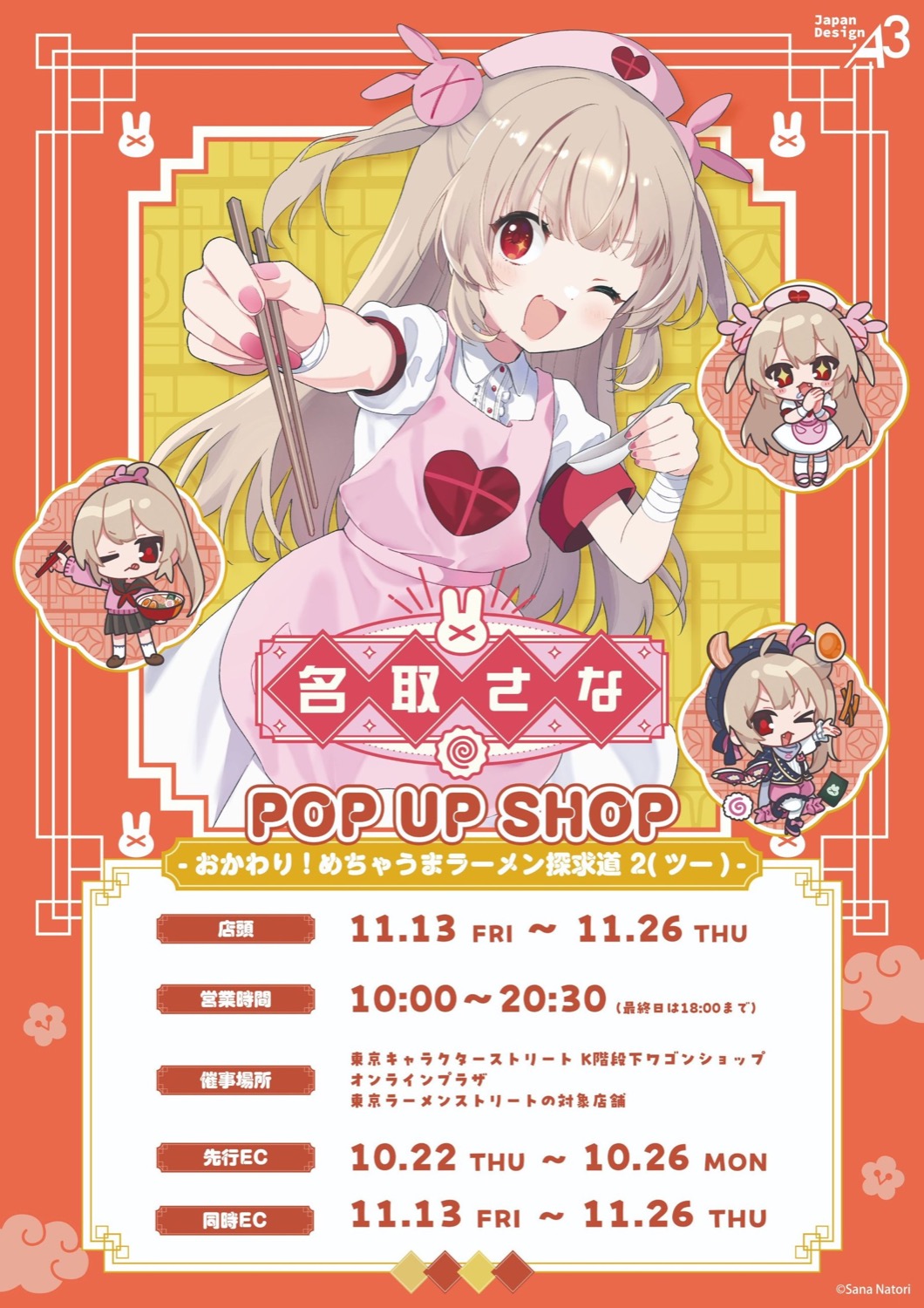
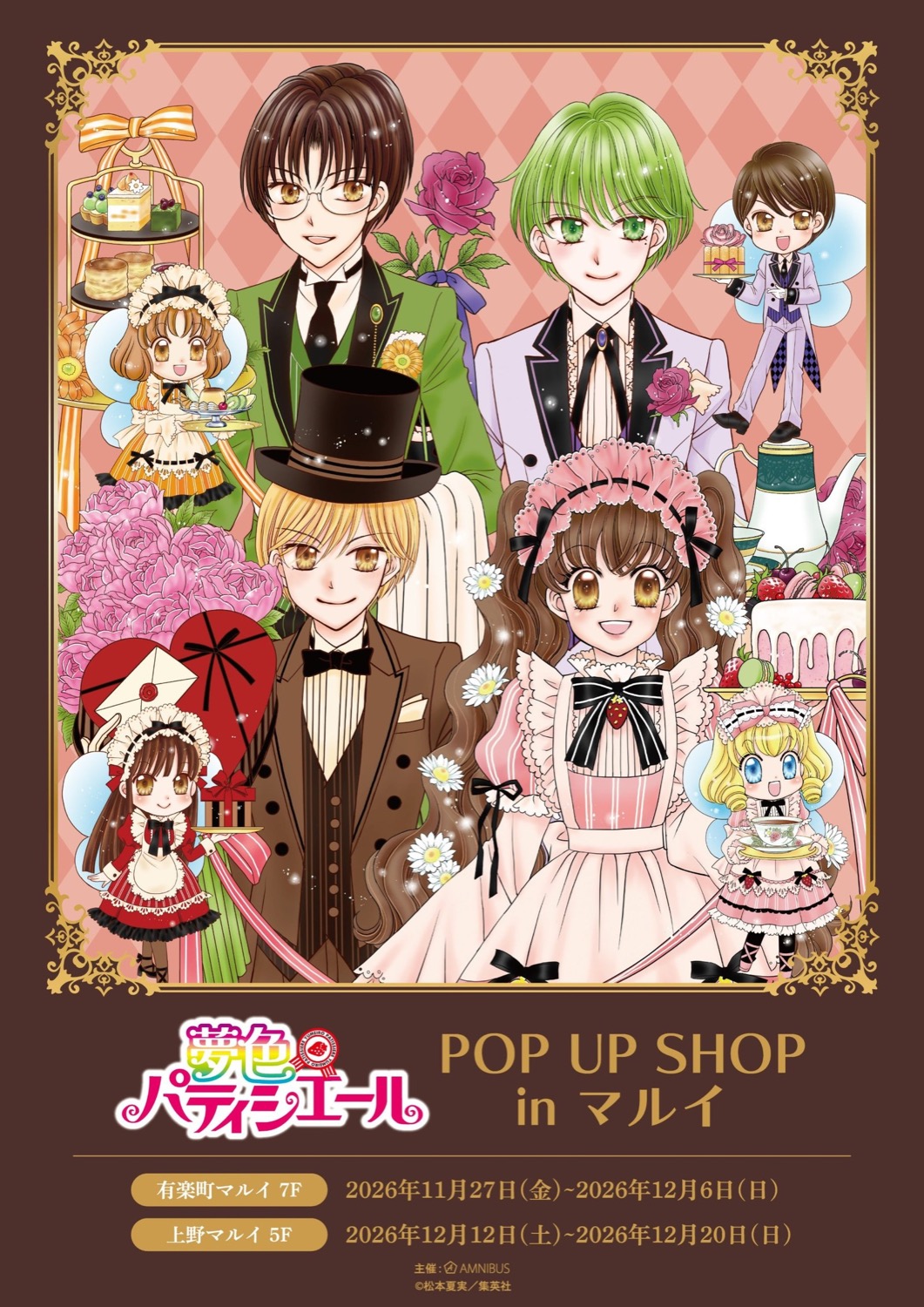
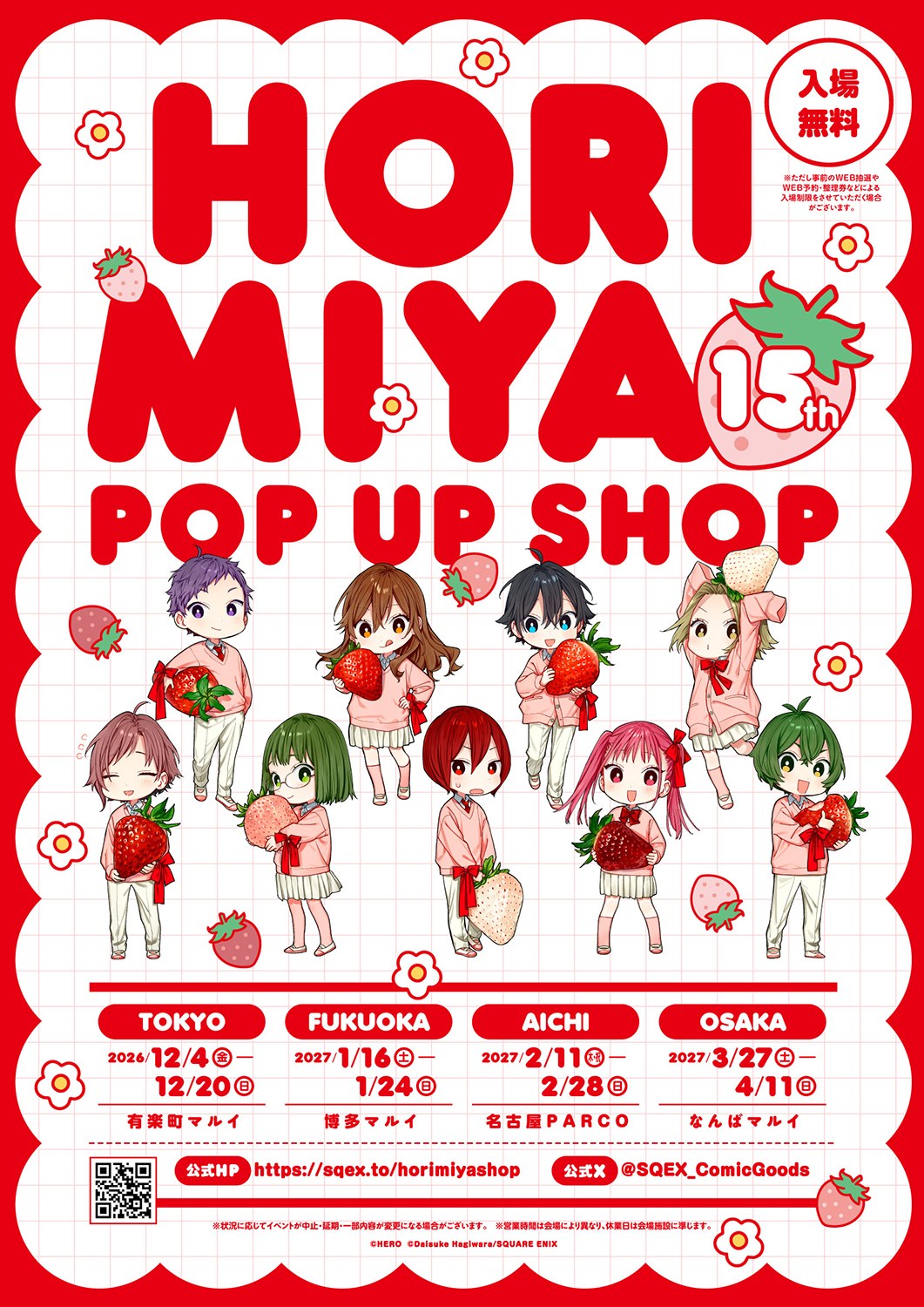
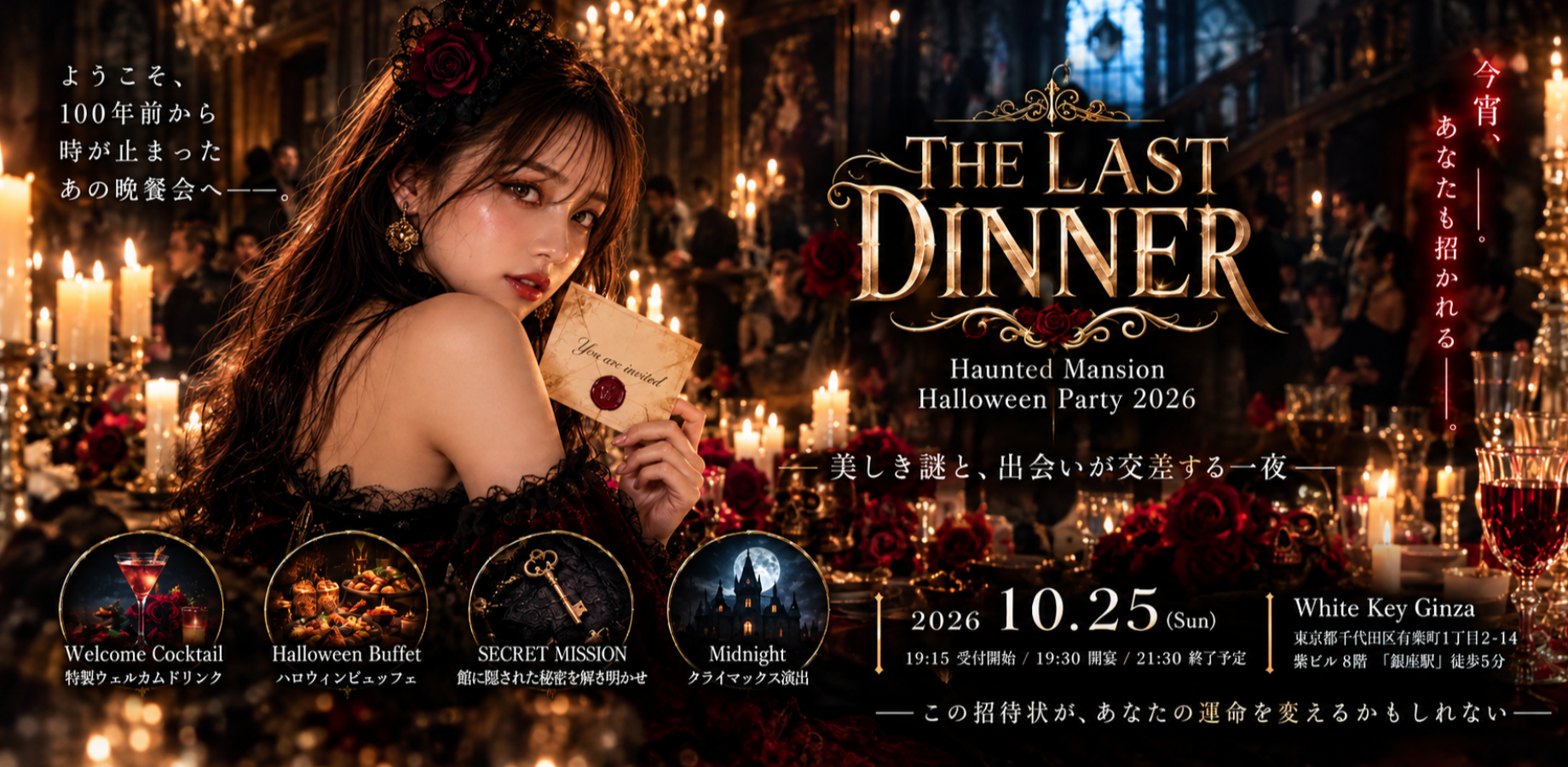
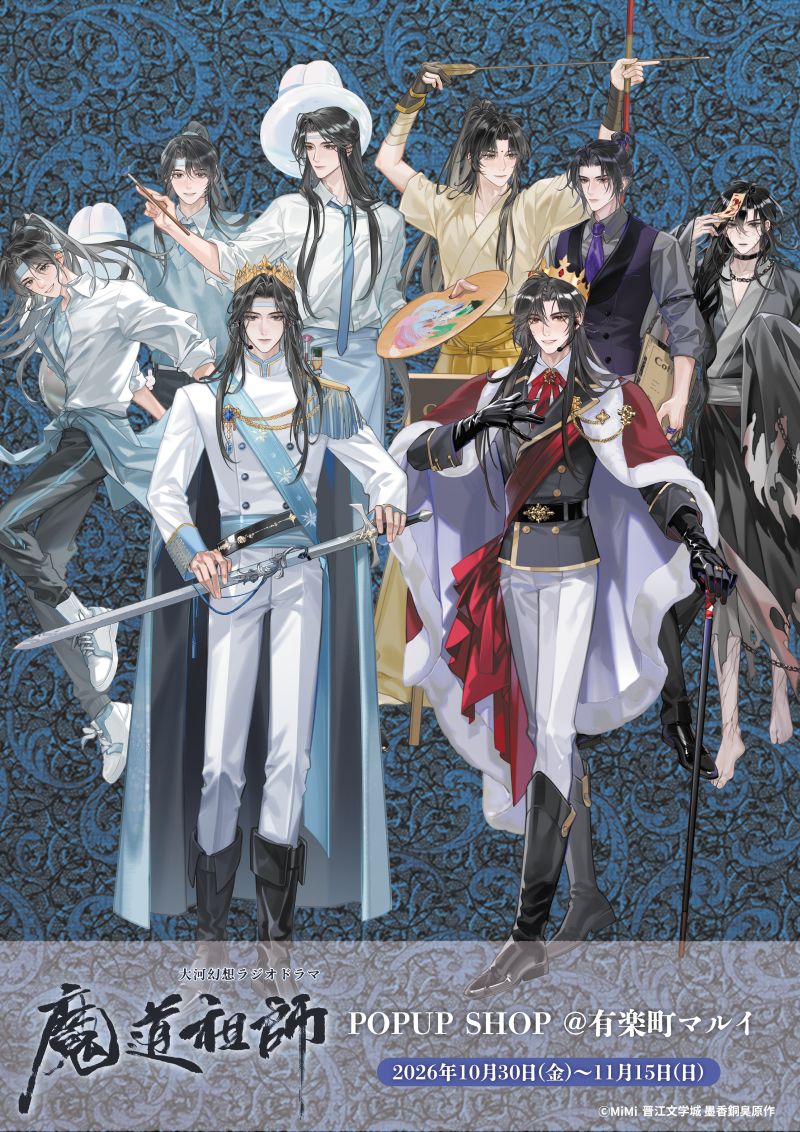
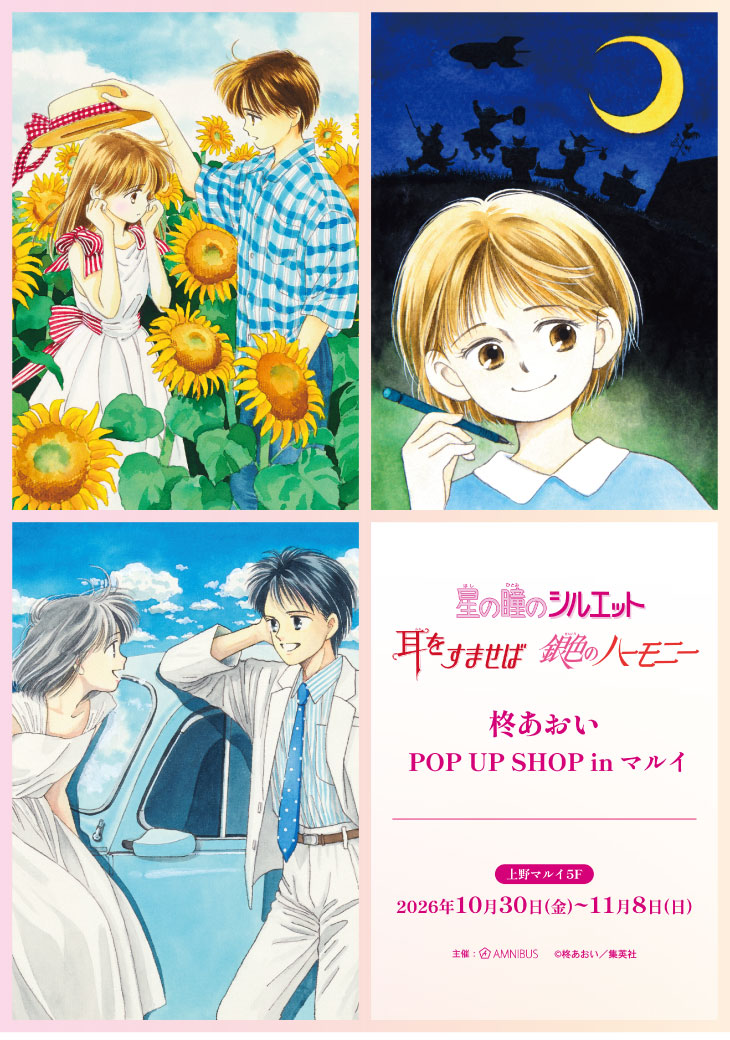
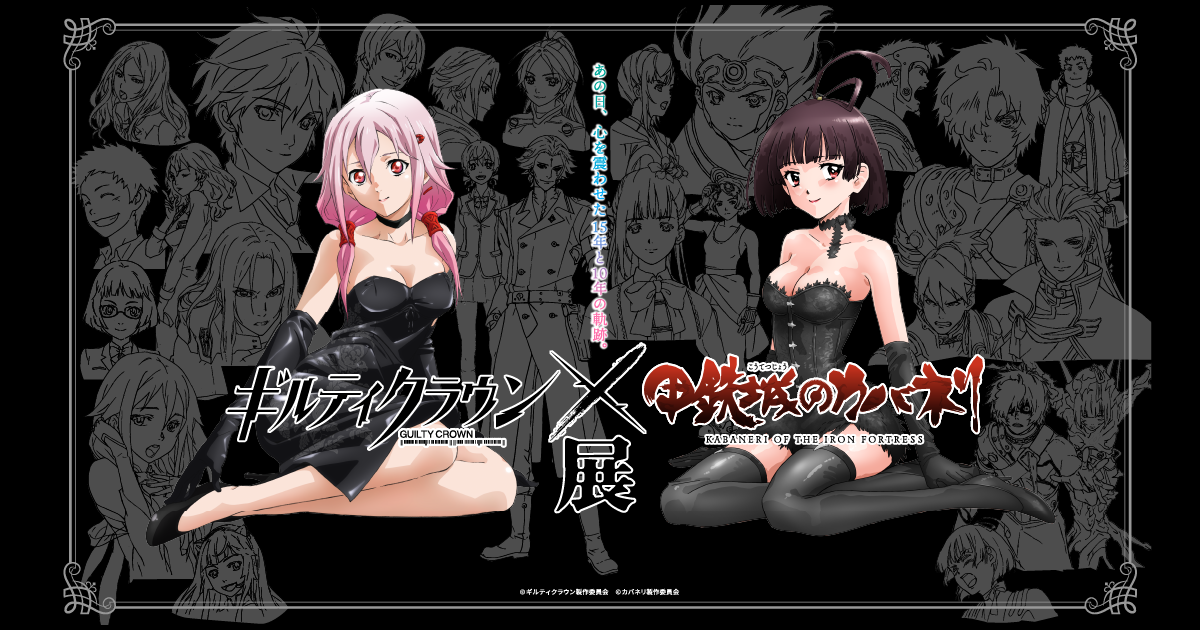
Ginza runs for eight blocks (chome) along Chuo-dori, lined with department stores, flagship shops and small galleries tucked into upper floors. Kabukiza stands on Harumi-dori at the Higashi-Ginza end. Yurakucho, by the JR tracks to the west, is more casual: izakaya and yakitori bars under the railway arches, the Tokyo International Forum, and Yurakucho Marui, whose event floor hosts a steady run of anime and character pop-ups.
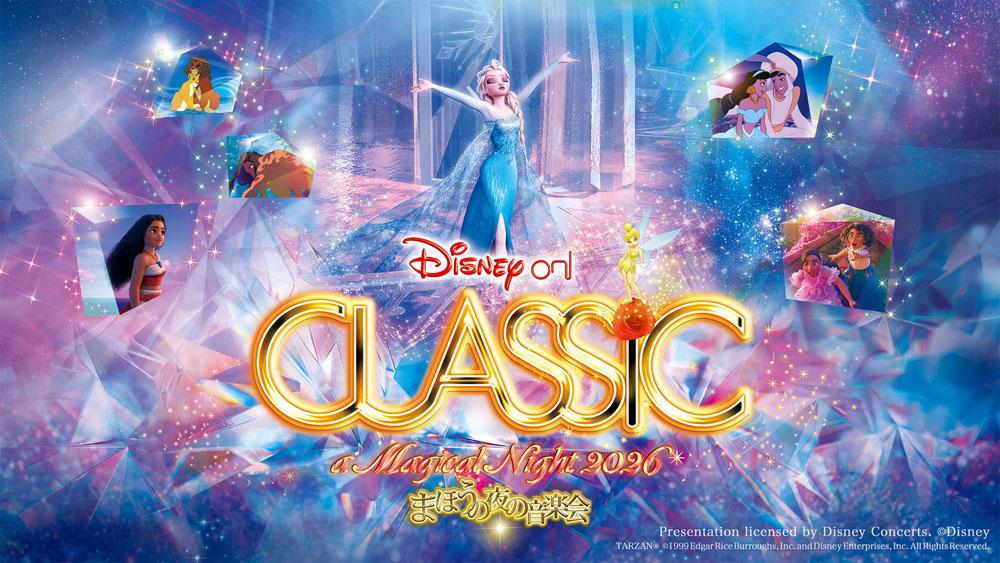
Hibiya, just south of the Imperial Palace moat, is Tokyo's theatre district. The Tokyo Takarazuka Theater, home of the all-female Takarazuka Revue, the Nissay Theatre and Theatre Creation are all within a few minutes of each other, with Tokyo Midtown Hibiya and Hibiya Park across the road. The Imperial Theatre, long the home of big musicals, closed in February 2025 for rebuilding and is not expected back until around 2030.
On Saturdays, Sundays and public holidays, Chuo-dori becomes a pedestrian street (hokosha tengoku) for about 1.1 km from Ginza 1-chome to 8-chome. It starts at noon and runs into the early evening, a little longer in summer than in winter, and the police can call it off at short notice in bad weather. It is the easiest way to see Ginza: walk down the middle of the road and duck into whatever looks interesting.
- The car-free street is off on some holidays such as New Year's Day. If it matters to your plan, check the day before.
- Department stores open around 10 or 11am. The quietest time to browse is a weekday morning.
Kabuki, noh and the stage
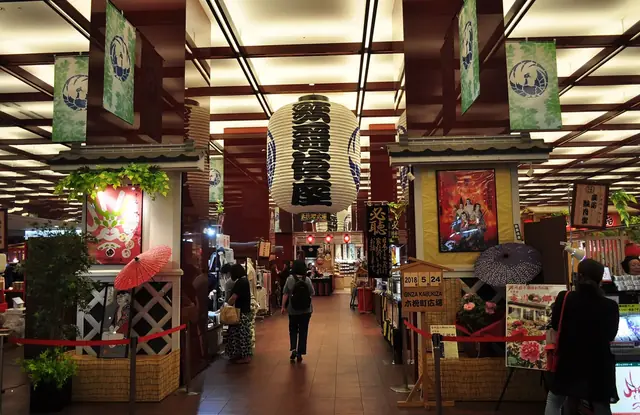
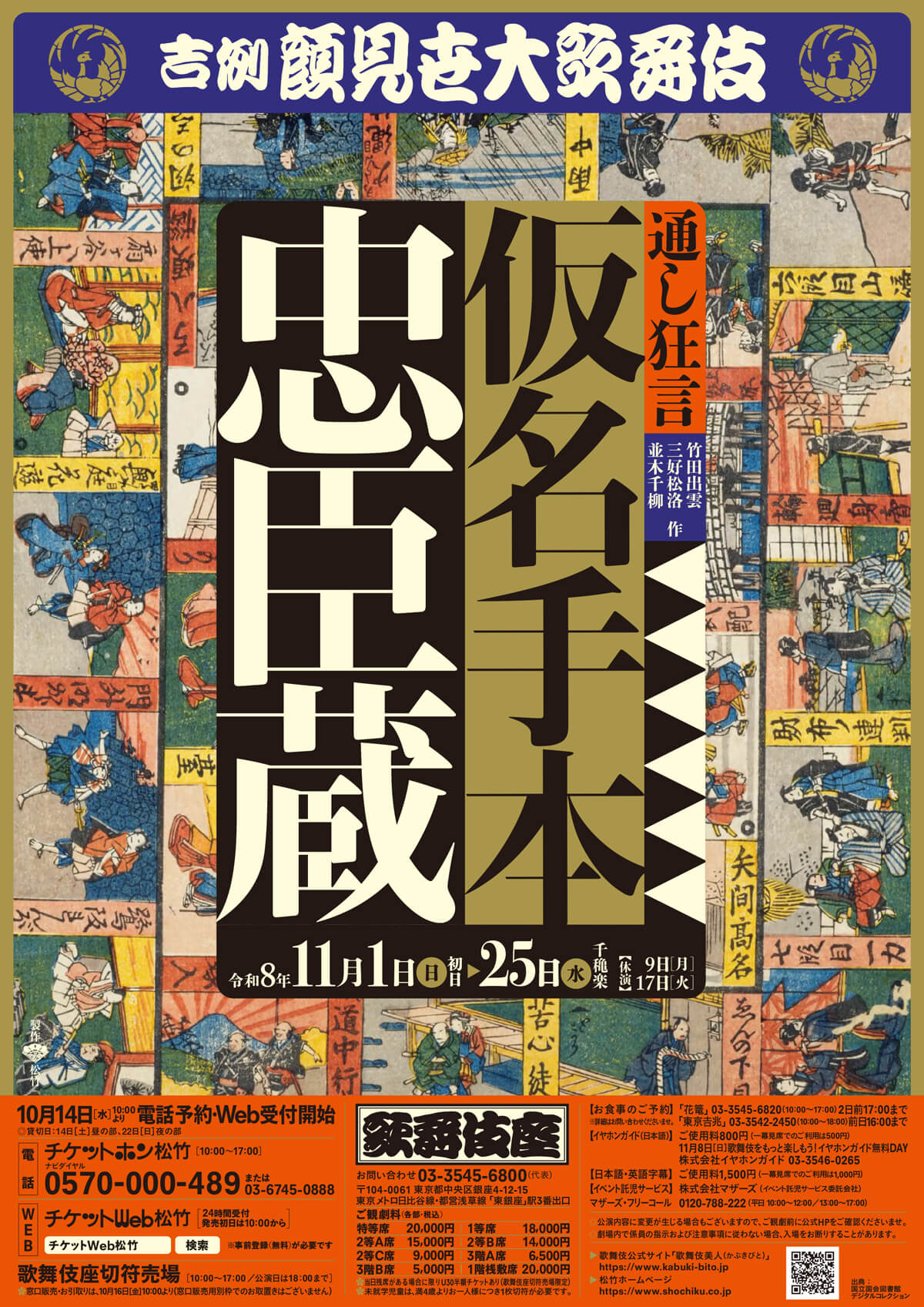
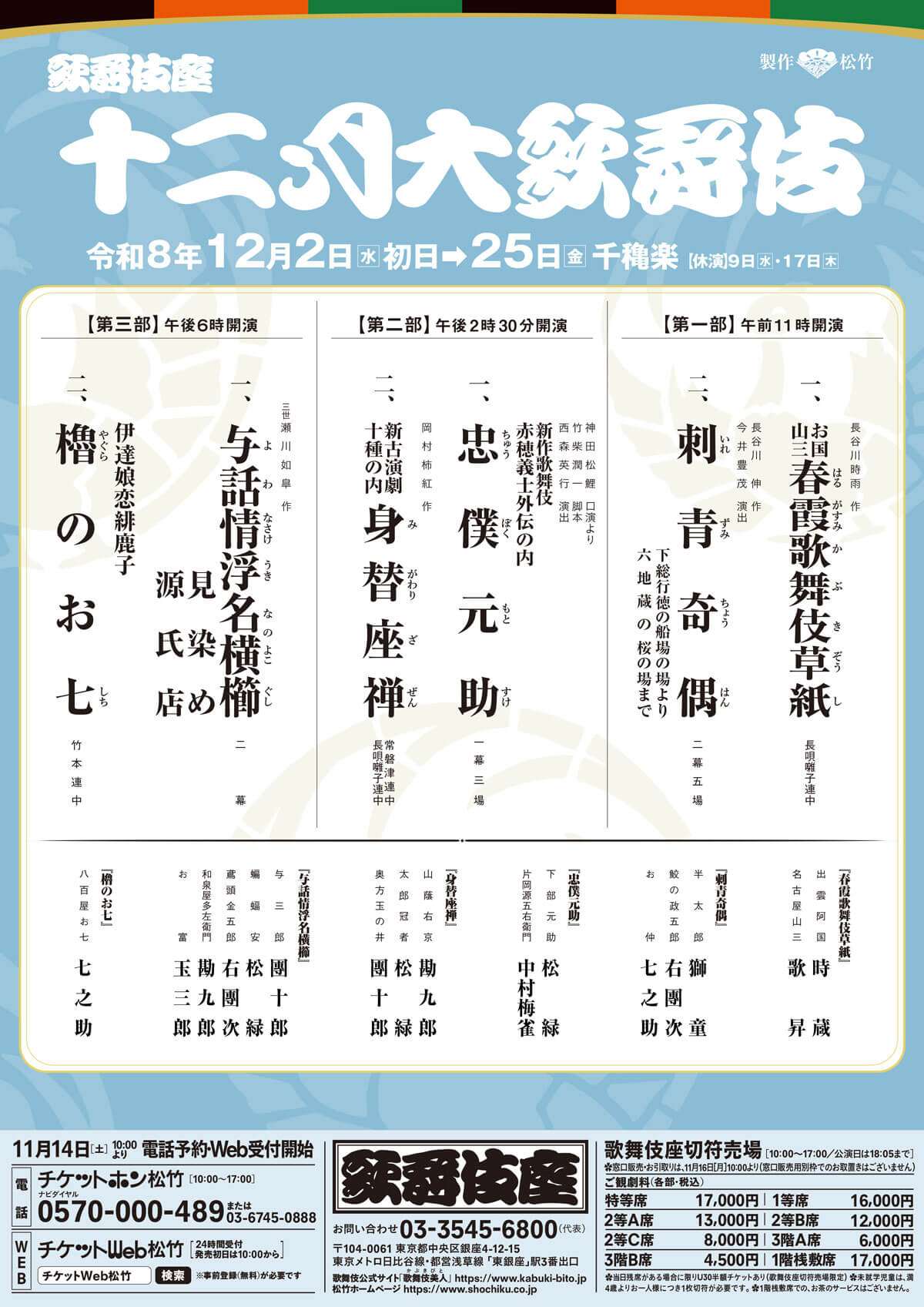
Kabukiza is the main home of kabuki, and Higashi-Ginza Station (Hibiya and Toei Asakusa lines) connects straight into its basement. If a full programme feels like too much, single-act seats (hitomakumi) on the fourth floor let you watch one play for a fraction of the price. Even without a ticket you can browse Kobikicho Hiroba, the souvenir and snack floor in the basement. Shinbashi Enbujo, a few minutes' walk away, also stages kabuki in some months.
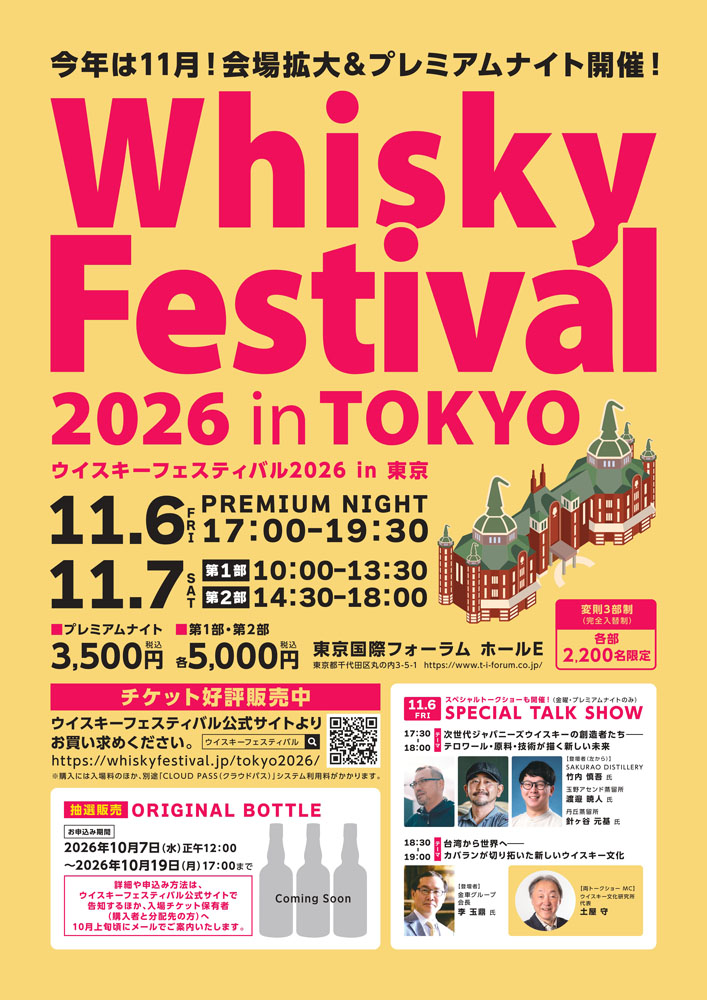
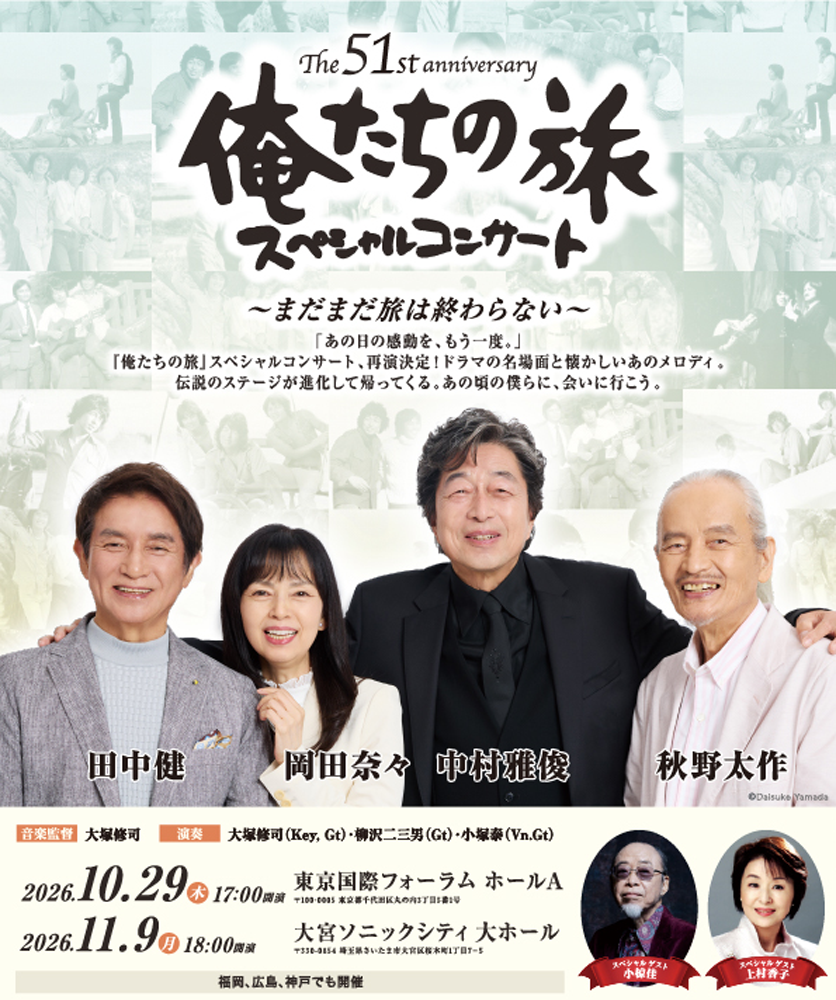
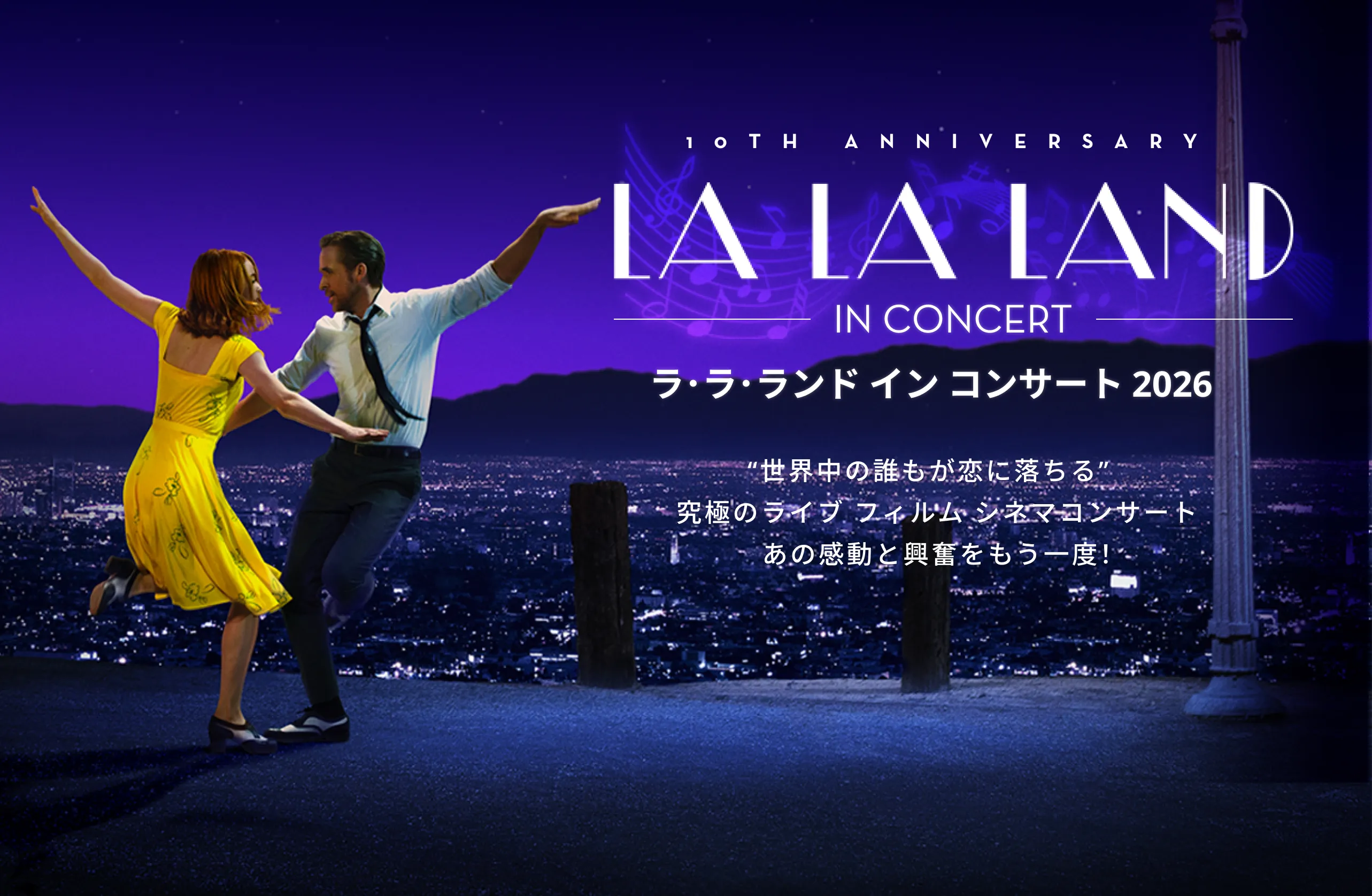
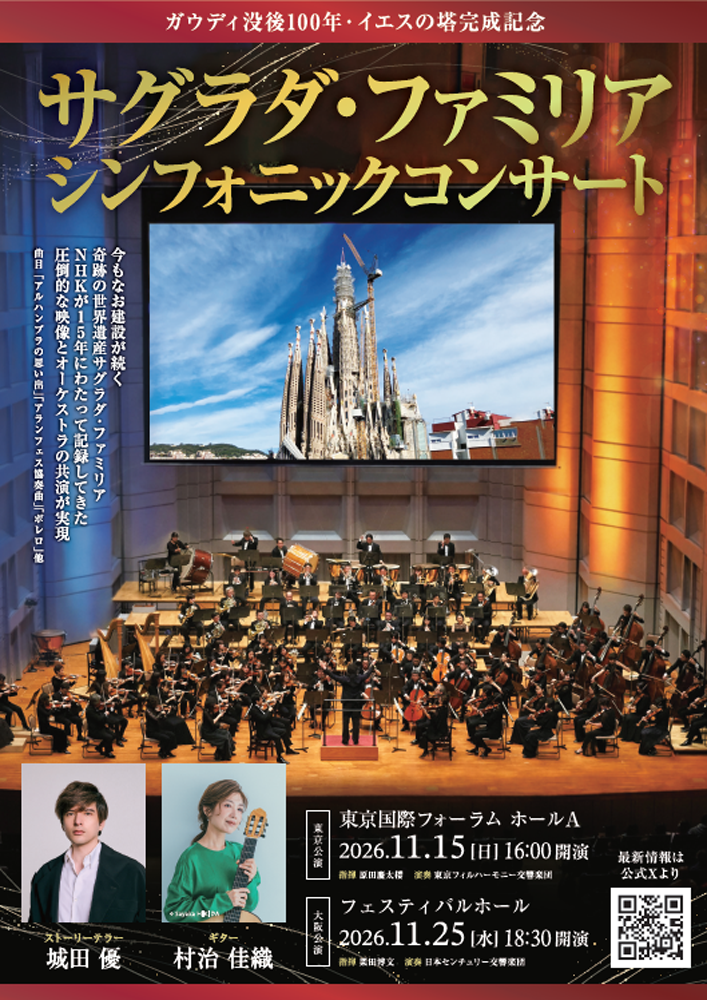
For noh, the Kanze Noh Theatre sits three floors below ground in Ginza Six, a modern hall for one of the oldest schools of noh. Music is close by too. The Tokyo International Forum holds thousands in Hall A for concerts and musicals, and most years in Golden Week it hosts La Folle Journée, a big classical music festival with short, cheap concerts. Oji Hall in Ginza 4-chome is a small hall known for chamber music.
Galleries, department stores and pop-ups
Ginza has more commercial galleries than almost anywhere in Japan, and many cost nothing. Shiseido Gallery, opened in 1919 and said to be the oldest existing gallery in the country, is in the basement of the Shiseido building. Pola Museum Annex is free too, and fashion houses such as Maison Hermes run serious art spaces on their upper floors. Ginza Tsutaya Books in Ginza Six is an art-themed bookshop with its own exhibitions, and the free rooftop garden of Ginza Six is a calm place to sit afterwards.
Ginza Sony Park, rebuilt and reopened in 2025, has no regular shops at all, just rotating exhibitions and events. The department stores, among them Matsuya Ginza and Ginza Mitsukoshi, keep event floors with regional food fairs (bussan-ten), craft sales and small exhibitions that change every week or two. For bigger museum shows, the Mitsubishi Ichigokan Museum and the Artizon Museum are a short walk north towards Tokyo Station.
- Galleries often sit on the fifth or sixth floor of narrow buildings. Look for the small sign by the lift.
- Many galleries close on Sundays or Mondays, and between shows. Check before you make a special trip.
- Food fairs are busiest on the first and last days. Popular stands can sell out by mid-afternoon.
Markets, Hibiya Park and the seasons
The Oedo Antique Market spreads over the open plaza of the Tokyo International Forum on about two weekend dates a month, with around 250 dealers selling old kimono, ceramics, prints and odd treasures. It takes August off because of the heat and does not run in rain (announcements say 雨天中止, cancelled in rain). Go early for the best pieces, and bring cash.
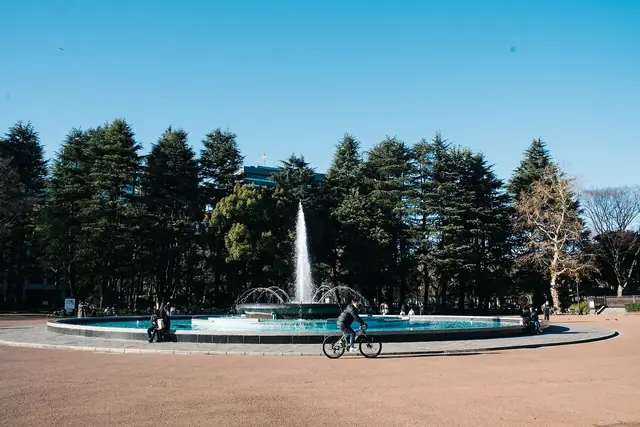
Hibiya Park hosts free weekend events through the warmer months: the Hibiya Music Festival in late spring, food festivals for meat, paella and more, and in some years an Oktoberfest. The park is being rebuilt in stages until about 2033, and the old open-air concert hall (Yaon) closed after September 2025 for rebuilding, so event spaces move around. The Tokyo Christmas Market started here in 2015 before moving to other parks.
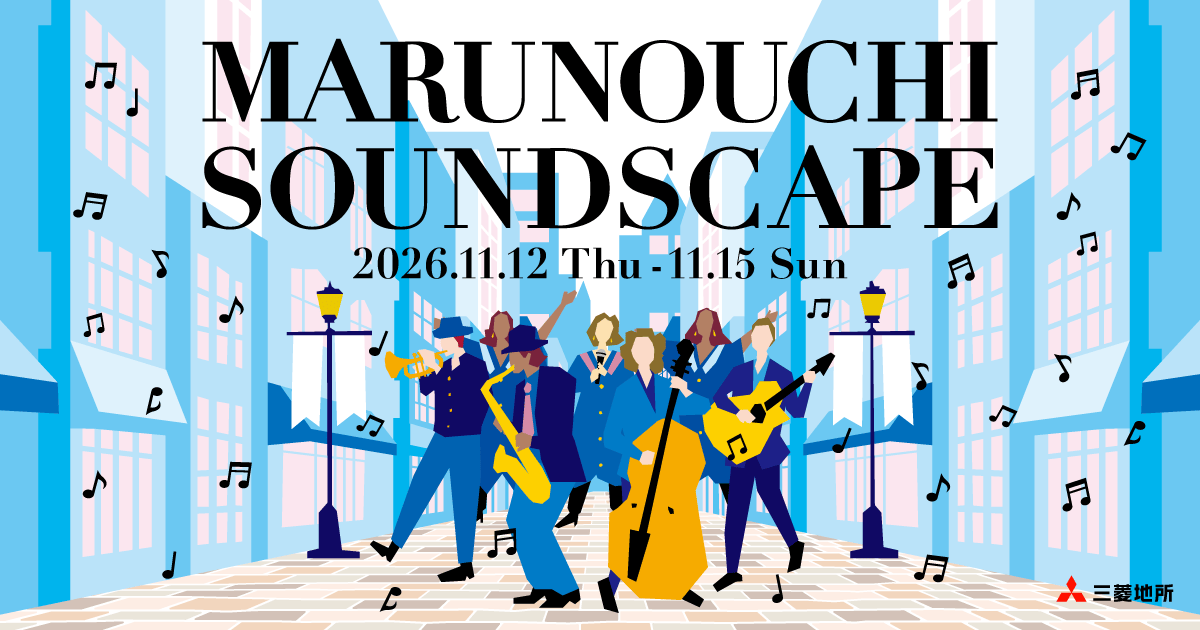
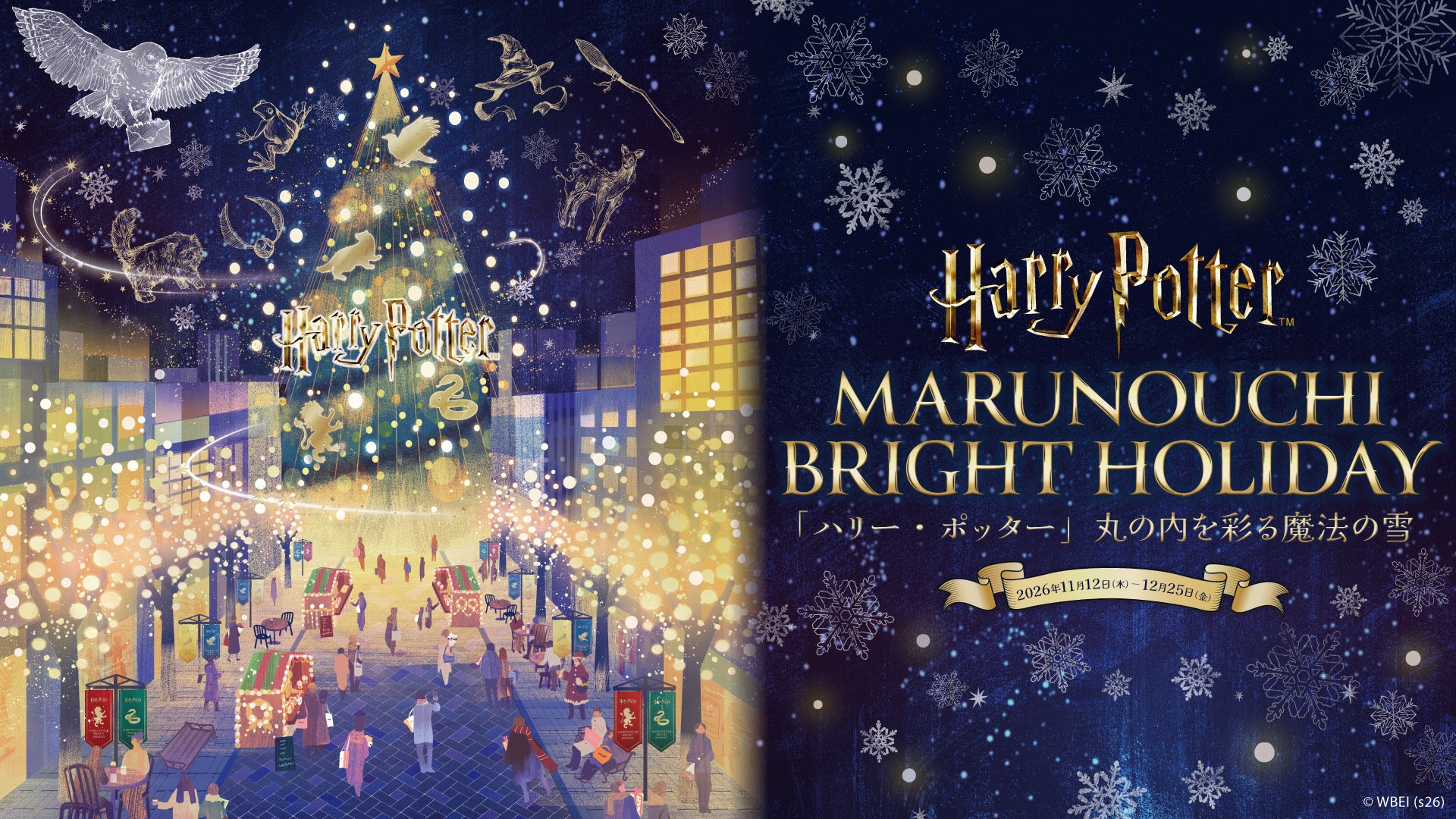
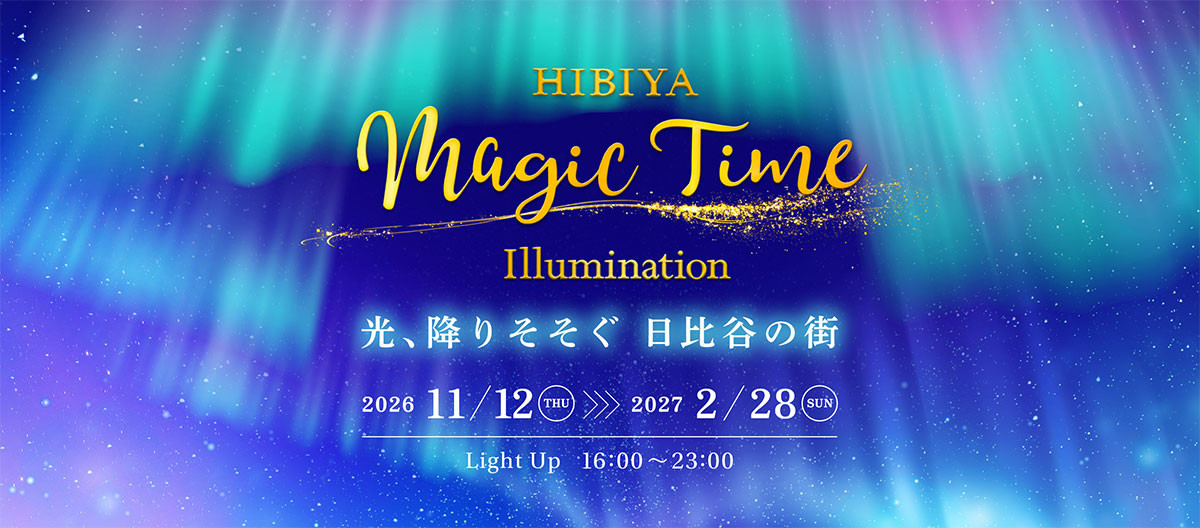
In early August the Ginza street association holds Yukata de Ginbura, an evening when people stroll Ginza in yukata. In winter the lights go up around Tokyo Midtown Hibiya, and Marunouchi Naka-dori, a few minutes north, is one of the classic illumination walks.
- At the antique market, ask before you photograph a dealer's stock.
- Hibiya Park festivals usually sell food by ticket or cash at each stall. Small coins make it quicker.
Getting there and spending the day
Ginza Station is on the Ginza, Marunouchi and Hibiya lines, Yurakucho Station on the JR Yamanote and Keihin-Tohoku lines and the Yurakucho Line, and Hibiya Station on the Hibiya, Chiyoda and Toei Mita lines. Use Higashi-Ginza for Kabukiza. Underground passages connect most of them, which helps on rainy days, and Tokyo Station is a 10 to 15-minute walk from Yurakucho.
Ginza is pricey at dinner but good value at lunch, when many restaurants serve set menus, and the department store food halls (depachika) are perfect for a picnic in Hibiya Park. In the evening, the bars under the tracks between Yurakucho and Shimbashi, including the arches of Hibiya OKUROJI, are cheap and lively. Some old places take cash only. The Tsukiji Outer Market is a short walk from Higashi-Ginza if you want breakfast before a morning event.