Paying: IC cards and cash
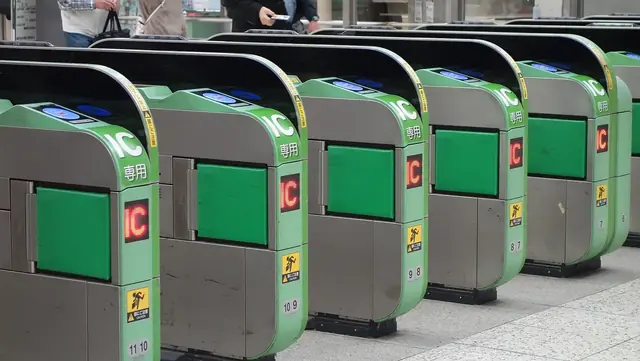
Get an IC card on day one. Suica and PASMO work the same way: tap in and out on trains and buses, and pay at convenience stores, many vending machines, station shops and newer coin lockers. Physical Suica and PASMO cards went back on general sale in 2025 after a long chip shortage. Visitors can also buy a Welcome Suica at the airports and at large JR stations: it needs no deposit and is valid for 28 days. On an iPhone you can skip the plastic and add a Suica or PASMO to Apple Wallet, or use JR East's Welcome Suica Mobile app made for overseas visitors.
Cash is the part people underestimate. Food stalls at festivals, flea markets, small craft fairs, shrine offerings and many door sales at small venues are cash only, or take only Japanese payment apps. Carry a few thousand yen in small notes and coins, because a stall holder may not have change for a 10,000 yen note early in the day. ATMs inside 7-Eleven stores accept most foreign cards and are open late.
- Top up your IC card before you head to a big event. The ticket machines at the nearest station get long queues afterwards.
- Keep coins for shrine offerings, lockers and drink vending machines.
Lockers, trash, toilets and smoking
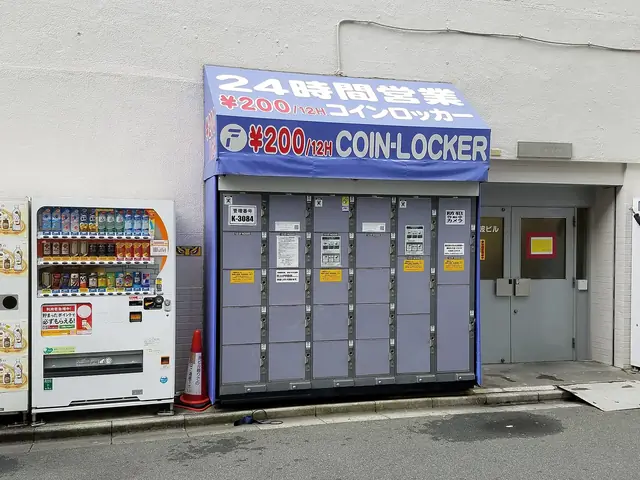
Coin lockers are in almost every station. Small ones (the most common) take a daypack, medium ones take a carry-on, and only the few large ones take a full-size suitcase. On event days the lockers at the nearest station fill up first, so use one at a bigger station on the way, or book space in a shop through a luggage app such as ecbo cloak. Lockers charge per calendar day, so leaving a bag past midnight costs a second day.
Public trash bins are rare in Tokyo, and the city still stays clean because people carry their rubbish home. Bring a small bag for wrappers and bottles. Big festivals set up temporary trash stations where you sort burnables, plastic bottles and cans; the bins outside convenience stores are meant for things bought there. Toilets are free and easy to find in stations, department stores, parks and many convenience stores (ask at the counter). At outdoor events the temporary toilets get long queues, so go before the main act, and carry pocket tissues and a small towel, since not every toilet has a dryer.
Smoking on the street is banned across most of central Tokyo. Use the marked smoking areas (喫煙所), usually near station exits, and at festivals look for the smoking corner. Most restaurants have been non-smoking indoors since 2020.
Queues, tickets and manners
People queue for everything, and staff often hold a sign reading 最後尾 to mark the end of the line: join behind it. For popular pop-ups, limited goods or free events with limited space, organisers hand out numbered tickets (整理券) at a set time, and you come back when your number or time slot is called. At live houses your ticket usually carries an entry number (整理番号), and staff call people in by number, so arriving early does not help if your number is high.
On trains, keep your voice low and do not take phone calls; set your phone to silent. In crowded carriages wear your backpack on the front or put it on the rack. At concerts, theatre and many exhibitions photos and video are not allowed unless staff say otherwise, and a 撮影禁止 sign means no photos at all. At festivals you can photograph the parade and the stalls freely, but ask before taking close-ups of people, and do not stop in the middle of a crowded path to shoot. Drones are banned in Tokyo's metropolitan parks and at almost every event.
- When a lottery or a numbered ticket is involved, the official page explains the exact steps. Read it the day before.
- Eating while walking is fine at festivals and stall streets, less so on ordinary shopping streets and trains.
Heat, cold, earthquakes and getting home
Summer is the hard season. From July to early September it is hot and humid well into the evening, and the government issues heatstroke alerts (熱中症警戒アラート) on the worst days. Drink before you are thirsty, wear a hat, and buy a cold drink from one of the vending machines that stand on nearly every corner. Winter is dry and sunny but cold after dark, and at night events you mostly stand still, so dress warmer than the temperature suggests. If rain is forecast, check the event page in the morning: outdoor events say clearly whether they go ahead.
Earthquakes are a fact of life here. If one strikes, phones sound a loud alert, and inside a venue you should protect your head, stay put and follow staff instructions rather than rushing for the exit. The Safety tips app from the Japan Tourism Agency sends earthquake, tsunami and weather warnings in many languages, and the Japan Visitor Hotline (050-3816-2787) answers in English, Chinese and Korean around the clock. The emergency numbers are 110 for police and 119 for fire and ambulance. Last trains leave around midnight, so for late shows plan your way home before you go.
Cheat sheet: Japanese words on posters and tickets
Event posters and ticket pages pack the key information into short set phrases. Most English pages skip them, so it pays to recognise the common ones. The reading is in brackets.
- 入場無料 (nyūjō muryō): free entry.
- 要予約 (yō yoyaku): booking required. Turning up without one usually does not work.
- 予約不要 (yoyaku fuyō): no booking needed, just come.
- 前売り (maeuri): advance ticket, often a little cheaper than on the day.
- 当日券 (tōjitsuken): tickets sold on the day, at the door, while they last.
- 整理券 (seiriken): numbered ticket handed out to control entry. Come back at the time shown on it.
- 先着順 (senchaku-jun): first come, first served.
- 抽選 (chūsen): lottery. You apply first, and winners are told later.
- 完売 (kanbai): sold out. You will also see 売り切れ (urikire).
- 雨天中止 (uten chūshi): cancelled if it rains.
- 雨天決行 (uten kekkō): goes ahead even in rain.
- 小雨決行 (kosame kekkō): goes ahead in light rain; heavy rain may still cancel it.
- 荒天中止 (kōten chūshi): cancelled in stormy weather, such as a typhoon.
- 雨天順延 (uten jun'en): postponed to a backup day if it rains. Common for fireworks.
- 再入場不可 (sainyūjō fuka): no re-entry once you leave.
- 撮影禁止 (satsuei kinshi): no photos or video.
- 開場 / 開演 (kaijō / kaien): doors open / show starts.
- 最寄り駅 (moyori-eki): nearest station.