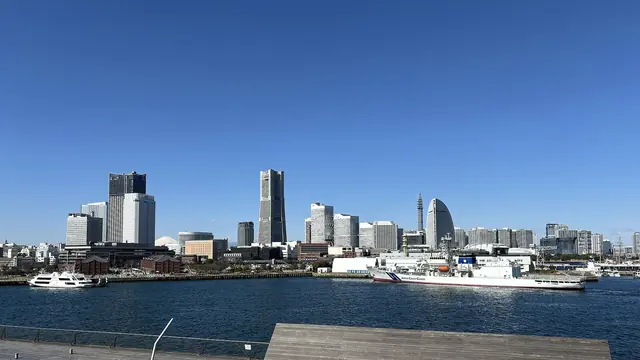
Minato Mirai: arenas and halls by the water
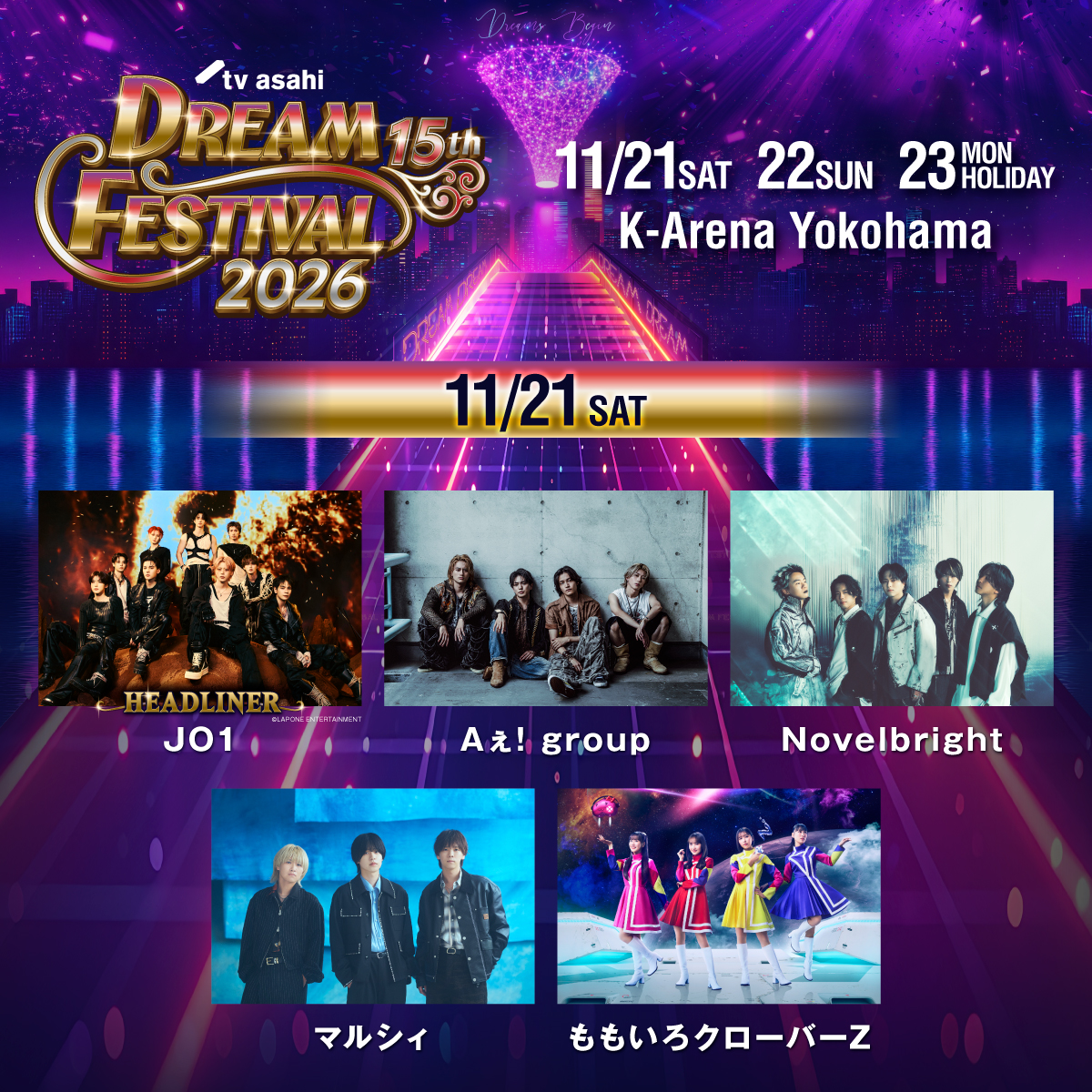
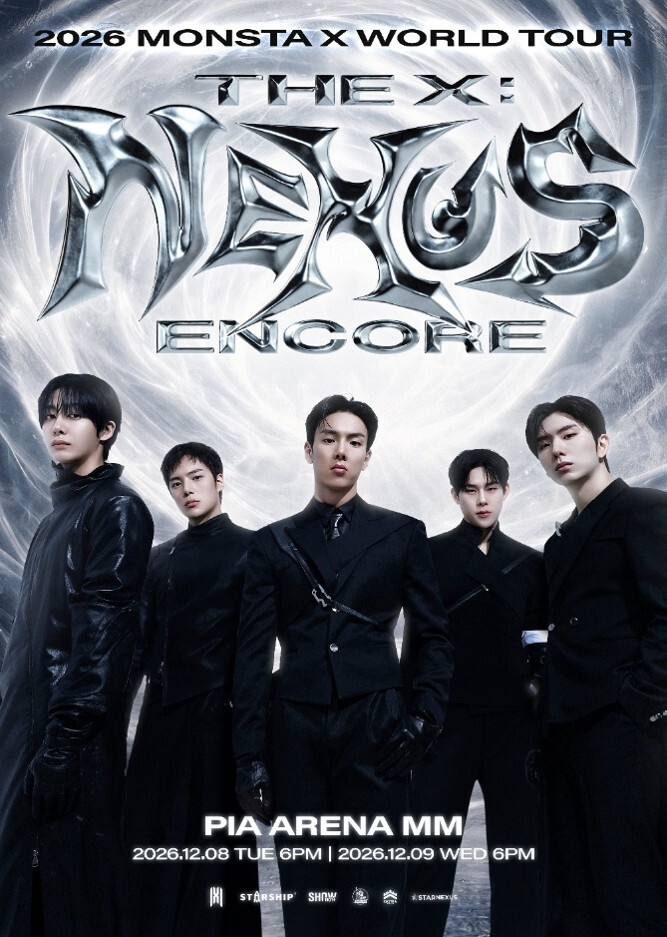
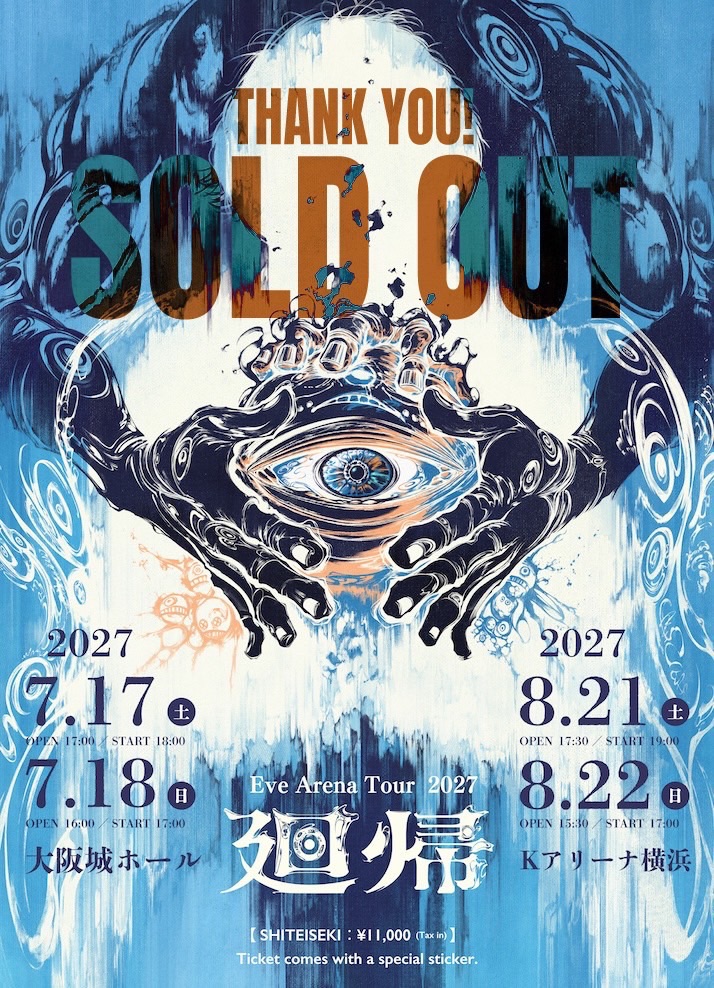
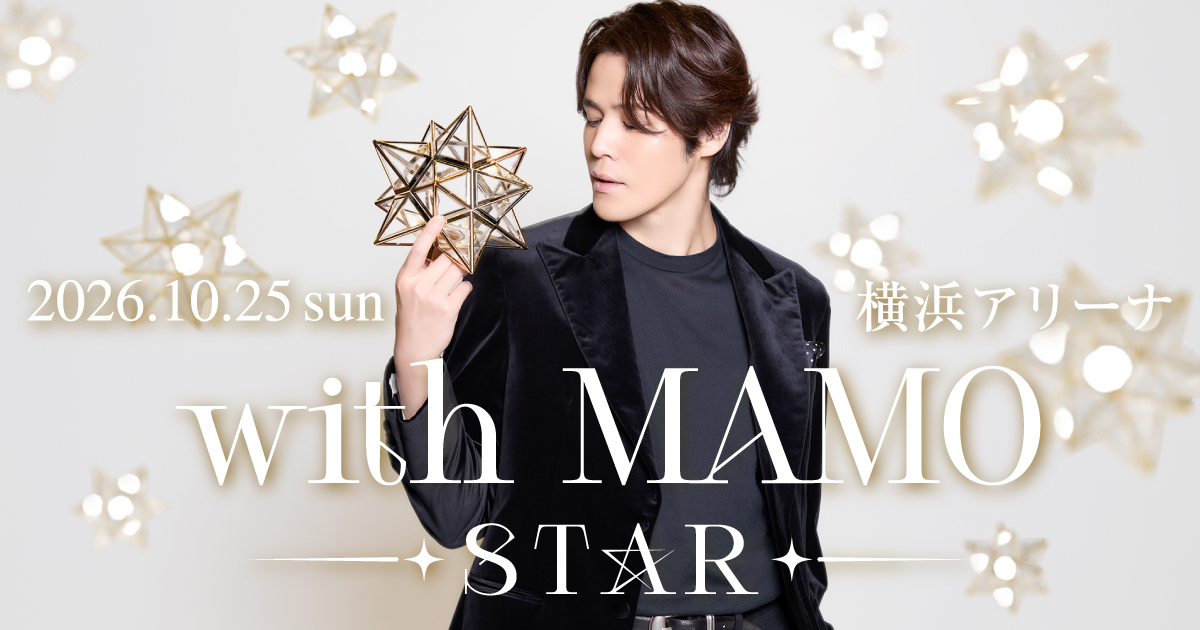
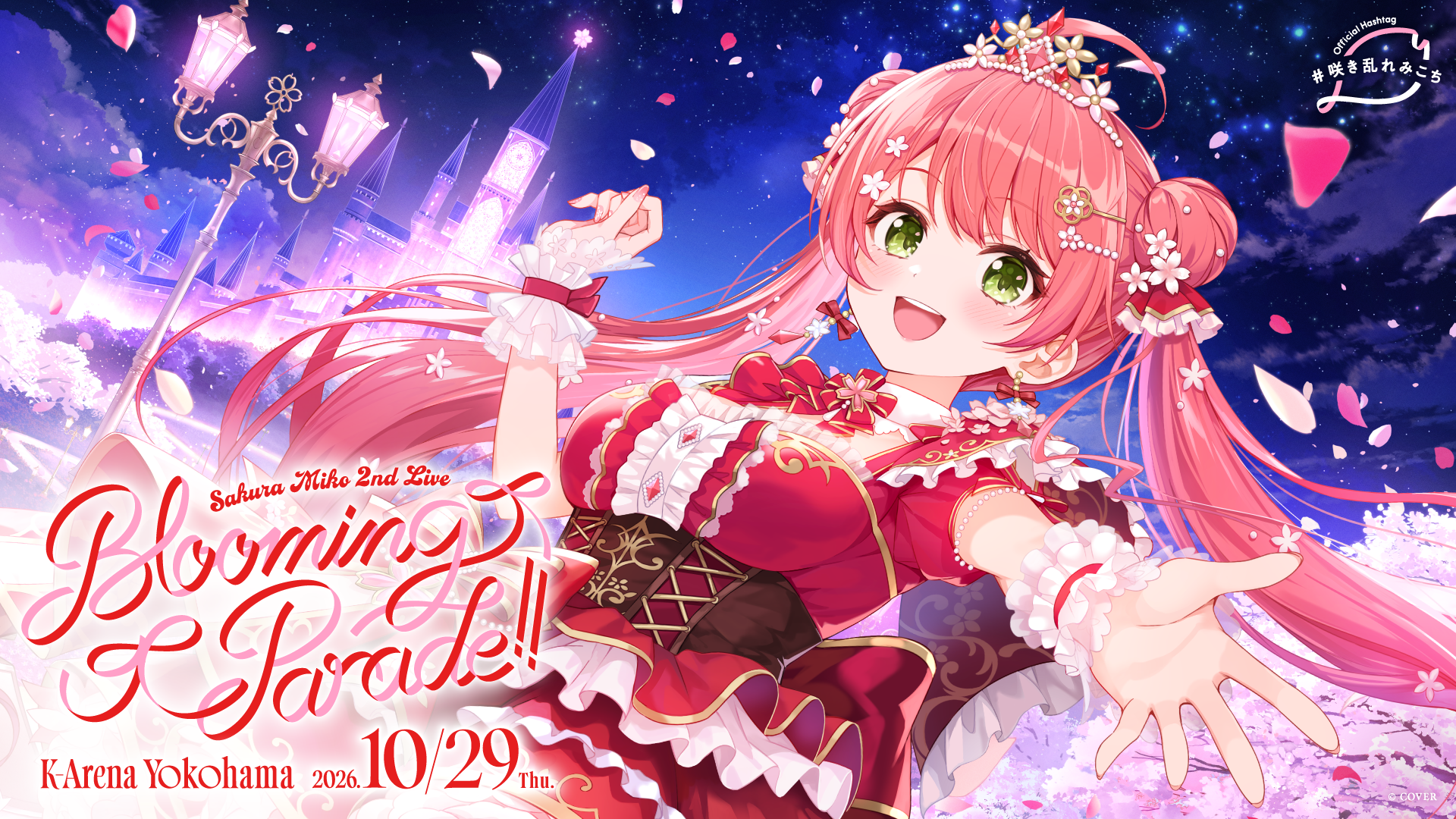
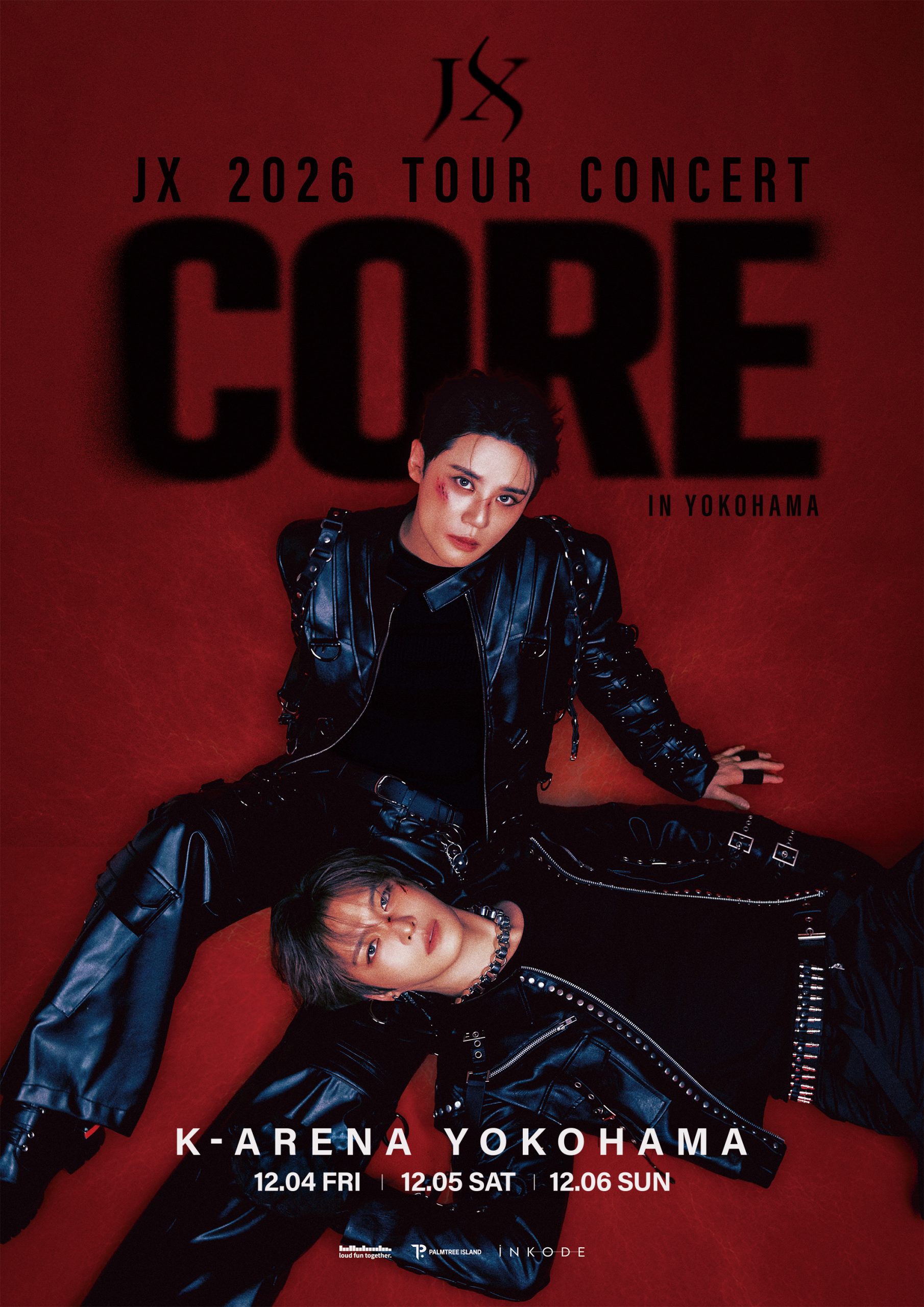
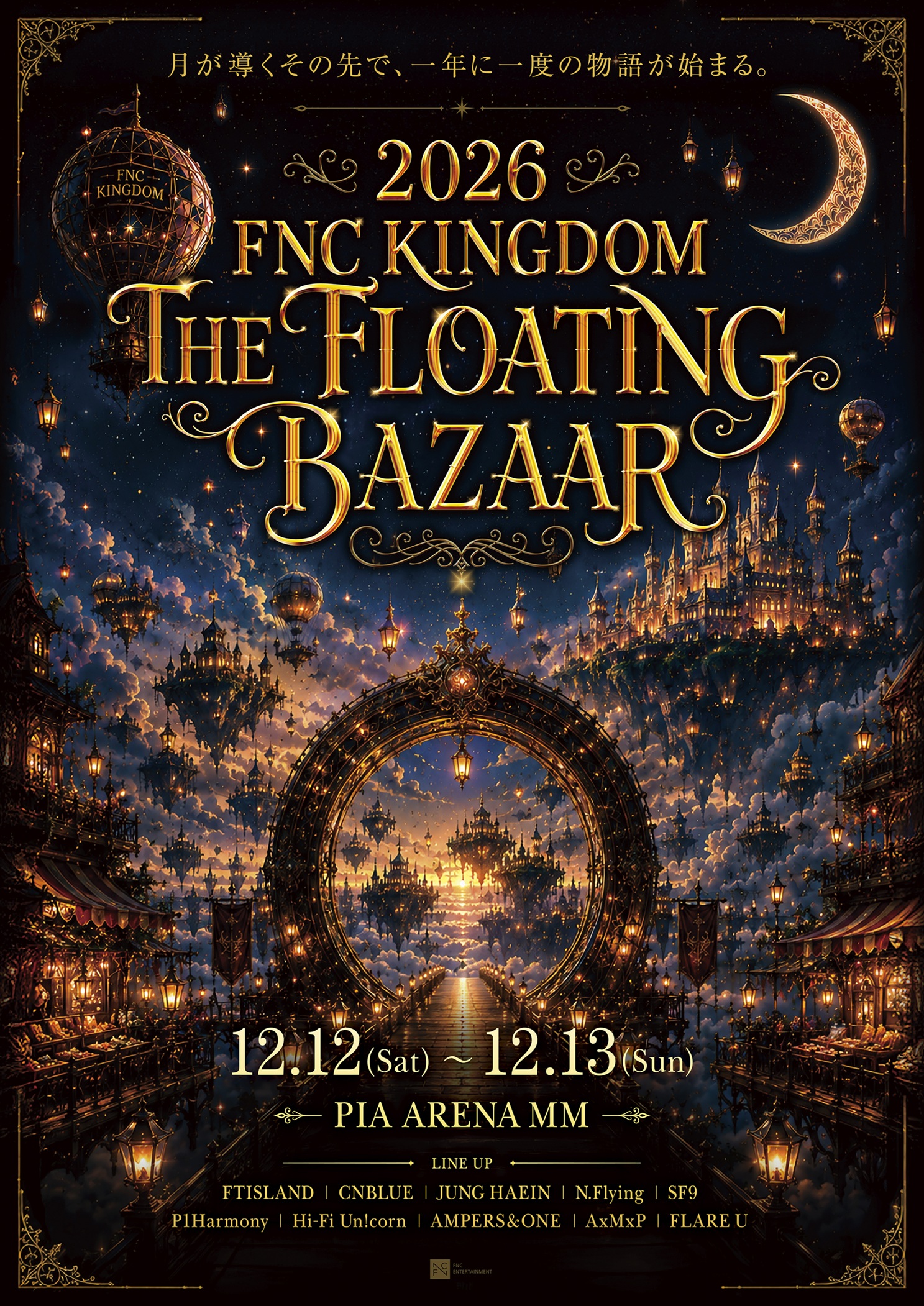
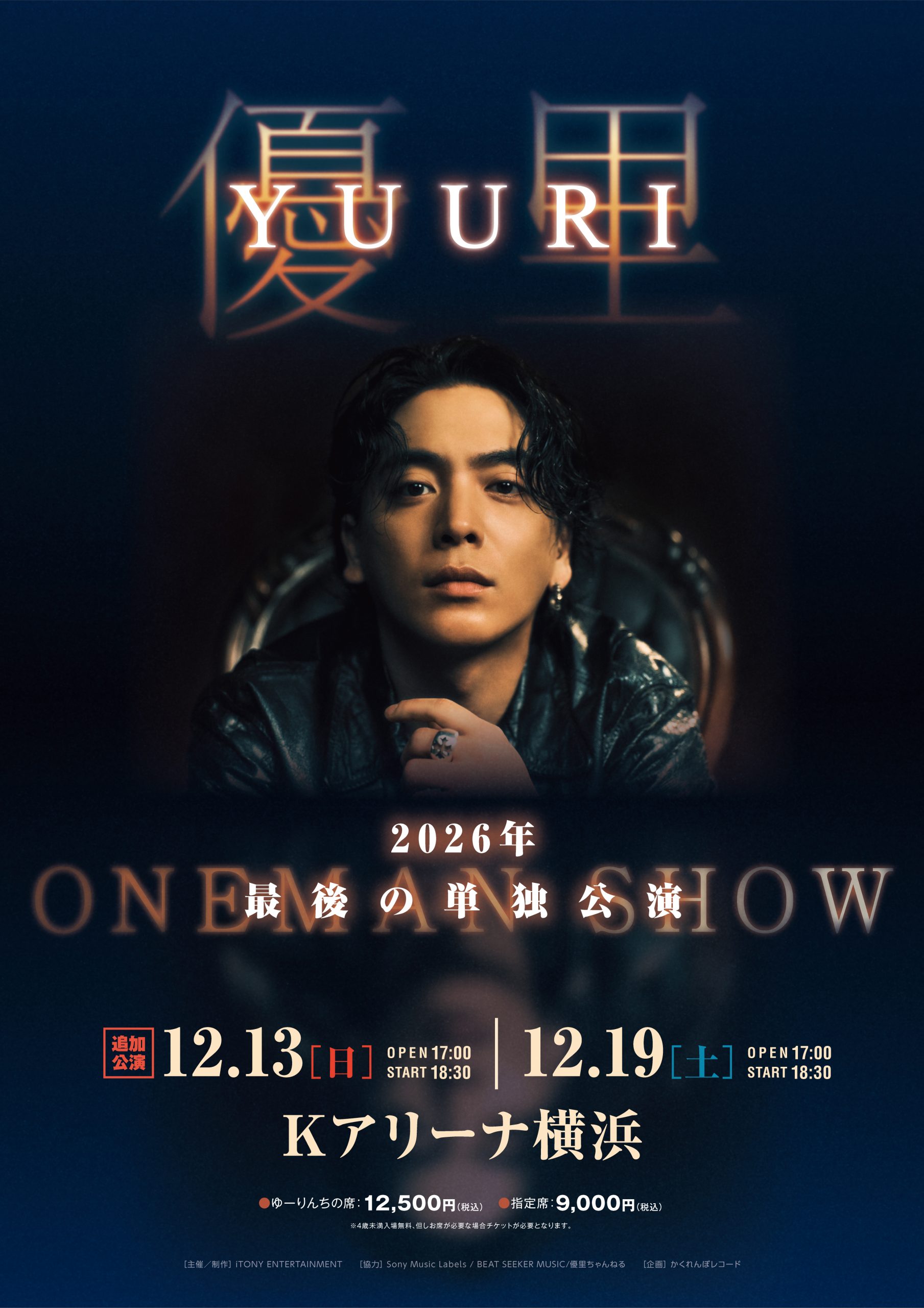
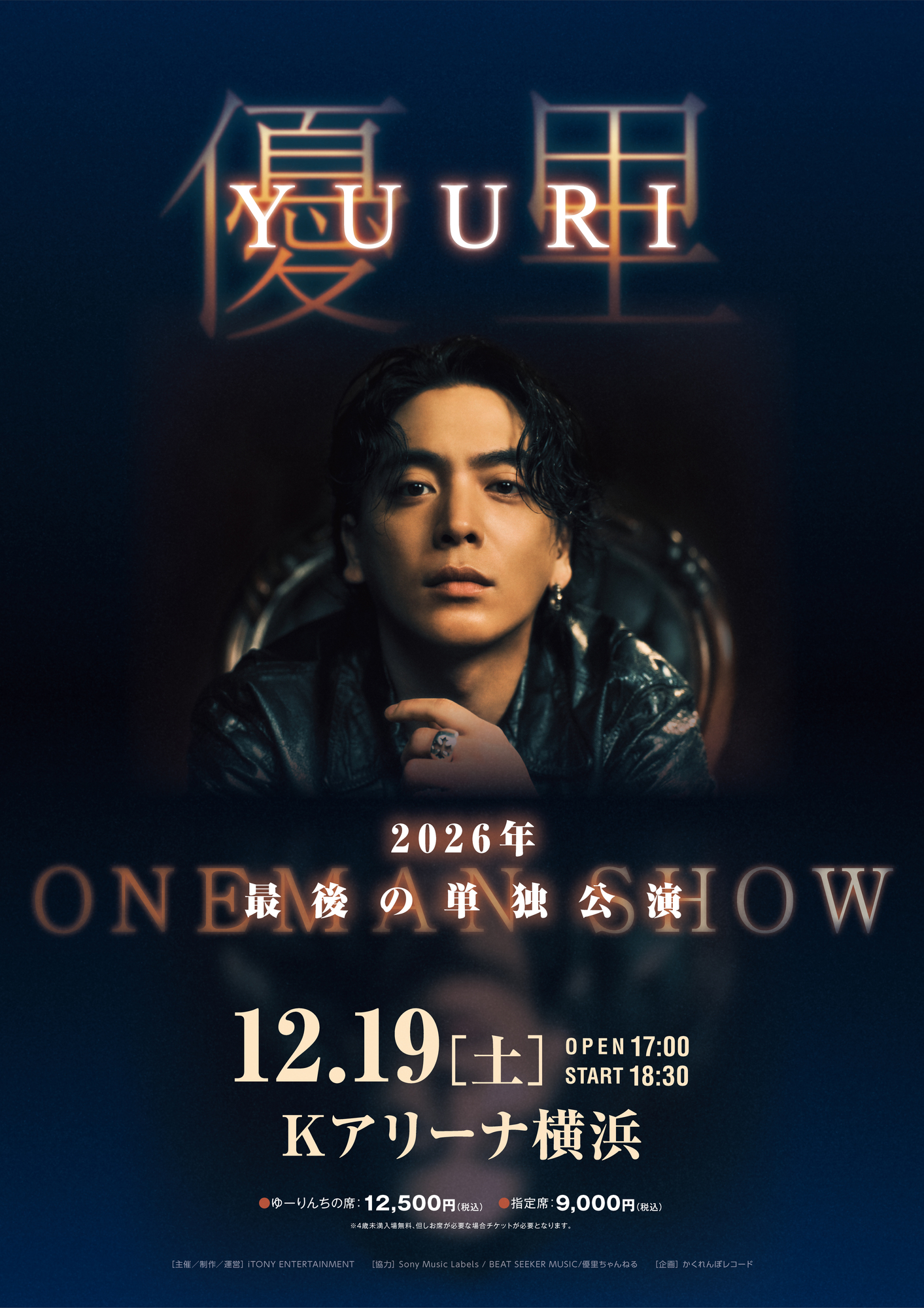
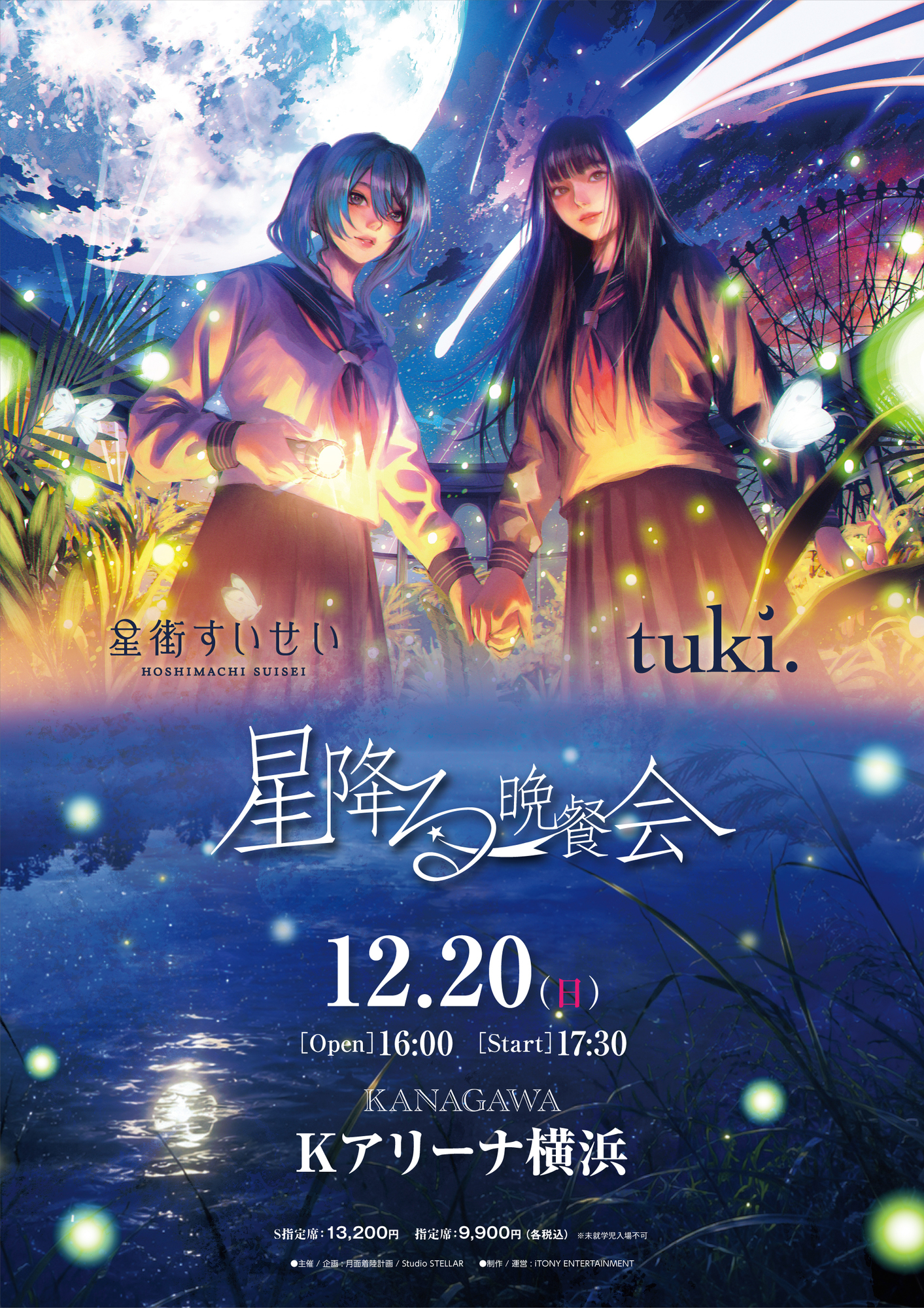
Minato Mirai is the waterfront district between Yokohama Station and Sakuragicho. K-Arena Yokohama, with about 20,000 seats, was built for music only and is around five minutes on foot from Shin-Takashima Station on the Minatomirai Line, or a bit over ten from Yokohama Station. Pia Arena MM, with about 12,000, sits between Minatomirai Station and Sakuragicho and has no car park, so everyone arrives by train.
Pacifico Yokohama, near Minatomirai Station, is a large convention centre with exhibition halls and the National Convention Hall, used for trade shows, fan conventions and concerts. Before a show, the Yokohama Air Cabin ropeway from Sakuragicho and the harbour promenade fill the time nicely.
- After a big show the nearest station limits entry. Walking 10 to 15 minutes to Yokohama Station or Sakuragicho is often faster.
Red Brick Warehouse, Yamashita Park and the harbour year
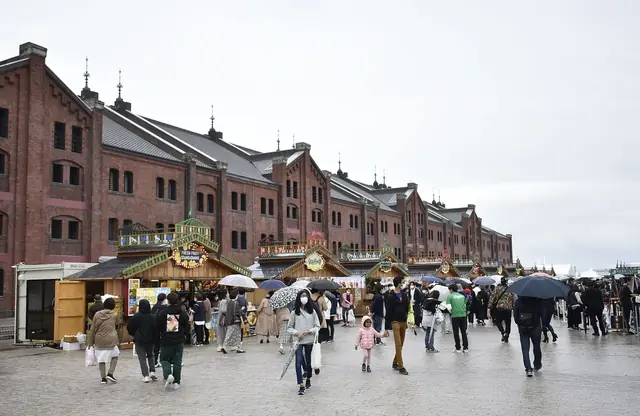
The Red Brick Warehouse is a pair of restored customs warehouses on the waterfront, with an event plaza in front that is busy almost every weekend. Its Oktoberfest has run every autumn since 2003, and the German-style Christmas market usually runs from late November until Christmas Day. A short walk east, Yamashita Park follows the seafront, with a rose garden close by and the Hikawa Maru moored alongside, a prewar ocean liner and Important Cultural Property that you can board.
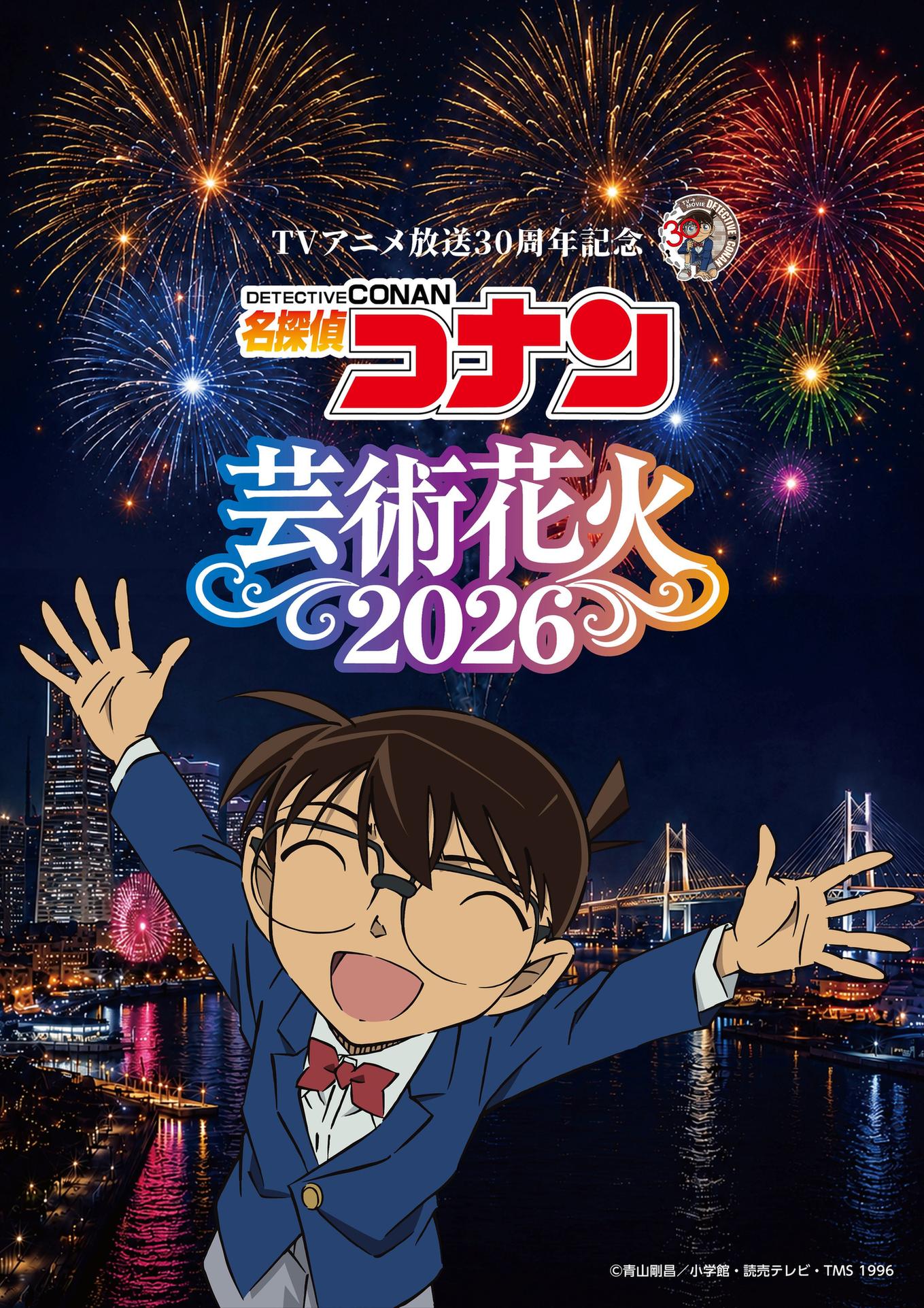
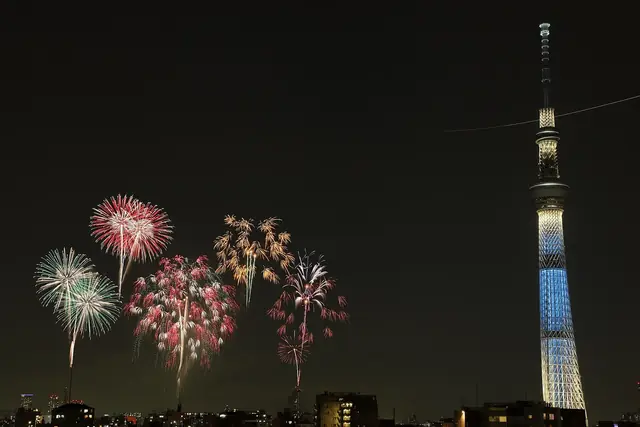
The harbour has its own calendar. The Yokohama Port Opening Festival celebrates the port's anniversary on June 2 and usually ends with a show of fireworks and lights over the water. In summer, usually in August, the Minato Mirai fireworks pack around 20,000 shells set to music into well under half an hour. In early October the Yokohama Jazz Promenade fills halls, clubs and street corners around Kannai with jazz, and many of the street gigs are free.
- For harbour fireworks you can usually watch for free from the waterfront, but paid seats near the launch site are sold for the best views.
- The wind off the harbour makes winter evenings feel colder than in central Tokyo. Bring a warm layer for the Christmas market.
Chinatown and Sankeien
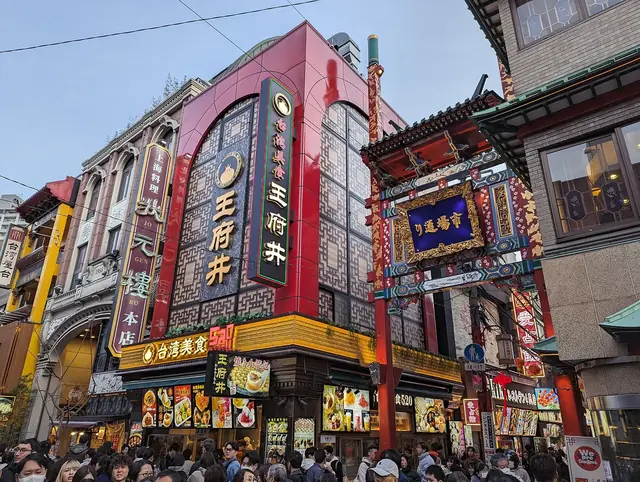
Yokohama Chinatown, one of the largest in Japan, sits between Motomachi-Chukagai Station on the Minatomirai Line and Ishikawacho Station on JR. At its heart are two temples: Kanteibyo, dedicated to Guan Yu and traced back to a small shrine from 1862, and Masobyo, dedicated to the sea goddess Mazu. Chinatown has celebrated Chinese New Year (Shunsetsu) since 1986, following the lunar calendar, so it falls in late January or February: a countdown at the temples on the eve, lion dances that call at shops along the streets with drums and firecrackers, and a lantern festival to close the season.
Sankeien, in the south of the city, is a large Japanese garden created by the silk merchant Hara Sankei, with around 17 historic buildings moved from Kyoto, Kamakura and elsewhere, including a three-storey pagoda on the hill above the pond. It is at its best with spring cherry blossoms (with evening light-ups in some years) and autumn leaves. City buses run there from the east exit of Yokohama Station (about 40 minutes) or from Negishi Station.
- Chinatown restaurants have long queues on weekend afternoons. Eat early or late, or graze at the street stalls.
- During Chinese New Year the lion dances move through the streets, and the narrow lanes get crowded. Keep children close.
Baseball and stadium shows
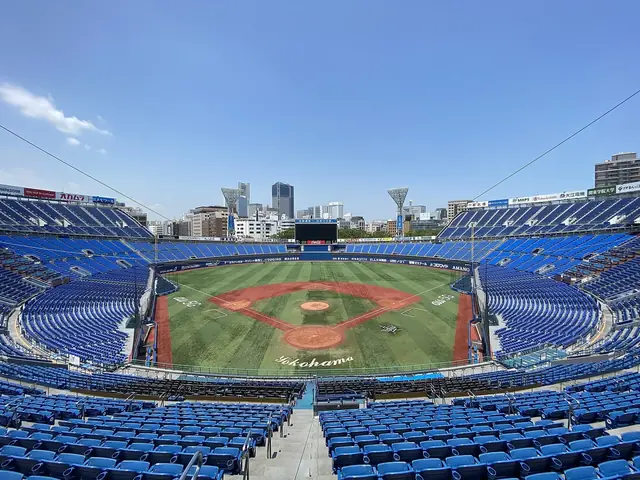
Yokohama Stadium, in Yokohama Park, is the home of the Yokohama DeNA BayStars and a fine place to see Japanese baseball, with loud, organised cheering. It is about three minutes on foot from Kannai Station (JR and the Blue Line subway) or Nihon-odori Station on the Minatomirai Line, close to Chinatown and the harbour.
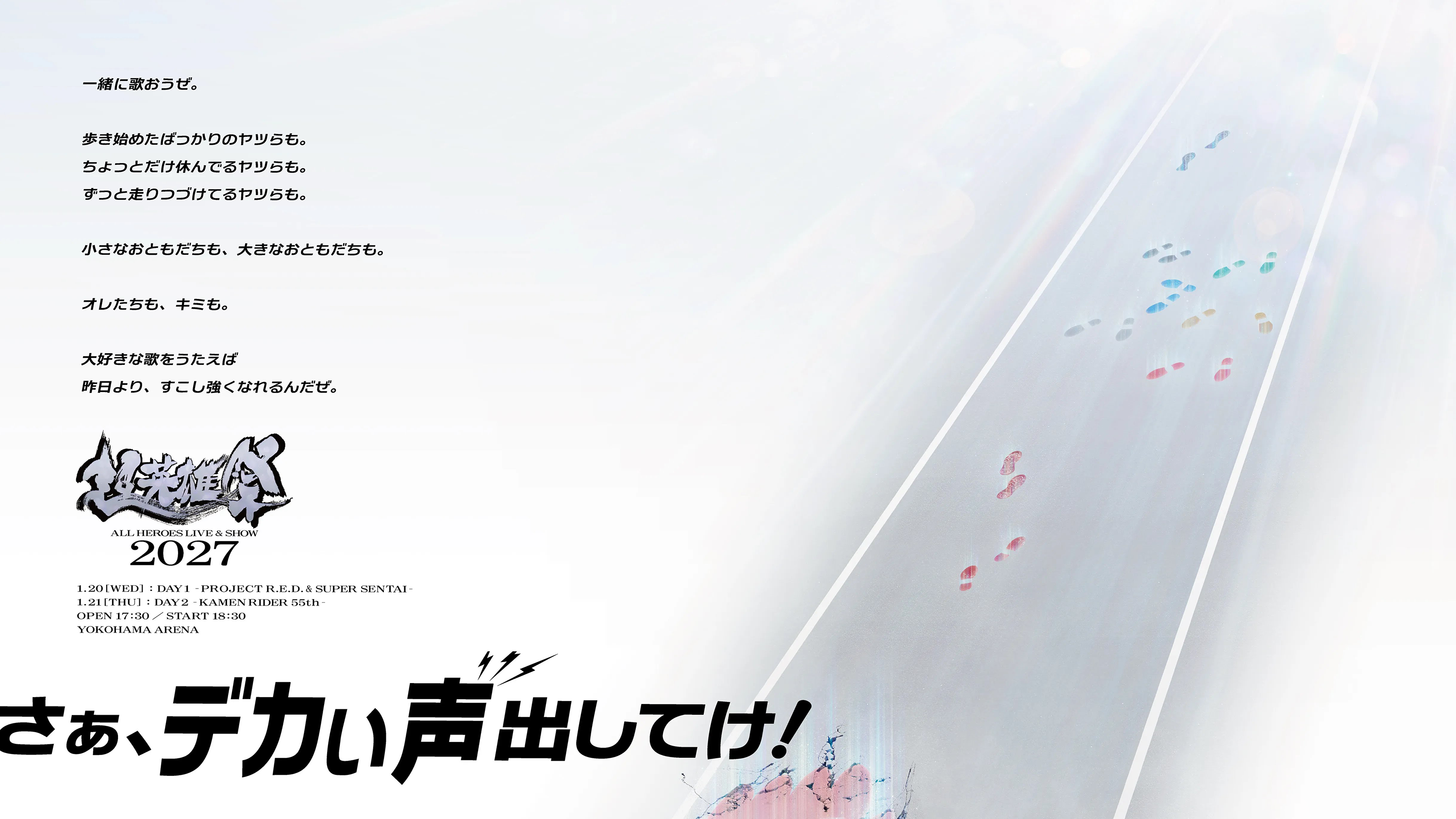
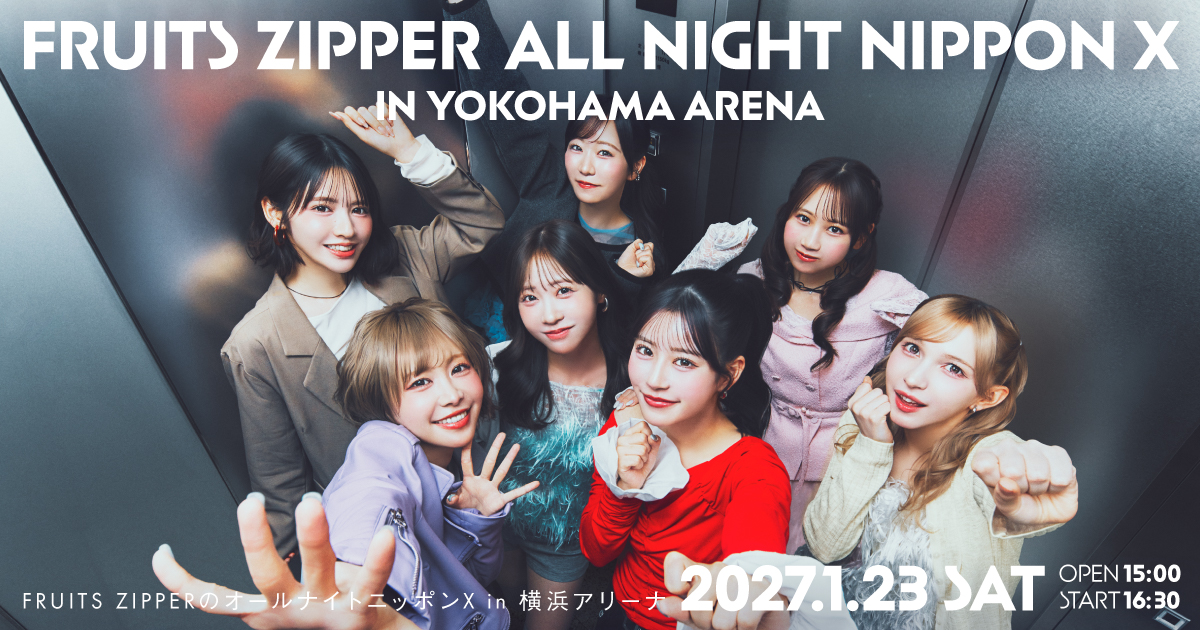
Nissan Stadium in Shin-Yokohama is the largest stadium in Japan, with about 72,000 seats. It is the home of the football club Yokohama F. Marinos and hosts the biggest stadium tours in summer. It is around 12 to 14 minutes on foot from Shin-Yokohama Station, a Shinkansen stop, or about seven minutes from Kozukue Station on the JR Yokohama Line. Yokohama Arena, a long-running concert venue, is also in Shin-Yokohama.
- After a stadium concert, Kozukue and Shin-Yokohama stations both get queues. Decide in advance which one you will use.
Getting there and getting back
From Shibuya, the Tokyu Toyoko Line runs straight onto the Minatomirai Line, so one train takes you to Minatomirai, Nihon-odori and Motomachi-Chukagai, and many trains from the Fukutoshin Line (Ikebukuro, Shinjuku-sanchome) continue the same way. From Tokyo or Shinagawa, JR Tokaido, Yokosuka and Keihin-Tohoku trains reach Yokohama Station, and the Shonan-Shinjuku Line runs from Shinjuku and Shibuya. The Keihin-Tohoku and Negishi trains continue to Sakuragicho, Kannai and Ishikawacho, which is handy for the harbour and Chinatown.
The Minatomirai Line is run by a separate company, so expect a small extra fare when you ride through from Yokohama Station. On big event nights, check the last train back to your hotel before the show starts.