Where to go out
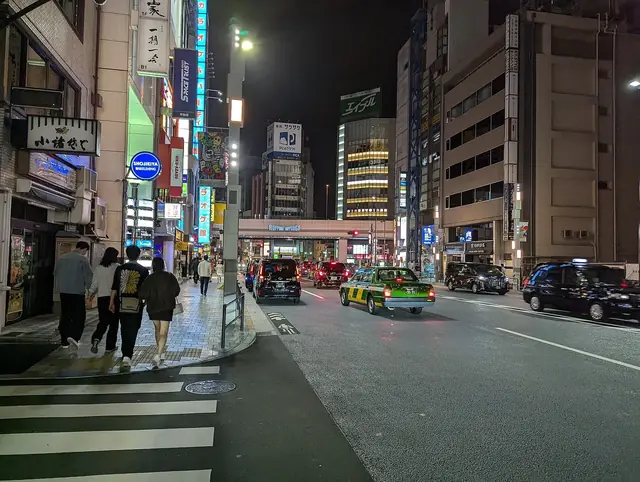
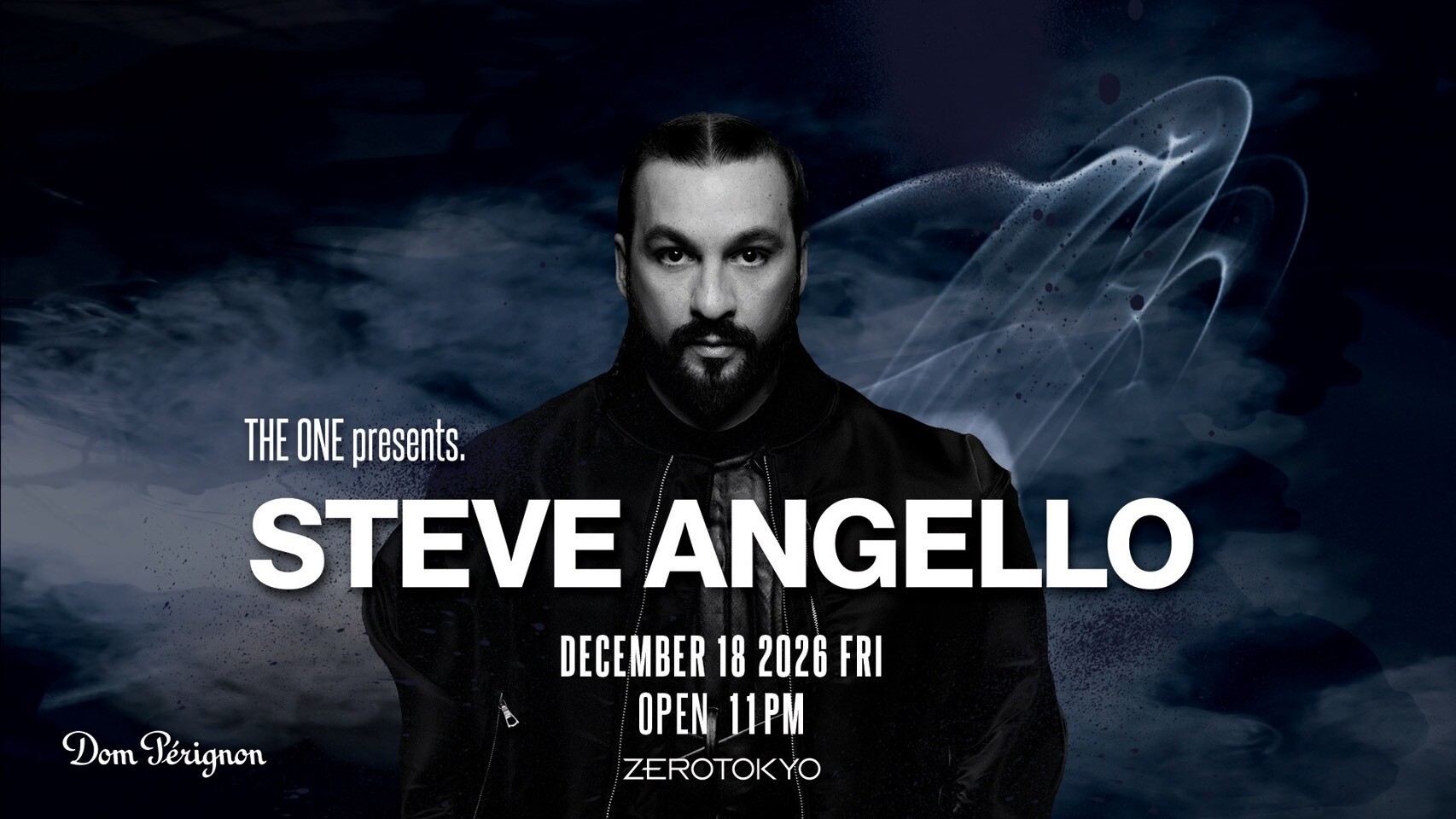
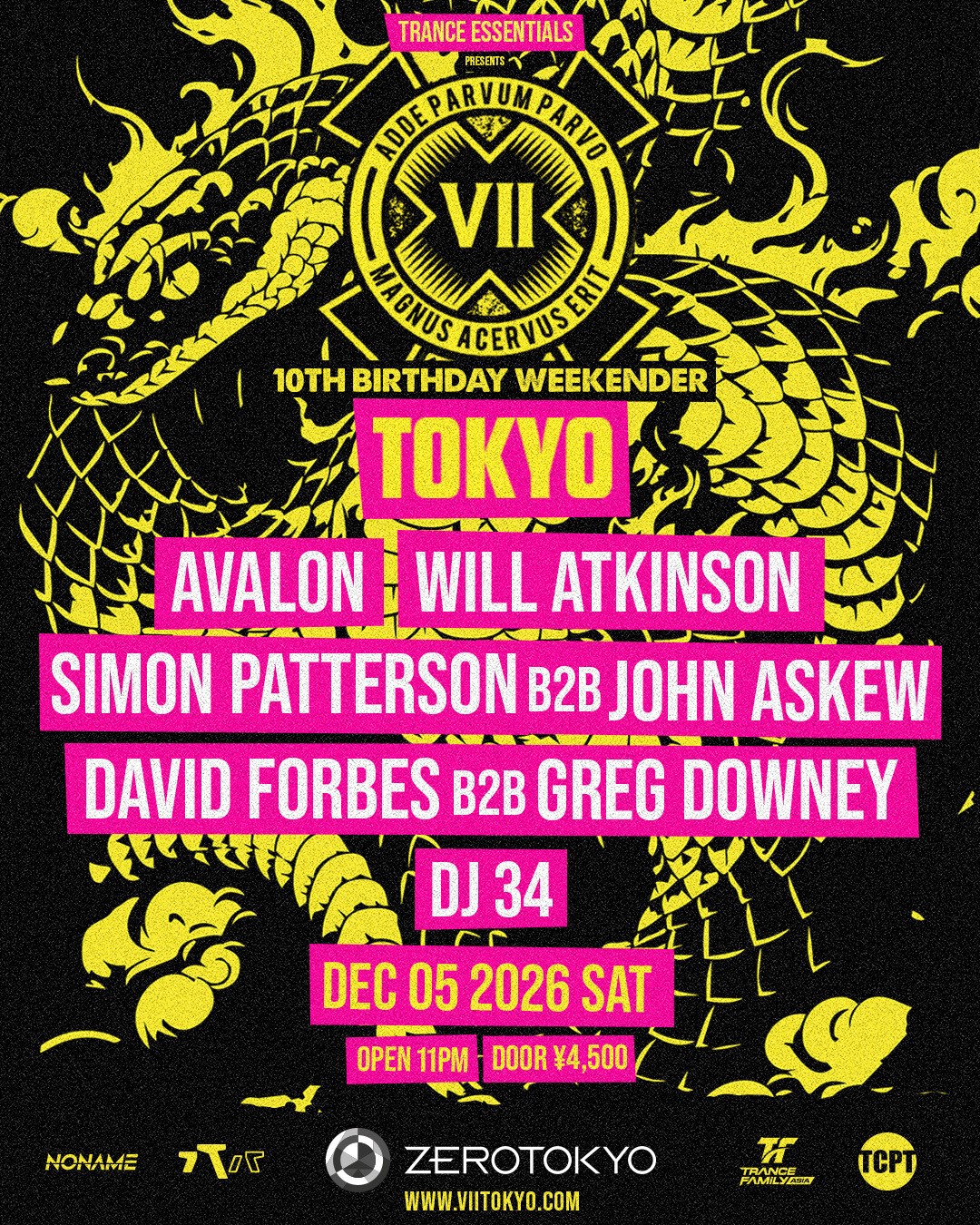
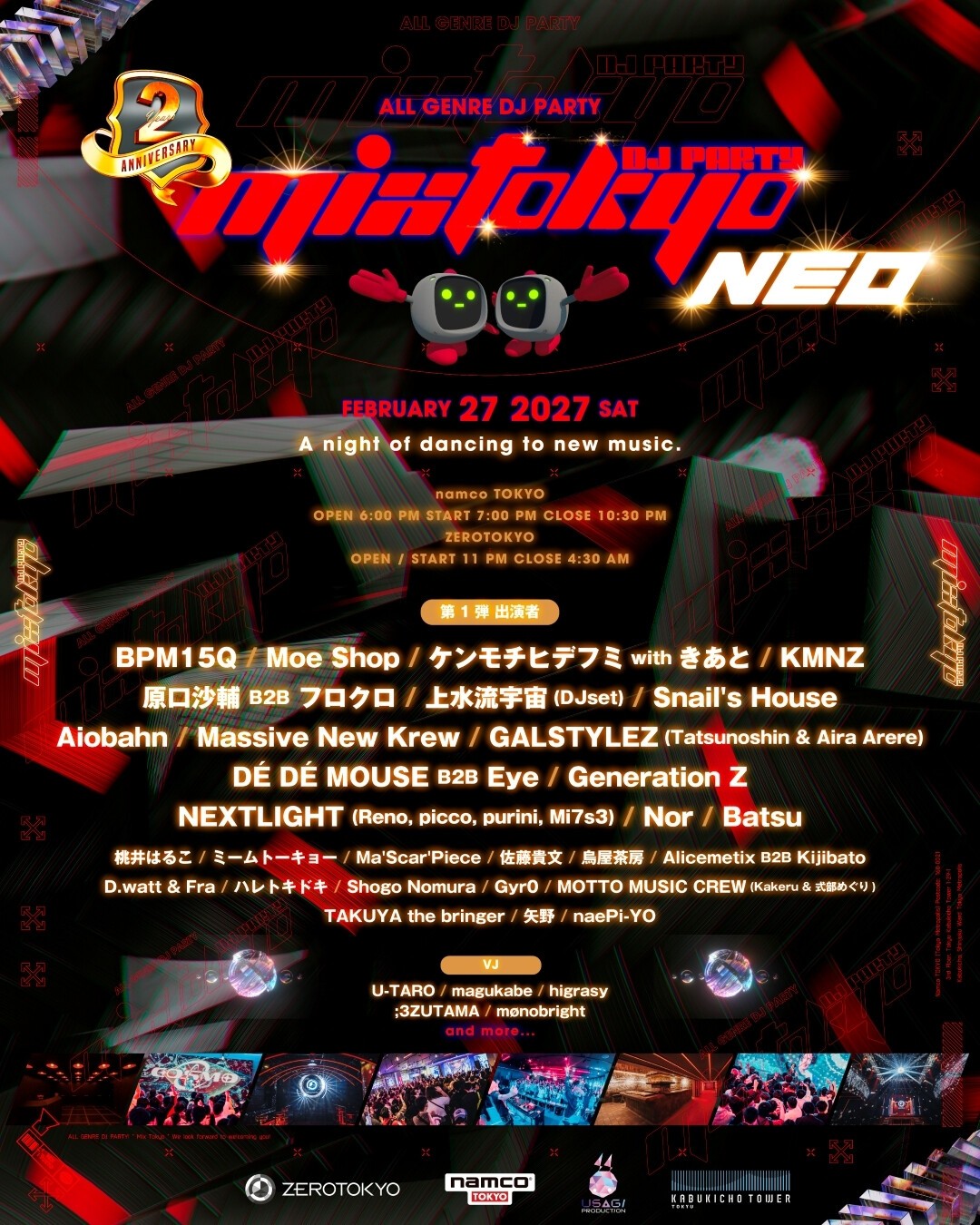
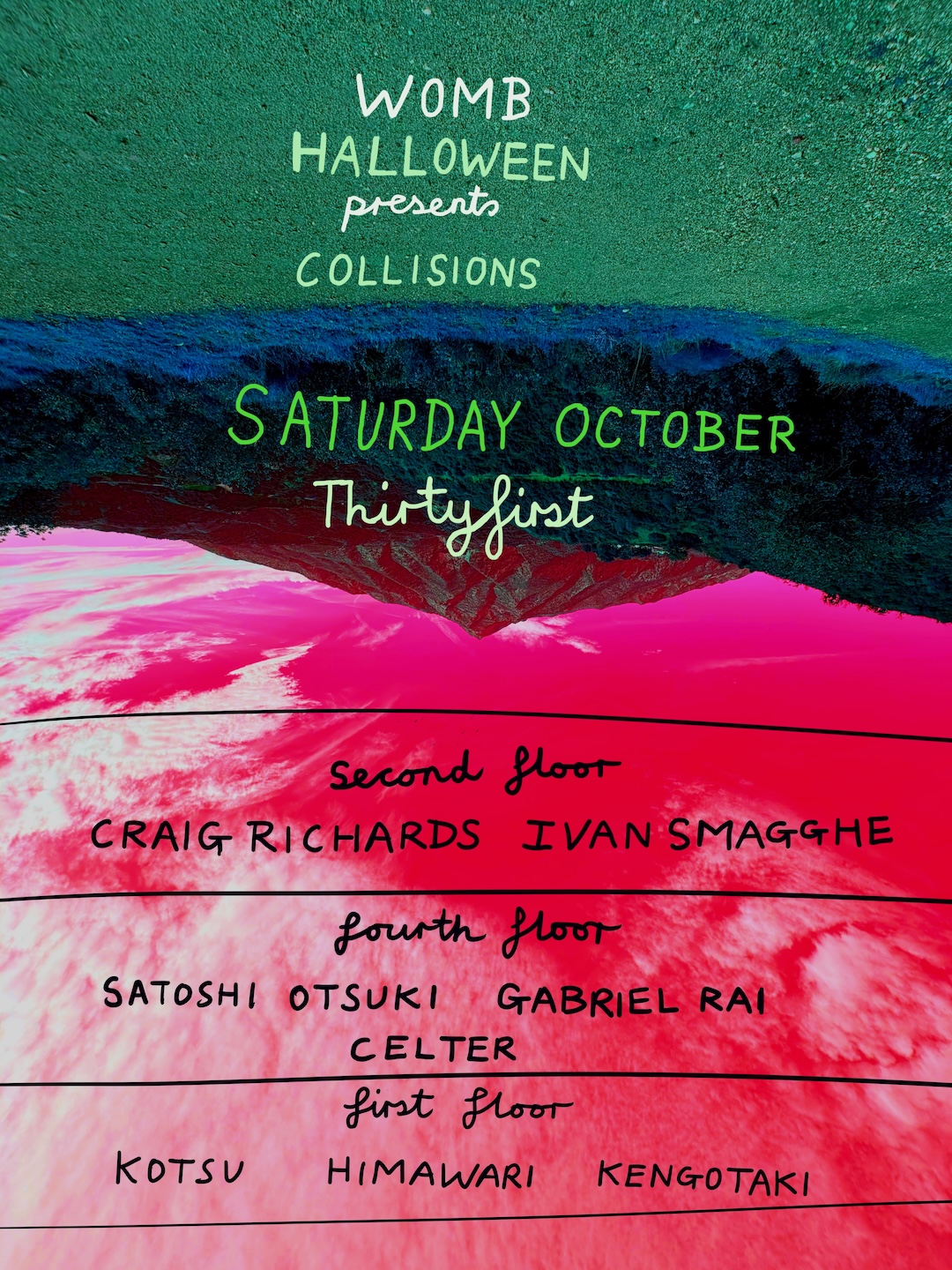
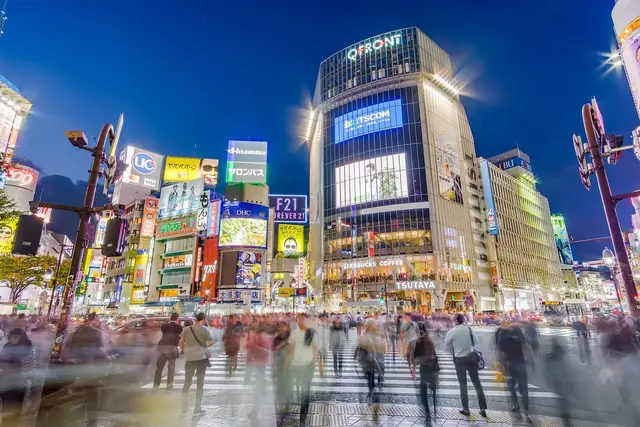
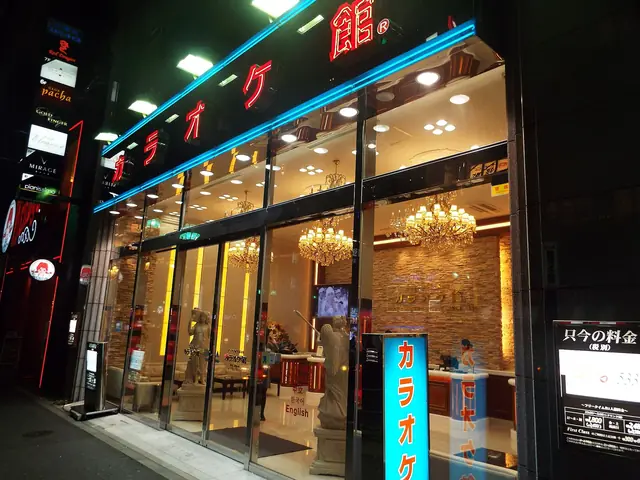
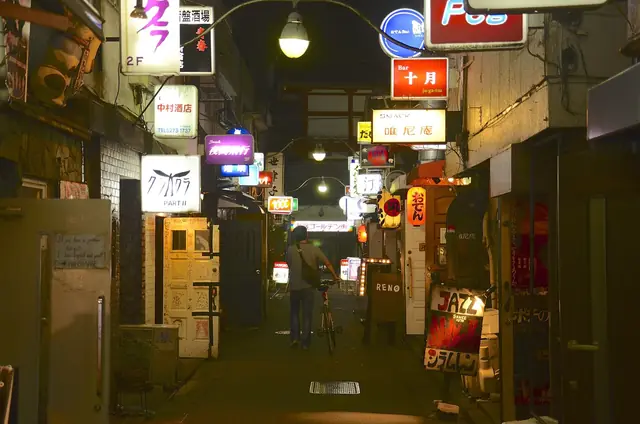
Shibuya is the centre of club culture. Around Dogenzaka and Maruyamacho, up the hill from the station, there are large clubs such as WOMB, a long-running techno and house venue, along with smaller clubs and DJ bars where local scenes meet. Roppongi is louder and more international: big commercial clubs and late bars that draw tourists, expats and office parties. Shinjuku has two sides. Kabukicho is the entertainment district, home to Zero Tokyo inside Kabukicho Tower, while Golden Gai next door is a few lanes of bars that seat only a handful of people each. Shinjuku Ni-chome, a short walk away, is Tokyo's best-known LGBTQ+ bar area.
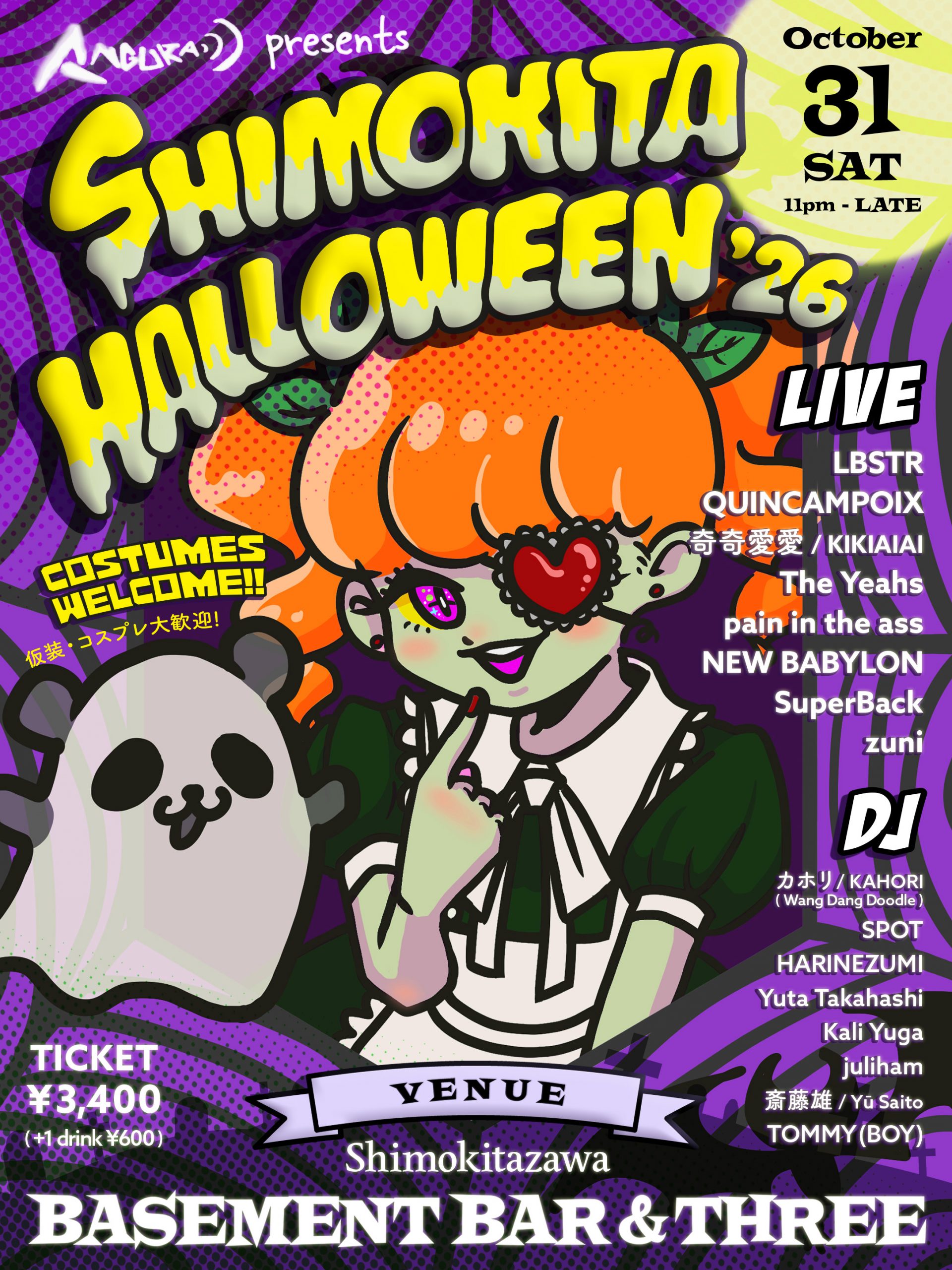
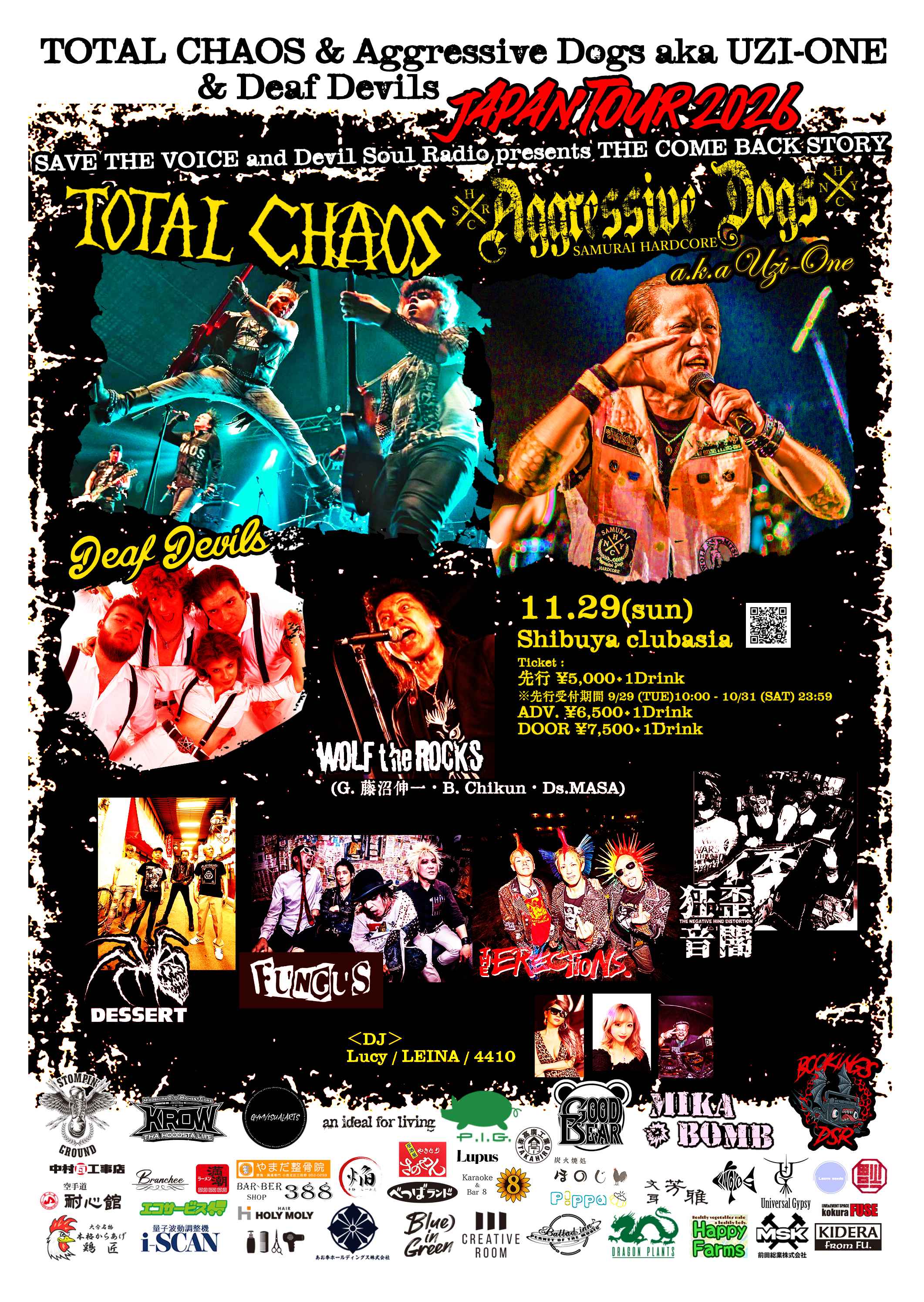
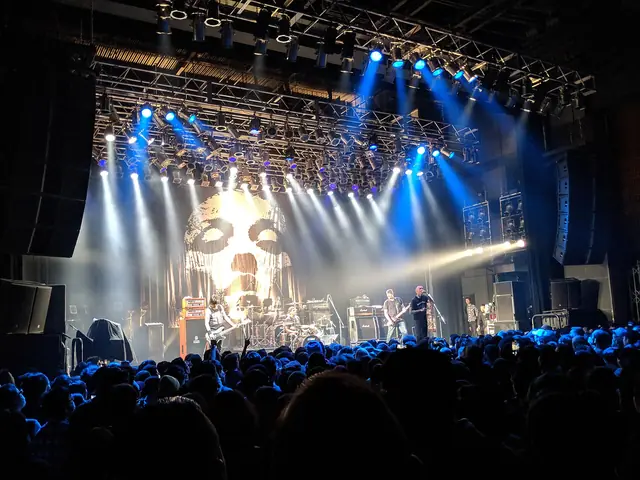
For live music, head west. Shimokitazawa and Koenji are full of small live houses, record shops and music bars, with indie, punk, rock and experimental bands playing most nights. Shimokitazawa's SHELTER is one of the best-known basements, and Koenji is often called the home of Japanese punk.
How clubs work: ID, dress, cover and drinks
Bring your original passport. The drinking age in Japan is 20 and almost every club checks photo ID at the door with no exceptions. Many do not accept photocopies or phone photos, and some do not accept foreign driving licences, so a residence card or passport is the safe choice. Dress is usually smart casual: clean shoes and a shirt rather than sandals and a tank top. Some big clubs refuse visible tattoos or very casual wear, so check the club's page if you are unsure.
Most clubs charge a cover at the door, often with one drink ticket included. Advance tickets, guest lists or arriving before a set time are often cheaper, and some clubs have a discount for women. You swap the drink ticket at the bar and pay for anything more. Larger clubs have coin lockers or a cloakroom, which matters in winter. Most clubs do not allow photos or videos on the dance floor, especially at underground nights, so keep your phone in your pocket unless you see others filming.
- Carry the original ID, not a copy. Being turned away at 1am with no train home is a long night.
- Some clubs list the door price on their site or event page. Check it so the cover is not a surprise.
Last trains, all-night events and the 2016 law change
Tokyo's trains stop around midnight to half past midnight and start again around 5am. That shapes the whole night: people either leave before the last train or stay out until the first one. Events marked all night (オールナイト) are built for the second option, usually starting around 11pm and closing at about 5am. Taxis run all night but are expensive across the city, and manga cafés or capsule hotels are the usual fallback.
Dancing all night is legal, though that is fairly recent. For decades an old entertainment business law restricted dancing in venues after midnight, and in the early 2010s police raided several clubs. A revised law that took effect in June 2016 created a licence for late-night entertainment restaurants, so licensed clubs in designated areas can now let people dance and drink after midnight. Under-18s cannot enter these venues late at night, and clubs set their own 20+ rule anyway.
- Check your last train before you go out. Apps like Google Maps show it, and lines differ by a few minutes.
- Coin lockers at big stations are a good place for a bag if the club has no cloakroom.
Live houses and the drink charge
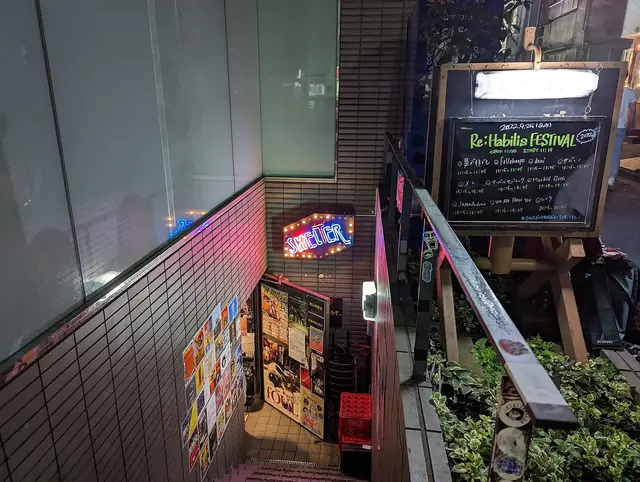
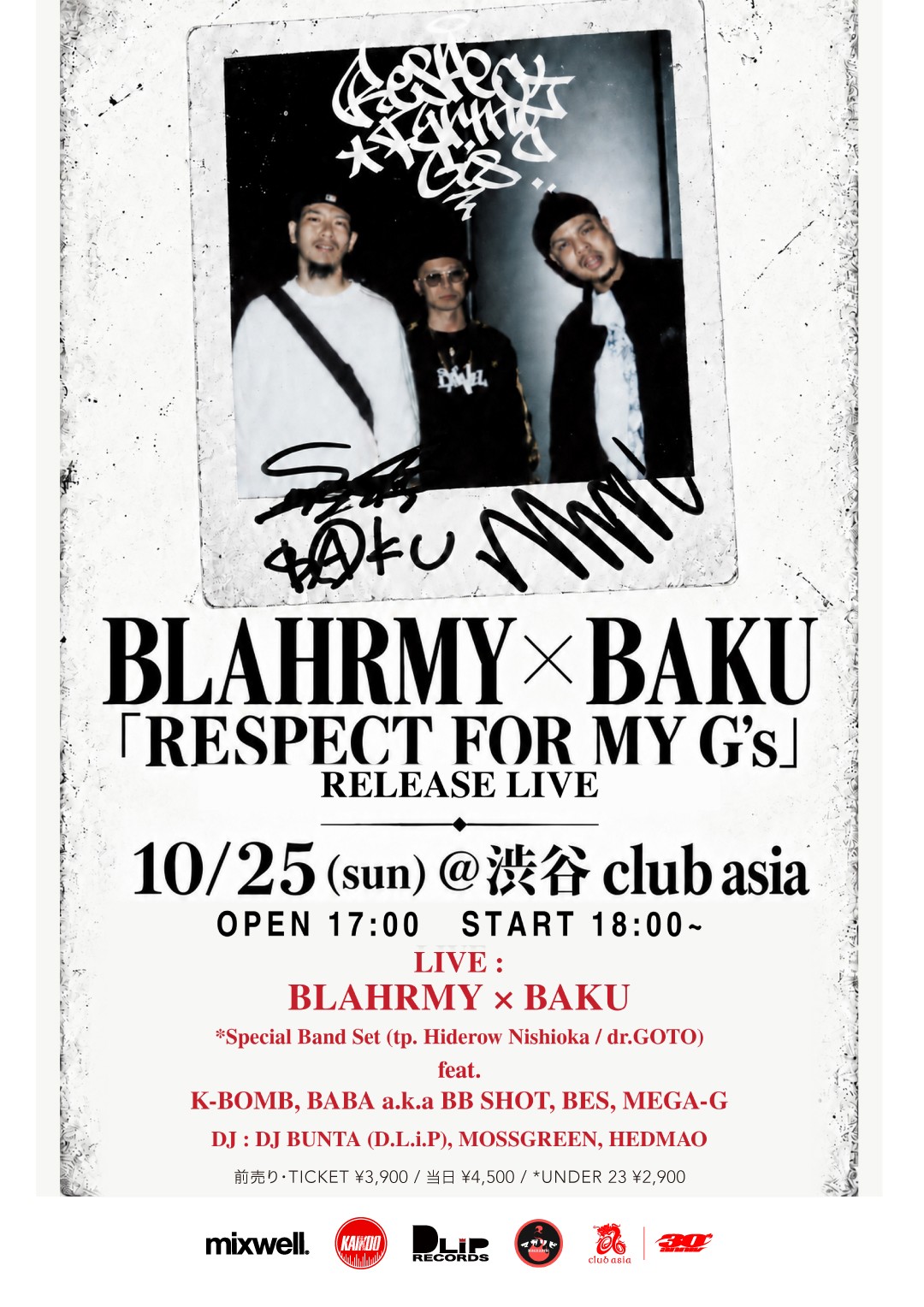
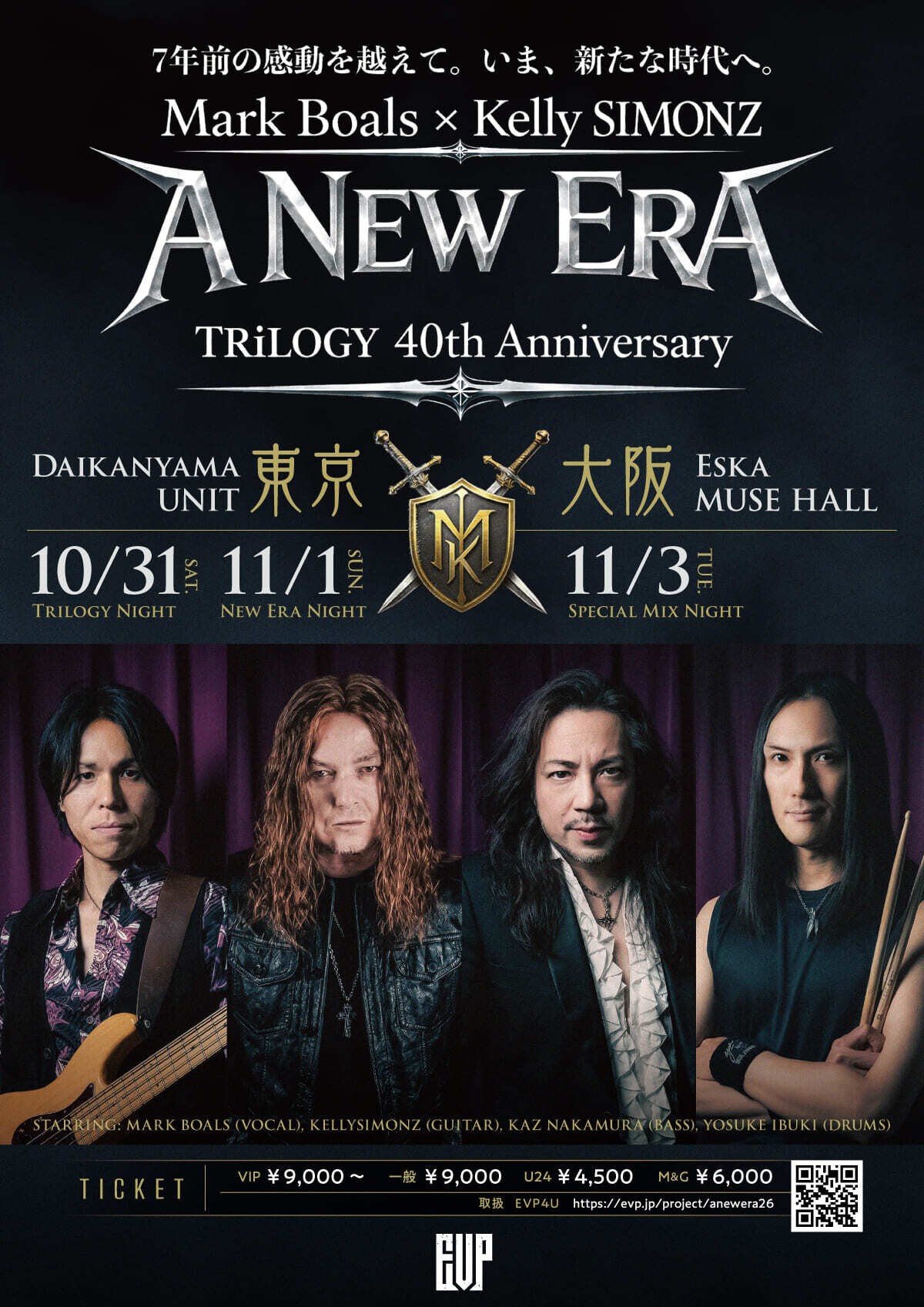
A live house (ライブハウス) is a small concert venue, usually a basement, with standing room for a few hundred people at most. Tickets are sold through services like e+, Pia and LivePocket, and many shows give each ticket a number (整理番号) that decides the order of entry. On top of the ticket, almost every live house charges a drink fee at the door, usually a few hundred yen, and you get a token or ticket to exchange at the bar. It is not optional, even if you only want water.
Live house shows start early, often around 6pm or 7pm, and finish well before the last train, so they are an easy night out if you are not a clubber. Bands sell CDs and merch at a table near the entrance, and it is normal to talk to them after the show.
Etiquette and staying safe
Tokyo is a safe city at night, but the main entertainment streets have one well-known problem: touts. In Kabukicho and Roppongi especially, people on the street will offer cheap drinks, girls or a great bar nearby. Never follow them. Touting is restricted by ward ordinances in places such as Kabukicho and Minato ward, and the bars that use touts are where visitors run into huge bills, pressure to pay and card fraud. Choose bars yourself, and in small bars check the price and any seat charge before you order.
Watch your drink, do not leave it unattended, and do not accept drinks from strangers. Drink spiking has been reported in Roppongi and Kabukicho for years, often followed by theft or card fraud. If something goes wrong, the nearest police box (koban) is never far, and the emergency number is 110. Otherwise, the etiquette is simple: keep your voice down on residential streets when you leave, take your rubbish with you, and respect the photo rules inside.
- Carry a card with a spending limit or only the cash you need, and keep your passport somewhere safe.
- In Golden Gai, many bars charge a seat fee and some ask you not to take photos. Look for the sign on the door.