Why solo is normal here
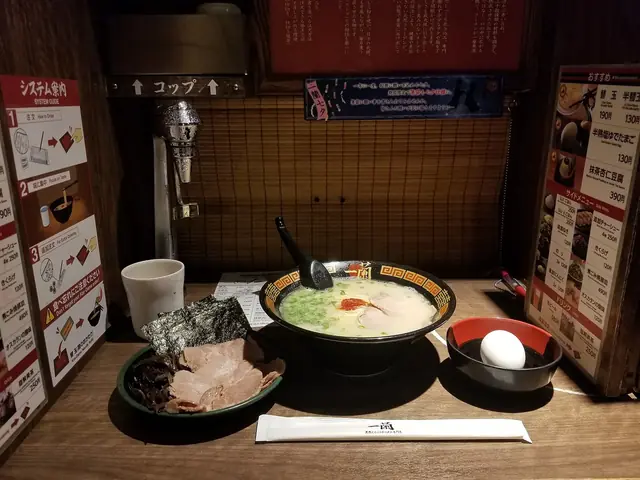
More than a third of Japanese households are a single person, and the city is built with that in mind. Ramen shops and izakaya have long counters where most people sit alone, Ichiran's ramen comes in individual booths with wooden dividers, and the 1Kara karaoke chain has rooms made for one. Nobody looks twice at someone eating, drinking or watching a show by themselves, and staff will not ask if you are waiting for someone.
The word ohitori-sama (おひとりさま) used to sound a little defiant, but now it is simply a category: restaurants advertise ohitori-sama welcome, hotels sell solo plans, and the phrase お一人様 is what staff say when they show you to a seat. If you have ever felt awkward going out alone, Tokyo is a good place to stop.
- When staff ask 何名様ですか (how many?), hold up one finger or say hitori desu.
- Counter seats are the solo seats. They are also where the chef or bar owner is most likely to chat.
Concerts, live houses and theatre on your own
Going to a gig alone is completely normal in Japan, and at many live houses a large part of the audience comes solo. Standing shows let you in by the entry number printed on your ticket, and most live houses charge a drink fee at the door on top of the ticket, which you swap for a drink at the bar. For seated concerts, theatre and sumo, a single seat is often easier to find than two together, and buying one ticket keeps things simple: some lottery sales for big artists ask for every companion's name and details when you apply.
Fans of the same artist often chat before the show and after it, especially in queues for merchandise. In theatre and classical concerts the etiquette is quiet attention: no talking, no phone, and applause at the end. You will not stand out by being on your own in any of these.
Festivals, markets and exhibitions alone
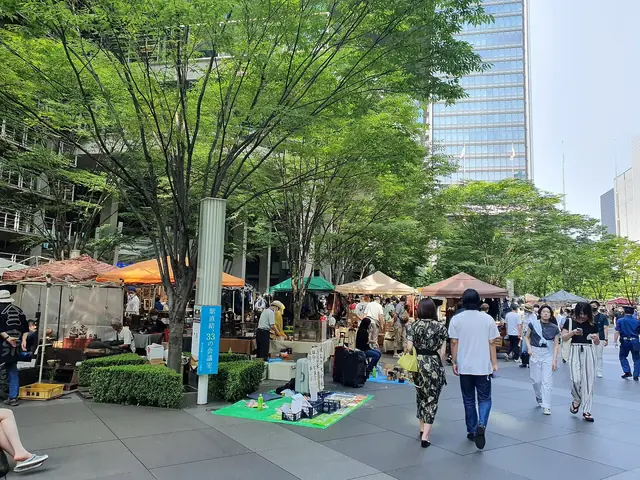
Daytime events are the easiest place to start. At a matsuri you can watch the mikoshi go by, try a few stalls and leave whenever you want, and nobody is keeping track of how many people you came with. Flea markets and craft fairs are made for browsing at your own pace, and stall holders are often happy to talk about what they sell. Museums and exhibitions are arguably better alone: you set the speed and can stay as long as you like with the piece you care about.
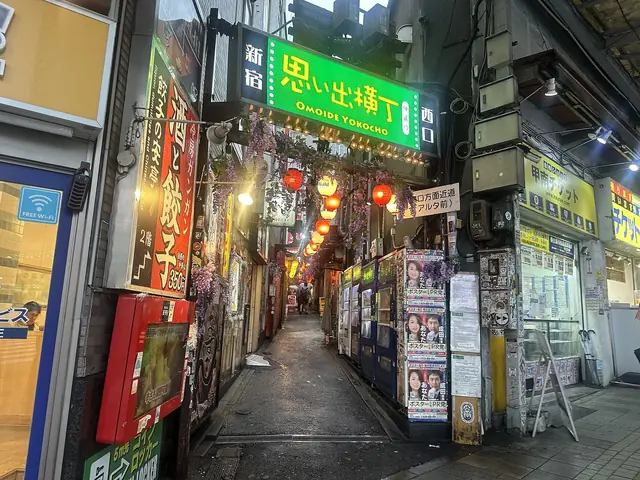
In the evening, standing bars (tachinomi) and small izakaya with counters are relaxed places for one, and a festival beer garden or a bon odori circle is easy to join: the dance steps repeat, and people around you will happily show you. Workshops such as tea ceremony, calligraphy or cooking classes are another good solo option, since you spend the session with a small group and a teacher.
Meeting people if you want company
If you would like to meet people, Tokyo has a steady stream of events designed for it. Language exchange meetups, where Japanese and international participants swap conversation over drinks, run in bars and cafés across the city. Platforms such as Meetup and Peatix list community events, from hiking groups and board game nights to photography walks, and tech meetups in English are common in and around Shibuya. Quality varies, so read the description and recent reviews or photos before you sign up, and choose events in public places.
Volunteering is another way in. Big events recruit volunteers through their official sites, usually months ahead: the Tokyo Marathon, for example, runs a volunteer club called VOLUNTAINER and has accepted overseas residents as English-speaking global volunteers. Smaller neighbourhood festivals usually rely on local residents, so for those it is easier to start as a visitor and come back.
- A first meetup is easier if you arrive at the start, when everyone is still new.
- Free events with a booking step (要予約) are often the friendliest, because the group is small.
Staying safe and comfortable
Tokyo is very safe, including for people on their own at night, but the usual big-city sense applies. In nightlife areas such as Kabukicho and Roppongi, ignore touts and do not follow anyone to a bar. Keep your drink in sight. On many lines, women-only carriages run during rush hours, marked on the platform. Hostels and capsule hotels often have women-only floors.
Before a late event, check your last train, share your plans with someone and keep your phone charged. If you need help, walk to a koban (police box), call 110 for police or 119 for an ambulance, or call the Japan Visitor Hotline (050-3816-2787), which answers in English around the clock. The Safety tips app sends earthquake and weather alerts in many languages.