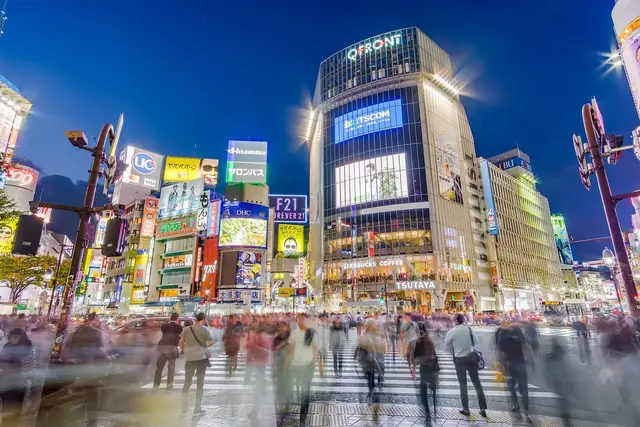
Last trains and first trains
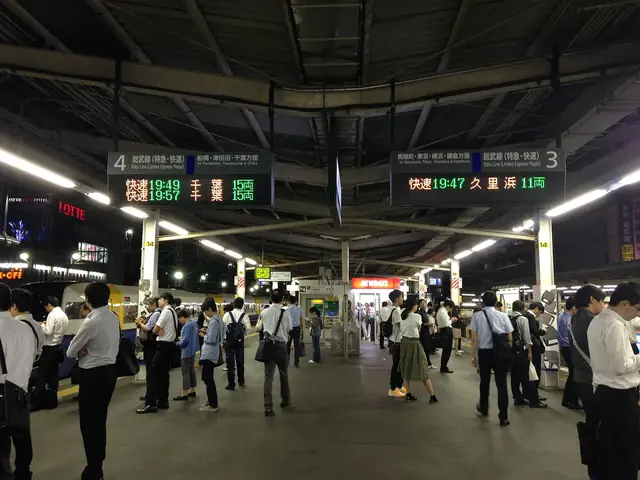
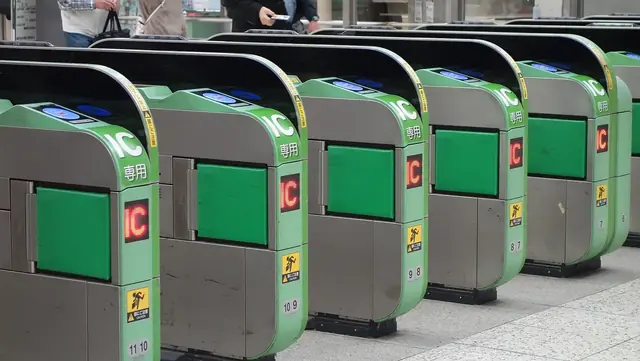
The last train (終電, shūden) on most lines leaves central Tokyo somewhere between about midnight and 00:30, but that is the last train on one line, not the last way home. If your trip includes a transfer or a ride out to the suburbs, the last connection can leave well before midnight. Weekend and holiday timetables are slightly different, and the train before the very last one is usually far less crowded.
Check your route early in the evening, not at the gate. Japan Transit Planner (by Jorudan) and NAVITIME have English route search and can show the last and first trains, and Google Maps shows train times as well. The first trains (始発, shihatsu) start running from around 5am. After a big concert or fireworks, the nearest station can take 30 minutes or more just to get into, so leave a buffer or walk to the next station.
- Search your last train once at dinner and set a reminder 20 minutes before it.
- Station staff close the gates and shutters after the last train. Do not count on waiting inside.
Taxis and taxi apps
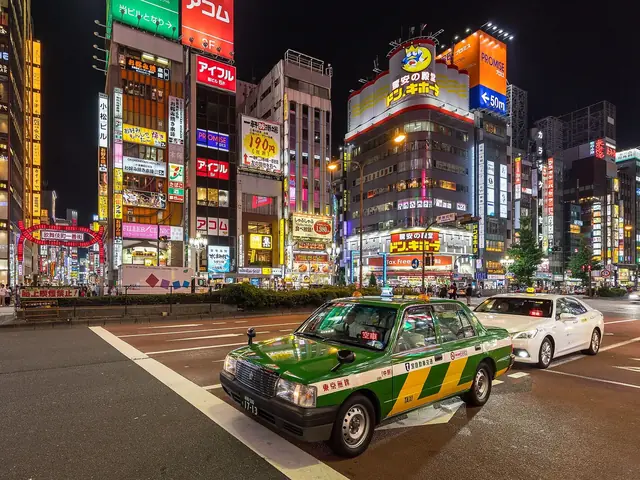
Taxis run all night and are clean and safe. Between 10pm and 5am a 20 percent late-night surcharge applies to the meter. Right after the last trains, taxi ranks at Shibuya, Shinjuku and Roppongi get long queues, and hailing on the street gets hard, so an app helps a lot. GO is the most widely used taxi app in Japan, works in English and accepts overseas phone numbers; it adds a small booking fee on top of the meter. Uber also works in Tokyo and sends licensed taxis, which is handy if you already have an account.
Late-night express buses (深夜急行バス) used to leave Shinjuku, Shibuya and other hubs for the suburbs after the last train, but most routes were cut during the pandemic and only a few remain, mainly for commuters. For long rides out of central Tokyo, the fare climbs quickly with the surcharge, so it is often cheaper to take a short taxi to a hotel, karaoke box or capsule hotel and catch the first train. Taxi rear doors open and close automatically, and most taxis take cards and IC cards, but having some cash on you never hurts.
- In GO and Uber you can see an estimated fare before booking. Compare it with a capsule hotel bed.
- If several of you are heading the same way, one taxi split three or four ways is often reasonable.
Missed it? Where to wait until morning
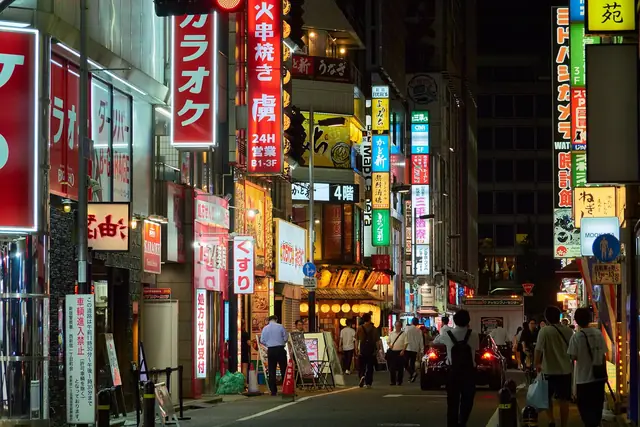
Missing the last train happens to locals all the time, and the city has well-worn ways to fill the hours. Karaoke chains near the big stations sell late-night packs until morning, and a private room is a warm, safe place to sit with friends (or alone). Manga and internet cafés (ネットカフェ, 漫画喫茶) offer night packs in small booths, some with flat mats you can lie on, plus free drinks and showers at many branches. Bring your passport: Tokyo rules require photo ID at check-in.
Capsule hotels around Shinjuku, Shibuya, Ueno and other big stations take late check-ins; many are men only or have separate women's floors, so check before you go. Most family restaurant chains dropped 24-hour service in recent years, but convenience stores are open all night, and many branches of gyudon chains near stations stay open until morning for a hot meal.
- Search ネットカフェ or カラオケ on a map app near your station; many are on upper floors of station buildings.
- Capsule hotels fill up on Friday and Saturday nights. Book on your phone before the last train goes.
Events that run all night
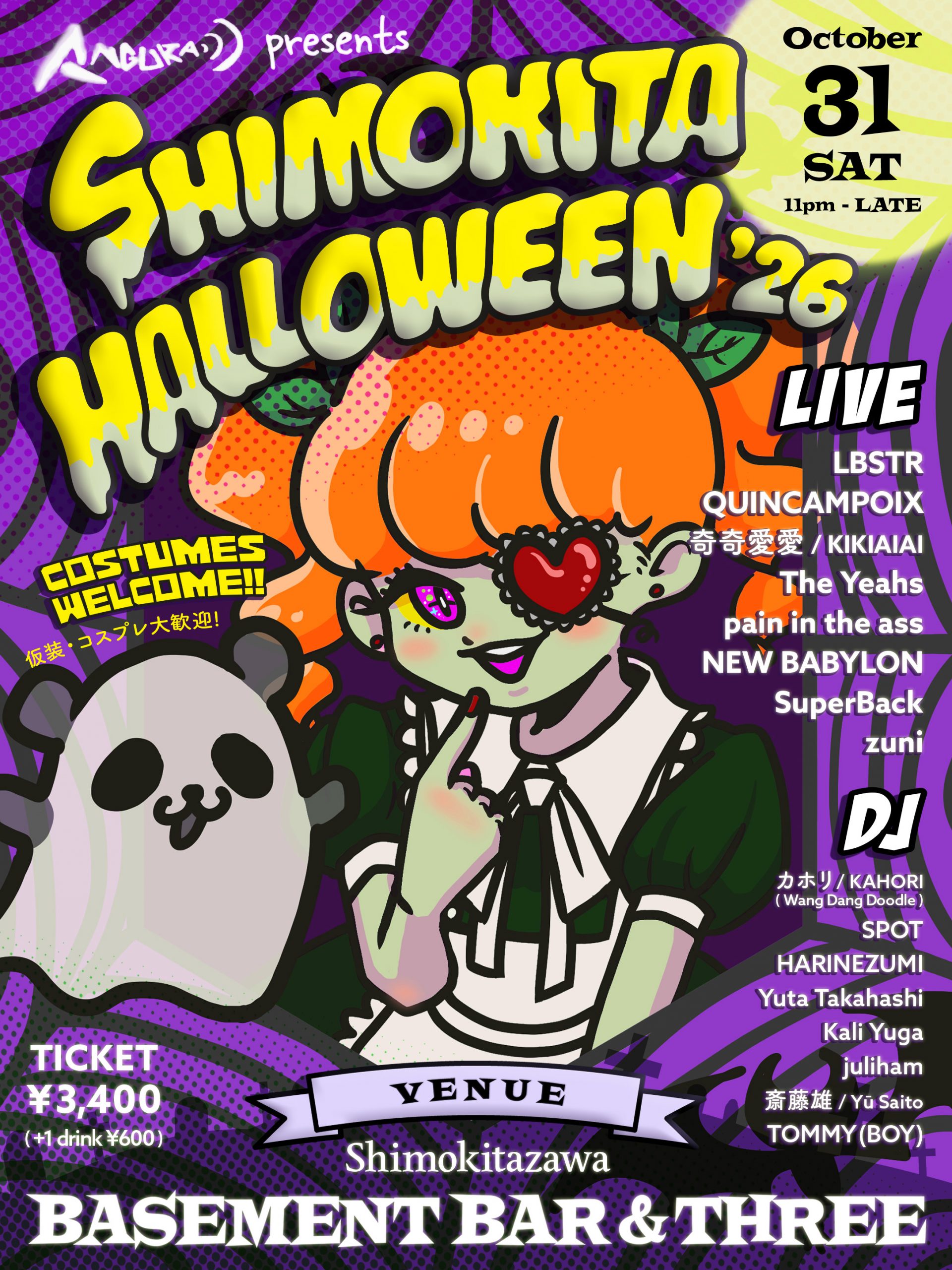
Some nights are built to last until the first train. Since a 2016 law change, licensed clubs can stay open past midnight, and many club nights in Shibuya, Shinjuku and Roppongi run until about the first trains. You must be 20 or older, and clubs check photo ID at the door, so carry your passport. Some cinemas run all-night screenings (オールナイト上映) of several films back to back, and anime and music events sometimes do the same.
New Year's Eve is the one night with all-night trains: in recent years JR East has run trains through the night on several major lines, including the Yamanote Line, while Tokyo Metro has not. Plans are announced each December. Countdown concerts and parties usually end well after the last regular train, so check the event page for its finishing time and the operator's notice for night services.
Staying safe late at night
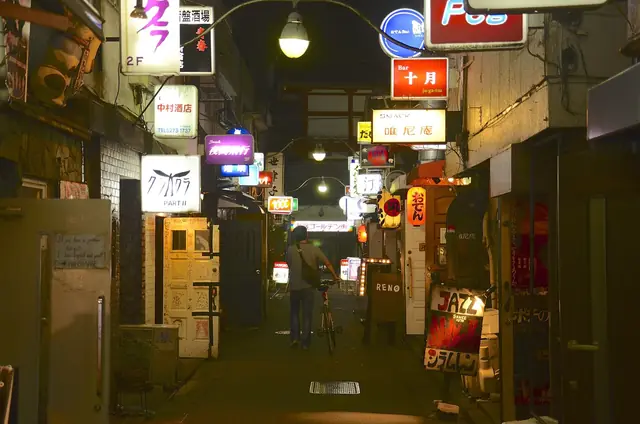
Tokyo is one of the safest big cities in the world at night, and walking around in the early hours is normal. The main risks are in nightlife districts such as Kabukicho in Shinjuku and Roppongi. Ignore street touts and never follow anyone to a bar they recommend, check the price list or cover charge before you order, and keep your drink in sight. If something feels wrong, walk to a koban (police box) or call 110.
If you travel alone, share your route with a friend and keep your phone charged; convenience stores sell power banks. Drinking in the street is legal in most places, but some wards ban it in busy areas: around Shibuya Station it has been banned every night from 6pm to 5am since October 2024, Shinjuku adds rules around Halloween, and police enforce them.