Takeshita Street, Cat Street and the backstreets
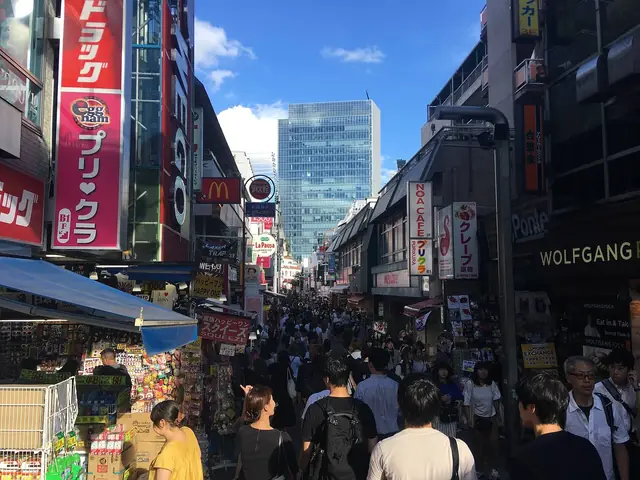
Takeshita Street runs about 350 metres from the Takeshita exit of Harajuku Station down to Meiji-dori. It is lined with crepe stands, sweets shops, kawaii fashion and idol and character goods, and it is closed to cars every day from 11am to 6pm, which tells you how crowded it gets. On weekend afternoons and during school holidays you move at a shuffle.
Across Meiji-dori the mood changes. The backstreets known as Ura-Harajuku and Cat Street, a pedestrian lane that follows an old river towards Shibuya, are full of streetwear, vintage and small brand stores, and many of the area's fashion pop-ups open here. On Omotesando itself, Kiddy Land has several floors of character toys and goods and is an easy stop with kids.
- Takeshita Street is easiest on weekday mornings. Arrive before noon if you want to look at shops rather than the backs of heads.
- Bins are rare and Shibuya ward fines littering. Finish your crepe by the stand and keep the wrapper until you find a bin.
- Smoking on the street is banned in Shibuya ward. Use the marked smoking areas.
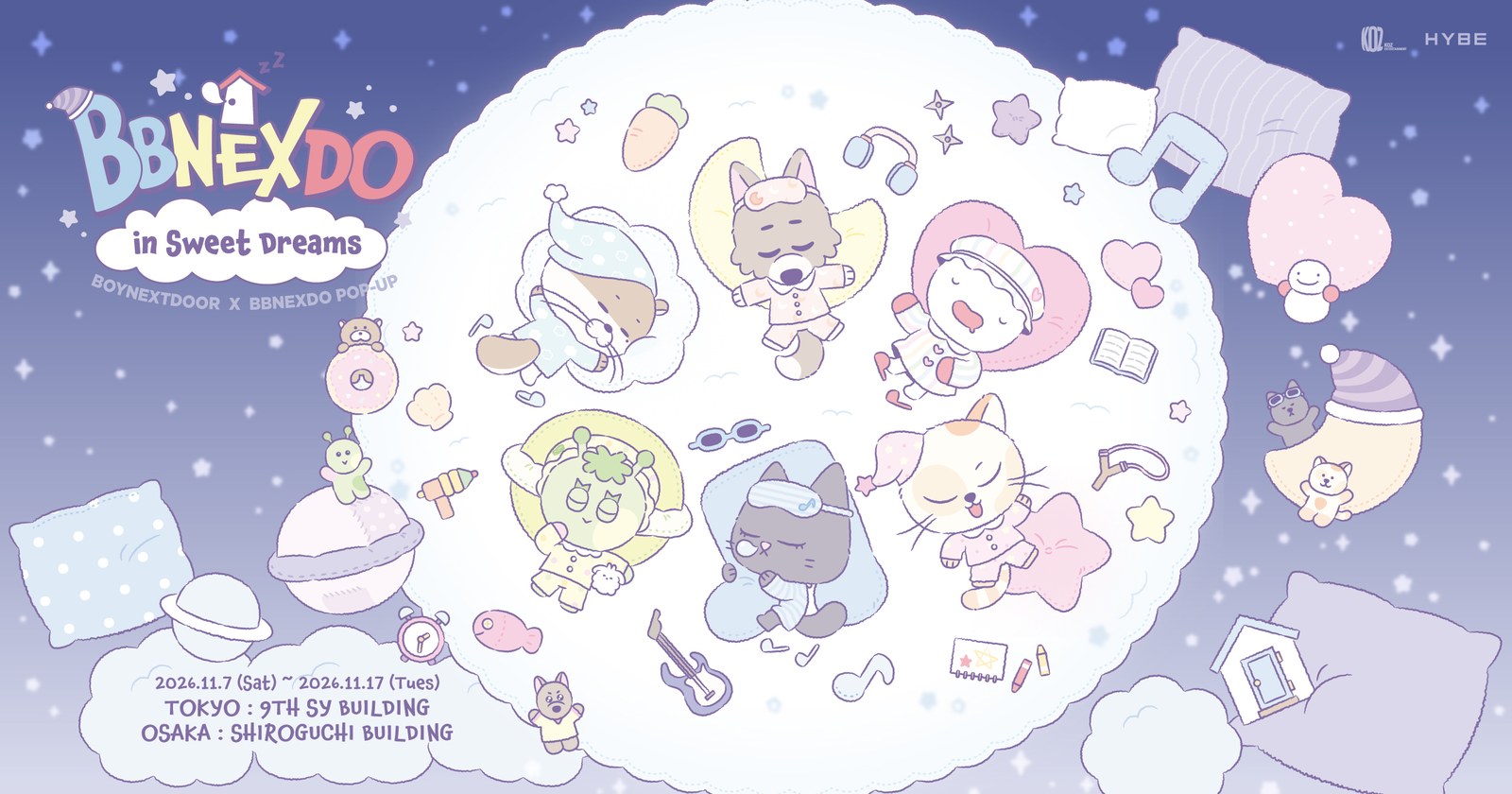
Pop-ups and event spaces: Laforet, Harakado, With Harajuku
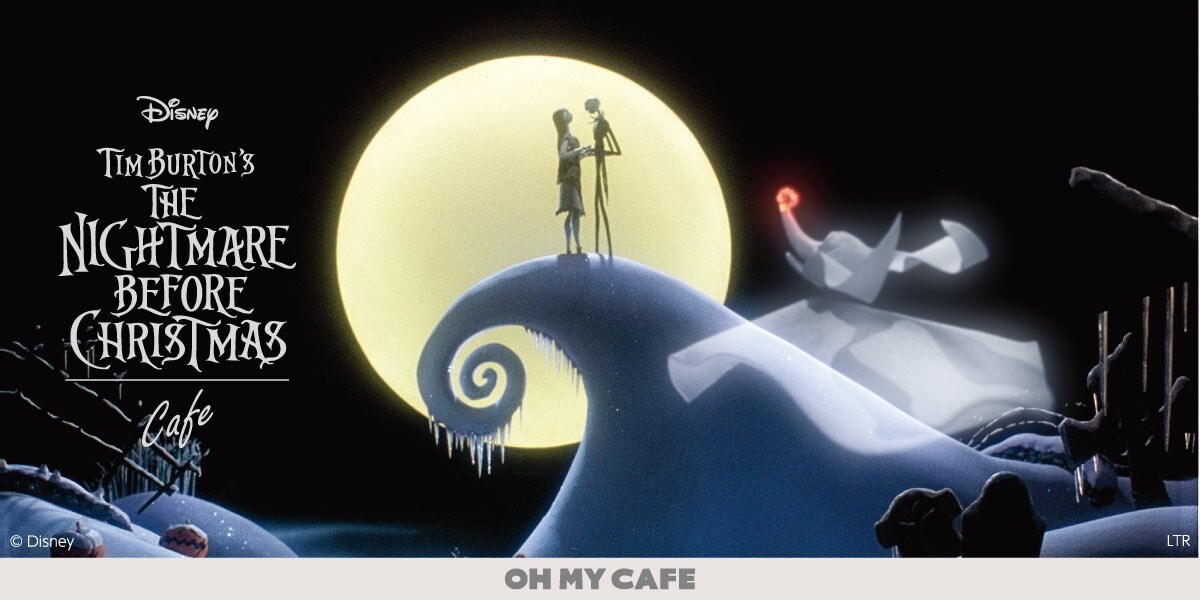
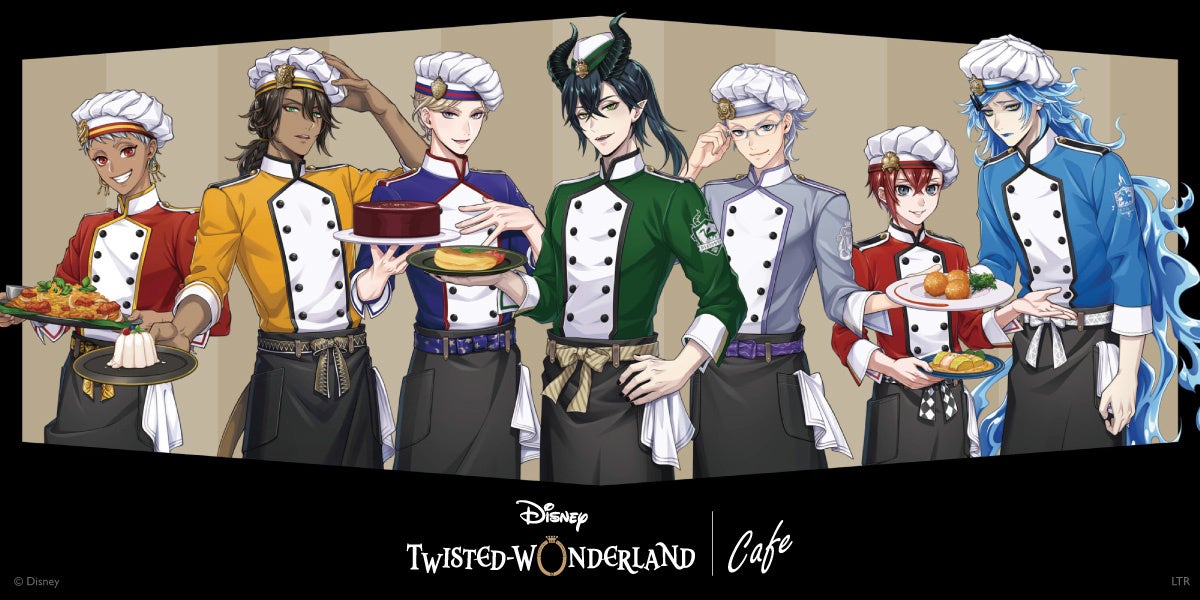
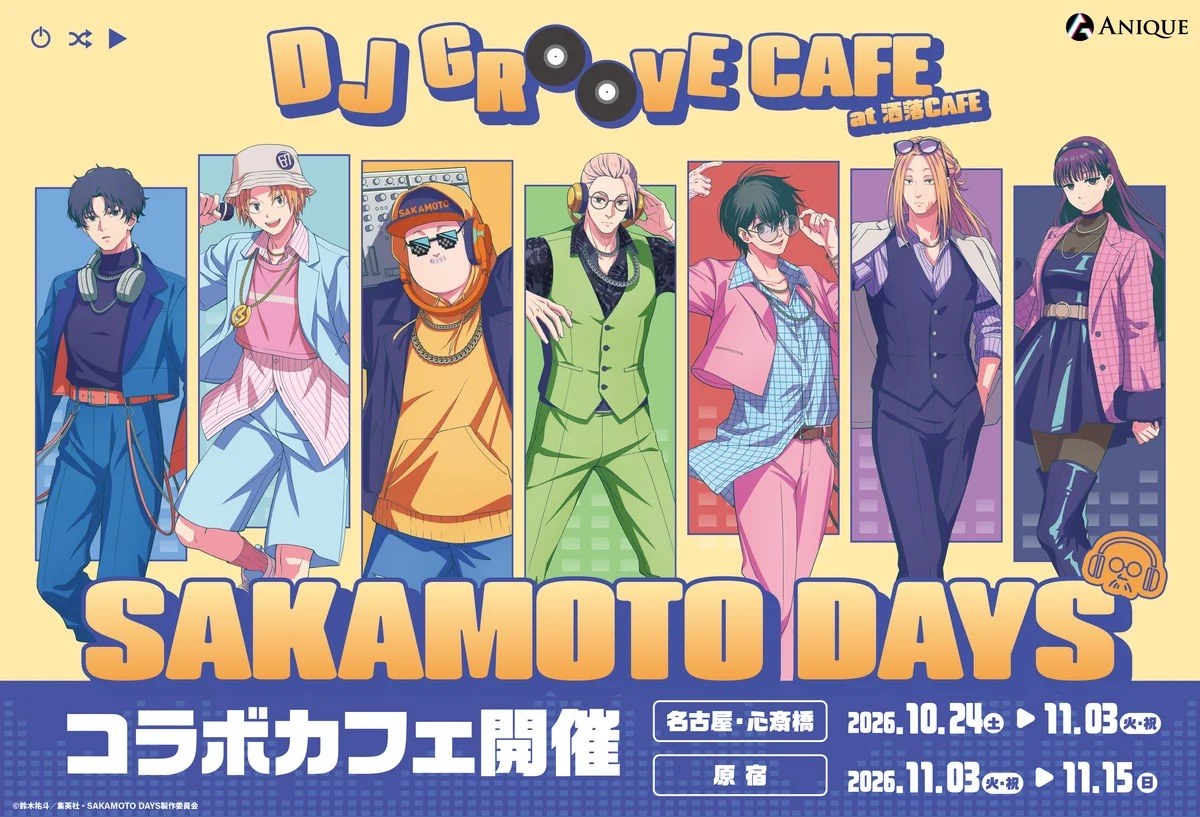
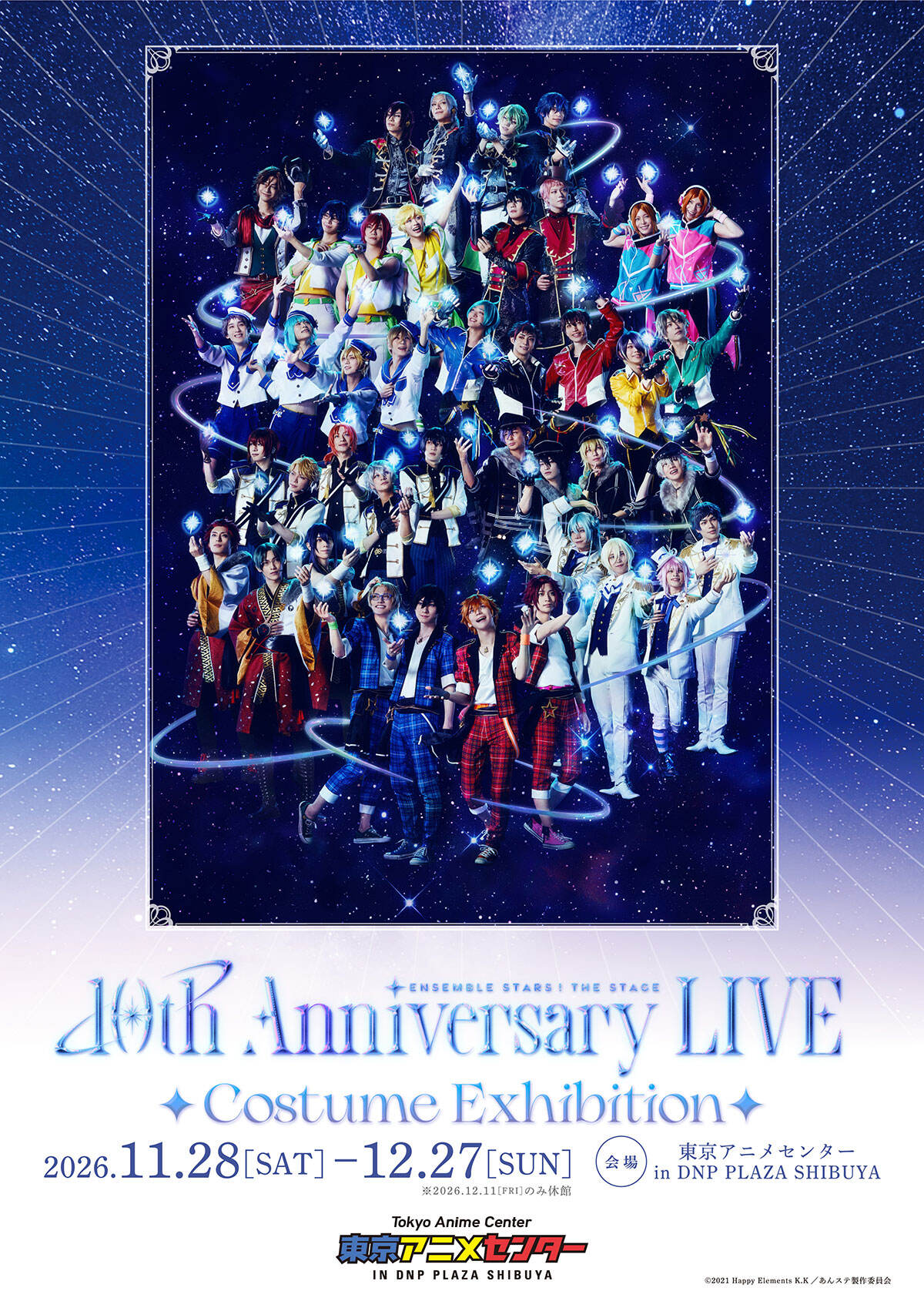
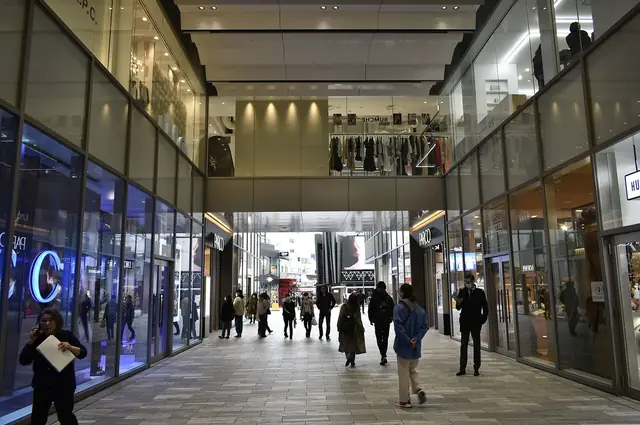
Laforet Harajuku, the fashion building on the Jingumae crossing, is the classic address for youth fashion, and Laforet Museum Harajuku on its sixth floor hosts exhibitions, idol and anime events and brand pop-ups. Across the crossing, Harakado (Tokyu Plaza Harajuku) opened in 2024 with a rooftop terrace, floors of cafés and a public bath in the basement, Kosugiyu Harajuku, run by a well-known Koenji sento. It has quickly become a venue for anime and game collaborations, with themed menus in its restaurants and limited shops.
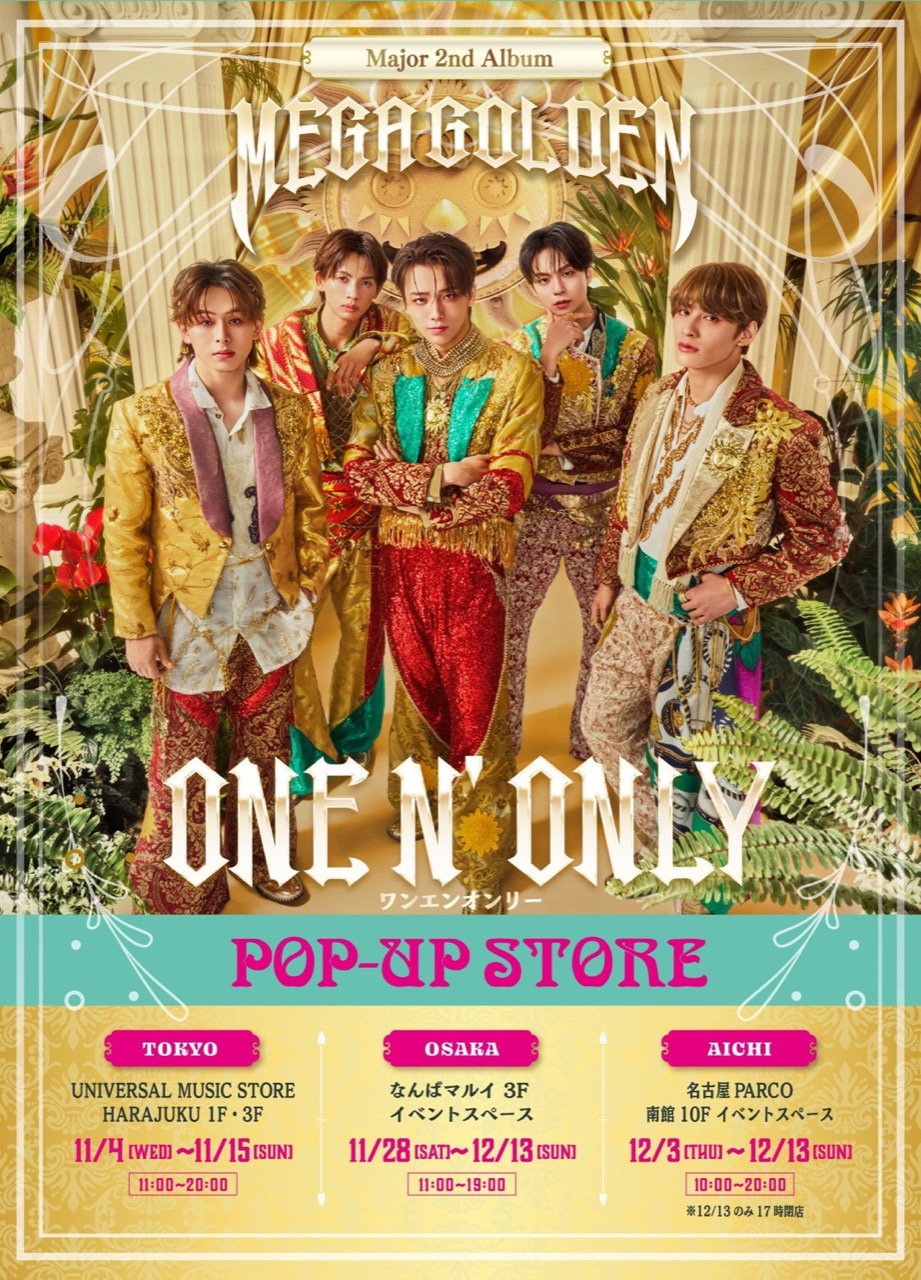
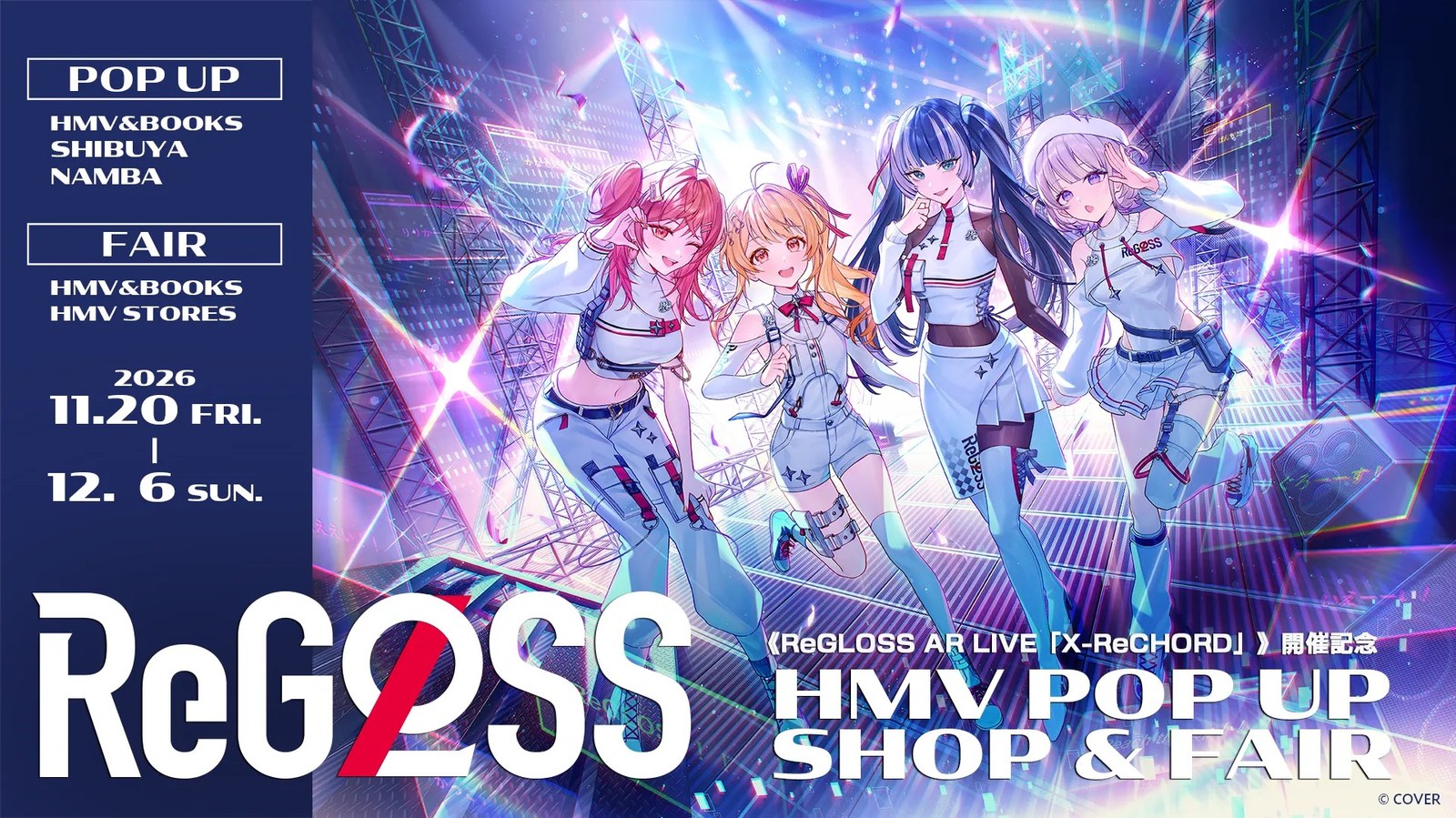
With Harajuku, the building facing Harajuku Station, has an event hall on its third floor, and Omotesando Hills, further down the avenue, uses its tall atrium for brand events and a large Christmas tree in winter. Popular pop-ups here work like anywhere in Tokyo: free entry on quiet days, numbered tickets (整理券) or timed reservations on the opening weekend, and purchase limits per person.
- Follow the buildings' social accounts. New pop-ups and entry rules are posted there first.
- The first weekend of a big pop-up is the worst time to go. A weekday a week later is usually easy.
Meiji Jingu: the forest shrine and its calendar
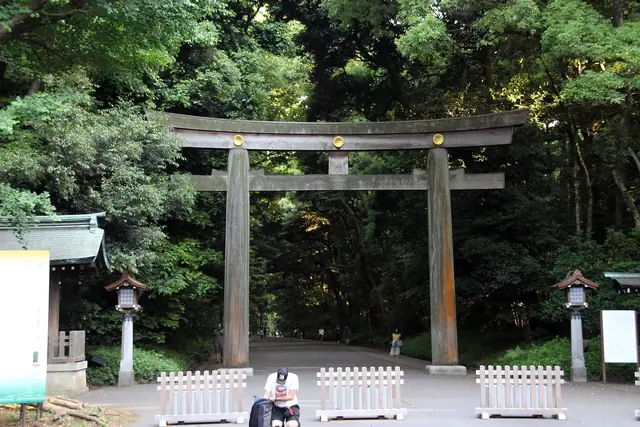
Meiji Jingu, the shrine dedicated to Emperor Meiji and Empress Shoken, fills a forest between Harajuku and Yoyogi, and its main gate is a minute from Harajuku Station. The gates open around sunrise and close around sunset, so the hours shift through the year. It draws the biggest New Year crowds in Japan, around three million people in the first three days of January, and stays open through New Year's Eve night.
The rest of the year has its own rhythm. The spring grand festival comes in early May, and around November 3, the birthday of Emperor Meiji, the autumn grand festival brings traditional performances such as bugaku court dance, noh and yabusame horseback archery, with a chrysanthemum show along the approach. November weekends fill with families in kimono for Shichi-Go-San, and on most weekends you will see traditional wedding processions crossing the courtyard. Watch them from the side and keep your camera low-key.
Yoyogi Park festivals, Super Yosakoi and winter lights
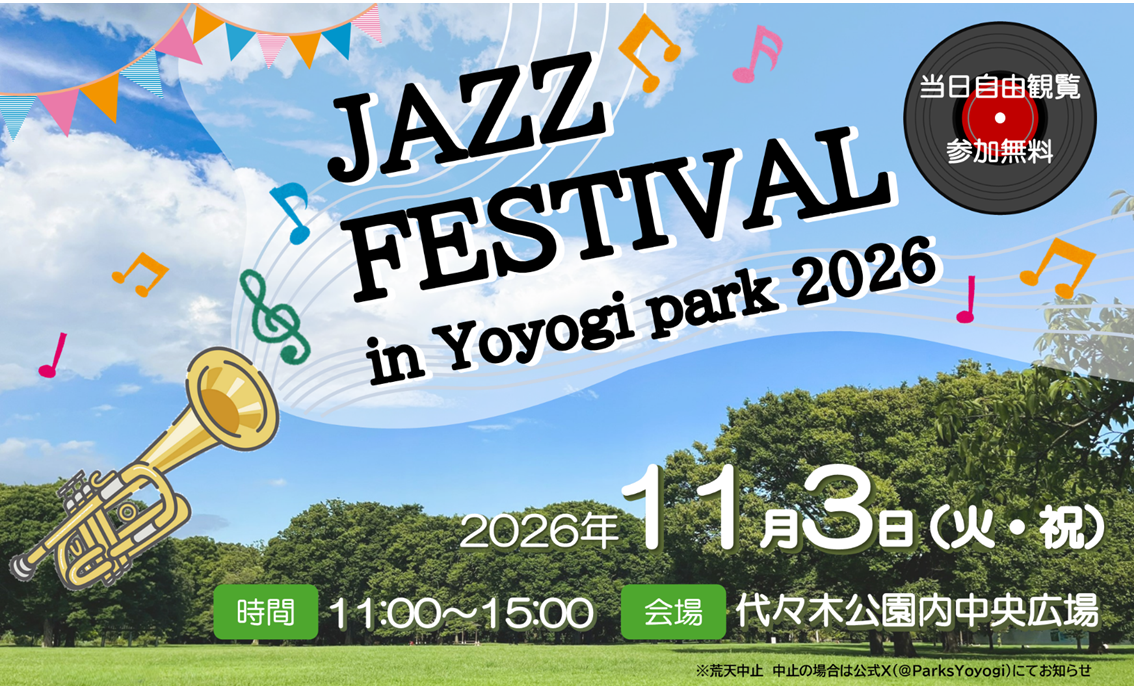
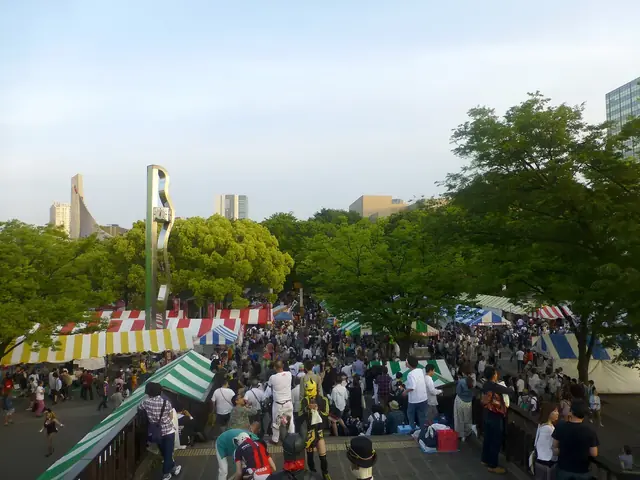
Yoyogi Park is the city's big weekend stage. Its event plaza and outdoor stage, on the side of the park by NHK Hall, host a different event on most weekends from spring to autumn: festivals for countries and regions, from African to Brazilian and Latin, music and food events, night markets along the zelkova avenue and a jazz festival in autumn. In June, Tokyo Pride holds its festival here, with a parade through Shibuya and Harajuku.
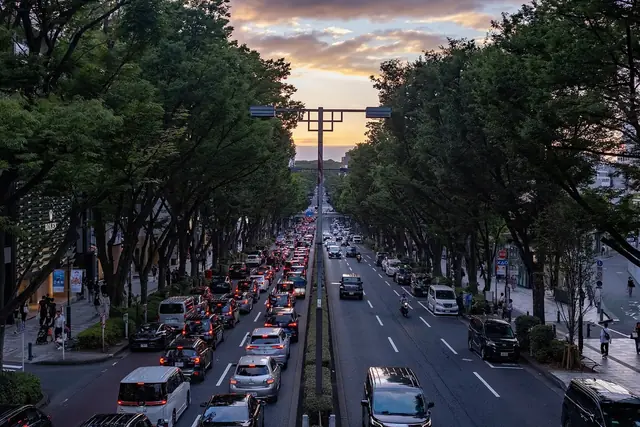
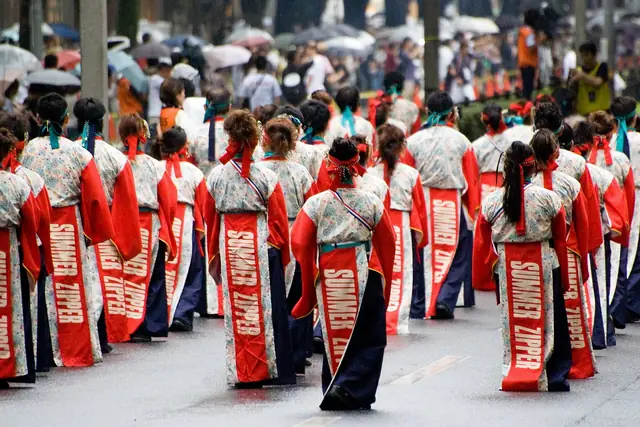
On a weekend in late August, Harajuku Omotesando Genki Matsuri Super Yosakoi brings more than 100 dance teams from all over Japan to stages at Meiji Jingu, Yoyogi Park and along Omotesando, and watching is free. In winter, the zelkova trees along Omotesando, between Jingubashi and the Omotesando crossing, are wrapped in lights, mostly in December, and the avenue becomes one of the city's classic illumination walks.
- Park festival stalls are quicker with cash, even when some take cards. Bring coins and small notes.
- Check the event page for 雨天決行 (goes ahead in rain) or 雨天中止 (cancelled in rain) before you head out.
- Saturday afternoons are the busiest at Yoyogi Park. Arrive before noon for shorter food queues.
Getting there and planning a day
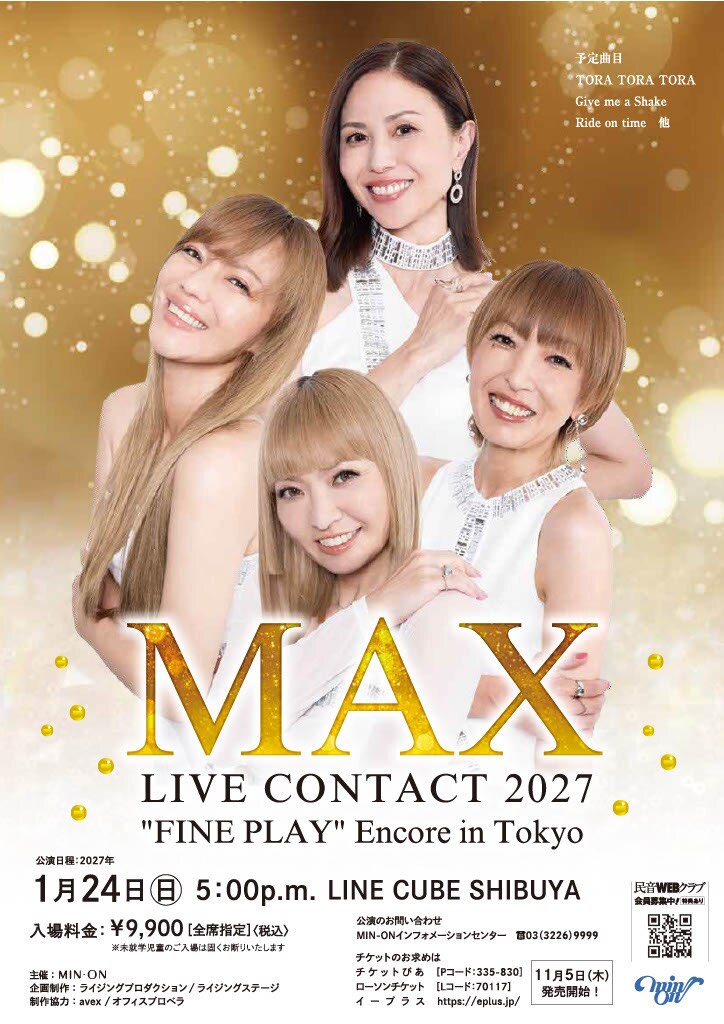
JR Harajuku Station on the Yamanote Line is the natural start. Meiji-jingumae (Harajuku) Station on the Chiyoda and Fukutoshin lines sits under the Jingumae crossing, Omotesando Station on the Ginza, Chiyoda and Hanzomon lines is at the other end of the avenue, and Yoyogi-koen Station on the Chiyoda Line is handy for the park's west side. When a concert ends at Yoyogi National Gymnasium or NHK Hall, Harajuku Station gets packed, so walk to Meiji-jingumae or Omotesando instead.
A good day here starts early at Meiji Jingu, when the forest is quiet, then Takeshita Street before the lunch crowd, a pop-up or a park festival in the afternoon, and dinner around Omotesando or in Shibuya, which is about a 15-minute walk down Cat Street. Shimokitazawa is a short train ride away if you want live music in the evening.