What Koenji is like
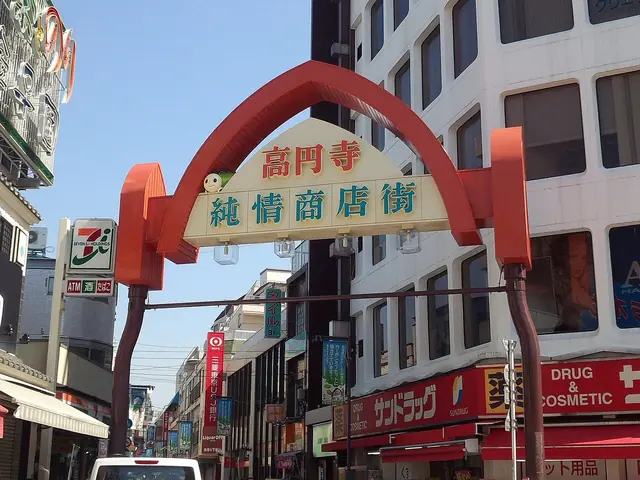
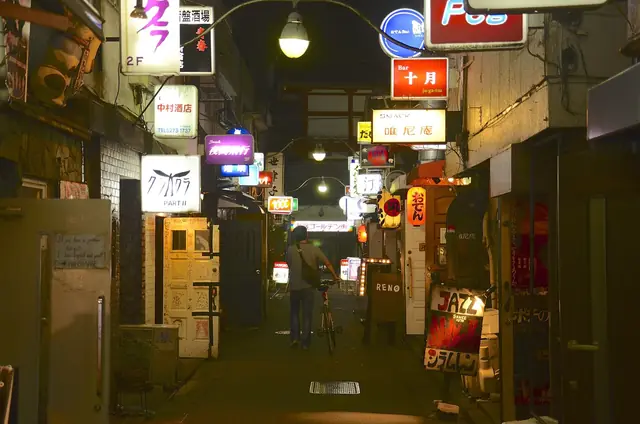
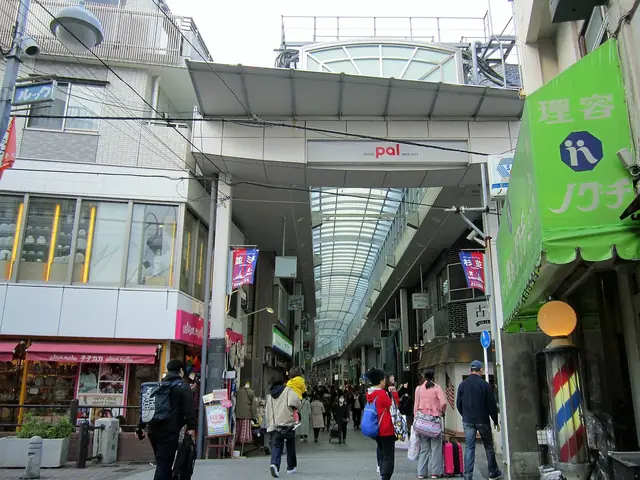
Koenji is low-rise and tightly packed, with around twenty shopping streets fanning out from the station. Pal, the covered arcade south of the station, leads into Look street, which is lined with vintage shops, while Junjo Shotengai on the north side is full of small restaurants and bars. It is often called the home of Japanese punk, and the mood is still do-it-yourself: used records, band flyers on every wall, recycle shops and bars that open late.
The events here are mostly small and local, with a few very big exceptions. On a normal night there are gigs in basements and music bars, and on weekends shops and cafes host small markets. Next to the station, Koenji Hikawa Shrine has the Kisho Jinja inside its grounds, said to be the only shrine in Japan dedicated to the weather, where people pray for fine days before weddings, trips and events.
Live houses and music bars
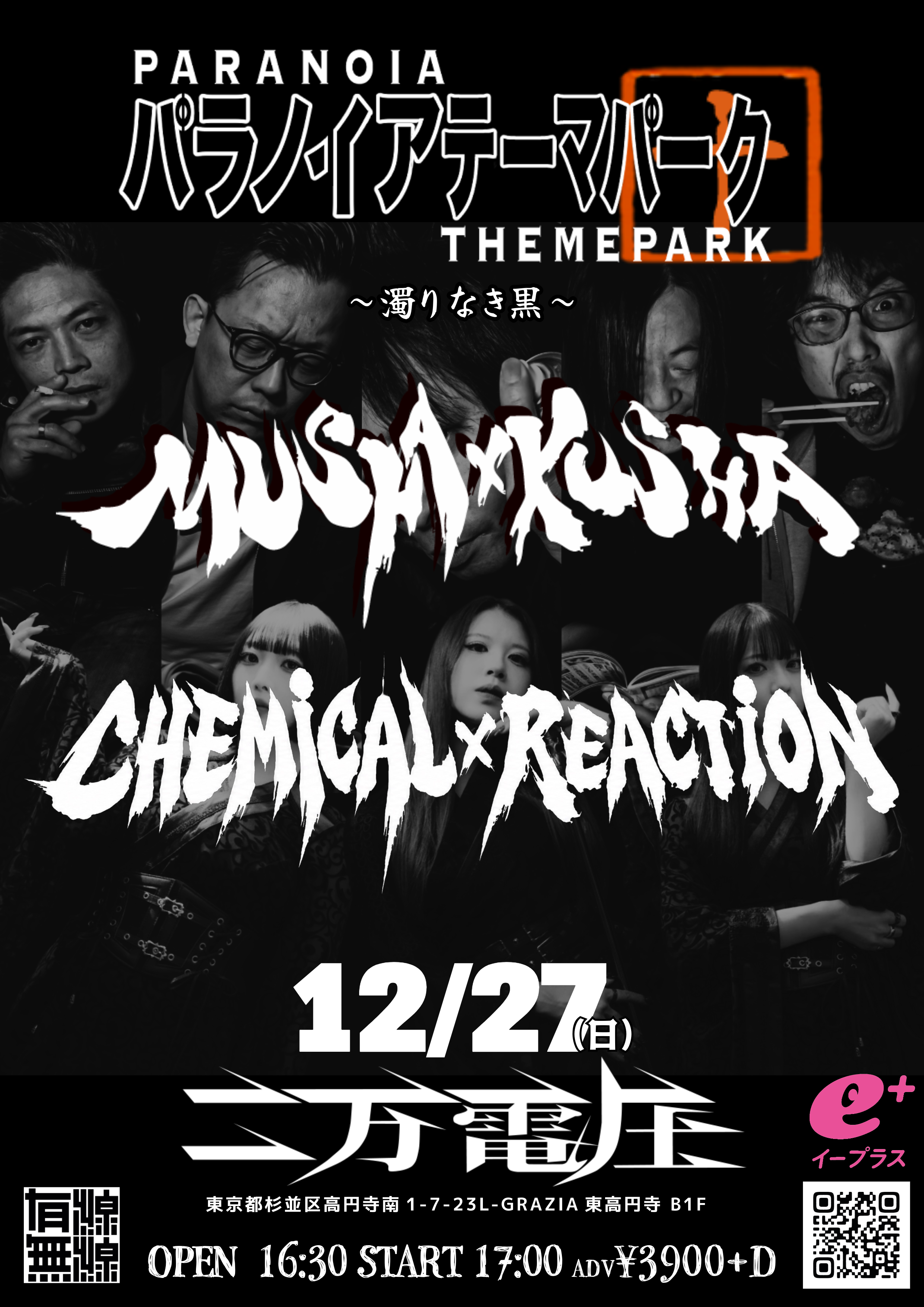
Koenji has live music every night of the week. Koenji HIGH, a few minutes from the south exit, is one of the larger rooms, a basement with a club feel and shows almost every night. JIROKICHI, open since 1975, is one of Tokyo's early live houses, with no stage, so the band plays on the same floor as you. Sub store Tokyo, a bookshop, record shop and Indonesian cafe, clears its tables for gigs most weekends. A short walk south, around Higashi-Koenji Station on the Tokyo Metro Marunouchi Line, UFO Club is a small basement famous for psychedelic and underground rock, and 20000V (Niman Denatsu), which moved there in 2010, is a loud punk and hardcore room.
The rules are the same as at any Tokyo live house. You buy a ticket through e+, Pia, LivePocket or the band, go in by your entry number (整理番号), and pay a drink charge of a few hundred yen at the door. Shows start early and finish before the last train. After the show, many people move on to one of the music bars and record bars around the station, where the person next to you is often in a band.
- Bring cash for the drink charge and merch. Many small venues and bars do not take cards.
- Check which station your venue is near. UFO Club and 20000V are closer to Higashi-Koenji than to JR Koenji.
Koenji Awa Odori and Koenji Fes
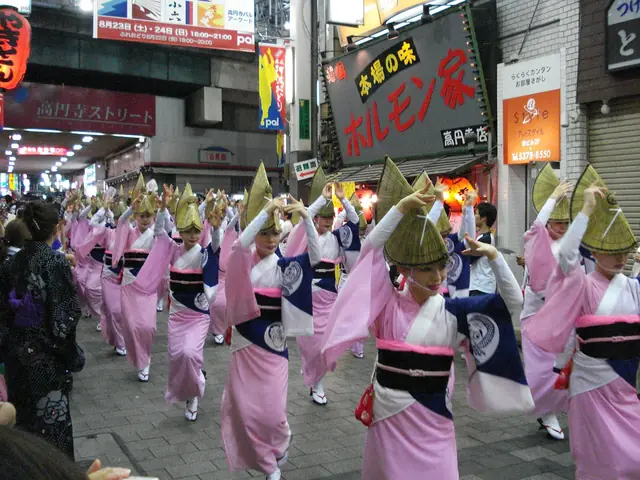
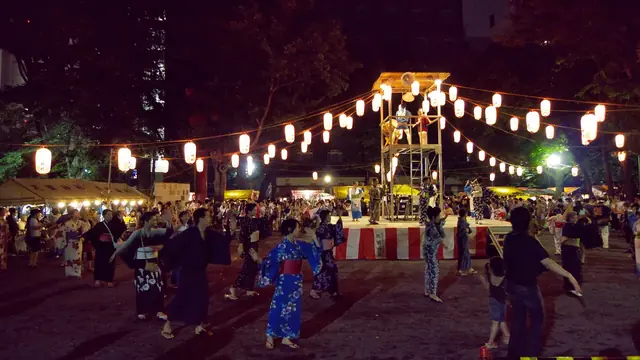
The Tokyo Koenji Awa Odori is the town's big night. It began in 1957 in the Pal shopping street as a local summer dance and grew into one of the largest Awa Odori festivals in Japan, with about ten thousand dancers in groups called ren and around a million spectators over two evenings, held on a weekend in late August. The groups dance through nine stages set up around the station and along Konan-dori, with drums, flutes and shamisen. Watching from the street is free.
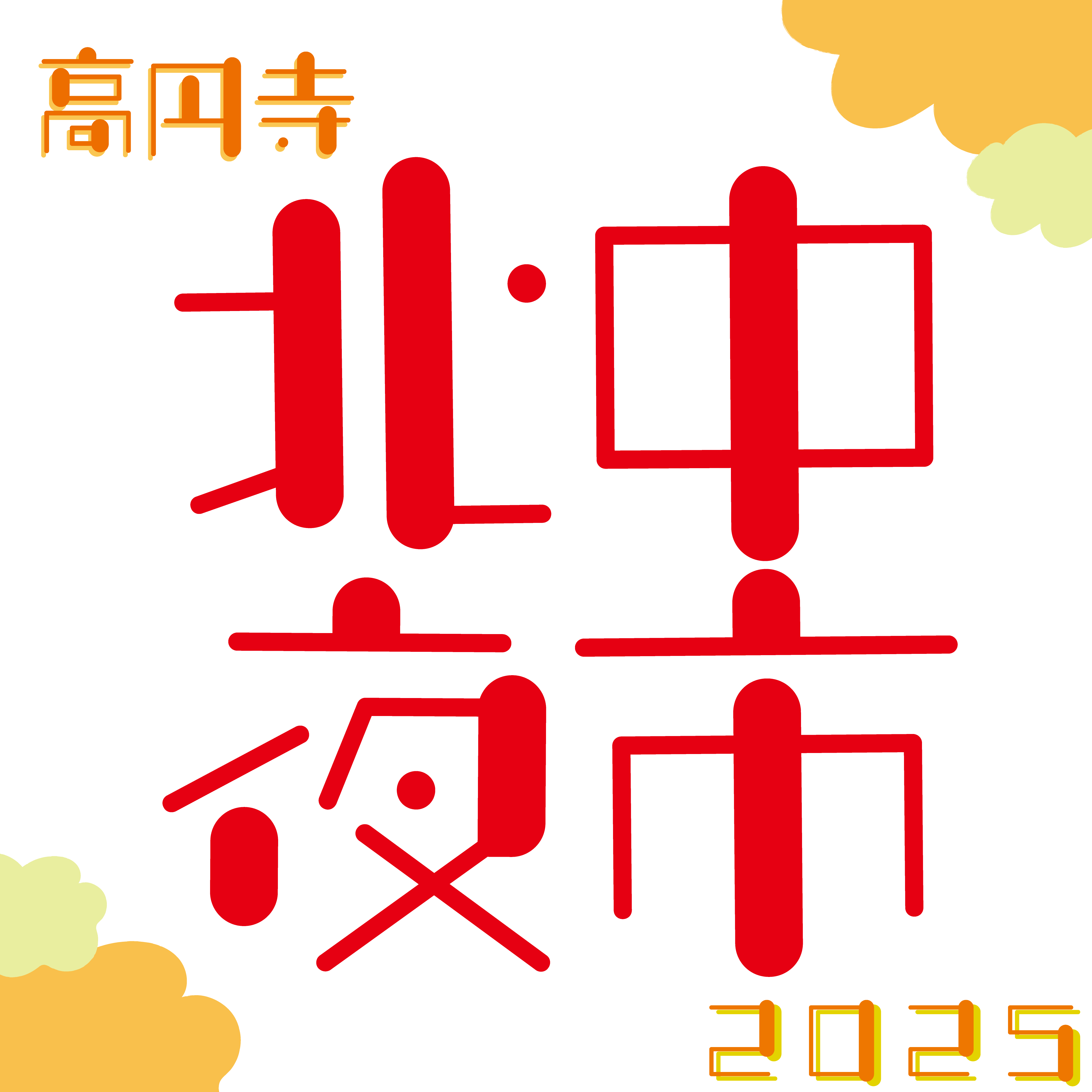
In late October comes Koenji Fes, a two-day autumn festival the organisers call a big cultural festival, which has run for about twenty years. It spreads across the station plazas, the Za-Koenji theatre, Koenji Chuo Park and the shopping streets, with stages, street performances, food and stalls, and draws a couple of hundred thousand people. Both events are dates when the area is very full, so if you only want quiet vintage shopping, pick another weekend.
- For Awa Odori, arrive well before the start and pick one stage. Moving between stages in the crowd is slow.
- Stalls take cash, bins overflow fast and August evenings are hot. Bring water, a towel and a bag for rubbish.
- The station usually has crowd control at the end of Awa Odori. Walking one stop to Nakano or Asagaya can be quicker.
Vintage shops, izakaya and theatre
Vintage clothing is the other reason people come. The shops along Look street and the lanes off Pal range from piles of cheap used clothes to carefully chosen American and European pieces, and prices are usually friendlier than in Harajuku. Most shops open around noon, so a slow afternoon of browsing before a gig is the classic Koenji day.
For food and drink, Koenji is all about small izakaya, standing bars and yakitori counters, many along and under the train tracks near the station. They are cheap, noisy and often cash only. For something calmer, Za-Koenji, the ward's arts centre, stages plays, dance and talks, and is also used as a venue during Koenji Fes.
Getting there and nearby areas
Koenji Station is on the JR Chuo Line, about six minutes from Shinjuku on a rapid train and around ten on the local. There is one catch: on weekends and public holidays, Chuo Line rapid trains (orange) do not stop at Koenji, Asagaya or Nishi-Ogikubo. On those days take the yellow Chuo-Sobu Line local, which stops everywhere. Higashi-Koenji on the Marunouchi Line is about a fifteen-minute walk south.
Koenji sits between two other good areas. One stop east, Nakano has Nakano Broadway, an old shopping complex packed with second-hand manga, figures and collectibles, a few minutes from the north exit. One stop west, Asagaya holds its own Tanabata festival in early August. Further out on the same line is Kichijoji with Inokashira Park, and Shimokitazawa is a short bus or train ride south if you want a second night of live music.
- Trains stop around midnight. Check the last Chuo-Sobu local if you are staying late, especially on weekends.