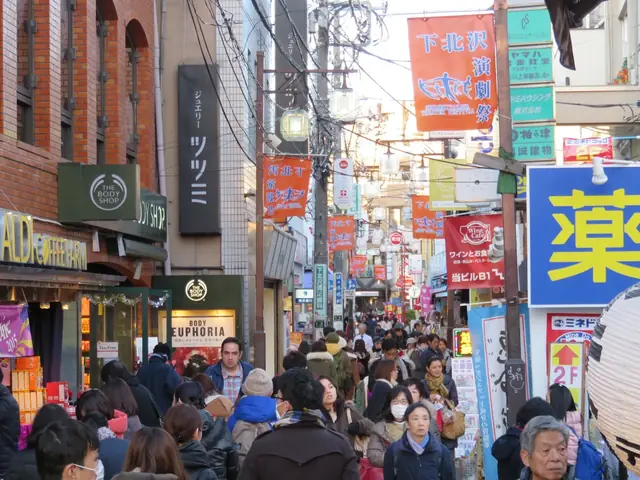
What the neighbourhood is like
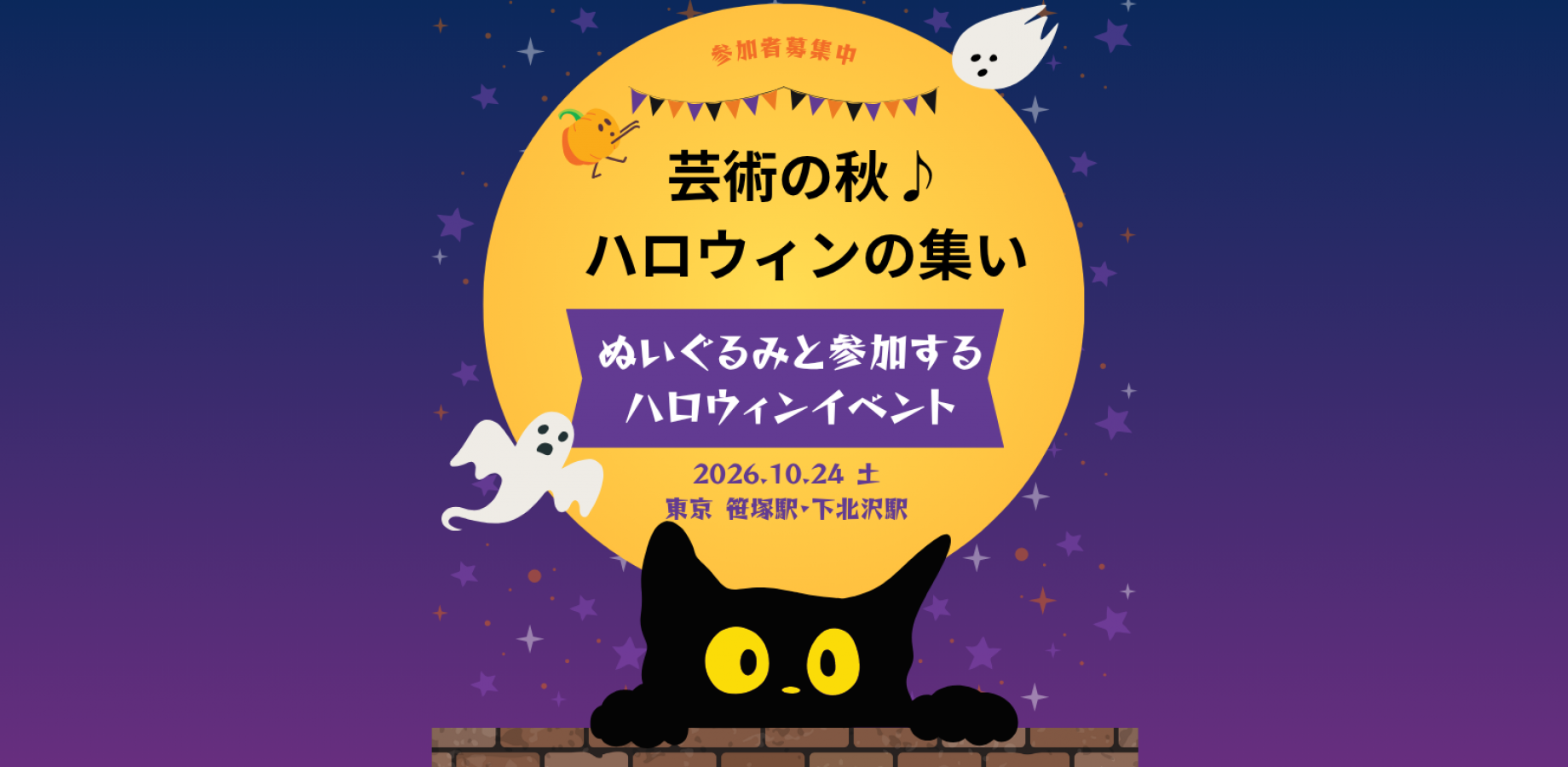
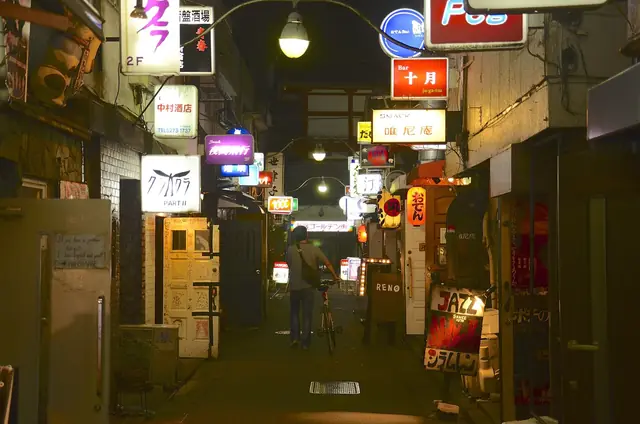
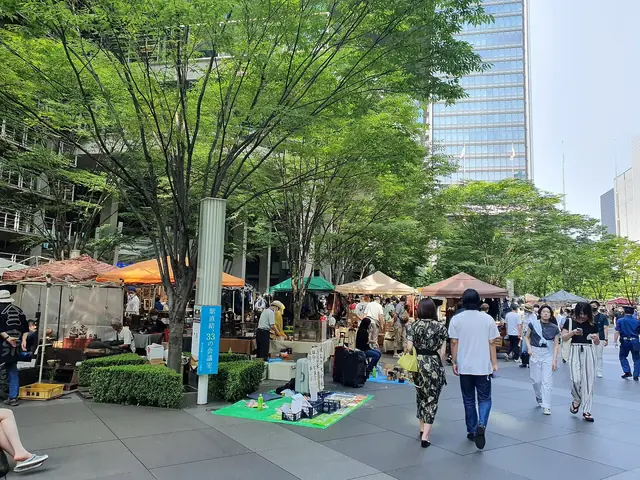
The streets around Shimokitazawa Station are narrow and winding, lined with second-hand clothing shops, record stores, cafes, izakaya and curry houses. For decades it has been a home for young musicians, actors and students, and its events reflect that: small gigs, fringe theatre and weekend markets rather than arena shows. Weekday afternoons are relaxed, while weekend afternoons get crowded with shoppers.
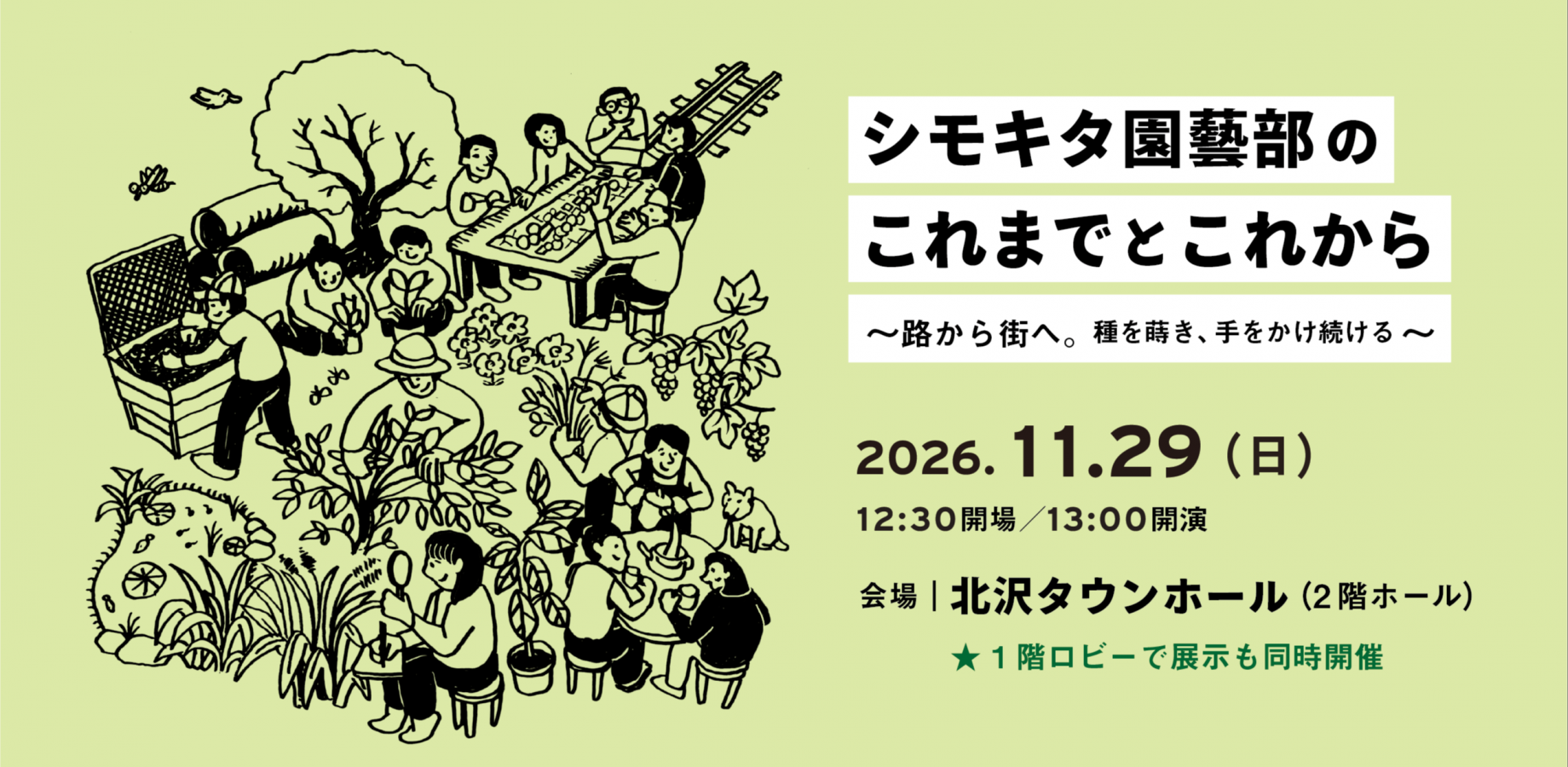
The area has also changed a lot. When the Odakyu Line moved underground in 2013, the old track bed became a long strip of new spaces called Shimokita Senrogai. Bonus Track, opened in 2020 about halfway to Setagaya-Daita, is a cluster of small independent shops around a lawn that is often used for markets and small events. reload, opened in 2021, is a row of shops run by their owners, and Mikan Shimokita, opened in 2022 under the Keio Inokashira Line tracks, has food, shops and a game centre. Its name is a play on the word 未完, unfinished.
Live houses: where to see bands
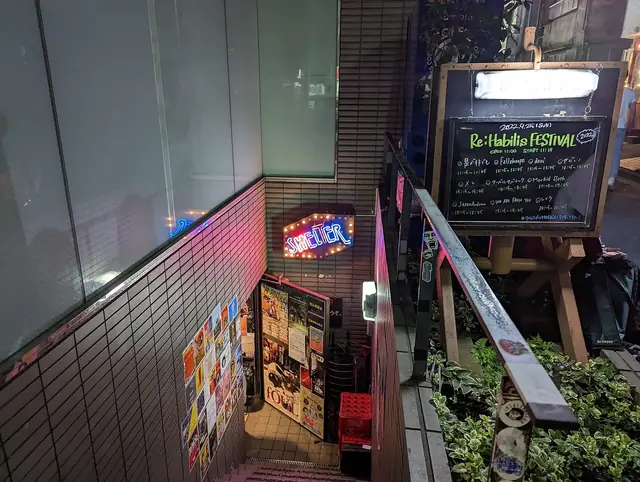
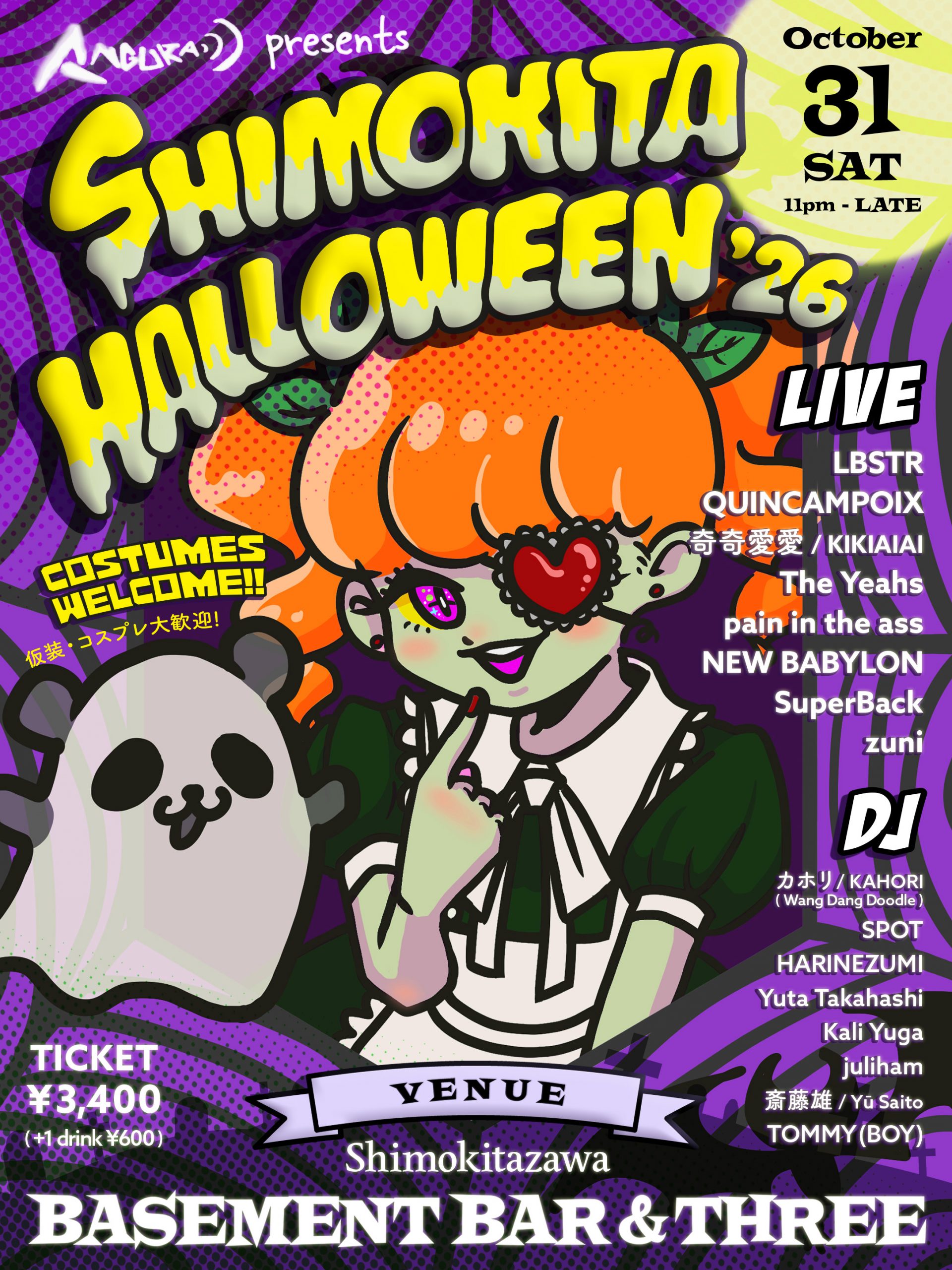
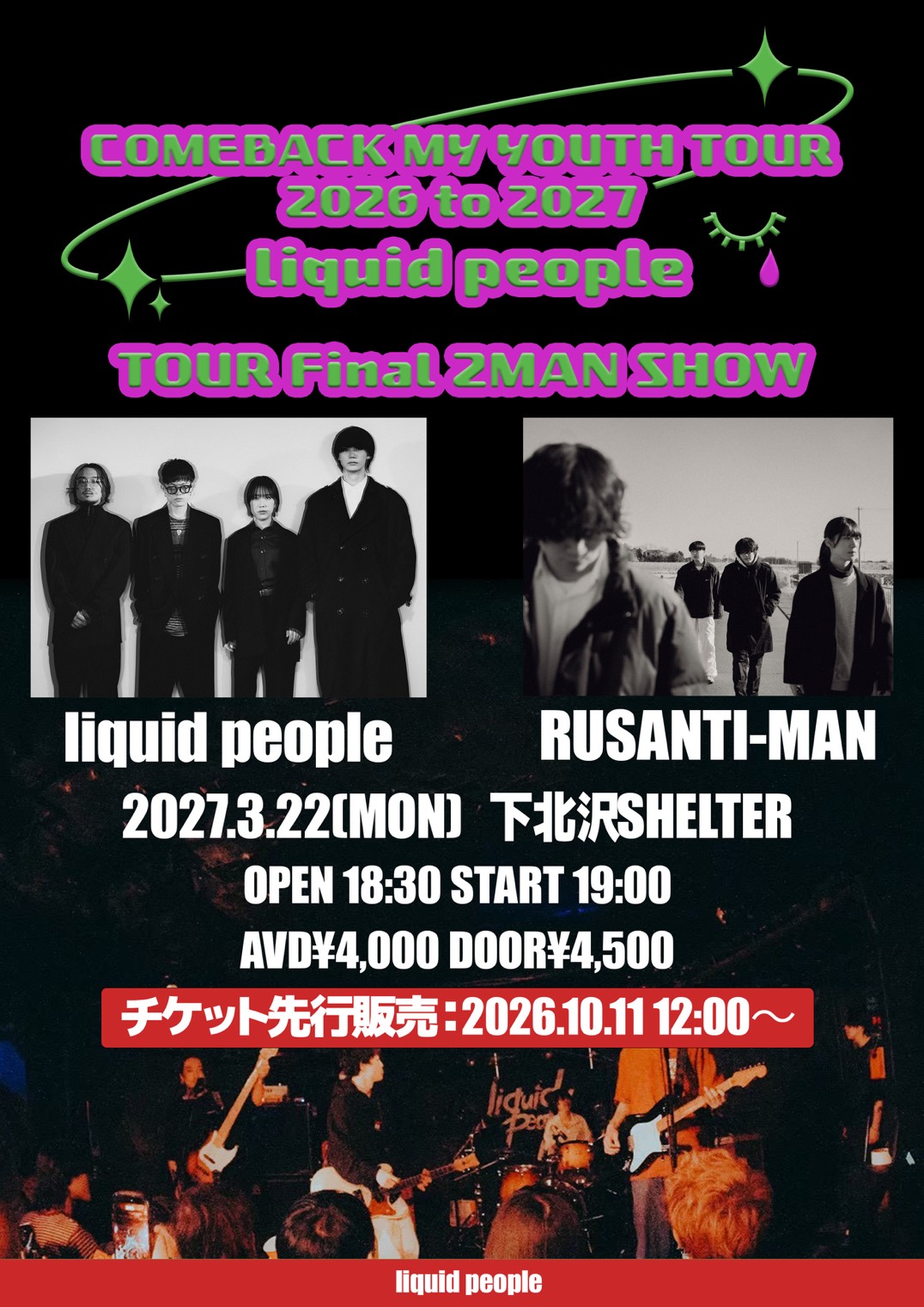
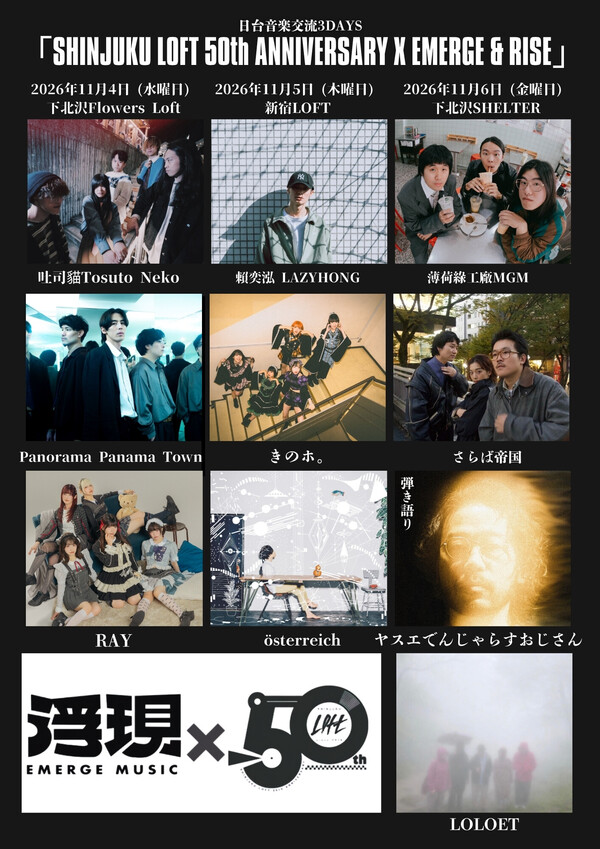
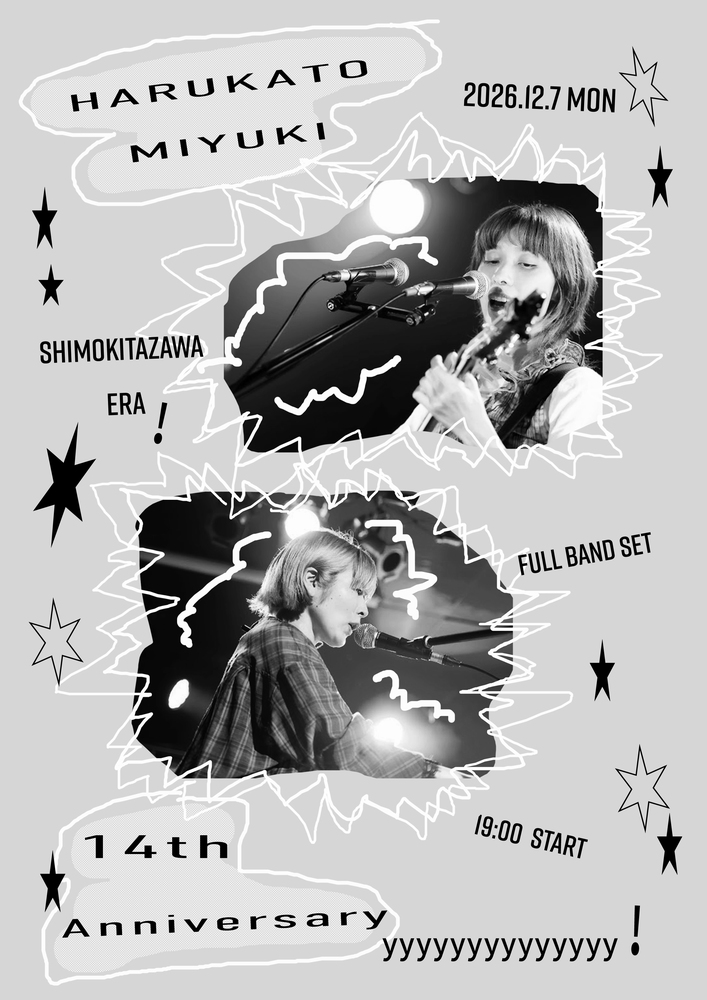
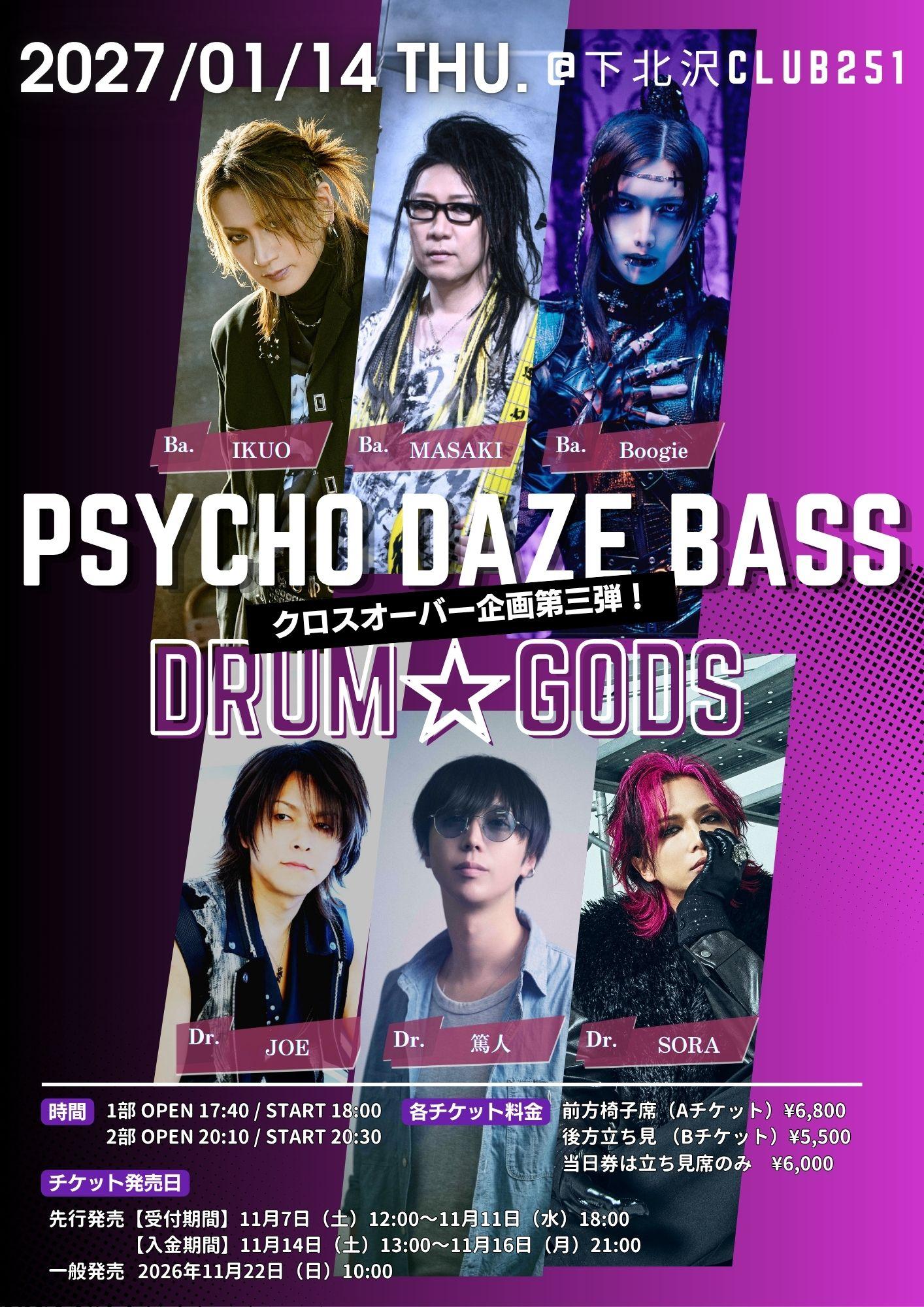
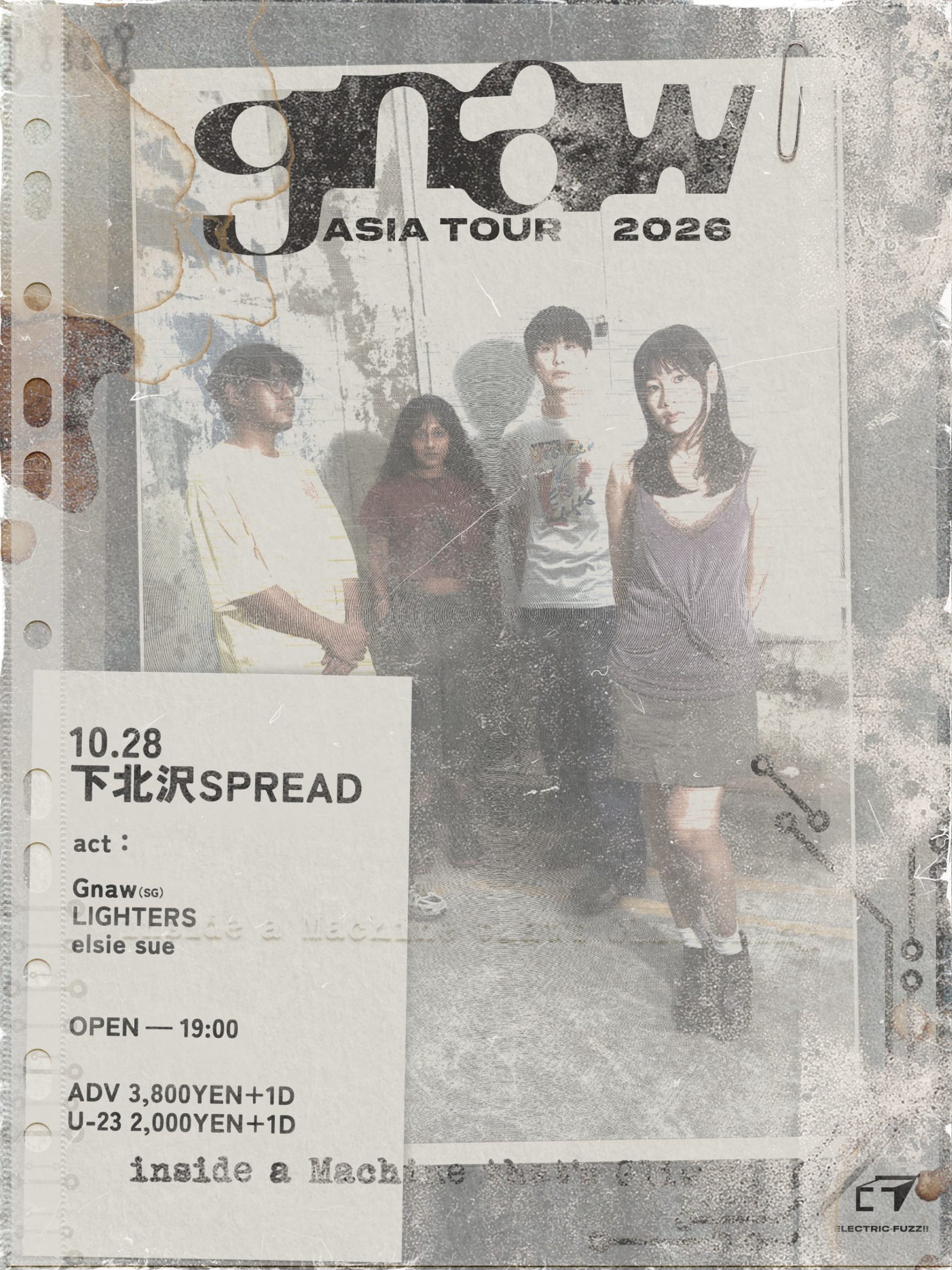
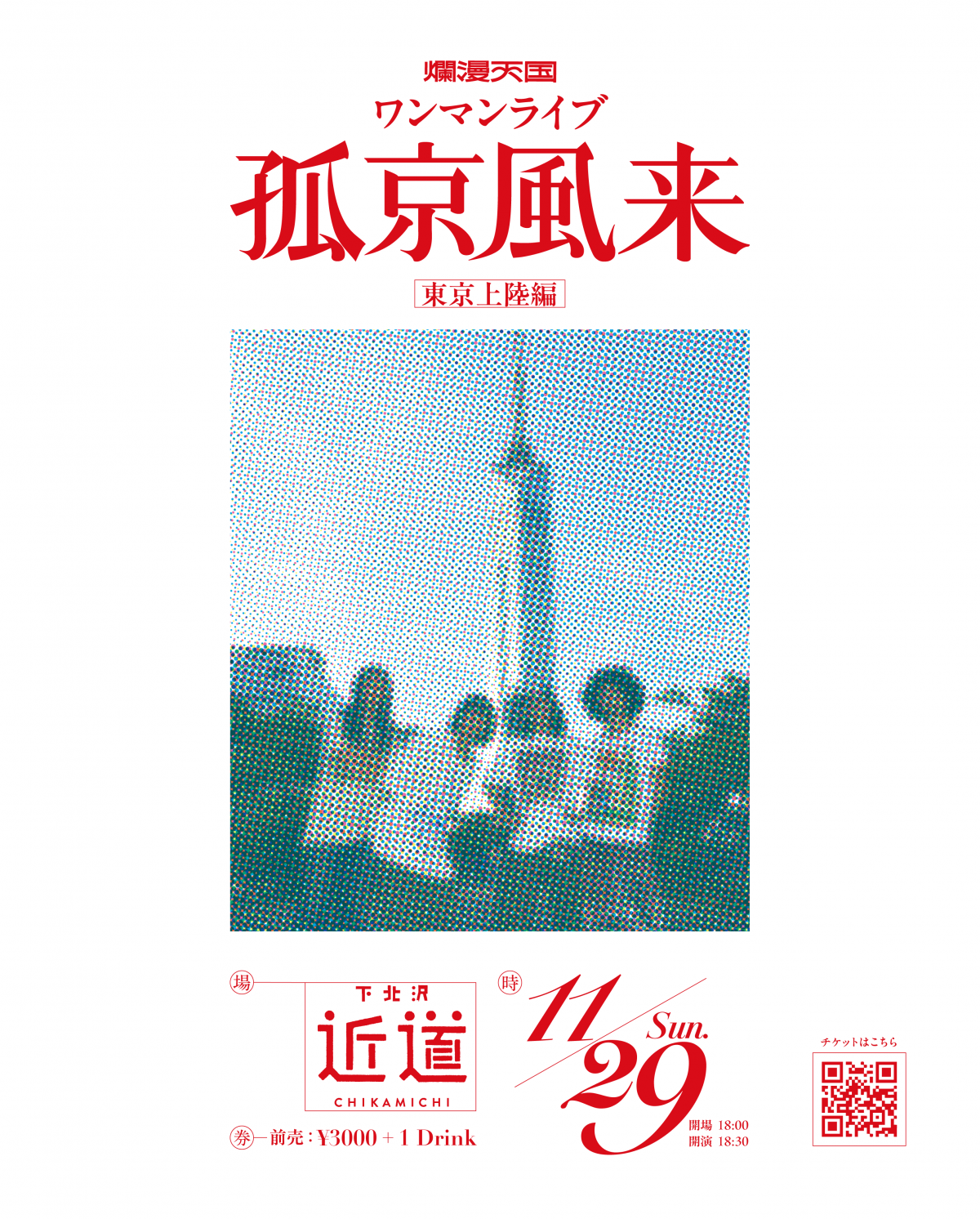
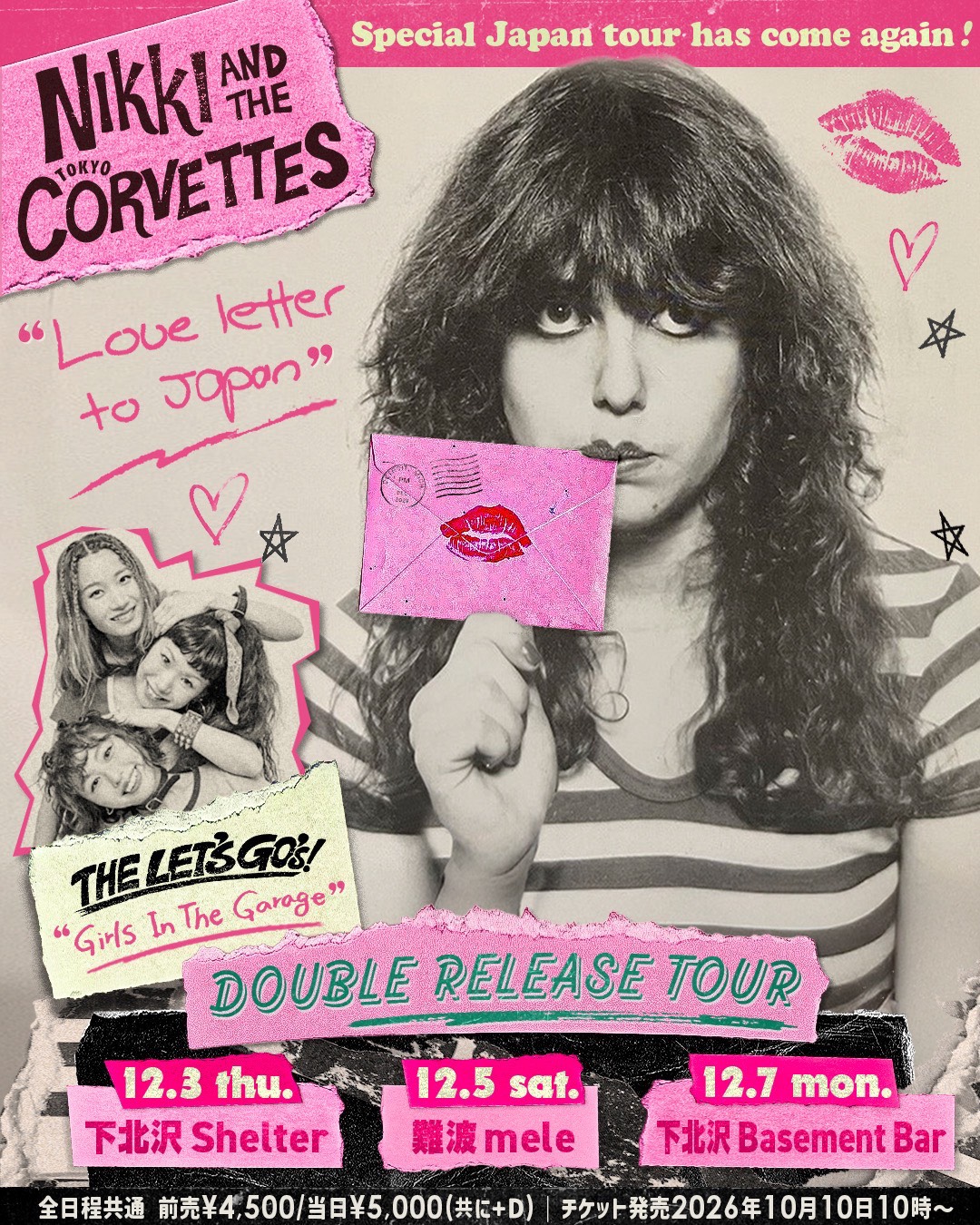
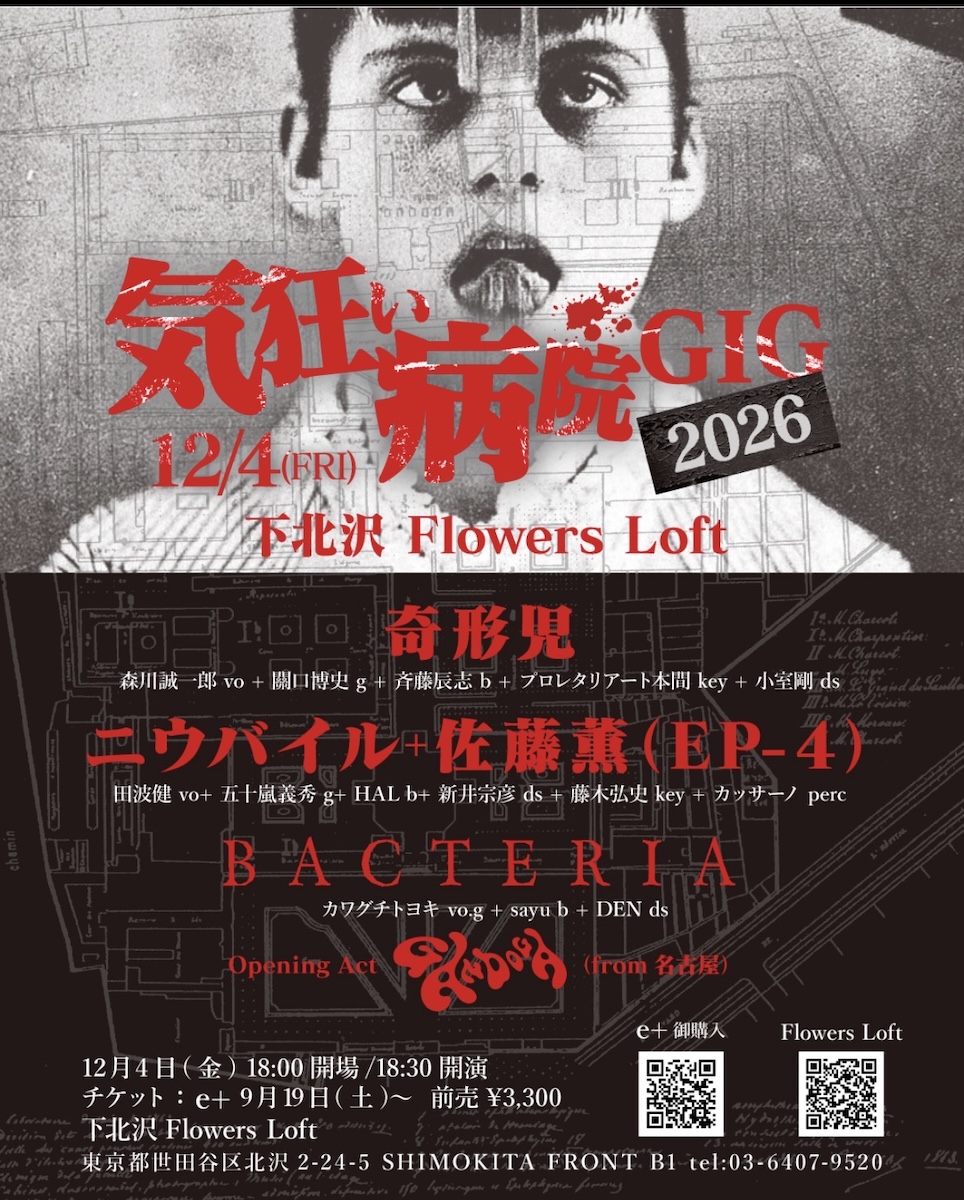
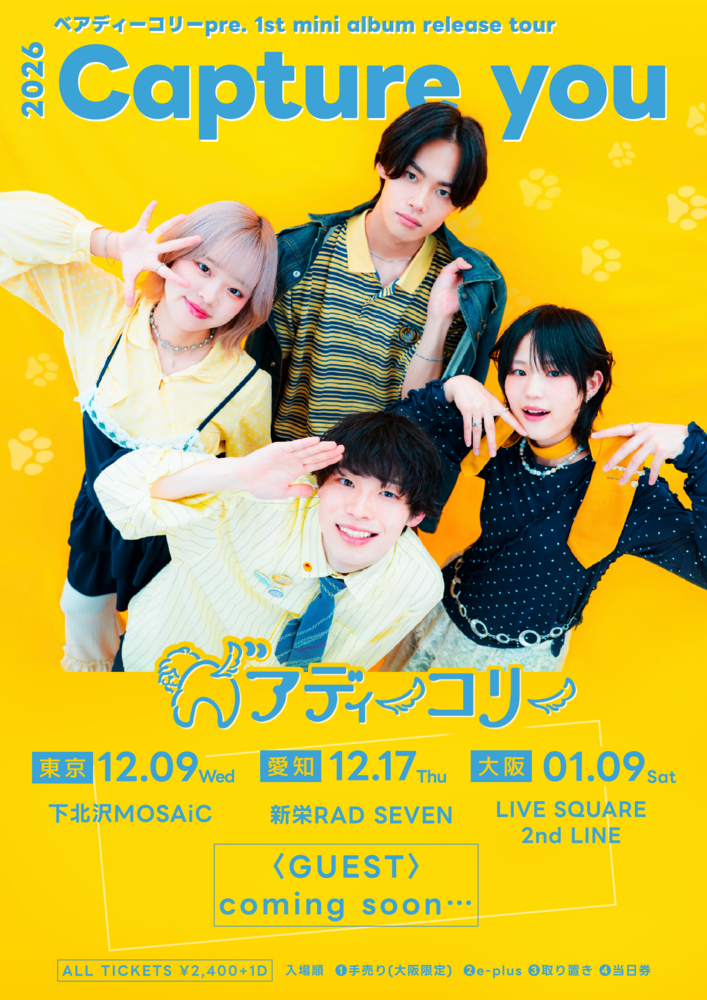
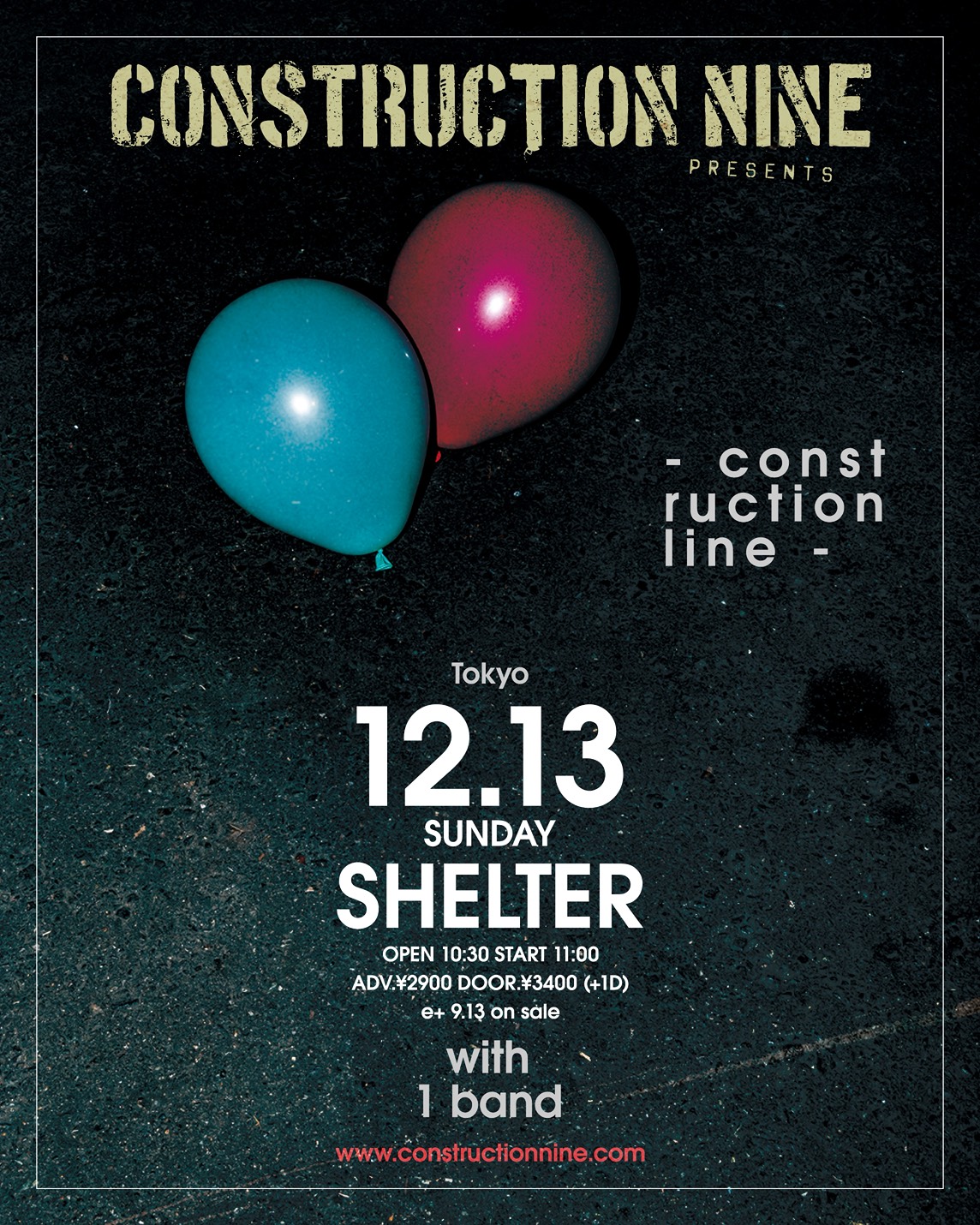
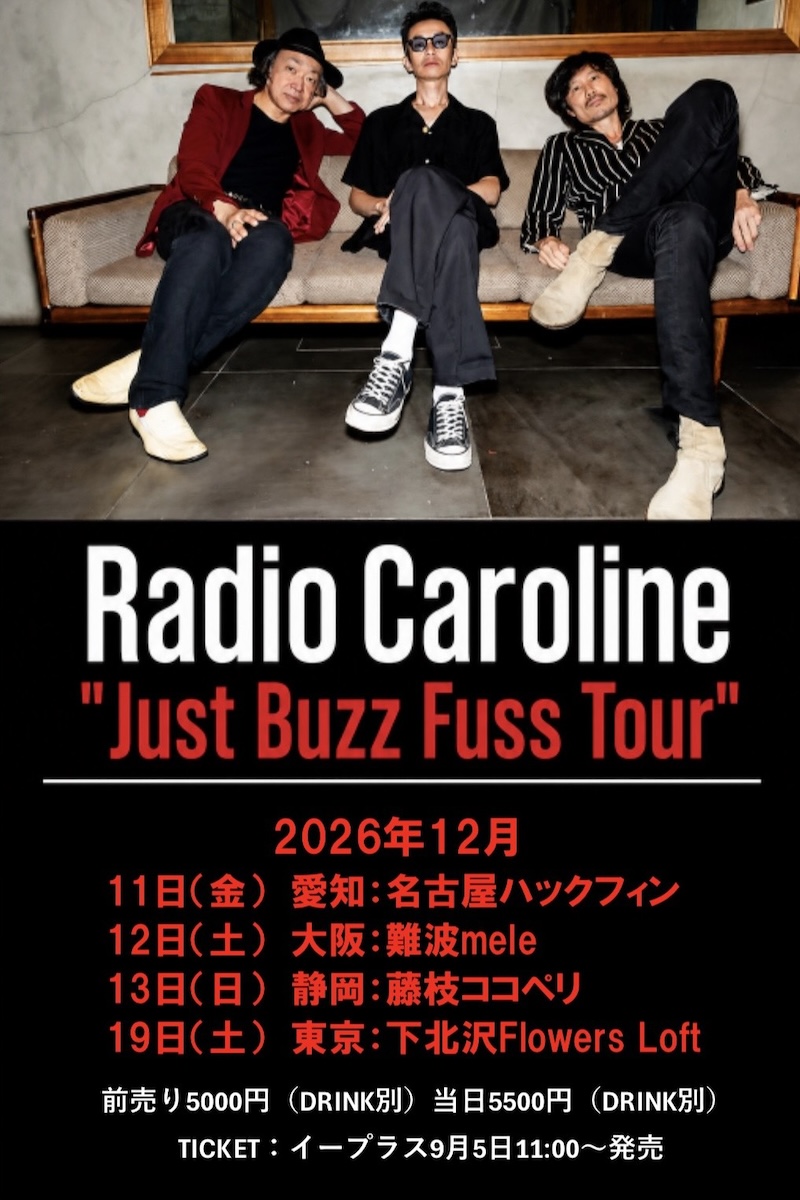
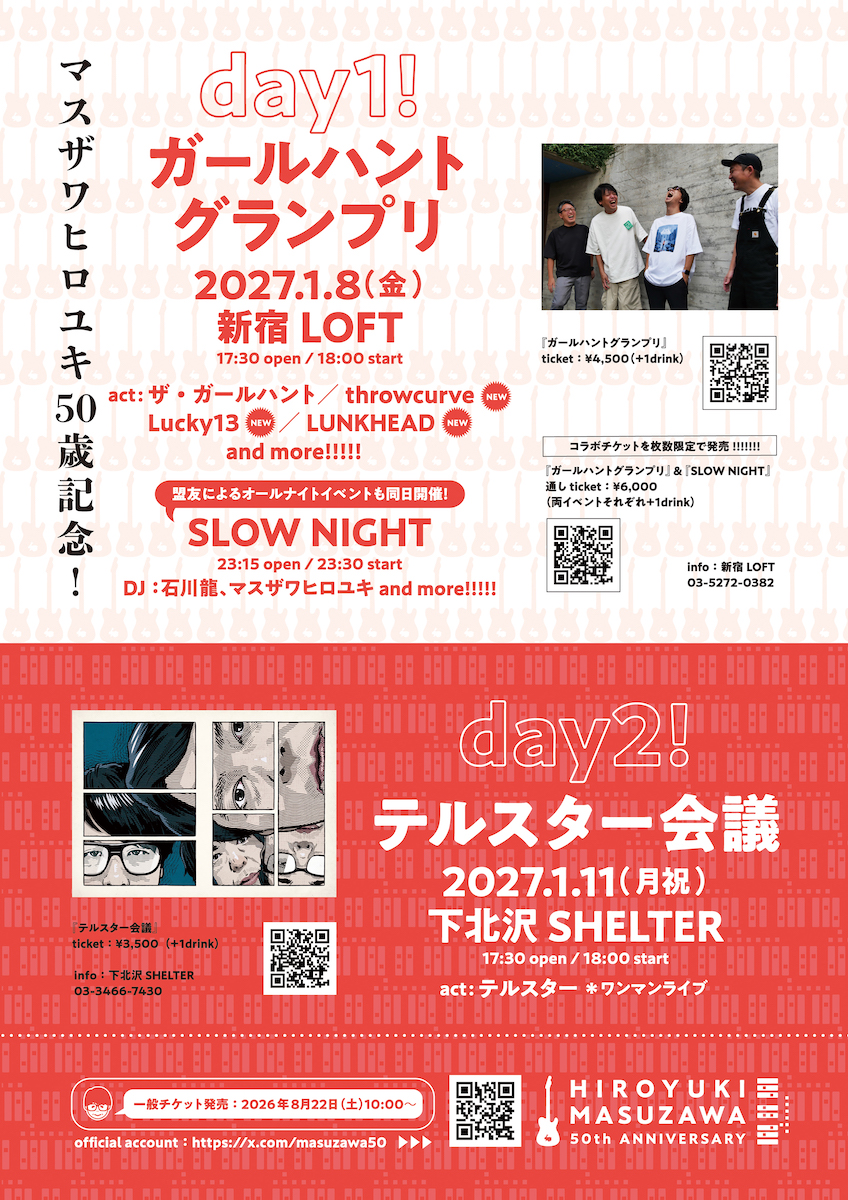
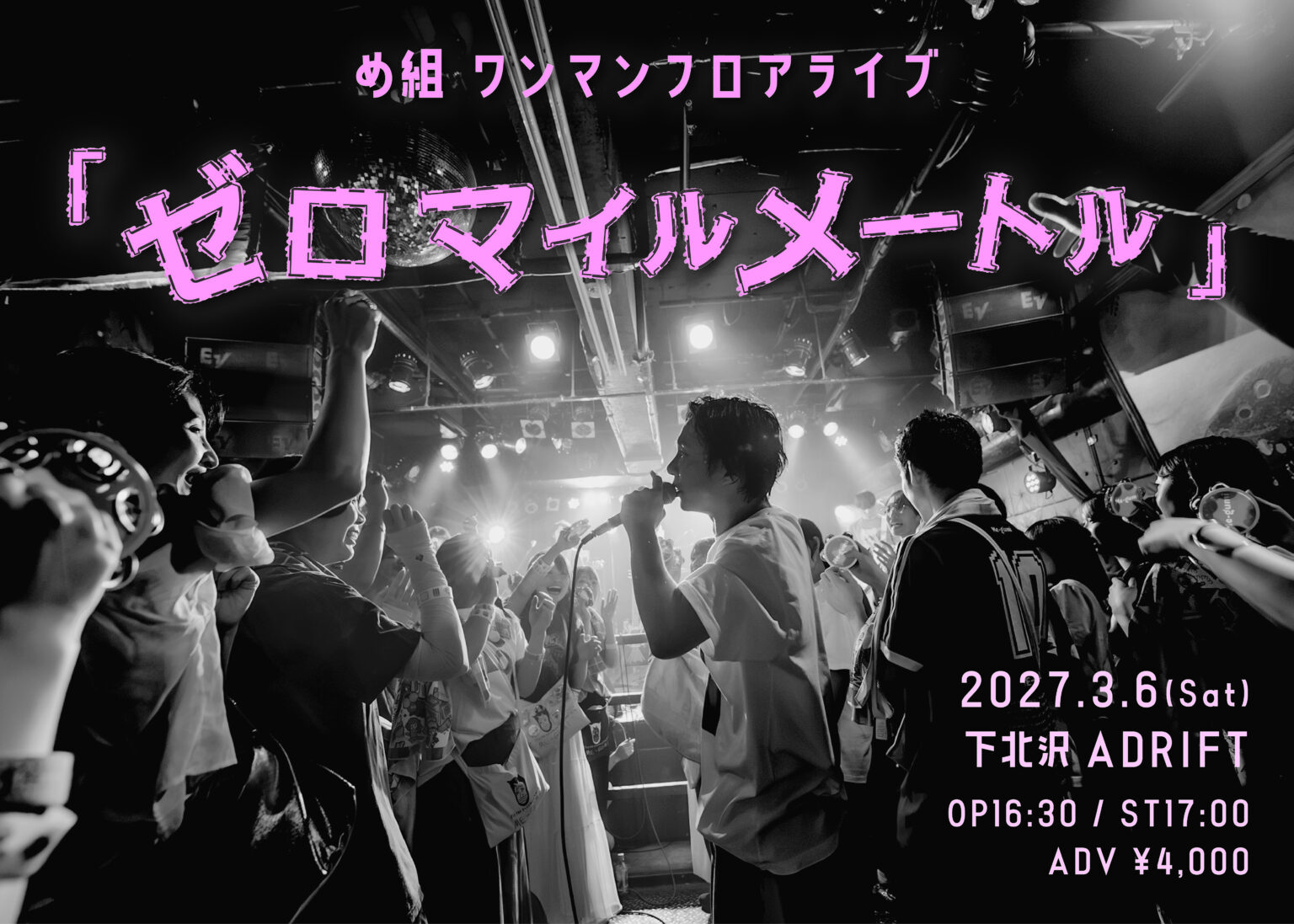
Shimokita has one of the densest clusters of live houses in Tokyo, most of them within a five-minute walk of the station. SHELTER, open since 1991, is the best-known basement, with rock, punk and hardcore bills. CLUB Que, open since 1994, holds a few hundred people and leans towards guitar rock. DaisyBar is a smaller basement for indie and pop bands, and CLUB251, ERA, MOSAiC and the twin venues BASEMENT BAR and THREE, on the same floor of one building, all run shows most nights.
The way it works is the same everywhere. Tickets are sold through e+, Pia, LivePocket or the band, each ticket usually has an entry number (整理番号) that sets the order you go in, and at the door you pay a drink charge of a few hundred yen on top of the ticket. Shows start early, often around 6:30 or 7pm, and end well before the last train.
- Bring cash for the drink charge and merch. Small venues do not always take cards.
- Door tickets (当日券) are often a few hundred yen more than advance tickets, if any are left.
- Coin lockers at the station are handy. Most basements have little room for bags.
Small theatres and the February theatre festival
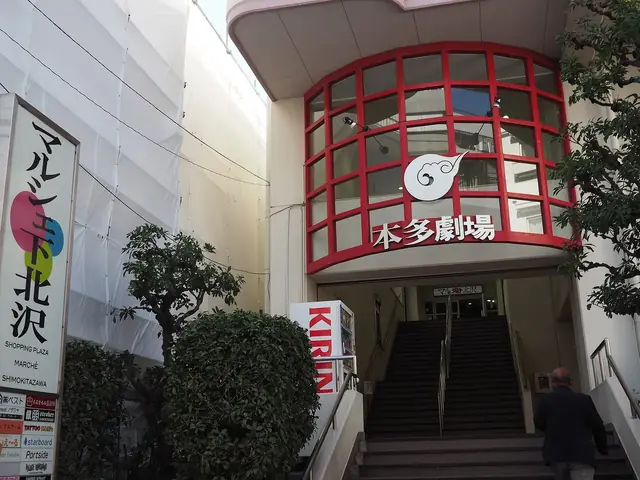
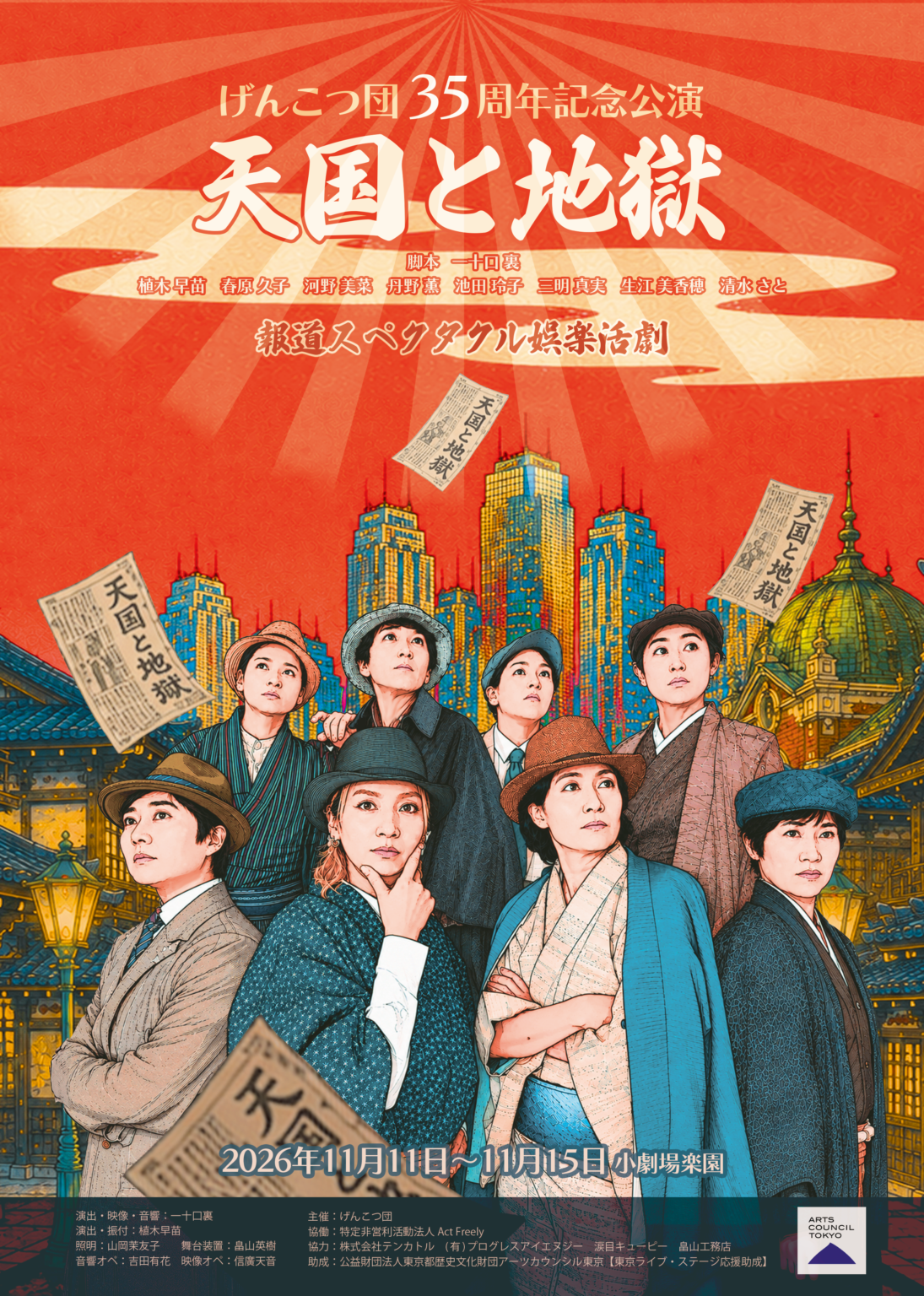
Shimokitazawa is Tokyo's fringe theatre town. The Honda Theater group runs a whole family of stages here: the Honda Theater itself, the largest at around 380 seats and right by the station; The Suzunari, the group's oldest, upstairs in a little row of shops; Ekimae Gekijo and OFF OFF Theatre in the same building; and smaller rooms such as Geki Shogekijo, Rakuen, Theatre 711 and Shogekijo B1.
Every February the neighbourhood holds the Shimokitazawa Theatre Festival, which has run since 1990 with local shops, residents and theatre people behind it. Plays are almost always in Japanese without subtitles, so if you do not speak it, look for comedy, dance or physical theatre, which travel better. Tickets are usually sold by the company itself, and some shows offer cash tickets at the door.
Vintage, curry and the year's festivals
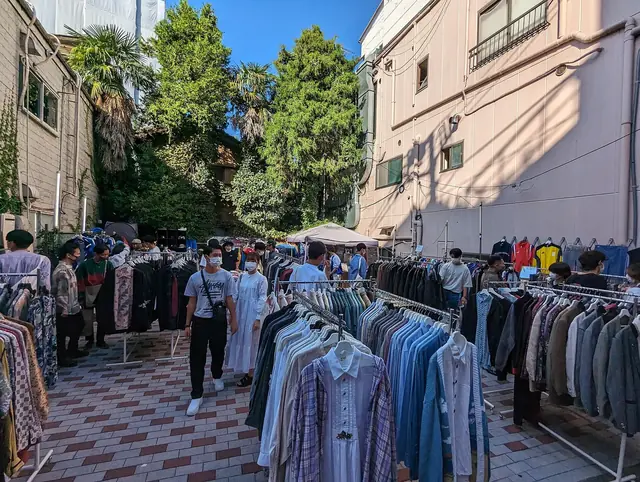
Vintage clothing is what draws most visitors. There are well over a hundred second-hand shops, from cheap racks of used jeans to carefully chosen American and European pieces, and places such as the Toyo Hyakkaten annex in Mikan Shimokita (the original building closed in 2025 for rebuilding) hold many small sellers under one roof. Many shops open around noon, so a late morning start works best. Shimokita is also a curry town, known for Hokkaido-style soup curry and spice curries, and every autumn, usually in October, the Shimokitazawa Curry Festival runs for about two and a half weeks with more than a hundred restaurants serving special dishes and a stamp rally.
Two street festivals are worth knowing. The Tengu Matsuri takes place around Setsubun at the turn of January and February: instead of demons, tengu goblins parade through the shopping streets with a huge tengu mask float, and people throw beans for luck. In August the Shimokitazawa Ichibangai Awa Odori brings dance groups onto the streets east of the station. It began in 1966 and is smaller and more neighbourly than the famous one in Koenji.
- Popular curry places get queues at lunch and around 6pm. Eat a little earlier or later.
- Street festivals here are free. Food is often sold for cash, and bins are rare, so carry a bag for your rubbish.
Getting there and planning an evening
Shimokitazawa Station is served by two lines. The Odakyu Line comes from Shinjuku in under ten minutes on an express, and the Keio Inokashira Line runs from Shibuya in a few minutes and continues west to Kichijoji. The station has several exits, so check which one your venue's page gives. Setagaya-Daita on the Odakyu Line and Higashi-Kitazawa are a short walk away.
A good evening around a gig looks like this: arrive in the afternoon for the vintage shops, eat curry early, go to the show and stay for a drink afterwards. Trains stop around midnight, so check your last train before ordering the second round. If you want more of the same scene, Koenji is a short trip north and Kichijoji is at the end of the Inokashira Line, while Shibuya is right next door for clubs.