When family events happen, and how to read a poster
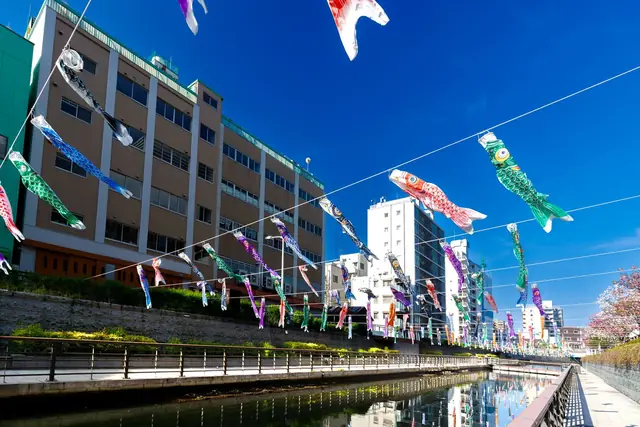
Family events cluster around school holidays: spring break from late March into early April, Golden Week in early May (May 5 is Children's Day, with carp streamers flying over parks and rivers), and the long summer holiday from late July to the end of August, which is also festival and fireworks season. In November, families take children aged three, five and seven to shrines in kimono for Shichi-Go-San. Between those peaks, shopping malls, parks and ward-run children's halls (jidokan) hold small weekend events, often free.
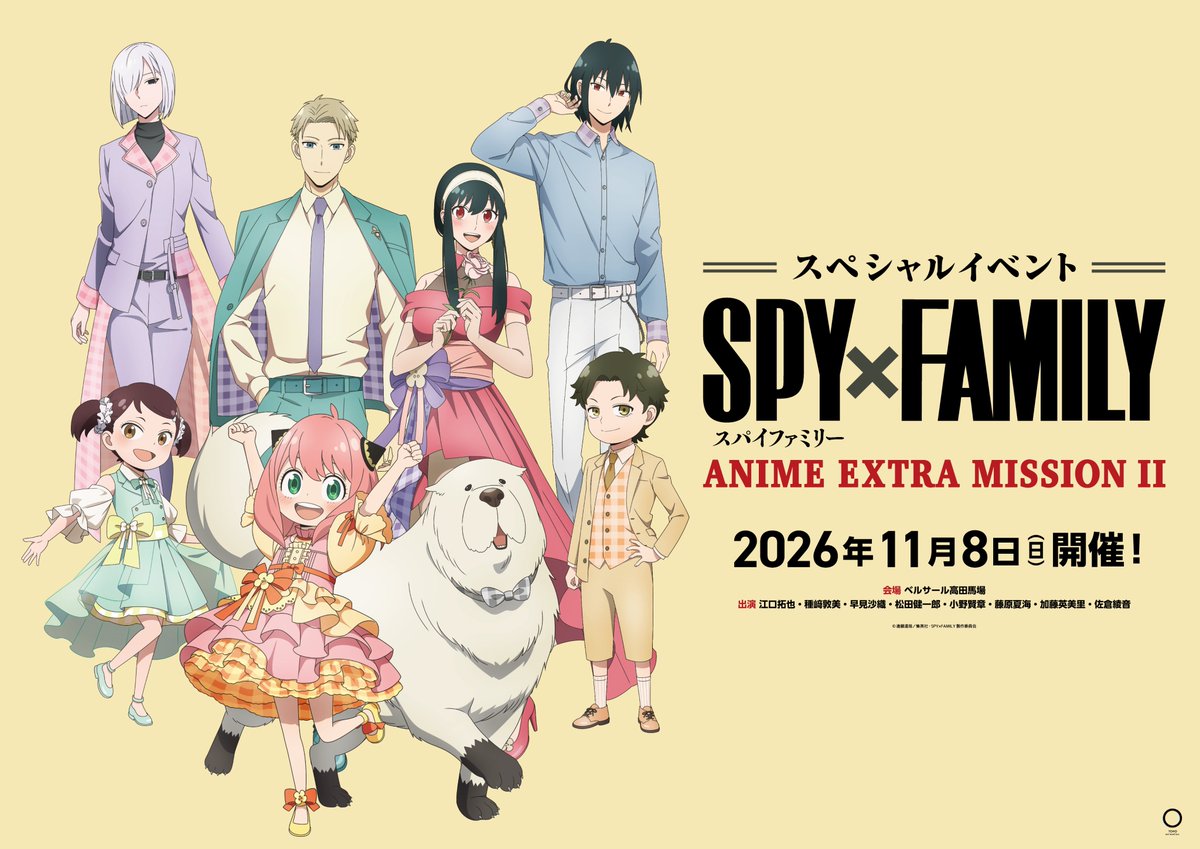
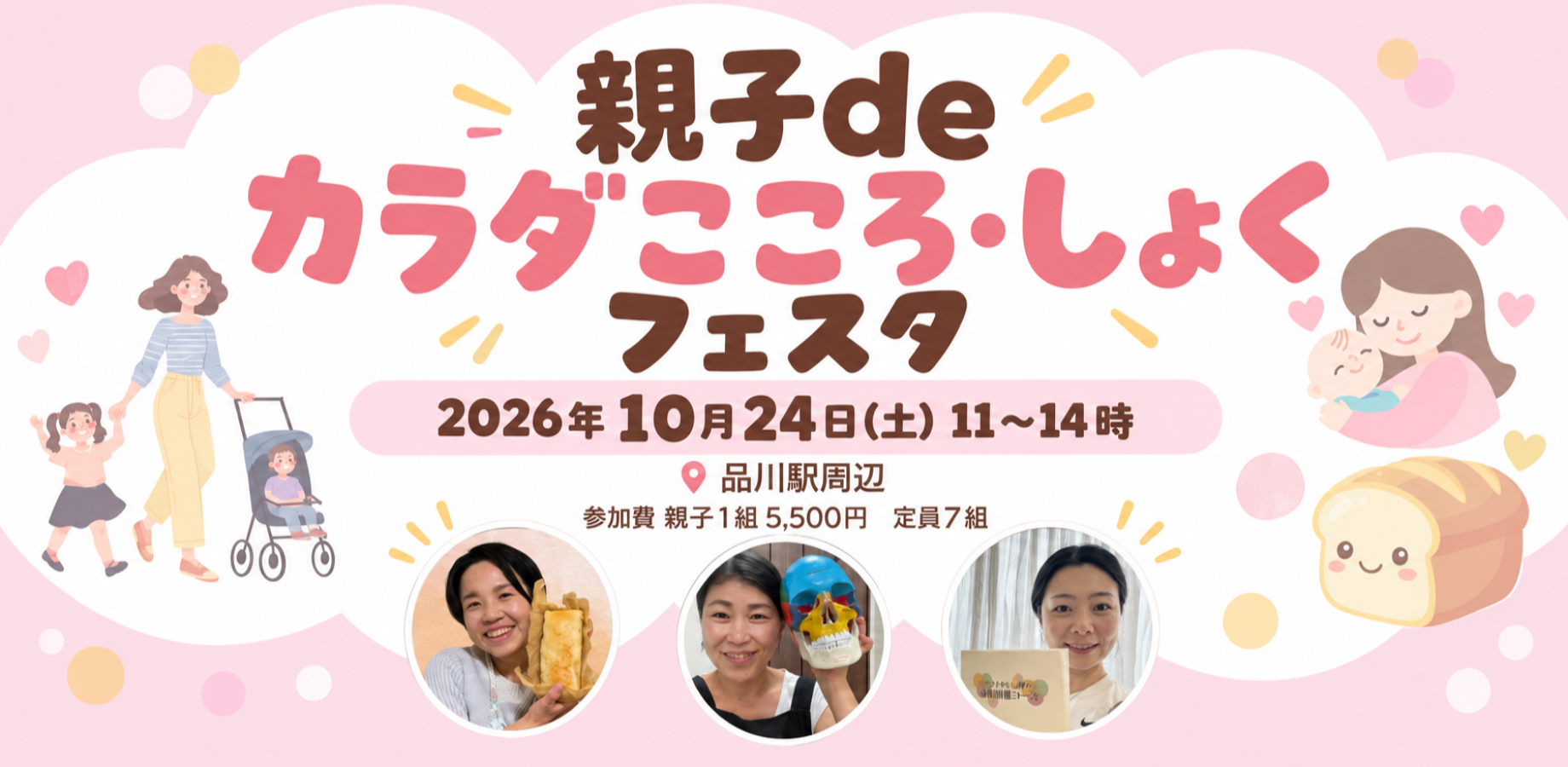
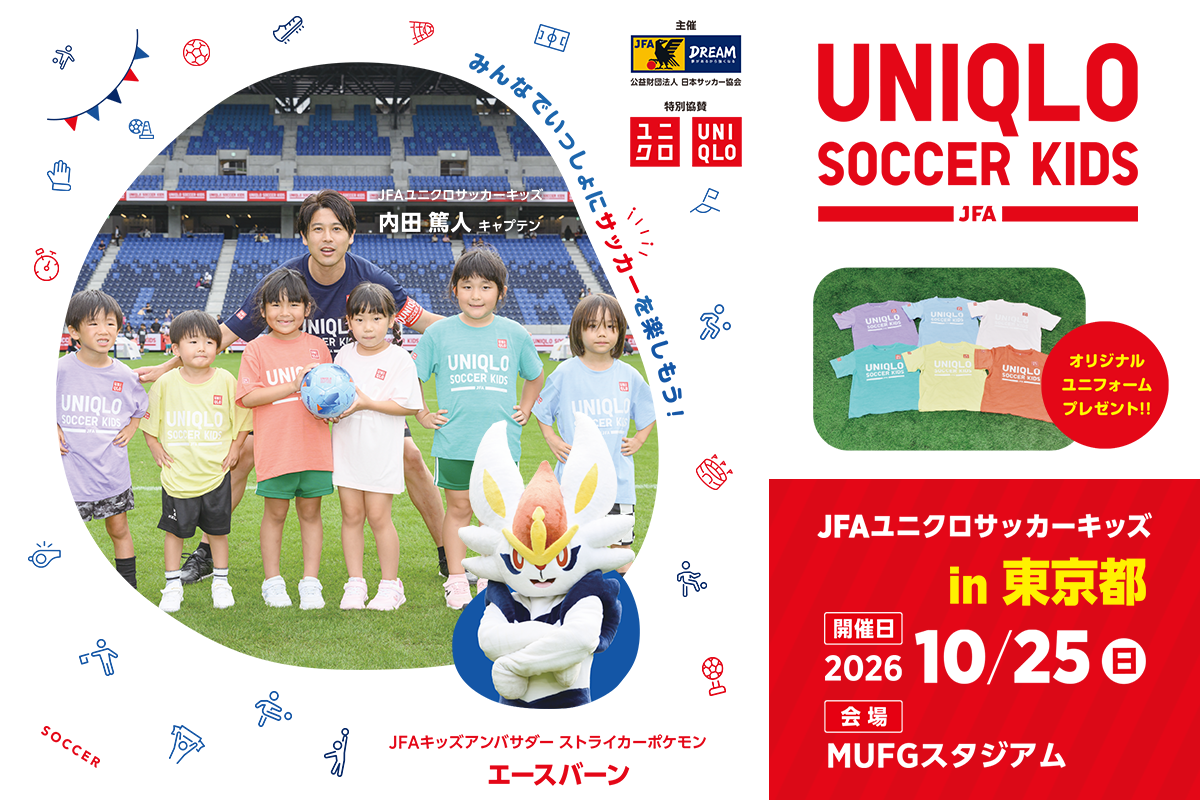
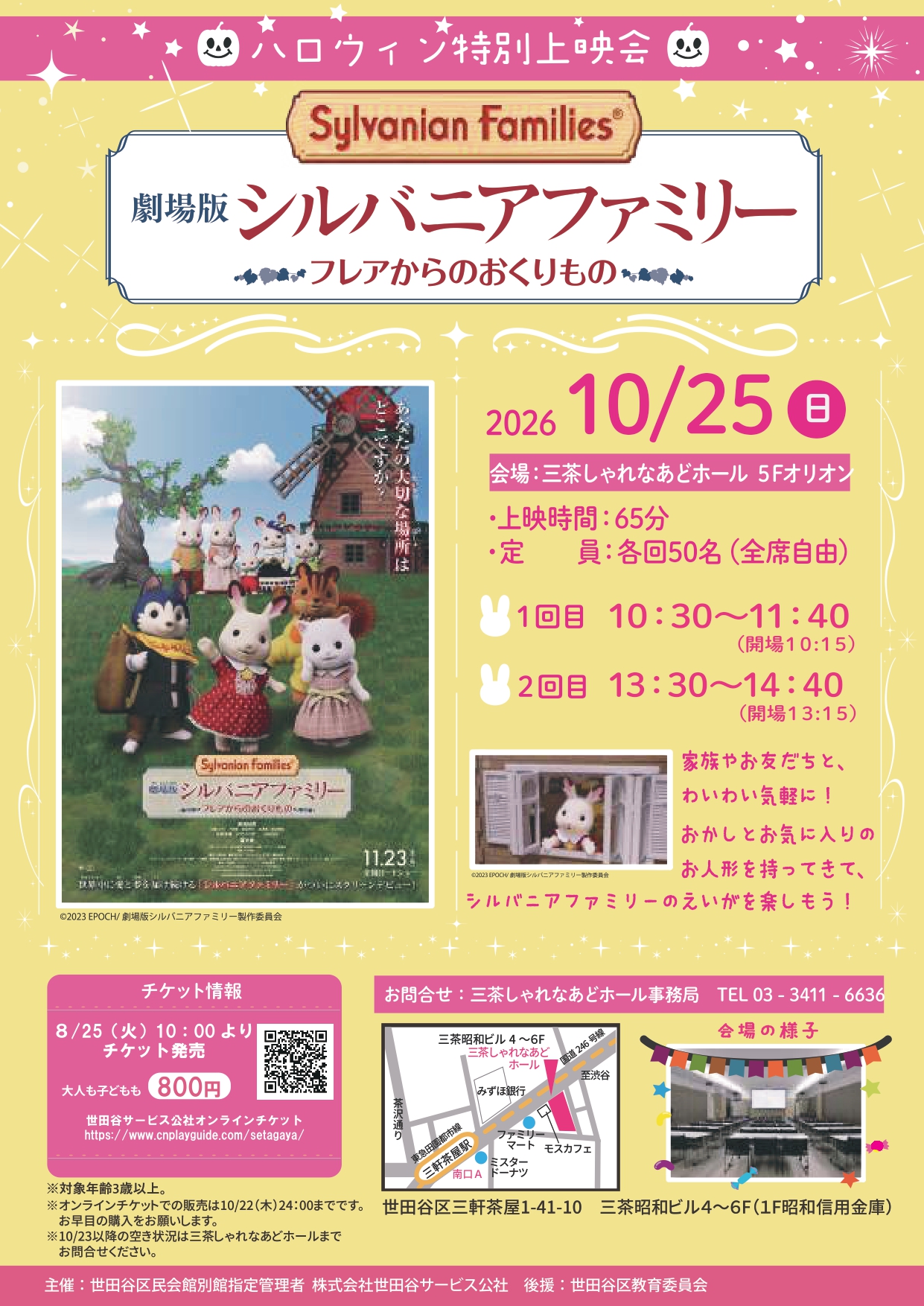
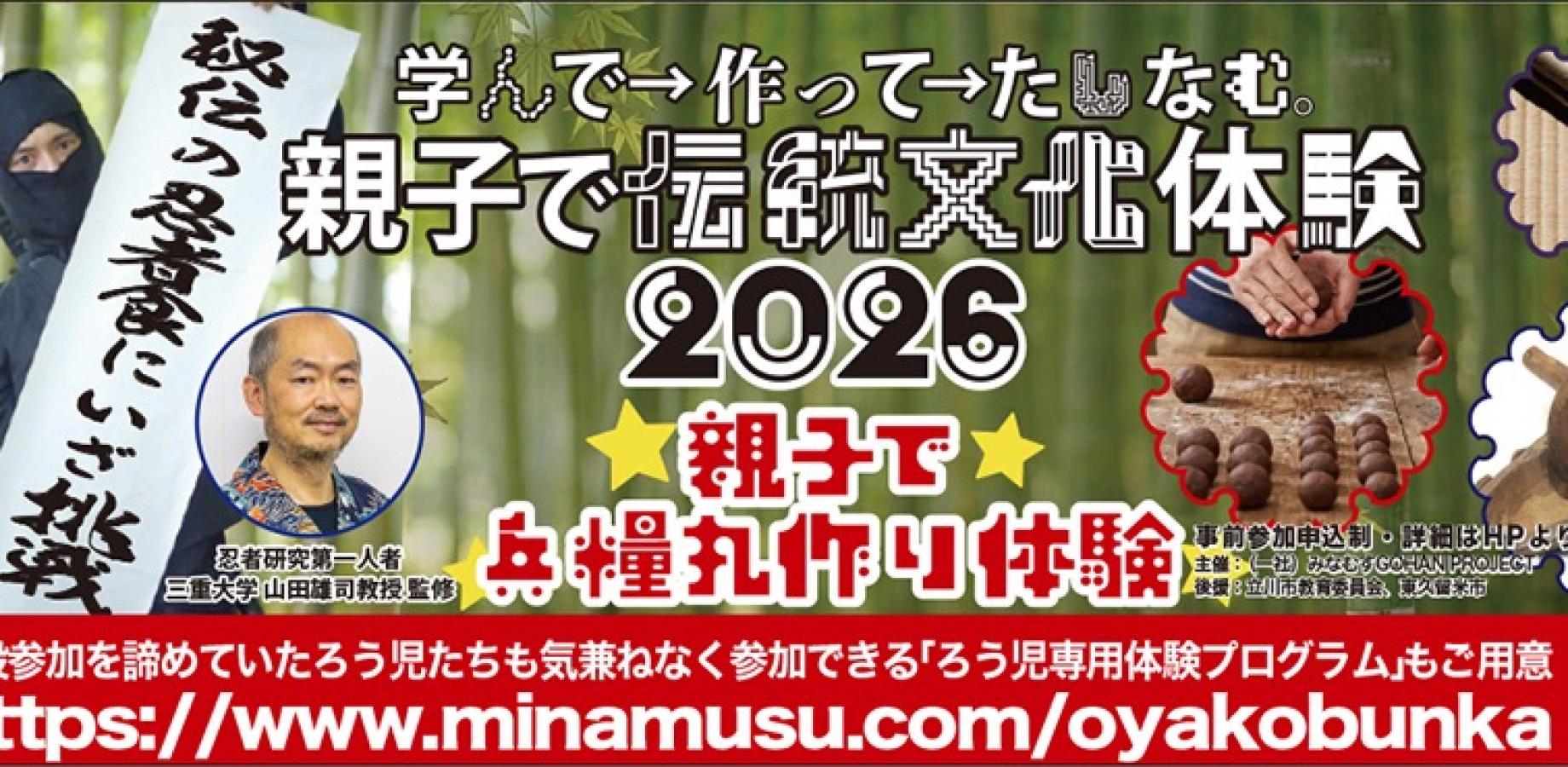
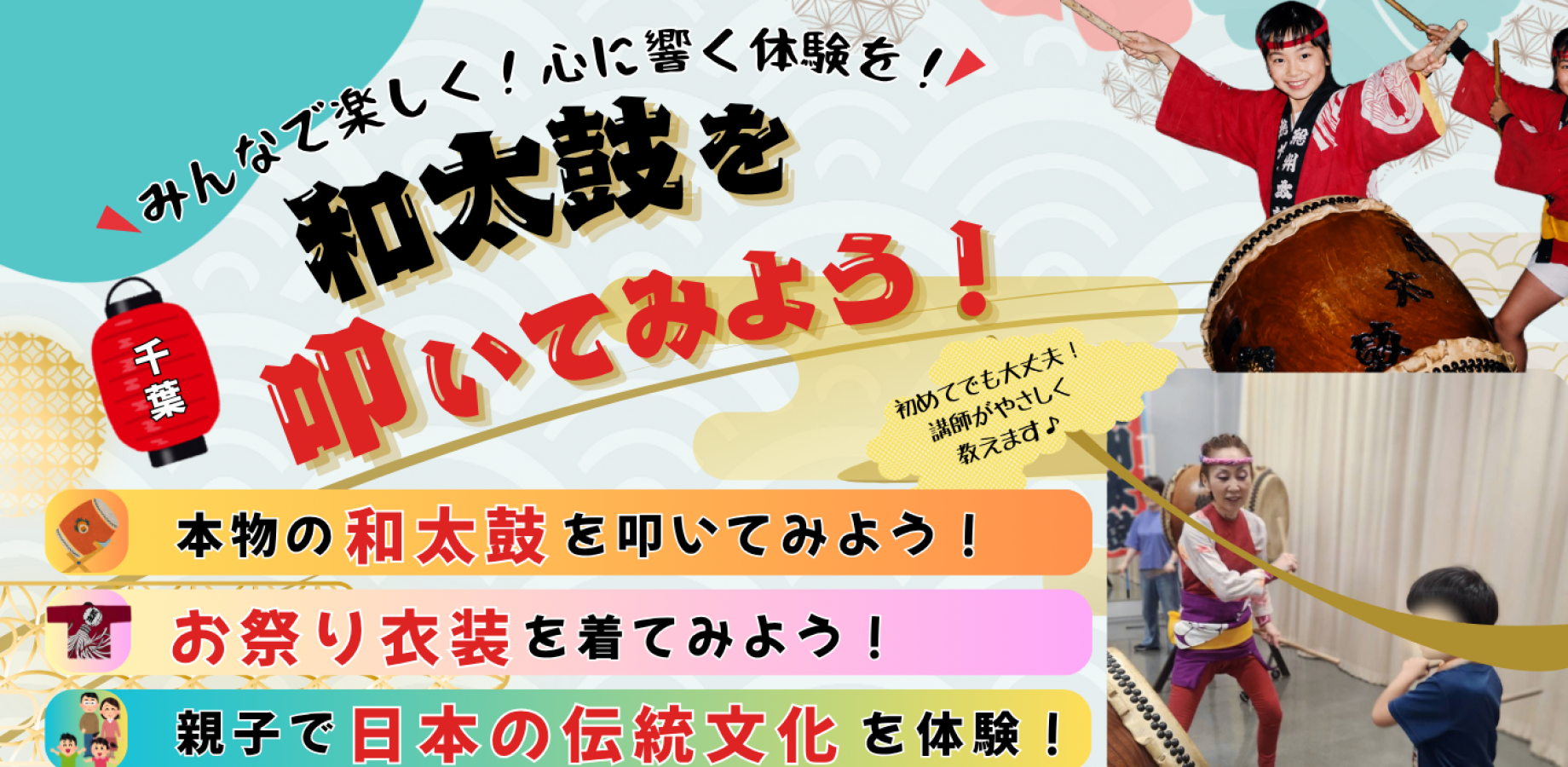
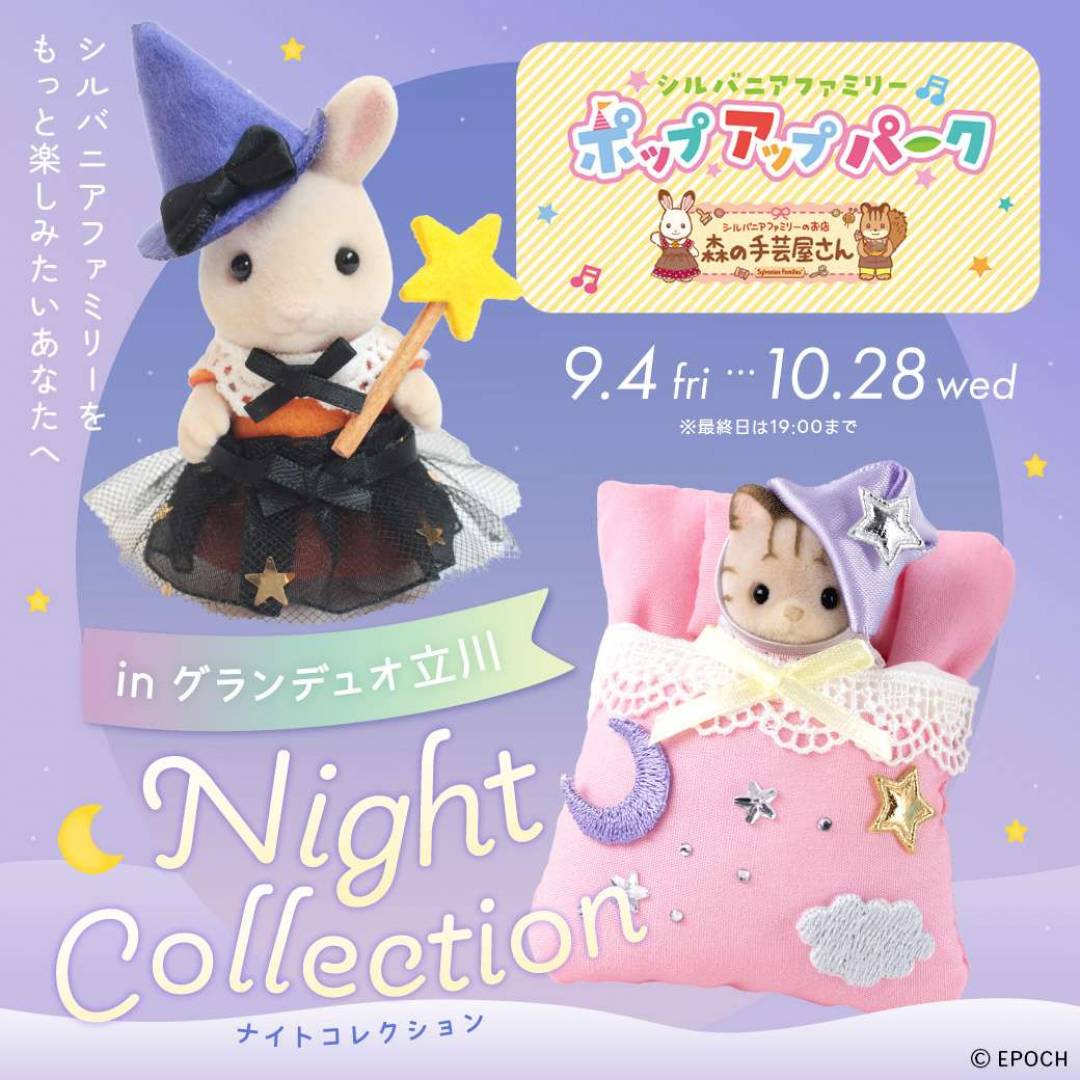
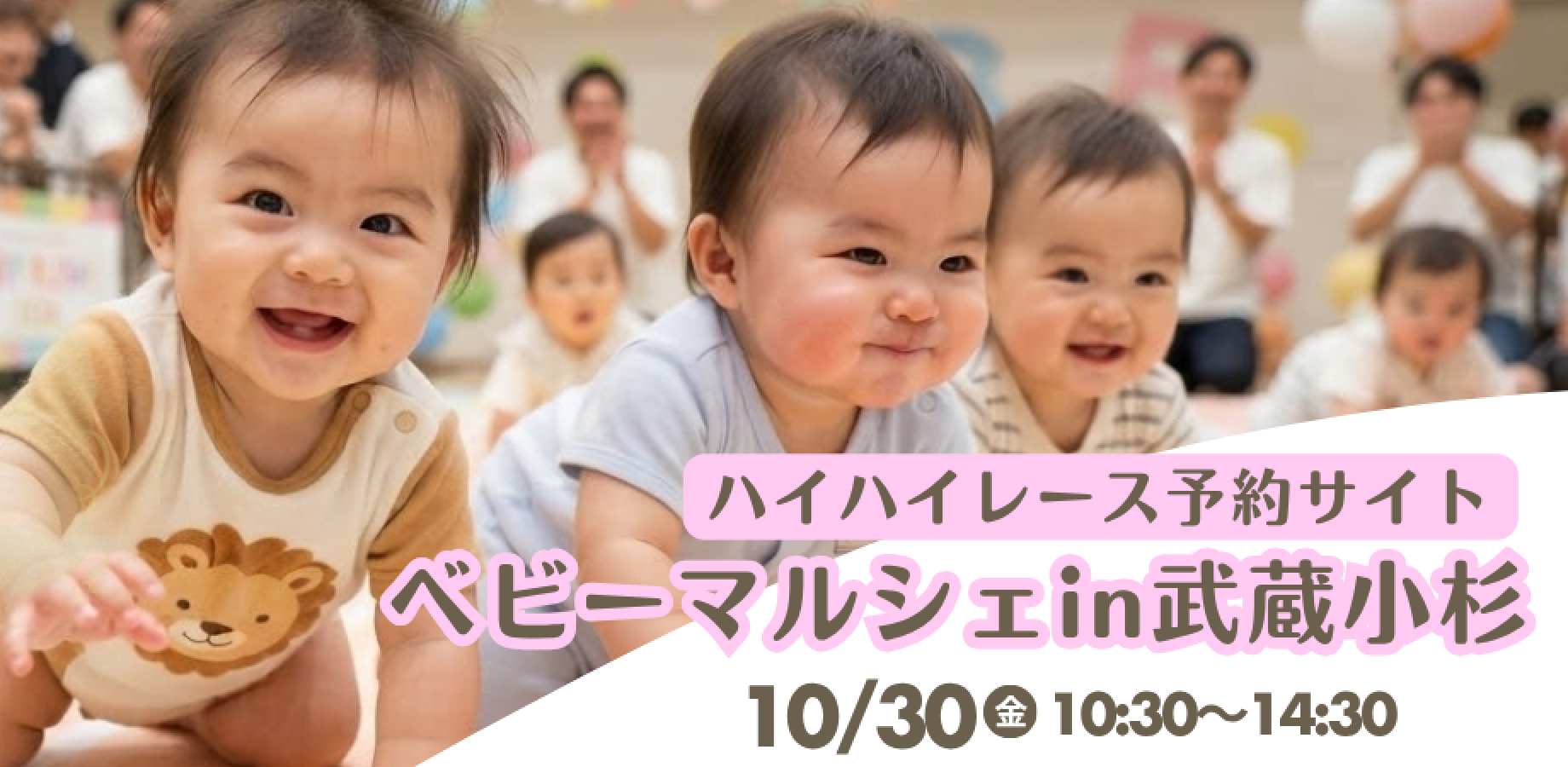
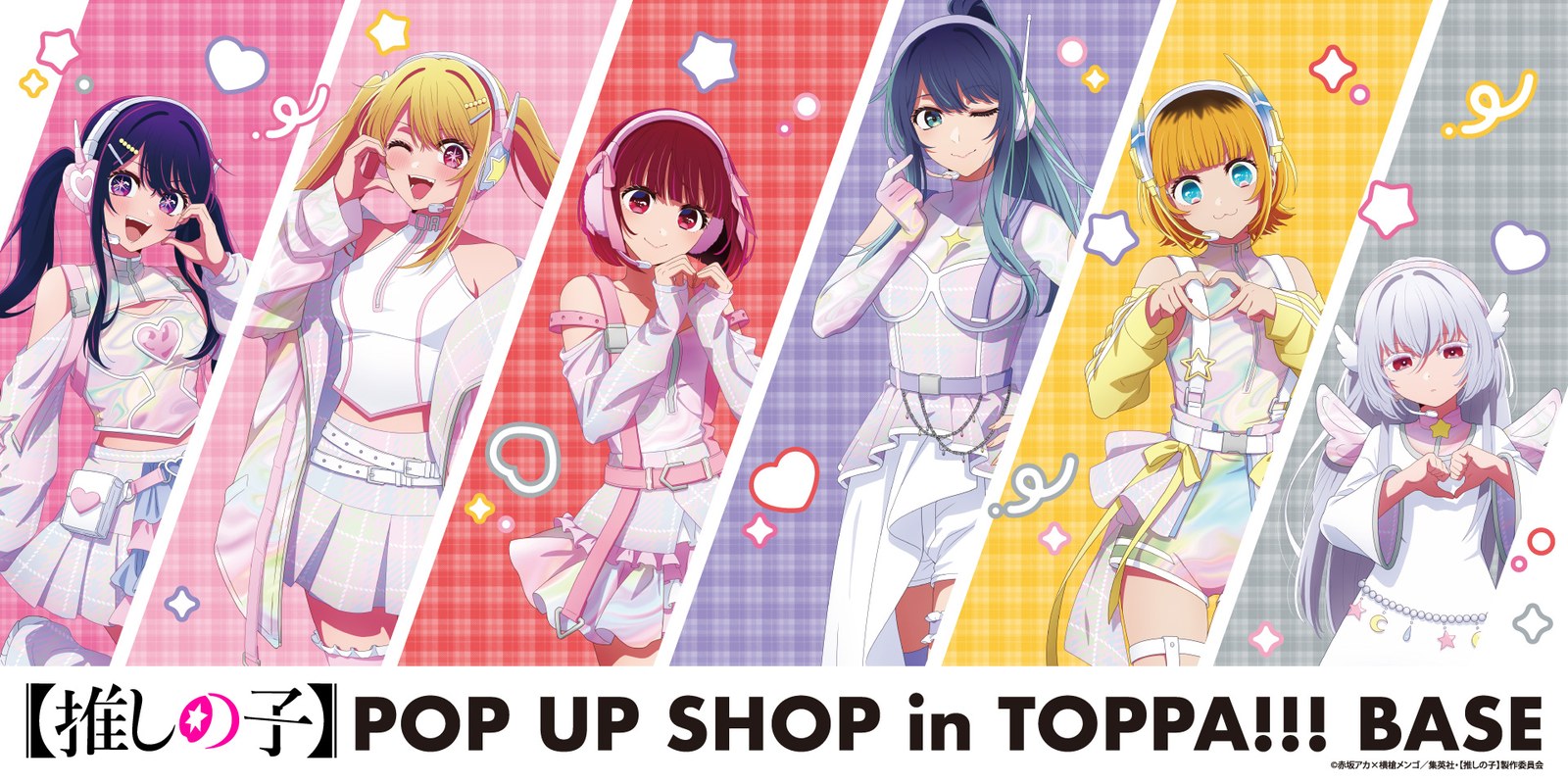
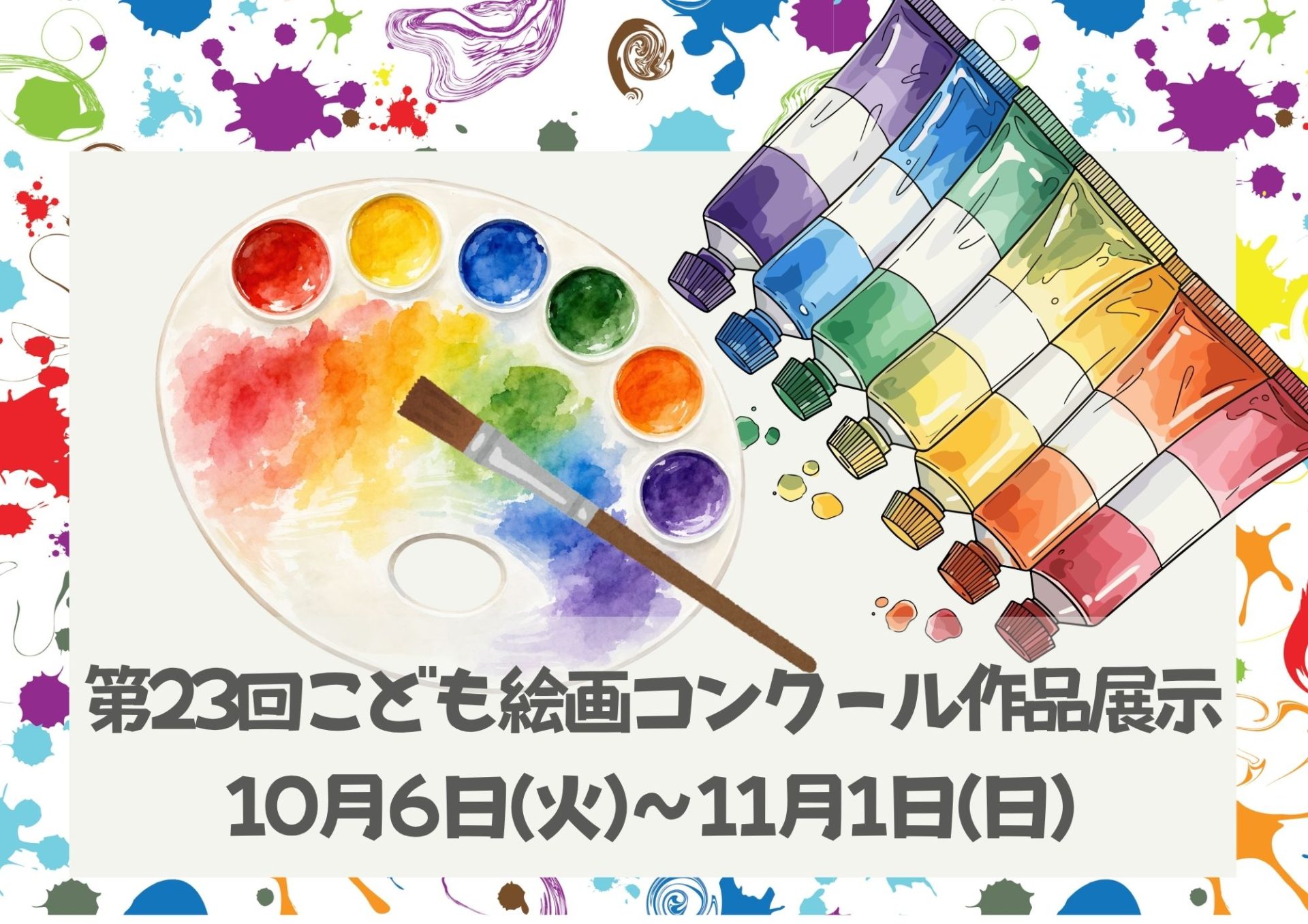
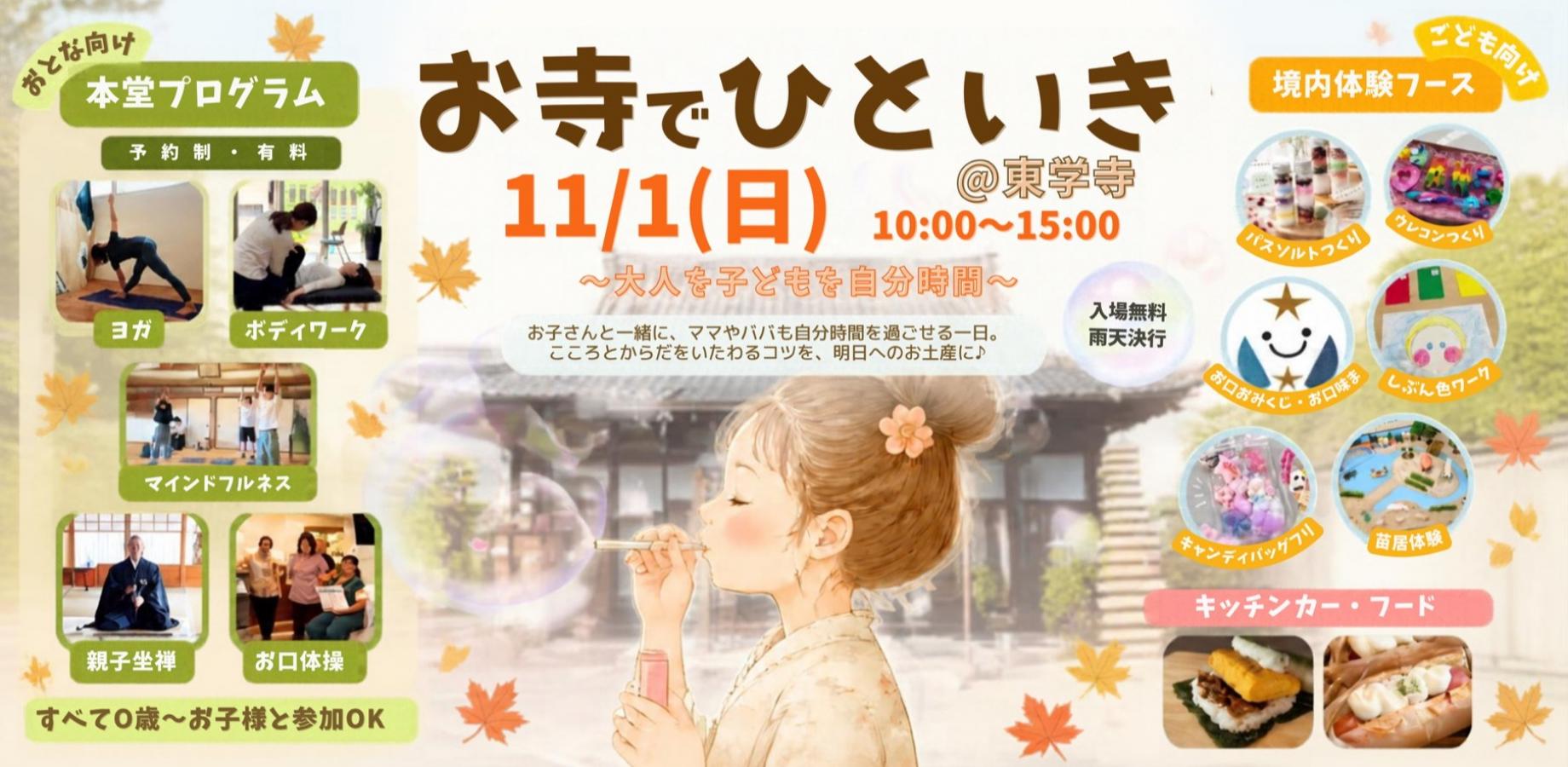
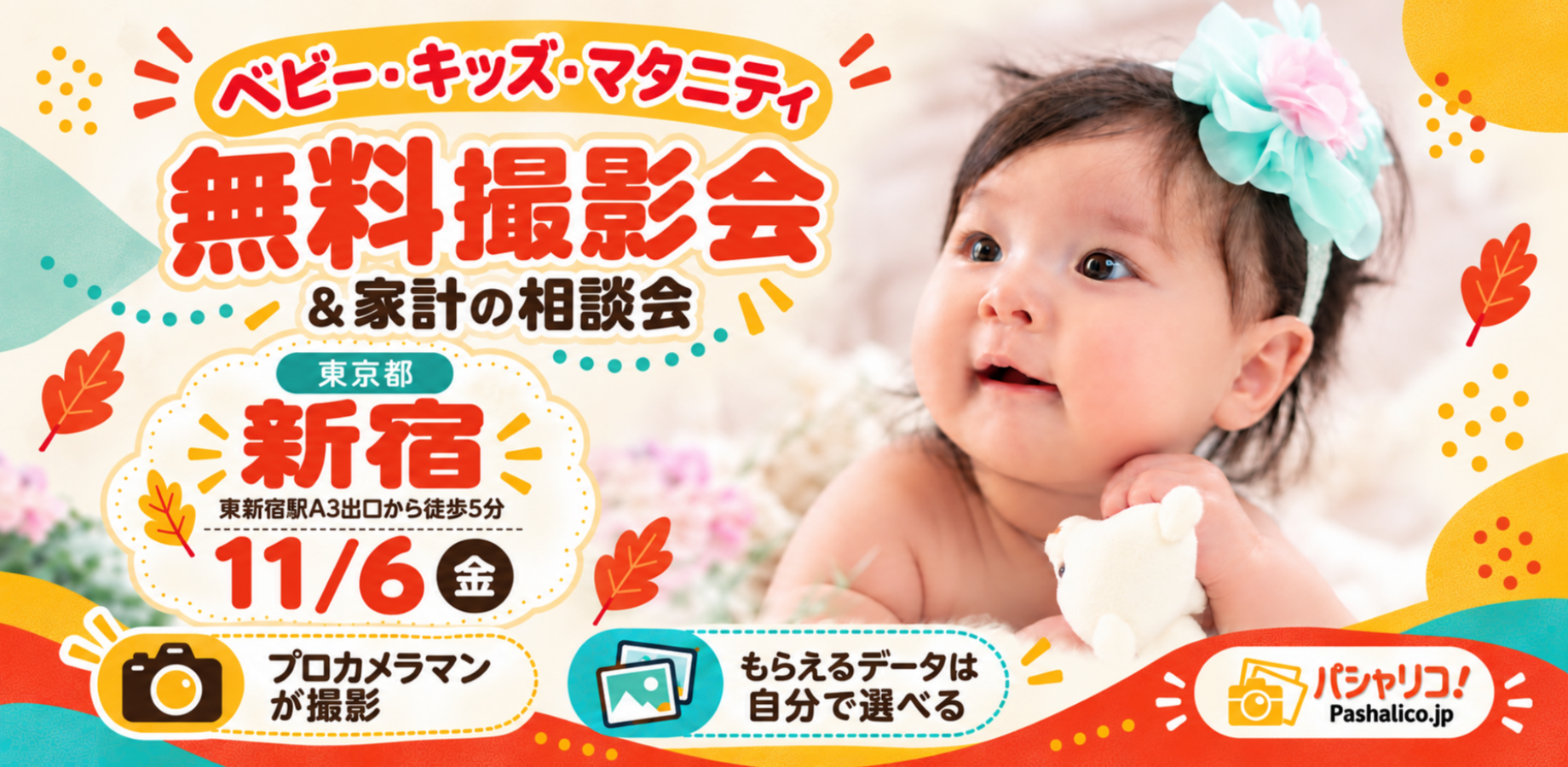
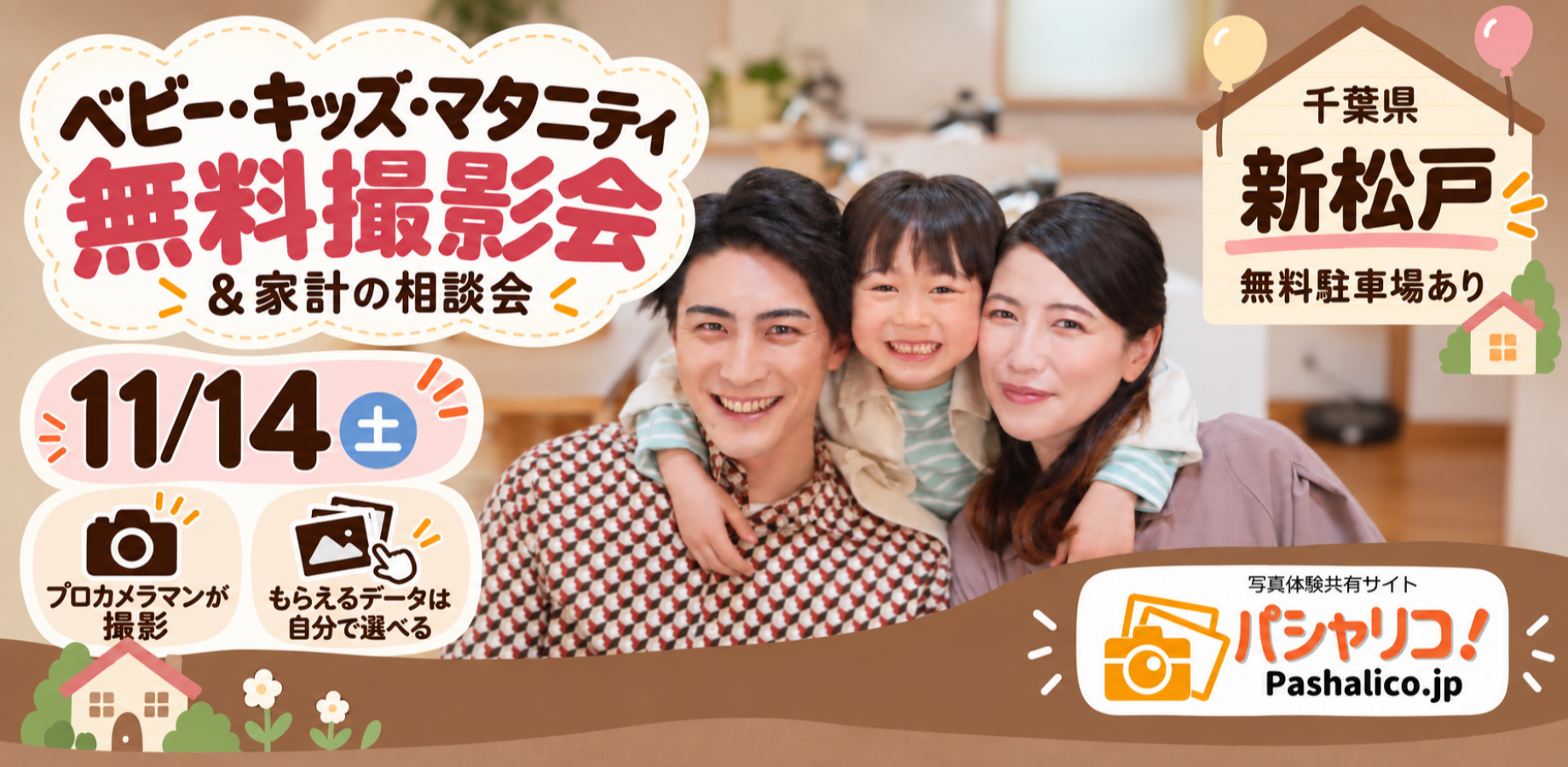
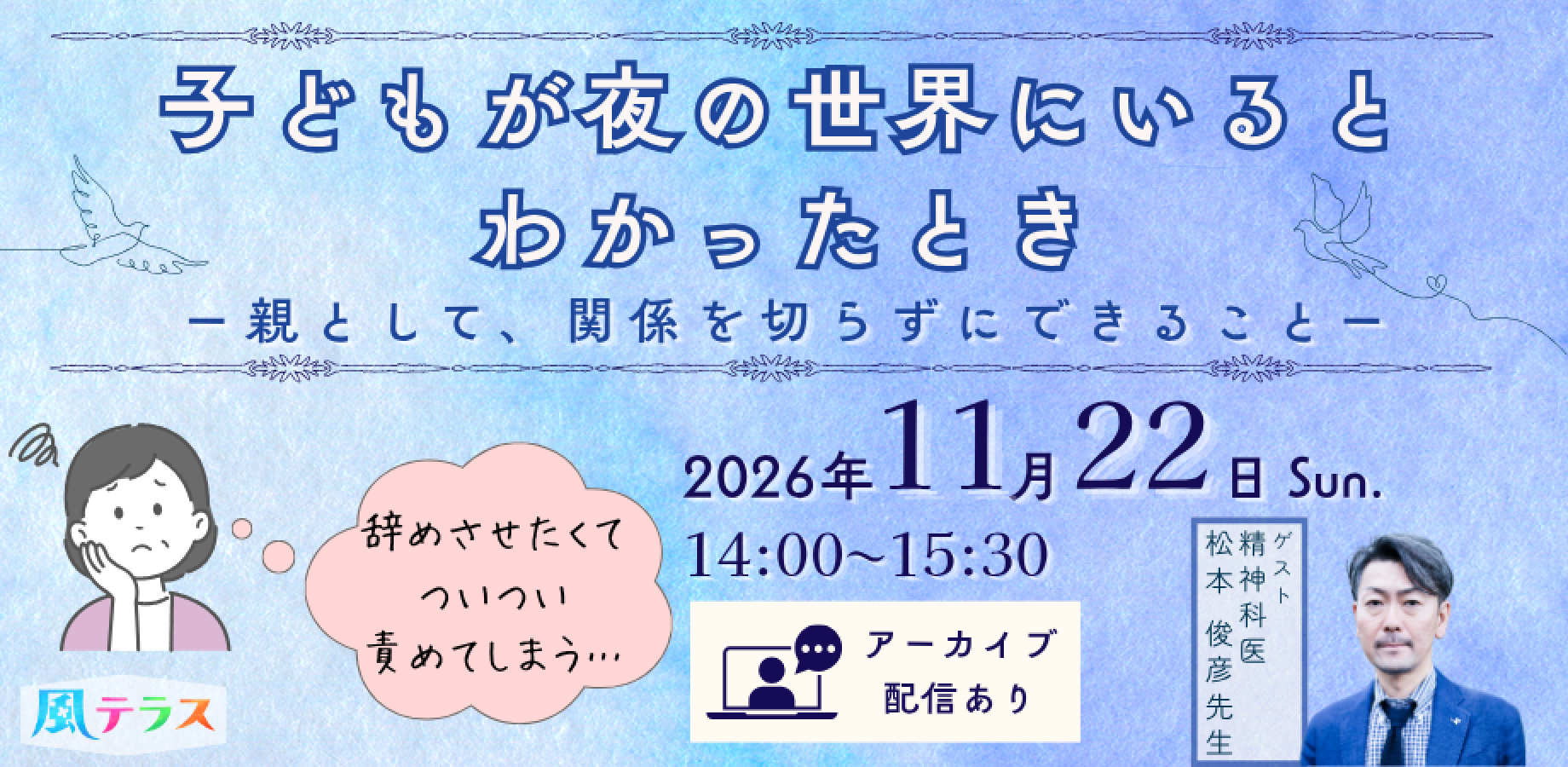
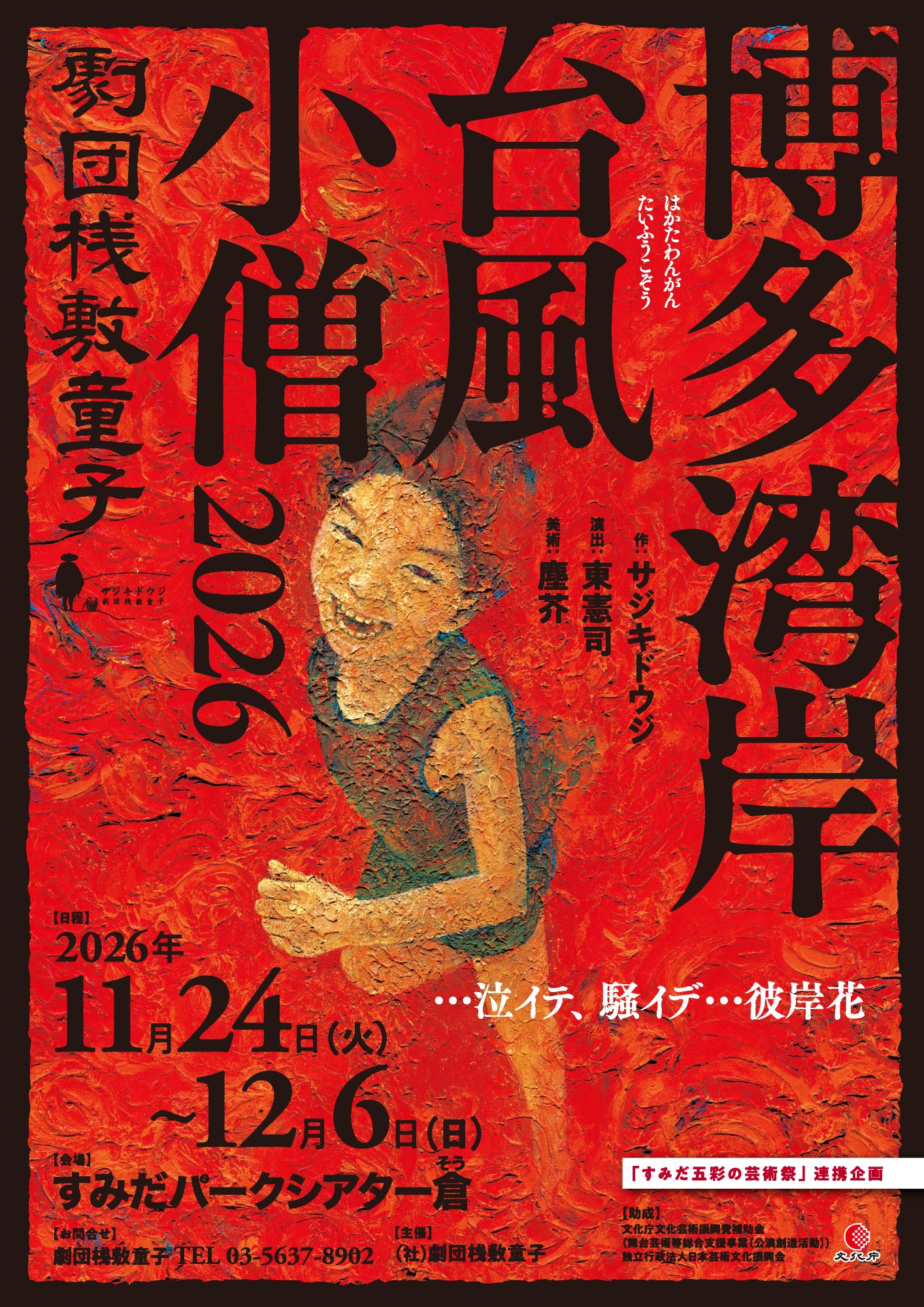
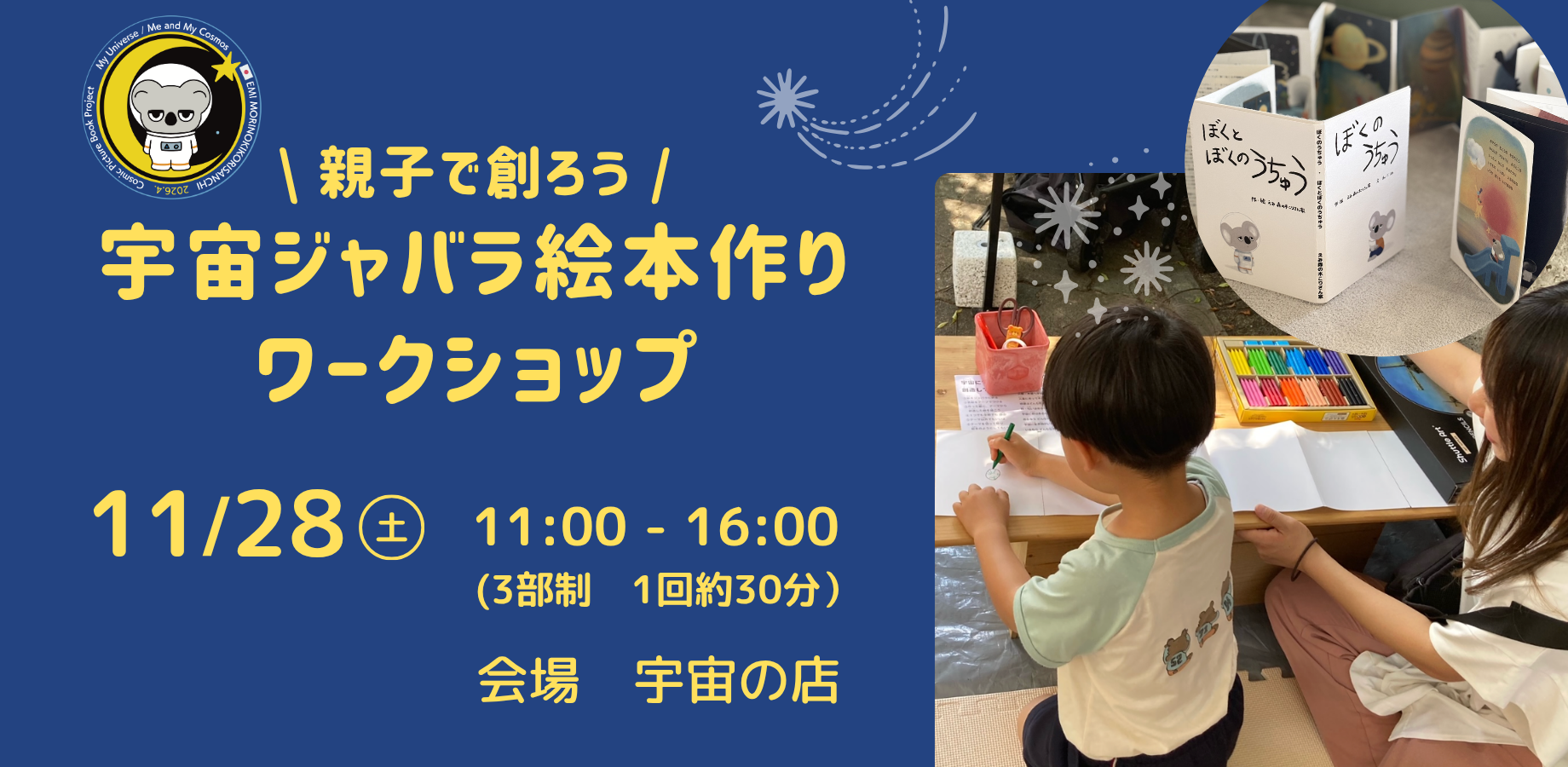
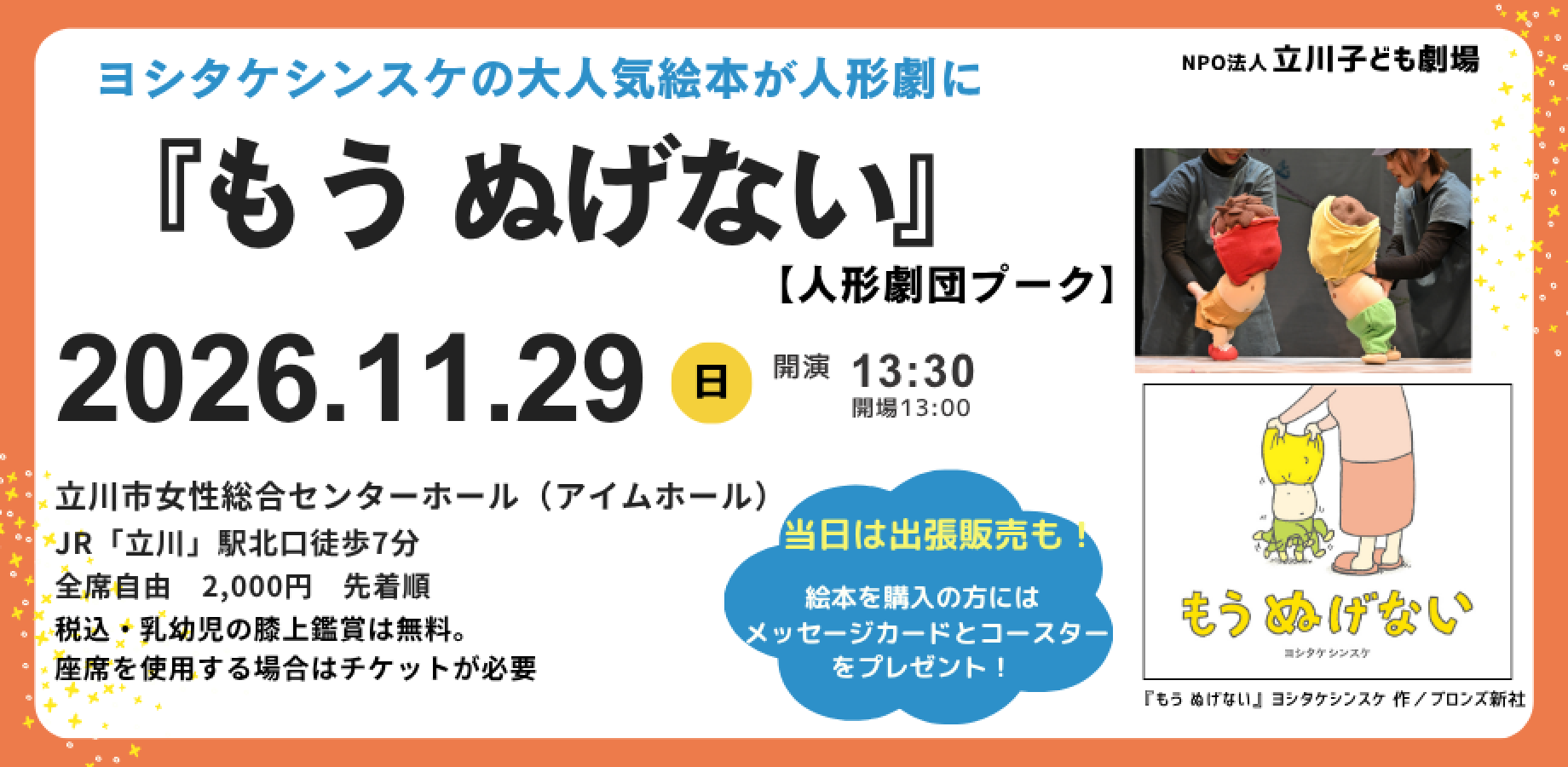
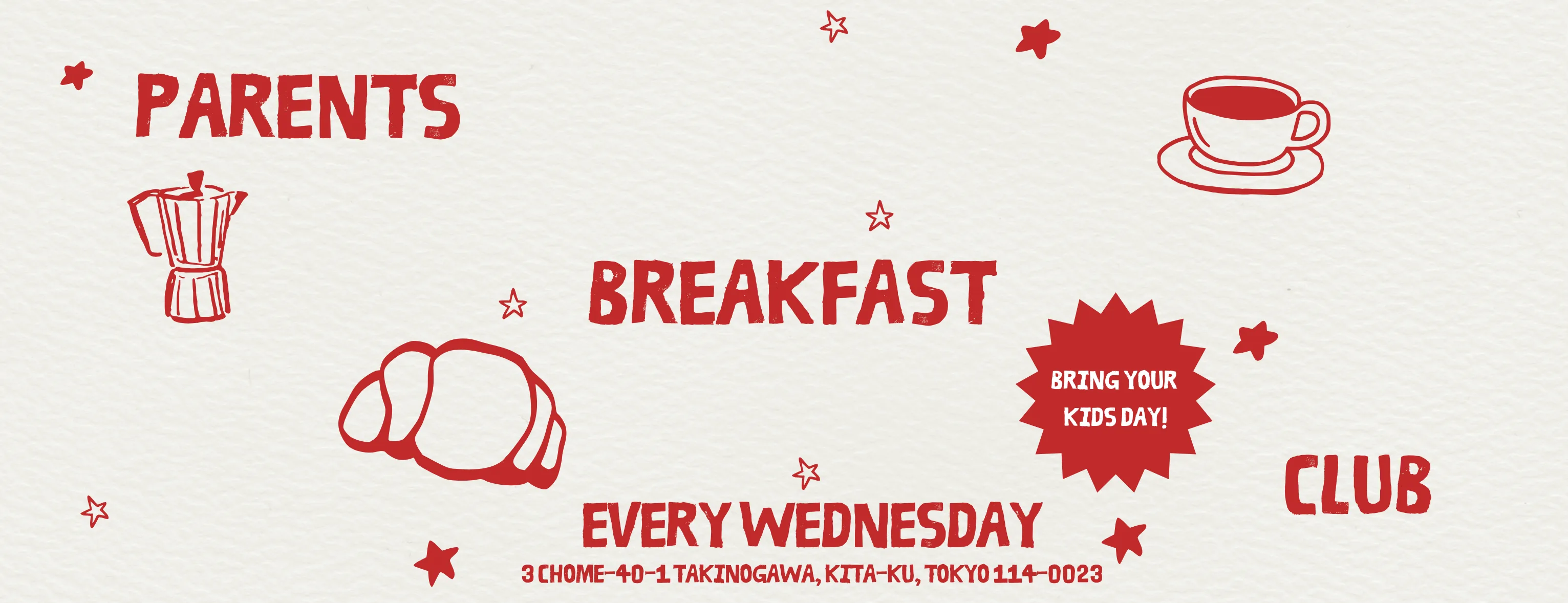
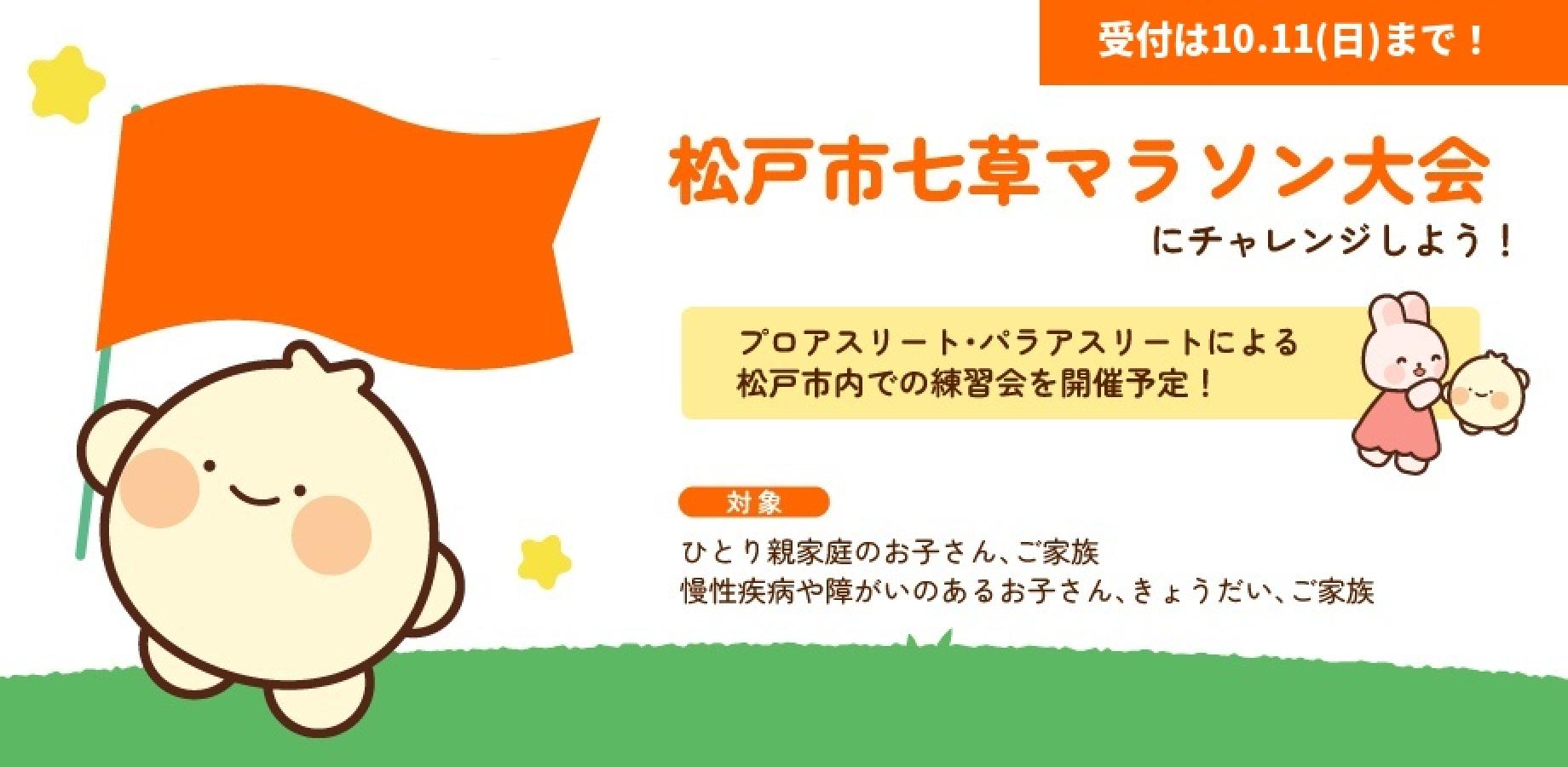
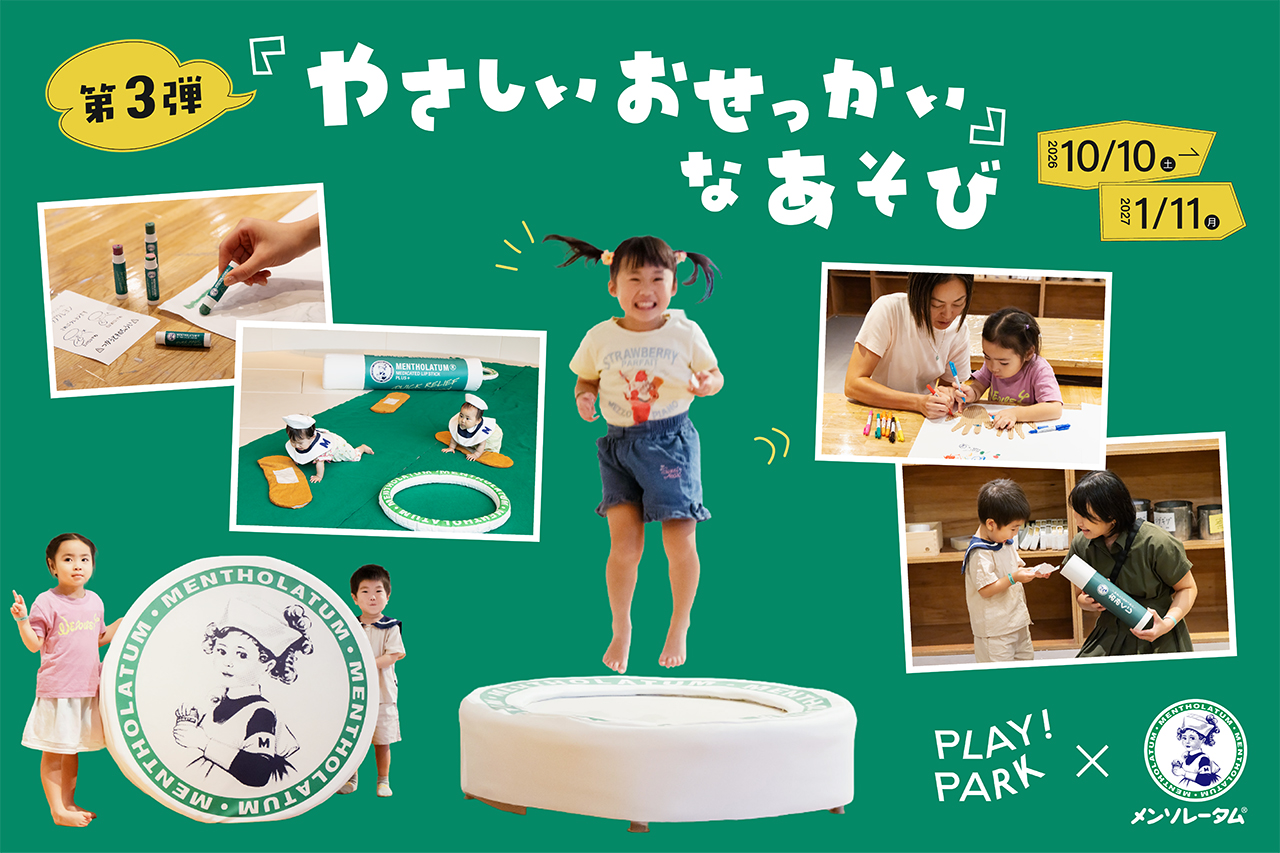
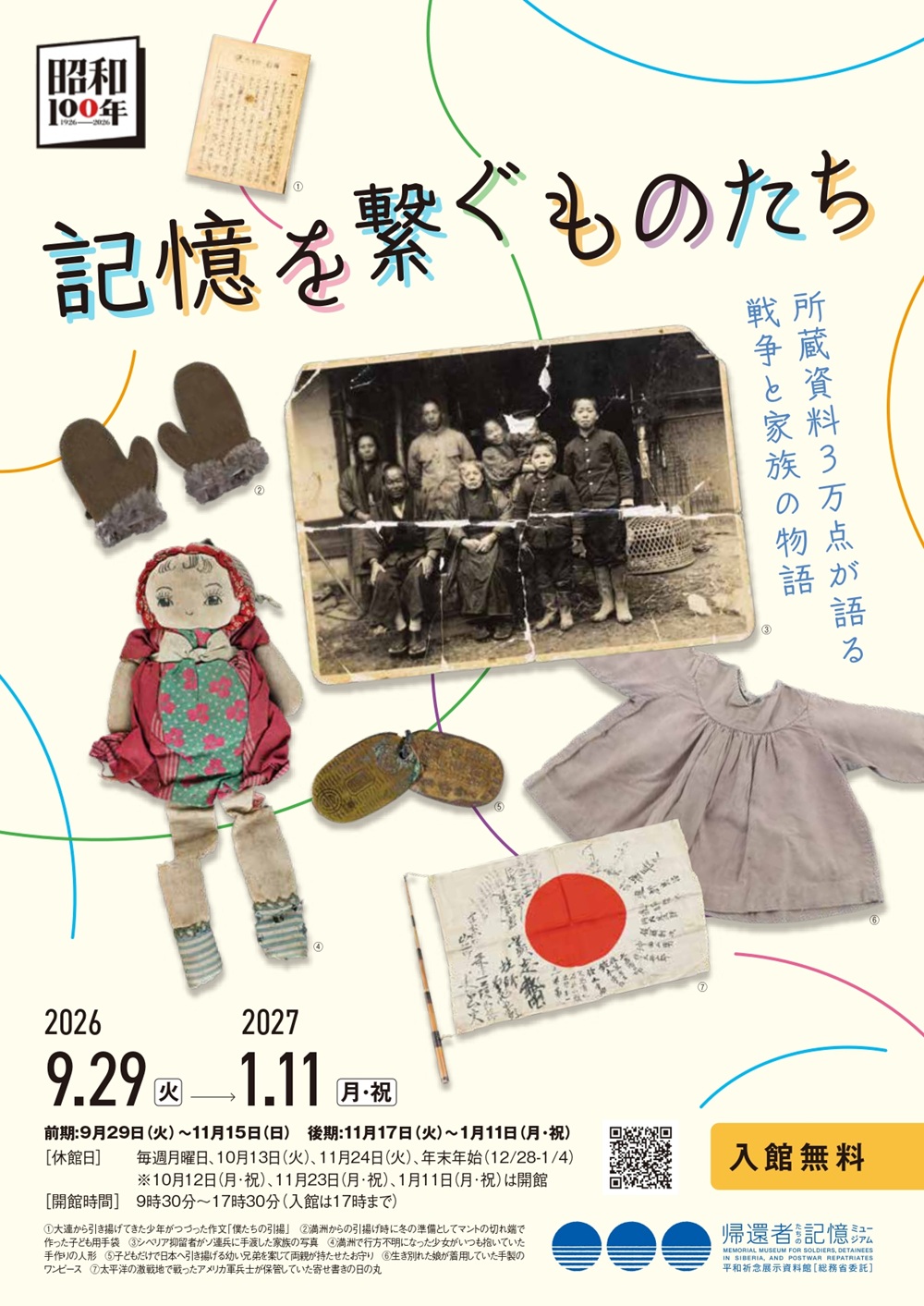
Japanese event posters use a few words worth learning. 親子 (oyako) means parent and child, so 親子で参加 is an event a parent and child join together. 小学生以下無料 means free for primary school age and younger, 未就学児無料 means free for children not yet at school, and 未就学児入場不可 means children under school age are not admitted, which is common at concerts and theatre. 要予約 or 事前申込 means you must book ahead, and 抽選 means places go by lottery.
- Free children's workshops at malls and museums often fill up days ahead. Check whether the poster says 要予約.
- If an event lists a children's price (子ども料金), the cut-off is usually by school year, not exact age. Read the small print.
Long-running places for a rainy day
Some places are worth knowing for days when there is no event, or when it rains. KidZania Tokyo, in the LaLaport Toyosu mall, is a small city where children aged about 3 to 15 try real jobs, from firefighter to pilot. It runs in two sessions a day, booking ahead is recommended, and activities are mostly in Japanese, with some English programmes on certain days. The Tokyo Toy Museum in Yotsuya fills an old primary school with wooden toys and has a room just for babies and toddlers aged 0 to 2 with their parents.
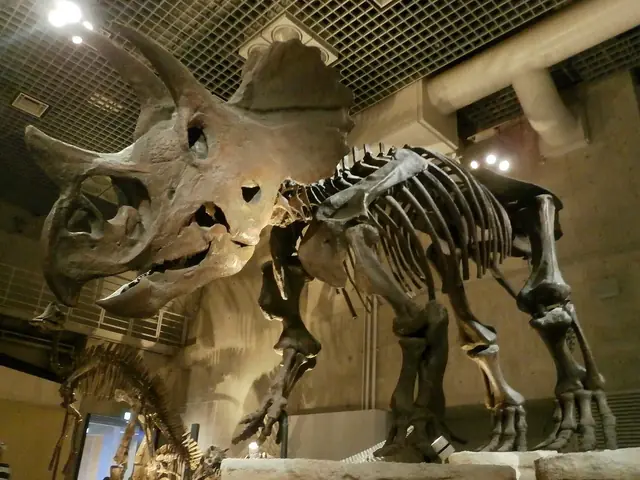
In Ueno Park, the National Museum of Nature and Science has dinosaur skeletons and hands-on science, and its permanent exhibition is free for high school age and under. Ueno Zoo next door is free for primary school age and younger. The Science Museum (Kagaku Gijutsukan) in Kitanomaru Park, near Takebashi Station, has four floors of hands-on exhibits and daily experiment shows. Prices and closing days change, so check each official site before you go.
- Most museums close one day a week, often Monday. Ueno Zoo is closed on Mondays too.
- On October 1, Tokyo Citizens' Day, Ueno Zoo and some other Tokyo-run facilities have offered free entry for everyone.
Trains, strollers and elevators
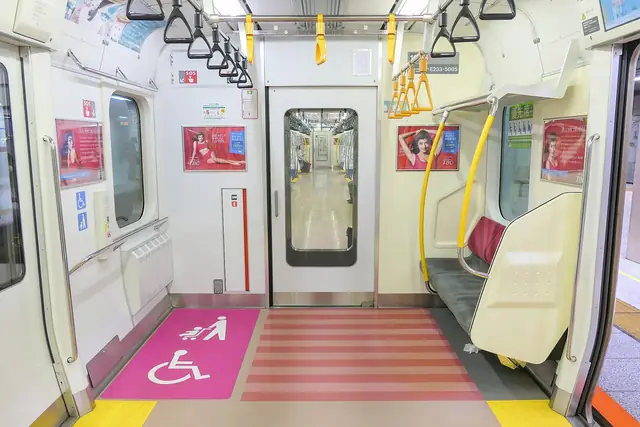
You can take a stroller onto Tokyo trains without folding it. Look for the space marked with stroller and wheelchair symbols, usually at the end of a car, and set the brake. Avoid the morning rush, roughly 7:30 to 9:30 on weekdays, when cars are packed. Women-only cars, which run on some lines in the morning rush, can also be used by children of primary school age and younger, including boys.
Nearly every station has an elevator, but often only one, sometimes at the far end of the platform or a long way from the exit you want. Signs to エレベーター are easy to follow, and station maps show where it is. Strollers are not allowed on escalators. For big festivals, fireworks and crowded parades, a baby carrier is often easier than a stroller. Children under school age ride trains free, up to two per paying adult, and primary school children pay half fare. Child IC cards are sold at station offices; you usually need proof of the child's age.
- Taking the elevator can add five or ten minutes at big stations like Shinjuku or Tokyo. Build that into your plans.
- Station maps by the ticket gates show which exit has the elevator. Check before you pick an exit.
Nursing rooms, food and toilets
Department stores, big shopping malls and many large stations have baby rooms, signed 授乳室 (nursing room) or ベビールーム, usually with private nursing booths, changing tables and often hot water for formula. Tokyo also registers public baby stops called 赤ちゃん・ふらっと, mostly in parks, children's halls and public buildings, with a changing table, hot water and a curtained nursing space; there are over 1,600 of them, and they are listed on the Tokyo government's page (in Japanese). Many public toilets have a baby seat or a fold-down changing table.
Eating out with kids is easy. Family restaurant chains have children's menus (お子様ランチ is the classic kids' plate), high chairs and drink bars, and food courts in malls are noisy enough that nobody notices a crying toddler. Convenience stores sell onigiri, bread, fruit and drinks, and drugstores carry diapers, baby food and wipes. At festival food stalls, a shaved ice or a chocolate banana is cheap and goes down well.
- Department store baby rooms are often on the children's clothing floor. Ask at the information desk.
- Carry a small bag for used diapers. Bins are rare in Tokyo, and many places expect you to take trash home.
Timing, crowds and if your child gets lost
Timing matters more than anything. Arrive at opening, when queues are short and kids are fresh, and plan the big thing before lunch so the nap can happen on the train or in the stroller. Weekdays are calmer than weekends at almost everything. In summer, do outdoor events in the morning or after 5pm and keep the middle of the day for indoor places, because the heat is hard on small children. Festivals are friendliest in the afternoon, before the evening crowd arrives.
Big events usually have a lost child centre, called 迷子センター or 迷子案内所, often next to the information or first aid tent. Teach your child to stop and find a staff member in a uniform or a police officer, and point out the koban (police box) near the station. Write your phone number on a card in their pocket or on a wristband. A photo of your child taken that morning shows exactly what they are wearing, which helps staff a lot.
- At crowded events, agree on one easy meeting point with older kids, like the main gate or a big sign.
- Bring a change of clothes. Water play areas, festivals in the rain and shaved ice all end the same way.