What costs nothing
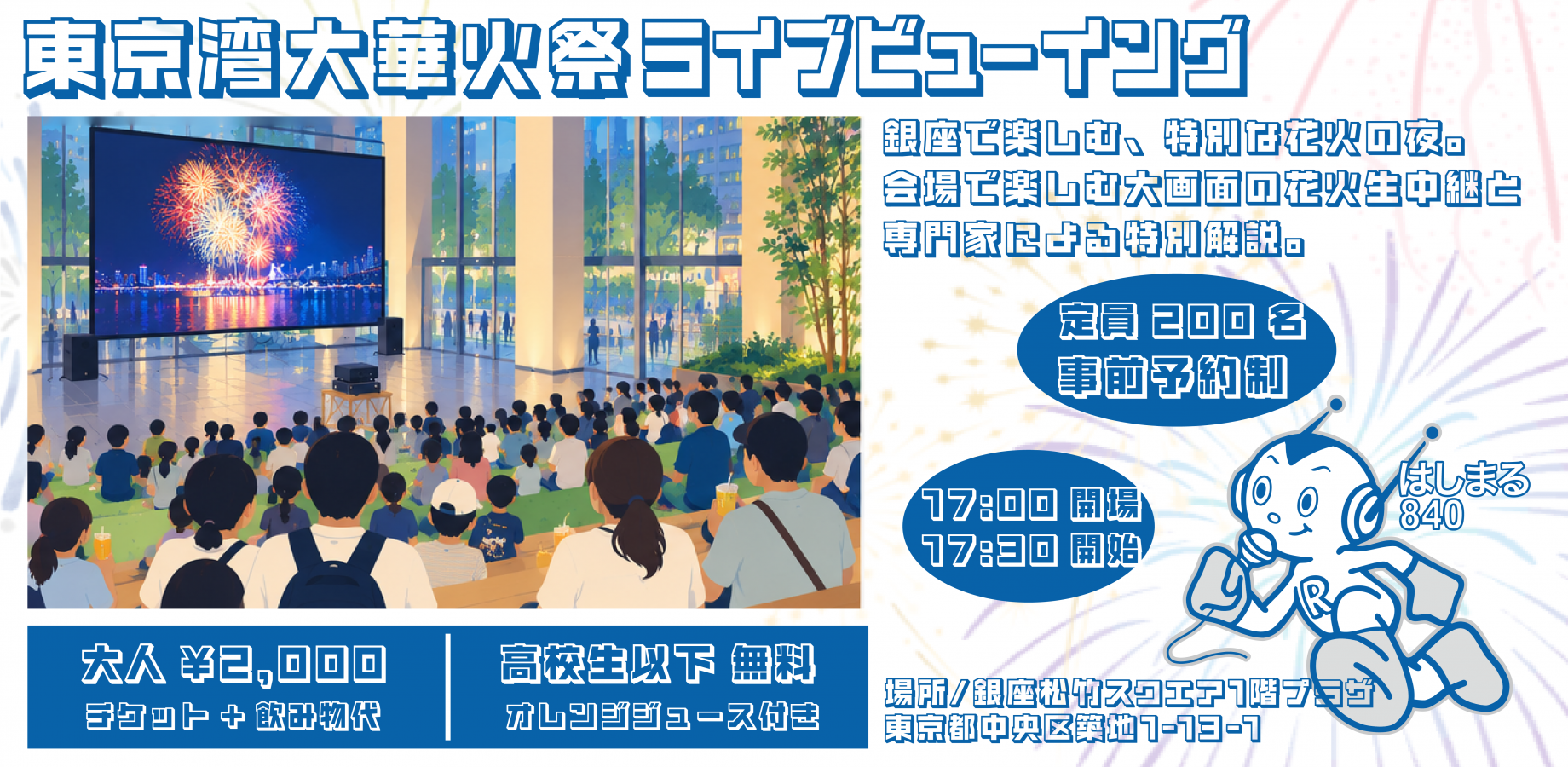
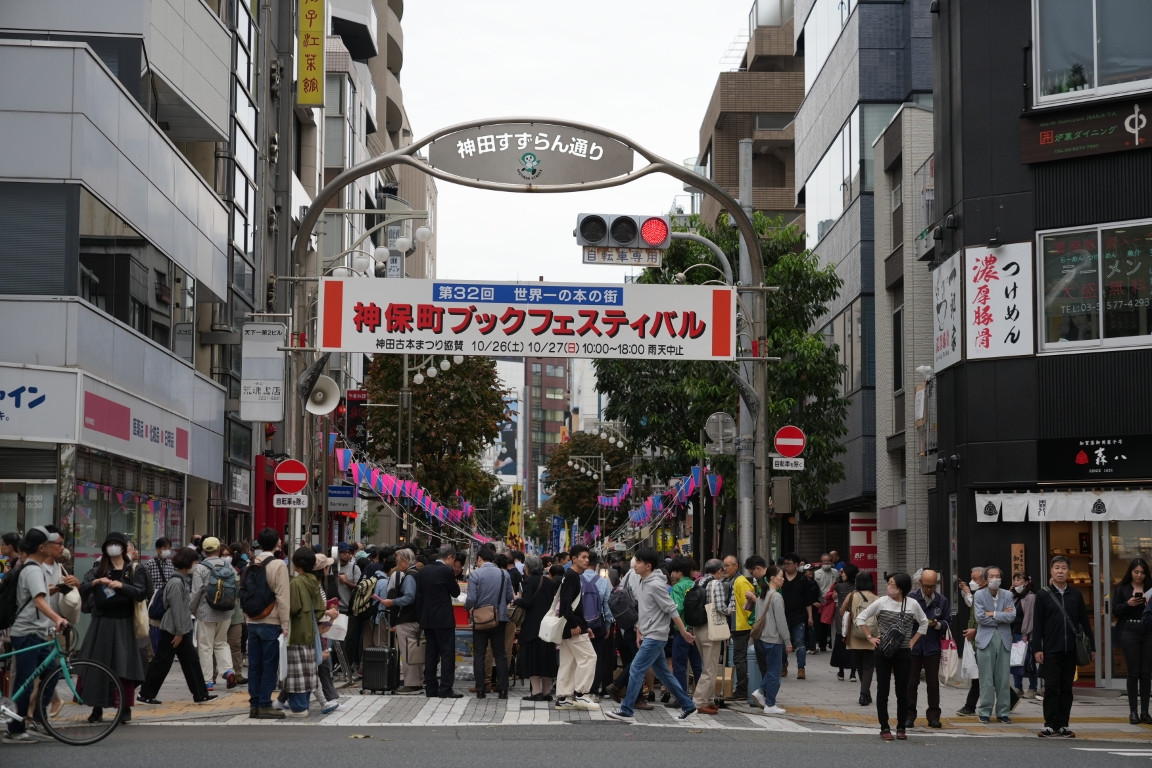
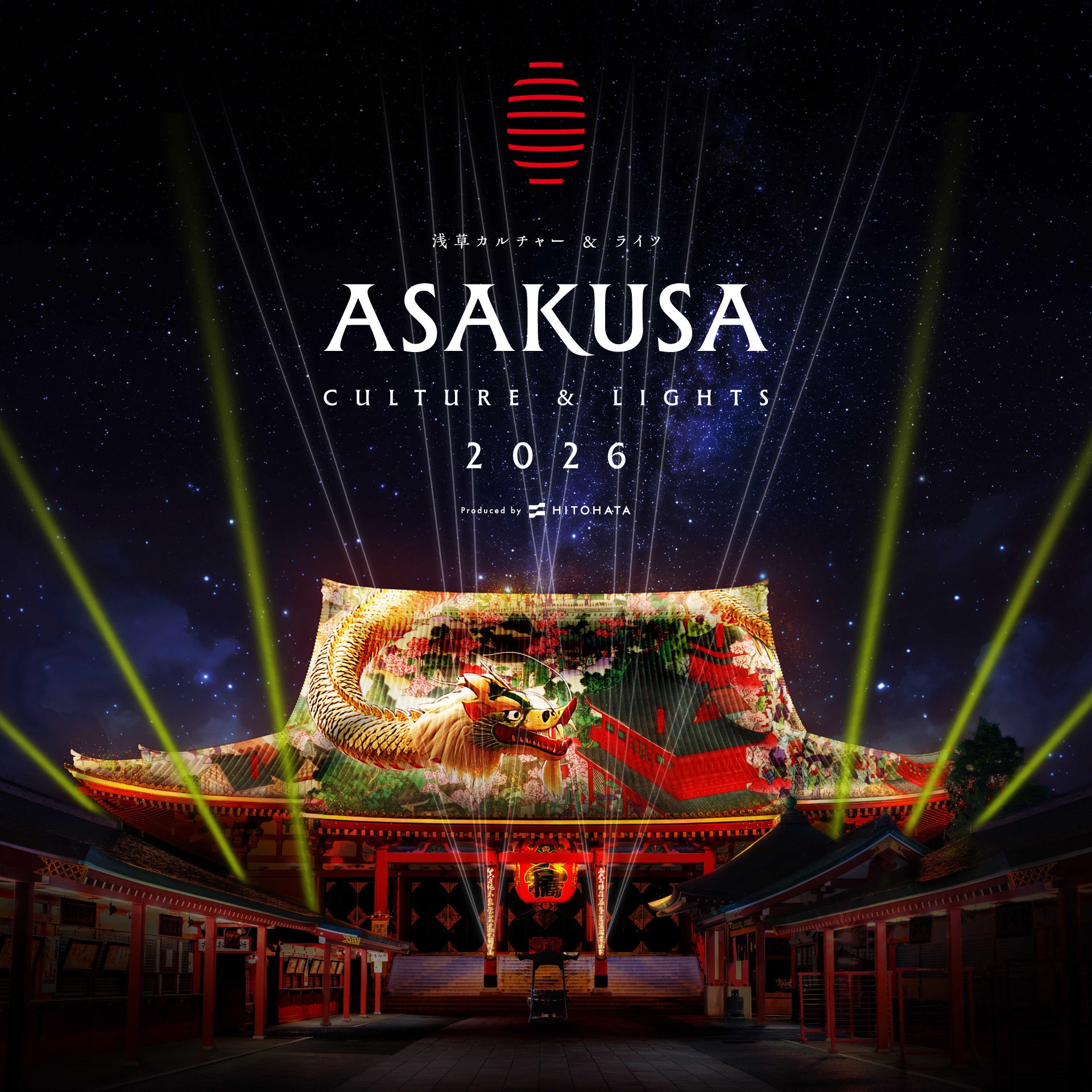
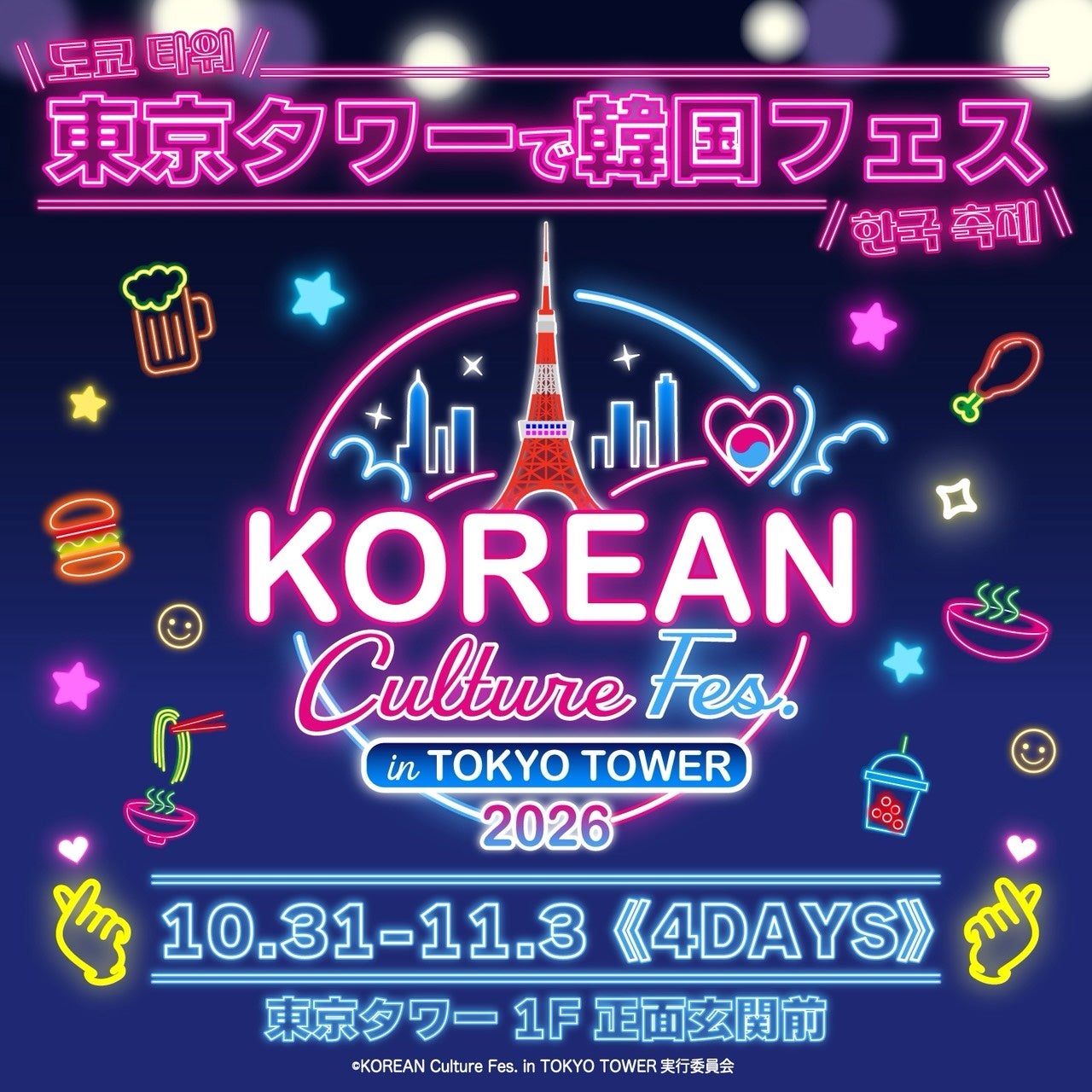
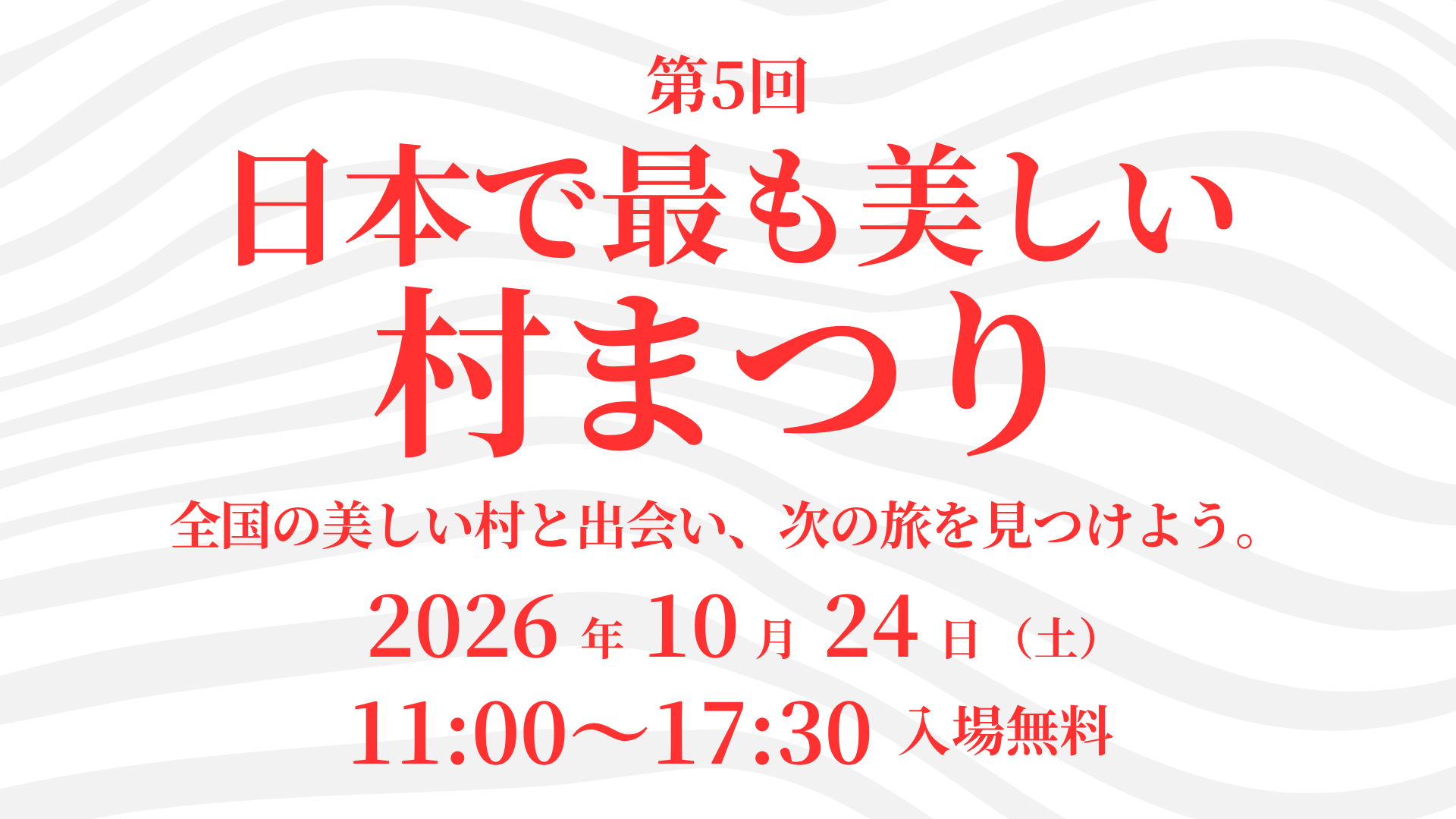
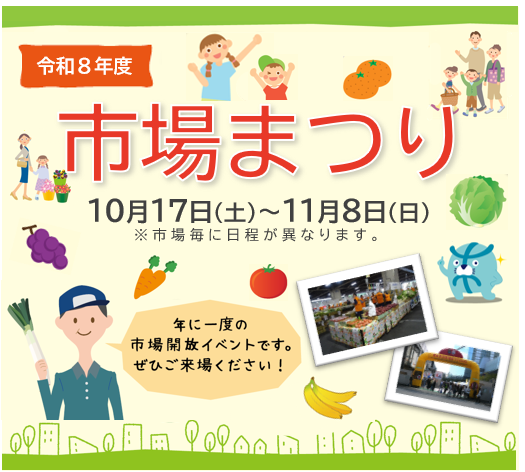
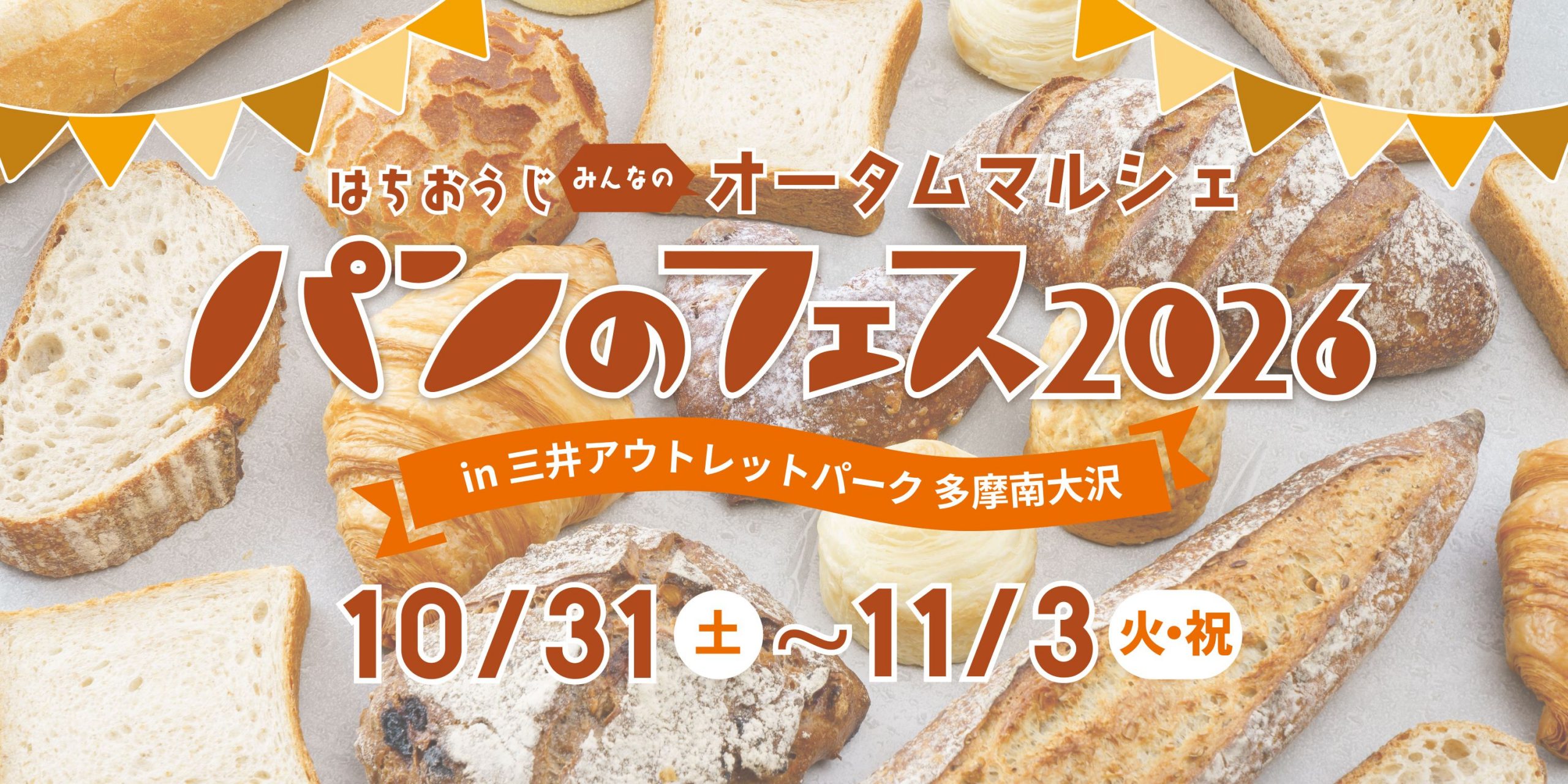
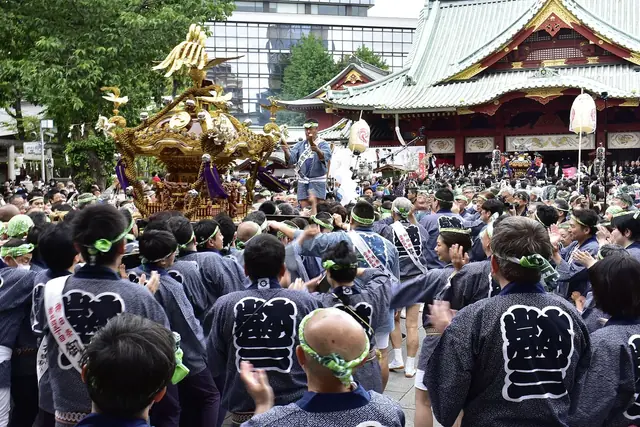
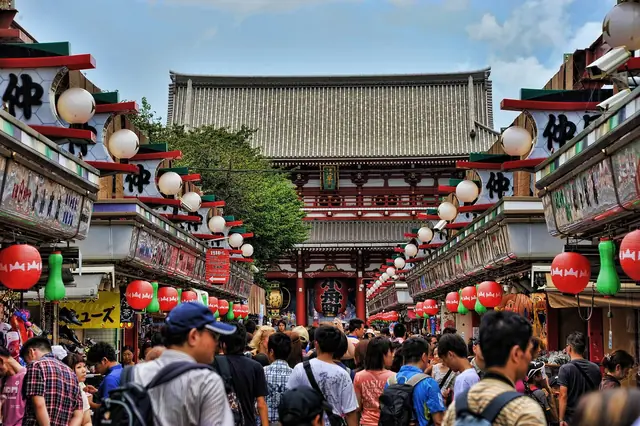
Almost every matsuri is free to watch: you stand on the street as the mikoshi go by, and you pay only for what you eat at the stalls. Shrine and temple grounds are free too, from Sensoji in Asakusa to Meiji Jingu, so festival days, New Year visits and seasonal fairs at shrines cost only your coin for the offering. Big fireworks shows sell paid seats, but most people watch for free from riverbanks and parks nearby.
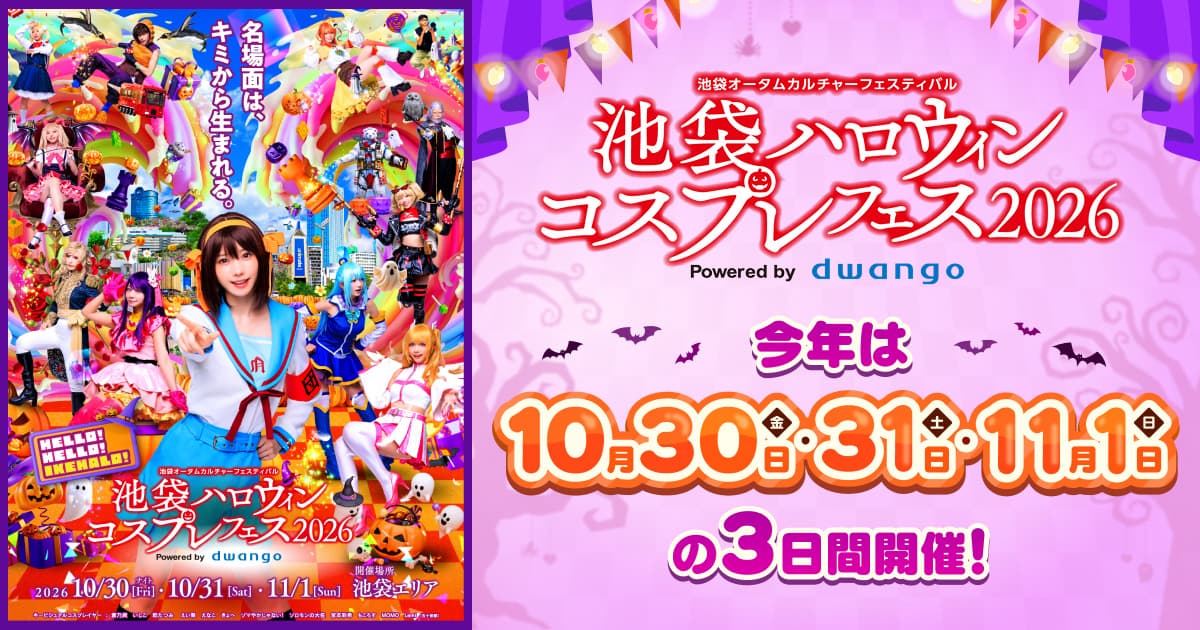
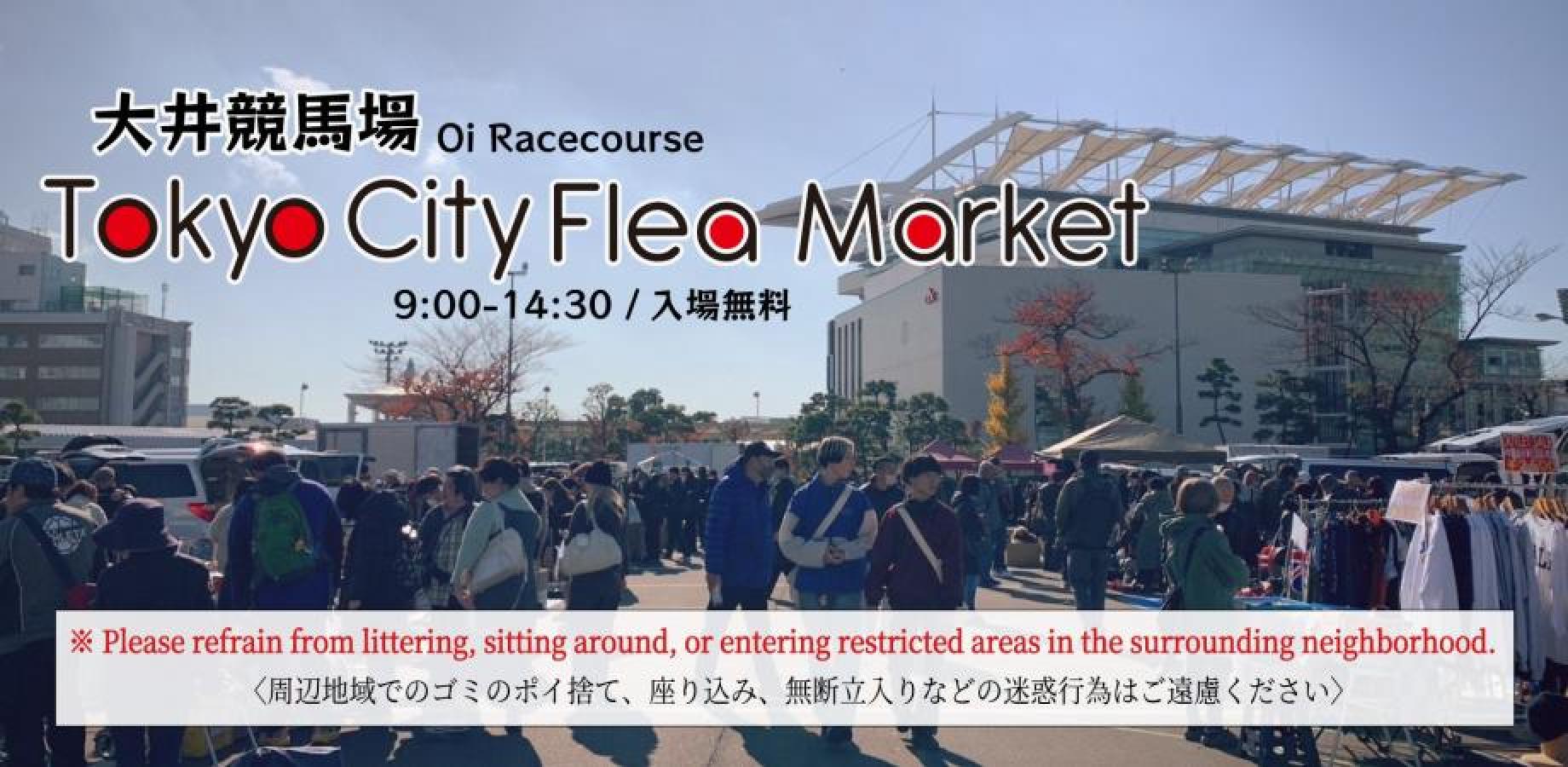
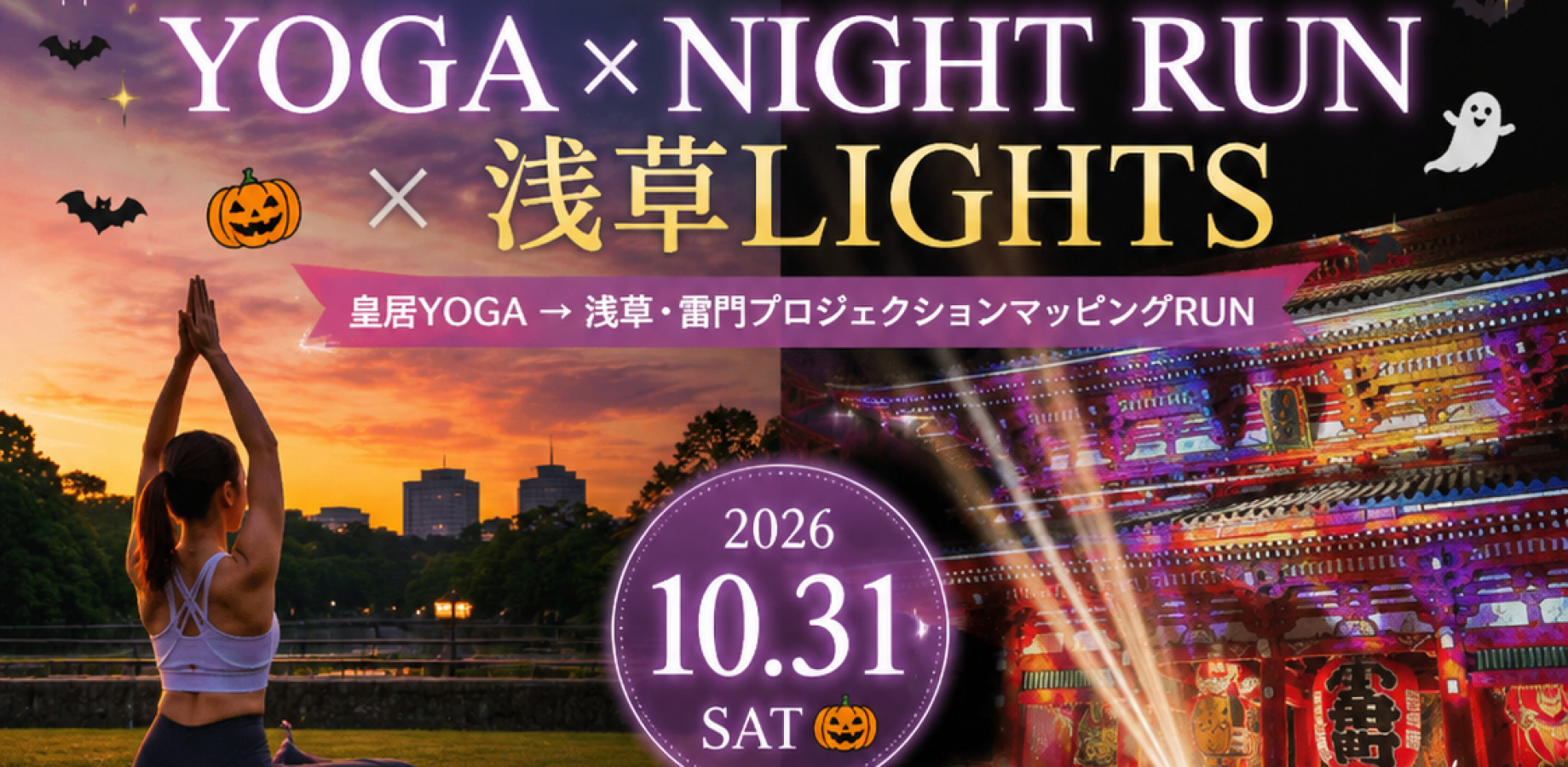
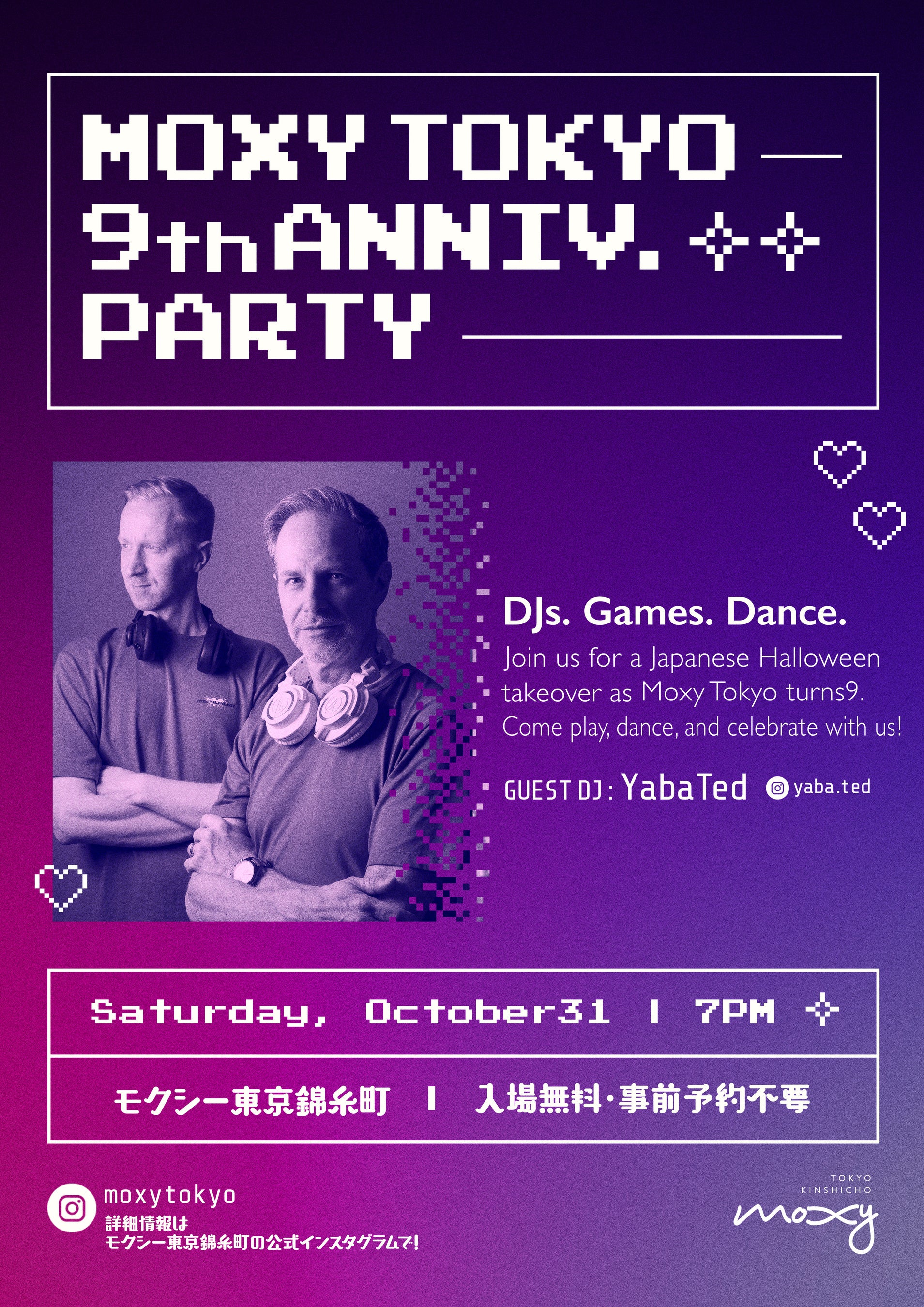
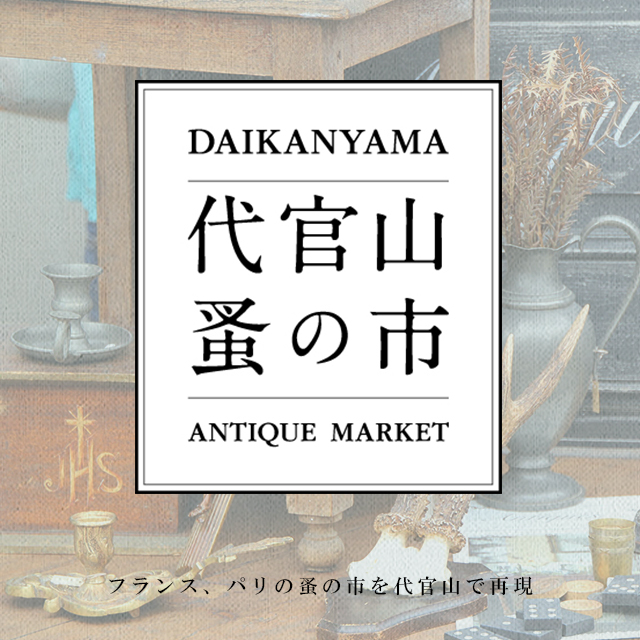
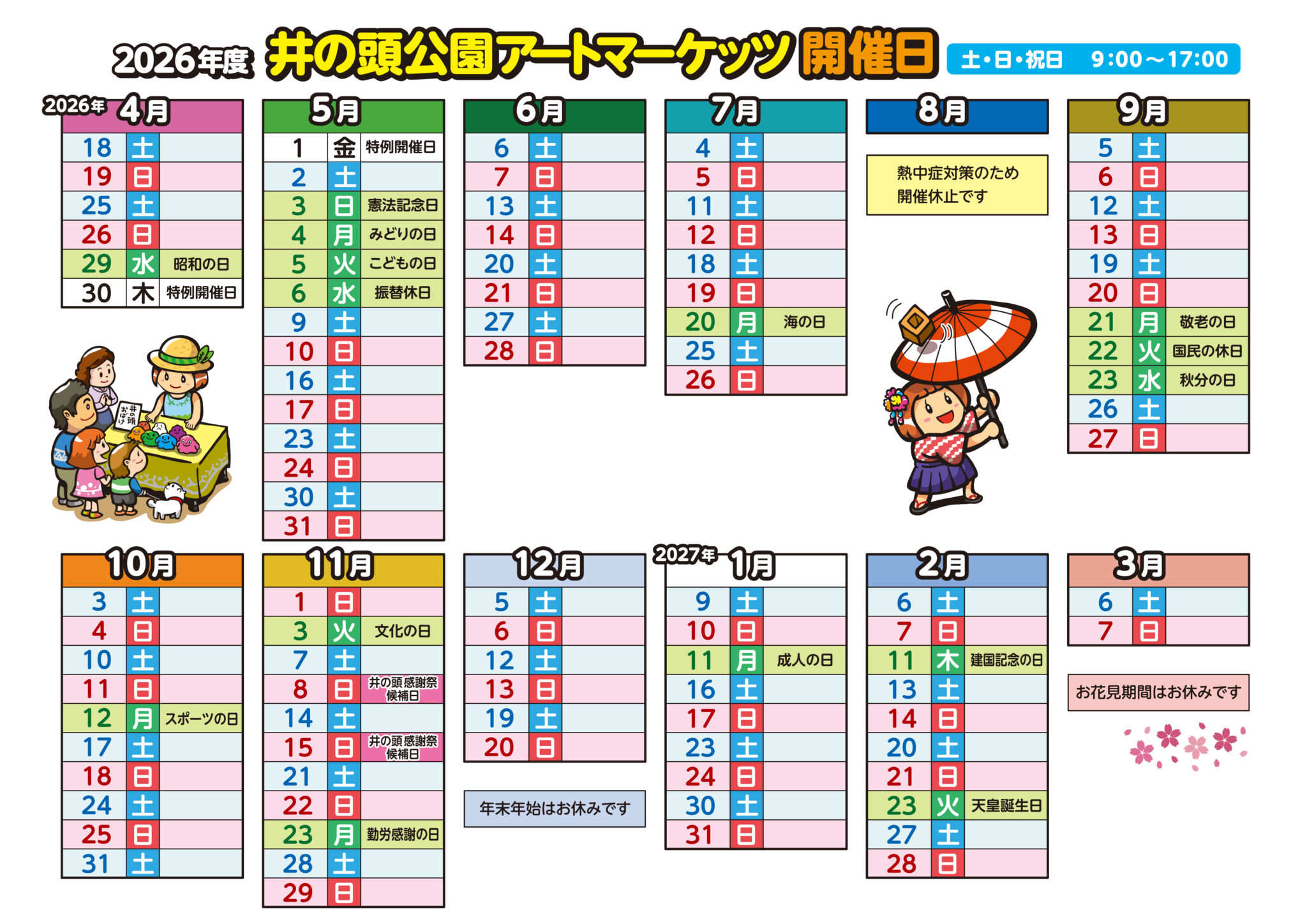
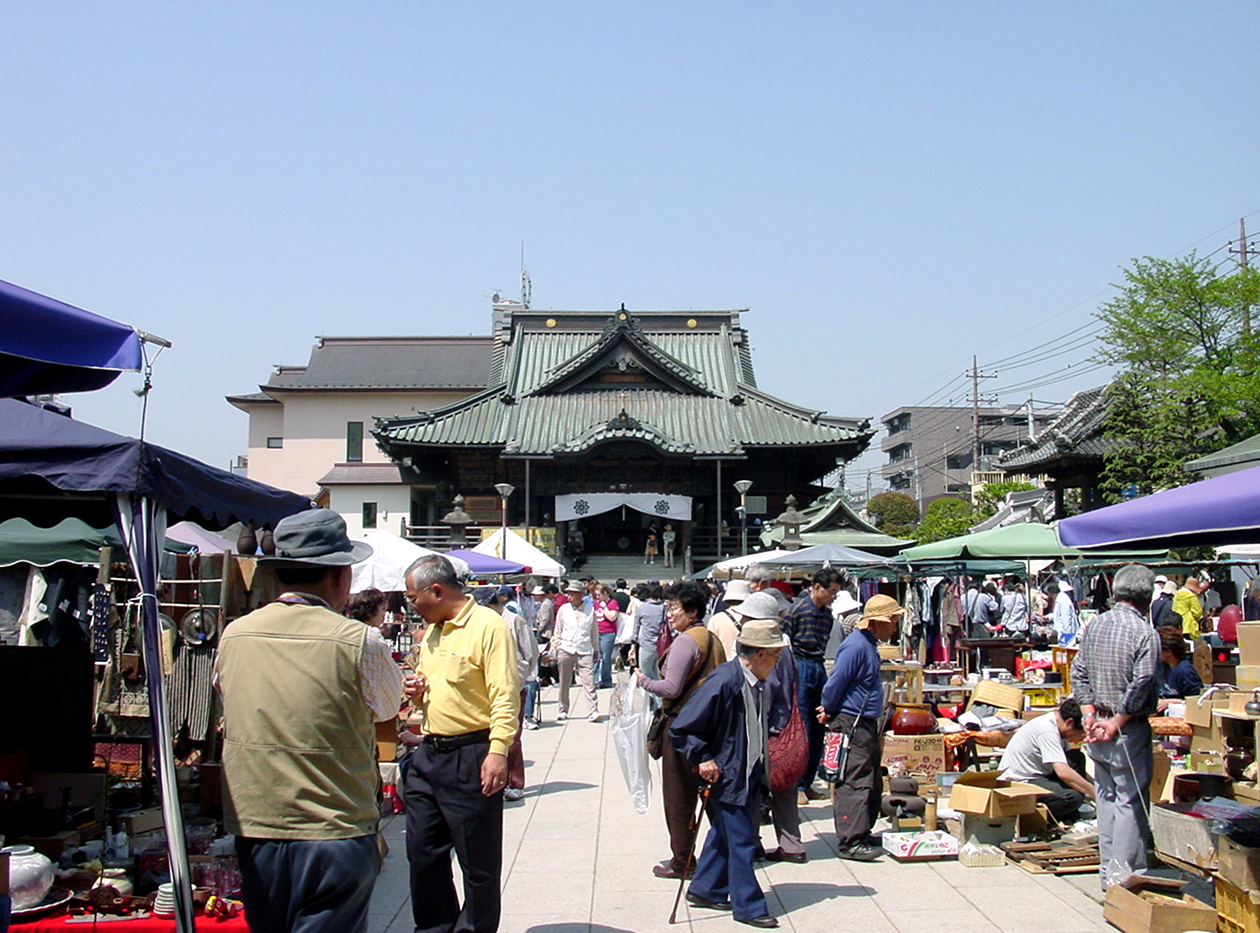
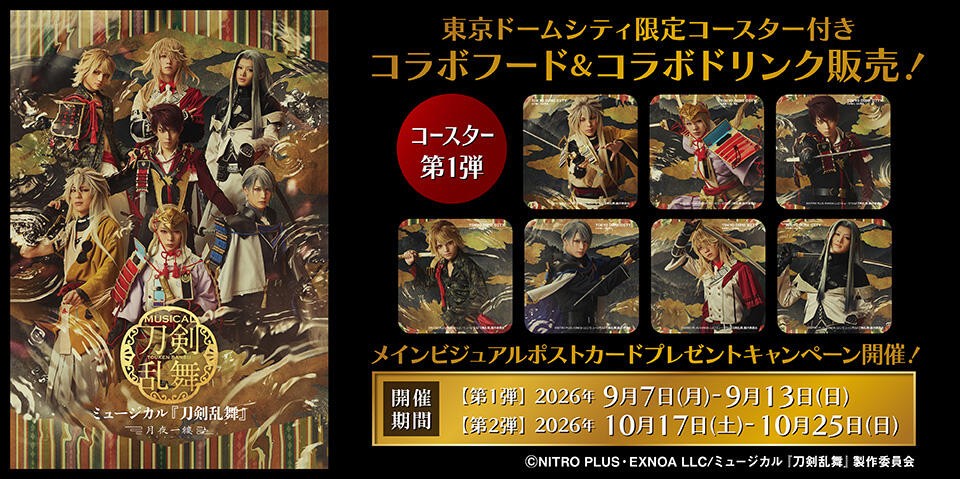
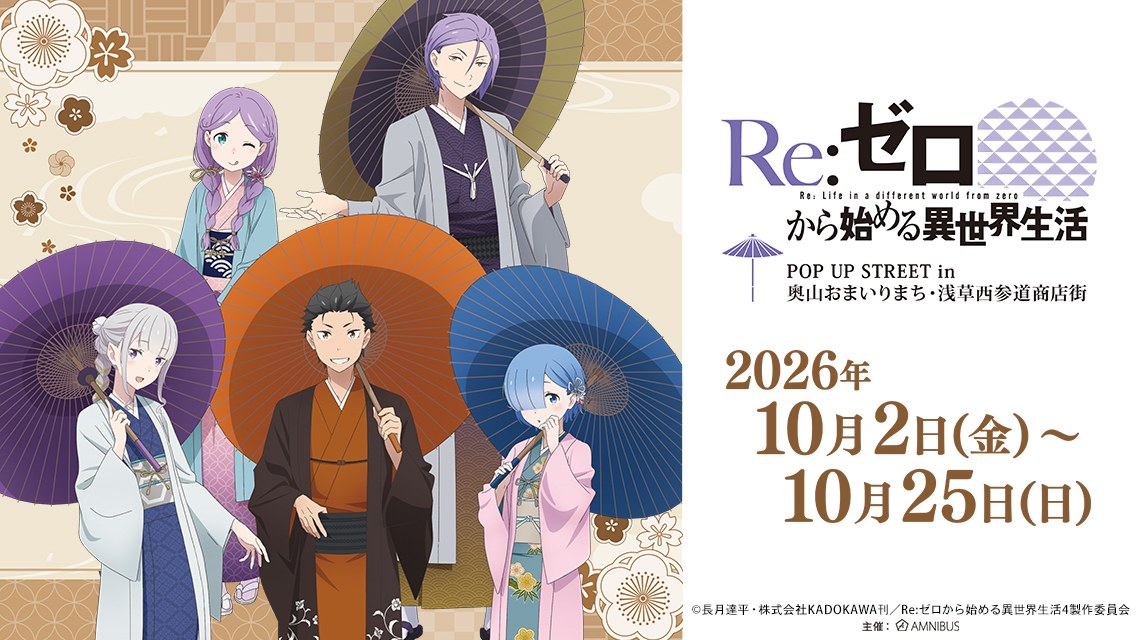
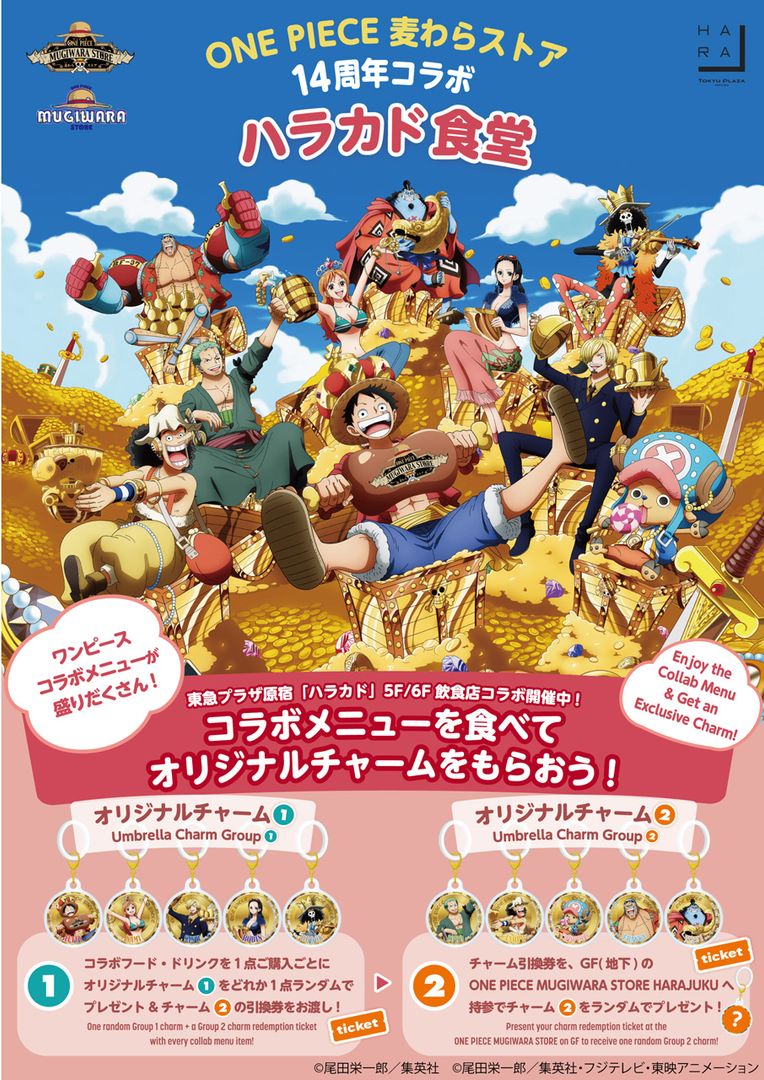
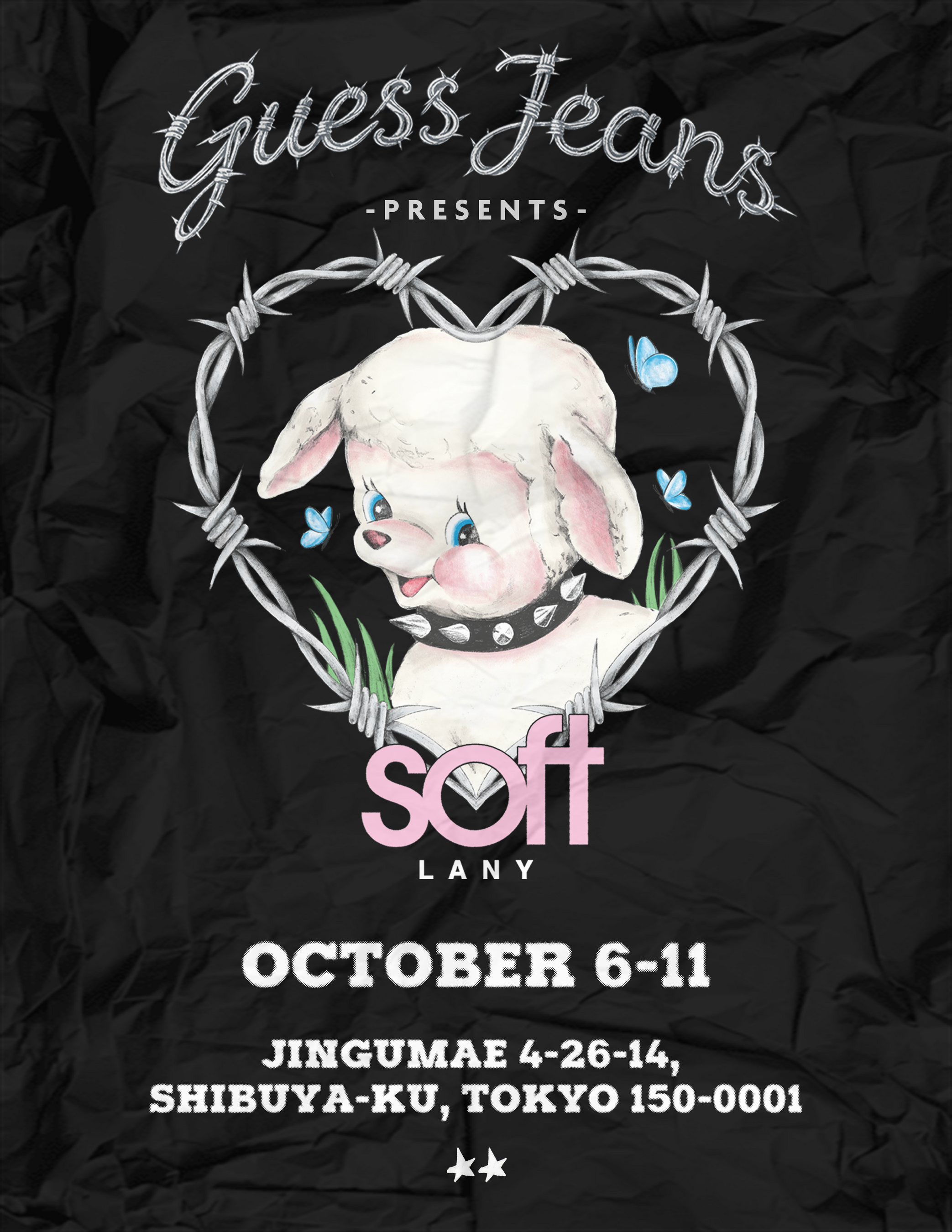
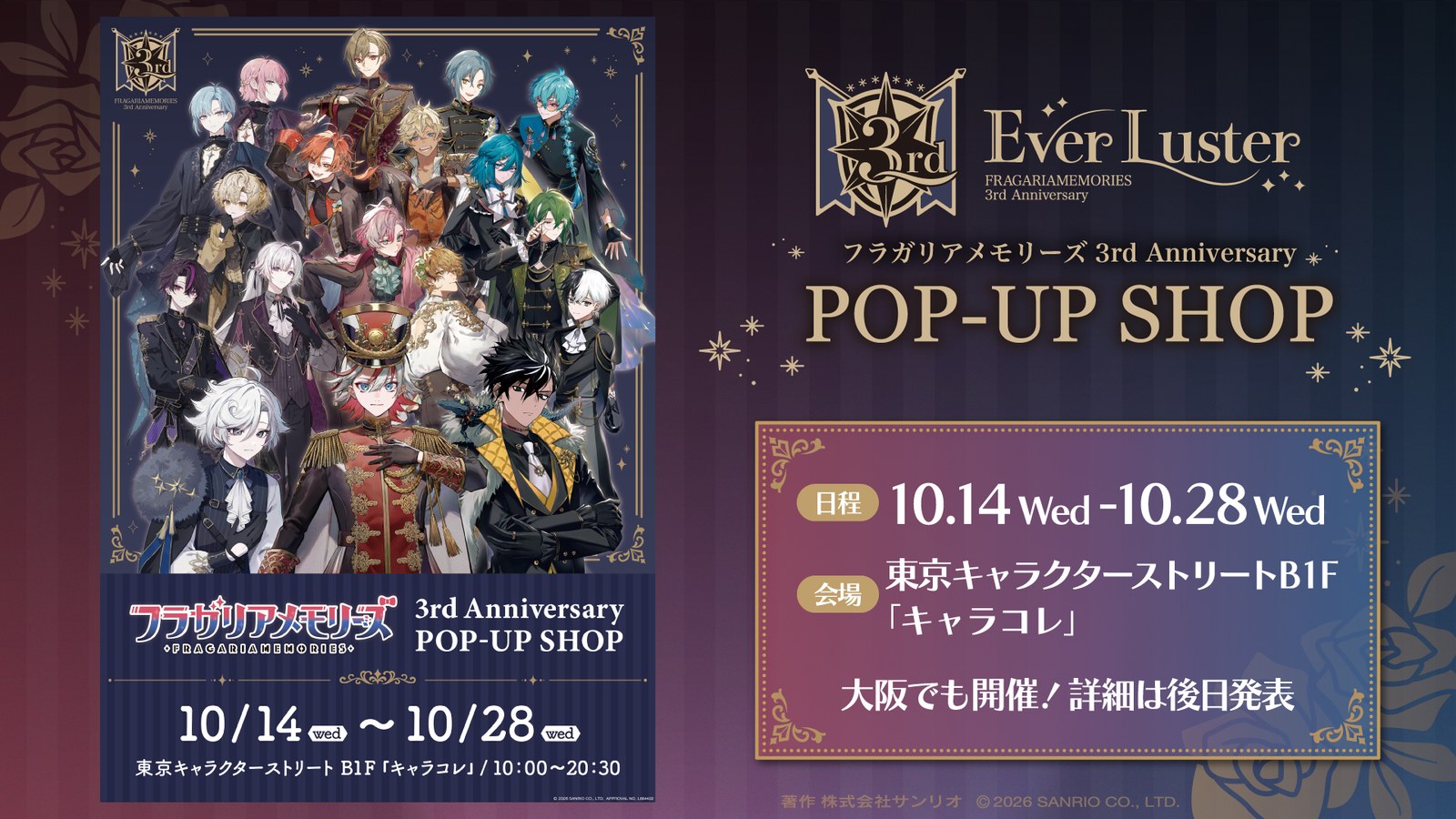
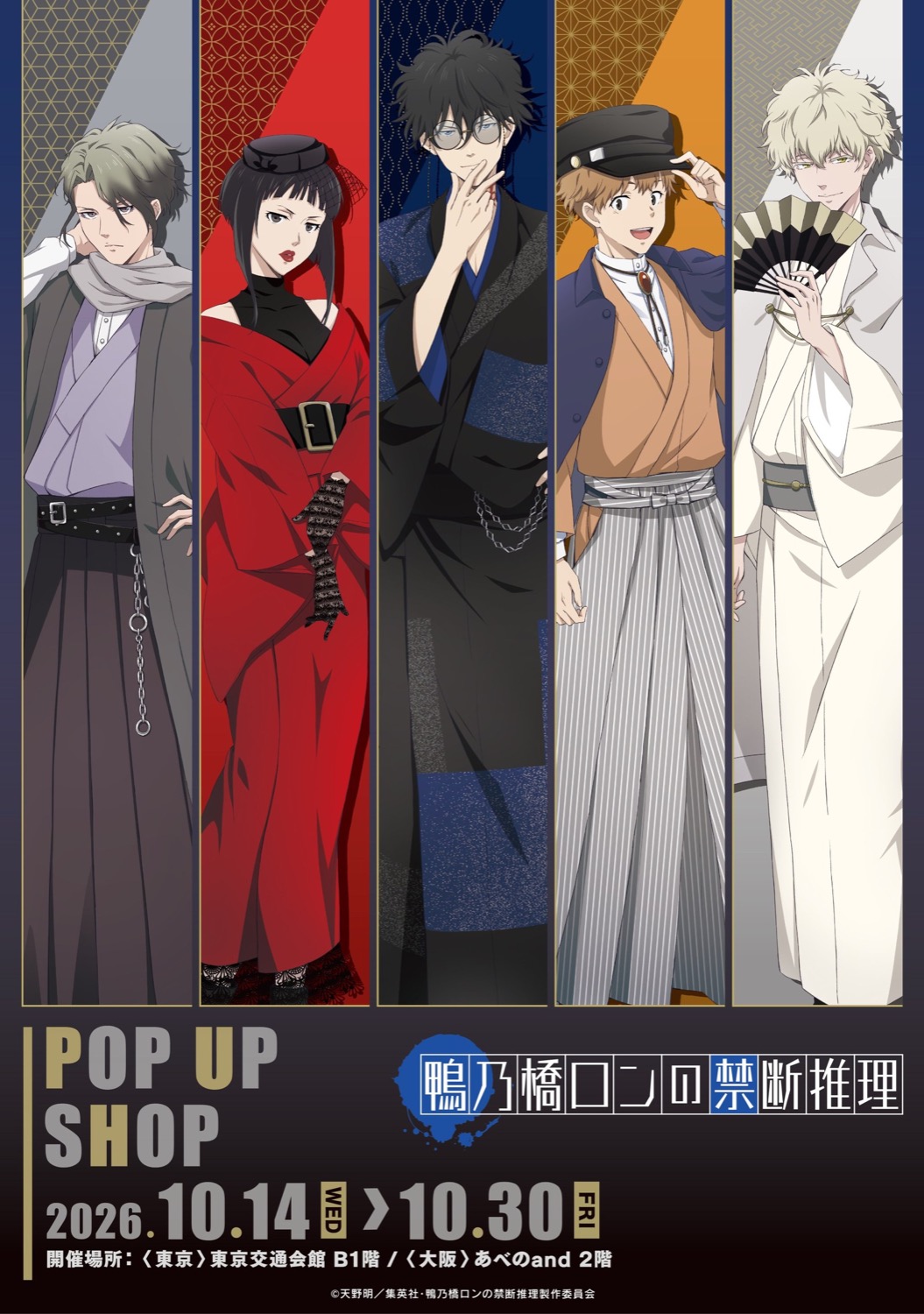
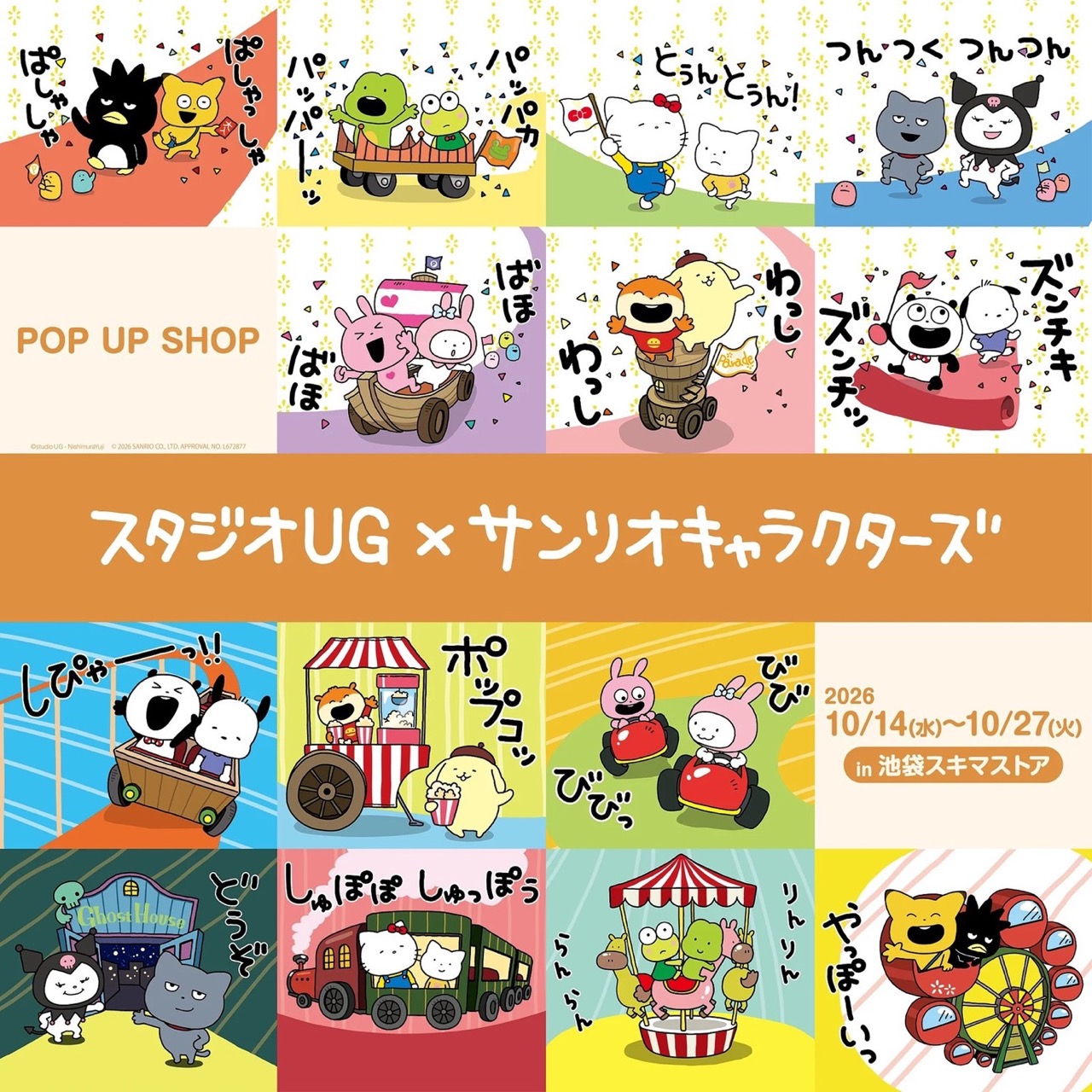
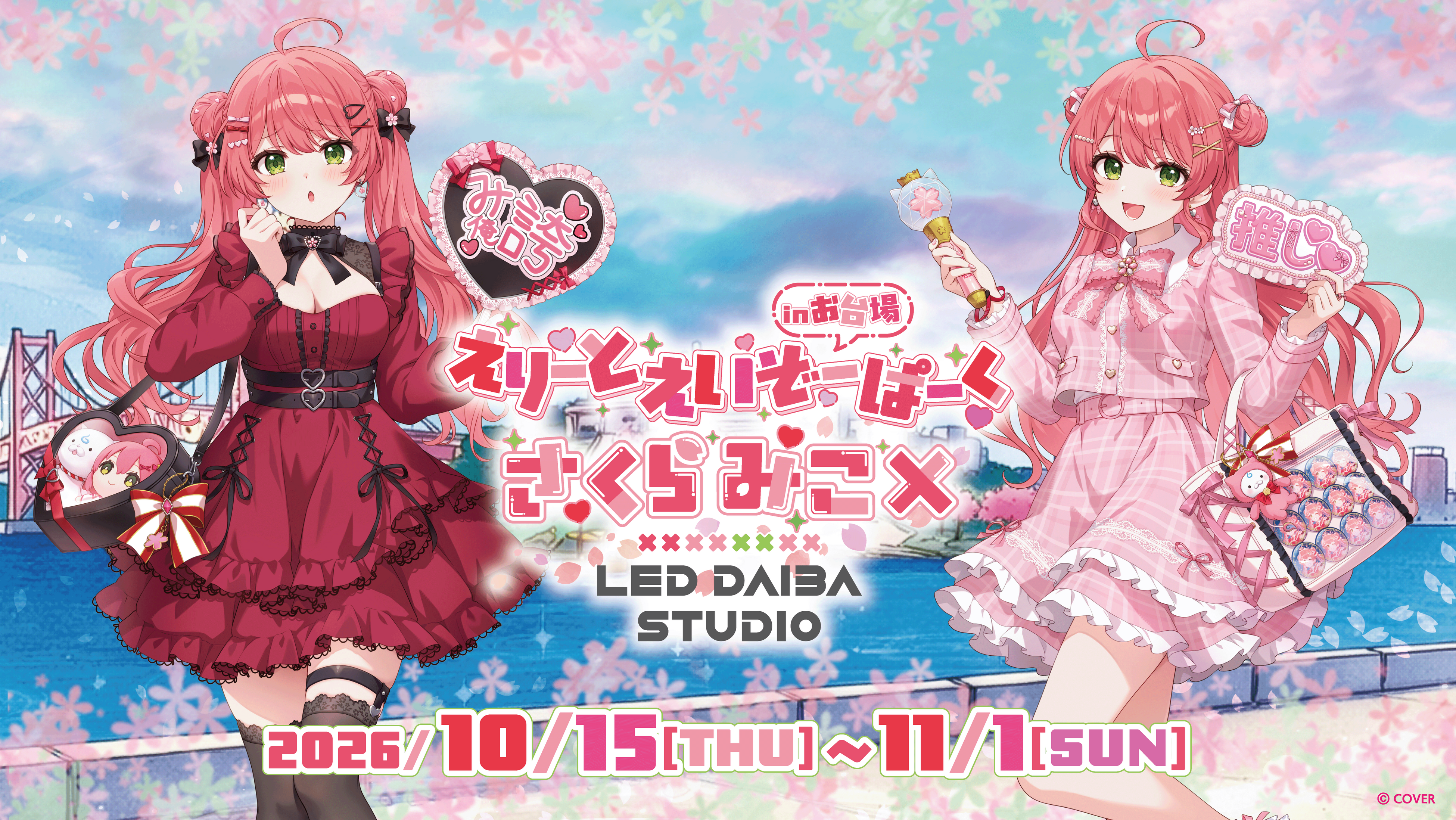
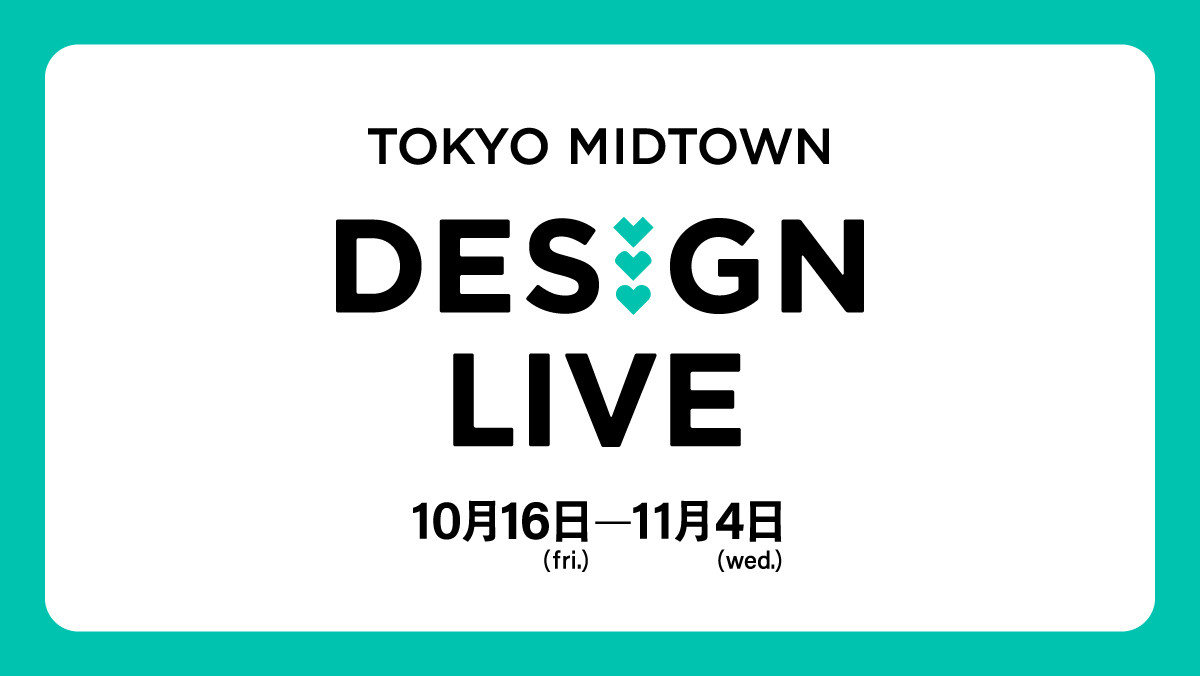
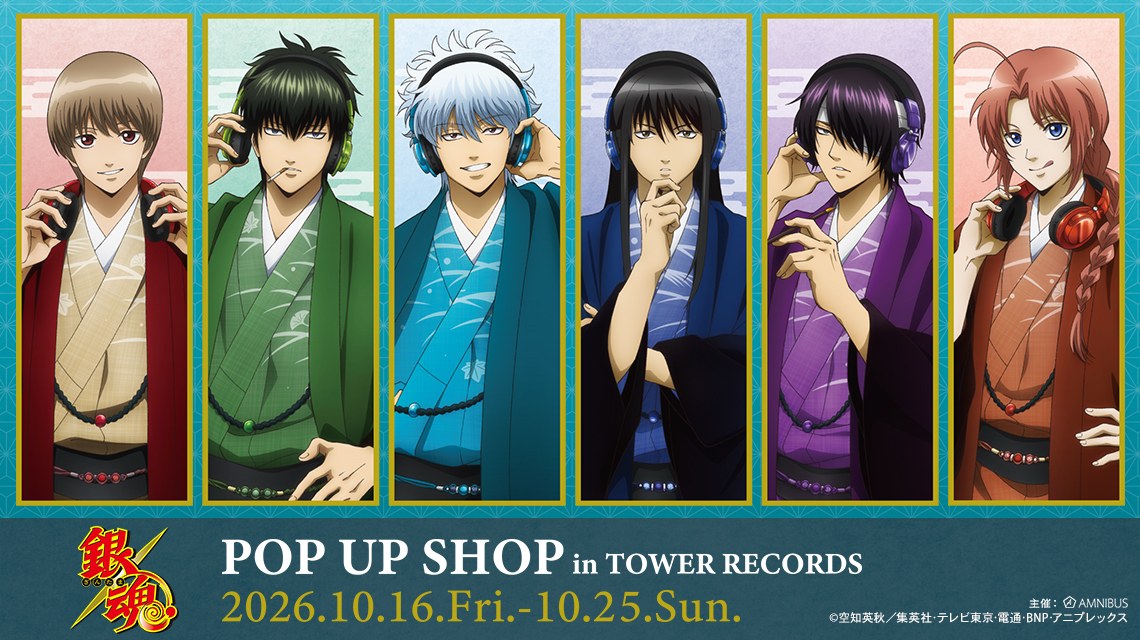
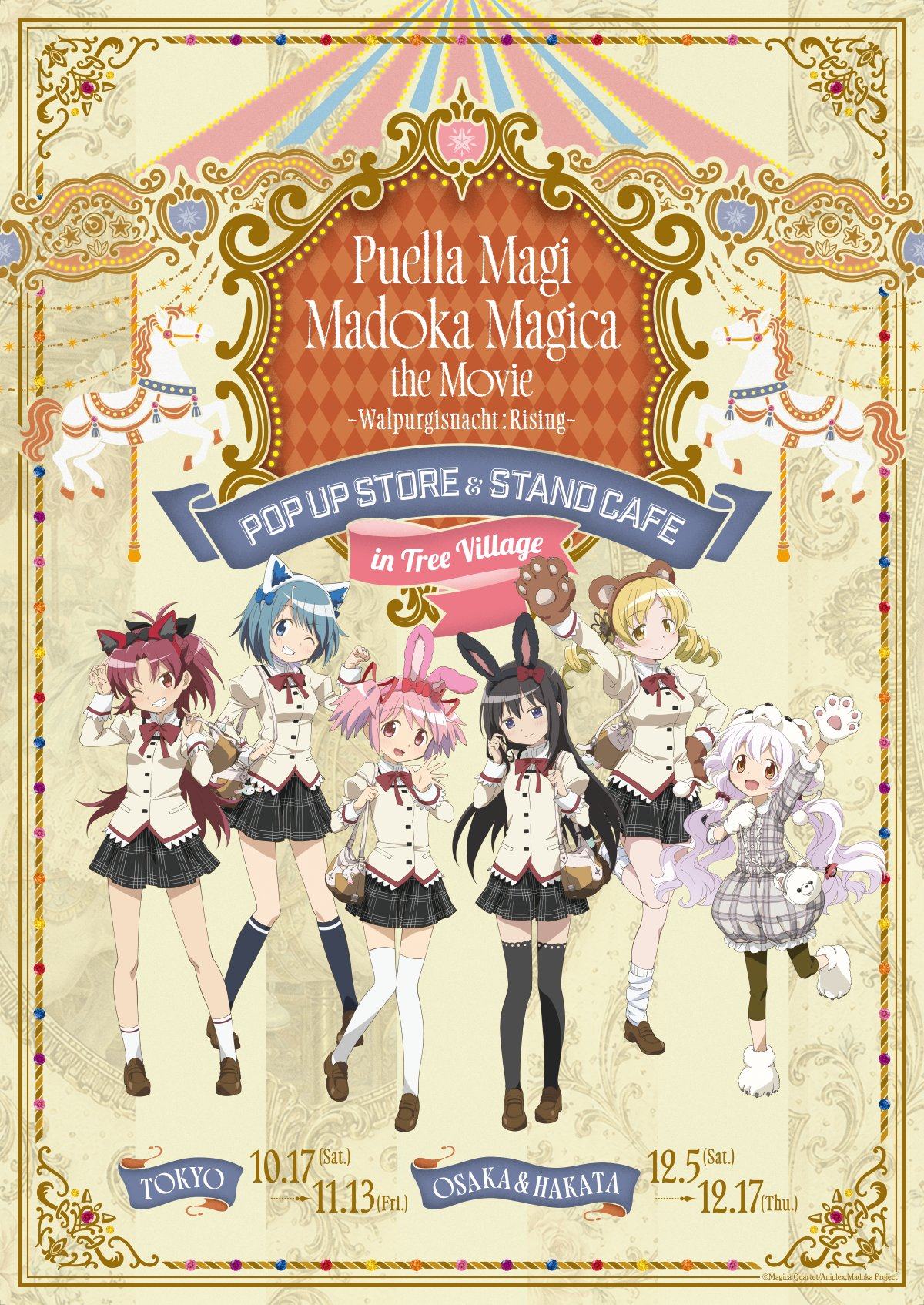
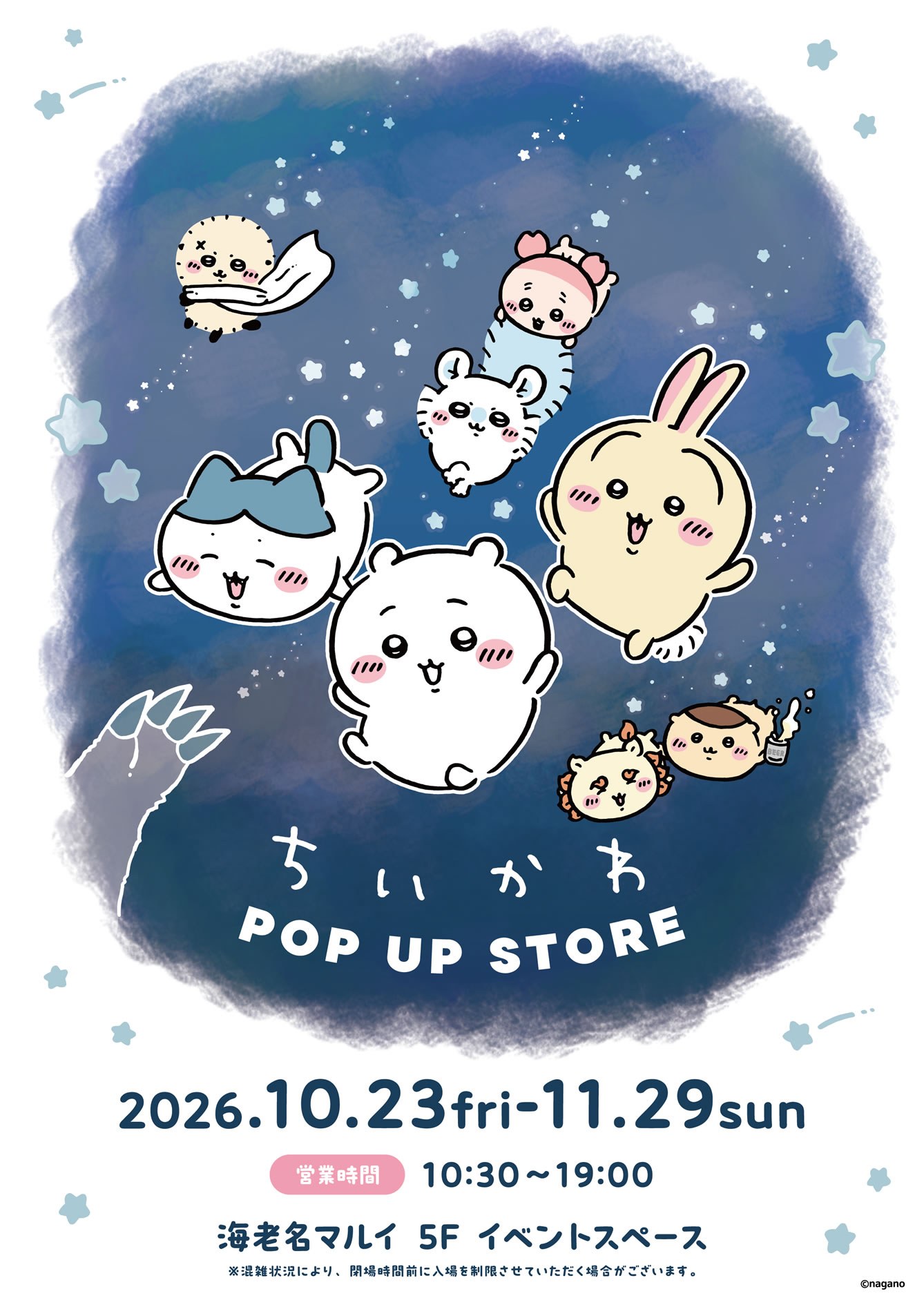
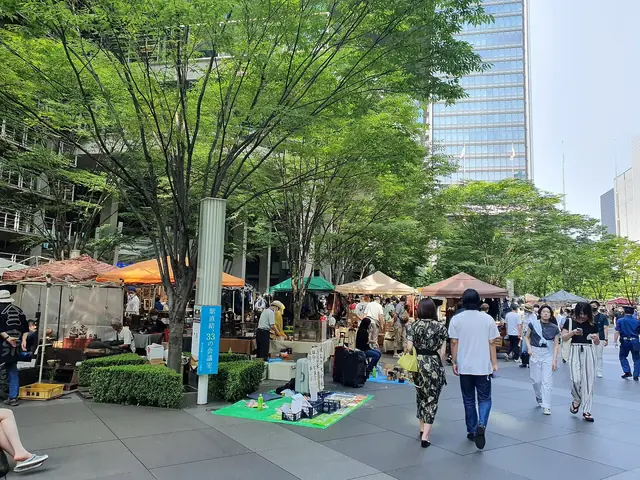
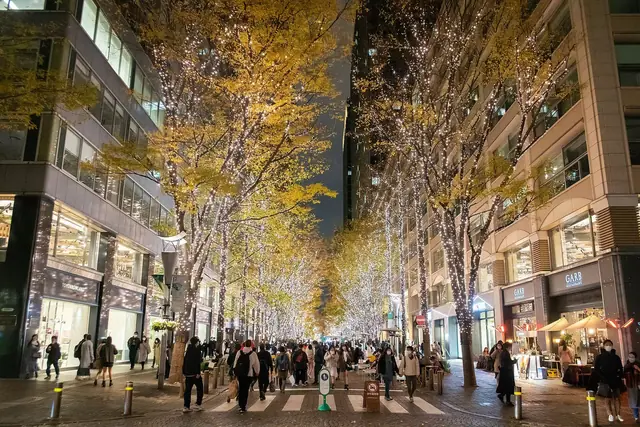
Flea and antique markets charge no entry. The Oedo Antique Market fills the plaza of Tokyo International Forum near Yurakucho about twice a month, mostly on weekends, and shrine markets run in many neighbourhoods. In winter most illuminations along streets and in shopping districts are free, from Marunouchi to Roppongi. Many shopping complexes also host free events in their plazas: mini concerts, craft fairs, regional food markets and character shows.
- Free events still need cash: street stalls and many market sellers take only coins and notes.
- There are few public bins in Tokyo. Carry a small bag and take your rubbish home.
Free museum days, gardens and views
Museums are rarely free, but there are a few days worth planning around. On Tokyo Citizens' Day, October 1, museums, gardens and zoos run by the Tokyo Metropolitan Government usually open free of charge. On Culture Day, November 3, a number of national and city museums waive their fees, often for the permanent collection only, not the special exhibition. Some Ueno museums have also offered free entry on International Museum Day in May. The rules change year to year, so check each museum's page the week before.
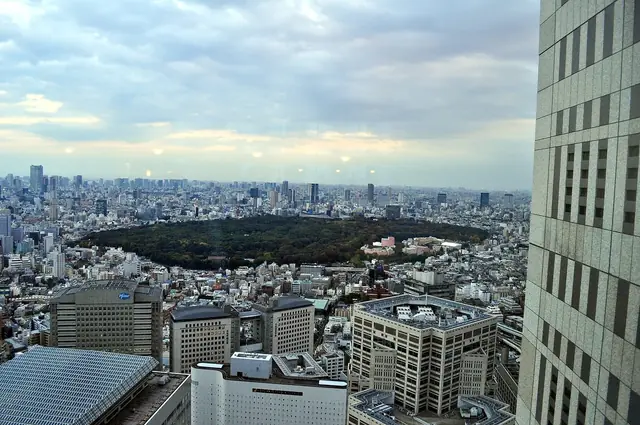
For views, the Tokyo Metropolitan Government Building in Shinjuku has two free observation decks on the 45th floor, around 200 metres up, with Mount Fuji visible on clear winter days. In the evening a projection mapping show runs on the building's front, which you can watch from the street below. The East Gardens of the Imperial Palace, the grounds of the old Edo Castle, are free to walk in, though they close on Mondays and Fridays.
- On free days the popular museums fill up. Go at opening time.
- The two Metropolitan Government Building decks close on different days. Check which one is open before you go.
Eating cheaply around events
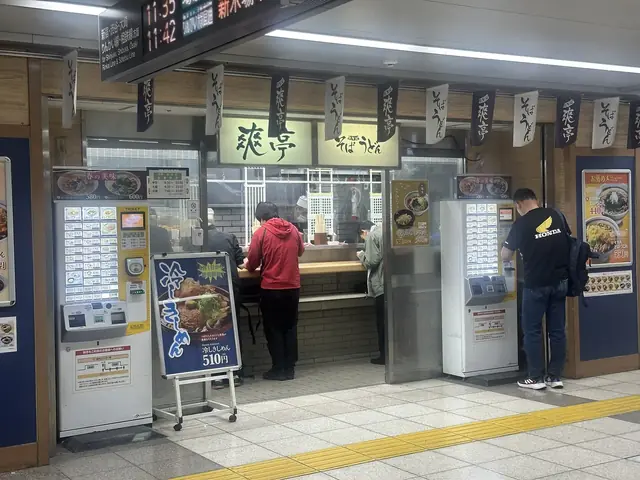
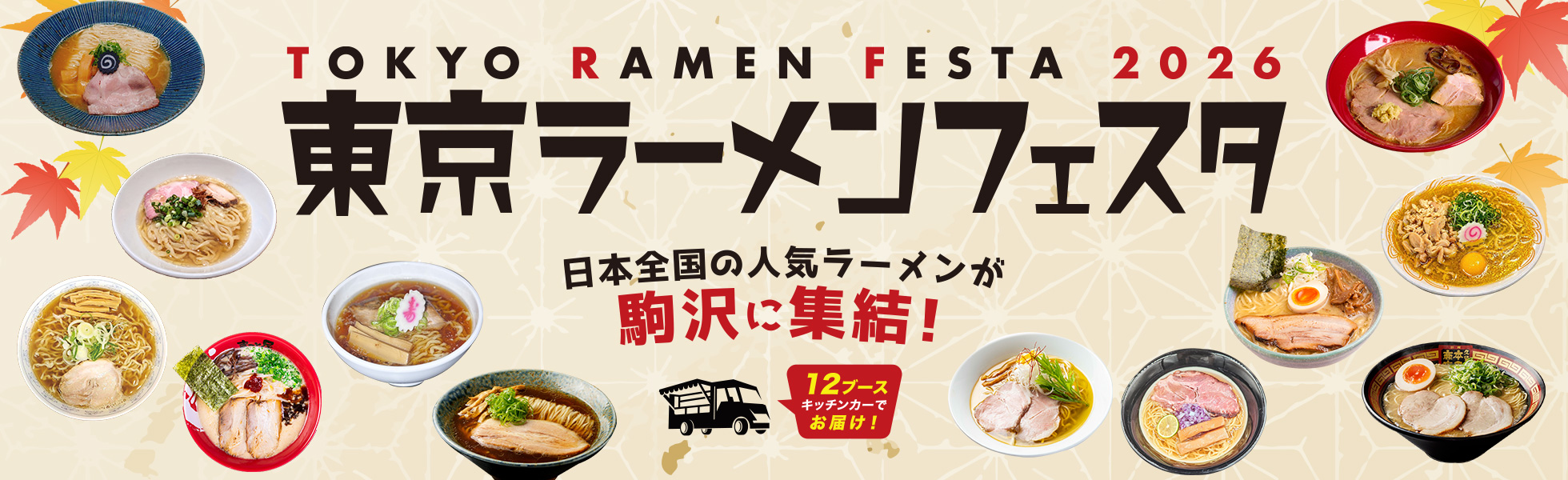
Festival stalls are part of the fun but add up fast. For a cheap meal before or after, convenience stores sell onigiri, sandwiches and hot food at any hour, and chains for gyudon, curry and standing soba serve a full meal for little money near almost every station. Lunch is the cheap meal in Tokyo: many restaurants serve set lunches (teishoku) for a fraction of their dinner prices.
In the last hour or so before closing, supermarkets and department store food halls put discount stickers on bento, sushi and prepared dishes. Water or tea is usually free in restaurants. At outdoor events like fireworks and hanami, bringing your own food and drinks is normal and saves a lot, as long as you take everything home again.
- Look for 半額 (half price) and 割引 (discount) stickers in the evening.
- Many cheap chains use a ticket machine at the door. Pay first, then hand the ticket to the staff.
Getting around for less
If you ride the subway several times a day, the Tokyo Subway Ticket is the pass to know. It gives unlimited rides on all Tokyo Metro and Toei subway lines for 24, 48 or 72 hours from first use, and it is sold to visitors from abroad and to Japanese travellers from outside the greater Tokyo area. It does not cover JR lines such as the Yamanote Line. Anyone can buy a Tokyo Metro 24-hour ticket, which covers Tokyo Metro lines only.
For single trips, an IC card such as Suica or PASMO saves fumbling for tickets. Many places are closer than the subway map makes them look: Harajuku to Shibuya, Ginza to Tokyo Station or Ueno to Akihabara are easy walks. The real budget killer is missing the last train, since taxis add a late-night surcharge, so check the time of the last train before an evening event.
- Count your rides first. A day pass only pays off if you take the subway several times that day.
- Night buses and the first trains of the morning are cheaper than a long taxi ride.
100-yen shops and what to bring
Daiso, Seria and Can Do sell most event supplies for 100 yen plus tax: a picnic sheet for fireworks or hanami, ponchos for a rainy festival, folding fans and cooling towels for summer, hand warmers for winter illuminations, and small bags for your rubbish. They are in or near most big stations and often inside shopping centres.
Bring a refillable bottle, coins for lockers and stalls, and a light bag that can hold a sheet and a jacket. On festival days, coin lockers near the station fill up early, so travel light or leave things at the hotel.
- Not everything in a 100-yen shop costs 100 yen. Check the price tag on bigger items.