How ticket sales work
Big shows are sold in rounds. First comes the fan club presale (FC先行), open only to paying members. Then come presales through the ticket sites (プレイガイド先行), and finally the general sale (一般発売). Most presales are lotteries (抽選): you apply during a window of a few days, results come out on a set date, and if you win you must pay by a deadline or lose the ticket. Applying early gives no advantage.
General sales are usually first come, first served (先着) and often open at 10am on a weekend morning. For popular artists they can sell out in minutes, and sometimes there is no general sale at all because the lotteries used up every seat. The event's official site always lists which sites sell it and when each round opens, so start there rather than at a ticket site's search page.
- 抽選 = lottery: 当選 means you won, 落選 means you did not. 先着 = first come, first served.
- 前売り = advance ticket. 当日券 = sold on the day if any are left, often at a slightly higher price.
- 指定席 = reserved seat, 自由席 = unreserved seat, 立見 = standing room, often released last.
- 整理番号 = entry number at standing shows. Staff call numbers in order, so a low number means a spot nearer the stage.
- 発券 = issuing the ticket (printing or app release). 分配 = sending a companion's ticket to their own account.
The ticket sites and the language problem
Three big agencies sell most tickets: e+ (eplus), Ticket Pia and Lawson Ticket (ローチケ). Each needs a free account, and most shows are sold through one or two of them. Ticket Pia has a language switch with English, Chinese, Korean and Vietnamese, though many event pages stay in Japanese. Lawson Ticket is mostly Japanese, with English instructions for the Loppi machines in its stores. e+ is mostly Japanese too, but for some tours it opens separate pages for buyers living outside Japan. Browser translation handles the rest well.
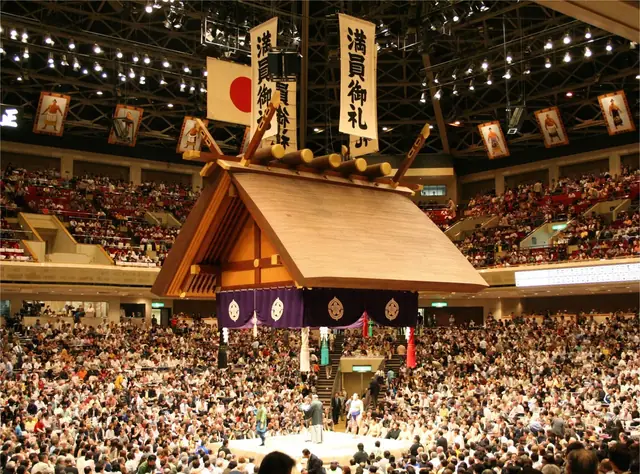
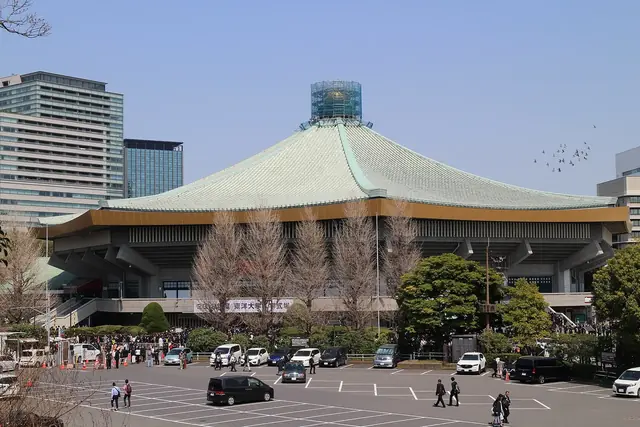
Some events skip the big three. Sports teams sell on their own sites, the sumo tournaments use the official Ticket Oosumo site with an English version, and some large conventions and international tours sell to overseas visitors separately. At small live houses you can often reserve by email or social media and pay at the door, where a drink charge is usually added to the ticket price.
Phone numbers, payment and pickup
The biggest hurdle is the phone. Most sites verify your account by SMS or a call, and a Japanese mobile number (starting 090, 080 or 070) works best; 050 internet numbers and foreign numbers are often refused. If you live in Japan, use your own number. If you are visiting, check whether your travel eSIM can receive SMS, and never use a borrowed number or made-up details, because they can break ID checks and app logins later.
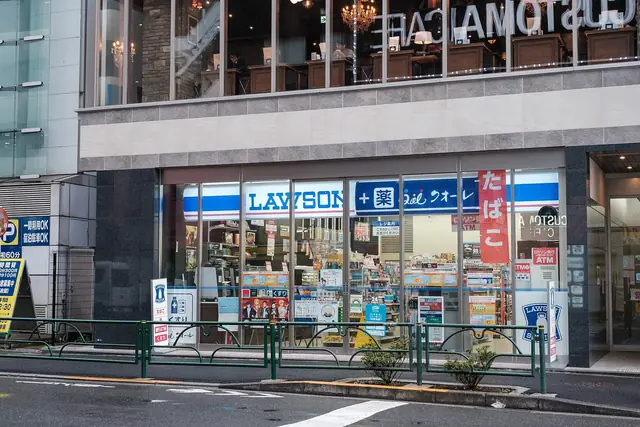
Foreign credit cards work on some sites and are declined on others, and 3D Secure is increasingly required, so enable online and overseas payments with your bank and keep a second card ready. The other option is paying at a convenience store (konbini): you get a payment number, then pay at the register of 7-Eleven, FamilyMart or Lawson before the deadline, usually within a few days. Paper tickets are then printed at the same chains from the issue date (発券開始日), often only a week or two before the show.
- Konbini payment only works if you are in Japan before the payment deadline.
- Write down the chain, the payment number and the deadline. Missing it cancels the order.
Electronic tickets and ID checks

More and more tickets are electronic and live in an app, such as e+ Smart Ticket, the Lawson Ticket app, Tixplus, MOALA or AnyPASS, depending on the show. The ticket often appears only a few days before the date, sometimes with the seat number shown just before entry. A screenshot does not count: staff scan or tap the live ticket in the app. If you bought for friends, send their tickets to their own accounts with the 分配 (distribution) function, since some shows require each person to bring their own phone.
Many tickets are named, and at popular concerts staff check ID at the door (本人確認). The name on the ticket must match your photo ID, which for most visitors is the passport, and a few venues use face recognition registered in advance. Do not buy a ticket in someone else's name; at checked shows you will be turned away.
- Open the app and log in the day before. Changing phones or deleting the app can lose the ticket.
- Bring your passport and a charged phone, plus a small power bank for long queues.
Resale rules and scams
Since June 2019 Japan's ticket resale law has banned reselling specified tickets (named, dated tickets that state resale is not allowed) above face value as a business without the organiser's consent, and most organisers' terms forbid any transfer at all. The safe route is the official face-value resale or trade service named on the event page: Ticket Pia, Lawson Ticket and Tixplus (チケプラトレード) run them for many shows, and Ticket Oosumo has its own for sumo. Japan's Consumer Affairs Agency has warned about overseas resale sites, and tickets from them can be refused at the door.
The most common scam is a social media post offering tickets (譲ります) that asks for a bank transfer or prepaid cards, then disappears. Other red flags: a seller who sends only a screenshot or a QR image, asks for your account login, or promises there will be no ID check. In Japan the consumer hotline is 188, and the police consultation line is #9110.