Ueno Park: museums and a concert hall
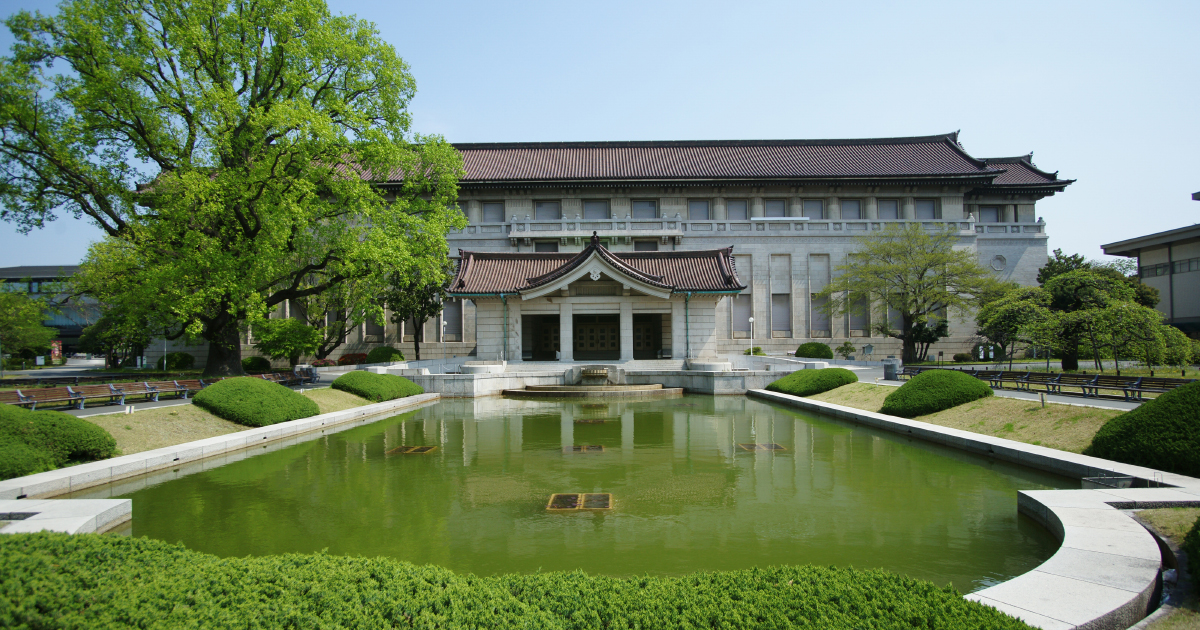
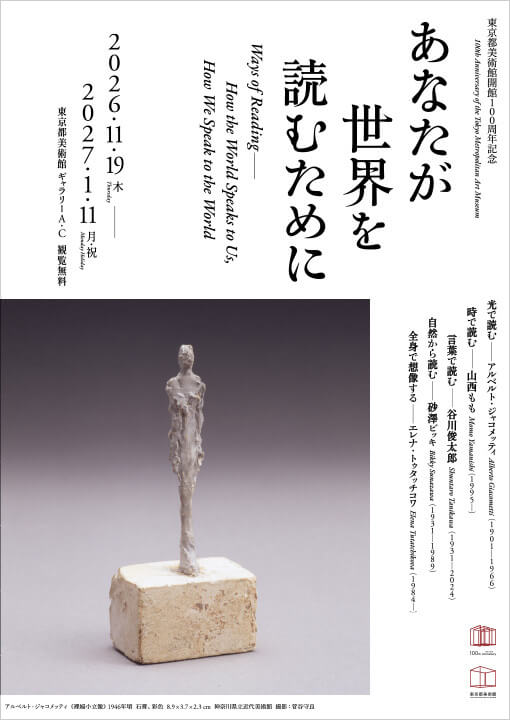
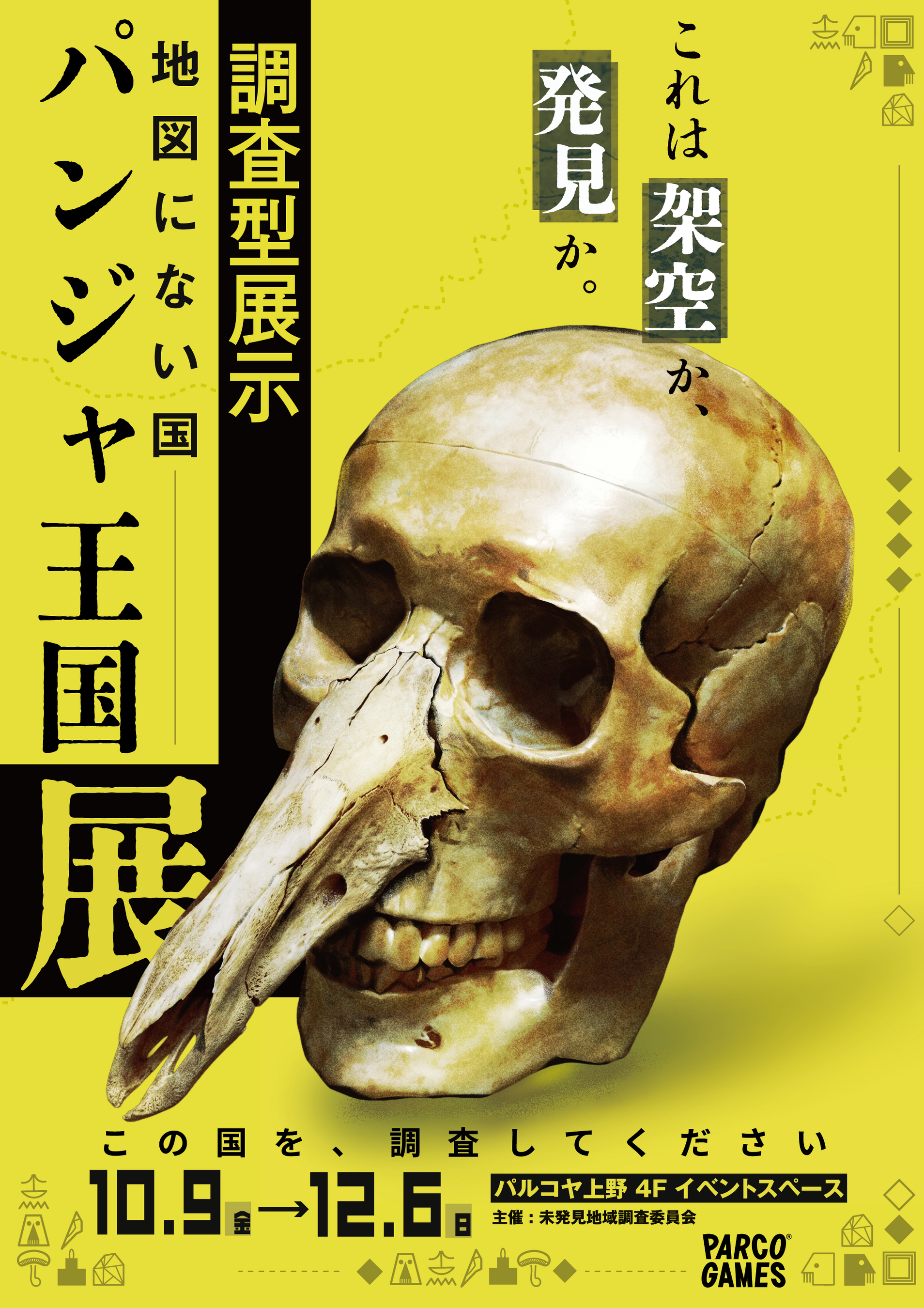
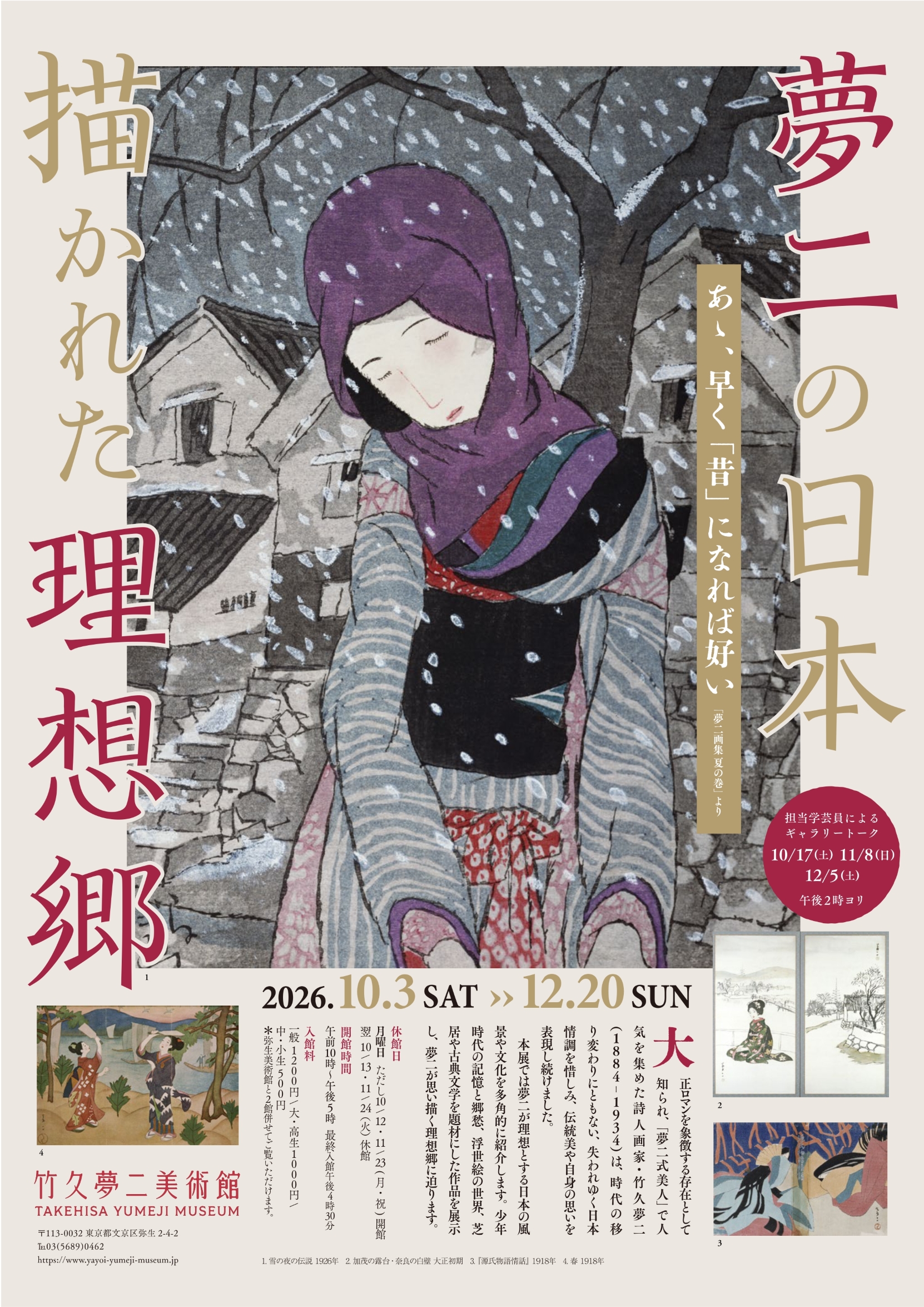
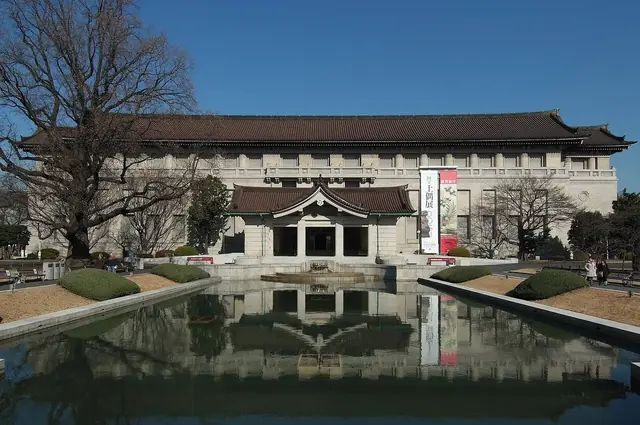
Walk out of the Park exit of JR Ueno Station and you are already among the museums. The Tokyo National Museum, the oldest in Japan, holds the country's biggest collection of Japanese art. The National Museum of Western Art sits in a Le Corbusier building that is part of a World Heritage listing, the National Museum of Nature and Science covers dinosaurs and space, and the Tokyo Metropolitan Art Museum and the Ueno Royal Museum host the big touring exhibitions.
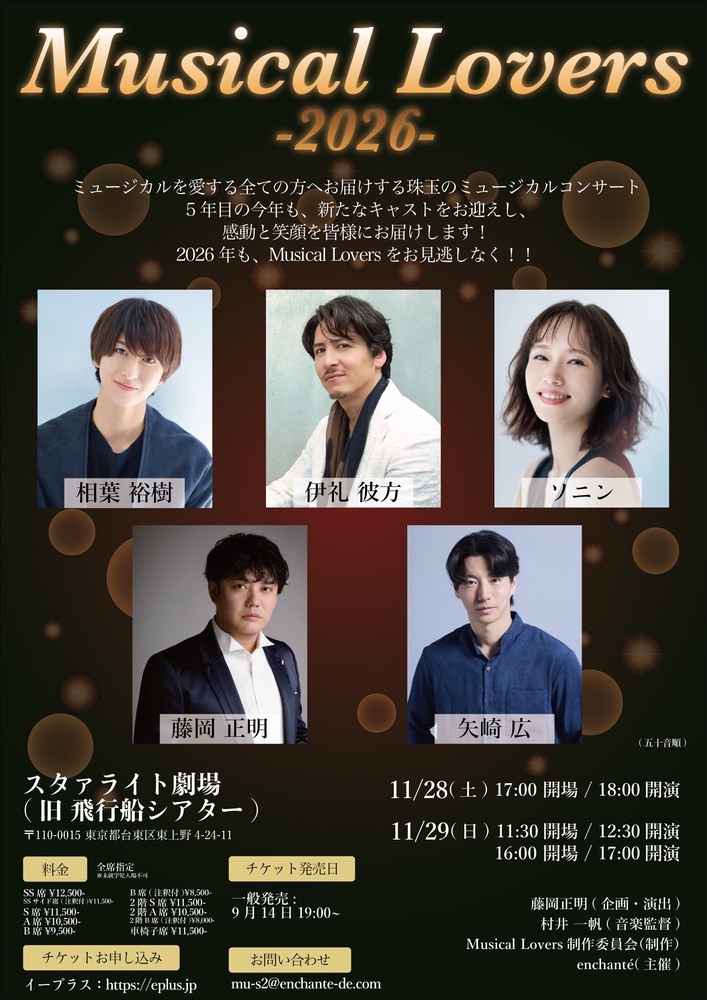
Opposite the Western Art museum stands Tokyo Bunka Kaikan, a concert hall designed by Kunio Maekawa and opened in 1961, long a home of opera, ballet and orchestral concerts. It closed in May 2026 for a major renovation expected to take about three years. The Tokyo Spring Festival (Tokyo-Harusai) still runs every spring, with classical concerts in the halls and museums around the park, so check its programme for the venues.
- Popular exhibitions often sell timed tickets online. Book ahead and go on a weekday morning.
- Most museums here close on Mondays (or the next day when Monday is a holiday).
- Since August 2026 the Tokyo National Museum bans suitcases and checks bags at the gate. Leave luggage at your hotel or a station locker.
The zoo, Shinobazu Pond and the park year
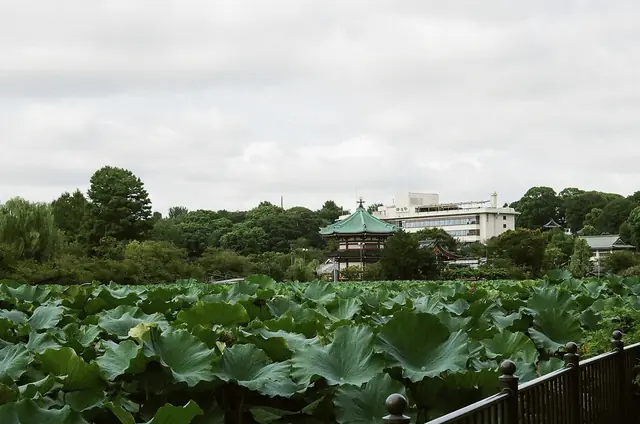
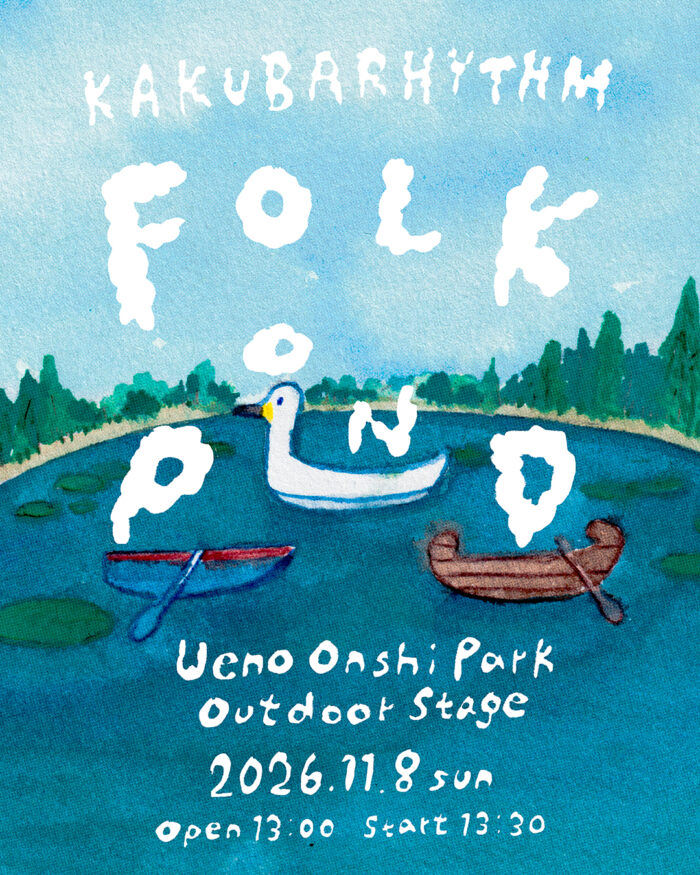
Ueno Zoo, which opened in 1882, is the oldest zoo in Japan and spreads over two parts of the park. It is usually closed on Mondays, and on Tokyo Citizens' Day (October 1) entry is free. At the south-west corner of the park, Shinobazu Pond is split into a lotus pond, a boat pond and a cormorant pond. In midsummer the lotus covers the water around Bentendo, the small temple hall on its island, usually at its best from mid-July to mid-August. The flowers open in the morning and close by midday, so go early.
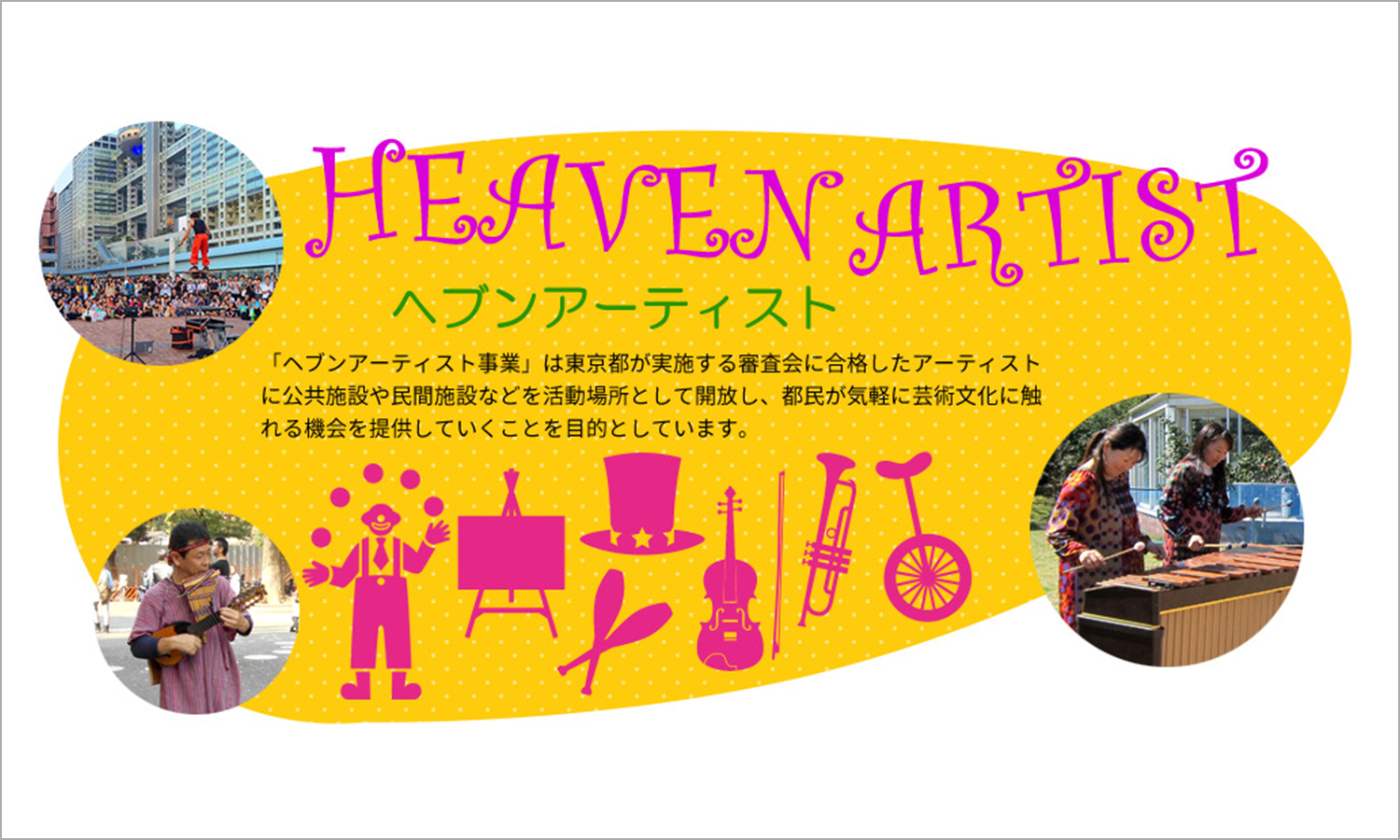
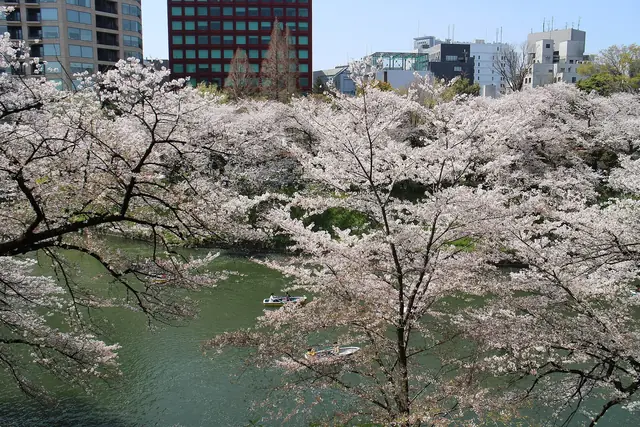
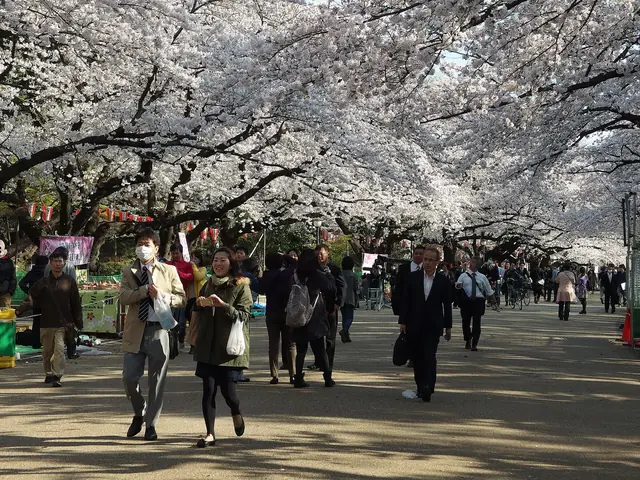
In spring Ueno Park is the classic hanami spot, with a long avenue of cherry trees and lanterns that fills with picnic groups. Through the year you will also meet Heaven Artists, street performers licensed by the Tokyo Metropolitan Government to play at set spots in its parks, and in recent years an annual Heaven Artist festival in autumn has brought many of them to Ueno Park at once. In early September the Tokyo University of the Arts, next to the park, holds its student festival, with giant handmade mikoshi paraded through the park.
- Ueno Park closes overnight. Night hanami ends when the park does.
- Heaven Artists perform for tips. If you stop and watch the whole show, drop a coin in the hat.
Ameyoko and an evening below the tracks
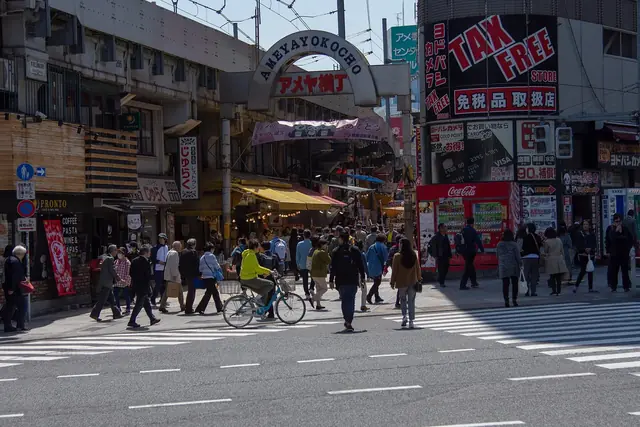
Ameyoko is a market street that runs for about 500 metres along the JR tracks between Ueno and Okachimachi, with around 400 shops. It grew out of a postwar black market, and the name is usually traced to the candy (ame) sellers who once filled it. Today it sells everything from dried fruit and fish to sneakers, and in the last days of December it is packed with people buying crab, tuna and fish roe for the New Year table.
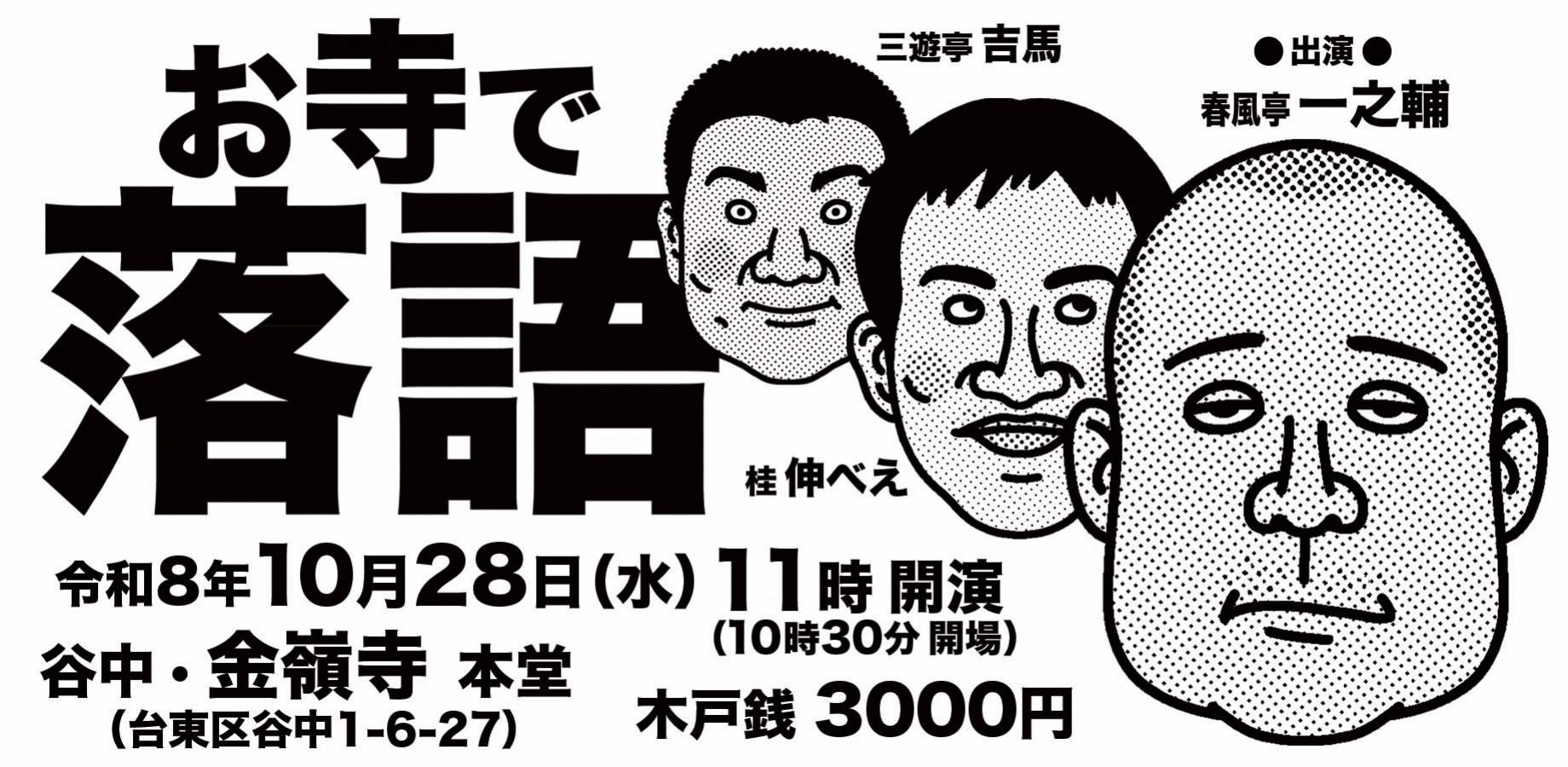
In the evening the standing bars and izakaya under the tracks fill up. For something quieter, Suzumoto Engeijo near Ueno-Hirokoji is one of the four yose halls in Tokyo that run rakugo almost every day, and you can walk in without booking.
Yanaka, Nezu and Sendagi: old Tokyo on foot
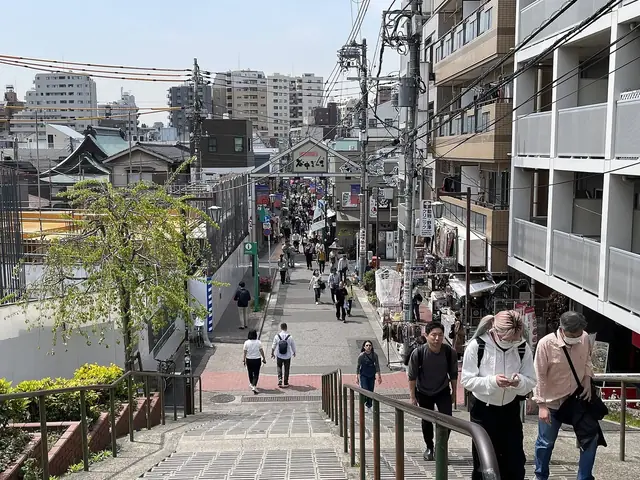
Yanaka, Nezu and Sendagi, often called Yanesen together, are where Tokyo still looks low-rise and wooden. From Nippori Station the road climbs past Yanaka Cemetery, whose cherry trees are lovely in spring (picnics and parties are not allowed), and reaches the Yuyake Dandan steps, best at sunset. Below them, Yanaka Ginza is a short shopping street of about 60 shops selling croquettes, sweets, crafts and snacks. SCAI The Bathhouse, a contemporary art gallery inside a former public bath, has shown work here since the early 1990s.
Nezu Shrine, a short walk south-west, holds the Bunkyo Azalea Festival in April, when around 3,000 bushes of about 100 varieties cover its hillside garden. The shrine is free; the azalea garden asks a small donation during the festival. From Ueno Park you can walk to Yanaka in about 15 to 20 minutes, past the art university.
- Yanaka is residential. Keep voices low and don't photograph people's homes or the cats in their doorways up close.
- Many small shops in Yanaka close early in the evening and on one weekday. Go in the afternoon.
Getting there and timing your day
JR Ueno Station is served by the Yamanote and Keihin-Tohoku lines, many lines heading north and the Shinkansen, and the Ginza and Hibiya subway lines stop there too. Keisei Ueno, for the Skyliner to Narita Airport, is by Shinobazu Pond. For Yanaka use Nippori (JR and Keisei), and for Nezu Shrine or Sendagi the Chiyoda Line. Asakusa is a short ride on the Ginza Line.
Weekday mornings are the calmest time for the museums and the zoo, and cherry blossom weekends the busiest. Summer is hot and humid, so plan the lotus pond and the park for the morning and the museums for the afternoon heat. Bring cash for Ameyoko stalls and small shops in Yanaka.