Hills, Midtown and the art triangle
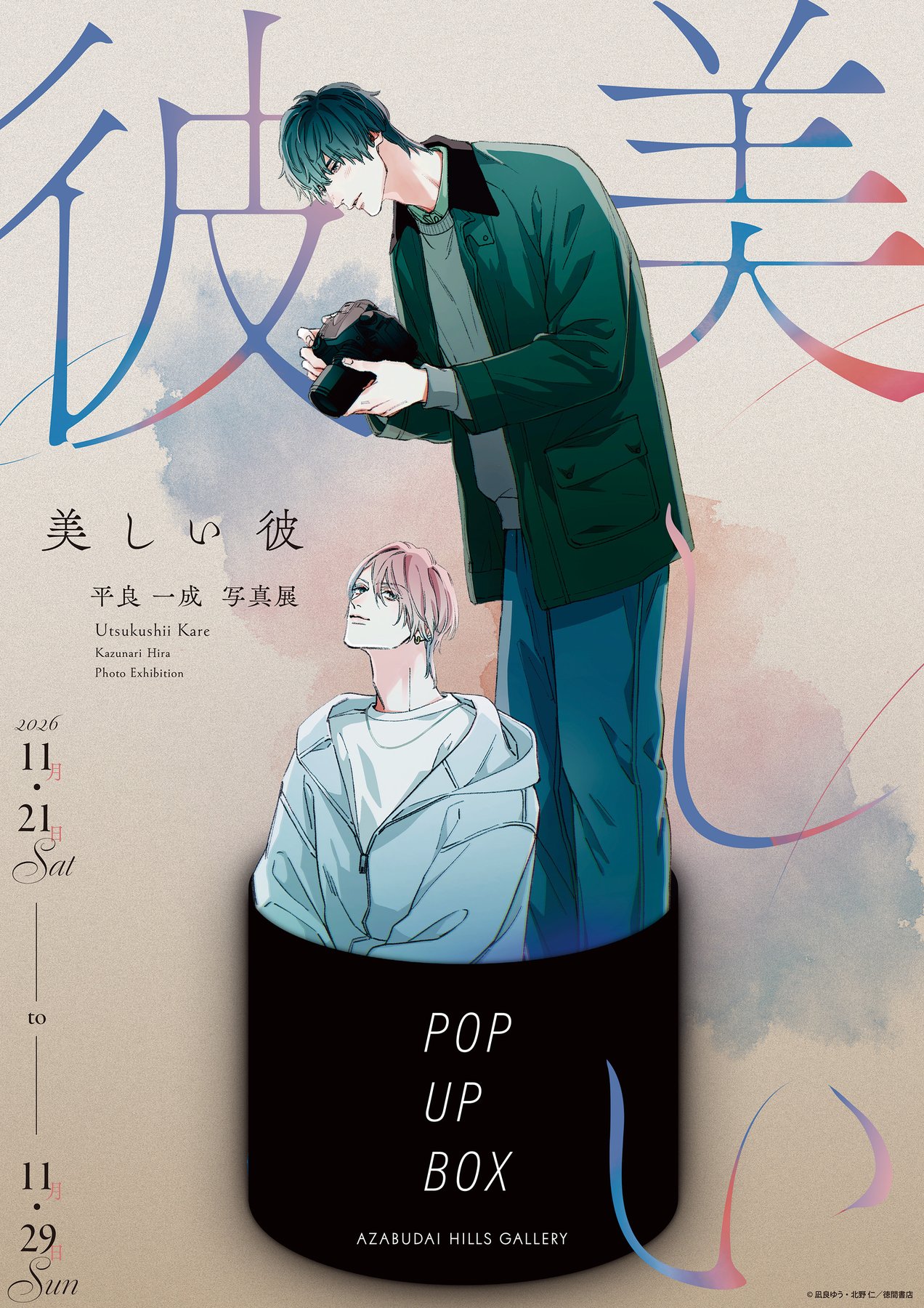
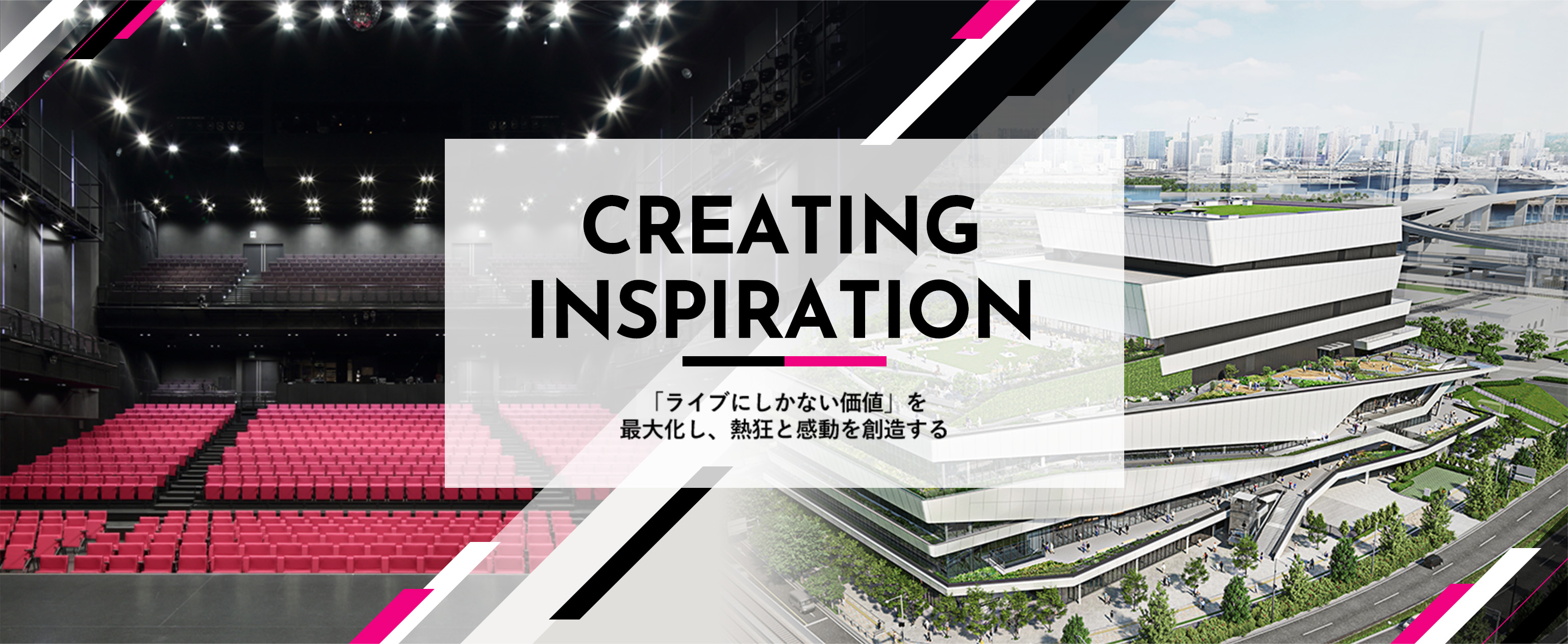
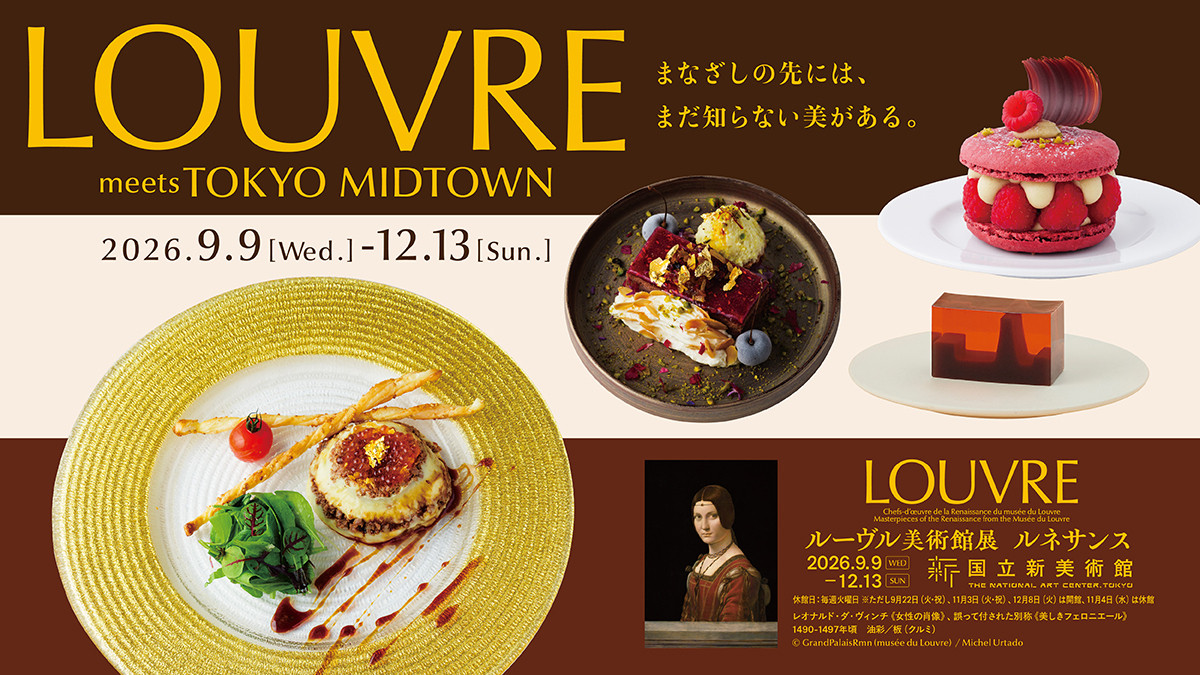
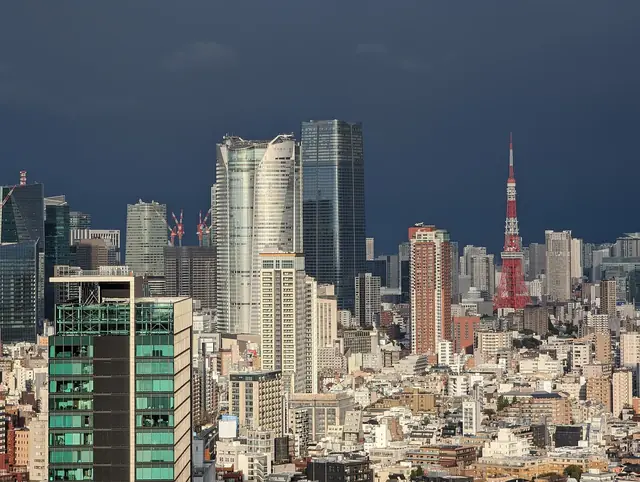
Most of what happens in Roppongi happens inside three large developments. Roppongi Hills, around the Mori Tower, has the Mori Art Museum, a cinema, a TV station and the open-air Roppongi Hills Arena, which hosts free events through the year. Tokyo Midtown, about ten minutes' walk north, sits around a lawn and garden. Azabudai Hills, the newest, opened in 2023 towards Kamiyacho and Tokyo Tower.
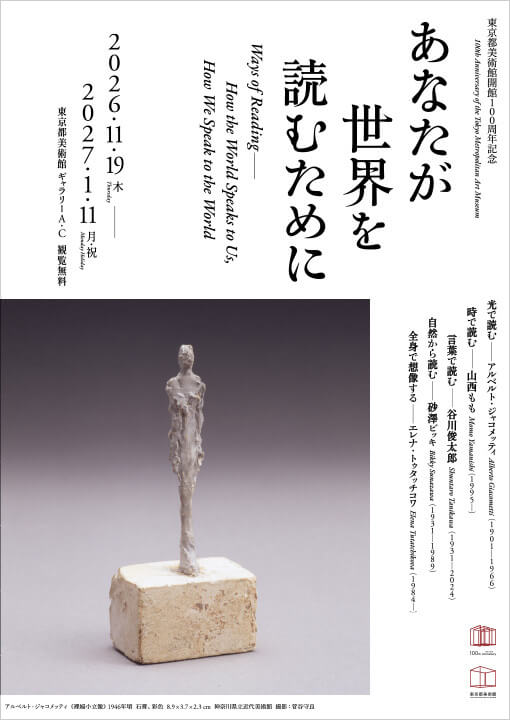
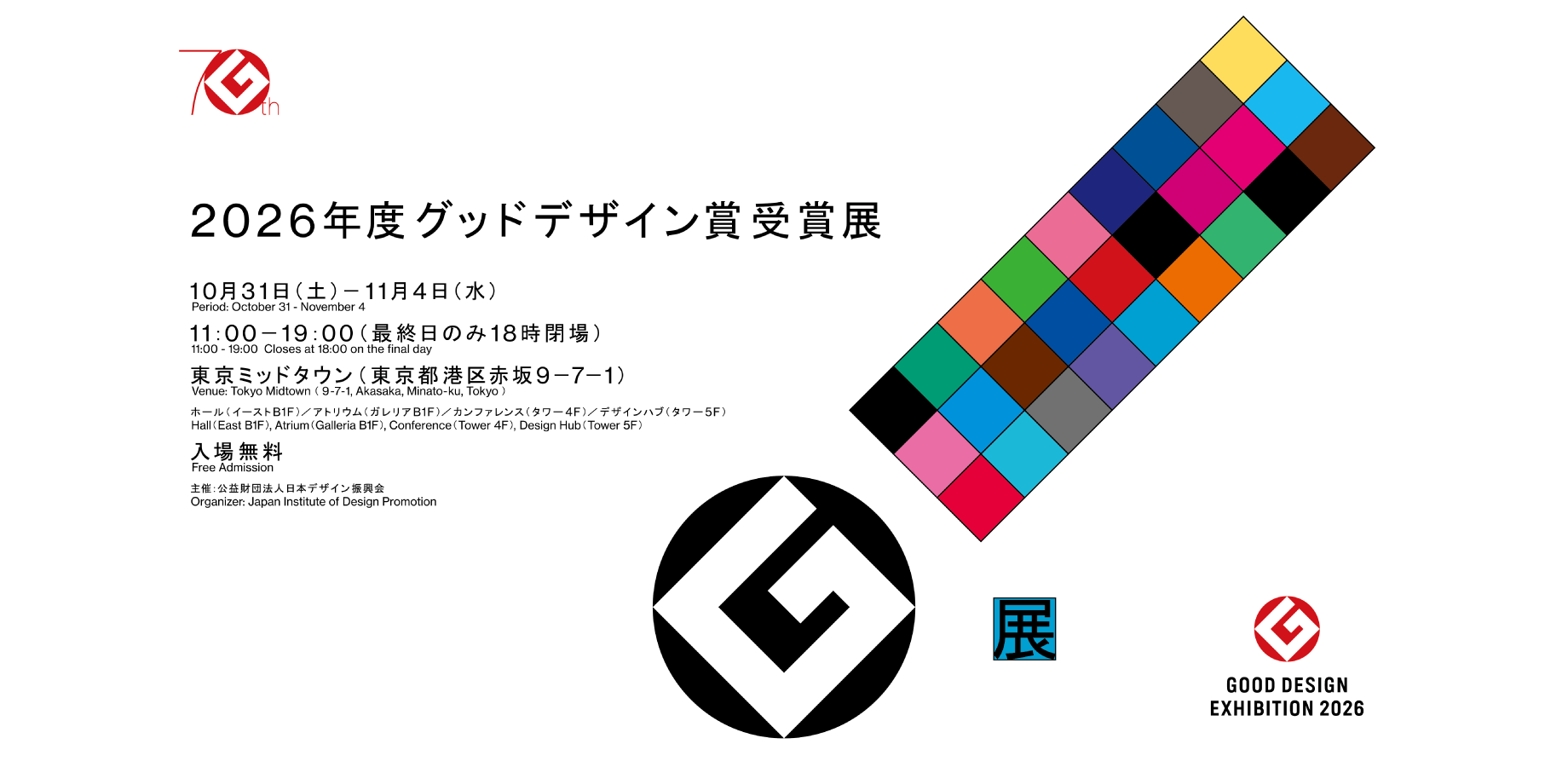
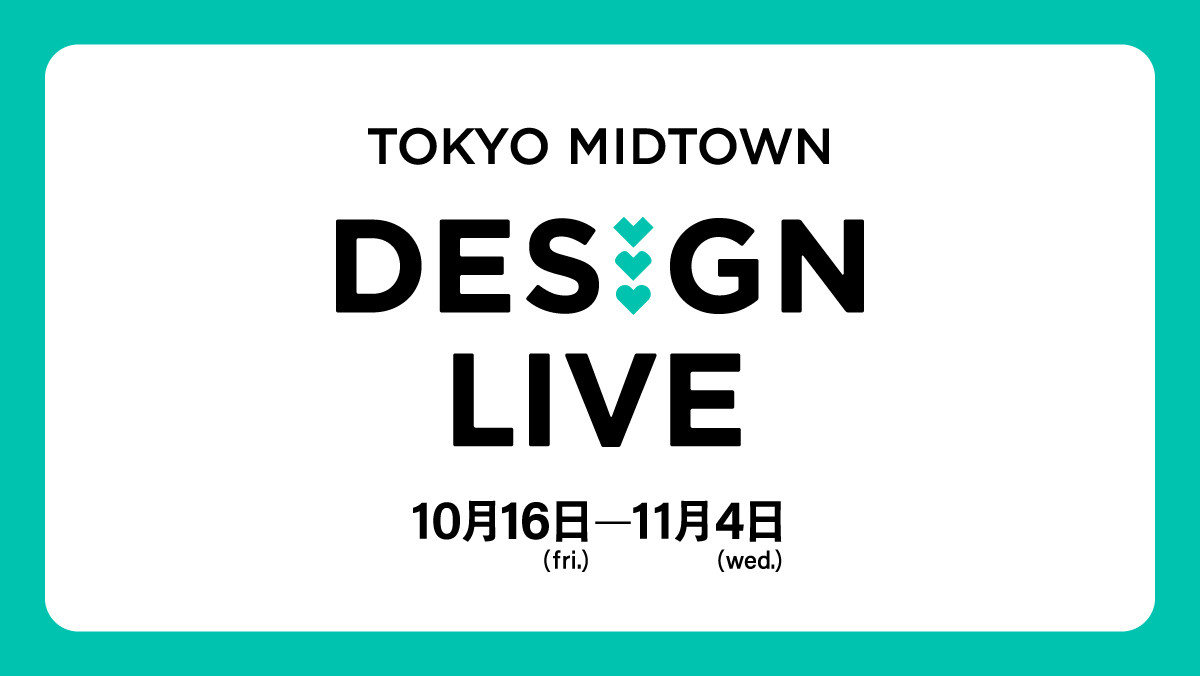
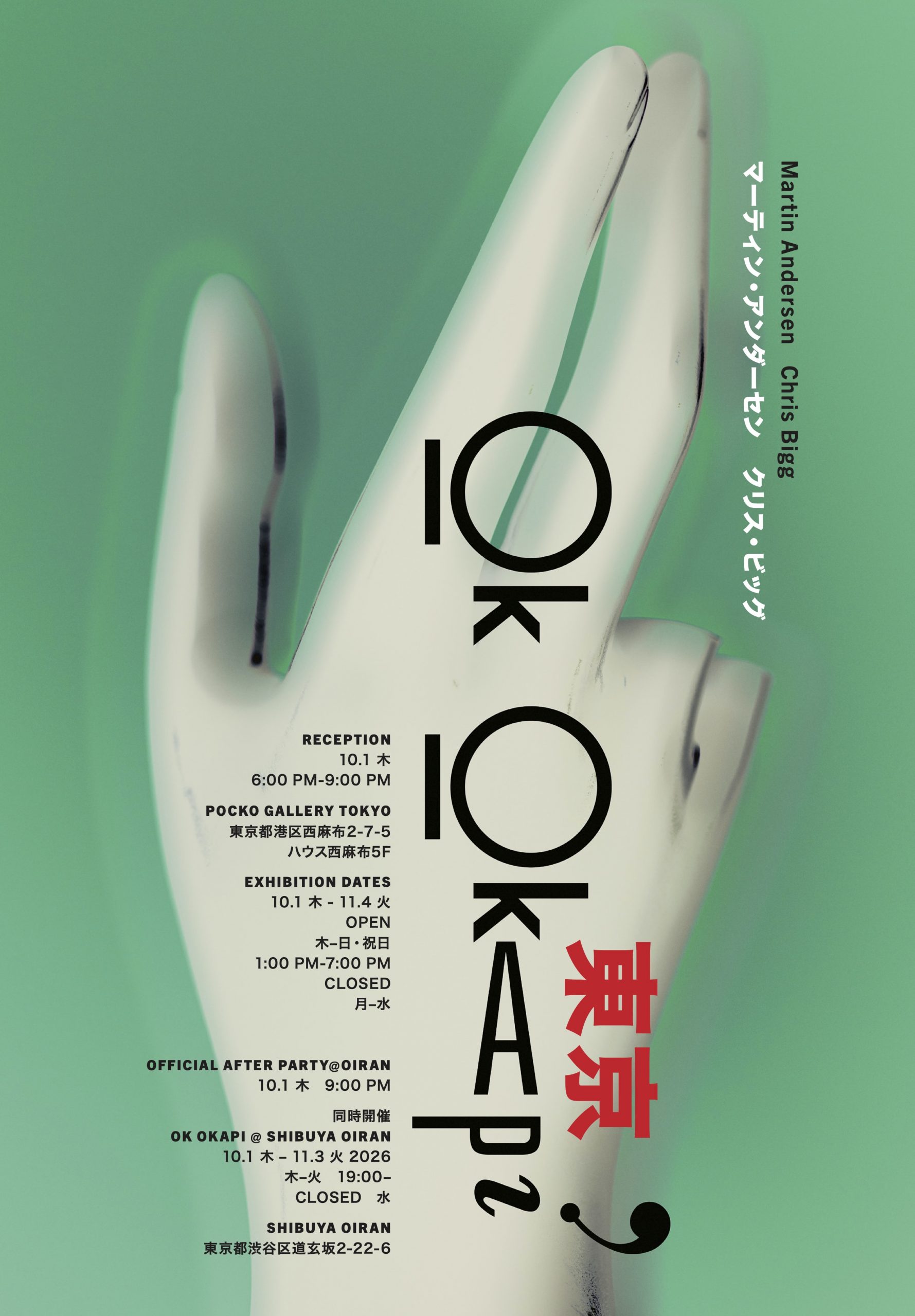
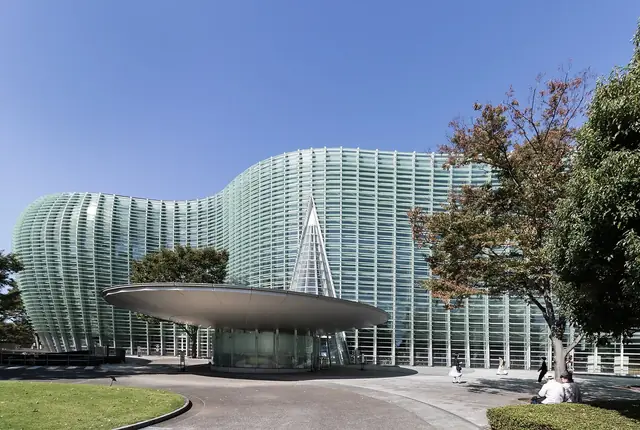
The area markets its museums as the Roppongi Art Triangle. The Mori Art Museum, high up in the Mori Tower, shows contemporary art and stays open late most nights. The National Art Center, in a wavy glass building connected to Nogizaka Station, has no collection of its own and hosts some of the largest touring exhibitions in Japan. The Suntory Museum of Art in Tokyo Midtown shows Japanese art and crafts, and 21_21 Design Sight, a low building by Tadao Ando in the Midtown garden, runs design exhibitions.
teamLab Borderless moved from Odaiba to Azabudai Hills in 2024, and timed tickets for weekends and holidays often sell out well ahead. Commercial galleries are scattered around the Hills too, so the area rewards a slow afternoon on foot.
- The National Art Center and Suntory Museum close on Tuesdays. The Mori Art Museum opens every day while an exhibition is on, but closes for a few weeks between shows.
- Tokyo City View, the deck below the Mori Art Museum, uses timed tickets. The open-air Sky Deck on the roof closes in bad weather.
Festivals through the year
Roppongi Art Night is the area's own festival: a weekend, usually in autumn, when installations, performances and late museum openings spread across the Hills, Midtown, the National Art Center and the streets in between. Most of the programme is free, though the museum exhibitions still charge, and some editions run all night.
In late August, Roppongi Hills holds a large bon odori on its arena, with a yagura tower, food stalls and dancing in yukata, and entry is free. In summer the Midtown lawn and the Hills plazas host smaller events and food trucks, and at Ark Hills, a short walk east, a farmers' market (Hills Marche) runs on Saturday mornings and the Akasaka flea market fills Ark Karajan Square on the fourth Sunday of most months, with antique and vintage dealers.
- Ark Hills markets skip some holiday periods such as Obon and New Year. Check the official page first.
- Outdoor events here are usually free but very busy on Saturday evenings. Come before dark for the stalls.
Winter lights and Christmas markets
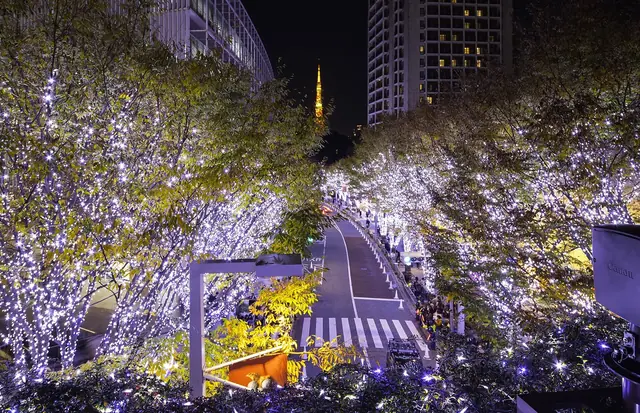
Keyakizaka, the sloping street below Roppongi Hills, is wrapped in around 400 metres of lights from early November until Christmas, with Tokyo Tower rising at the end of the trees. Roppongi Hills also runs one of the longest-standing Christmas markets in the city, modelled on Stuttgart's, in O-Yane Plaza next to the lights.
Tokyo Midtown usually puts on a light show over its lawn, and in recent winters it has added an outdoor ice rink. Azabudai Hills has also held a free Christmas market in its central plaza. All three are within about 15 minutes' walk, so one evening can take in the lot.
The two weeks before Christmas are the busiest, and December 23 to 25 brings the biggest crowds of the season. Weekday evenings are much calmer, and the lights look just as good at 9pm as at 6pm.
Concerts, live music and nights out
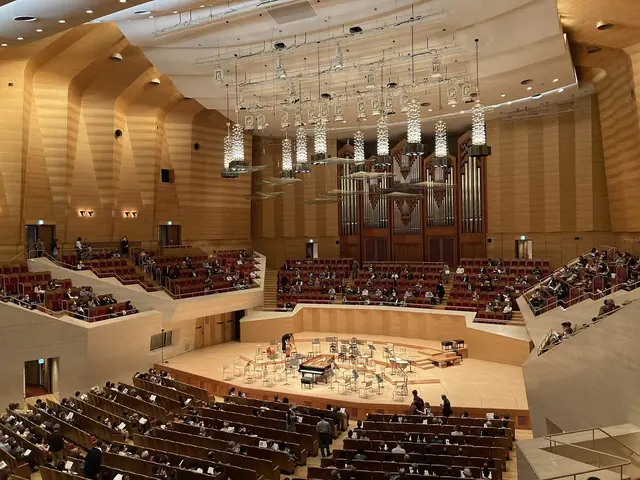
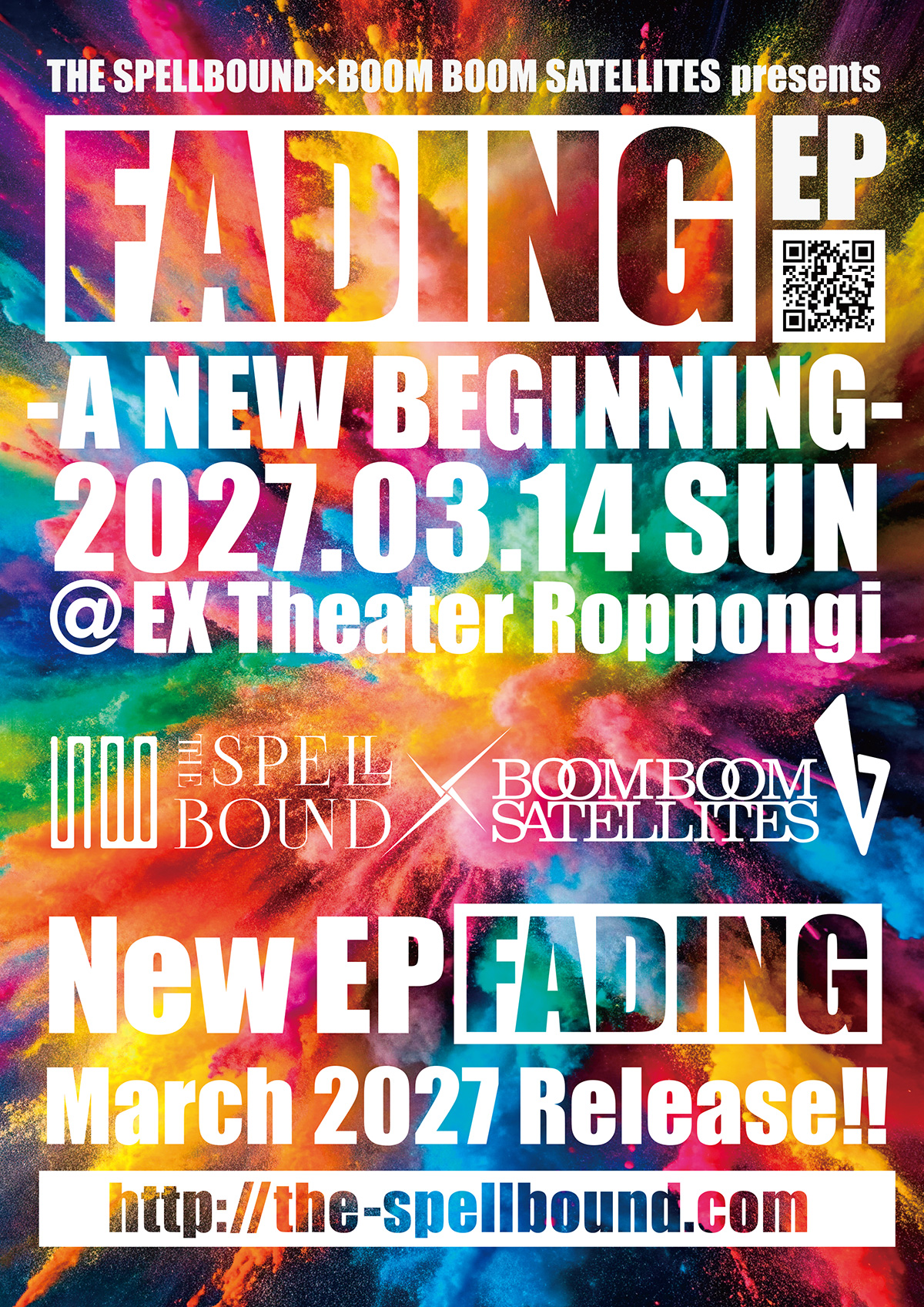
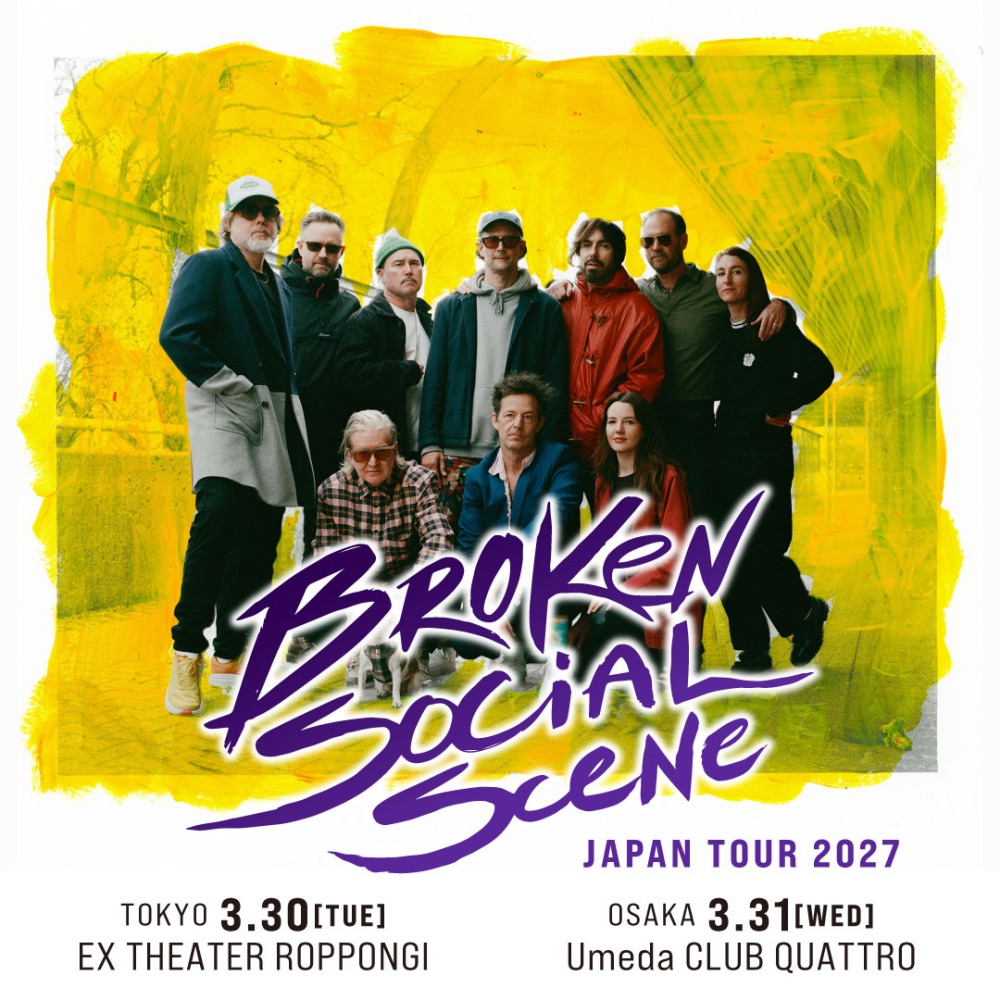
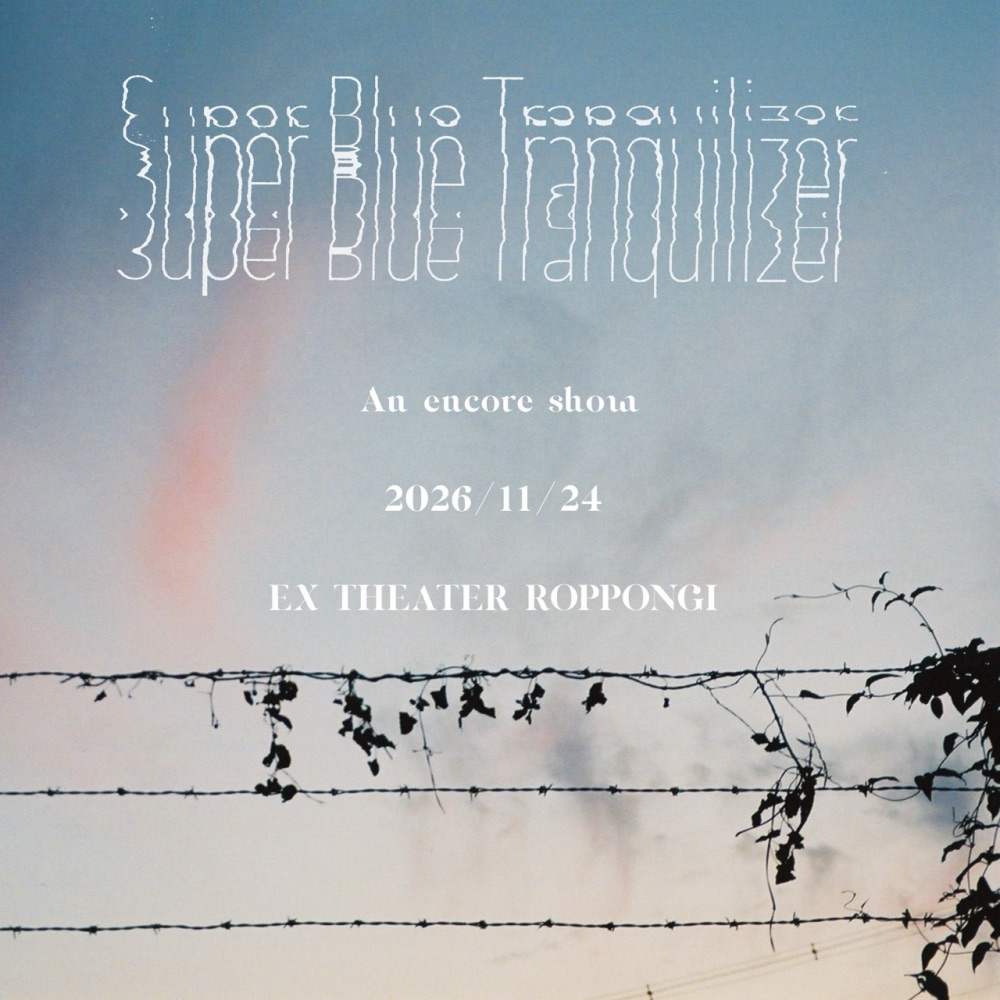
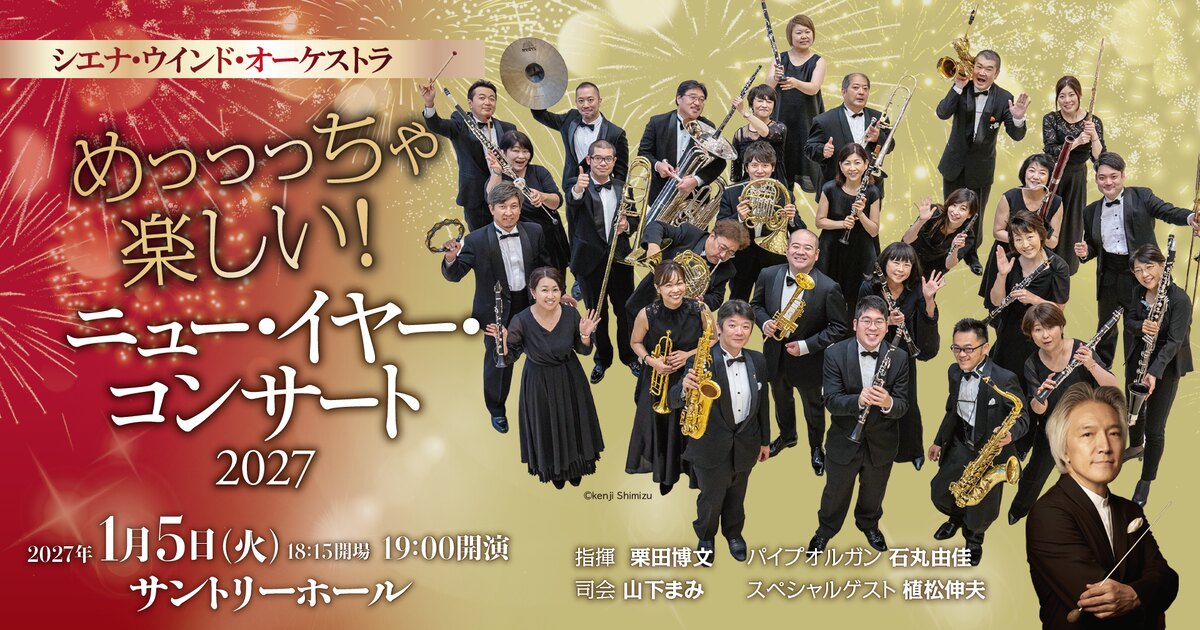
For music there is more than clubs. Suntory Hall at Ark Hills is one of Tokyo's leading classical concert halls. EX Theater Roppongi, towards Nishi-Azabu, is a mid-sized hall for concerts and stage shows, and Billboard Live Tokyo in Tokyo Midtown is a supper club with seated shows, usually two a night, so you can catch an early set and still have dinner.
After dark, the streets around Roppongi Crossing fill with bars and big commercial clubs that draw tourists, expats and office parties. It is generally safe, but along with Kabukicho this is where visitors to Tokyo most often run into trouble. Ignore street touts, who are restricted by Minato ward rules, choose bars yourself, and check prices before you order. Drink spiking followed by theft or card fraud has been reported here for years, so keep your drink with you and do not accept one from strangers.
- Last trains on the Hibiya and Oedo lines leave around midnight. First trains run from about 5am.
- If a bill looks wrong, do not pay in a panic. Ask for the police; the emergency number is 110.
Getting there and nearby areas
Roppongi Station is on the Tokyo Metro Hibiya Line and the Toei Oedo Line. The Hibiya Line side connects underground to Roppongi Hills, and the Oedo Line side to Tokyo Midtown. For the National Art Center use Nogizaka Station on the Chiyoda Line, for Azabudai Hills and teamLab Borderless Kamiyacho Station on the Hibiya Line, and for Ark Hills and Suntory Hall Roppongi-itchome Station on the Namboku Line. Walking between any two of them takes 10 to 15 minutes.
Azabu-Juban, downhill to the south, is a calmer shopping street with old sweet shops and a big summer festival. Akasaka and Nishi-Azabu are next door, and Shibuya is a short taxi or bus ride away. For a day out, pair a morning exhibition with lunch in Midtown or the Hills, then the lights or a show in the evening.