The classic route, morning: Asakusa, Tsukiji and Ginza
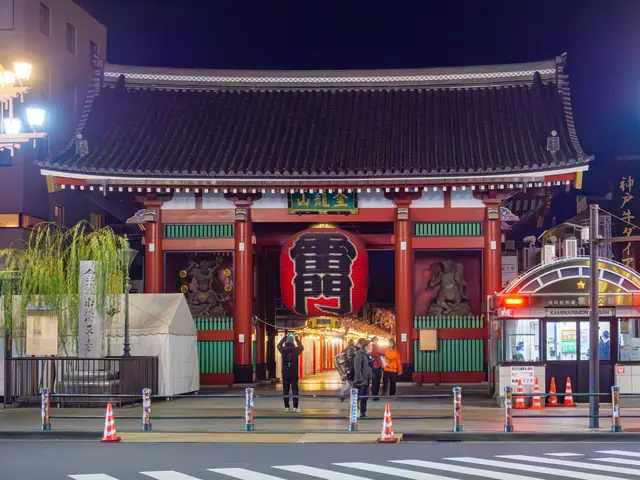
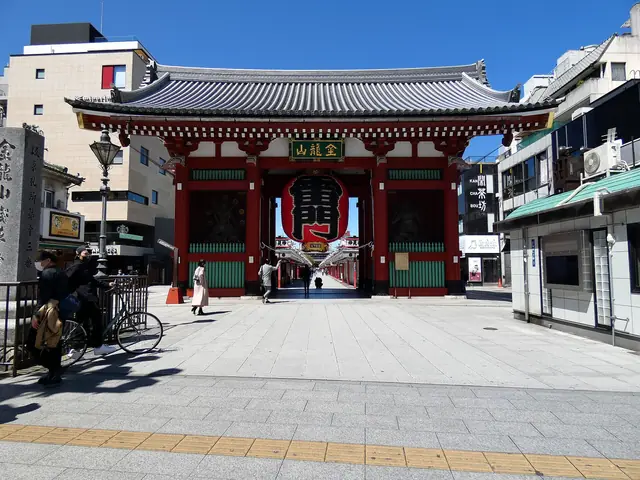
Be at Senso-ji by 8:00. The grounds never close and the main hall opens at 6:00 (6:30 from October to March), so you get the gate, the pagoda and the incense smoke before the tour groups. The Nakamise shops open mid-morning, and the free terrace of the Asakusa Culture Tourist Information Center, across from Kaminarimon, looks straight down the street to the main hall.
Around 10:15, take the Toei Asakusa Line to Higashi-ginza, about 15 minutes with no change, and walk five minutes to Tsukiji Outer Market for brunch: tamagoyaki, grilled scallops, a small sushi set or seafood on rice. The lanes are busiest until about 13:00 and many shops close by early afternoon. Eat where you buy, not while walking.
From the market it is a ten-minute walk to the Ginza 4-chome crossing and the basement food hall of Ginza Mitsukoshi. On Saturdays, Sundays and holidays, Chuo-dori closes to cars from 12:00 to 17:00 (to 18:00 from April to September).
- 8:00 Senso-ji, 9:30 Nakamise, 10:15 train, 10:45 Tsukiji, 12:15 Ginza, 13:30 train to Harajuku.
- Tsukiji Outer Market is mostly closed on Sundays, holidays and some Wednesdays. On those days have brunch in Asakusa instead.
- Tired already? Cut Ginza: from Tsukiji, the Hibiya Line goes straight to Hibiya for the Chiyoda Line.
The classic route, afternoon and night: Harajuku, Shibuya and Shinjuku
From Hibiya Station, linked underground to Ginza, the Chiyoda Line reaches Meiji-jingumae (Harajuku) in about 15 minutes. The forest path to the main hall of Meiji Jingu takes ten minutes and an hour covers the visit. The shrine closes at sunset, around 16:00 in November and December and after 18:00 in early summer, so in winter be inside by 15:00.
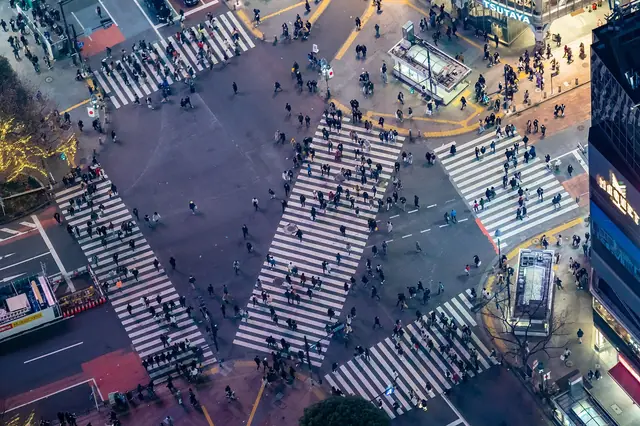
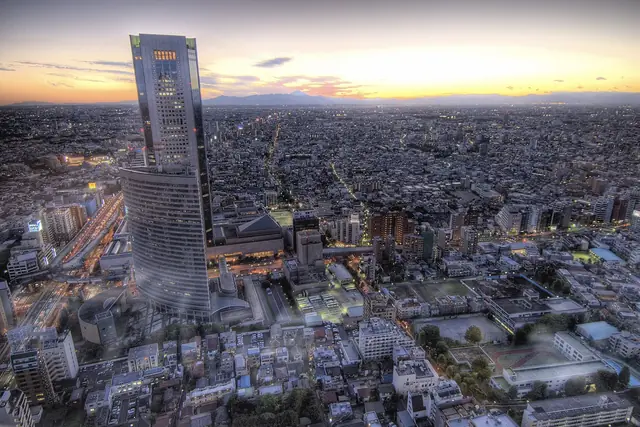
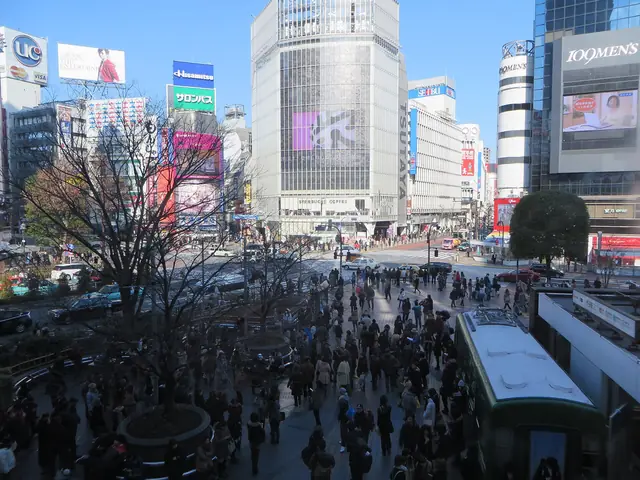
Then come back out for Takeshita-dori, loud and crowded, and the calmer streets of Omotesando. Cat Street leads to Shibuya in about 15 minutes on foot. Time your arrival for Shibuya Sky, the open rooftop on the station tower: a slot 30 to 40 minutes before sunset shows the city in daylight, at dusk and lit up. Entry is by timed ticket, sold online two weeks ahead, and sunset slots sell out. Afterwards, cross the Scramble at street level.
The JR Yamanote Line takes seven minutes to Shinjuku. Have yakitori in Omoide Yokocho by the west exit, then walk ten minutes to the Tokyo Metropolitan Government Building, whose free South Observatory is usually open until 22:00 (last entry 21:30); every evening, weather permitting, the TOKYO Night & Light projection plays on its east wall. End in Golden Gai, where tiny bars open from about 19:00.
- 13:45 Meiji Jingu, 15:00 Harajuku, 16:30 Cat Street, sunset at Shibuya Sky, 19:00 Shinjuku.
- In winter the sun sets around 16:30. Go up Shibuya Sky before Harajuku, or book a night slot.
- The Shibuya Sky roof closes in rain or strong wind; the indoor deck on the 46th floor stays open.
- Golden Gai's lanes are private and photos there need permission. Many bars charge a seat fee, so ask before you sit.
Alternative route 1: old Tokyo on foot, Yanaka, Ueno and Asakusa by night
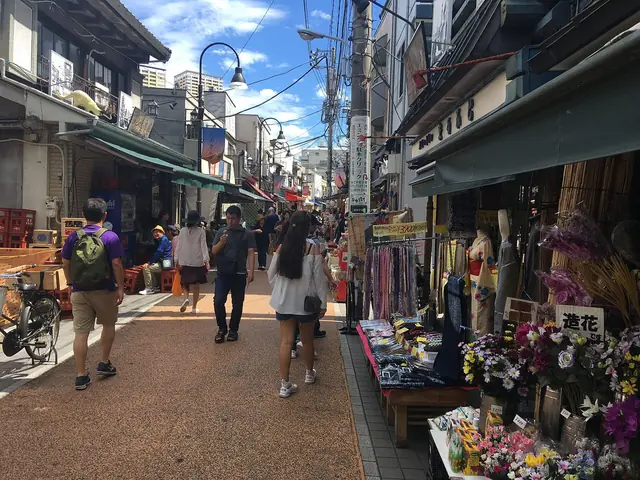
The slower day, mostly on foot. Start at 9:00 at the west exit of Nippori Station, wander through Yanaka Cemetery and its temples, and go down the steps of Yuyake Dandan into Yanaka Ginza for croquettes and rice crackers. Follow Yomise-dori to Nezu Shrine, with lacquered halls from 1706, and have lunch in Nezu.
Around 13:00, walk 15 to 20 minutes to Ueno Park and give two hours to the Tokyo National Museum, open 9:30 to 17:00 and until 20:00 on Fridays and Saturdays. At 16:00 walk through Ameyoko, then take the Ginza Line five minutes to Asakusa.
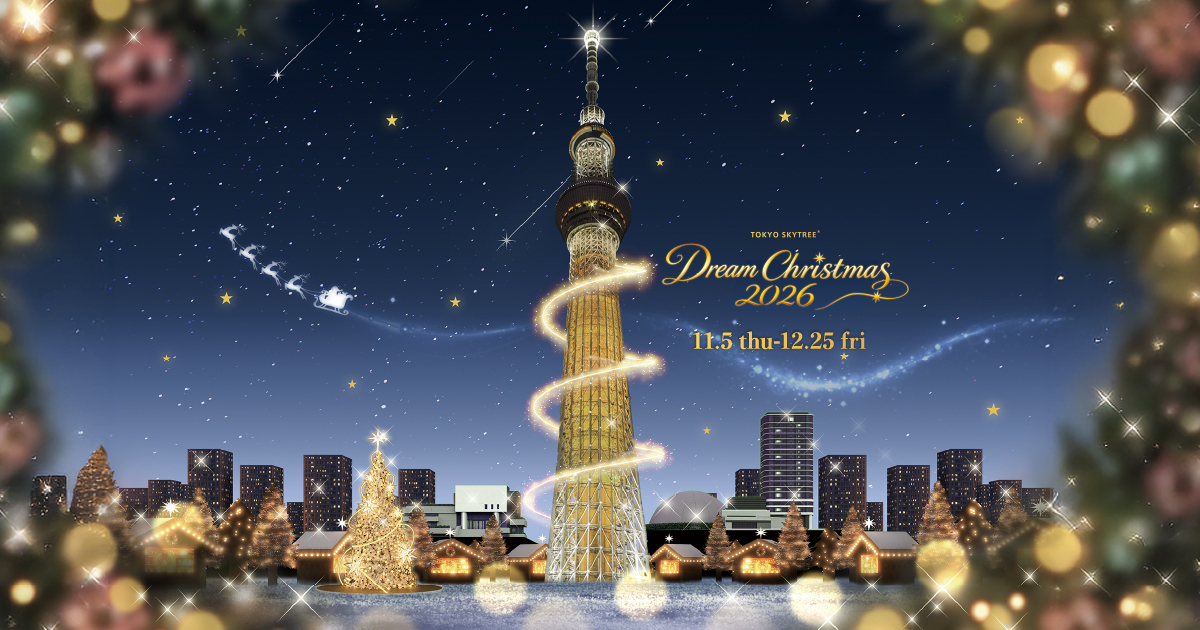
At night Senso-ji's main hall is closed, but the gates and pagoda are lit and the crowds have gone. Have stew and a drink on Hoppy-dori, then walk 20 minutes across the Sumida River to Tokyo Skytree, usually open until 21:00 or 22:00, or just admire it from Azuma Bridge.
- The museums and Ueno Zoo close on Mondays. On a Monday, stay longer in Yanaka and walk around Shinobazu Pond.
- Bring cash: many small shops in Yanaka Ginza and Ameyoko do not take cards.
Alternative route 2: pop culture and the bay, teamLab, Odaiba and Akihabara
Book teamLab Planets in Toyosu for a morning slot: tickets are sold ahead, not at the door, and hours change with the season. You walk barefoot through water, so wear trousers you can roll above the knee (shorts are lent free) and allow an hour and a half. For lunch, the restaurants of Toyosu Market, one stop away, serve until early afternoon and close with the market.
Ride the Yurikamome about 20 minutes to Odaiba-kaihinkoen for the beach, Rainbow Bridge and the small Statue of Liberty replica. Note two changes: the life-size Unicorn Gundam outside DiverCity ended its display at the end of August 2026, and the Miraikan science museum is closed for renovation until late April 2027.
Around 15:00, ride back over Rainbow Bridge to Shimbashi (sit at the front) and change to JR for Akihabara, about seven minutes. Spend the evening among figures in Akihabara Radio Kaikan, retro game shops and arcades, with a ten-minute walk to Kanda Myojin. Most shops close around 20:00, arcades much later.
- A modern Tokyo version: teamLab Borderless at Azabudai Hills in the morning, Roppongi in the afternoon and Tokyo Tower lit up at night.
- On Sunday afternoons Akihabara's main street usually closes to cars, from 13:00 to 17:00 in winter and to 18:00 from April to September.
Getting around, booking and closing days
An IC card is all you need: Suica or PASMO on your phone, or a physical Welcome Suica. The main route is about six rides. The Tokyo Subway Ticket (24 hours for ¥1,000 as of 2026, for overseas visitors and people from outside the Tokyo area) covers Tokyo Metro and Toei but not JR, so ride the Fukutoshin Line from Shibuya to Shinjuku-sanchome instead of the Yamanote Line.
Book Shibuya Sky or teamLab before the day, because they fix your timing. Check closing days: Tsukiji Outer Market on Sundays, holidays and some Wednesdays, most museums on Mondays, Meiji Jingu at sunset.
- Leave luggage in a locker or a staffed storage counter at your first station; large lockers in Asakusa and Shibuya fill by late morning.
- Avoid trains from about 7:30 to 9:30 on weekdays if you carry a suitcase.
Where to stay for a one-day visit
Sleep where the day starts or ends. Asakusa and Ueno suit the early temple start and are on the Keisei line from Narita; THE GATE HOTEL Kaminarimon by HULIC is steps from the gate. Shinjuku suits the night end; Hotel Gracery Shinjuku, with the Godzilla head on its roof, is in the middle of it. In Shibuya, SHIBUYA STREAM HOTEL connects to the station. Ginza and Tokyo Station are the central middle ground, with the shinkansen and airport buses close by.
With more time, our two-day and three-day plans give each of these areas a full half day.
Rain, heat, seasons and one event
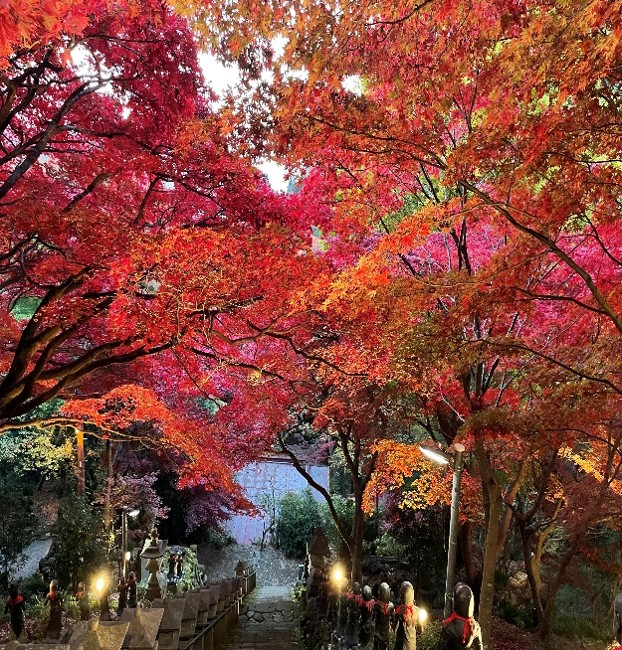
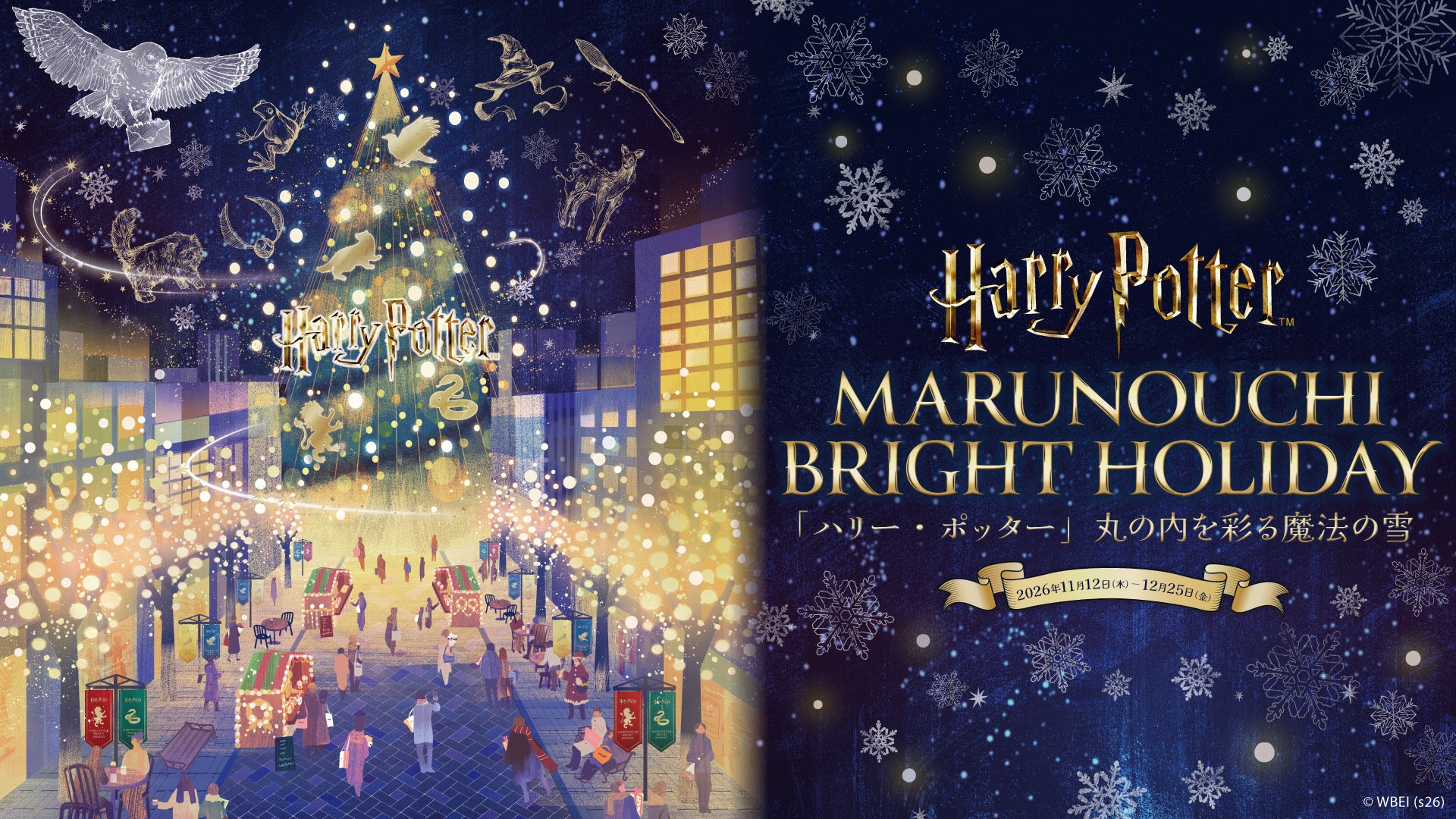
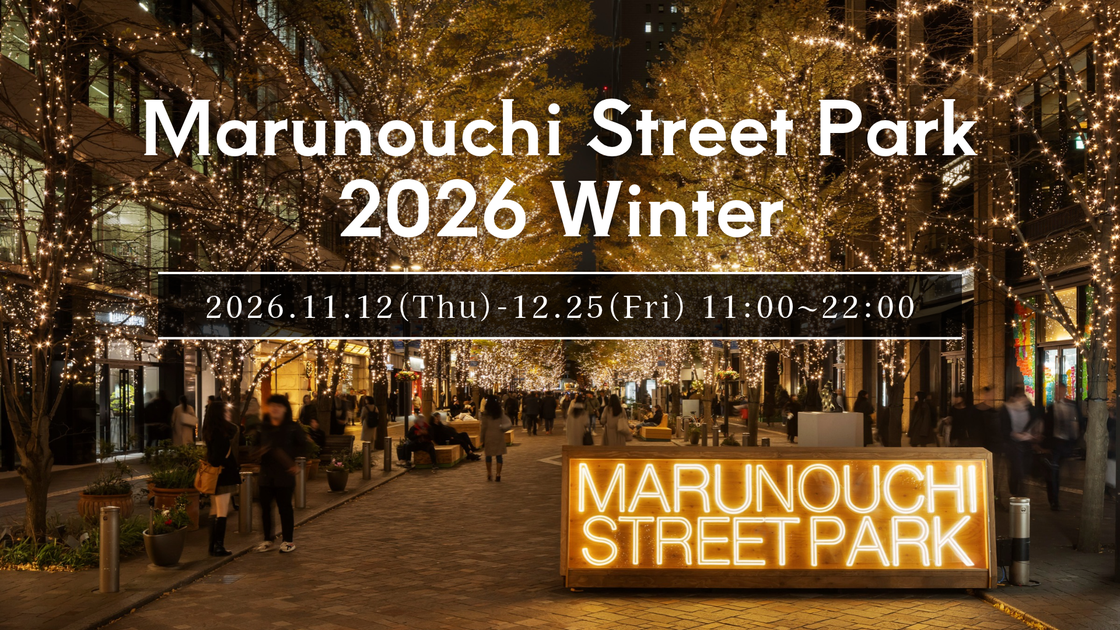
In rain, swap the outdoor parts for the Tokyo National Museum, teamLab, department store food halls and Akihabara, but keep Meiji Jingu: the forest is lovely in light rain. In midsummer, start at 7:00 and stay indoors from 12:00 to 15:00. From late November to early December, add the ginkgo avenue of Jingu Gaien, about 15 minutes from Ginza on the Ginza Line, before Harajuku. In late March and early April, swap Ginza for the cherry trees of Chidorigafuchi, and from November end at the illuminations of Roppongi (until Christmas) or Marunouchi (into February).
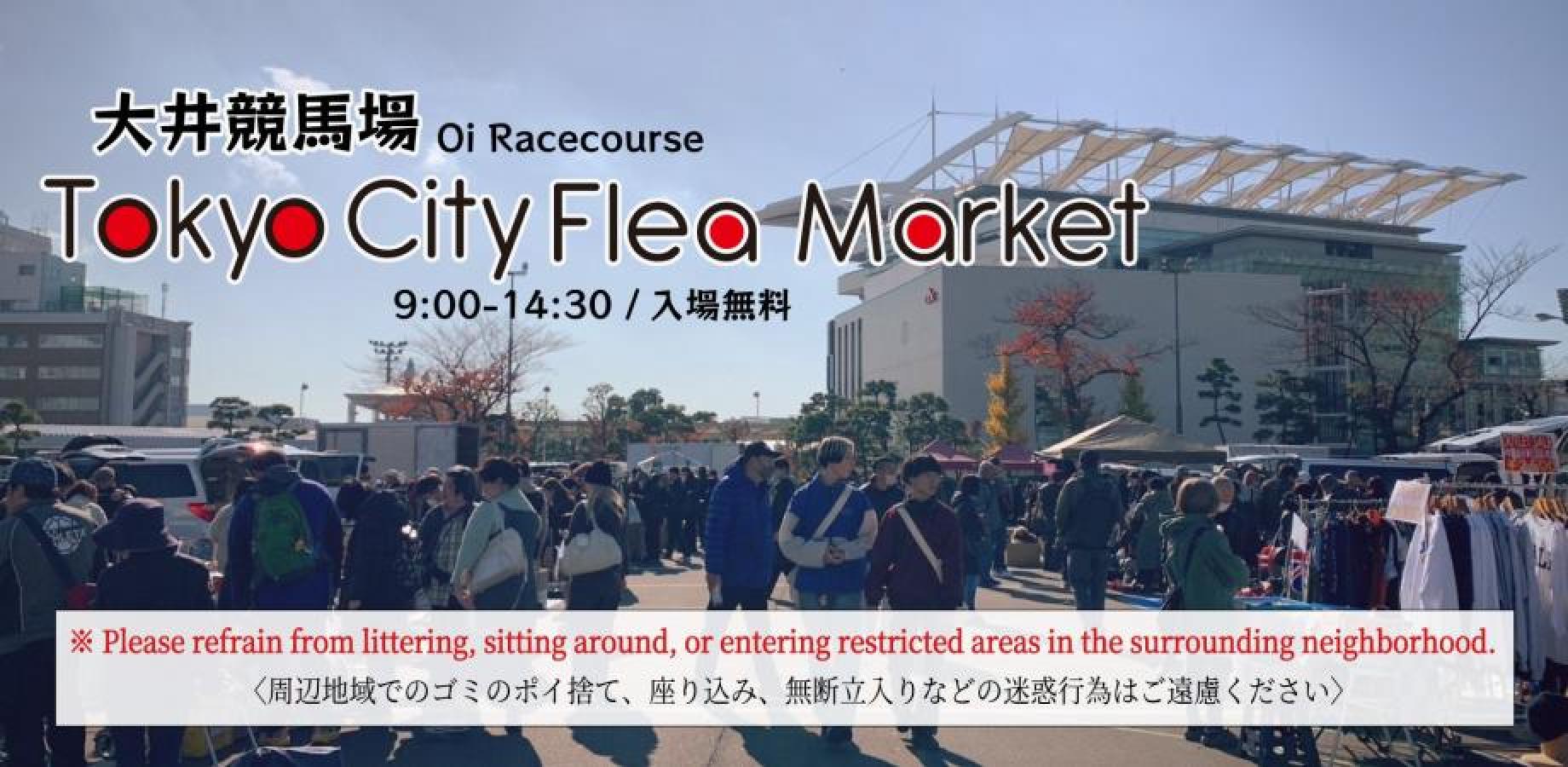
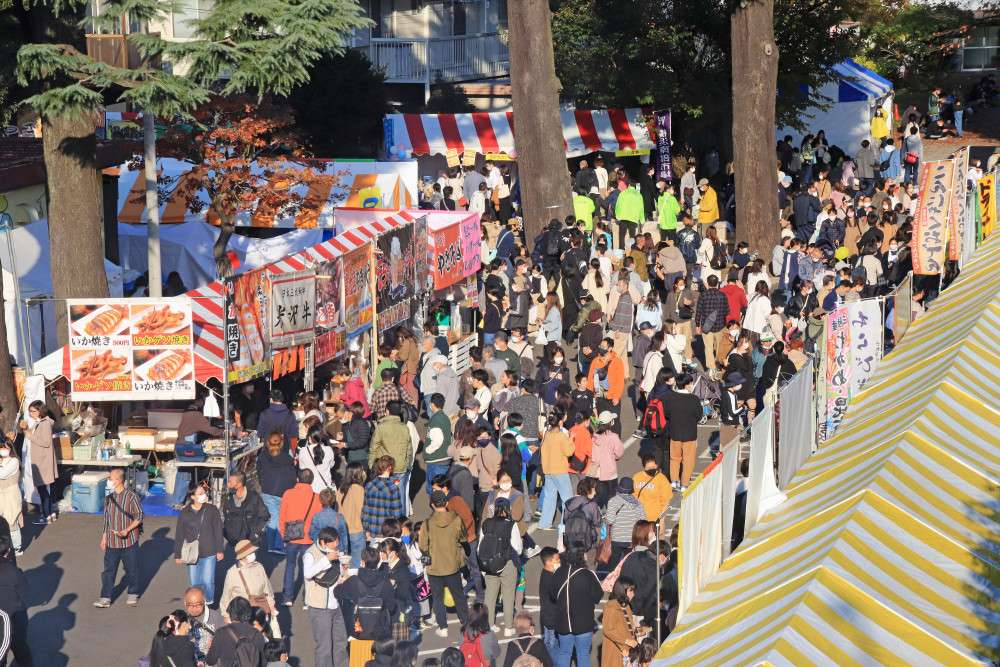
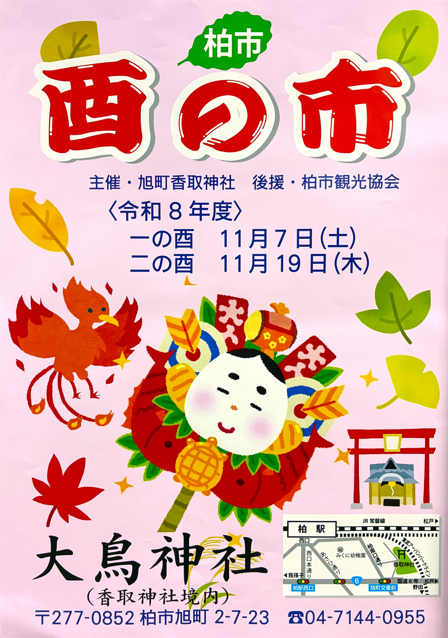
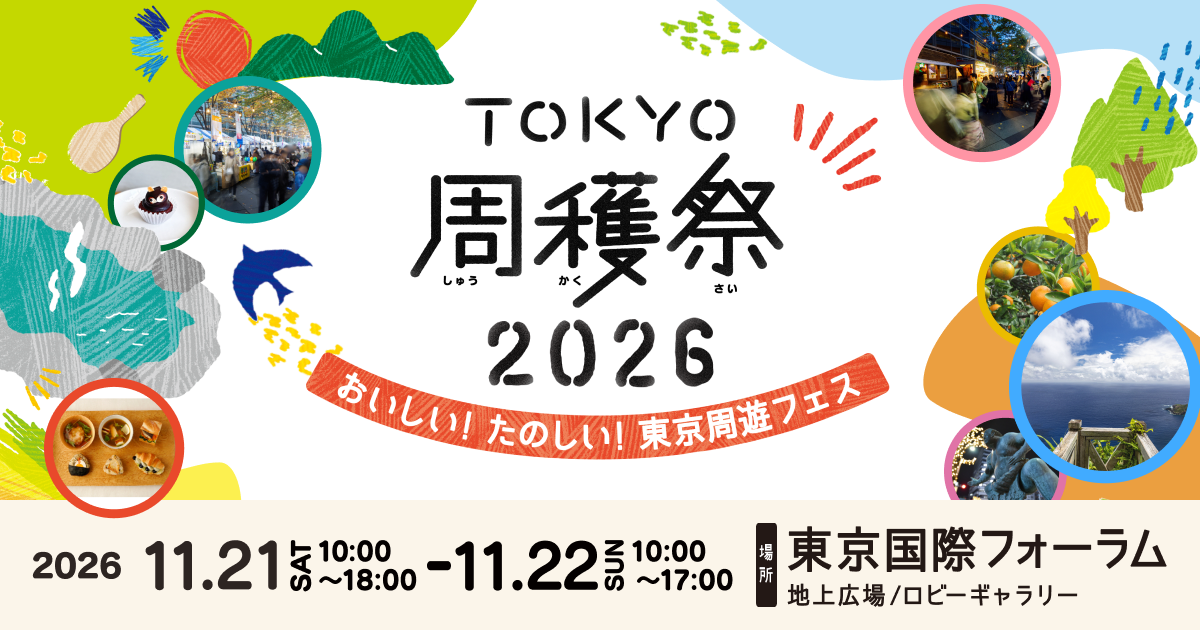
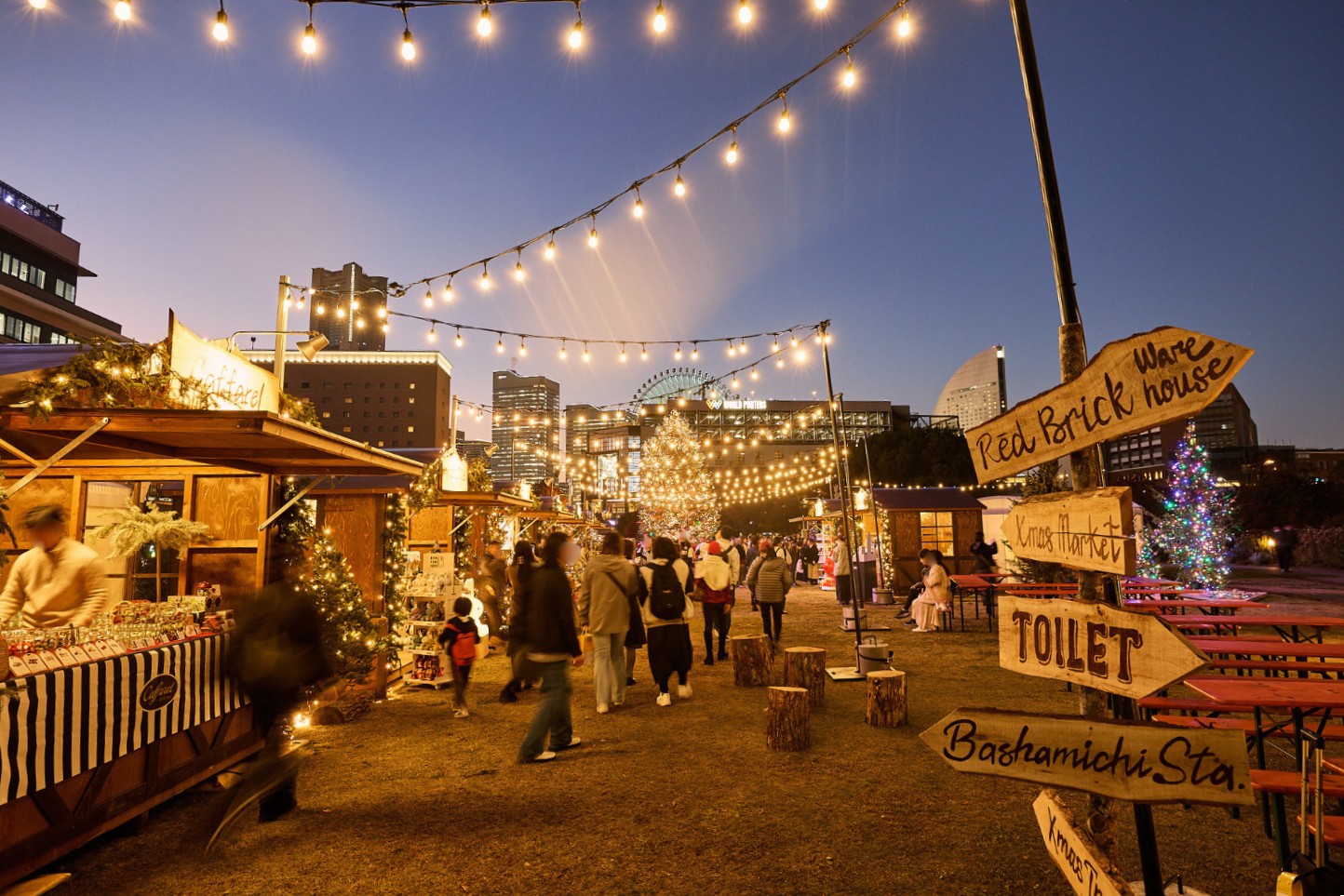
Then add one event from the list below, in an area you already pass through: a shrine festival or flea market in the morning, an exhibition in the afternoon, a concert in the evening.