What Senso-ji is
The founding story is short and well loved. On a March morning in 628 two fishermen, the brothers Hinokuma Hamanari and Takenari, found a small statue of Kannon in their net in the river now called the Sumida, and it was enshrined on this spot. It is a hidden image: nobody sees it, and the figure in front of the altar stands in for it.
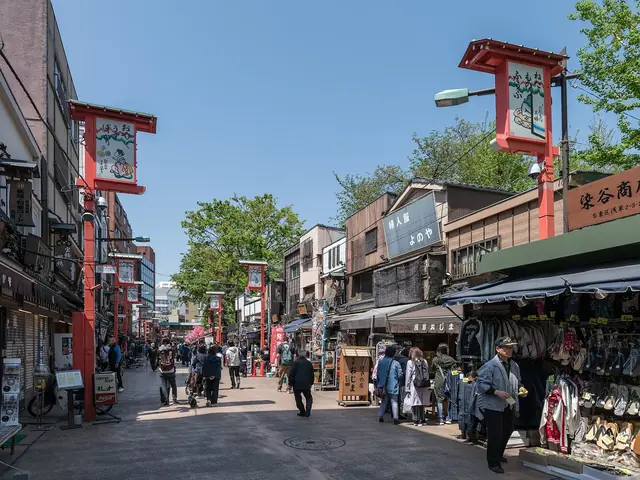
In the Edo period shops and theatres gathered around the temple, and Nakamise, its approach street, is counted among the oldest shopping streets in Japan. Most large buildings were lost in 1945 and rebuilt in concrete in their old forms: the main hall in 1958, Hozomon in 1964, the five-storey pagoda in 1973. Kaminarimon had burned down in 1865 and was only rebuilt in 1960, paid for by Konosuke Matsushita, the founder of Panasonic.
What to see, from the gate to the pagoda
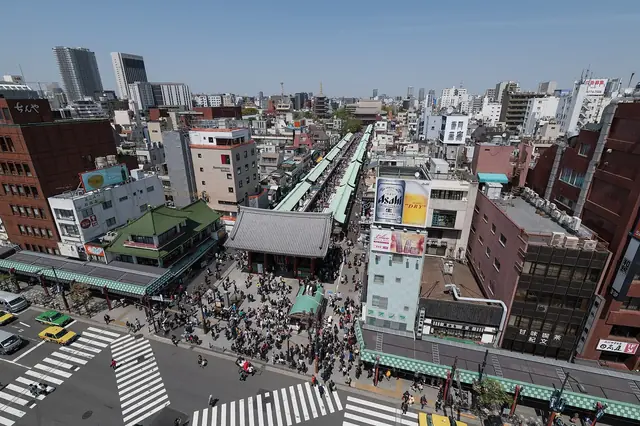
Kaminarimon, officially Furaijinmon, is named after the wind god and the thunder god who guard it on either side. Walk through and look back to see two dragon gods on the inner side. The red lantern is about 3.9 metres tall and weighs around 700 kilograms. From here Nakamise runs about 250 metres to the second gate, lined with stalls selling rice crackers, ningyo-yaki cakes, fans and souvenirs.
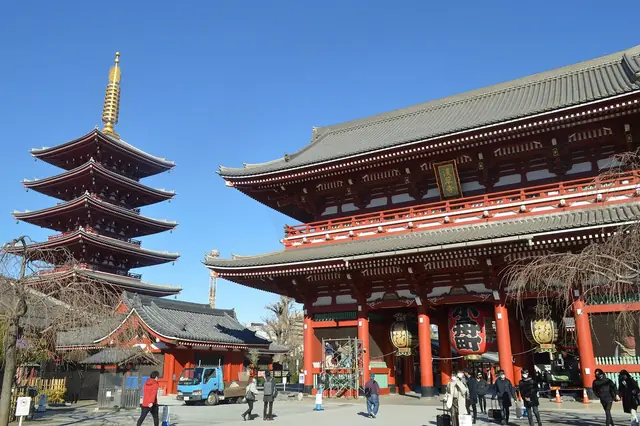
Hozomon, the second gate, holds two Nio guardians and, on its back side, a pair of straw sandals 4.5 metres long, made by volunteers from Murayama in Yamagata Prefecture. Beyond it, people waft smoke from the big incense burner over themselves for good health before climbing to the main hall, where a dragon by Kawabata Ryushi is painted on the ceiling.
The five-storey pagoda, about 53 metres tall with a Buddha relic from Sri Lanka in its top storey, stands to the left of the main hall and is not open inside. To the right is Asakusa Shrine, a hall from 1649 listed as an Important Cultural Property; it honours the three men linked to the statue's discovery and is the home of the Sanja Matsuri. The garden of Denboin, the abbot's residence, is normally closed but opens for a few days in some years, with tickets sold in advance.
- Nakamise shops ask you to eat what you buy at the shop or in its eat-in corner, not while walking through the crowd.
- Omikuji fortunes here are known for giving bad luck fairly often. If you draw one, tie it to the rack and leave it behind.
The year at Senso-ji
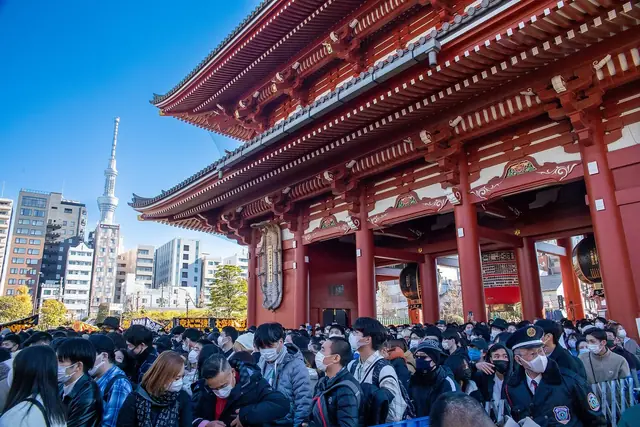
The temple year starts with the New Year services (shushoe), held in the main hall from December 31 to January 6, and in the first days of January the queue to the main hall can reach back past Hozomon. At Setsubun in early February beans are thrown from a stage beside the main hall; the call here is "senshu banzai, fuku wa uchi" and never "oni wa soto", because the temple holds that no demons stand before Kannon. On March 18, the day the statue is said to have appeared, and again on October 18, a golden dragon dance winds through the grounds.
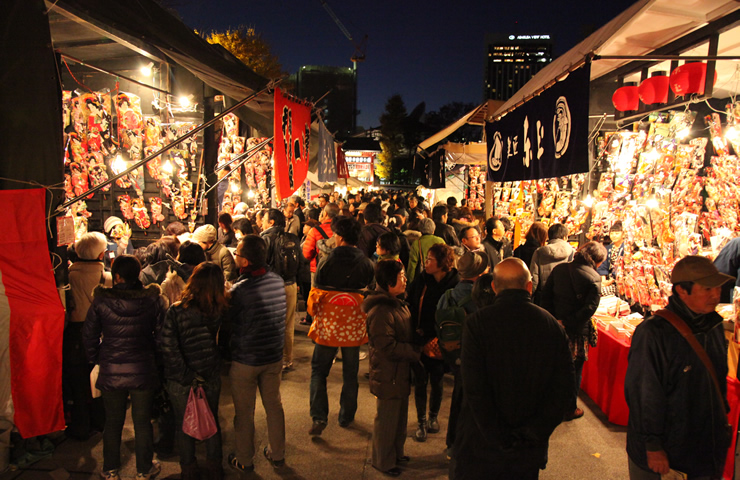
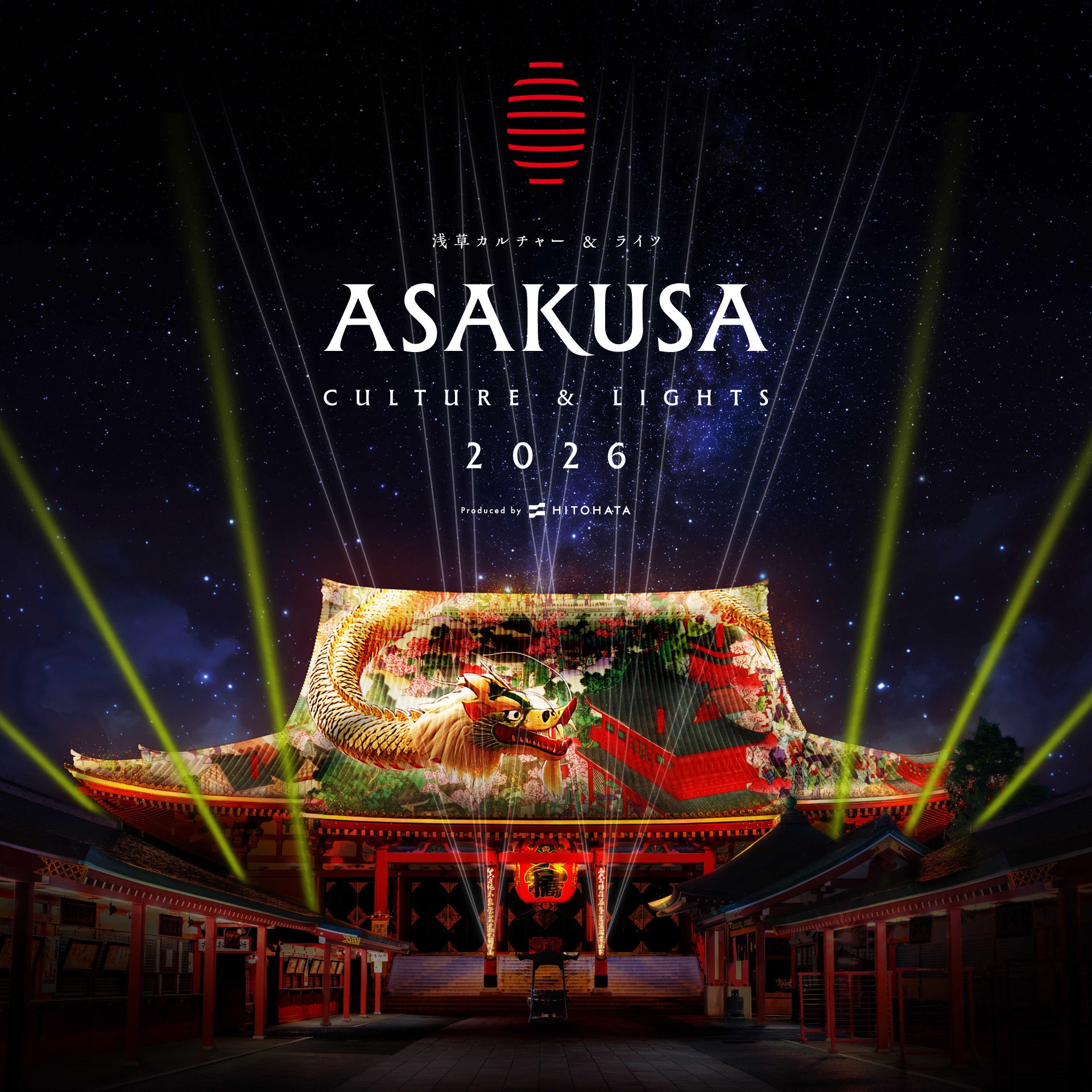
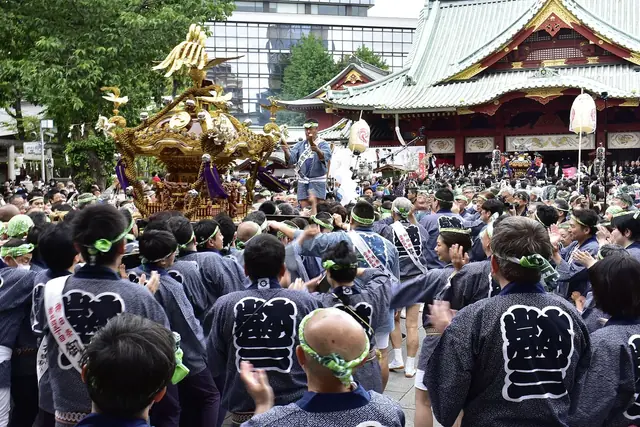
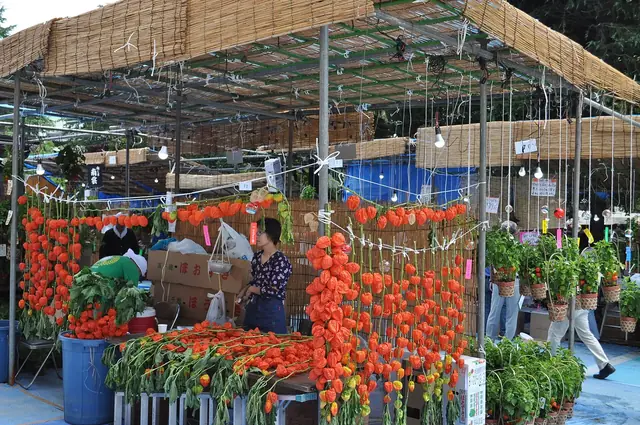
On the third weekend of May, Asakusa Shrine holds the Sanja Matsuri, when around a hundred neighbourhood mikoshi and then the shrine's own three are carried through the streets. On July 9 and 10 the hozuki-ichi fills the courtyard with potted ground cherries, and a visit on these days is said to equal 46,000 days of prayer. The Tokyo Jidai Matsuri costume parade passes on November 3, and the white heron dance (Shirasagi no mai) is performed in the grounds that day, as it is on the second Sunday of April. In recent autumns an evening event, Asakusa Culture and Lights, has projected images onto the halls, and the year closes with the hagoita-ichi fair of decorated battledores on December 17 to 19 and the temple bell on Bentenyama, rung on the night of December 31.
Timing, crowds and etiquette
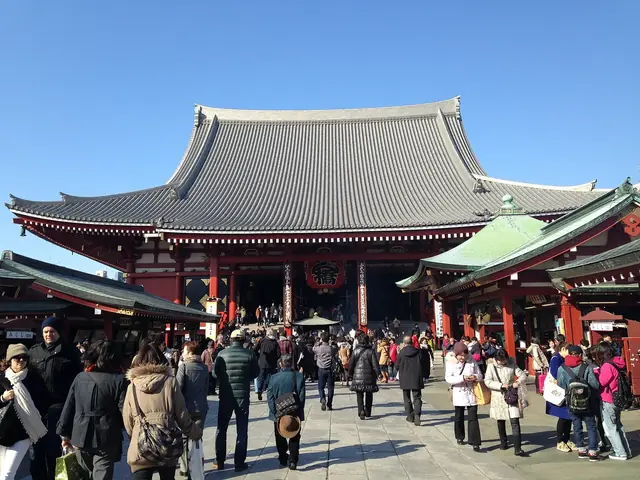
Senso-ji is free. The main hall opens early in the morning and closes in the late afternoon (seasonal times are on the official site), but the grounds stay open and the gates and pagoda are lit up after dark. Weekends from late morning to late afternoon are the busiest; early morning, before Nakamise opens, is when the temple feels most like itself.
This is a Buddhist temple, so you pray quietly with your palms together and do not clap. The two bows and two claps belong at Asakusa Shrine next door. Inside the main hall people are praying, so keep your voice low and step away from the offering box once you are done. On the big days (New Year, the Sanja Matsuri, the fairs) come early or late, carry cash for the stalls and take your rubbish with you.
- For photos of Kaminarimon without a crowd, come on a weekday before about 8am.
- Fair and festival stalls are mostly cash only. Bring coins and 1,000-yen notes.
Getting there and nearby
The nearest station is Asakusa, on the Ginza Line, the Toei Asakusa Line and the Tobu Skytree Line, a few minutes' walk from Kaminarimon. The Tsukuba Express has its own Asakusa Station a little to the west. On busy days, walk in from Tawaramachi, one stop away on the Ginza Line.
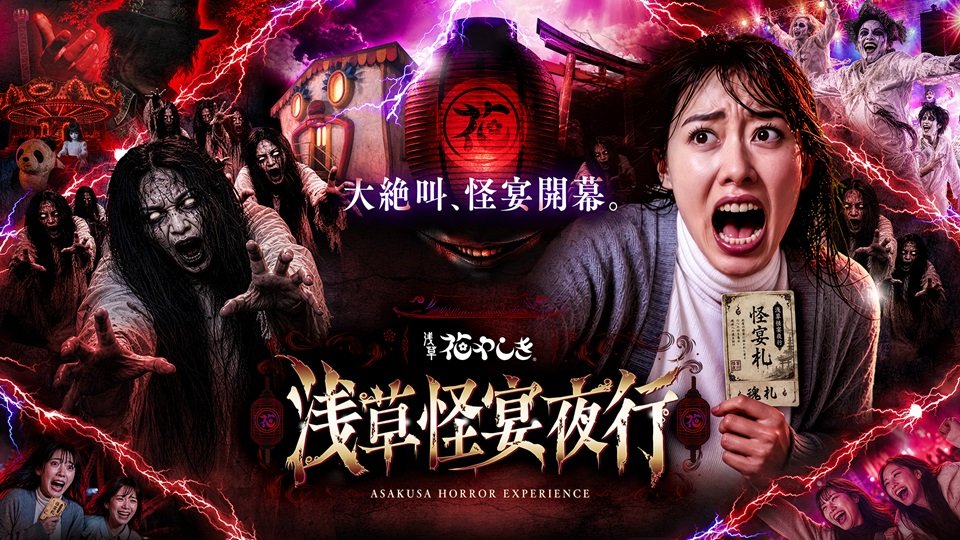
Across from Kaminarimon, the Asakusa Culture Tourist Information Center has a free top-floor terrace that looks straight down Nakamise to the main hall. Hanayashiki, a small retro amusement park, is a few minutes west of the main hall, Kappabashi kitchenware street is a little further, and Tokyo Skytree is about 20 minutes on foot across the Sumida River. Ueno is a short ride on the Ginza Line.