First: can you leave the airport?
Leaving the airport means entering Japan: immigration and customs on the way out, then security and departure immigration on the way back. If your passport is from one of the countries and regions with a visa exemption for short stays (74 of them as of 2025, including the US, Canada, the UK, most of the EU and many Asian countries), you enter as a temporary visitor and can leave the airport even for a few hours. If it is not, you need a visa. The list changes, so check the Ministry of Foreign Affairs page for your nationality before you fly.
Japan's immigration law also has a short landing permit for passengers in transit (a shore pass), valid for up to 72 hours. Your airline applies for it when you arrive, and the immigration officer decides, so do not plan a layover around it without asking the airline first. Japan plans an online pre-travel authorisation for visa-exempt visitors, called JESTA, from around 2028; as of 2026 it is not needed.
Fill in Visit Japan Web before you land: it gives you QR codes for immigration and customs and saves time at the counters. If you are a transit passenger who leaves Japan within 24 hours of arriving, you are exempt from Japan's ¥3,000 departure tax; airlines normally deal with it in the ticket price.
- On two separate tickets you must collect your bags and check in again, so allow more time and confirm the second flight.
- Carry your passport the whole time. Foreign visitors must have it on them in Japan.
Counting the hours
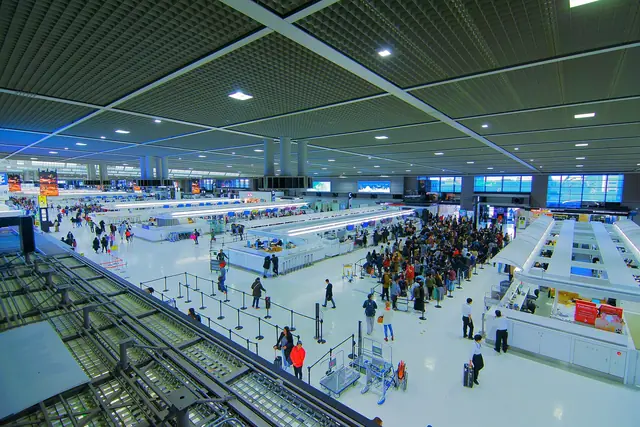
Work backwards from your next flight. Be back at the airport about two hours before an international departure, or three at busy times or if you must check in bags again; airlines usually close check-in about an hour before take-off. On arrival, allow an hour or more from landing to the arrivals hall, longer when several big flights land together. Add the train ride each way, and what is left is your time outside.
As a rule of thumb, at Haneda six hours between flights gives you two or three hours outside, enough for somewhere near the airport, and eight to ten hours is enough for Asakusa or Shinagawa. At Narita, six or seven hours is enough for Narita town and its temple. For central Tokyo from Narita you want at least ten to twelve hours, because the ride in and back takes two to three hours on its own. With less than that, stay in the terminal, eat well and watch the planes from the observation deck.
If your bags are checked through to your final destination, they normally stay with the airline: confirm it at check-in at your first airport. Otherwise both airports have coin lockers and staffed baggage storage counters in the arrivals area. Use them, because dragging a suitcase through stations and temple grounds eats your time.
- Check your departure terminal before you head back. Haneda has three terminals and Narita three, each with its own station.
- Have an IC card such as Suica ready, or set one up on your phone, so you do not queue for tickets.
Haneda layover: Tennozu, Shinagawa and Asakusa
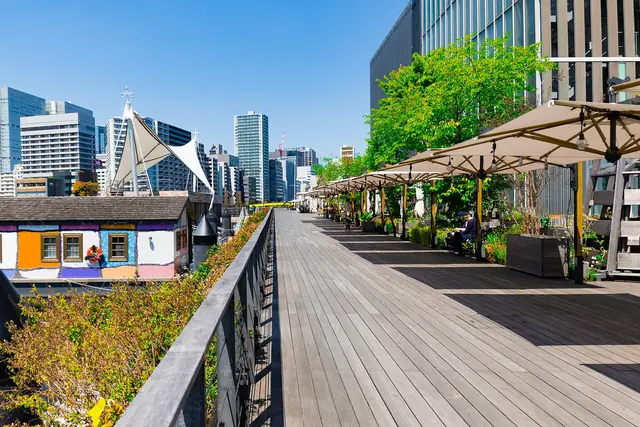
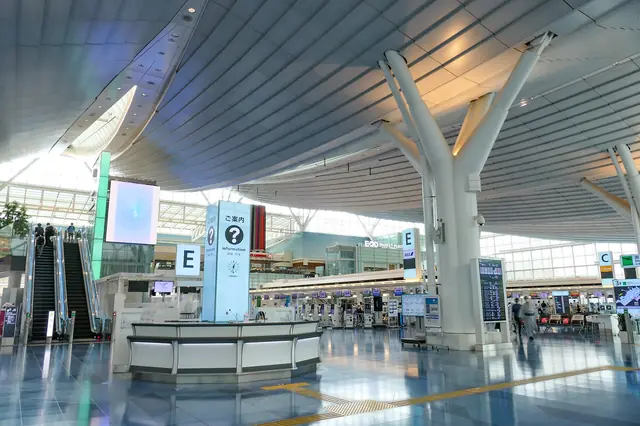
Haneda's international flights use Terminal 3, and the city is right there. The Tokyo Monorail reaches Tennozu Isle in under 20 minutes: a calm former warehouse district on the canals, with boardwalks, cafés and WHAT MUSEUM, a museum of contemporary art and architecture run by the storage company Terrada. It is the nearest real Tokyo neighbourhood to the airport and fills two hours easily.
Keikyu trains reach Shinagawa in about 15 to 20 minutes. One stop away on the JR Yamanote Line, Takanawa Gateway station opens onto Takanawa Gateway City, a new district whose culture centre MoN Takanawa opened in March 2026. Many Keikyu trains also run straight onto the Toei Asakusa Line to Asakusa, where Senso-ji and its shopping street are a few minutes' walk from the station. That is the classic choice with eight hours or more: under an hour each way, no change of train, and the temple grounds stay open and lit after dark.
If you would rather stay close, Izumi Tenku no Yu in Haneda Airport Garden, linked to Terminal 3 by a walkway from the arrivals floor, is a hot spring bath with an open-air rooftop bath that looks over the airport and, on clear days, to Mt Fuji. It is on the public side, so you pass immigration first. Terminal 3 itself has an observation deck and the Edo Koji street of shops and restaurants, also before security.
- Keikyu trains split by destination and some go to Yokohama. Check the final stop on the platform screen before you board.
- Senso-ji is busiest from late morning to late afternoon. An early-morning or evening visit is calmer and fits a layover better.
Narita layover: the temple town next door
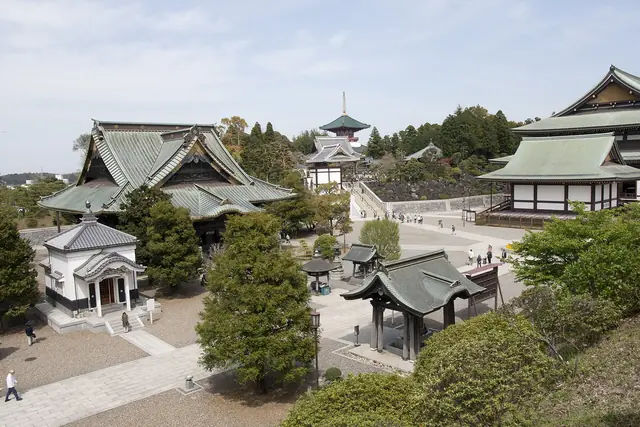
Narita Airport is in Chiba, about an hour from central Tokyo, but Naritasan Shinsho-ji is close: Keisei and JR trains take about 10 minutes from the airport to Narita, and the temple is about a 10-minute walk from Keisei Narita or JR Narita station. It is one of Japan's best-known temples, more than 1,000 years old and visited by over ten million people a year, with large halls, a pagoda and a park with ponds behind it. Fire rituals (goma) are held in the Great Main Hall several times a day, and visitors may sit and watch quietly.
The way up is Omotesando, a street of about 800 metres lined with some 150 shops and restaurants, many in old wooden buildings. Narita's speciality is eel (unagi) grilled over charcoal and served on rice, and several restaurants prepare it at the shop front. Three to four hours outside the airport is enough for the street, the temple and a meal.
For central Tokyo from Narita, the Keisei Skyliner reaches Ueno in about 41 minutes, and from there Ueno Park and Asakusa are close. That only works with ten hours or more between flights: ride in, two or three hours around Ueno or Asakusa, ride back.
- Leave your bag in a locker or at a storage counter at the airport before going into Narita town.
- Top up your IC card before you leave the airport, so the ride back is a simple tap.
Short plans by the hours
Pick one area, not three. Tokyo trains are fast, but stations are big, and the real time drain is walking between platforms and finding the right exit. An evening layover is a good time to be in the city: department stores stay open until about 8pm, restaurants and izakaya until late, and temples and streets are lit.
- 6 hours at Haneda: the Tennozu Isle canals and a coffee, or a soak at Izumi Tenku no Yu next to Terminal 3.
- 8 to 10 hours at Haneda: Keikyu to Asakusa for Senso-ji and a meal, or Shinagawa and Takanawa Gateway City.
- 6 to 8 hours at Narita: Naritasan Shinsho-ji, a walk along Omotesando and an eel lunch.
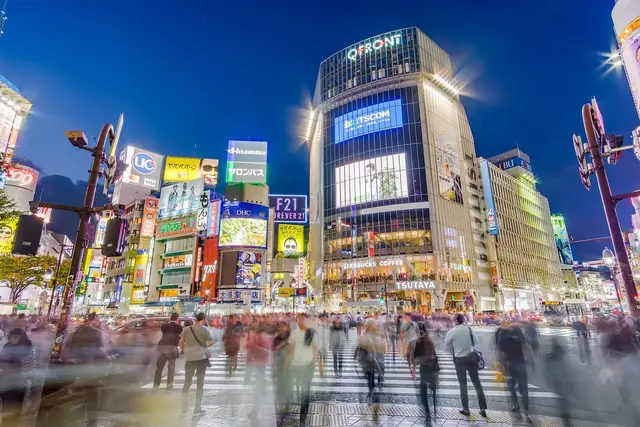
- 12 hours at either airport: one central area, for example Asakusa and Ueno, or Shibuya from Haneda via Shinagawa.
- Overnight or 24 hours: a hotel near a station on your airport line, two areas, and an early train back.
Night layovers and transit hotels
Haneda Terminal 3 stays open through the night and has shower rooms, and trains to the city run until around midnight and again from about 5am. Inside the departure area, after security and immigration, The Royal Park Hotel Tokyo Haneda runs a transit hotel, so you can sleep without entering Japan; its main hotel is on the public side of the same building. Rooms are limited, so book ahead.
Narita has no flights in the middle of the night, and most shops and restaurants close in the evening. nine hours Narita Airport, a capsule hotel connected to Terminal 2, rents beds for the night and also short stays for a nap and a shower, and there are several hotels around the airport with shuttle buses. The last trains from Narita into Tokyo leave around 11pm, so a late arrival is often better spent near the airport.
If you shop on a layover, note that from November 2026 tax-free purchases in Japan are charged with tax at the shop and refunded after a customs check when you leave. Keep the goods with you and do the check at departure before you hand over checked bags.
- The transit hotel in the departure area is for passengers who stay airside. If you plan to go into the city, book a normal hotel.
- For help in English at any hour, call the Japan Visitor Hotline run by the national tourism organisation.