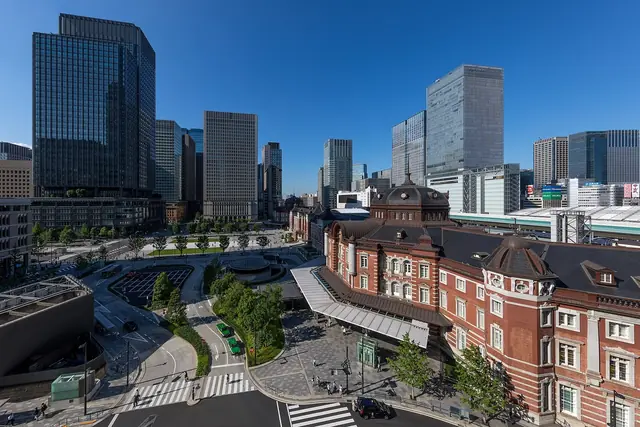
Start with the station, not the district
Central Tokyo is ringed by the JR Yamanote Line, a loop that takes about an hour to go all the way round and links Shinjuku, Shibuya, Ikebukuro, Ueno, Tokyo Station and Shinagawa. If your hotel is a few minutes' walk from a Yamanote station or a big subway interchange, most sights are one short ride away and you rarely need more than one change. A cheap hotel fifteen minutes from a small station on a single line costs you that walk twice a day, often with tired feet.
Think about your airport too. Trains from Narita come in at Ueno, Nippori and Tokyo Station (some Narita Express trains run on to Shinjuku and Shibuya), while Haneda is linked to Shinagawa by the Keikyu Line and to Hamamatsucho by the monorail. Last trains in Tokyo usually leave around midnight, so if you plan late nights, sleep in the area where you go out, or at least on the same line.
- Check the walking time to the station exit you will actually use. Big stations like Shinjuku have exits ten minutes apart.
- On booking sites, sort by distance to a station rather than to the city centre.
- A hotel on the same line as your airport train saves a change with suitcases on your last day.
Shinjuku, Shibuya, Ikebukuro and Roppongi: the west side
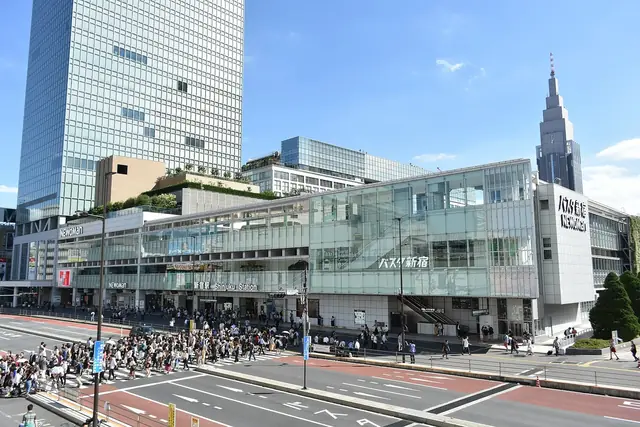
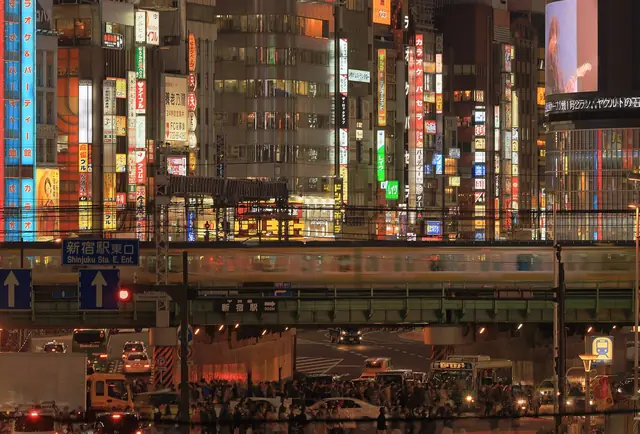
Shinjuku is the most practical base for a first trip. Its station is the busiest in the world, with JR, subway and private lines, and highway buses to Mt Fuji and Hakone leave from the Busta Shinjuku terminal above it. There are hotels at every level. The east side around Kabukicho stays loud late into the night, while the streets south and west of the station, among the office towers, are calmer and better for families.
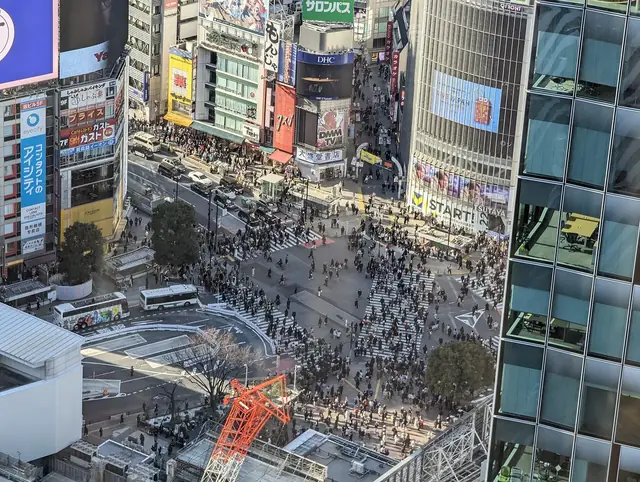
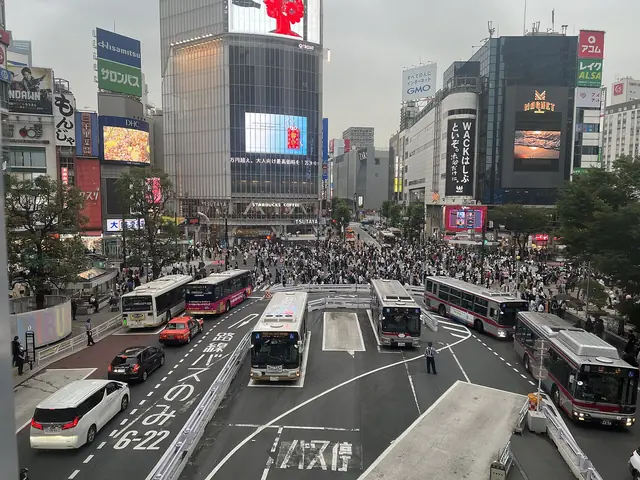
Shibuya puts you closest to shopping, cafes, clubs and the walk to Harajuku, with a younger feel than Shinjuku. Hotels are fewer and often cost more, and the station is in the middle of a long redevelopment, so transfers can mean long walks. Ikebukuro, at the northern edge of the loop, is the value pick: a big station with JR, subway and private lines, anime shops and Sunshine City, and mid-range rooms that are often cheaper than in Shinjuku.
Roppongi is the place for nightlife and art, with the Mori Art Museum and the National Art Center close by and a very international crowd. It is not on the Yamanote Line, so you rely on the Hibiya and Oedo subway lines, and the main streets get noisy on weekend nights. Most hotels there are in the high bracket.
Ginza, Tokyo Station, Asakusa, Ueno and Shinagawa
Ginza and the area around Tokyo Station (Marunouchi and Nihonbashi) are central, polished and quiet after dark. Tokyo Station is the main Shinkansen terminal and every Narita Express stops there, which makes this the easiest base if you plan day trips by bullet train. Hotels here are mostly mid to high, the food is excellent, and nightlife ends earlier than in the west.
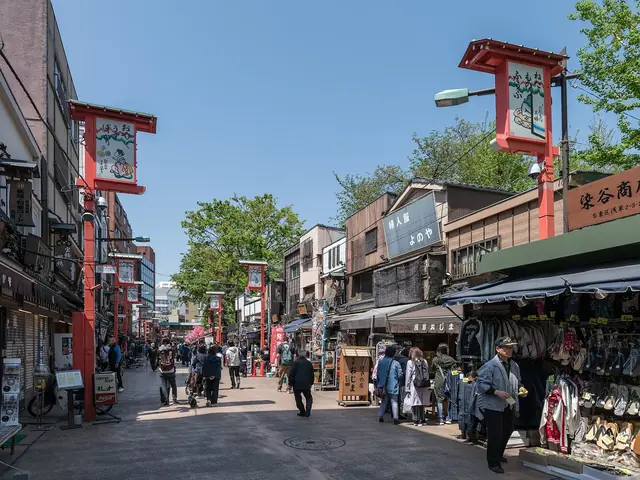
Asakusa has the old-town feel: Senso-ji, small streets, Japanese-style inns and plenty of hostels at budget and mid prices. Some trains on the Toei Asakusa Line run straight through to Narita and Haneda, which is handy with luggage, but Shinjuku and Shibuya are a longer ride away. Ueno, a few minutes from Akihabara on the loop, is good value and sits next to Ueno Park, its museums and the Ameyoko market, and the Keisei Skyliner to Narita leaves from Keisei Ueno station.
Shinagawa is a business district with large hotels and few sights, but its station is a Shinkansen stop and the Keikyu Line reaches Haneda in about a quarter of an hour. For a Haneda flight or trips west towards Kyoto, it is hard to beat.
Quieter picks, and which area suits whom
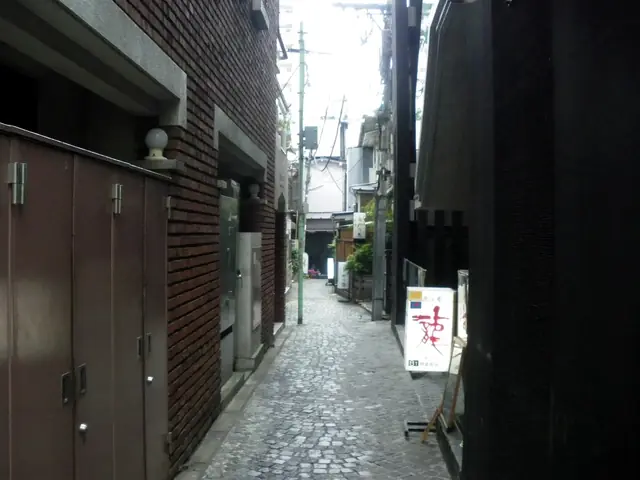
If you have been before or want calmer evenings, look one step away from the big hubs. Ningyocho and Kuramae on the east side have craft shops, coffee and old restaurants, and are a short ride from Asakusa and Tokyo Station. Kagurazaka has stone-paved lanes and good small restaurants. Ebisu is on the Yamanote Line one stop from Shibuya and feels more grown up. Kichijoji, further west on the Chuo Line, has a big park and suits longer stays where you do not mind a longer ride in.
Families usually do best near a big station with lifts and wide exits, in hotels that offer larger family rooms or apartment-style layouts. Solo travellers on a budget find the most choice around Ueno, Asakusa and Ikebukuro.
- Nightlife: Shinjuku, Shibuya or Roppongi, so the last train is not your problem.
- Families: Tokyo Station, Shinagawa, west Shinjuku or Ueno near the park and zoo.
- Budget: Ueno, Asakusa and Ikebukuro, plus hostels in Kuramae.
- Early Narita flight: Ueno or Nippori for the Skyliner. Early Haneda flight: Shinagawa or Hamamatsucho.
- Lots of Shinkansen day trips: Tokyo Station or Shinagawa.
Hotel types, room sizes, check-in and luggage
Business hotels are the backbone of Tokyo: clean, efficient chains near stations, with small rooms where everything has its place. A single is often around 10 to 15 square metres and a double or twin under 20, so two large suitcases opened at once can fill the floor. A semi-double bed is narrower than a Western double, even when the room is sold for two. Some chains add a large shared bath, which is pleasant after a long day of walking.
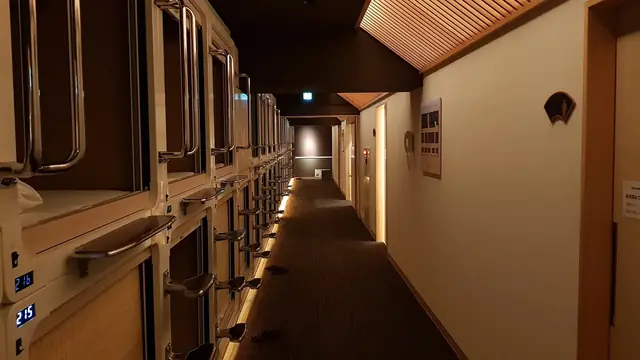
Capsule hotels rent a sleeping pod with your bags in a locker; many are for men only or keep separate floors for women, and big suitcases may not fit, so check before booking. A ryokan is a Japanese inn with tatami rooms, futons, a yukata to wear and often set meal times; central Tokyo has only a few, with more around Asakusa and Ueno and many more on trips to places like Hakone. Holiday apartments (minpaku) must be registered and may be rented out for up to 180 nights a year, so a legal listing shows a registration number.
Check-in is usually from 3pm and checkout around 10 or 11am. Most hotels will hold your bags before check-in and after checkout, and luggage delivery counters at airports and many hotel front desks can send suitcases on ahead, usually arriving the next day. Tokyo also adds a small accommodation tax per person per night on rooms above a set rate, paid at the hotel. From April 2027 it changes to 3 percent of the room rate for stays from 13,000 yen per person per night, and it will also cover holiday apartments, hostels and capsule hotels.
- Compare square metres and bed width on the hotel's own page, not just the room name.
- Arriving early in the morning? Drop bags at the front desk and go out. Coin lockers at big stations fill up by mid-morning.
- Ryokan rooms often include dinner. If you will be out late, ask about meal times when you book.
- Moving on to Kyoto or Hakone? Send your suitcase ahead and travel with a day bag.