What Meiji Jingu is
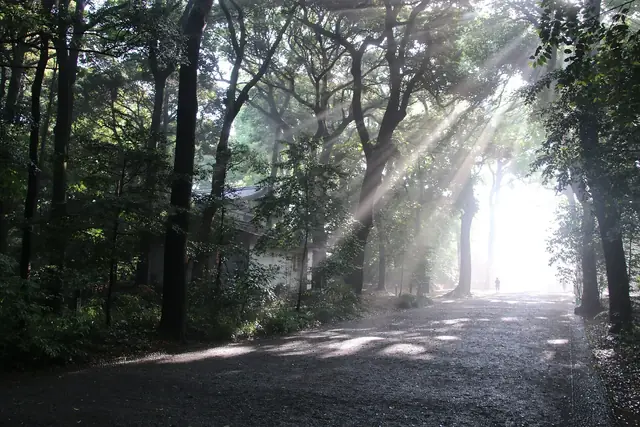
The shrine was founded in 1920 to honour Emperor Meiji, who reigned from 1867 to 1912, and Empress Shoken. Its forest is what people remember: about 100,000 trees were donated from all over Japan and planted by some 110,000 volunteers, with species chosen so the forest would renew itself. A century on it feels almost wild, with over 230 kinds of trees.
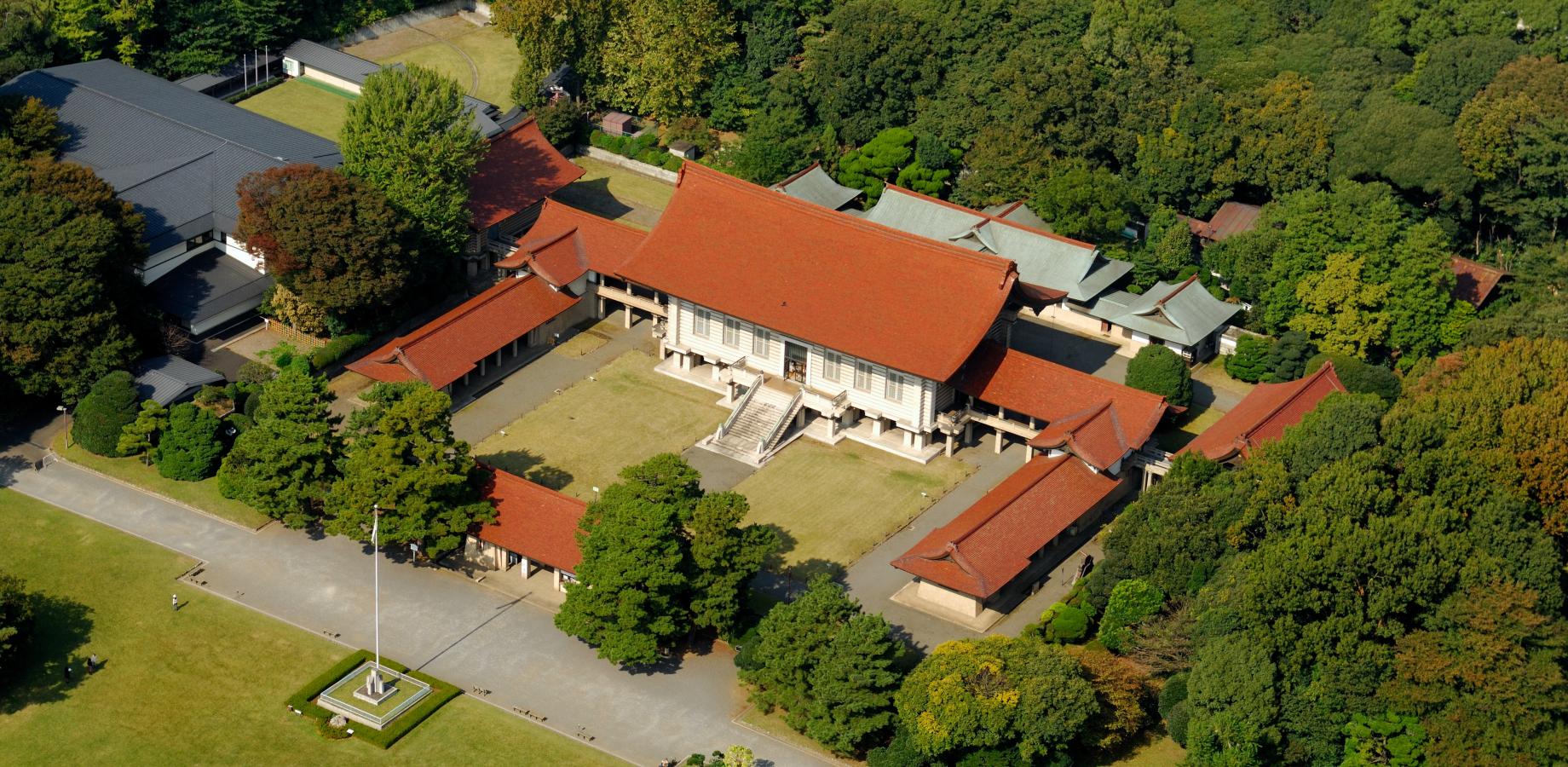
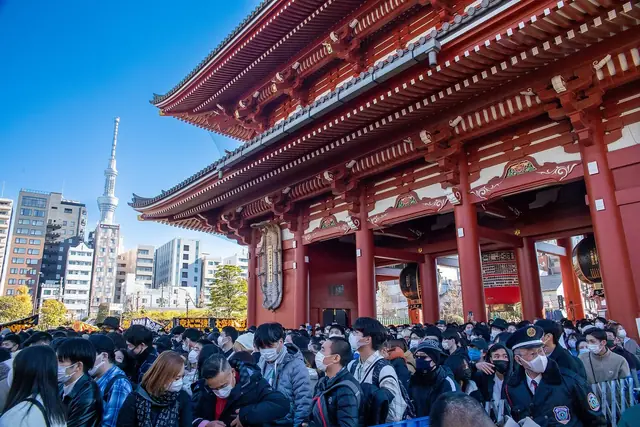
The main buildings were lost in 1945 and rebuilt in 1958 with donations from the public, in plain cypress with a green copper roof. The shrine is famous for its New Year: in most years it receives more visitors in the first three days of January than any other shrine or temple in Japan, around three million.
What to see, from the gate to the Inner Garden
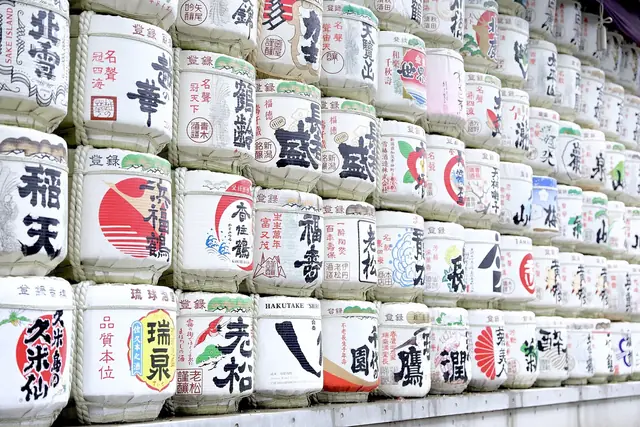
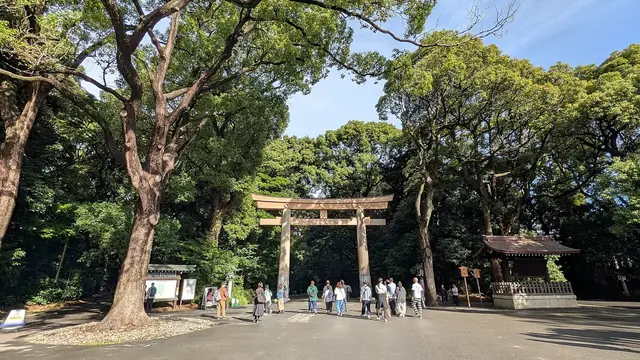
From the Harajuku entrance a wide gravel path runs under the trees; allow at least ten minutes to the main shrine. Halfway along stands a wall of decorated sake barrels donated each year by brewers from around Japan, and facing it barrels of Burgundy wine, a nod to Emperor Meiji's taste for Western food and wine. Further on is the great torii, 12 metres tall, the largest wooden torii of its style in Japan, made from a 1,500-year-old cypress.
In the main courtyard, two tall camphor trees joined by a sacred rope are known as the husband and wife trees, a favourite spot to pray for a good marriage. The omikuji here are different: instead of good or bad luck you draw a poem written by the Emperor or Empress, with an English version available. On weekends you will often see a wedding procession cross the courtyard behind a red umbrella.
The Inner Garden (Gyoen) to the left of the south approach charges a small maintenance fee. It was laid out for Empress Shoken and holds a pond, a teahouse, Kiyomasa's Well, a spring popular as a place of good energy, and an iris field with over 150 varieties that blooms in June. The Meiji Jingu Museum near the south entrance, designed by Kengo Kuma and opened in 2019, shows objects used by the Emperor and Empress; it is usually closed on Thursdays.
- Kiyomasa's Well gets a queue on weekends. Come soon after the garden opens.
- The museum has its own ticket. The shrine grounds themselves are free.
The year at Meiji Jingu
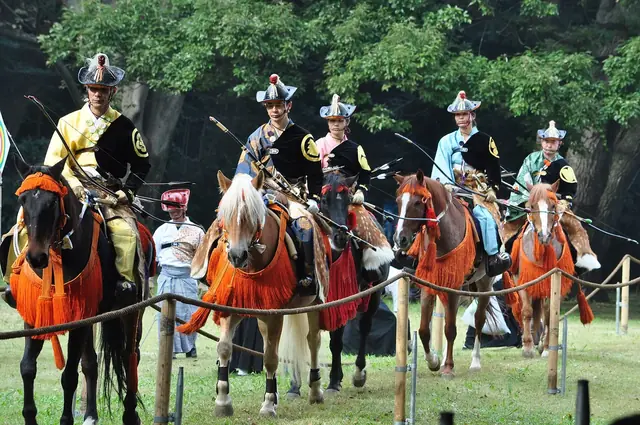
New Year is the shrine's biggest moment: the grounds usually stay open through the night from December 31 into January 1, and the crowds stay heavy for the first three days. On Coming of Age Day, the second Monday of January, twenty-year-olds in furisode kimono and hakama come to pray, and the shrine usually holds a traditional archery ceremony for them. The Spring Grand Festival from late April to early May brings court dance, noh and other traditional performances.
In June the irises bloom in the Inner Garden, usually best in mid-June. The Autumn Grand Festival centres on November 3, Emperor Meiji's birthday, with traditional performances and, in most years, mounted archery, while a chrysanthemum exhibition lines the approach from late October through most of November. In November the shrine is also full of families in kimono for Shichi-go-san, the blessing of children aged three, five and seven.
Timing, crowds and etiquette
The shrine is free and open every day from sunrise to sunset, so closing time changes through the year, from late afternoon in winter to early evening in summer; the official site lists each month's hours. The garden and museum keep shorter hours. Weekday mornings are the calmest, and the forest is pleasant even in midsummer heat. At New Year, expect one-way crowd control and long waits around midnight and on January 1; from about January 4 it becomes manageable again.
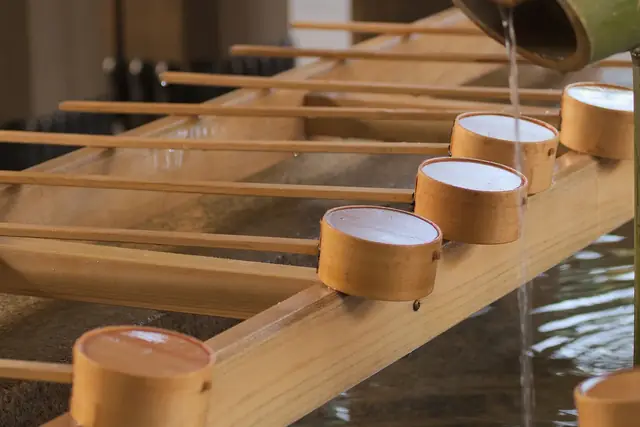
Bow once at each torii, walk to the side of the path rather than in the middle, rinse your hands at the water basin, then bow twice, clap twice and bow once at the main hall. The shrine asks visitors not to take photos or video at the main sanctuary where people pray, not to fly drones, to eat, drink and smoke only in designated areas, and to keep to the paths in the forest.
- There are no food stalls on the approaches on ordinary days. Bring water in summer.
- Paths are gravel. Wear flat shoes. Strollers and wheelchairs are slow going on gravel.
Getting there and nearby
For the south entrance, use Harajuku Station on the JR Yamanote Line or Meiji-jingumae Station on the Chiyoda and Fukutoshin lines, both right by the gate. The north entrance is about five minutes from Yoyogi Station (JR and Toei Oedo Line) and close to Kita-sando Station on the Fukutoshin Line, and the west entrance is a few minutes from Sangubashi on the Odakyu Line.
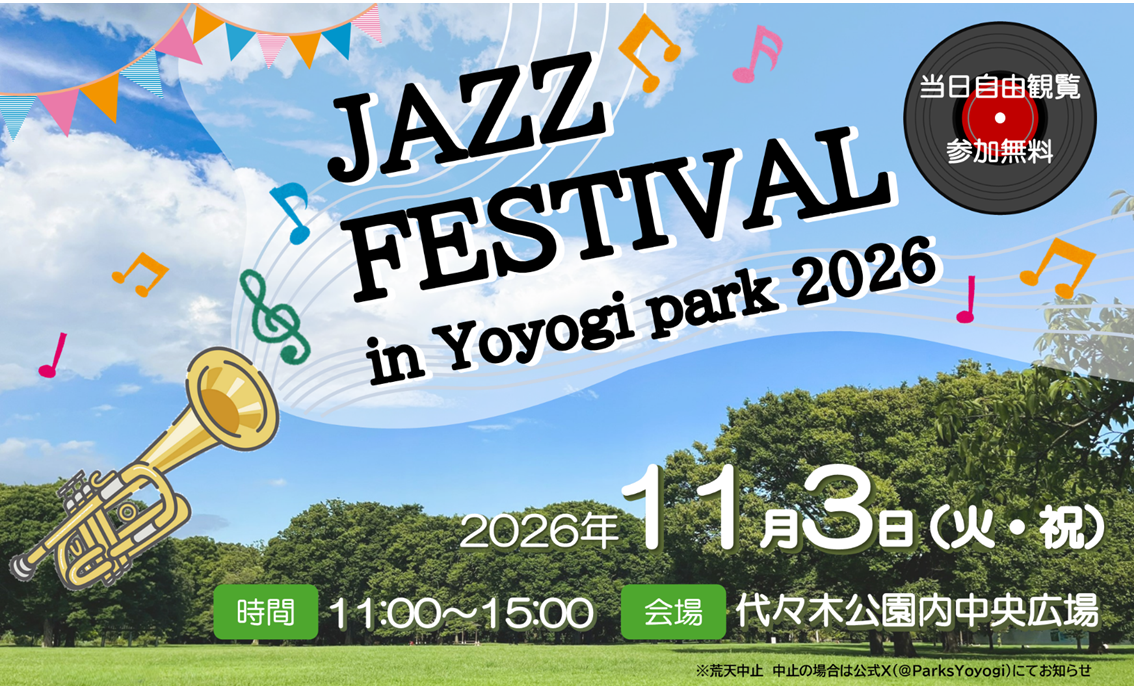
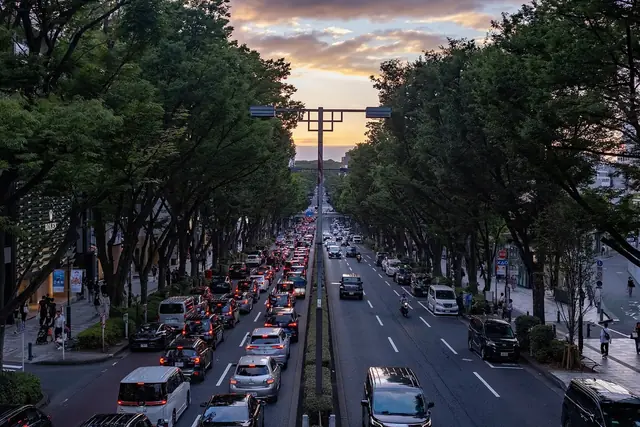
Yoyogi Park lies right next door and hosts food, music and international festivals on many weekends at its event square. Takeshita-dori and Omotesando start across the road from Harajuku Station, and Shibuya is one stop south. Do not confuse the shrine with Meiji Jingu Gaien in Aoyama, the separate outer garden known for its ginkgo avenue, which turns gold in late November.