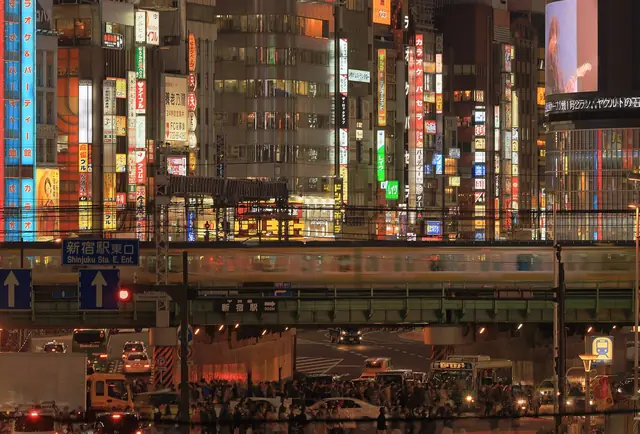
The station: which exit you need
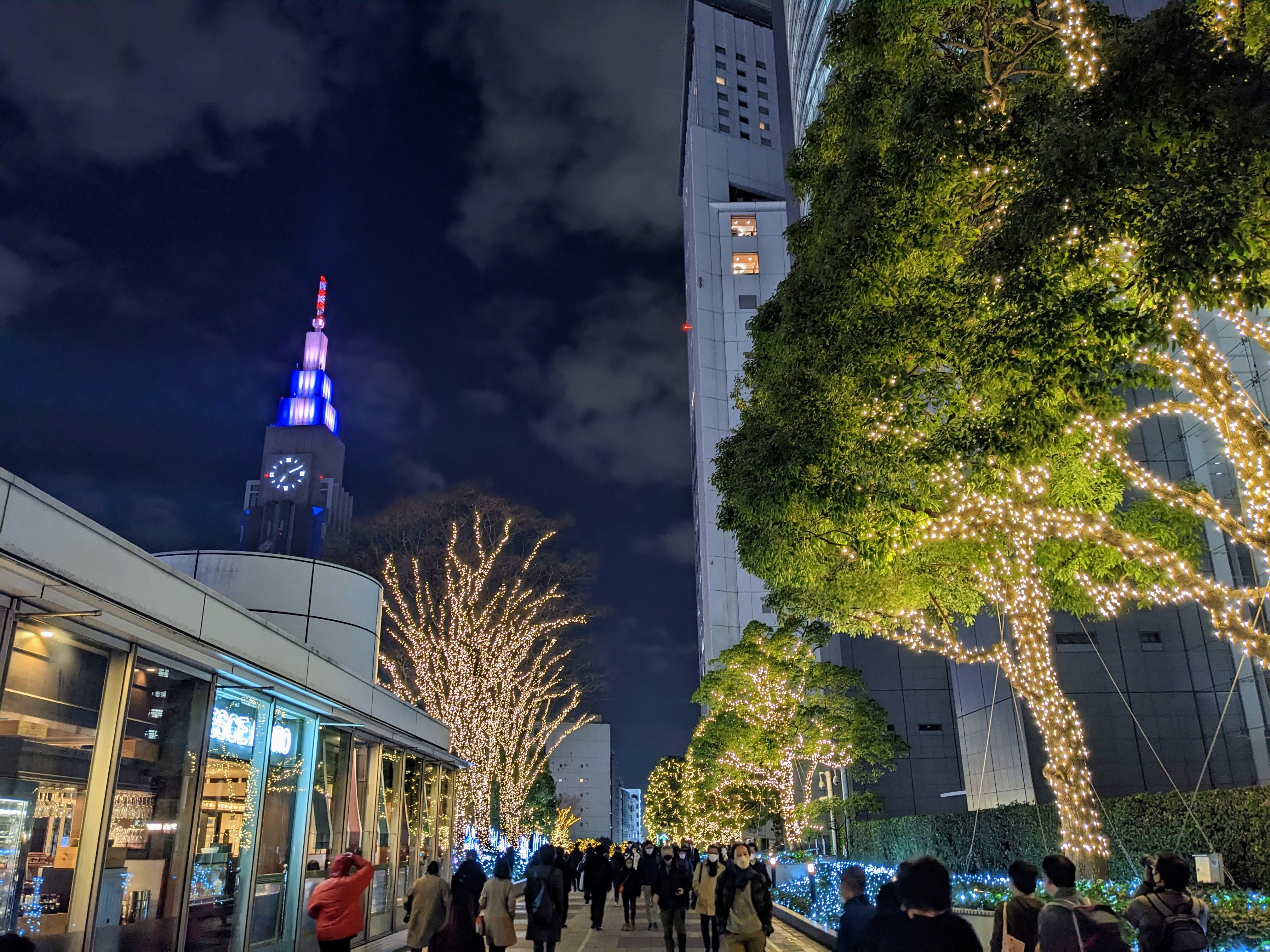
Shinjuku Station is listed by Guinness World Records as the world's busiest, with about three million passengers a day counting transfers. JR (Yamanote, Chuo, Chuo-Sobu, Saikyo and Shonan-Shinjuku lines), Odakyu, Keio, the Marunouchi subway and the Toei Shinjuku and Oedo lines all meet here, while Seibu trains use a separate station next to Kabukicho. The East exit leads to Shinjuku-dori, the department stores and Kabukicho. The West exit is for Omoide Yokocho, the office towers and the Tokyo Metropolitan Government Building. The South and New South exits lead to Busta Shinjuku, the highway bus terminal, and towards Shinjuku Gyoen.
Since 2020 a free passage under the tracks lets you cross between east and west without a ticket; before that, crossing meant a long walk around. The west side is in the middle of a rebuild planned to last many years, so routes and signs there change often. If you get lost, go up to street level and steer by a landmark such as Kabukicho Tower or the twin towers of the government building.
- Put the exit into your map app, not just the station. The wrong side can cost you 15 minutes.
- For Hanazono Shrine, Golden Gai and Ni-chome, Shinjuku-sanchome Station on the Marunouchi and Fukutoshin lines is closer.
Omoide Yokocho and Golden Gai
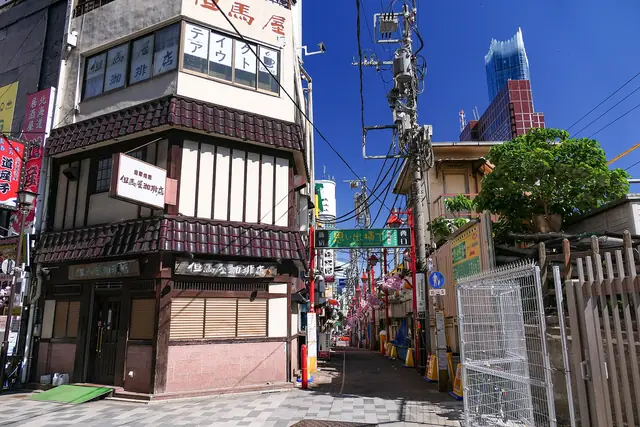
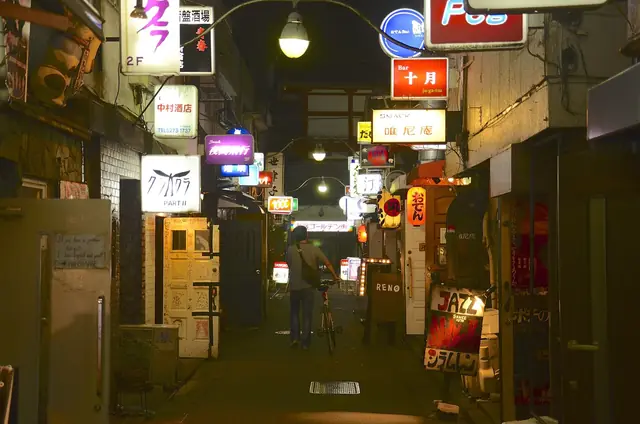
Omoide Yokocho, on the west side right by the JR tracks, grew out of an open-air market that appeared on burnt-out land after the Second World War. Today it is a narrow lane of around 60 tiny eateries, most of them grilling yakitori and offal skewers, with counters for a handful of people and smoke drifting into the alley. It fills up after work, so early evening or a weekday is easier. Order a drink and a few skewers, and do not hold a seat for long when people are waiting.
Golden Gai, next to Hanazono Shrine on the east side, is six narrow lanes with over 200 bars, most so small that eight or ten customers fill the room. It also began as a postwar market and became a bar district at the end of the 1950s. Every bar has its own owner and crowd, and many charge a cover or seat fee on top of your drinks, usually written by the door. Some are for regulars only, while bars that welcome visitors often put an English sign or price list outside. The lanes are quiet in the daytime and fill up later in the evening.
The lanes of Golden Gai are private land, and the local shop association does not allow photos or video in them without permission. Take pictures inside a bar only if the staff say yes, and never photograph other customers.
- Check the cover charge on the door before you sit down, and ask if it is not posted.
- Bring cash. Not every small bar or yakitori counter takes cards.
- One or two drinks per bar is normal in Golden Gai, so moving on is part of the evening.
Kabukicho: Godzilla, the tower and a word on touts
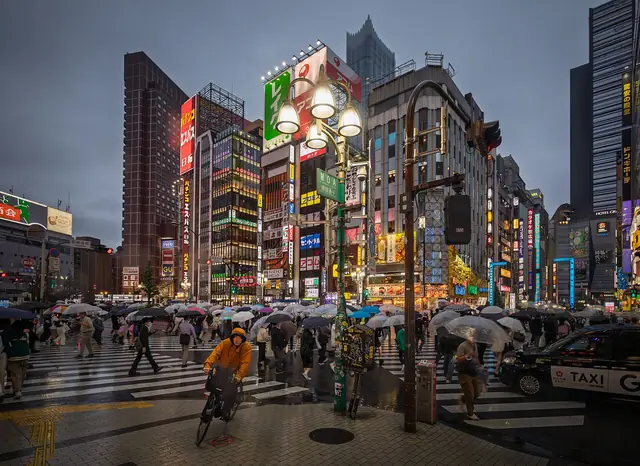
Kabukicho, north of the East exit across Yasukuni-dori, is Tokyo's biggest entertainment district, with cinemas, karaoke, restaurants, bars and host and hostess clubs. The Godzilla head looking down on the main street sits on the eighth floor of the Shinjuku Toho Building, opened in 2015 on the site of the old Koma Theater. It is about 12 metres tall and now and then breathes out mist.
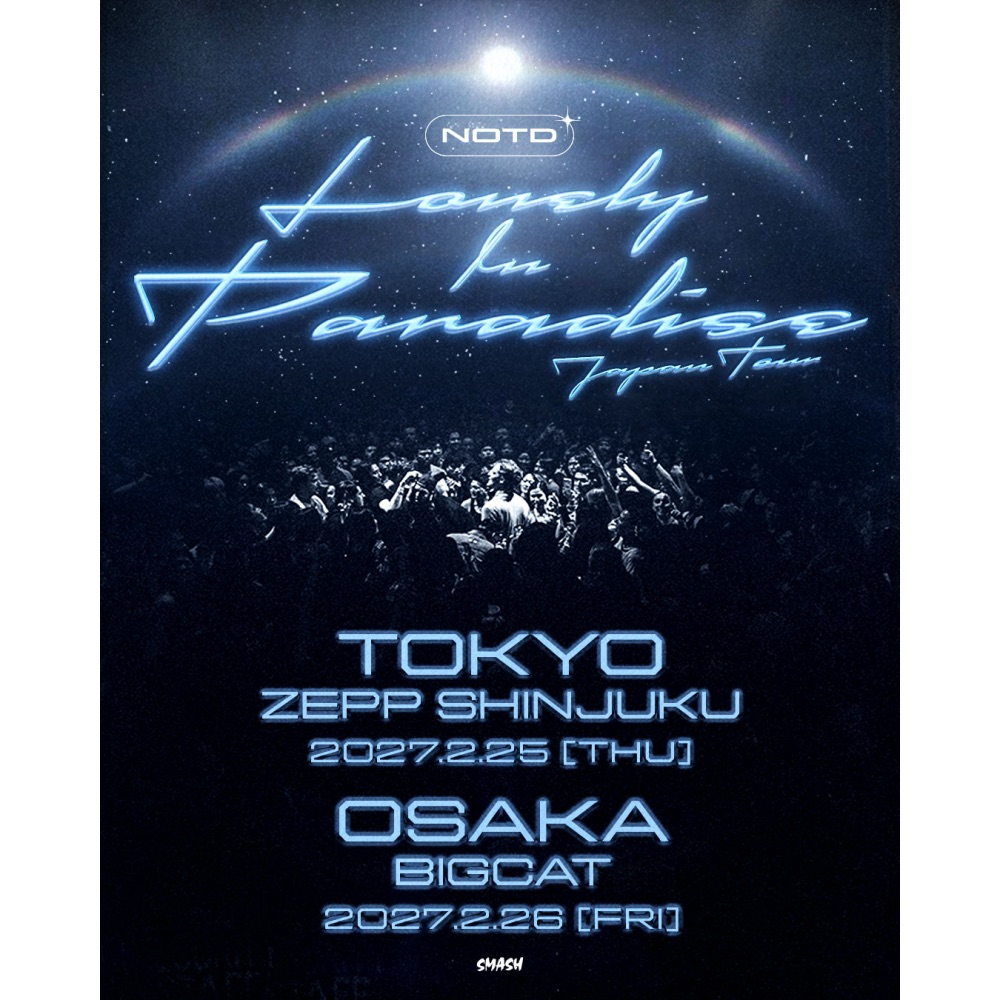
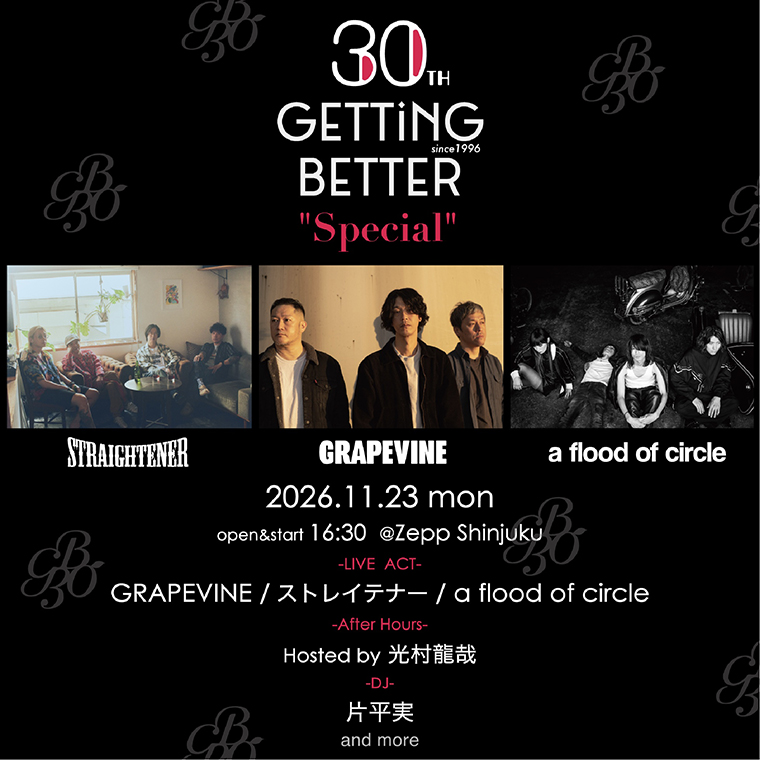
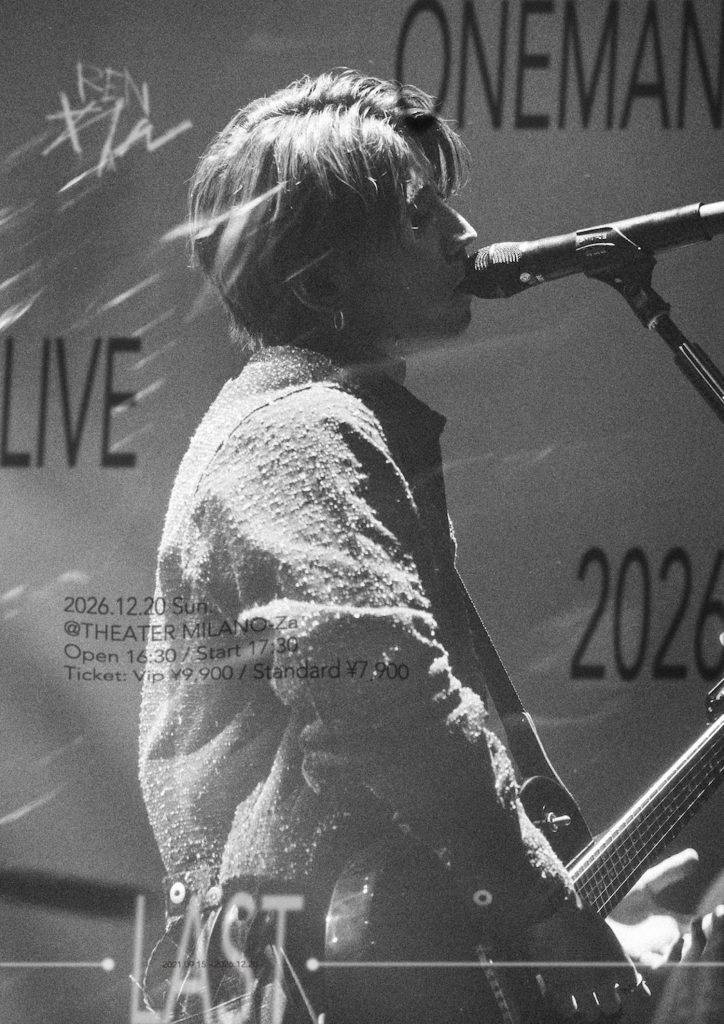
Kabukicho Tower, opened in 2023 and about 225 metres tall, is the area's new centre. It holds Zepp Shinjuku, a concert venue in the basement, THEATER MILANO-Za with about 900 seats, a premium cinema, the club Zero Tokyo, a game centre and a loud, late food hall on the second floor. Okubo Park, a few minutes away, hosts food festivals such as ramen and curry events, where you buy meal tickets at the gate.
Kabukicho is crowded and generally fine to walk around, but it has one well-known problem: touts offering cheap drinks, a show or a great bar nearby. Touting is restricted by ward rules, and the bars that use touts are where visitors end up with huge bills. Ignore them, keep walking and choose places yourself. Shinjuku ward also bans drinking on the street on Halloween night, from the evening of October 31 until 5am on November 1, in parts of Kabukicho 1-chome and Shinjuku 3-chome, after Halloween crowds moved here from Shibuya.
- If anyone on the street offers you a bar, a deal or a show, just say no thank you and walk on.
- In an emergency, call 110 for the police. Police boxes (koban) are easy to find around the station.
Free views, shrine markets and the year in Shinjuku
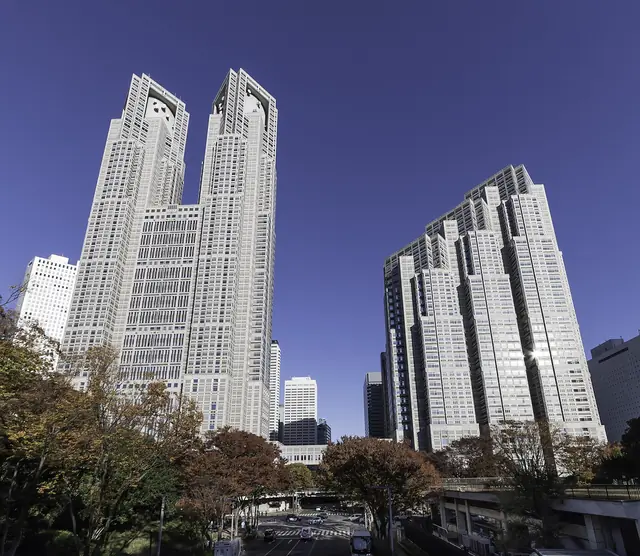
The Tokyo Metropolitan Government Building on the west side has two free observation decks on the 45th floor, about 202 metres up. A dedicated lift goes up from the first floor of Building No. 1. There are no reservations, and a 20 to 30 minute wait is normal at busy times. The two decks close on different days, each on two weekdays a month, so one is usually open, and the south deck stays open into the evening. On clear winter days you can see Mount Fuji.
After dark the building's east wall becomes the screen for TOKYO Night & Light, a projection mapping show certified by Guinness World Records as the largest permanent projection on a building. It runs every evening except in bad weather, about every half hour from early evening until around 9:30pm, starting earlier in winter, with programmes that have included Godzilla. You watch from the plaza and street in front for free.
Hanazono Shrine, the guardian shrine of Shinjuku since Edo times, stands between Golden Gai and Shinjuku-sanchome. On most Sundays an open-air antique market sets up in its grounds from early morning. Its main festival with neighbourhood mikoshi is in May, and in November it holds Tori-no-ichi on the days of the rooster, when food stalls fill the grounds at night and people buy decorated bamboo rakes (kumade) for business luck. At the end of July, the Shinjuku Eisa Festival brings Okinawan drum dance groups to the streets around the East and West exits.
- Tripods are not allowed on the observation decks.
- Shrine markets and festivals depend on the weather. Check the shrine's notices before a special trip.
Shinjuku Gyoen, Ni-chome and where to go next
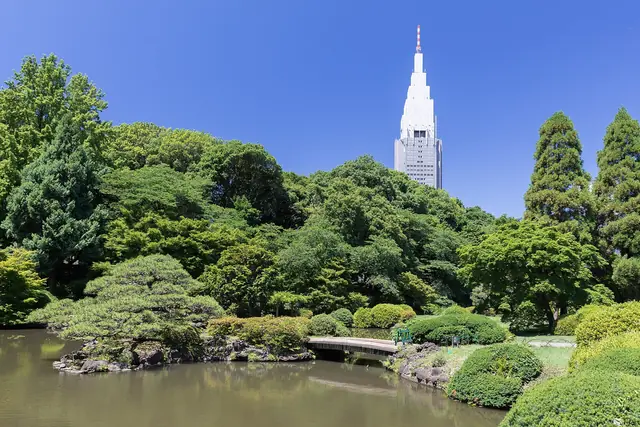
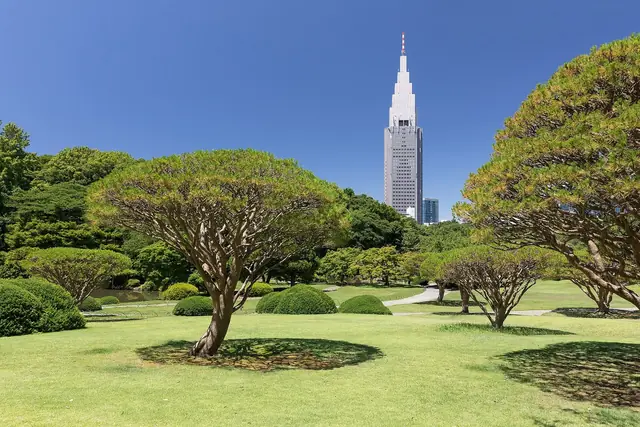
Shinjuku Gyoen, the national garden about ten minutes on foot from the South exits, is one of the best places in Tokyo for cherry blossoms and autumn leaves, and it has its own page on our site. Shinjuku Ni-chome, east of Shinjuku-sanchome, is the city's best-known LGBTQ+ bar area. West of the government buildings, Shinjuku Central Park has lawns and playgrounds and hosts food festivals on some weekends.
From Shinjuku, the Chuo Line runs west to Nakano in about five minutes and on to Koenji and Kichijoji, the Odakyu Line goes to Shimokitazawa, and the Yamanote Line takes you to Harajuku and Shibuya in the south or Ikebukuro in the north. Trains stop around midnight and Kabukicho fills with people waiting for the first train, so check your last train before the second bar.