Before you start: order, bookings and closing days
The two days work in either order, but the day of the week matters. Most museums, including the Tokyo National Museum, close on Mondays, and so does Ueno Zoo, so do not put the Ueno day on a Monday. The free South Observatory of the Tokyo Metropolitan Government Building closes on the first and third Tuesday of each month, and the North Observatory stays open into the evening on those days instead. Harajuku and Shibuya are at their most crowded on Saturday and Sunday afternoons. Akihabara's main street becomes a pedestrian zone on Sunday afternoons from 13:00 until 17:00 (October to March) or 18:00 (April to September), except in bad weather, so if your first day is a Sunday and you want Akihabara, get there before it ends.
Only one thing on this route really needs booking: Shibuya Sky, whose timed tickets go on sale online in advance. Slots around sunset sell out first, and when the online tickets are gone, there is no counter sale either. Tokyo Skytree tickets can be bought on the day, although buying online saves a queue at weekends.
- Start both days by 8:30. Temples, shrines and shopping streets are quiet before 10:00, and that is when you get the calm and the clear photos.
- Look up sunset for your dates and book Shibuya Sky for 30 to 40 minutes before it.
Day 1, morning and afternoon: Asakusa, then Ueno
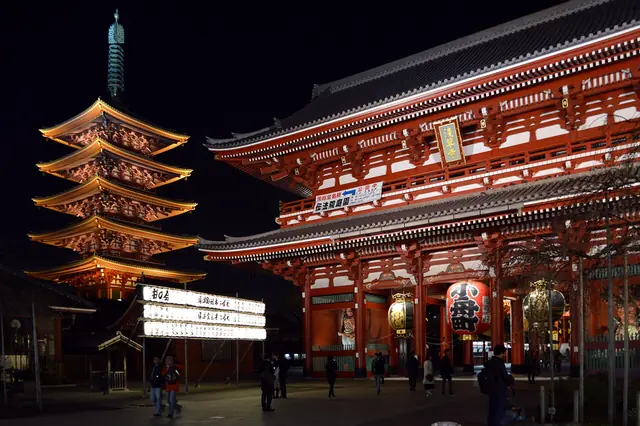
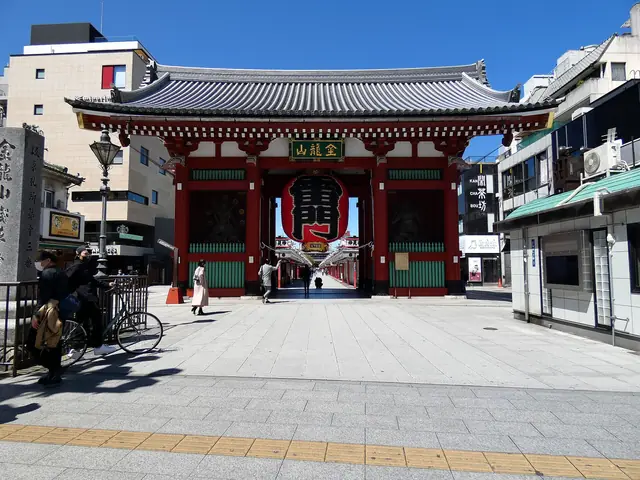
8:00, Senso-ji. Come up from Asakusa Station on the Ginza Line and walk through the Kaminarimon gate. The temple grounds never close and the main hall opens at 6:00 (6:30 from October to March), so at 8:00 you share it mostly with locals on their way to work. The shops along Nakamise open from mid-morning: walk the street once on the way in, see the main hall and the five-storey pagoda, and come back down Nakamise around 10:00, when the snack stalls are up. Allow about two hours for the temple and the lanes around it.
11:00, early lunch in Asakusa, which is known for tempura, soba and old-style Western dishes. Eating before noon beats the queues. Then take the Ginza Line three stops to Ueno, about five minutes.
12:30, Ueno Park. If you pick one museum, make it the Tokyo National Museum: the main building alone takes 90 minutes to two hours. It is open from 9:30 to 17:00, until 20:00 on Fridays and Saturdays, and from late 2026 to spring 2027 some of its galleries close in turn for refurbishment, so check the floor plan at the entrance. Walk back through the park past Shinobazu Pond and finish around 16:00 at Ameyoko, the market street along the railway, for fruit on sticks, dried fish and cheap street food. Most stalls wind down in the early evening.
- Tired: skip the museum and spend an hour on a bench by Shinobazu Pond. You still see Ueno, and you get your legs back for the evening.
- Ueno Zoo has had no pandas since its twins went back to China in January 2026, so it is less of a draw for a short visit than it used to be.
- On a Monday, swap the museums for Yanaka, about 15 minutes' walk from the park, whose temples and small shopping street open as usual.
Day 1 evening: Skytree, Akihabara or a bar under the tracks
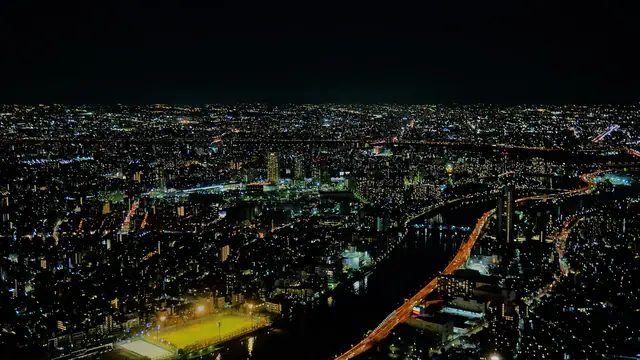
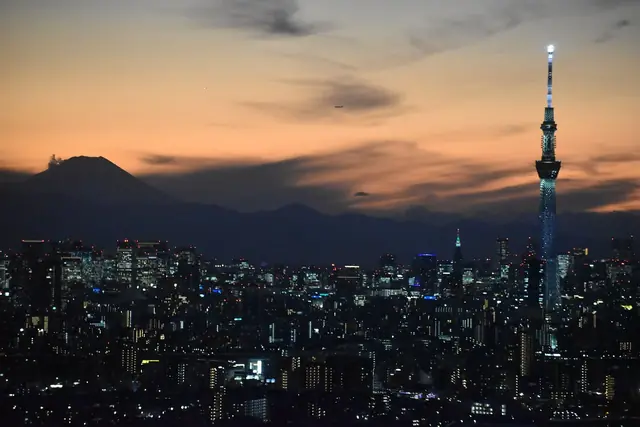
Pick one. For the view, go back to Asakusa and walk about 20 minutes across the Sumida River to Tokyo Skytree, or ride from Ueno via Asakusa to Oshiage in about 20 minutes. The decks stay open until 22:00 (last entry 21:00), and after dark the queue is usually shorter than in the afternoon.
For games and anime, Akihabara is two stops from Ueno on the JR Yamanote or Keihin-Tohoku Line. Many shops close around 20:00 or 21:00, but arcades and restaurants stay open later. For a plain good night out, stay in Ueno: the lanes along and under the tracks between Ueno and Okachimachi are full of standing bars and izakaya that fill with office workers from about 18:00.
- On the way to Skytree, stop on Azuma Bridge at dusk. The tower and the river light up together, and it costs nothing.
Day 2, morning and afternoon: Meiji Jingu, Harajuku, Shibuya
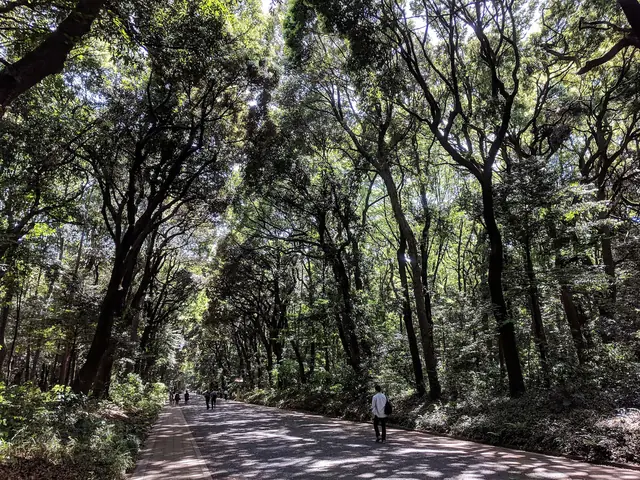
8:30, Meiji Jingu. From JR Harajuku Station it is a 10-minute walk under tall trees to the main shrine. The gates open at sunrise and close at sunset, which in November and December means around 16:00, so the shrine belongs in the morning. Allow an hour.
10:00, Harajuku. Takeshita-dori starts across the road from the station, and its crepe stands and fashion shops open at around 10:00 or 11:00. Twenty minutes is enough for most adults. Cross to Omotesando for the architecture of its flagship stores, then turn down Cat Street and walk 15 to 20 minutes to Shibuya past small shops and cafes. Have lunch in Shibuya around 13:00.
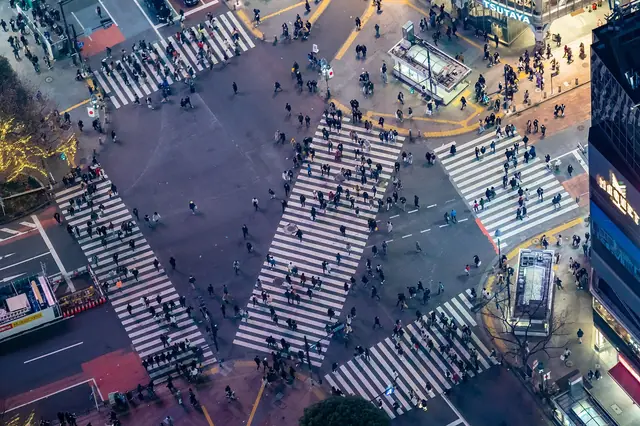
Afternoon, Shibuya. Watch the scramble crossing from street level, say hello to Hachiko and walk Center-gai and Miyashita Park. Then go up Shibuya Sky: it is open from 10:00 to 22:30 (last entry 21:20), you can stay as long as you like once inside, and the open-air roof shows the city turning from day to night. The roof closes in rain and strong wind, and the ticket is not refunded after entry.
- Tired: skip Takeshita-dori and walk straight down Omotesando from the shrine, or ride the Yamanote Line from Harajuku to Shibuya (two minutes) instead of walking Cat Street.
Day 2 evening: Shinjuku
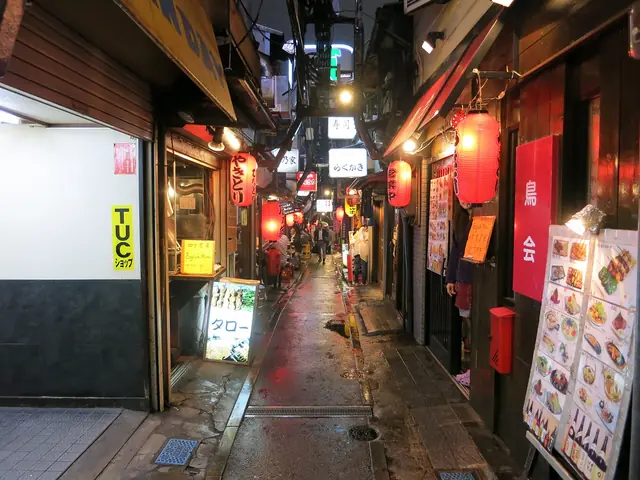
Shinjuku is seven minutes from Shibuya on the Yamanote Line. Start on the west side: the Tokyo Metropolitan Government Building is about 10 minutes' walk from the station, and its South Observatory, 45 floors up, is free and open until 22:00 (last entry 21:30). After dark the building's east face becomes the screen for a projection mapping show, which runs about every half hour until around 21:30 except in bad weather. Watch it from the plaza in front.
Then eat. Omoide Yokocho, beside the station's west exit, is a lane of tiny yakitori counters with six or eight seats each. After dinner, walk under the tracks to the east side and the bars of Golden Gai, most of which open from about 19:00 or 20:00. Many charge a seat fee, a few are for regulars only (there is a sign on the door), and photos inside are often unwelcome. If you would rather not drink, the neon of Kabukicho and the Godzilla head on the Shinjuku Toho Building are five minutes away.
- Tired: skip Golden Gai and have a short dinner at Omoide Yokocho. You are next to the station.
- Last trains leave around midnight. If your hotel is across town, check the time before the second bar.
Getting around and where to stay
Day one runs mostly on the Ginza Line and day two mostly on the JR Yamanote Line, and every hop is short, so a rechargeable IC card such as Suica or PASMO, or one on your phone, is the simplest way to pay. The Tokyo Subway Ticket covers all Tokyo Metro and Toei lines for 24, 48 or 72 hours (as of 2026: ¥1,000, ¥1,500 and ¥2,000 for adults). It is sold to overseas visitors and to people living outside Tokyo and the seven nearby prefectures, and it does not cover JR. On this route you rarely take more than three or four subway rides a day, so it pays only if you add trips.
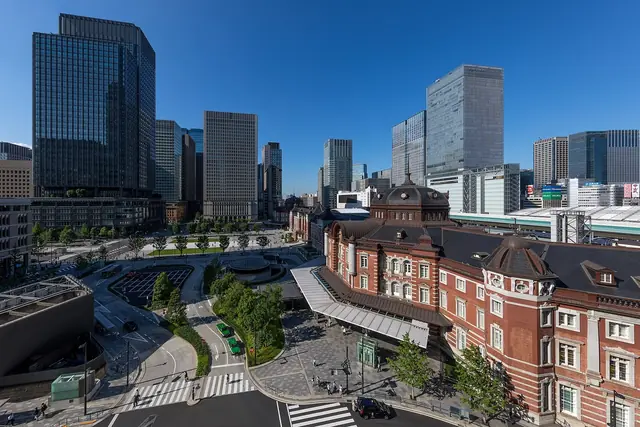
Stay where one of your days starts or ends. Asakusa and Ueno are good value, close to day one and on the Keisei Skyliner from Narita. Shinjuku puts you next to the second evening, the airport buses and the Narita Express. Around Tokyo Station and Ginza you are central for both days and on the shinkansen if Tokyo is part of a longer trip. Three examples: THE GATE HOTEL Kaminarimon by HULIC a minute from Senso-ji, Hotel Gracery Shinjuku (the one with Godzilla on the terrace) in Kabukicho, and Hotel Ryumeikan Tokyo on the Yaesu side of Tokyo Station.
- Arriving on the morning of day one with luggage? Leave it at your hotel or in a station locker before Asakusa. The lockers at Asakusa fill up by mid-morning.
- Weekday rush hour, roughly 7:30 to 9:30, is no time for a suitcase on the Yamanote Line.
Rain, heat and seasonal swaps
In rain, keep Senso-ji, which works fine under an umbrella, and spend the afternoon inside the Tokyo National Museum, or go to the Edo-Tokyo Museum in Ryogoku, about 20 minutes from Ueno, which reopened in March 2026 after four years of renovation and closes on Mondays. On day two, Shibuya Sky's roof closes in bad weather, so swap it for teamLab or the Metropolitan Government Building's indoor observatory, and spend the afternoon in Shibuya's department stores and food halls.
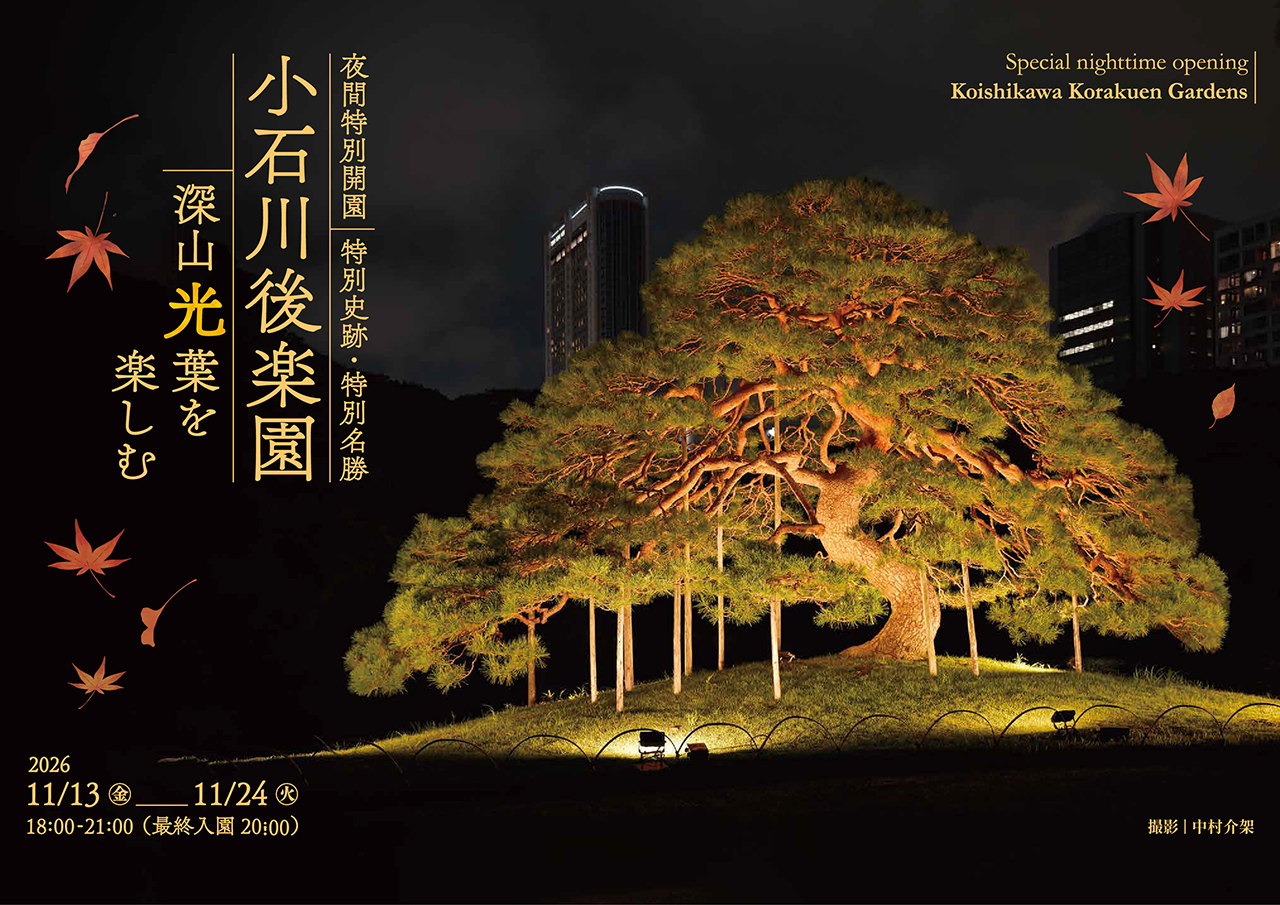
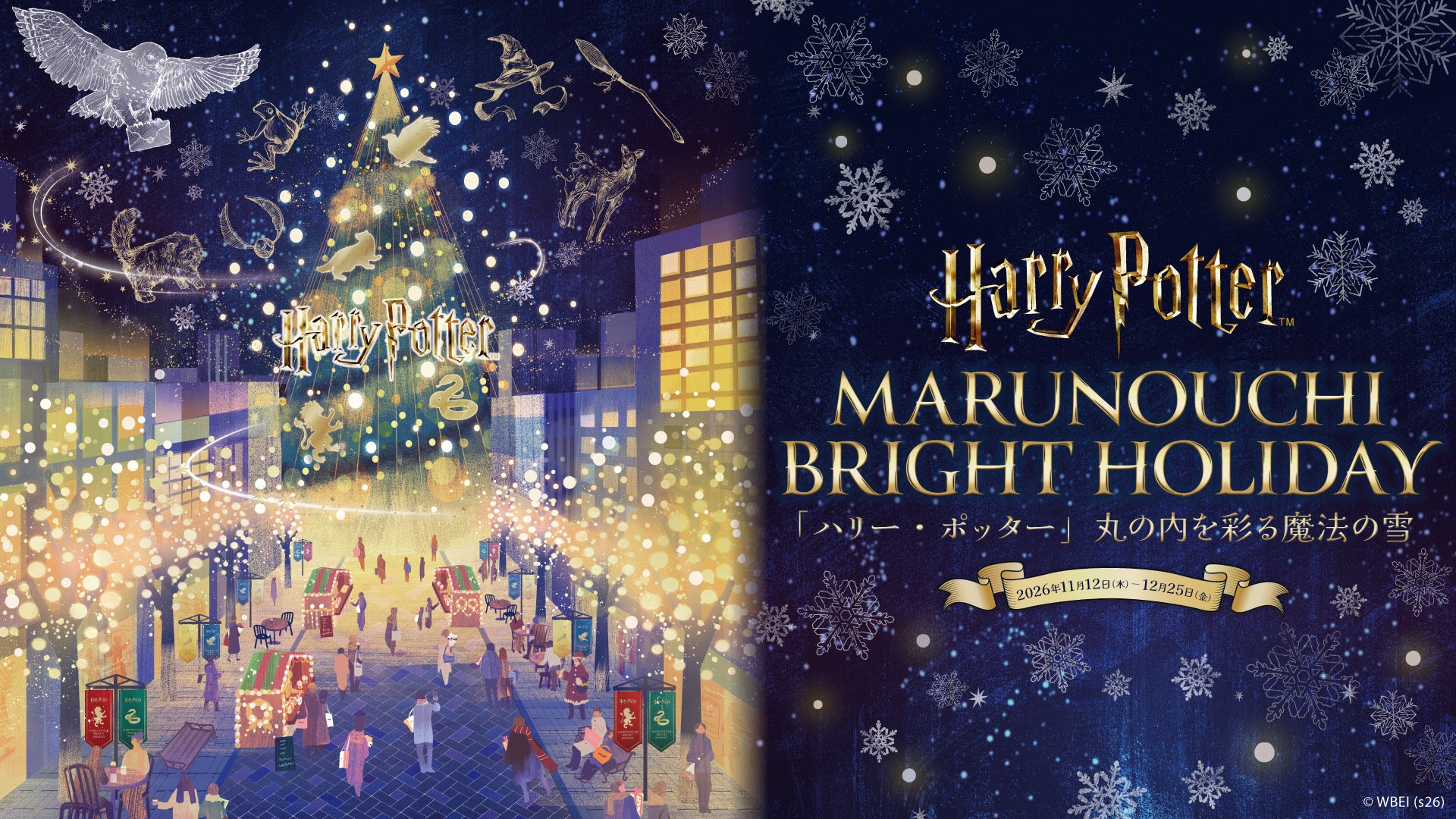
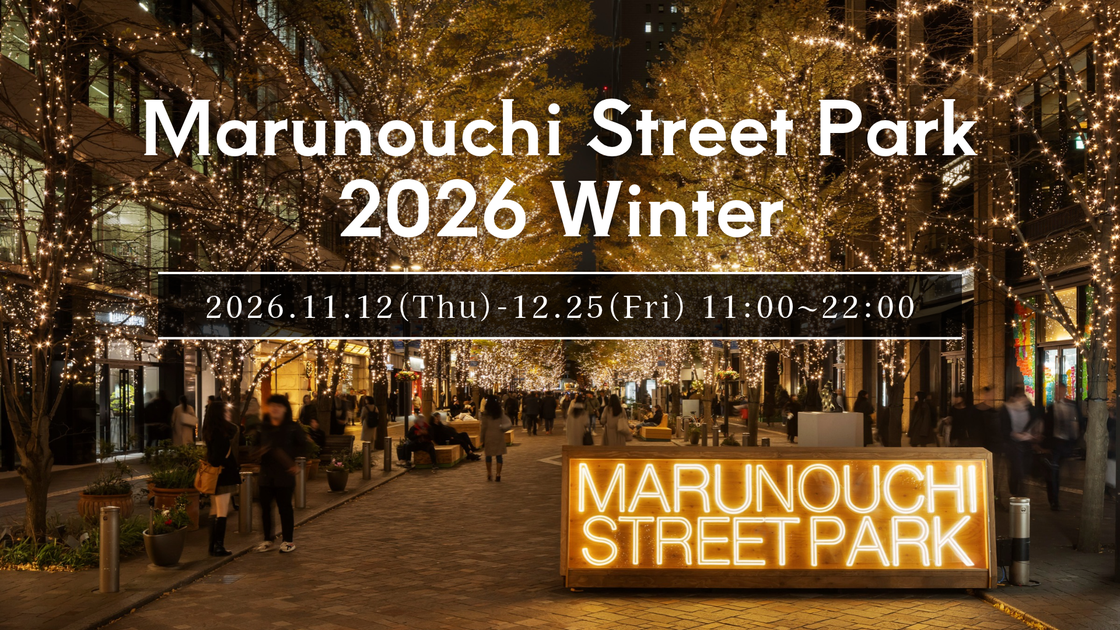
From July to early September Tokyo is hot and humid: do the shrine and Asakusa early, keep the middle of the day for museums and malls, and go out again after 17:00. The Sumida River fireworks, usually on the last Saturday of July, fill Asakusa, so plan around them or join them. In late March and early April, Ueno Park is one of the busiest cherry blossom spots in the city, so go early. From late November to early December the ginkgo avenue of Meiji Jingu Gaien turns yellow a short ride from Harajuku, and in winter either evening can include an illumination.
- teamLab Planets in Toyosu and teamLab Borderless at Azabudai Hills both need timed tickets and take about two hours, so they replace a half day, not a stop.