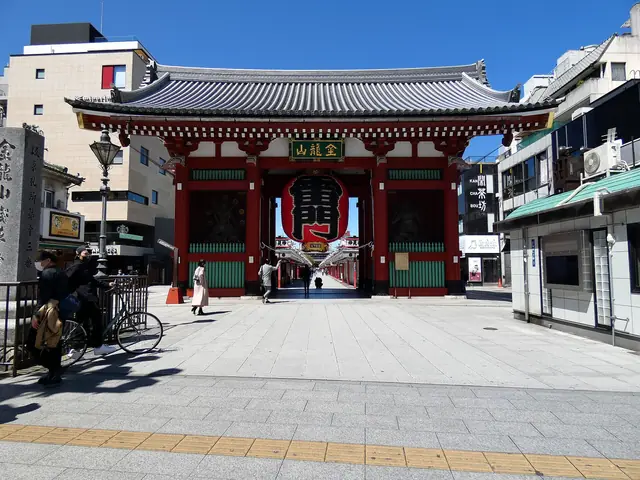
Day 1: Asakusa, Skytree, Ueno and Yanaka
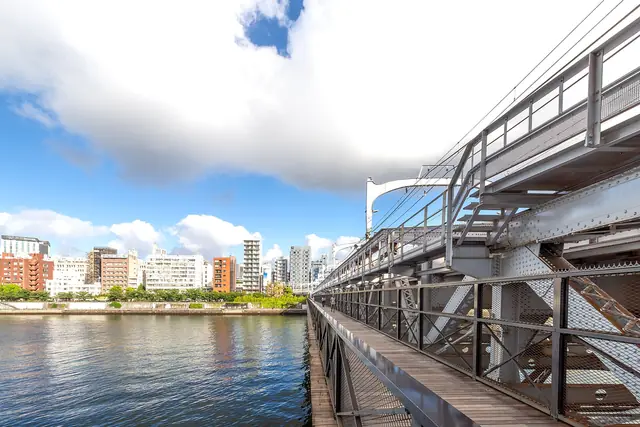
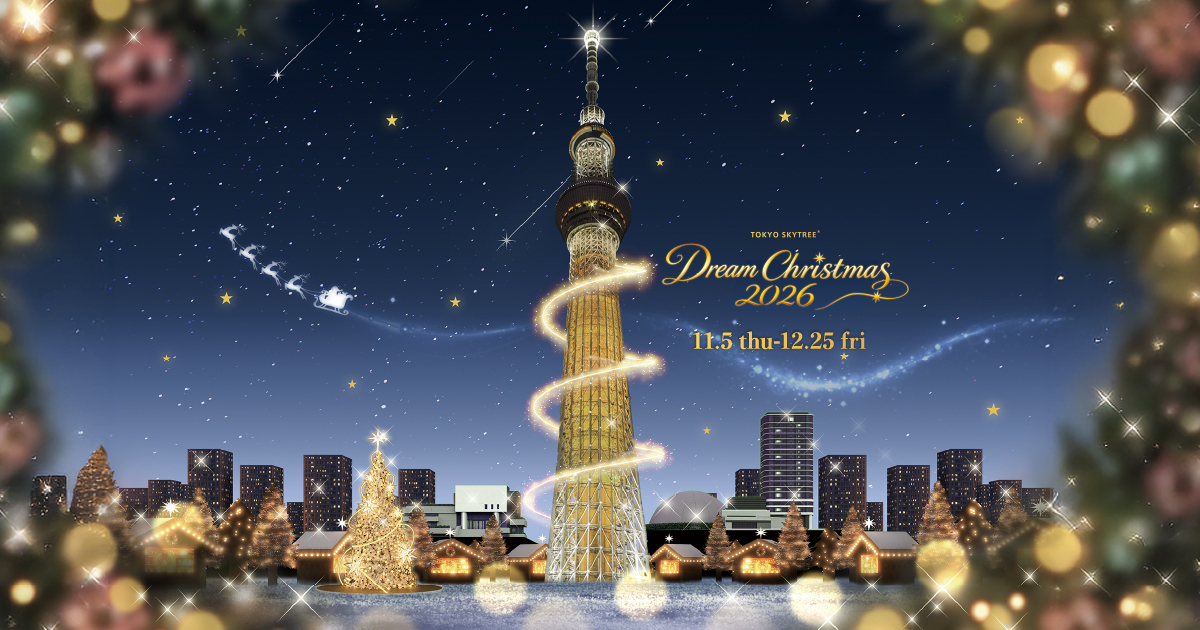
Start at Senso-ji around 8:00. The grounds are open all day and the main hall opens at 6:00 (6:30 from October to March), so you see Kaminarimon and the pagoda before the tour groups, while most Nakamise stalls are still shut. At 9:30 walk across the Sumida River on the Sumida River Walk, a footpath on the side of the Tobu railway bridge, to Tokyo Skytree, about 20 minutes, in time for the decks to open, usually at 10:00. Book the first entry of the day online to skip the ticket queue, and allow 90 minutes.
After lunch in Tokyo Solamachi below the tower, take the Tobu line one stop back to Asakusa and the Ginza Line to Ueno. By 13:30 be at the Tokyo National Museum, ten minutes' walk through Ueno Park: open 9:30 to 17:00 (20:00 on Fridays and Saturdays), closed Mondays. The main building's second floor tells Japanese art in order in about 90 minutes.
At 15:30 walk through Yanaka Cemetery to Yanaka Ginza, 20 minutes of quiet temple lanes, and snack on croquettes from the stands before the Yuyake Dandan steps at sunset. From Nippori the Yamanote Line reaches Akihabara in under ten minutes for arcades and retro game shops; the retro shops mostly close around 20:00, the arcades later. Or get off at Ueno for dinner in the izakaya under the tracks of Ameyoko.
- On a Monday the museum is closed: spend the afternoon in Ueno Park and Ameyoko, or swap days.
- Yanaka's shops close early, so arrive before 16:30.
Day 2: Meiji Jingu, Harajuku, Shibuya and a Shinjuku night
Be at Meiji Jingu by 8:30. The gates follow the sun and close between about 16:00 and 18:30 depending on the month (times by month), so the shrine belongs to the morning; allow an hour, including the ten-minute walk under the trees to the main hall. At 10:00 cross to Takeshita Street as shops open, before it slows to a shuffle, then walk down Omotesando and along Cat Street to Shibuya, about 15 minutes, with lunch on the way.
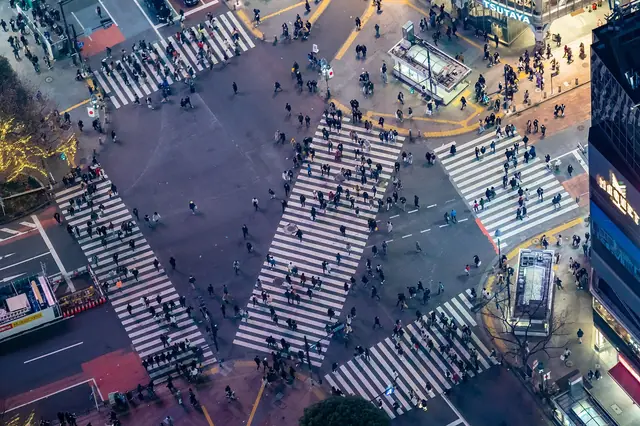
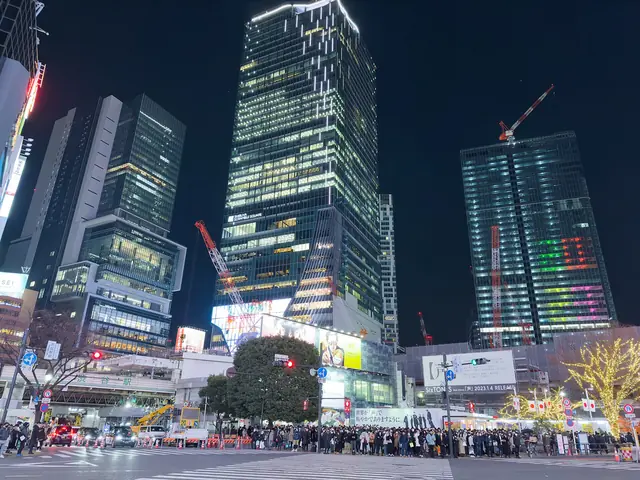
Spend the afternoon around the crossing and Miyashita Park. Shibuya Sky is open 10:00 to 22:30 (last entry 21:20), and timed tickets go on sale online two weeks ahead. Sunset slots sell out first: take one about 40 minutes before sunset and plan an hour on the roof, which closes in rain or strong wind.
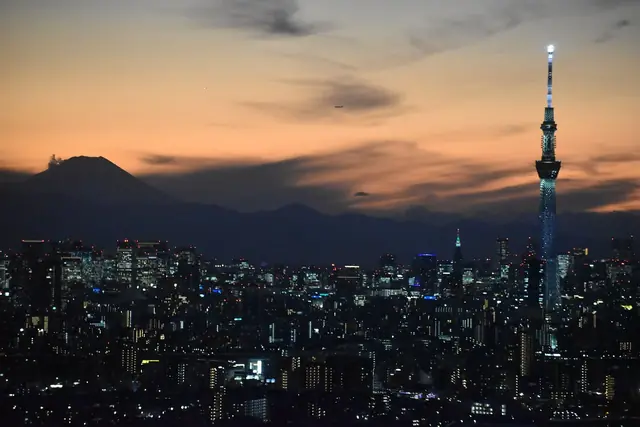
When you come down, ride the Yamanote Line seven minutes to Shinjuku and walk ten minutes from the west exit to the Tokyo Metropolitan Government Building. Its 45th-floor decks are free and open until 22:00 (each closes two days a month), and after dark a projection mapping show plays on the walls several times an evening, the last starting around 21:30. Eat yakitori in Omoide Yokocho by the west exit, then cross east for a last drink in Golden Gai, where bars seat a handful of people and many add a cover charge.
- Tired? Drop Shibuya Sky and use the free Tocho decks for the view.
- Many Golden Gai bars ask you not to take photos inside, so ask first.
Day 3: Tsukiji, Hama-rikyu, teamLab and Odaiba
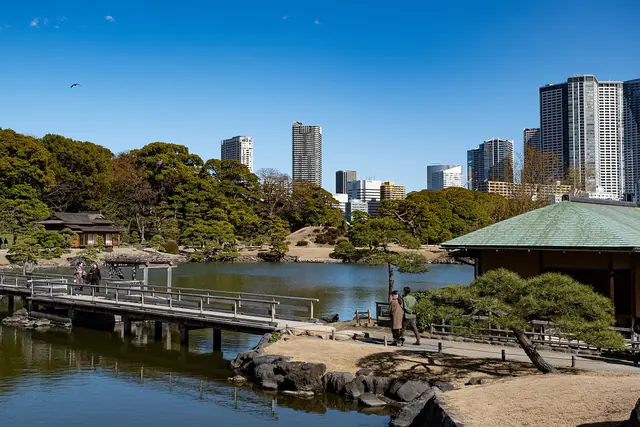
Breakfast at Tsukiji Outer Market between 7:30 and 9:00: tamagoyaki on a stick, grilled scallops, fish on rice. Many shops close on Sundays, holidays and some Wednesdays (calendar). At 9:00 walk 15 minutes to Hama-rikyu Gardens, an Edo-period garden with a seawater pond (9:00 to 17:00), and have matcha in the Nakajima tea house with the Shiodome towers behind it.
Around 10:30 take the driverless Yurikamome from Shiodome, about half an hour over the bay to Shin-Toyosu and teamLab Planets. Entry is by timed ticket and slots sell out, so book ahead online for 11:00 or 11:30. You go barefoot through water up to your knees, so wear shorts or trousers that roll up, and allow up to two hours. Lunch is one stop on at Toyosu Senkyaku Banrai, a food hall of sushi and seafood bowls that opens even on market holidays.
Ride on to Odaiba, about 15 minutes, and walk the beach at Odaiba Seaside Park late in the afternoon, and stay until Rainbow Bridge and the city across the water light up after sunset. The life-size Gundam at DiverCity is no longer on display. Cross back to Shimbashi and finish with yakitori under the railway arches near Shimbashi Station, or go up Tokyo Tower.
- Prefer history? Swap teamLab and Odaiba for the Imperial Palace East Gardens (closed Mondays and Fridays), Marunouchi and Ginza's food halls.
- If day three is a Sunday, swap it with another day.
Swap one day for Kamakura, Nikko, Hakone or Mt Fuji
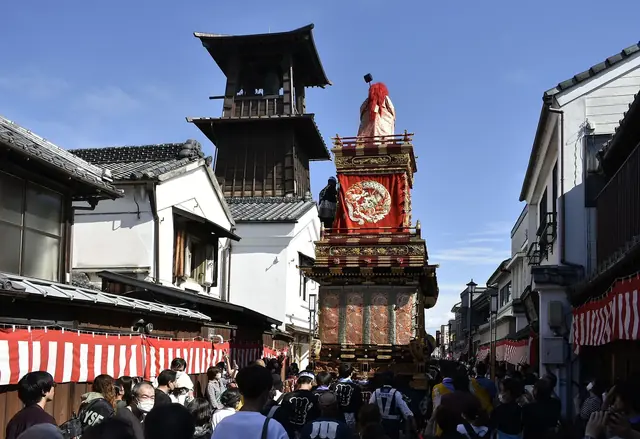
For a day out of town, give up day three and decide the evening before, by the forecast. Kamakura is the easiest: the JR Yokosuka Line from Tokyo Station takes about an hour, no booking. Ride the Enoden to Hase for the Great Buddha at Kotoku-in, open from 8:00, then ride the Enoden back to Kamakura Station and walk ten minutes up to Tsurugaoka Hachimangu; at weekends leave Tokyo by 8:00. Nikko needs the whole day: Tobu limited expresses from Asakusa take about two hours, and Nikko Toshogu closes around 17:00 from April to October and 16:00 from November to March.
For Hakone, the Odakyu Romancecar reaches Hakone-Yumoto from Shinjuku in about 85 minutes and the Hakone Freepass covers the loop of mountain train, cable car, ropeway and boat. The ropeway over Owakudani stops for volcanic gas or wind, and some winter weeks bring maintenance closures with buses instead, so check the operating status that morning. For Mt Fuji, go to Kawaguchiko on the Fuji Excursion from Shinjuku or a bus from Busta Shinjuku, both about two hours. Fuji is clearest on cold mornings from November to February and often clouds over by midday, so give it your sunniest day.
- At weekends book train and bus seats ahead; the return sells out first.
Getting around and what to book
Pay every fare with an IC card: Suica or PASMO in Apple Wallet, the Welcome Suica Mobile app, or a Welcome Suica card from the airport. This route mixes JR, Tokyo Metro, Tobu and the Yurikamome, and one card covers them all. The Tokyo Subway Ticket (24, 48 or 72 hours for 1,000, 1,500 or 2,000 yen as of 2026, after a rise in March 2026) skips JR, the Yurikamome and Tobu, so here it pays off only if your hotel is on the subway. A Japan Rail Pass is not worth it.
Book Shibuya Sky, teamLab Planets and, if you want a set time, Skytree. Nothing else needs a reservation. Last trains leave central Tokyo between about midnight and 00:30, so head back by 23:30.
- In big stations, find your exit number on the yellow signs before leaving the platform.
Where to stay for this plan
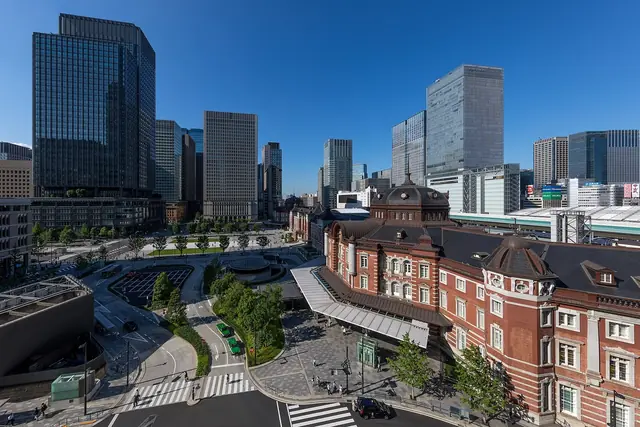
Pick one hotel near a station for all three nights. Shinjuku suits most people: day two ends there and the Romancecar, Fuji Excursion and Busta buses leave from it. Hotel Gracery Shinjuku is five minutes from the east exit. Around Tokyo Station and Ginza you are central for day three and Kamakura: try The Tokyo Station Hotel inside the red-brick station, or Mitsui Garden Hotel Ginza Premier near Shimbashi and the Yurikamome. Ueno and Asakusa are calmer and often cheaper, and from Ueno the Skyliner runs to Narita.
Rainy days and seasonal swaps
In rain or strong wind the open-air roof of Shibuya Sky closes and only the indoor deck stays open, so on a wet day use the free Tocho decks and department stores instead. On day three keep teamLab and Senkyaku Banrai and trade the garden and beach for Ginza's food halls. On day one, add the Edo-Tokyo Museum in Ryogoku, reopened in spring 2026 after four years of renovation and closed on Mondays.
In cherry season, late March to early April, walk Ueno Park early. In summer start at 7:00 and stay indoors at midday; the Sumida River fireworks on the last Saturday of July fill Asakusa. From late November into early December the ginkgo avenue of Jingu Gaien turns gold, two stops from Shibuya on the Ginza Line. In winter add the Marunouchi Naka-dori lights to day three, but Meiji Jingu closes around 16:00 in December and January, and it and Senso-ji are packed from January 1 to 3.