Before you go: forms and bookings
Fill in your arrival forms on Visit Japan Web, the government's free site, a few days before you fly. You enter immigration and customs details once and get a QR code to show at the airport. It is optional, and the paper cards handed out on the plane still work.
A handful of Tokyo's most popular things sell out well before the day, so book them first and plan the rest around them. The Ghibli Museum sells tickets only in advance, through Lawson Ticket, from the 10th of the month before. teamLab Planets in Toyosu sells timed tickets online and none at the door. Shibuya Sky sells timed tickets too, and the sunset slots go first. The Pokémon Cafe in Nihonbashi takes reservations only, released in batches on its official site, and they can be gone within minutes. If your dates cover a sumo tournament (in Tokyo: January, May and September), tickets go on sale about five weeks before and often sell out.
- Note sale times in Japan time, and log in to the booking site before it opens.
Arriving and getting around
From Narita, the Keisei Skyliner reaches Ueno in about 40 minutes, and the Narita Express runs to Tokyo Station, Shinjuku and Shibuya. From Haneda, which is much closer, the Keikyu Line gets you to Shinagawa in about 15 minutes. Big bags can go from a delivery counter in the arrivals hall to your hotel, usually by the next day.
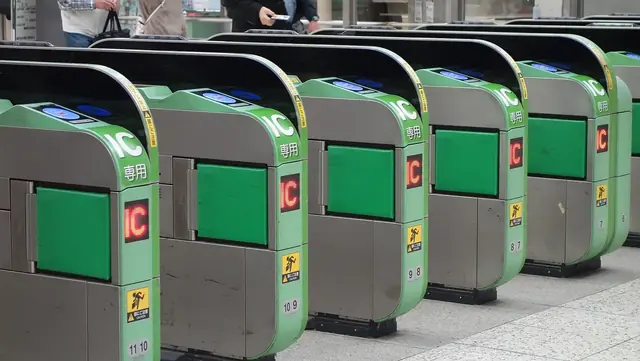
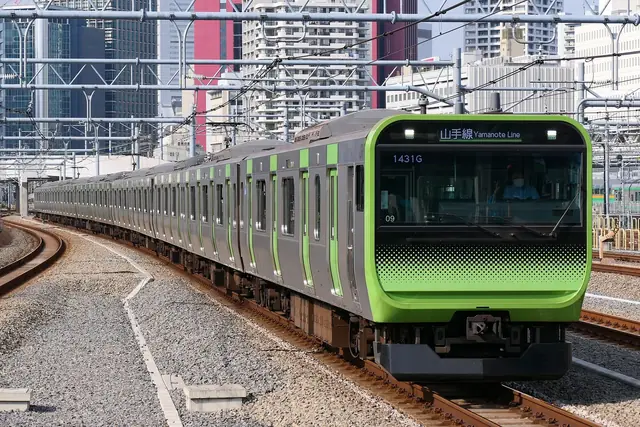
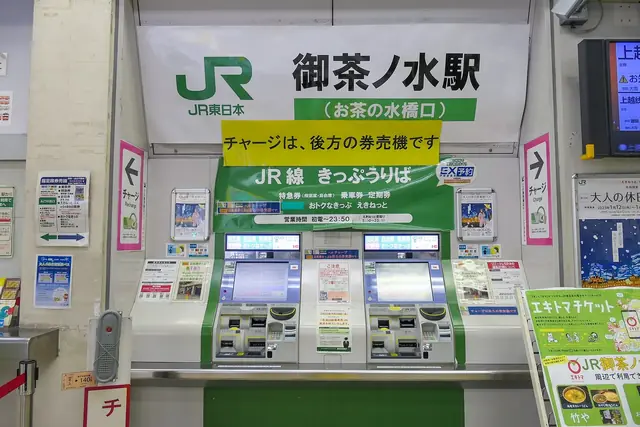
In the city, trains are the answer. Buy a Suica or PASMO card from a station machine, or add Suica to the wallet on an iPhone, top it up with cash and tap in and out on trains, subways and buses. Map apps give you platforms, exits and fares. Trains run from about 5am to around midnight, and last trains on some lines leave earlier, so check yours before a late night.
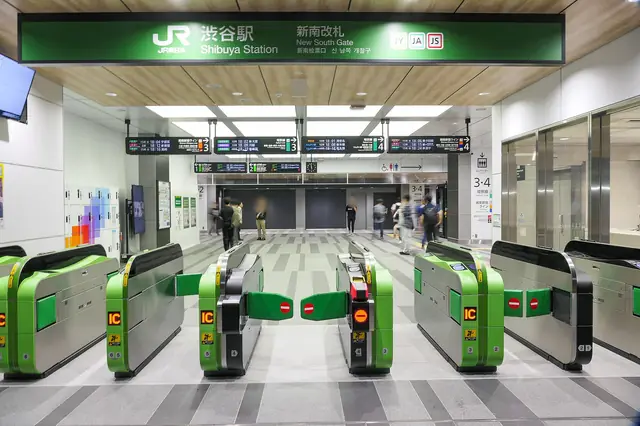
- Exits matter. Big stations have dozens, so look up the exit closest to where you are going.
Money and phones
Cards work in hotels, department stores, convenience stores, chain shops and most restaurants. Cash is still needed at festival stalls, small bars and restaurants, shrine and temple offices and some ticket counters, so keep a few thousand yen on you. ATMs at 7-Eleven stores and post offices accept most foreign cards. There is no tipping in Japan: the price you see is the price you pay.
From 1 November 2026, Japan uses a refund system for tax-free shopping: instead of buying without tax, you pay the full price in the shop and show your passport, then get the tax back after a customs check at the airport, which you do before check-in. For data, an eSIM bought before you fly is the simplest choice, and free Wi-Fi in stations and cafes covers the gaps.
- If you plan to claim tax back, allow extra time at the airport for the customs check.
Etiquette: the few things that matter
Tokyo is polite but not formal, and nobody expects visitors to know every rule. A few matter a lot. Trains are quiet: talk softly, don't take phone calls, and when it is crowded wear your backpack on your front or put it on the rack. Queue where the platform markings show and let people off first. On escalators, people in Tokyo stand on the left and leave the right side free.
Bins are rare, so carry a small bag for rubbish and take it back to your hotel or to the sorted bins at a convenience store. Smoking on the street is banned in much of central Tokyo outside marked smoking areas. Take your shoes off where you see a step up and a row of slippers: homes, some restaurants, temple halls and fitting rooms. At a shrine, a small bow at the gate and a quiet prayer are all anyone expects.
- Eating while walking is frowned on in busy streets. Eat by the stall or on a bench.
- At hot springs and sento, wash before you get in, and check the tattoo rule before you go.
How to find what's on during your dates
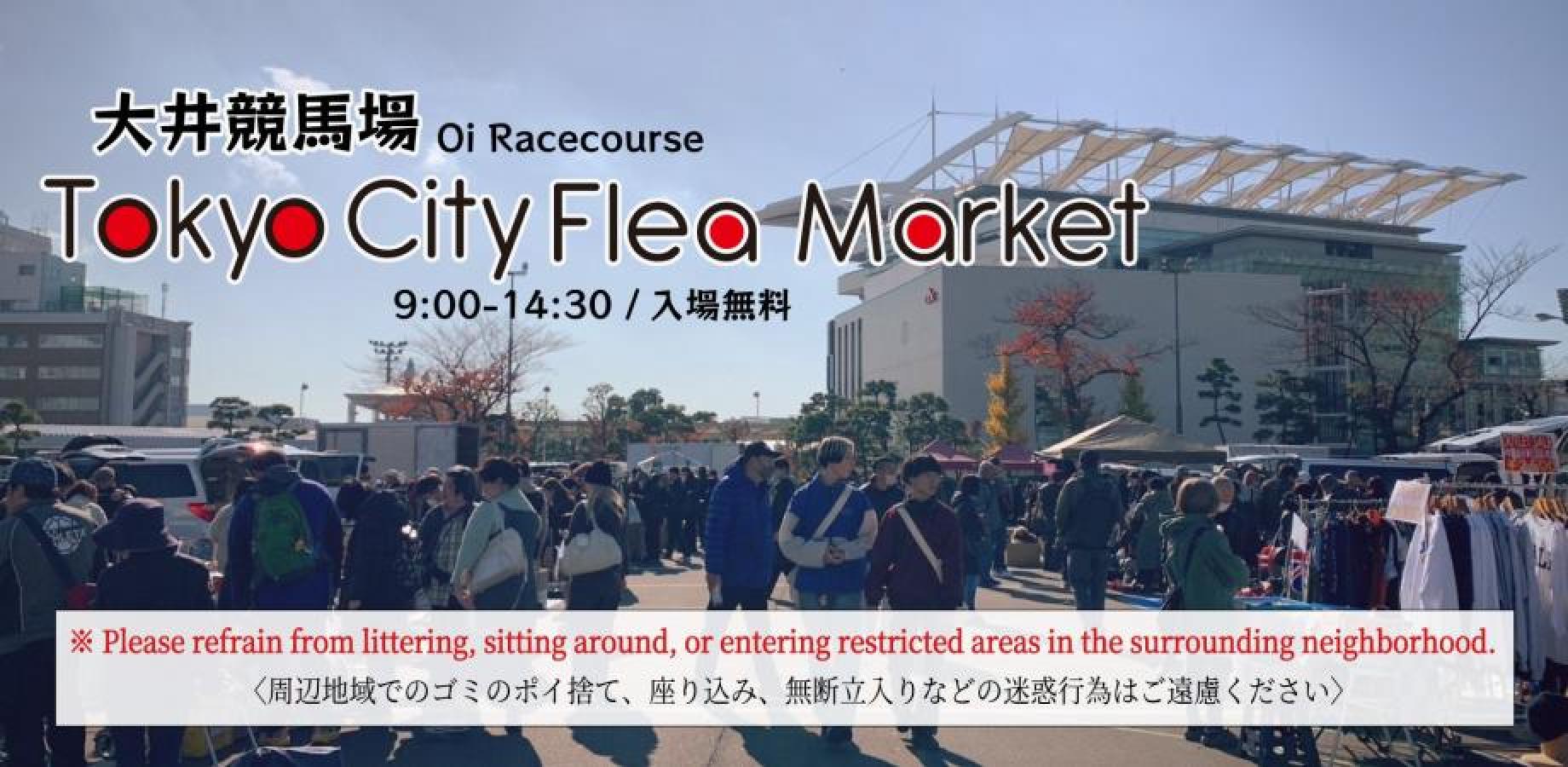
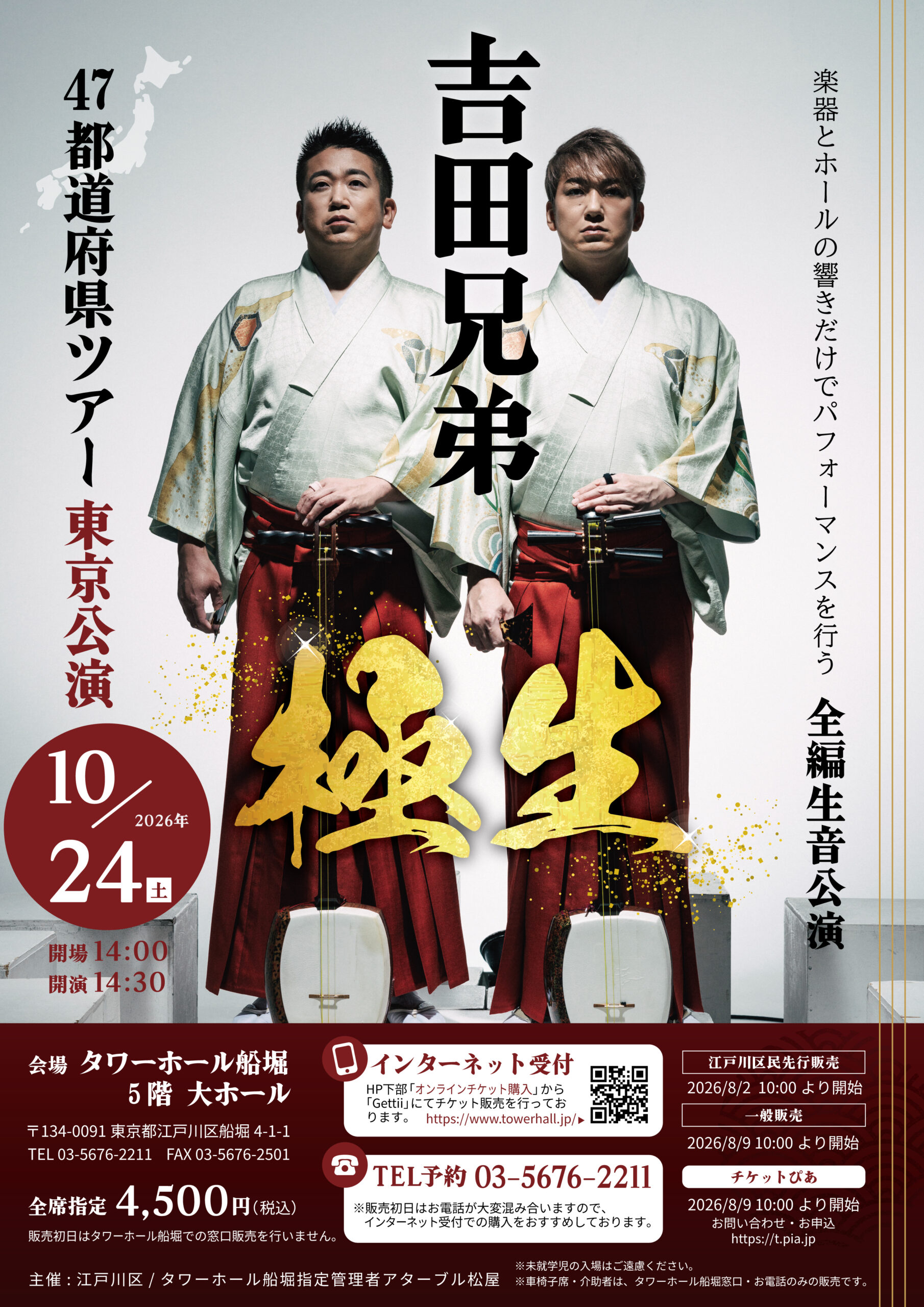
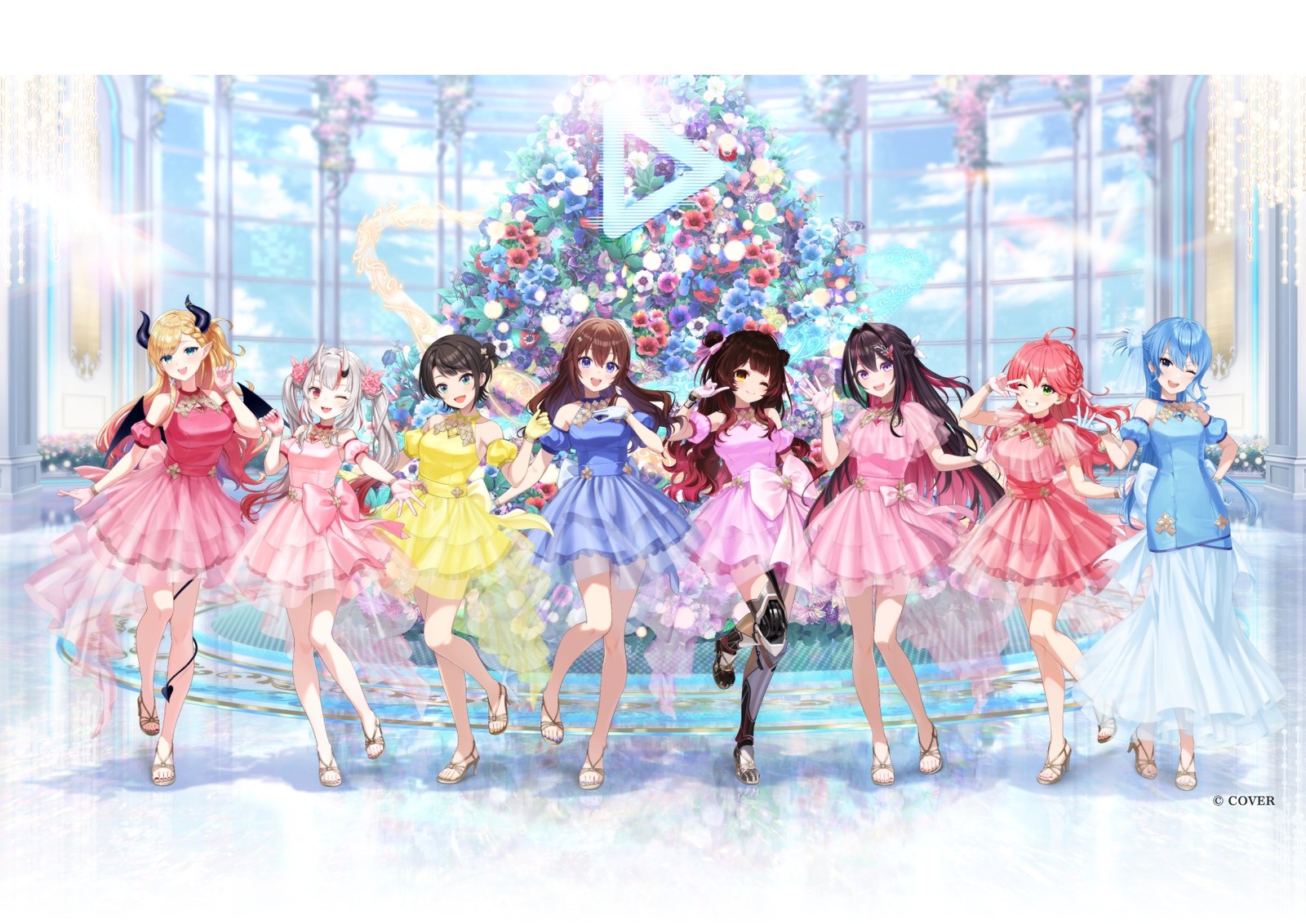
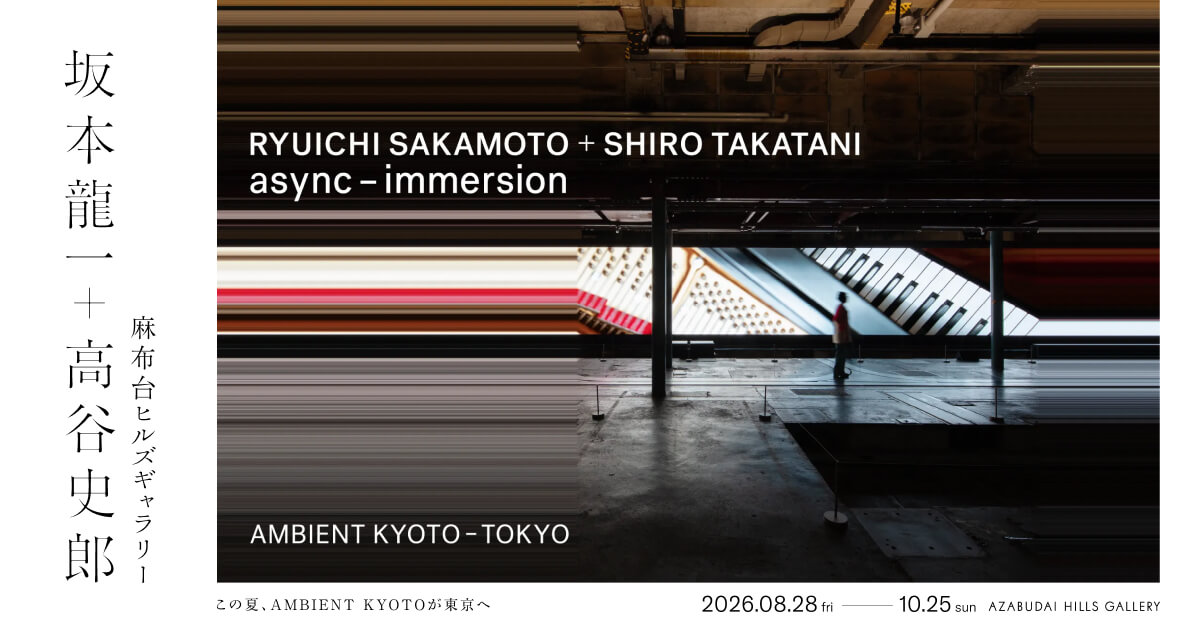
Tokyo always has something on, so look at your actual dates rather than a generic list of sights. On this site, the calendar shows what is on each day, and the today, this weekend and this week pages can be narrowed by area and type. The list on this page shows the biggest events of the coming seven days.
Open an event to see where it is, and follow the link to its official page for tickets, times and the rain policy. Tap the heart to save it: favourites stay on your device, with no account needed. You can add an event to Google or Apple Calendar, or ask for an email reminder.
- 雨天中止 on an event page means it is cancelled in rain. 要予約 means you need to book.
A simple first day
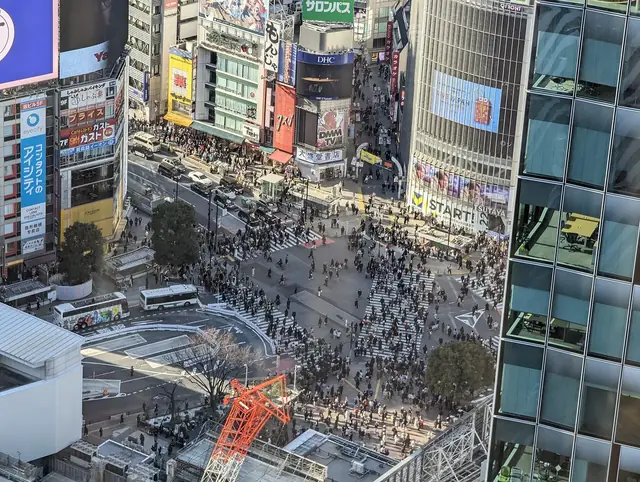
Jet lag usually wakes you early, so use it. Start at Meiji Jingu, quiet in the first hours after the gates open, then walk through Harajuku and down Omotesando for lunch. In the afternoon, cross the Shibuya scramble, look around the shops and go up Shibuya Sky for sunset if you booked it. If you didn't, the free observation decks of the Tokyo Metropolitan Government Building in Shinjuku stay open into the evening.
For dinner, try a small izakaya, or the yakitori lanes of Omoide Yokocho next to Shinjuku Station. If you still have energy, check the list for anything on tonight near you. Keep the first day light: the second day, once you have slept, is when the bigger plans work.