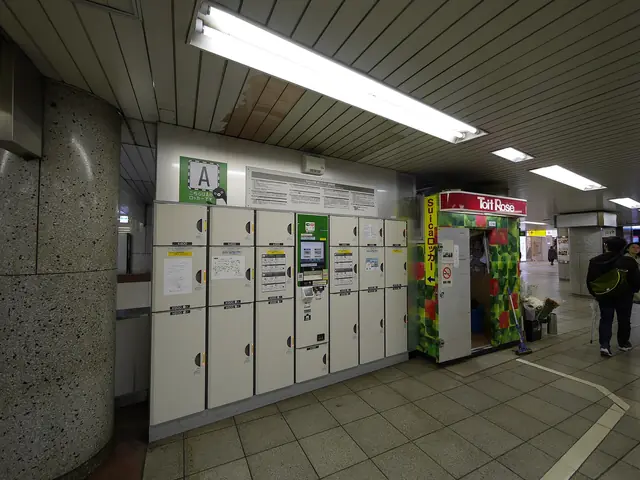
Coin lockers: sizes, payment and the rules
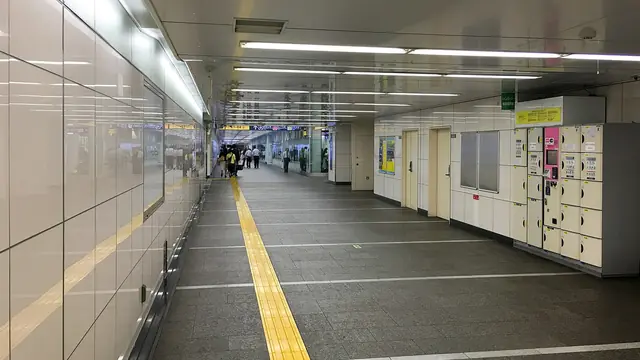
Every big station has coin lockers (コインロッカー) in rows inside and outside the ticket gates. According to JR East, its lockers usually cost about ¥300 for the smallest size, ¥500 for small, ¥700 to ¥800 for medium and ¥900 to ¥1,000 for large per day. A backpack or a carry-on fits small or medium; a full-size suitcase needs a large locker, and those are always the scarcest.
Most lockers now have a touch screen and take Suica or PASMO, and some also take cash, QR payments or credit cards. With an IC card the card itself becomes your key, so open the locker with the same card; with cash or other payment you get a receipt with a PIN, so keep it safe. Older lockers still take ¥100 coins and give you a key.
Fees run by the calendar day, not by 24 hours: at many operators a new day starts at 2am. Lockers are normally for up to three days. After that the station operator empties the locker, keeps the contents for a while and charges for the extra days, as Tokyu's locker terms explain, for example. Lockers inside the gates can only be reached with a ticket, and station lockers generally follow train hours, from the first train to the last.
- Photograph the locker number and the sign above the bank. Big stations have dozens of locker banks and they look alike.
- Valuables, cash and passports do not go in lockers.
- Search ロッカー or coin locker in a map app to find banks you would not see from the main concourse.
Tokyo Station, Shinjuku and Shibuya: the large-locker problem
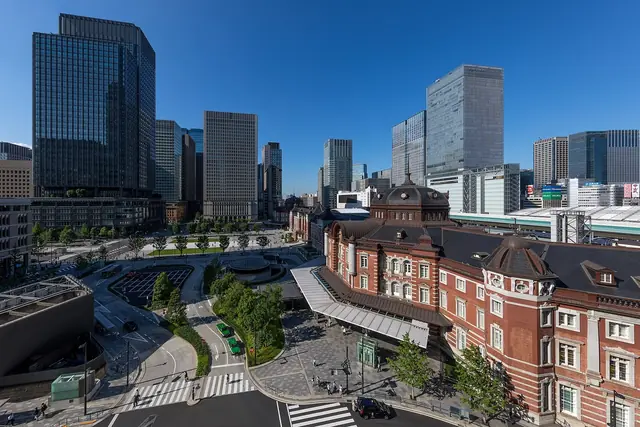
Tokyo Station has more than a hundred locker locations, JR East says, but the numbers show the problem: its biggest bank, on B1 inside the gates near Gransta, has over 900 lockers and only 40 of them are large. At Shinjuku, JR East notes that suitcase-size lockers can be almost full before noon. Weekends, holidays and days with a big concert or event are the worst.
The fix is to book. JR East's Multi Ecube lockers at stations such as Tokyo, Shinjuku, Shinagawa, Shibuya and Yokohama show free lockers by size in real time, which anyone can search, and you can reserve one up to a month ahead after registering with an email address and a credit card. Reservations add ¥500 per locker to the normal fee and cover up to three days. Without a booking, try banks away from the main lines: at Tokyo Station, JR East points to the lockers in the Keiyo Line underground passage, which are often emptier.
- Arriving on a weekend morning with a big case? Book a locker, or go straight to a staffed counter.
- Multi Ecube emails the locker details and a QR code early on the morning of your booking; you scan it at the locker's panel.
Staffed counters, hotels and storage apps
When the lockers are full or the bag is too big, look for a staffed storage counter (手荷物一時預かり). Big stations have them in or near the gates, priced per item by size, and some open only on certain days. Your hotel is often the simplest place of all: most hotels keep guests' bags before check-in and after check-out, usually for free.
Storage apps fill the gaps. ecbo cloak lists spare space in shops, cafes and station counters, and in December 2025 it added several hundred 7-Eleven stores. You book and pay in the app or on the website, then drop the bag off. Its standard price is ¥500 a day for a bag and ¥800 for a suitcase (anything over 45 cm on its longest side), with exceptions such as some JR station counters at ¥1,000 per item. Radical Storage works the same way with its own network of shops.
- Check the closing time: storage is charged per business day, and a late return can mean waiting until morning and paying an extra day.
- Ask your hotel first on arrival and departure days. It saves both a fee and a detour.
Sending bags ahead: takkyubin, same-day delivery and the airport
Japan's delivery services (宅急便, takkyubin) carry suitcases between hotels, airports and homes, usually arriving the next day. Yamato Transport and Sagawa are the two names you will see most. Hotel front desks can arrange it, as can counters at stations and airports and many convenience stores. As a guide, Sagawa lists ¥2,180 per suitcase for a regular delivery within Tokyo as of October 2026, and ¥3,390 for same-day hotel delivery from Narita.
Same-day delivery inside the city is easy to book. With Multi Ecube's locker-to-hotel service you drop the case in a locker at stations such as Tokyo, Shinjuku, Ueno, Shinagawa, Ikebukuro or Shibuya by 11am, and it reaches your hotel by 6pm, for hotels in the 23 wards and Urayasu. Yamato's hands-free travel counters offer storage and same-day delivery too, including to Haneda.
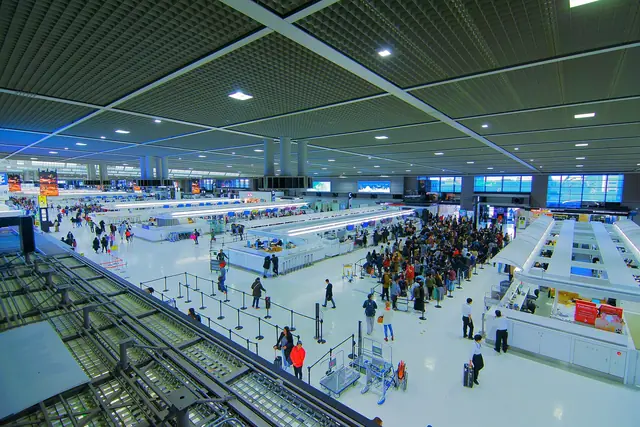
Both airports have delivery counters in the arrival halls and pickup counters on the departure floors, listed on the Narita and Haneda sites; at Haneda's Terminal 3 they are in the 2F arrival lobby. Same-day delivery from the airport works only if you land in the morning, since counters have an early cut-off. For a flight home, send the case ahead and check the counter's deadline for your flight.
- Keep an overnight bag with you: next-day delivery means a night without the suitcase.
- Have your hotel's address and the booking name ready, in Japanese if possible.
- For the airport, give the counter your flight number, date and terminal.
Big luggage on the shinkansen
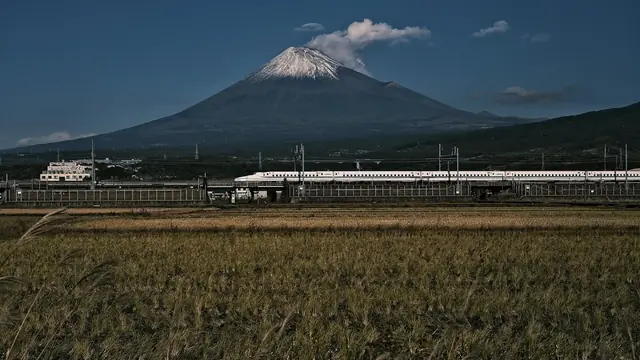
On the Tokaido Shinkansen from Tokyo to Kyoto and Osaka, and the Sanyo and Kyushu lines beyond, bags with a total of length, width and height between 161 and 250 cm need a seat with an oversized baggage area, booked together with your ticket. Bring one without a booking and JR Central charges a ¥1,000 fee; anything over 250 cm cannot come on board. Bags of 160 cm or less go on the overhead racks or in the baggage storage on the deck, with no reservation. A large checked-in suitcase is often close to the 160 cm line, so measure yours.
The oversized-baggage seats are the last rows of some cars, and their space is shared by the passengers in that row. On JR East's shinkansen lines (towards Sendai, Niigata or Kanazawa) no booking is needed: the large-luggage spaces are first come, first served, and some trains have none. The easiest way round all of this is to send the suitcase to your Kyoto or Osaka hotel the day before and ride with a day bag.
- Choose the seat with an oversized baggage area in the booking options, not after boarding.
- Travelling with a big case on a busy day? Book early, as these seats sell out first.