Japan's oldest museum
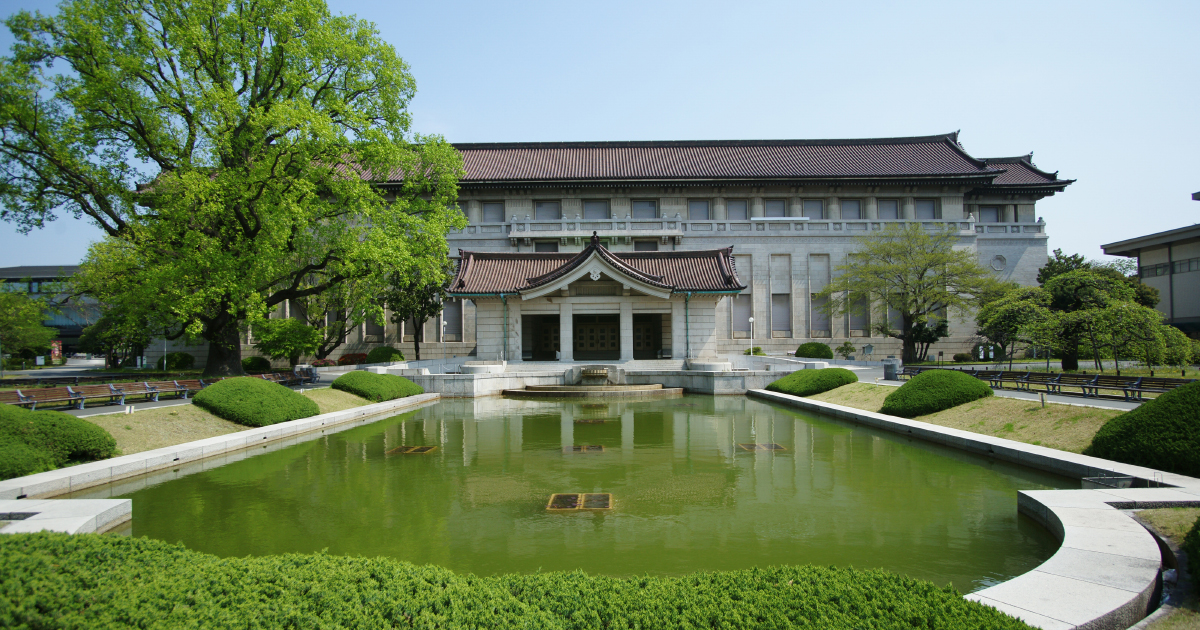
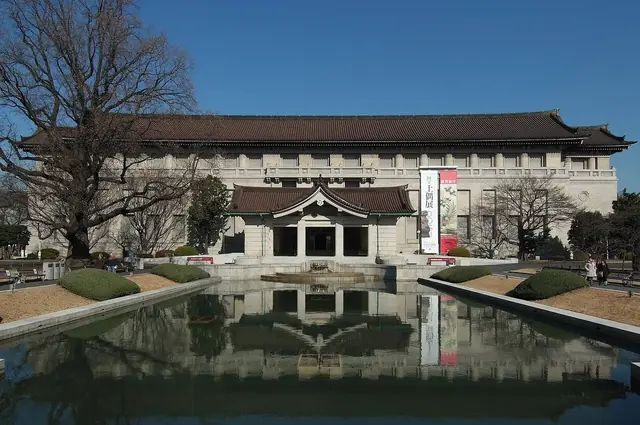
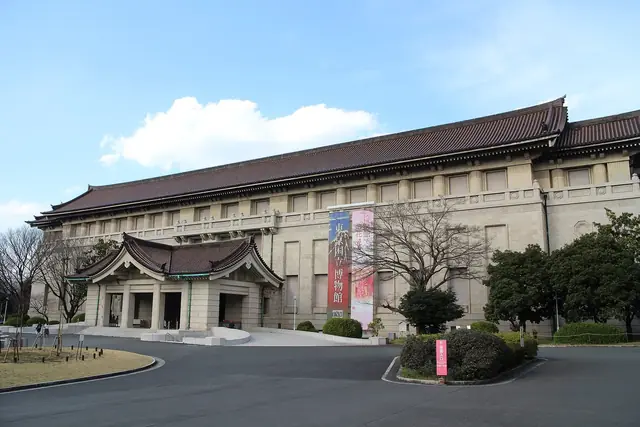
The museum grew out of an exhibition held at the Yushima Seido in 1872 and moved to Ueno soon after. Its first main building, by the British architect Josiah Conder, was ruined in the 1923 Great Kanto earthquake. The present Honkan, designed by Jin Watanabe and opened in 1938, is a concrete building topped with a Japanese tiled roof, now an Important Cultural Property.
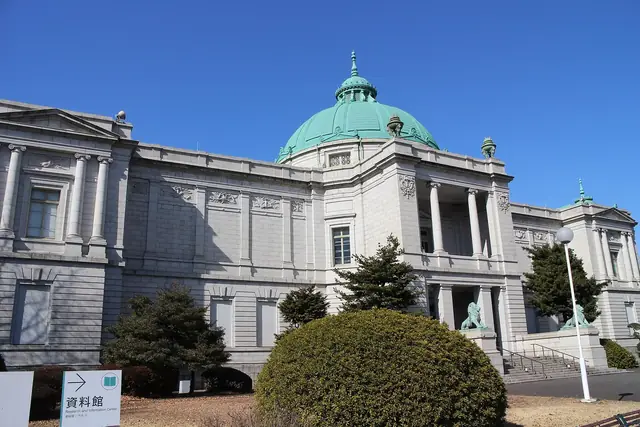
On the left of the front courtyard stands the Hyokeikan, a domed Western-style building opened in 1909 to mark an imperial wedding, also an Important Cultural Property. It now opens only for special exhibitions and events.
What to see
Start with the Honkan, straight ahead from the main gate. Its second floor walks you through Japanese art in chronological order, from Jomon pottery to Edo-period painting and prints, and the museum itself says you can see this highlights route in about 30 minutes. The first floor has rooms for sculpture, swords, lacquer and ceramics, plus a room on Ainu and Ryukyu culture. Paintings and textiles are fragile, so they are changed every few weeks and the displays differ from visit to visit.
The Toyokan, designed by Yoshiro Taniguchi and opened in 1968, covers Asian art from China and Korea to Southeast Asia, India and Egypt. The Heiseikan, behind the Honkan, holds the big special exhibitions upstairs and a Japanese archaeology gallery on the ground floor, with haniwa figures and clay dogu.
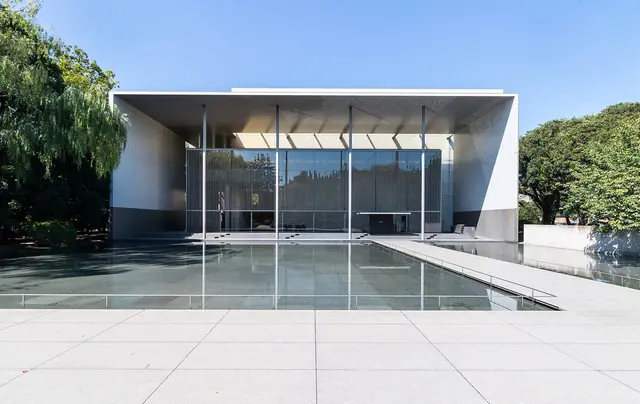
The Gallery of Horyuji Treasures, a calm modern building by Yoshio Taniguchi from 1999, keeps the 319 objects that the temple Horyuji gave to the imperial household in 1878. The room of small gilt bronze Buddhas, lit in near darkness, is one of the quietest spaces in Ueno. Kuroda Memorial Hall, just outside the main grounds, is free and shows the painter Kuroda Seiki; its special room with his best-known works opens only a few times a year.
- Photos are allowed in most of the permanent galleries, without flash, tripods or selfie sticks. Special exhibitions usually ban them.
- Labels in the permanent galleries are in Japanese and English.
The year at the museum
The year opens with Hatsumode at the Museum, a regular New Year program in January with works on the theme of that year's zodiac animal and auspicious art across the Honkan and Toyokan, and taiko drums and a lion dance outside in the first days. In recent years Hasegawa Tohaku's Pine Trees screens, a National Treasure, have been shown for the first part of January.
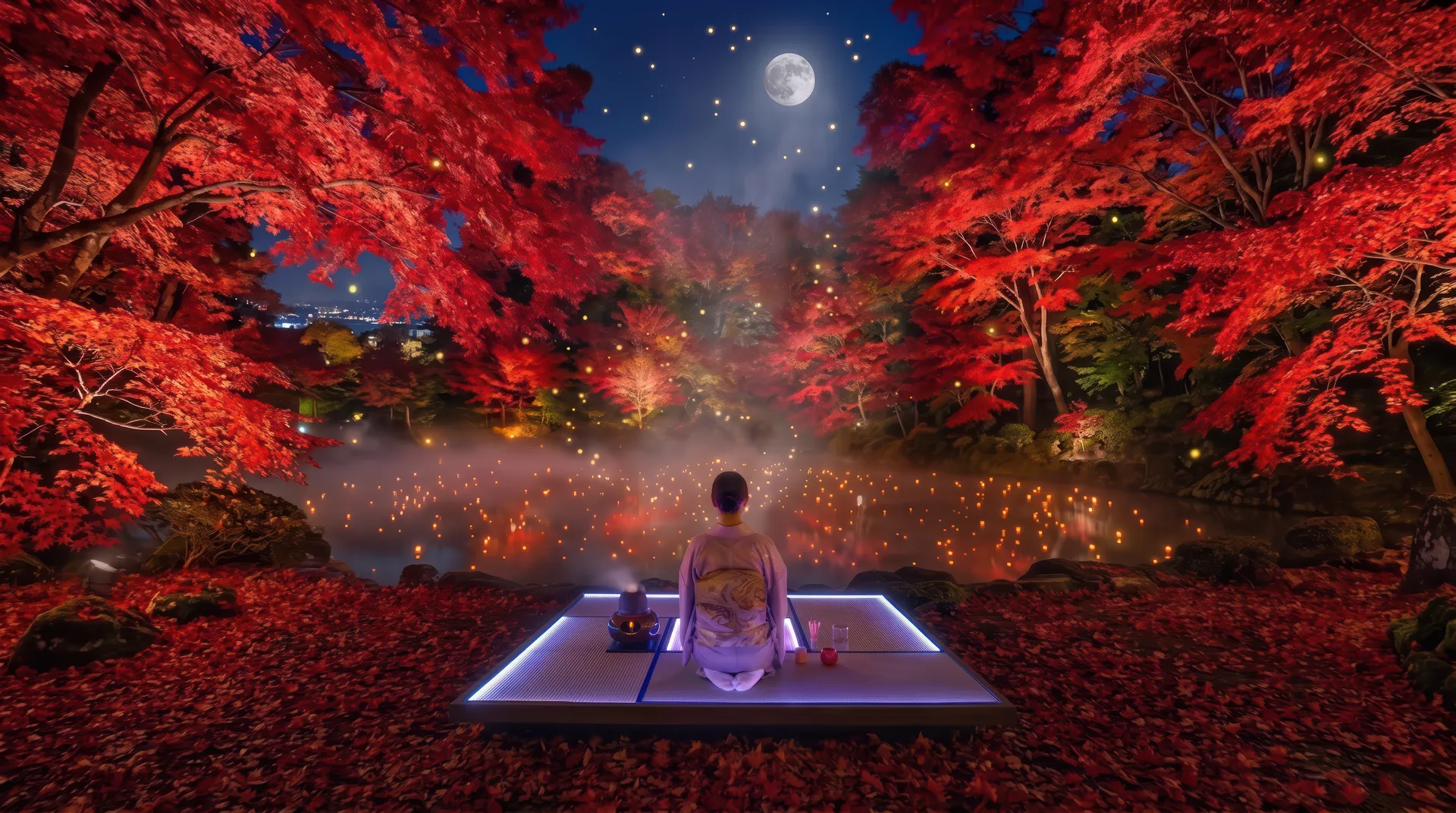
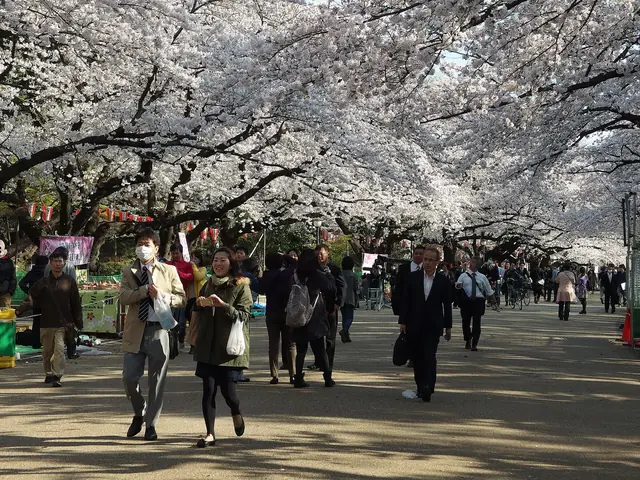
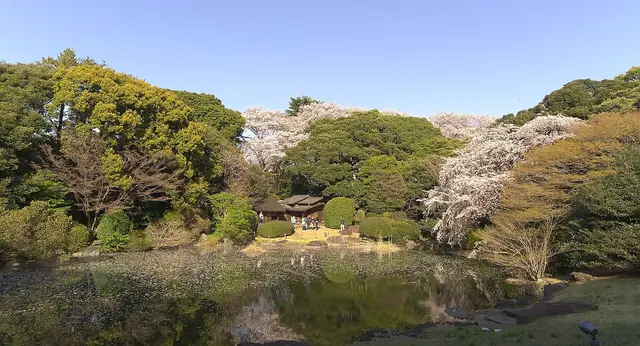
In spring the museum runs Cherry Blossom Viewing at the Museum, from about mid-March to early April, pairing cherry-themed art with the garden behind the Honkan, where around ten varieties of cherry flower in turn. The garden was renovated in 2021 and is now open through the year. Its five tea houses, brought from Kyoto, Nara and elsewhere, are seen from outside and rented for tea gatherings, and one of them, Okyokan, now houses a tea room. In late autumn the garden's maples turn.
Several big special exhibitions run each year in the Heiseikan, and the last weeks of a popular show are the most crowded. The permanent galleries are also free on a few days a year, in recent years including Culture Day (November 3).
Tickets, hours and crowds
The museum is usually open from 9:30am to 5pm and stays open until 8pm on Fridays and Saturdays. It is closed on Mondays (the next day when Monday is a holiday) and for about a week at the end of December. Parts of the museum close in turn for maintenance; at times a whole building such as the Toyokan shuts for a month, and single Honkan rooms can stay closed for several months, so check the official site before you go.
Tickets for the permanent galleries can be bought online with no time slot and are valid for about two months, which saves a queue that can pass 30 minutes at busy times. Visitors under 18 and over 70 enter the permanent galleries free with ID. Special exhibitions have their own tickets, which also include same-day entry to the permanent galleries, and very popular shows sometimes use timed entry. Same-day re-entry works if staff stamp your ticket at the exit.
Weekday mornings and Friday or Saturday evenings are the calmest. The museum's restaurants changed operators in 2026 and have reopened: a restaurant and a garden cafe in the Toyokan annex, a sushi restaurant in the Horyuji gallery building, a coffee shop by Kuroda Memorial Hall, food trucks in the front courtyard and the TOHAKU Chakan tea cafe in the garden.
- Short on time? Do the Honkan second floor and the Horyuji gallery. That takes about an hour and a half.
- Kuroda Memorial Hall closes at 5pm even on late-opening evenings.
Getting there and nearby
The museum is about 10 minutes on foot from the Park Exit of JR Ueno Station or the South Exit of JR Uguisudani Station, and about 15 minutes from Ueno Station on the Ginza and Hibiya lines, from Keisei Ueno or from Nezu Station on the Chiyoda Line.
It sits at the north end of Ueno Park, a short walk from the National Museum of Western Art, the National Museum of Nature and Science, the Tokyo Metropolitan Art Museum and Ueno Zoo. Walk out toward Yanaka for old wooden streets and small cafes, or to Nezu Shrine, known for its spring azaleas. Ameyoko market by Ueno Station is good for a cheap meal on the way home.