The crossing, Hachiko and Center Gai
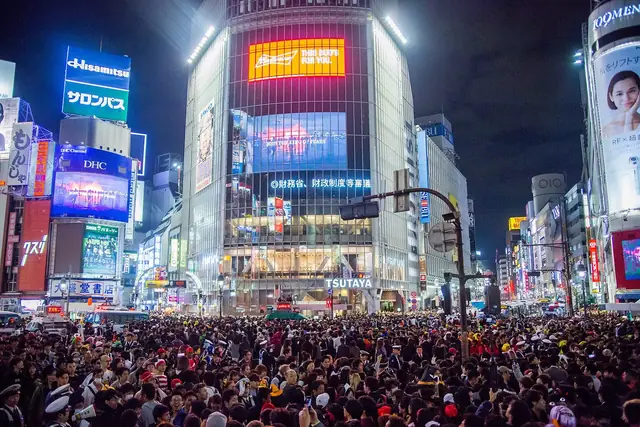
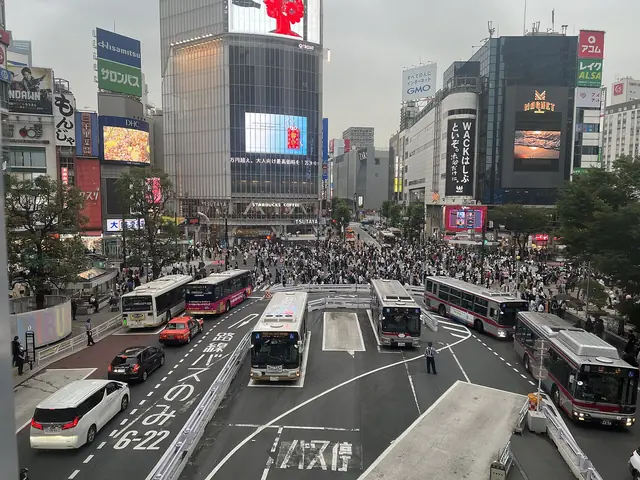
The Scramble Crossing outside the Hachiko exit has worked as a scramble since 1973: when the lights turn green, more than a thousand people can cross at once, diagonally too. Walk it once, then look at it from above. On the station side stands the statue of Hachiko, the Akita dog who kept coming to meet his owner, a university professor, for about ten years after the professor died in 1925. The first statue went up in 1934, and the one you see now dates from 1948. It is Tokyo's classic meeting point, so expect a short queue for photos.
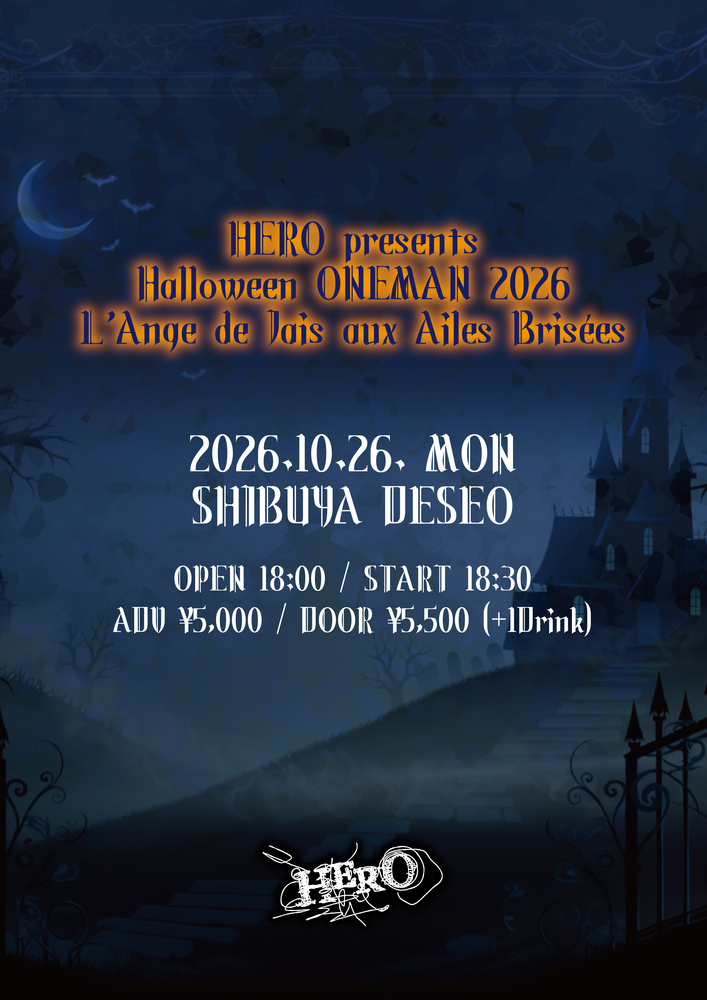
From the crossing, Center Gai runs north-west: a pedestrian street of about 350 metres, built over a buried river and packed with fast food, karaoke, game centres and young crowds. Beyond it, Shibuya PARCO has Nintendo TOKYO and Pokémon Center Shibuya on its sixth floor, and the side streets of Udagawacho hold record shops and live venues. To the south-west, Dogenzaka climbs past the 109 building towards Maruyamacho, Shibuya's club district.
- Do not stop in the middle of the crossing to film. The lights change fast and police move people along, especially at night.
- On busy days Nintendo TOKYO hands out numbered entry tickets, one per person, so go early on weekends.
Shibuya Sky and the best free views
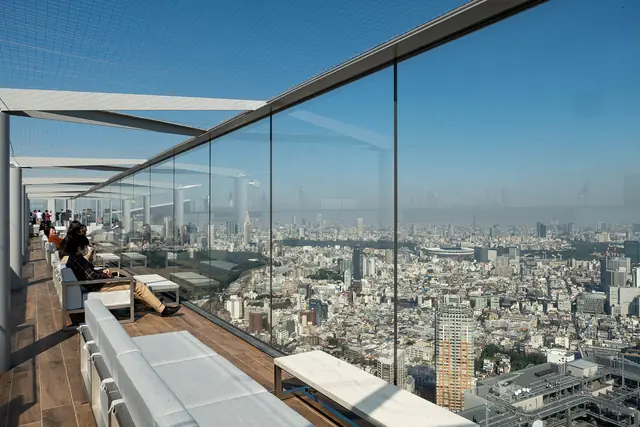
Shibuya Sky is the open-air rooftop of Shibuya Scramble Square, the station tower, about 230 metres tall, that opened in 2019. Entry is by timed ticket, sold online from midnight Japan time two weeks ahead. When a time slot sells out online, the counter has none left either, and sunset slots, especially at weekends, are the first to go. Slots from mid-afternoon on cost more than morning ones.
The rooftop has strict rules because of the wind. Bags, hats, tripods, selfie sticks and food are not allowed, so you leave them in lockers on the 46th floor and go up with a phone or a camera on a strap. The roof closes in rain, strong wind, thunder or extreme heat, while the indoor deck on the 46th floor stays open, and web tickets can be cancelled free on the day if the roof is closed at your time.
For the shot straight down onto the crossing, the rooftop lounge of MAGNET by SHIBUYA109, on the crossing's corner, charges an entry fee that includes a drink. The free views are lower: the window seats of the Starbucks in QFRONT, the building with the big screen facing the station, and the glass corridor between the JR station and Shibuya Mark City, where Taro Okamoto's huge mural Myth of Tomorrow hangs.
- Want sunset from Shibuya Sky? Buy the ticket as soon as sales open, two weeks before your date.
- On a windy or rainy day, check the rooftop status on the official site or X before you go up.
- Suitcases are not allowed in. Use a coin locker or the luggage service at the shibuya-san tourist centre in Shibuya Fukuras.
- Kids' tickets (11 and under) are sold only at the 14th-floor counter before entry, even when adult slots are sold out.
Miyashita Park, Shibuya Stream and the new Shibuya
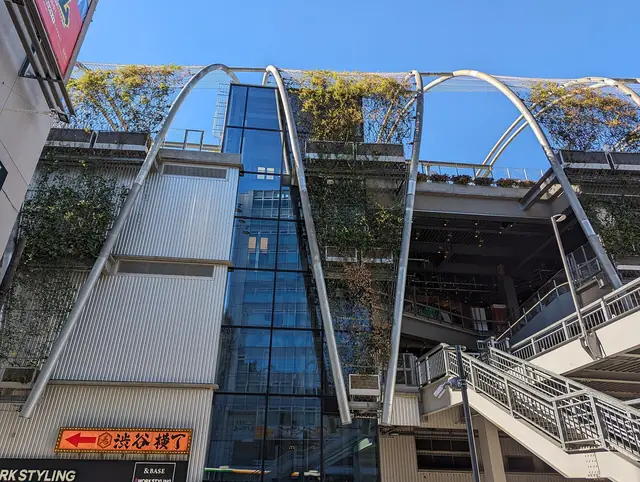
Shibuya has been rebuilding itself around the station since Shibuya Hikarie opened in 2012, and the work is planned to run into the 2030s. Shibuya Stream, opened in 2018 on the old Toyoko Line tracks, has restaurants along a new promenade by the Shibuya River that you can follow towards Daikanyama and Ebisu. Shibuya Sakura Stage, fully open since 2024 on the south-west side, adds shops and a new route into the station.
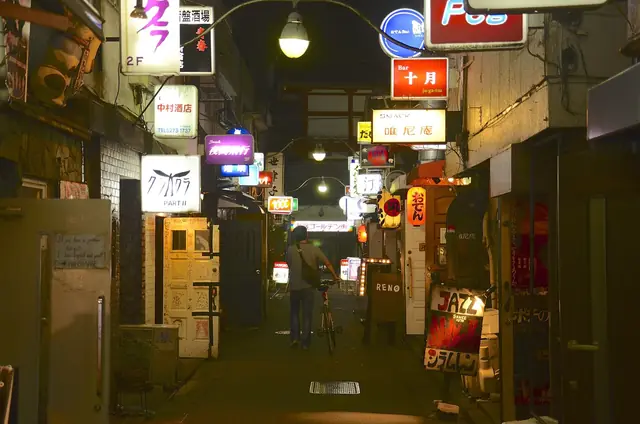
Miyashita Park, opened in 2020, is a long, low building between Shibuya and Harajuku with a public park on its roof: a lawn, a skate park, a bouldering wall and sports courts. Below are around 90 shops and Shibuya Yokocho, an alley of small bars and eateries. The rooftop lawn hosts free events, and in recent years a bon-odori dance party that mixes festival songs with club music. Around the station, walkways move as the building work goes on, so follow the signs.
Live music, clubs and the street-drinking rules
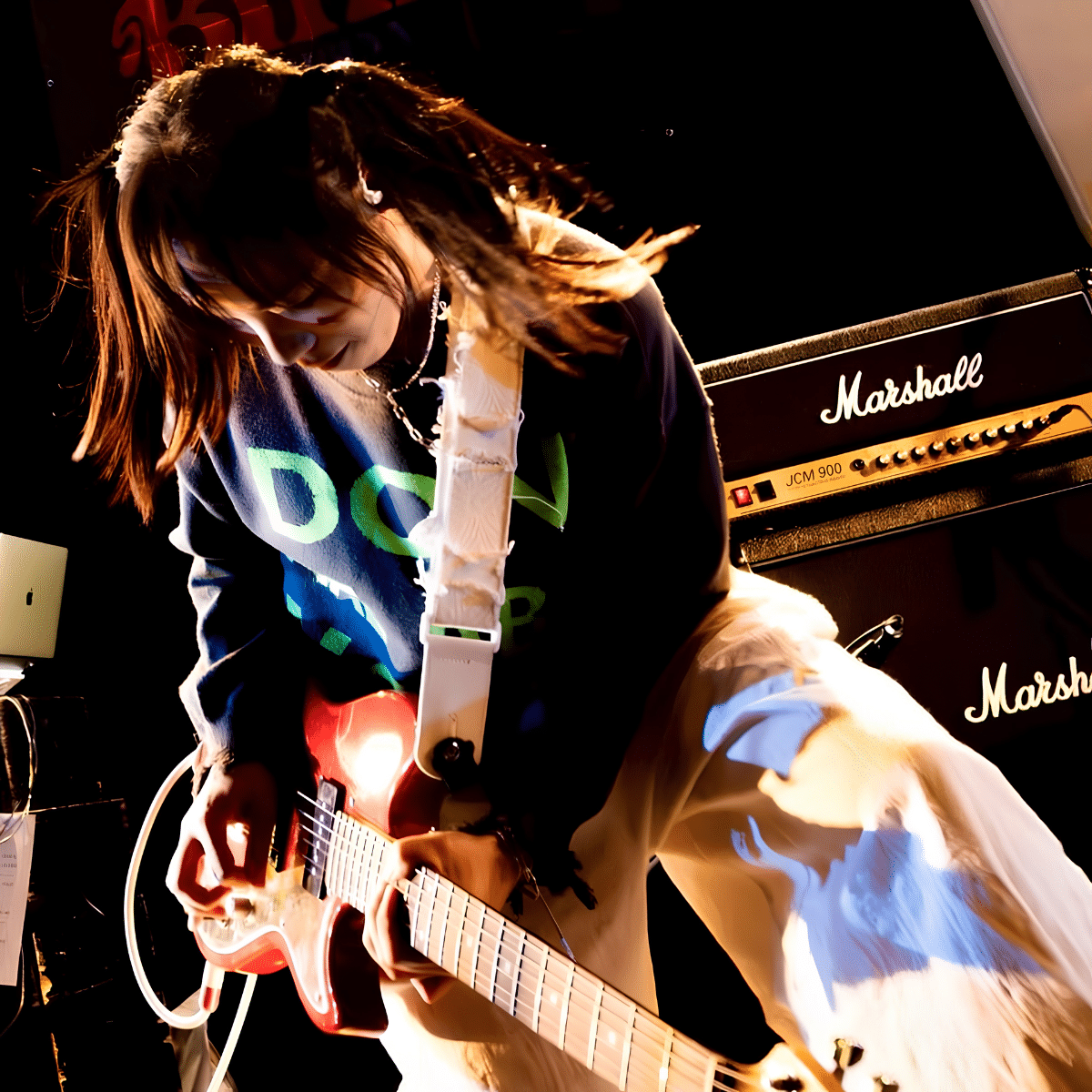
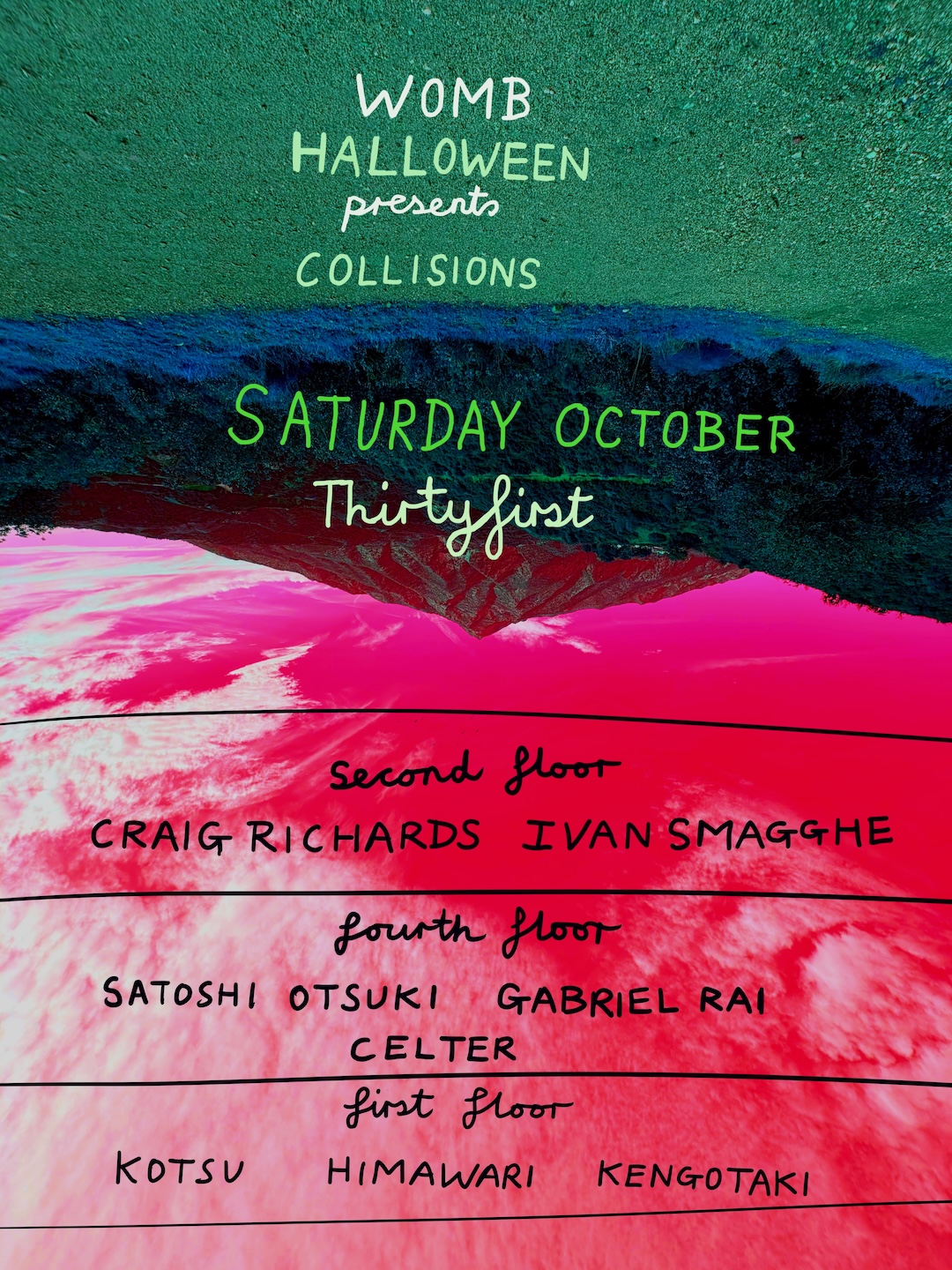
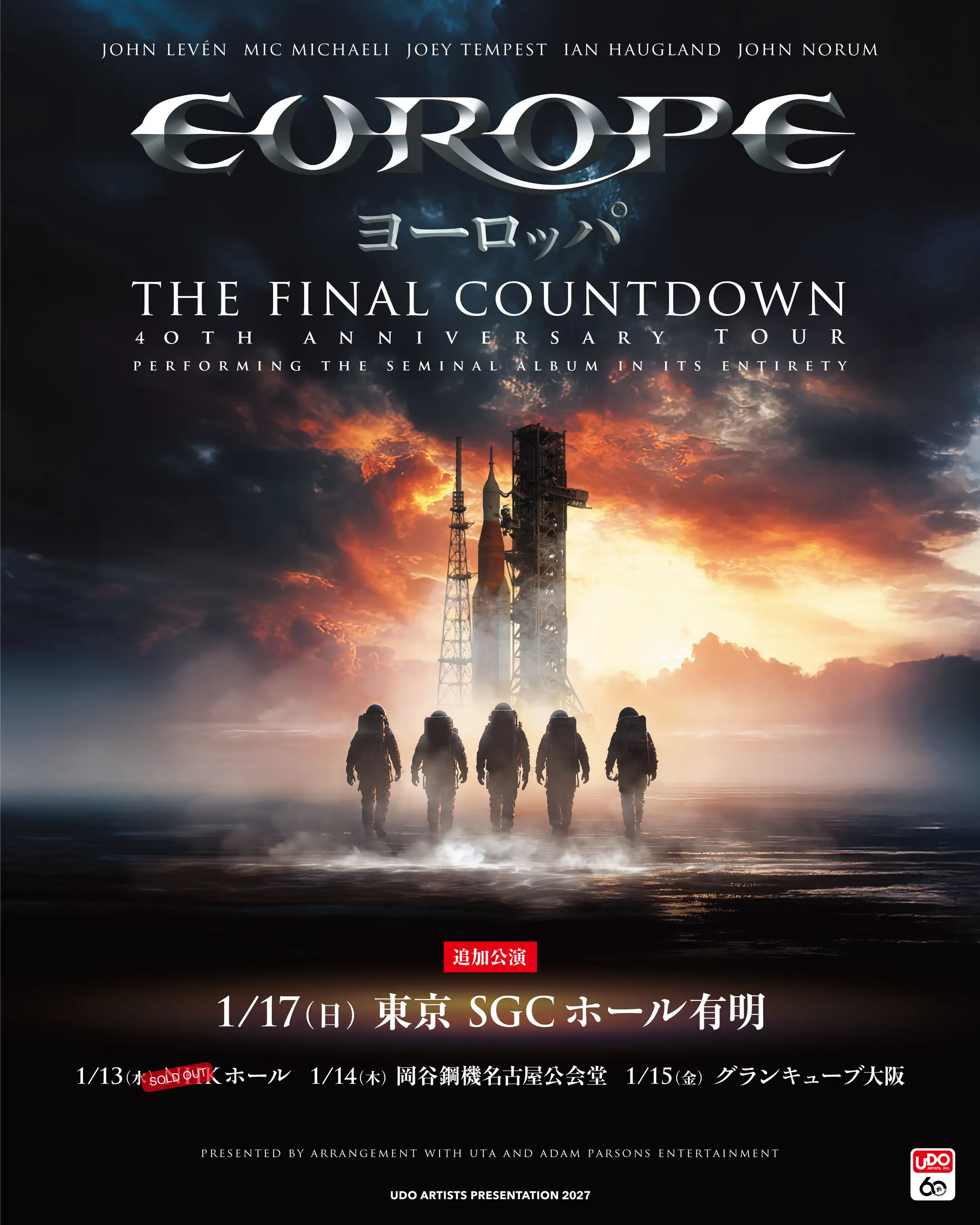
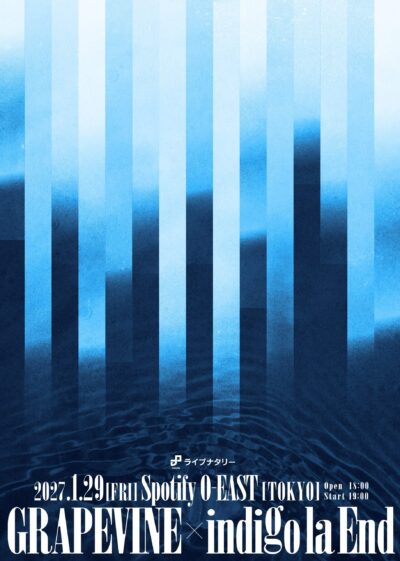
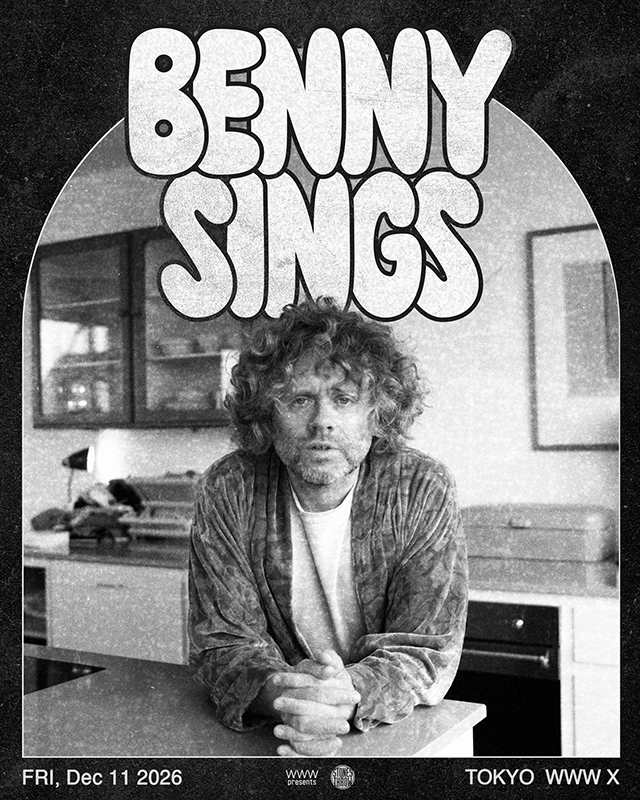
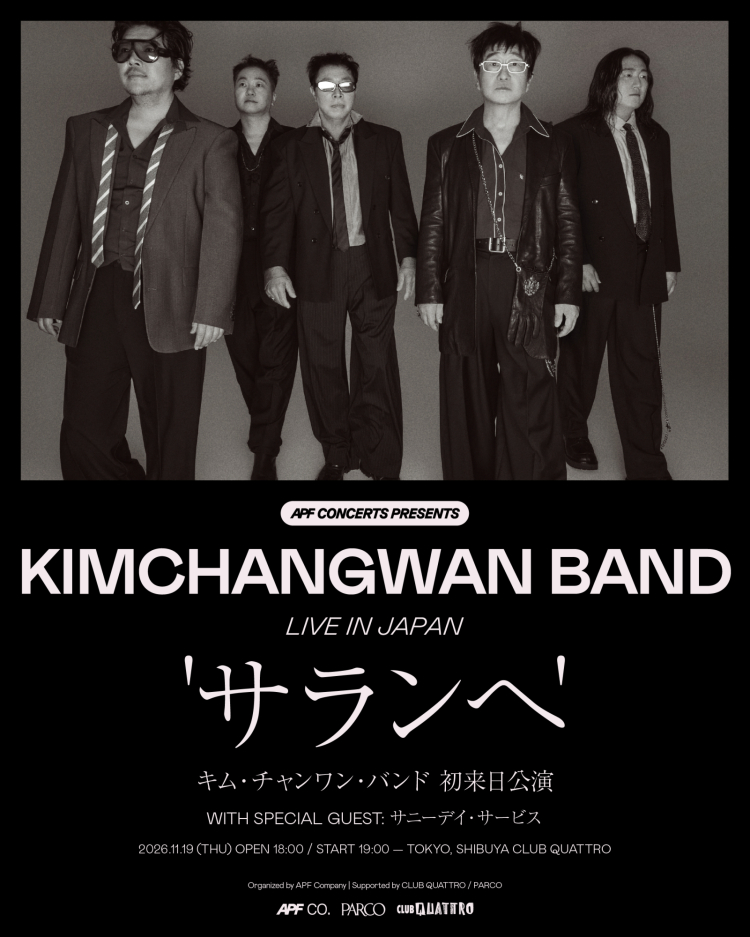
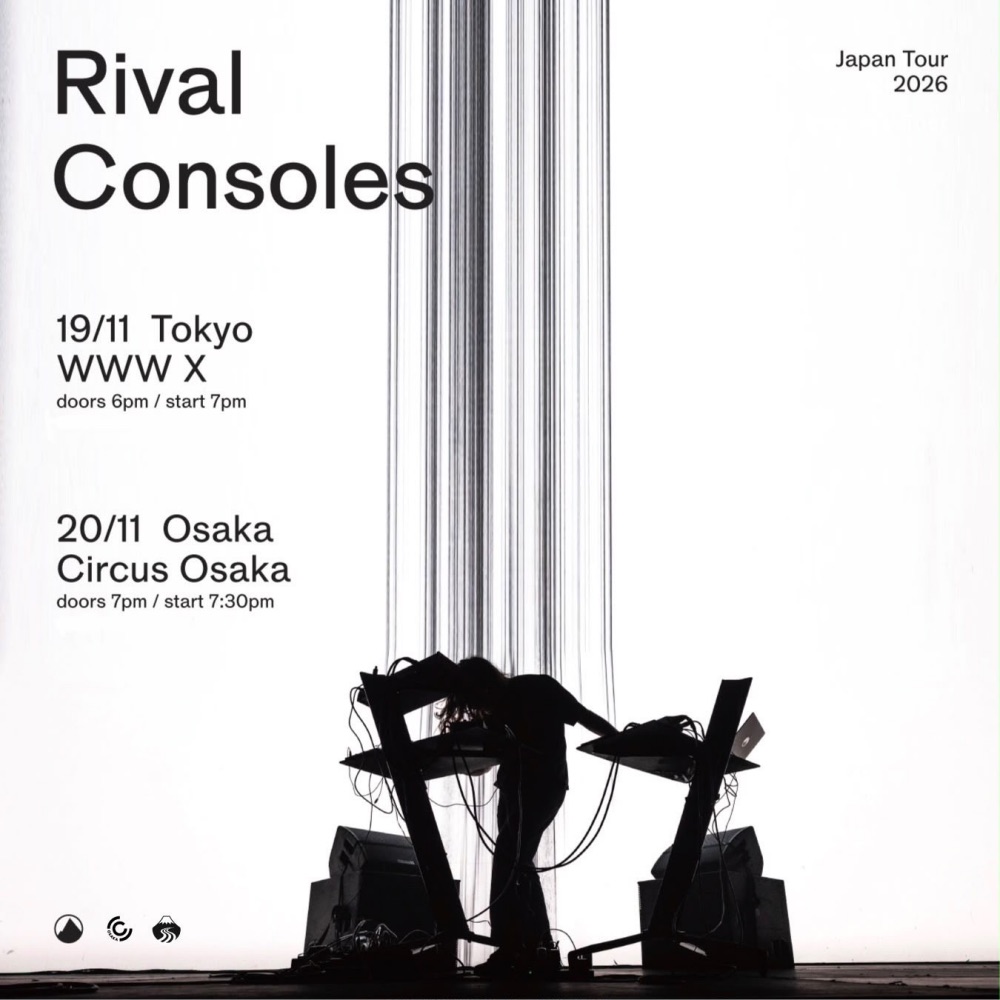
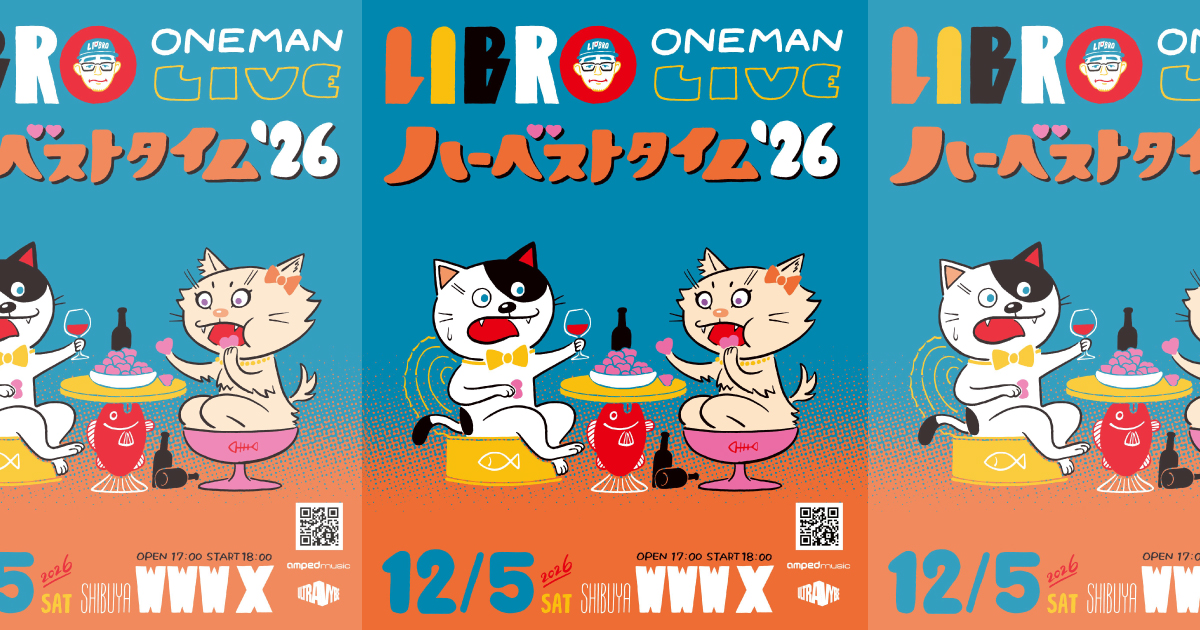
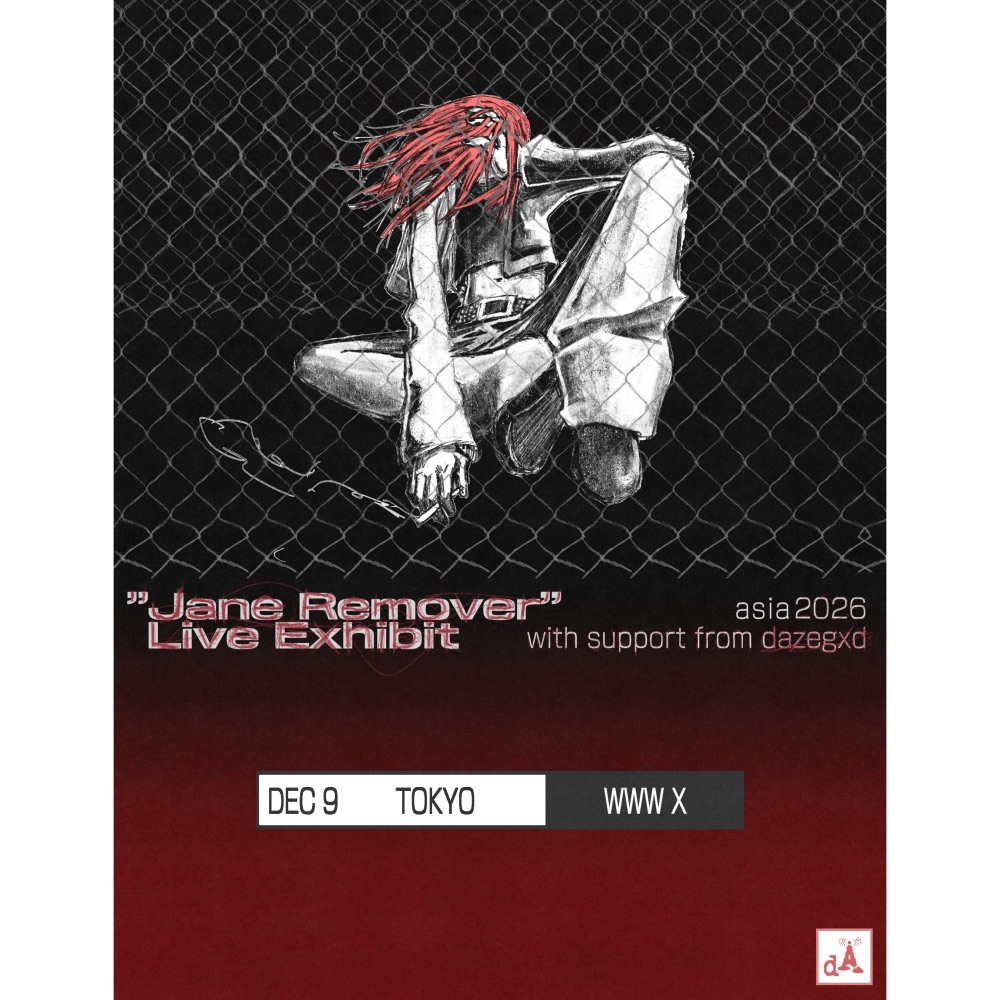
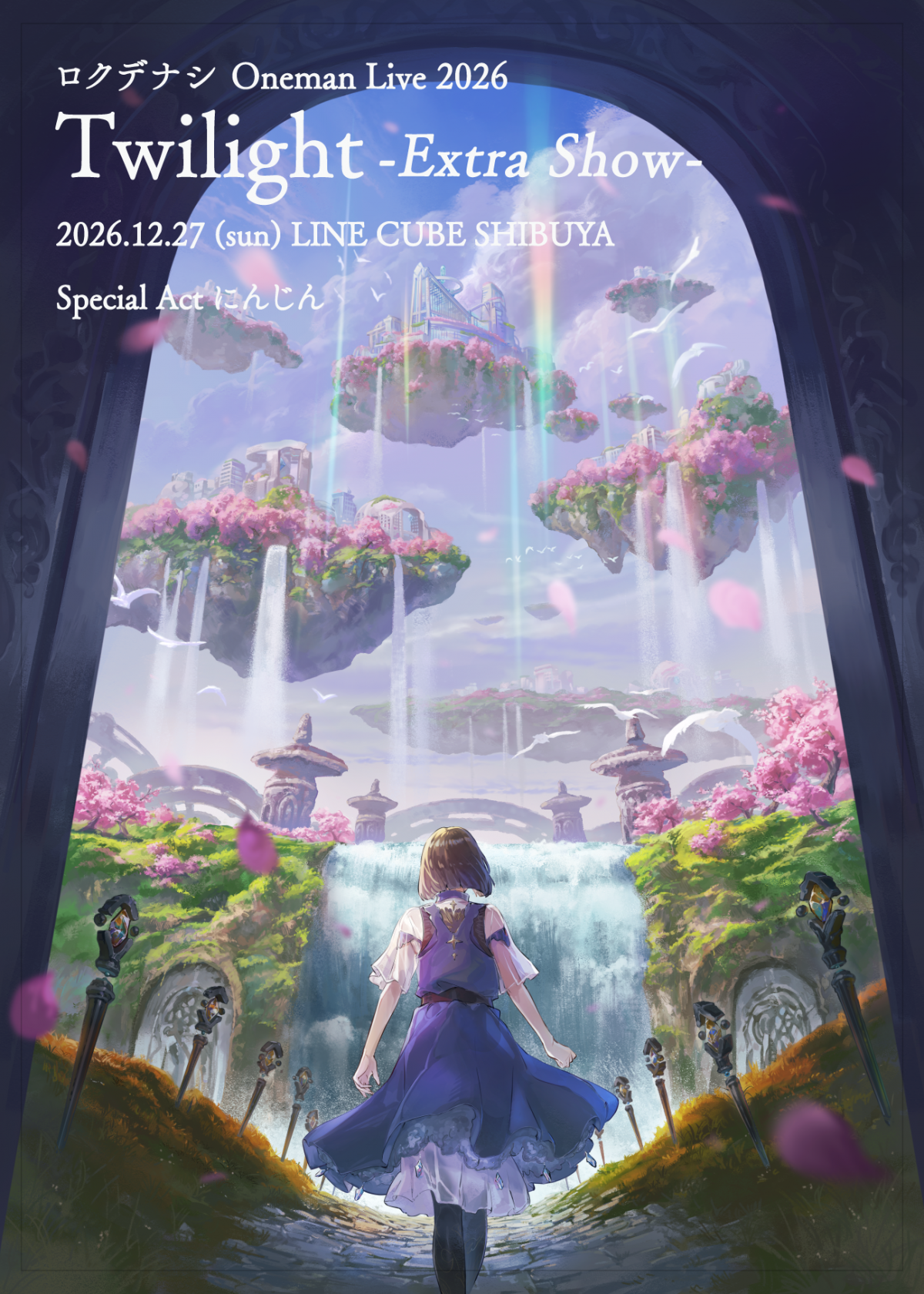
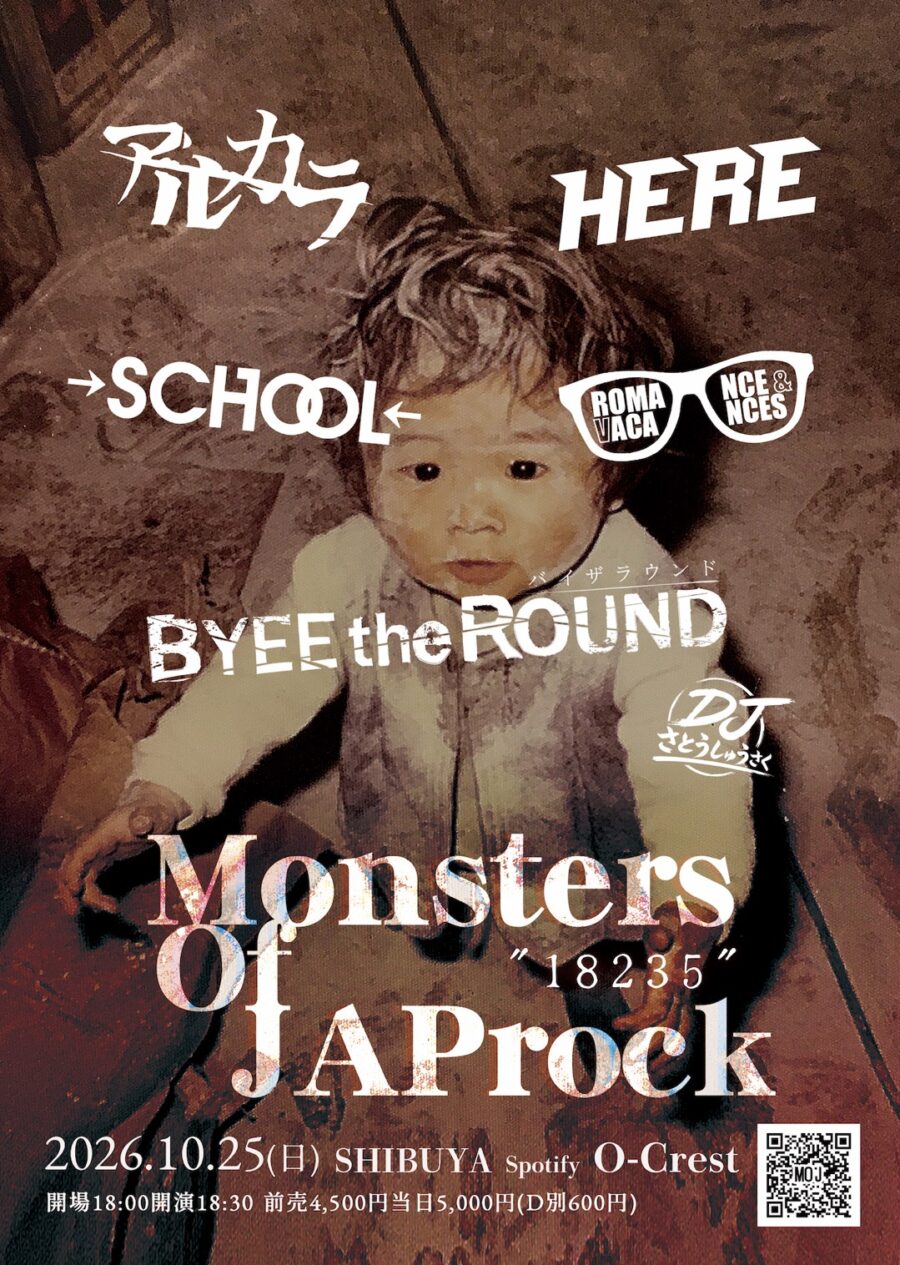
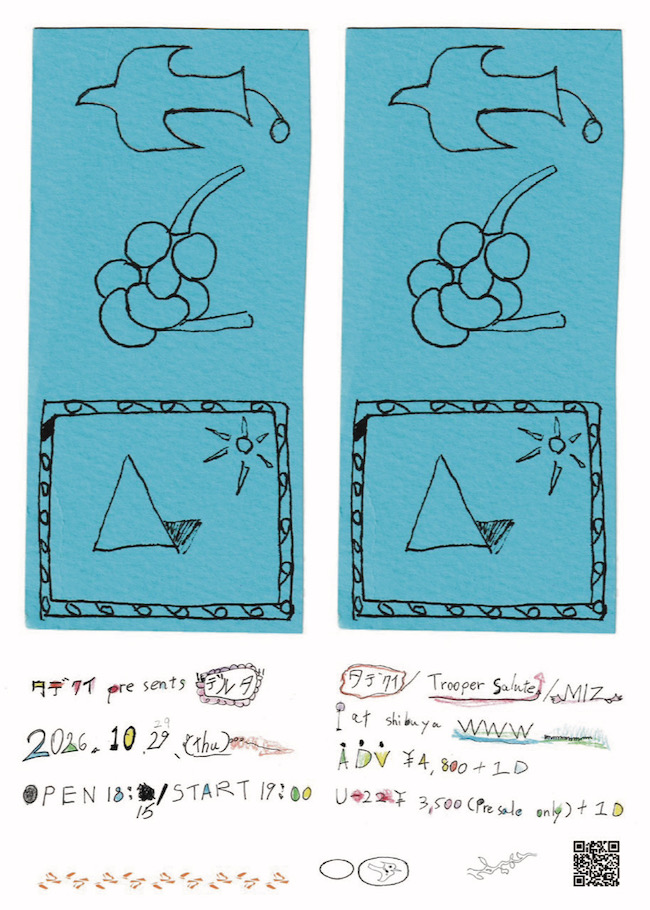
Shibuya has venues for every size of show. WWW and WWW X share a building in Udagawacho and book indie, electronic and overseas acts. Shibuya CLUB QUATTRO, also in Udagawacho, has been running since 1988 and holds around 800 people. In Maruyamacho, at the top of the Dogenzaka slope, Spotify O-EAST, O-WEST, O-Crest, O-nest and duo MUSIC EXCHANGE are a few minutes apart. Bigger halls include LINE CUBE SHIBUYA and NHK Hall by Yoyogi Park. Maruyamacho is also where the clubs are, led by WOMB, a long-running techno and house club. Clubs check photo ID and you must be 20, so bring your passport.
The rule visitors most often miss: since October 2024, drinking alcohol on the street, in parks and in other public spaces is banned all year from 6pm to 5am in a large zone around the station, including Center Gai, Dogenzaka, Maruyamacho and the Miyashita Park area. There is no fine, but patrols will ask you to stop. Halloween is the strictest time: the ward asks people not to come for a street party, and in recent years Hachiko has been fenced off, nearby shops have stopped selling alcohol in the evening and roads have been closed. If you want to dress up, go to a club party instead.
- Live houses charge a drink fee at the door on top of the ticket. Keep some cash ready.
- Gigs often start around 7pm. Club nights only fill up after 11pm and run until the first trains, from about 5am.
Festivals through the year and getting there
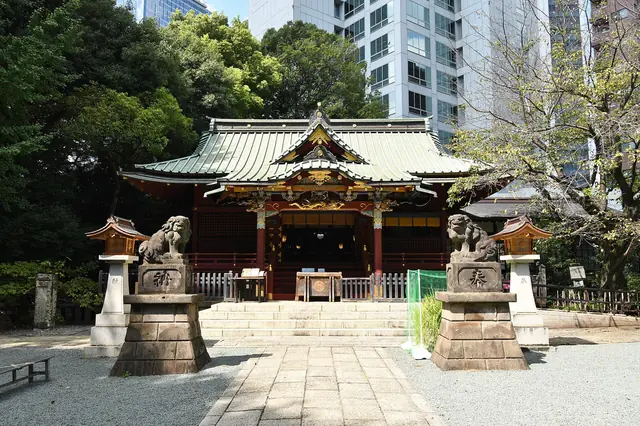
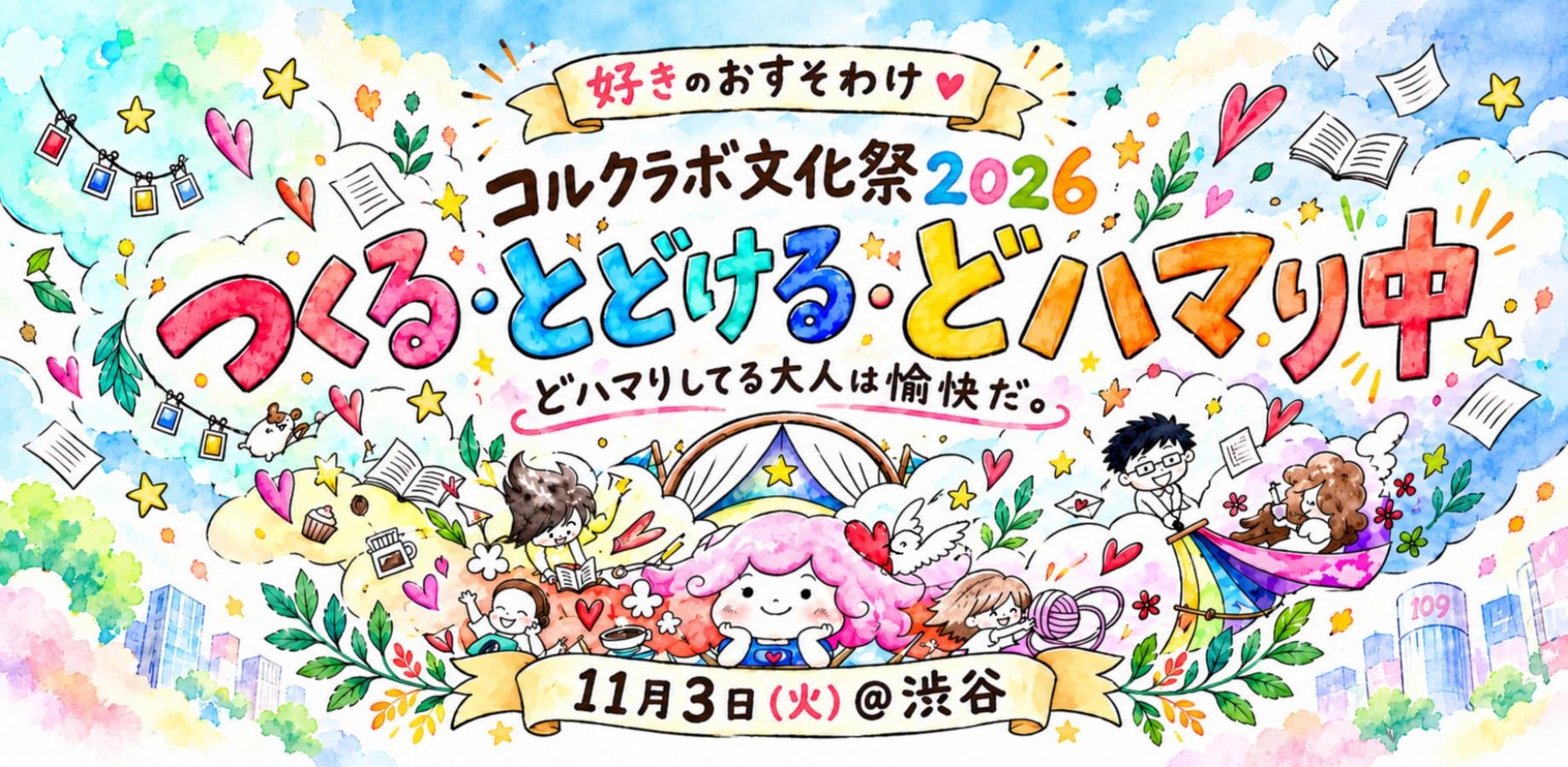
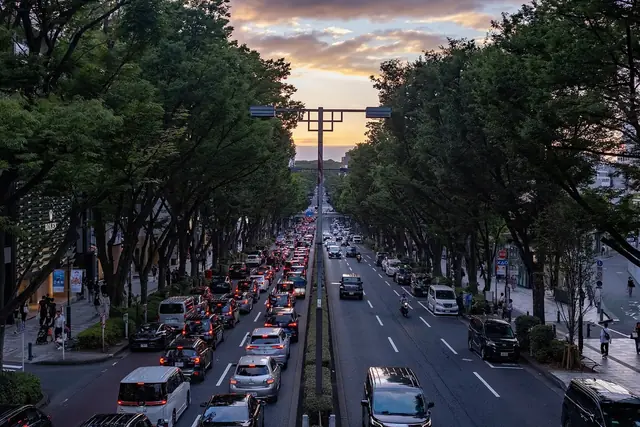
Shibuya's biggest traditional festival is the annual festival of Konno Hachimangu, the shrine a short walk east of the station, held on a weekend in September. More than a dozen neighbourhood mikoshi (portable shrines) are carried through the streets and meet in front of the 109 building to be lifted together. In November the Furusato Shibuya Festival, the ward's community festival, fills Yoyogi Park with stages, a parade and food stalls, and the park has a different festival on most weekends from spring to autumn. In winter, Omotesando in neighbouring Harajuku wraps its zelkova trees in lights.
Shibuya Station is served by JR (Yamanote, Saikyo and Shonan-Shinjuku lines), Tokyu (Toyoko and Den-en-toshi lines), the Keio Inokashira Line and the Ginza, Hanzomon and Fukutoshin subway lines. For the crossing, follow the signs to the Hachiko exit. Transfers can mean long walks while the station is rebuilt, so allow ten minutes between lines. Harajuku is about 15 minutes on foot through Miyashita Park or Cat Street, Shimokitazawa is a few minutes away on the Inokashira Line, and Daikanyama and Nakameguro are the first two stops on the Toyoko Line.
- Festival stalls usually want cash, and bins are rare. Carry small change and a bag for your rubbish.