What Skytree is
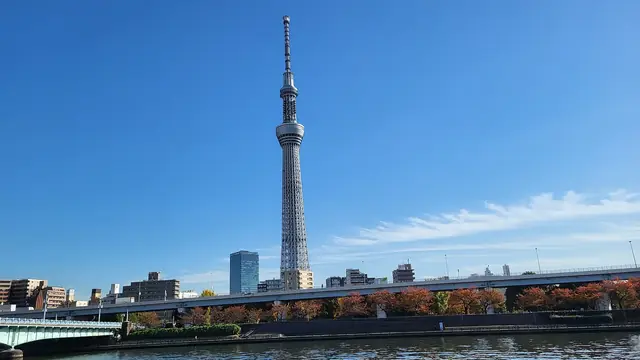
Skytree opened in 2012 as the world's tallest freestanding broadcasting tower, built to carry Tokyo's digital TV signals. Its height of 634 metres was chosen to be read in Japanese as mu-sa-shi, the old name of the province that once covered Tokyo. It was designed by Nikken Sekkei and built by Obayashi.
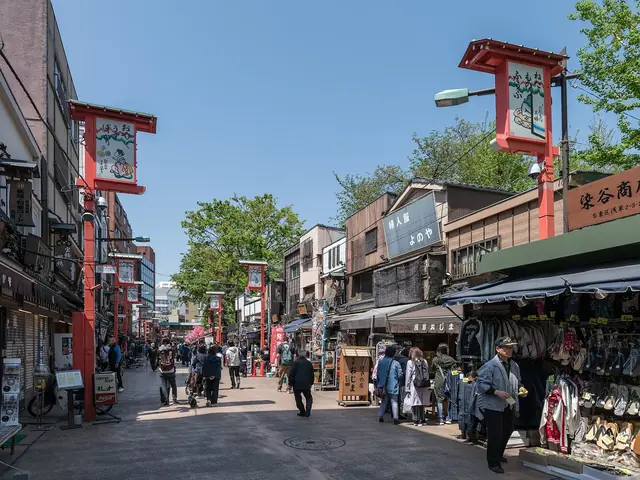
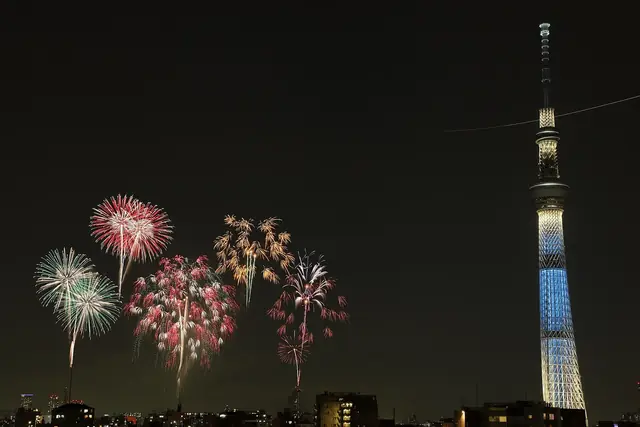
The tower is also a piece of Shitamachi, the old east side of Tokyo. Its lighting was designed around Edo ideas: Iki, a pale blue said to recall the surface of the Sumida River, and Miyabi, an elegant purple based on the traditional Edo-murasaki colour. You see one of them, or a special pattern, from all over the east of the city every night.
What to see, from the ground to 450 m
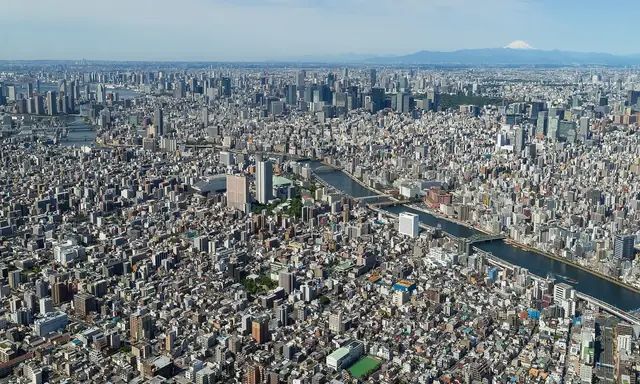
You enter on the fourth floor, where the ticket counters are, and a fast lift takes you to the Tembo Deck. Its top level at 350 metres is a ring of glass panels more than five metres tall, and the Skytree Round Theater there runs short panoramic video shows. One level down, at 345 metres, are the Sky Restaurant 634 and a shop, and at 340 metres there is a glass floor you can stand on, next to the Skytree Cafe.
A second lift goes up to the Tembo Galleria, a tube-shaped glass walkway that climbs in a slow spiral from 445 to 450 metres around the outside of the tower. At the top is Sorakara Point, the highest spot open to visitors. On a clear day the view reaches about 70 km, and on the clearest days, mostly in winter, Mount Fuji appears to the west.
Back on the ground, Tokyo Solamachi has around 300 shops and restaurants. The Sumida Aquarium on its fifth and sixth floors is an indoor aquarium with an open penguin pool and a large tank based on the sea around Tokyo's islands. The Konica Minolta Planetarium Tenku is on the seventh floor of the East Yard, and the Postal Museum Japan on the ninth.
- The glass floor at 340 m is the photo everyone wants. It is usually less crowded right after opening.
- You leave the tower through the shop on the fifth floor, so leave souvenir shopping for the end.
The year at Skytree
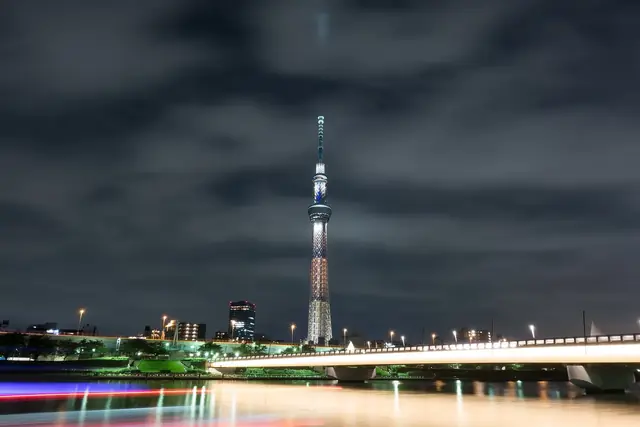
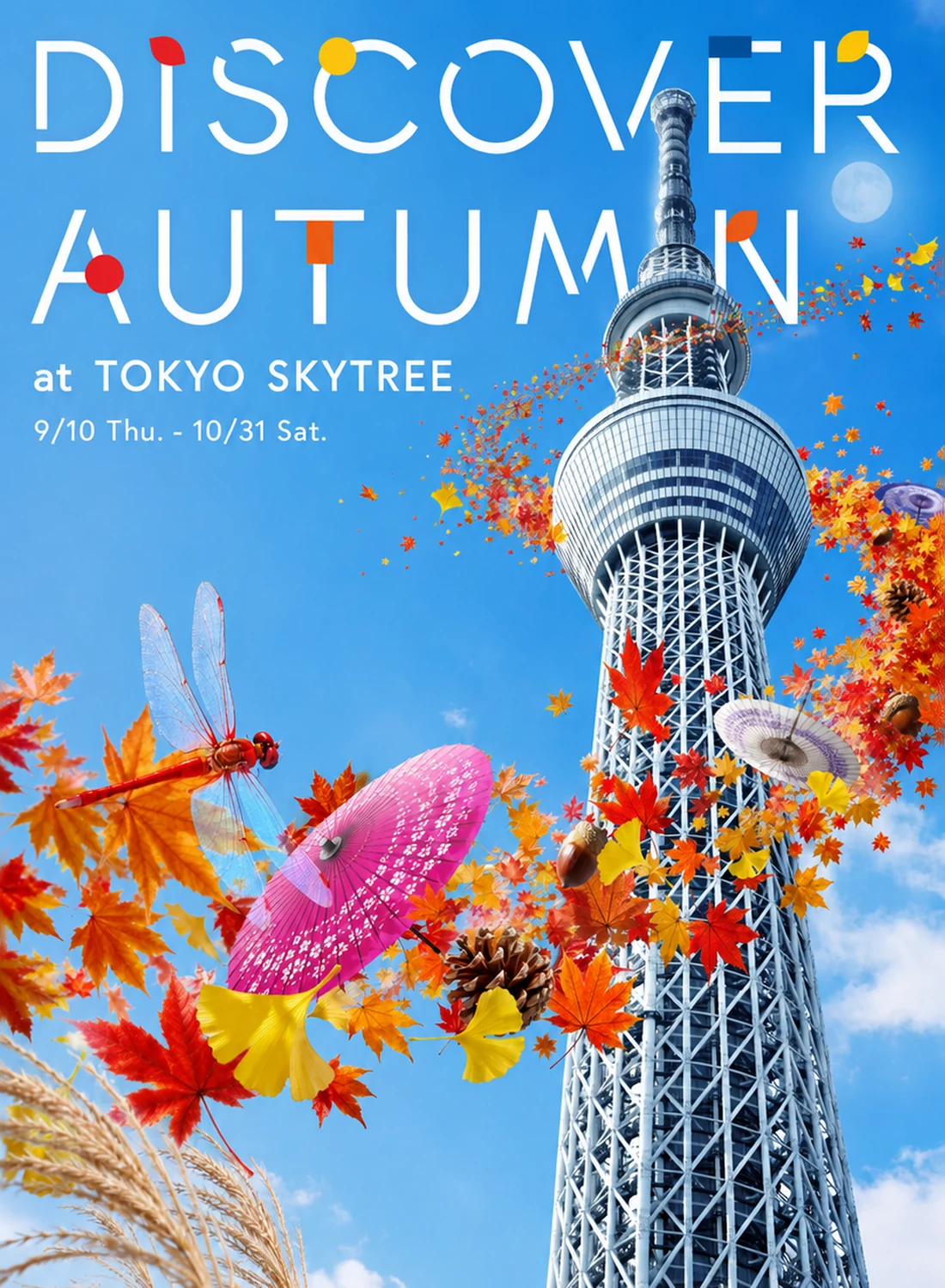
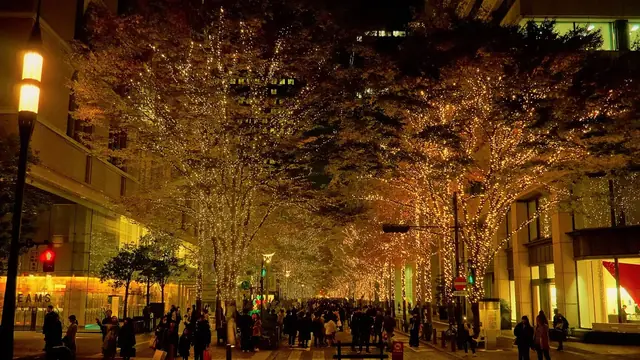
The tower changes with the seasons. The decks get seasonal decorations and limited cafe menus, with an autumn theme and then Christmas decorations from early November into winter, and the evening lights switch to special patterns for holidays and events. Besides Iki and Miyabi there is a third standard pattern, Nobori, an orange-based design that recalls festival banners.
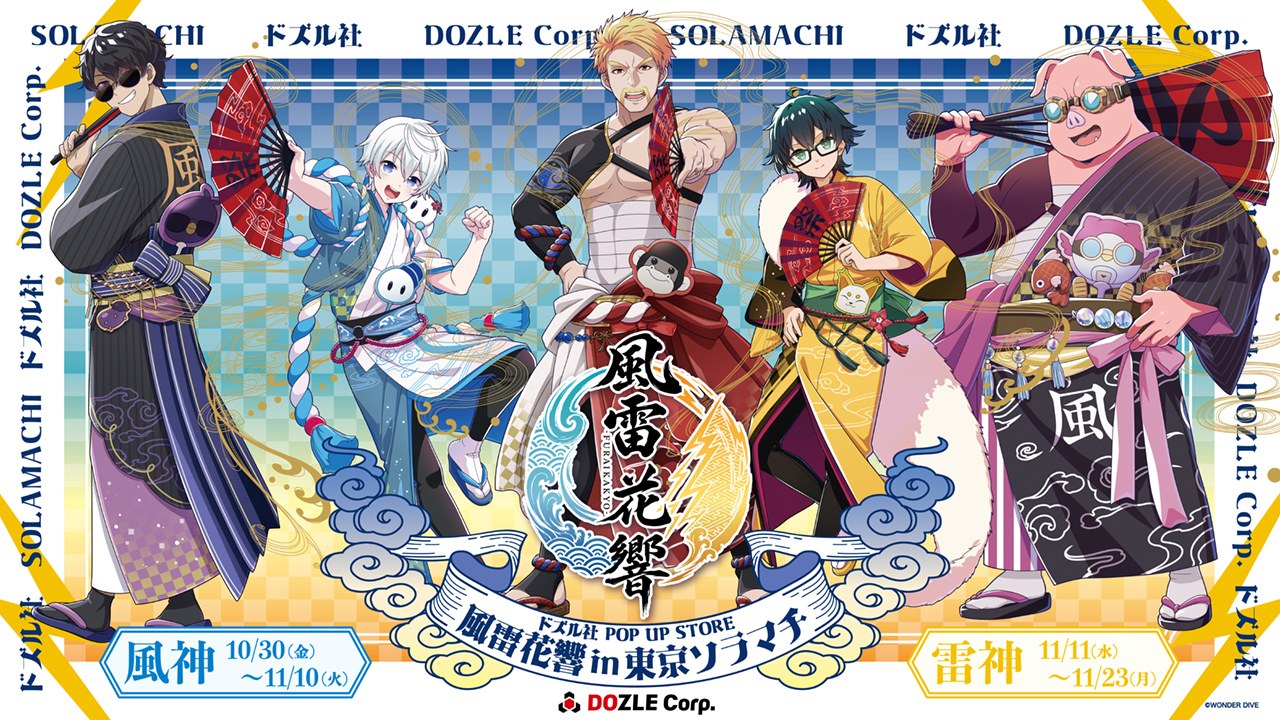
On the last Saturday of July the Sumida River Fireworks go up just upstream, and in recent years Skytree has run a special evening session on fireworks night with a limited number of tickets, usually sold by lottery on the official site. On January 1 a special early opening for the first sunrise of the year also takes a small number of visitors, with tickets sold in advance, mostly by an online lottery in the autumn. Down at street level, Solamachi often hosts events, pop-up shops and seasonal fairs.
Tickets, timing and crowds
You can buy tickets on the day, but online tickets for a chosen date and time are the better deal: you skip the ticket queue, enter through a separate lane, and avoid the extra per-ticket fee charged at the fourth-floor counter and machines. There are tickets for the Tembo Deck alone and combo tickets for both decks. You can also add the Tembo Galleria inside the Tembo Deck on the day, if there is space. Prices are higher on weekends and holidays.
The busiest times are weekends, holidays and the hour around sunset. Weekday mornings are the calmest. For the clearest air, go in the colder months, early in the day; for night views, come after dark when the city is lit. If the forecast shows low cloud, the top of the tower can be inside it, which is one reason some people buy on the morning they go instead of weeks ahead.
The official site publishes a crowd forecast and the day's opening hours, and the last admission is one hour before closing. A visit to both decks takes about one and a half to two hours.
- Wear dark clothes for photos through the glass at night. Light colours reflect in the windows.
- Children aged 5 and under go up free.
- Weekend sunset slots are the most popular, so book those early.
Getting there and what is nearby
Tokyo Skytree Station on the Tobu Skytree Line is at the foot of the tower, three minutes from Asakusa. Oshiage (Skytree-mae) Station, on the Hanzomon Line, the Toei Asakusa Line and the Keisei Line, has exits that lead straight into Skytree Town.
From Asakusa you can also walk in about 20 minutes. The nicest way is the Sumida River Walk, a footbridge along the Tobu railway bridge that crosses the river from near Asakusa Station and leads to Tokyo Mizumachi, a row of cafes and shops under the tracks beside the Kitajukken River. Sumida Park along the river is one of the city's classic cherry blossom walks in early April. Ryogoku, with the Edo-Tokyo Museum and the Kokugikan sumo hall, is a short ride south.
- Asakusa in the morning, lunch by the river and Skytree at sunset make an easy one-day plan.
- On a hazy day, buy the Tembo Deck only and add the Tembo Galleria inside if the view clears.